For Business & Service Inquiries
Sales Team
Project quotes, partnerships, implementation
Don't see your industry? We serve every sector - let us know your needs and we'll tailor a solution.
The rapid growth of digital health solutions has reshaped healthcare accessibility, offering patients and medical professionals faster, more efficient ways to manage treatment. Remote Patient Monitoring (RPM) is at the forefront of this transformation, providing real-time tracking of vital health metrics and enabling early disease detection. With remote patient monitoring technology, healthcare providers in the UAE are streamlining chronic disease management, reducing hospital congestion, and enhancing patient care beyond traditional medical settings. From hospitals and clinics to home healthcare services, RPM is proving to be a game-changer in 2025. By leveraging remote patient monitoring solutions, healthcare professionals can remotely track a patient’s vitals, detect anomalies in real-time, and take immediate action—all without requiring in-person visits. The impact is especially significant for chronic disease management, post-operative recovery, and elderly care, reducing the burden on hospitals while ensuring better health outcomes. Why Remote Patient Monitoring is Growing in UAE The UAE’s healthcare sector is rapidly embracing remote patient monitoring solutions to meet the demands of a growing patient population. By 2025, RPM is set to become a standard practice in healthcare facilities, driven by multiple factors, including: 1. Rising Cases of Chronic Diseases The prevalence of chronic conditions such as diabetes, hypertension, and cardiovascular diseases is increasing in the UAE. These conditions require continuous monitoring, making RPM an essential tool for healthcare providers. 2. Shift Toward Digital Healthcare The UAE government is actively promoting digital health transformation, encouraging hospitals and clinics to adopt remote patient monitoring technology as part of their telehealth strategies. 3. Hospital Overcrowding and Resource Optimization By allowing patients to be monitored remotely, hospitals can reduce unnecessary admissions and allocate resources more efficiently. This is crucial in emergencies, where hospital capacity is limited. 4. Increased Adoption of AI and IoT in Healthcare Artificial intelligence (AI) and the Internet of Things (IoT) are transforming the way health data is collected and analyzed. AI-driven RPM platforms enhance accuracy, automate reporting, and provide actionable insights for doctors. 5. Growing Demand for Home-Based Care With an aging population and the need for personalized treatment, remote patient monitoring solutions allow patients to receive medical care in the comfort of their homes without frequent hospital visits. Understanding Remote Patient Monitoring Technology Remote Patient Monitoring Technology enables continuous tracking of a patient’s health data through medical-grade wearables, sensors, and Remote Patient Monitoring Apps. These devices collect data such as blood pressure, heart rate, oxygen levels, and glucose levels, transmitting it securely to healthcare providers in real-time. How It Works Data Collection: Wearable devices and sensors track a patient’s vital signs, detecting any irregularities. Data Transmission: The collected data is securely transferred via cloud-based RPM software to medical professionals for review. Analysis and Alerts: AI algorithms analyze the data and trigger alerts if there are any significant health risks. Doctor Intervention: Healthcare providers receive notifications and can take immediate action, such as adjusting treatment plans or scheduling emergency consultations. Who Benefits from RPM? Patients with chronic illnesses such as diabetes, hypertension, and heart disease Post-surgery patients requiring close monitoring Elderly individuals needing regular health tracking Patients in remote areas with limited access to healthcare facilities By eliminating the need for frequent in-person check-ups, RPM ensures that healthcare is more accessible, cost-effective, and patient-centered. Key Features of Remote Patient Monitoring Software A robust remote patient monitoring system is built with a variety of features to ensure accurate health tracking and seamless communication between patients and doctors. 1. Seamless Integration with Medical Devices The RPM system connects with wearables such as smartwatches, ECG machines, blood glucose monitors, and pulse oximeters to collect and transmit real-time health data. 2. Continuous, Real-Time Health Tracking With automated updates, healthcare professionals can monitor a patient’s vitals 24/7 without requiring physical visits. 3. AI-Powered Health Analytics and Insights The software employs AI-driven analytics to detect patterns and provide predictive insights, allowing for proactive healthcare management. 4. Secure Two-Way Communication RPM platforms include built-in video calling, chat, and messaging features, enabling seamless communication between doctors and patients. 5. Automated Alerts and Notifications If a patient’s vitals exceed safe levels, the system immediately sends alerts to doctors, caregivers, and even emergency contacts. 6. Integration with EHR/EMR Systems By syncing with hospital electronic health records (EHRs), doctors can access a patient’s complete medical history for informed decision-making. How Remote Patient Monitoring Benefits UAE’s Healthcare in 2025 1. Early Detection of Critical Health Issues With real-time monitoring, healthcare providers can detect abnormalities before they become life-threatening. Early intervention reduces the chances of complications and emergency hospitalizations. 2. Effective Chronic Disease Management For conditions like diabetes and hypertension, RPM enables continuous tracking, allowing patients to maintain stable health without frequent clinic visits. 3. Improved Elderly Care Seniors benefit from remote monitoring by receiving regular health assessments without leaving their homes. This reduces stress, enhances comfort, and lowers medical expenses. 4. Lower Healthcare Costs for Patients and Providers By minimizing hospital visits and unnecessary in-person consultations, RPM reduces medical expenses for patients and optimizes hospital resource allocation. 5. Enhanced Patient Engagement and Self-Care With access to real-time health data, patients become more engaged in managing their own conditions, leading to better treatment adherence. 6. AI-Driven Medical Decision-Making AI-powered insights help doctors make faster, data-backed treatment decisions, improving patient outcomes. 7. Reduced Hospital Congestion Hospitals can focus on critical cases while remotely managing stable patients, reducing staff workload and operational costs. 8. Lower Risk of Hospital-Acquired Infections Minimizing in-person visits means fewer patients are exposed to infections, making RPM a crucial tool in post-pandemic healthcare. Industry Outlook: The Future of RPM in UAE With the UAE’s commitment to digital healthcare, remote patient monitoring solutions are expected to grow exponentially. Government policies and insurance providers are increasingly supporting telemedicine initiatives, making RPM a key pillar in modern healthcare infrastructure. Upcoming advancements in AI, wearable technology, blockchain for data security, and cloud computing will further enhance the effectiveness of RPM systems. As a result, healthcare providers who invest in this technology now will be better positioned for long-term success. Get a Custom Remote Patient Monitoring Solution with SISGAIN As one of the Top Healthcare Software Development Companies, SISGAIN specializes in developing remote patient monitoring solutions that cater to hospitals, clinics, and telemedicine providers. Why Choose SISGAIN? Customized RPM platforms tailored to your healthcare facility’s needs AI-driven insights for better decision-making Seamless integration with existing EHR systems HIPAA and GDPR compliance ensuring data security 24/7 technical support for smooth operations and reliability Looking for Medical App Development Companies that offer advanced RPM solutions? Contact SISGAIN today and revolutionize the way you monitor and manage patient health. Final Thoughts Remote patient monitoring is no longer an option—it is a necessity. With a growing population facing chronic health challenges and rising demand for home-based care, remote patient monitoring technology is redefining healthcare in the UAE. Hospitals, clinics, and telemedicine providers must adopt remote patient monitoring solutions to improve patient care, reduce operational costs, and stay ahead in the evolving digital health landscape. The future of healthcare is here, and RPM is leading the way.
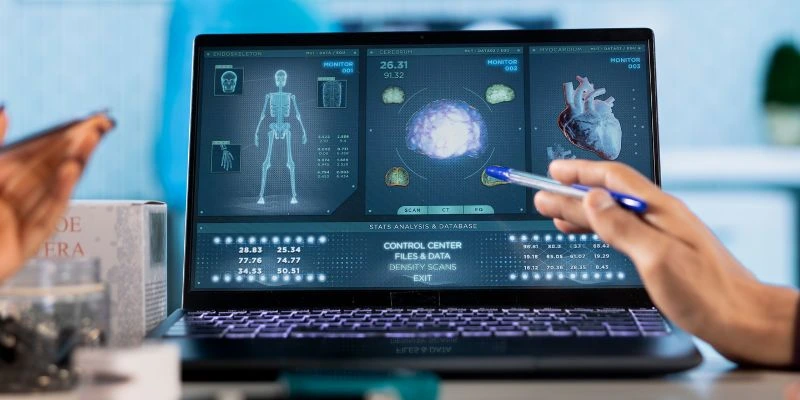
Artificial Intelligence (AI) is revolutionizing healthcare, with remote patient monitoring (RPM) emerging as one of the most transformative applications. As hospitals and healthcare providers seek innovative ways to enhance patient care, AI in remote patient monitoring is becoming indispensable. By leveraging machine learning, predictive analytics, and IoT-enabled medical devices, AI is reshaping how patient data is collected, analyzed, and utilized for better health outcomes. AI-powered RPM solutions allow for real-time patient monitoring, early disease detection, and personalized treatment plans. These advancements significantly reduce hospital readmissions and improve patient experiences. Additionally, AI-driven healthcare ensures more precise decision-making, empowering doctors with insights that traditional monitoring methods cannot provide. With rising healthcare costs and an increasing burden on medical professionals, AI offers a scalable and cost-effective solution to meet the growing demand for quality patient care. This article explores how AI-powered remote patient monitoring is changing healthcare and why it is set to become the standard for modern medical care. What is AI in Remote Patient Monitoring? AI in remote patient monitoring (RPM) refers to the integration of artificial intelligence with remote monitoring technologies to collect, analyze, and interpret patient health data in real-time. Traditional RPM systems rely on wearables, sensors, and connected devices to track vital signs, but AI takes this a step further by enabling: Real-time data analysis to detect early warning signs of diseases, reducing the risk of late-stage diagnoses. Predictive modeling to forecast potential health risks before they become critical, preventing medical emergencies. Automated alerts that notify healthcare providers of irregularities in patient health, ensuring timely interventions. Personalized treatment recommendations based on continuous data collection, improving patient-specific care plans. With remote patient monitoring AI, healthcare providers can offer more precise, data-driven care, improving patient outcomes and operational efficiency. AI-powered RPM is not just a tool for convenience—it is a game-changer in modern healthcare that enhances proactive and preventive care models. For healthcare organizations looking to implement cutting-edge RPM solutions, exploring Remote Patient Monitoring Solutions can provide deeper insights into available technologies. Benefits of AI in Remote Patient Monitoring For Patients Early Disease Detection – AI-powered systems analyze patterns in health data, detecting conditions like hypertension, diabetes, and heart disease before symptoms worsen. Traditional healthcare often relies on symptom-based diagnosis, but AI can identify warning signs before they manifest physically. This proactive approach significantly improves treatment success rates and prevents severe complications. Personalized Healthcare – AI tailors treatment plans based on individual health trends, ensuring better adherence to care. Personalized medicine enhances patient outcomes by accounting for genetics, lifestyle, and environmental factors, making treatments more effective and reducing adverse reactions. Reduced Hospital Visits – By remotely managing chronic conditions, patients can avoid unnecessary hospitalizations, saving time and costs. This is particularly beneficial for elderly or mobility-restricted individuals who struggle with frequent doctor visits. 24/7 Health Monitoring – Continuous tracking through AI-powered wearables provides real-time health updates. Unlike traditional check-ups, AI-driven monitoring ensures constant surveillance, allowing immediate interventions when necessary. Improved Patient Engagement – Patients receive automated reminders for medication and lifestyle adjustments, promoting better health management. AI chatbots and virtual health assistants enhance patient education, ensuring they understand their conditions and necessary precautions. For those interested in more comprehensive patient care options, exploring Remote Patient Monitoring Apps can provide additional solutions. For Healthcare Providers Proactive Interventions – AI detects health anomalies early, allowing doctors to intervene before complications arise. This predictive capability reduces emergency hospitalizations and enhances long-term care strategies. Reduced Workload – Automated data processing reduces the burden on medical staff, enabling them to focus on critical cases. AI helps streamline administrative tasks, such as documentation and reporting, allowing doctors to dedicate more time to patient care. Enhanced Accuracy – AI eliminates human error in data interpretation, providing more precise diagnoses. Machine learning models analyze vast datasets with high accuracy, minimizing misdiagnoses and improving treatment effectiveness. Optimized Resource Allocation – AI helps hospitals manage patient loads by prioritizing high-risk cases. With limited healthcare professionals available, AI-powered RPM ensures that urgent cases receive immediate attention. Seamless Data Integration – AI-powered RPM systems integrate with Electronic Health Records (EHRs), streamlining patient management. This connectivity enhances collaboration among medical professionals and improves treatment coordination. For Healthcare Systems & Governments Cost Savings – AI reduces the financial burden of chronic disease management by preventing hospital readmissions. AI-based RPM significantly cuts healthcare expenses by shifting the focus from reactive treatment to preventive care. Better Public Health Management – Governments can use AI-powered data insights to track health trends and allocate resources efficiently. AI-driven analytics assist in managing pandemics, tracking disease outbreaks, and optimizing vaccination programs. Addressing Workforce Shortages – AI compensates for the shortage of healthcare professionals by automating routine tasks. This helps maintain high-quality care despite staffing challenges in hospitals and clinics. Faster Emergency Response – AI-driven alerts ensure timely medical attention in critical cases. For example, AI-powered systems can detect sudden drops in oxygen levels and notify emergency responders instantly. Scalability of Healthcare Services – AI enables remote care in underserved and rural areas, bridging healthcare accessibility gaps. By leveraging telemedicine and RPM, quality healthcare can reach populations that lack easy access to medical facilities. Key Technologies Powering AI in Remote Patient Monitoring 1. Machine Learning & Predictive Analytics Machine learning enables AI systems to recognize patterns in patient health data, predicting disease progression and potential complications. By analyzing thousands of data points, AI can forecast: Risk of heart attacks or strokes based on real-time ECG and blood pressure data. Fluctuations in blood sugar levels for diabetics, helping optimize insulin administration. Deterioration in chronic conditions like COPD, allowing for early interventions before severe breathing issues arise. 2. Wearables & IoT Devices AI-powered wearables track vital signs such as: Heart rate and ECG readings, helping detect arrhythmias. Oxygen saturation (SpO2) levels, crucial for COVID-19 and respiratory patients. Blood pressure and glucose levels, ensuring better chronic disease management. These devices transmit real-time data to healthcare providers, ensuring continuous patient monitoring without hospital visits. 3. AI Chatbots & Virtual Assistants AI chatbots improve patient engagement by: Answering health-related queries, reducing the need for frequent doctor visits. Sending reminders for medication and appointments, improving adherence rates. Providing mental health support and symptom assessments, enhancing patient care accessibility. By integrating chatbots with Medical App Development Companies, healthcare providers enhance patient interactions without additional human resources. Conclusion: AI as the Backbone of Future Healthcare The integration of AI in remote patient monitoring is a game-changer for modern healthcare. With its ability to provide real-time insights, predict health risks, and enhance patient engagement, AI is paving the way for a smarter, more efficient, and patient-centric healthcare system. For healthcare organizations looking to develop innovative RPM platforms, partnering with a Custom Healthcare Software Development Company can accelerate the implementation of AI-driven solutions.
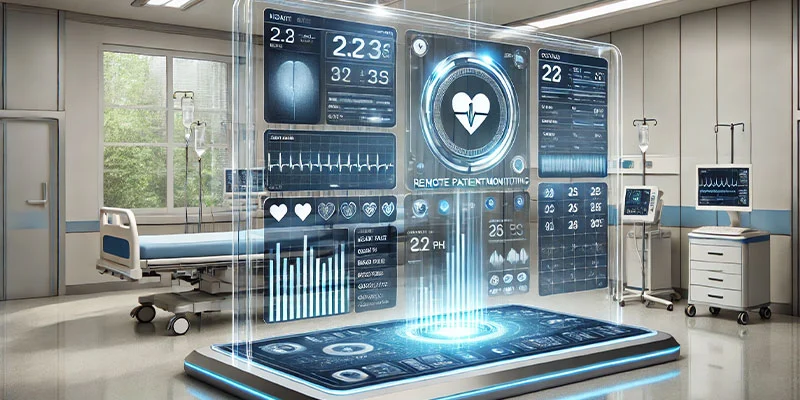
The healthcare sector within the UAE is seeing rapid developments in the field of digital health as well as Remote Patient Monitoring (RPM) Software becoming a game changer. It is among the most renowned Healthcare App Development Companies, SISGAIN has been at the forefront of technological advances since 2007. With the rising demand for the development of telemedicine apps along with hospitals information technology and hospital information systems, the UAE has been leveraging RPM to improve patient care as well as reduce hospital visits and encourage an active approach to health care management.The Growing B2B Healthcare Market in the UAEThe healthcare market in the UAE particularly within Dubai is seeing a substantial increase in the use of digital health. As a result of government initiatives to promote digital transformation, health providers are in the process of integrating Remote Patient Monitoring Software to improve efficiency. The B2B healthcare sector in the UAE is heavily influenced by Telehealth regulations from the government encourage the use of telehealth. More investment in hospitals' data systems and the development of telemedicine apps.A shift to value-based health models of care.The demand from patients for remote health care.What is Remote Patient Monitoring Software?Remote monitoring software for patients allows healthcare professionals to monitor patient health in non-traditional medical settings. By using IoT-based medical devices wearable sensors, as well as real-time data analysis, RPM ensures continuous monitoring of chronic diseases such as post-surgical healing, and general health.Key Features of RPM Software:Health tracking in real-time monitors vital indicators such as blood pressure, heart rate, glucose levels, as well as oxygen saturation.Automatic alerts, notifications and reminders inform physicians and health care providers of the existence of irregular health information.Integration with EHRs Syncs patient information with hospitals' information systems for efficient treatment.Secure telehealth communications facilitates virtual consultations between patients and doctors.Data analytics and reports help in the early diagnosis of health issues and predictive healthcare.Benefits of RPM in the UAE Healthcare SystemThe widespread use of remote monitoring software for patients across Dubai and throughout the UAE is changing the way patients are treated. Here's how:1. Enhanced Access to HealthcareWith the development of apps for telemedicine and RPM services, patients can be monitored by a doctor regardless of where they are which reduces the requirement for visits in person particularly in remote or under-served areas.2. Reduced Hospital ReadmissionsRPM aids in the early diagnosis of health issues to avoid complications that could result in hospitalizations. Management of chronic disease is more efficient with regular information collection and intervention by a physician.3. Cost-Effective Healthcare SolutionsPatients and healthcare providers can benefit from fewer hospital visits as well as lower medical expenses. In addition, insurance businesses across the UAE are progressively embracing remote monitoring of patients within their healthcare plans.4. Improved Patient Engagement & SatisfactionPatients are more informed about their overall health when they can access live data. RPM increases patient engagement by allowing easy access to their health indicators and enabling seamless communication with health experts.5. Streamlined Workflow for Healthcare ProvidersThrough connecting RPM in conjunction with the hospital's information system Clinics and hospitals can streamline monitoring of patients and optimize allocation of resources and improve the efficiency of operations.Challenges in Implementing RPM in the UAEWhile the benefits of RPM are immense but there are some challenges to be tackled:1. Technological BarriersA reliable Internet connectivity is essential for smooth RPM operation.Patients need to be taught in the use of monitoring devices effectively.2. Data Security & ComplianceHealthcare providers must adhere to the stringent UAE regulations on data privacy to ensure the security of patient data.The implementation of robust cybersecurity measures is crucial to stop data security breaches.3. Insurance & Reimbursement PoliciesHealthcare insurance providers may not offer remote monitoring.Standardized policies are essential to ensure the wider acceptance for RPM solutions.Future of RPM & Telemedicine in UAEThe UAE government has taken a proactive approach in adopting the Telemedicine App Development in conjunction with RPM, as a part of its smart health initiatives. With the continued investment in hospitals' Information Systems and the digital medical infrastructure, the near future is promising for remote health services.Key Trends to Watch:Expanding the use of AI-driven predictive analytics in RPM.Integration of blockchain technology to secure patient data sharing.The adoption rate has increased for wearable health technology.The growth of B2B health collaborations to improve RPM capabilities.Why Choose SISGAIN for RPM Solutions?Since 2007 SISGAIN has established itself as a trusted Healthcare App Development Company, offering innovative solutions in remote monitoring software for patients and telemedicine apps development in addition to hospital data systems. Our custom RPM solutions meet the ever-changing requirements of healthcare professionals across Dubai and across the UAE providing smooth integration and compliance and top-quality care for patients.Our Strengths:Modified RPM development: Tailored solutions based on client specifications.Secure and Secure Systems: Conforming with UAE's health data security rules.Scalability and Flexibility: Created to adapt to the needs of the practice of your healthcare.24-hour Technical Support: Making sure that the implementation is seamless and provides support for users.ConclusionThe UAE is leading the way in the digital transformation of healthcare as remote monitoring software for patients playing an integral part in improving the outcomes of patients as well as reducing costs and improving performance of medical professionals. As the demand for the development of telemedicine apps along with Hospital Information System is growing, SISGAIN remains committed to providing cutting-edge solutions to the UAE healthcare sector. Make a bet on the next generation of health care by investing in SISGAIN the trusted partner for remote monitoring of patients solutions. Contact us today to find out more!










































































Smoothly transition your vision into reality by setting clear goals, taking actionable steps, and staying adaptable—turning ideas into tangible outcomes with persistence and a focused approach.


Book a Free Consultation Call with Our Experts Today
Project quotes, partnerships, implementation
Open roles, referrals, campus hiring
