17 Years of Software Expertise — 500+ Happy Clients | Across 25+ Industries.
EXPLORE NOW!
17 Years of Software Expertise — 500+ Happy Clients | Across 25+ Industries. EXPLORE NOW!17 Years of Software Expertise — 500+ Happy Clients | Across 25+ Industries.EXPLORE NOW!17 Years of Software Expertise — 500+ Happy Clients | Across 25+ Industries.17 Years of Software Expertise — 500+ Happy Clients | Across 25+ Industries. EXPLORE NOW!17 Years of Software Expertise — 500+ Happy Clients | Across 25+ Industries.EXPLORE NOW!17 Years of Software Expertise — 500+ Happy Clients | Across 25+ Industries.
Health Information Exchange Software Development Company in the UAE
Enterprise HIE, FHIR & HL7 Integration Built for Malaffi, NABIDH, and Riayati Compliance
SISGAIN is a trusted Health Information Exchange Software Development Company helping UAE hospitals, insurers, and health authorities achieve secure compliance with Malaffi, NABIDH, and Riayati. With 17+ years of healthcare IT expertise and FHIR/HL7-certified engineers, we deliver enterprise HIE software that integrates faster, reduces risk, and supports DoH, DHA, and MOHAP interoperability requirements.
The Business Challenges Behind Every Failed Interoperability Project
Hospital IT leaders don't fail at interoperability because they picked the wrong FHIR version. They fail because the underlying business and operational problems were never solved before the coding started.
Fragmented patient records across disconnected systems.
A single UAE hospital group can run Epic in one facility, Cerner in another, and a legacy on-premise EMR in a third — with lab results sitting in a separate LIS and radiology images locked inside a PACS that nothing else talks to. Clinicians end up re-entering data or, worse, making decisions without the full patient picture.
Legacy HL7 v2 feeds that can't speak FHIR.
Most hospital systems installed in the last 15 years run on HL7 v2 ADT and ORU messaging. Malaffi, NABIDH, and Riayati all expect FHIR R4-based submissions. Bridging that gap requires an integration engine that can transform, validate, and route messages in both directions without dropping data — something most in-house IT teams have never built before.
Master patient identity chaos.
When the same patient exists as three different MRNs across three systems, every downstream integration inherits that error. A master patient index isn't optional at enterprise scale — it's the foundation everything else depends on, and getting patient matching logic wrong creates clinical risk, not just a data quality issue.
Compliance deadlines with real financial consequences.
DoH, DHA, and MOHAP have made HIE connectivity a licensing and accreditation requirement, not a nice-to-have. Insurance payers are increasingly requiring interoperability readiness before contract renewal. A missed Malaffi or NABIDH deadline isn't an IT problem anymore — it's a board-level risk, and it's one that tends to surface at the worst possible time: during an accreditation review, a payer contract negotiation, or a government audit, rather than during a routine internal check.
In-house teams stretched across too many priorities.
Most hospital IT departments are staffed for uptime and support, not for building a FHIR R4 integration engine from scratch. Asking a general IT team to own HIE architecture on top of daily operational demands usually means the project either stalls indefinitely or ships with shortcuts that surface as data quality problems months after go-live.
Consent management that doesn't hold up to audit.
UAE PDPL requires documented, granular patient consent for data sharing. Bolting a consent checkbox onto an existing system after the fact rarely satisfies an ADHICS security audit or a PDPL compliance review.
Vendor lock-in from proprietary integration engines.
Many hospitals inherited integration middleware tied to a single EMR vendor's ecosystem. When that vendor's roadmap doesn't match the hospital's interoperability needs, IT teams are stuck rebuilding from scratch instead of extending what exists.
UAE Healthcare Compliance: Malaffi, NABIDH, Riayati, and ADHICS
Every UAE healthcare interoperability project has to satisfy overlapping — and sometimes emirate-specific — regulatory frameworks. SISGAIN builds health information exchange software that is architected against these requirements from day one, not adapted to them after the fact.
Malaffi (Abu Dhabi)
Malaffi is the Department of Health Abu Dhabi's (DoH) health information exchange platform, connecting public and private healthcare providers across the emirate into a single shared patient record. Any hospital, clinic, or diagnostic center operating in Abu Dhabi is expected to connect to Malaffi, submitting clinical data in the formats and cadences DoH specifies. We build the FHIR and HL7 integration layer that makes that connection possible without disrupting a facility's existing EMR workflows.
NABIDH (Dubai)
NABIDH is the Dubai Health Authority's (DHA) health information exchange initiative, built on similar interoperability principles but with its own technical onboarding process and data submission standards distinct from Malaffi. Facilities operating across both Abu Dhabi and Dubai need an integration architecture flexible enough to satisfy both platforms without maintaining two entirely separate technical stacks — something we design for explicitly in multi-emirate engagements.
Riayati (Federal — MOHAP)
Riayati is the Ministry of Health and Prevention's (MOHAP) federal digital health platform, extending health information exchange beyond Abu Dhabi and Dubai to the rest of the UAE. Healthcare groups and diagnostic chains with facilities across multiple emirates need their HIE architecture to map cleanly to Riayati's federal requirements alongside any emirate-specific platform they're also connected to.
UAE PDPL (Personal Data Protection Law)
UAE PDPL governs how patient data is collected, stored, processed, and shared — with specific requirements around consent, data minimization, and cross-border data transfer. Every HIE platform we build includes consent management, data access logging, and encryption controls designed to satisfy PDPL requirements as a baseline, not an afterthought.
ADHICS (Abu Dhabi Healthcare Information and Cyber Security Standard)
ADHICS sets the technical security baseline for healthcare organizations operating in Abu Dhabi, covering everything from access control to incident response. We architect infrastructure, encryption, and audit logging to align with ADHICS control requirements from the earliest design phase, so security isn't a retrofit before a compliance review — it's already built in.
Our Health Information Exchange Software Development Services
SISGAIN delivers end-to-end health information exchange software development — from initial architecture through post-launch support — covering every technical layer an enterprise interoperability platform requires.
Health Information Exchange Platform Development.
Full-lifecycle HIE platform development: architecture, FHIR data modeling, integration engine build, testing, and deployment, purpose-built for Malaffi, NABIDH, or Riayati connectivity requirements.
HIE Software Solutions.
Configurable HIE platforms for hospital groups, insurers, and diagnostic networks that need to exchange clinical data across multiple facilities and multiple source systems without building from a blank slate.
FHIR Development
FHIR R4 resource modeling, custom FHIR profiles, and FHIR API development for organizations that need standards-based interoperability with EMRs, labs, payers, and government health platforms.
HL7 v2 and v3 interface development, including ADT, ORU, ORM, and SIU message handling, plus HL7-to-FHIR transformation for organizations bridging legacy systems into modern interoperability requirements.
Direct integration with Epic, Cerner, Oracle Health, InterSystems, and regional EMR platforms, giving clinicians a unified view of patient data without forcing a system replacement.
Electronic health record integration across ambulatory, inpatient, and specialty care systems, structured around FHIR resources so downstream applications can consume clinical data consistently.
Custom healthcare API development connecting clinical, billing, and administrative systems — RESTful and FHIR-based APIs designed for the throughput and security requirements of enterprise healthcare environments.
Purpose-built APIs for internal use, partner integrations, or third-party application access, with authentication, rate limiting, and audit logging designed to enterprise security standards.
Master Patient Index.
Enterprise MPI implementation with deterministic and probabilistic patient matching, giving every connected system a single, reliable source of patient identity.
Clinical Data Repository.
A centralized, FHIR-native clinical data repository that aggregates records from every connected source system into one queryable, longitudinal patient record.
Consent Management.
Granular, auditable patient consent architecture — by data type, by purpose, by receiving organization — satisfying both UAE PDPL requirements and the practical needs of clinical data sharing.
Healthcare Cloud Integration.
Secure migration and integration of healthcare workloads to cloud infrastructure, architected for the availability, encryption, and compliance requirements healthcare data demands.
HIE Integration Services.
Ongoing integration support as new facilities, EMR systems, labs, or payers join the network — extending the HIE platform without a ground-up rebuild every time the connected ecosystem changes.
Healthcare Interoperability Architecture: How the Platform Actually Works
SISGAIN's HIE architecture ingests data from every connected source system, normalizes it into FHIR R4 resources through a dedicated integration engine, resolves patient identity through a master patient index, and exposes the unified record through secure FHIR APIs to authorized consumers — clinicians, government HIE platforms, and partner applications.
01
Source system connectors.
Dedicated interfaces pull data from EMRs, LIS, RIS, PACS, billing systems, and medical devices, using whatever protocol each system natively supports — HL7 v2 feeds, FHIR APIs, flat file exports, or direct database connections where nothing else is available.
02
Integration engine.
Incoming data is validated, transformed, and mapped into FHIR R4 resources. This is where HL7-to-FHIR transformation happens, where malformed messages get flagged instead of silently corrupting downstream data, and where routing logic determines which systems receive which data.
03
Master patient index.
Every incoming record is matched against the MPI to resolve patient identity across source systems, preventing the duplicate-record problem that undermines most in-house integration attempts.
04
Clinical data repository.
Normalized, patient-matched FHIR resources are stored in a centralized repository that serves as the single source of truth for the patient's longitudinal record.
05
Consent and access control.
Every query against the repository is filtered through consent rules and role-based access control before data is returned, satisfying both PDPL and ADHICS requirements at the data access layer, not just the network perimeter.
06
Exposure layer.
Secure FHIR APIs expose the unified record to authorized consumers: clinician-facing applications, government HIE platforms (Malaffi, NABIDH, Riayati), and approved third-party integrations via SMART on FHIR.
FHIR & HL7 Expertise: What Enterprise Buyers Need to Know
Standard
Format
Primary Use Case
UAE Relevance
HL7 v2
Pipe-delimited messaging
Legacy ADT/ORU feeds
Bridged into FHIR for Malaffi/NABIDH submission
HL7 v3
XML-based messaging
Legacy structured exchange
Rare, handled as legacy dependency
FHIR R4
REST/JSON resources
Modern interoperability
Foundation for Malaffi, NABIDH, Riayati
SMART on FHIR
Authorization framework
Third-party app access
Used for provider/patient app integrations
Most enterprise engagements aren't choosing one standard over another — they're building an integration engine that translates between HL7 v2 legacy feeds and FHIR R4 submissions simultaneously, which is exactly where SISGAIN's engineering depth matters most.
An HIE platform is only as useful as the systems it connects to. SISGAIN has direct integration experience across the major clinical, diagnostic, and administrative systems enterprise healthcare organizations run on.
IoT medical devices, remote patient monitoring hardware
Key Benefits of our HIE Software Development Services
Business benefits.
Faster onboarding of new facilities and partner organizations, reduced integration cost per new system connected, and a platform that scales with the organization instead of requiring a rebuild every time the network grows.
Clinical benefits.
Clinicians see a complete patient record at the point of care instead of piecing it together across systems, reducing diagnostic delays and duplicate testing caused by missing history.
Operational benefits.
IT teams manage one integration architecture instead of a growing tangle of point-to-point connections between individual systems — every new connection follows the same pattern instead of requiring custom engineering.
Financial benefits.
Lower long-term integration maintenance cost, reduced risk of compliance penalties tied to missed Malaffi/NABIDH/Riayati deadlines, and stronger negotiating position with insurance payers who increasingly expect interoperability readiness.
Security benefits.
Centralized access control and audit logging make it possible to demonstrate exactly who accessed what patient data and when — a requirement in both ADHICS audits and PDPL compliance reviews.
Compliance benefits.
Purpose-built alignment with Malaffi, NABIDH, Riayati, ADHICS, and UAE PDPL from the architecture stage removes the scramble that happens when compliance is treated as a final checklist item.
Scalability.
FHIR-native architecture means adding a new EMR vendor, a new insurance payer, or a new facility doesn't require re-architecting the platform — it means configuring a new connector against an integration engine that already works.
Enterprise HIE Software Solutions for the UAE Healthcare Industry
Hospitals.
Multi-department, multi-system integration for inpatient and outpatient facilities connecting to Malaffi, NABIDH, or Riayati.
Clinics.
Right-sized HIE connectivity for outpatient and specialty clinics that need compliance without enterprise-hospital infrastructure overhead.
Laboratories.
LIS integration and FHIR-based result reporting into hospital systems and government HIE platforms.
Medical Universities.
Research-grade clinical data infrastructure with the same interoperability and compliance standards as clinical care settings.
Healthcare Groups.
Multi-facility, multi-EMR integration architecture that scales as the group acquires or opens new locations.
Government Healthcare Authorities.
Platform-level integration support for health authorities managing HIE infrastructure at the emirate or federal level.
Insurance Companies.
FHIR-based data ingestion for claims processing, prior authorization, and provider network data exchange.
Why Choose SISGAIN for Enterprise HIE Software Development
Because interoperability isn't a side project for us — it's the core of what we build. A hospital CIO evaluating vendors for Malaffi or NABIDH connectivity is choosing a partner who will still be maintaining that integration in three years, not just the team that shipped the initial build.
SISGAIN combines healthcare-specific engineering depth with UAE regulatory fluency and enterprise delivery discipline. We've built HIE platforms, FHIR integrations, and EMR connections for organizations that measure downtime in patient risk, not just inconvenience — and we architect every engagement with that standard in mind.
Malaffi, NABIDH, and Riayati compliance timelines don't move for IT roadmaps. If your organization needs enterprise-grade health information exchange software development — built by a team that's already fluent in FHIR R4, HL7 v2/v3, and UAE healthcare regulatory requirements — the next step is a technical consultation, not another RFP that sits unanswered for weeks.
We map every source system in scope — EMR, LIS, RIS, PACS, billing, payer connections — and document the current state of data flow, along with the specific Malaffi, NABIDH, or Riayati requirements the organization needs to meet.
02 — ARCHITECTURE
Architecture.
We design the full integration architecture: data model, MPI matching logic, consent framework, and security controls, reviewed with your IT and compliance stakeholders before a line of code is written.
03 — DEVELOPMENT
Development.
Our engineering team builds the integration engine, connectors, and clinical data repository in iterative sprints, with staging environments available for your team to review progress against the architecture.
04 — FHIR MAPPING
FHIR Mapping.
Every data element from every connected source system is mapped to the correct FHIR R4 resource, validated against the target HIE platform's implementation guide, not just generic FHIR specifications.
05 — TESTING
Testing.
Integration testing, load testing, and security testing, including validation against Malaffi, NABIDH, or Riayati sandbox environments where available, before any production connection goes live.
06 — DEPLOYMENT
Deployment.
Phased go-live, typically starting with a single facility or data type before expanding to full production scope, so issues surface in a controlled environment rather than across the entire network at once.
07 — SUPPORT
Support.
Ongoing monitoring, incident response, and extension work as new systems join the network — most enterprise HIE platforms need continuous engineering attention as the connected ecosystem evolves.
Explore how SISGAIN Technologies helps organizations accelerate digital transformation through AI, custom software, cloud modernization, and enterprise solutions that deliver measurable business outcomes.
AkosMD
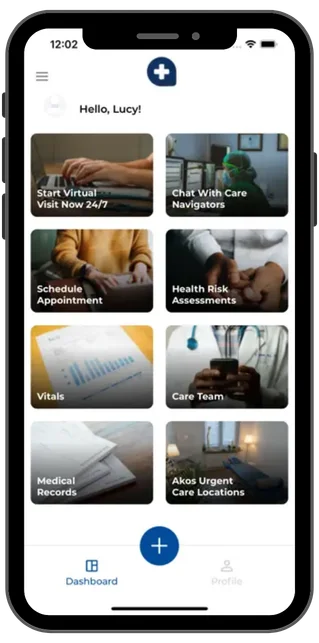
Developed a unified healthcare platform combining EMR, telemedicine, and remote patient monitoring to streamline patient care. Doctors can access real-time medical records, vitals, and treatment history from a centralized database while providing 24/7 telehealth services.
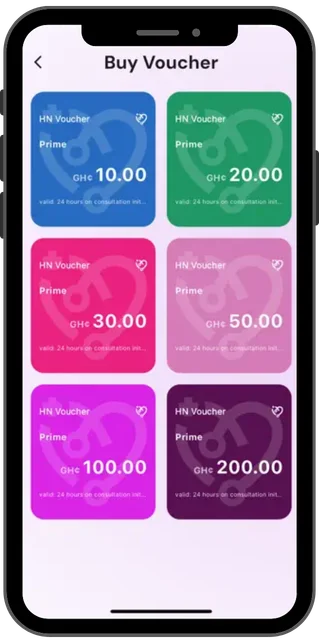
Built a comprehensive digital health platform integrating telemedicine, mobile lab services, and preventive health screening. Patients can consult doctors through video, voice, or chat while also scheduling home lab sample collection.
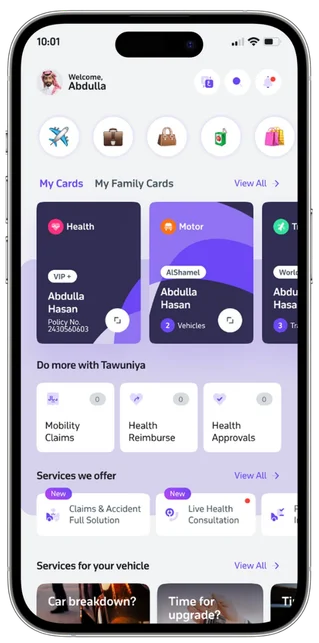
Developed a telemedicine platform integrated with the insurance ecosystem, allowing members to access virtual healthcare directly through their insurance policies while automating claims processing and policy management.
Created a cross-platform Remote Patient Monitoring (RPM) application enabling continuous vitals tracking through cellular-enabled medical devices. Clinicians receive real-time alerts when patient readings cross risk thresholds, enabling faster medical intervention.
Designed a comprehensive Hospital Information System (HIS) to unify clinical, operational, and administrative workflows across departments. The platform integrates modules for patient records, lab management, pharmacy, billing, scheduling, and inventory.
Developed an advanced Remote Patient Monitoring platform integrated with OxiTone devices enabling continuous health tracking with automated alerts for abnormal readings.
Built a customized CRM platform to manage business projects, sales pipelines, and client relationships in a centralized system. The solution replaced fragmented spreadsheets with real-time dashboards and automated workflows.
Developed an OTT streaming platform bringing live TV and on-demand content into a single interface supporting Smart TVs, mobile apps, and Android devices.
Created a scalable OTT platform delivering live TV, on-demand content, and third-party streaming integrations across multiple devices with cloud-based architecture.
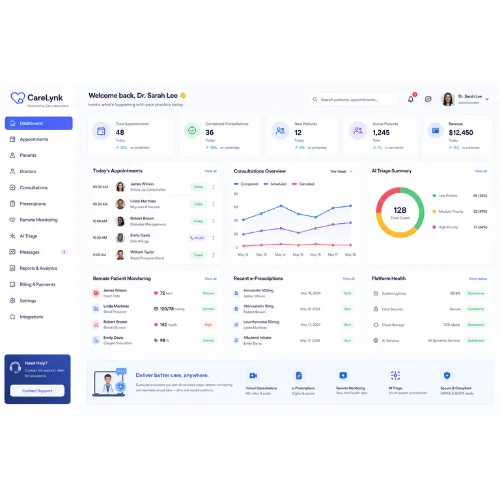
Developed a cloud-native healthcare ecosystem integrating EMR, telemedicine, patient engagement, remote monitoring, and AI-powered clinical insights to improve care coordination and operational efficiency.
Built an AI-driven business intelligence platform that consolidated enterprise data from multiple sources, enabling predictive analytics, automated reporting, and real-time decision-making across departments.
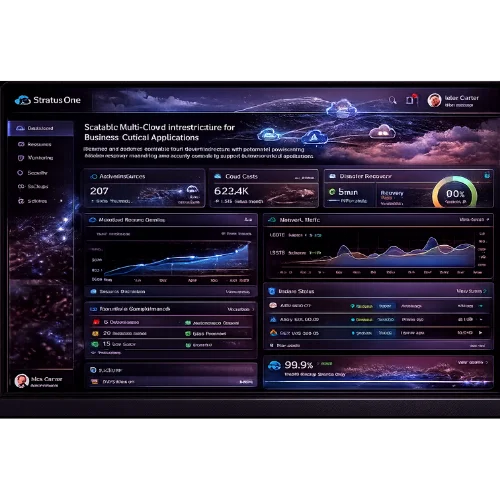
Designed and deployed a scalable multi-cloud infrastructure with automated provisioning, disaster recovery, monitoring, and security controls to support business-critical applications with high availability.
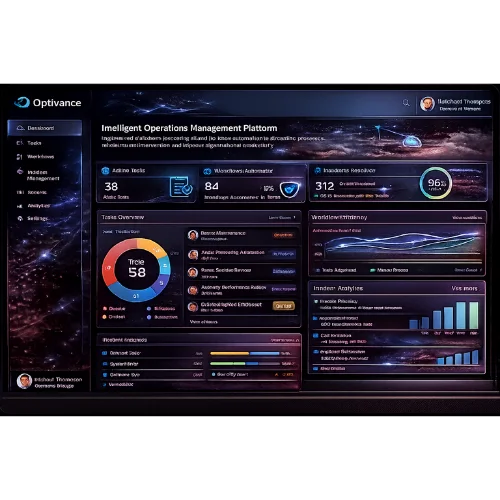
Implemented an intelligent operations management platform leveraging AI and workflow automation to streamline processes, reduce manual intervention, and improve organizational productivity.
Developed a secure digital banking and fintech solution featuring automated KYC, fraud detection, payment processing, AI-based risk assessment, and cloud-hosted infrastructure for seamless scalability.
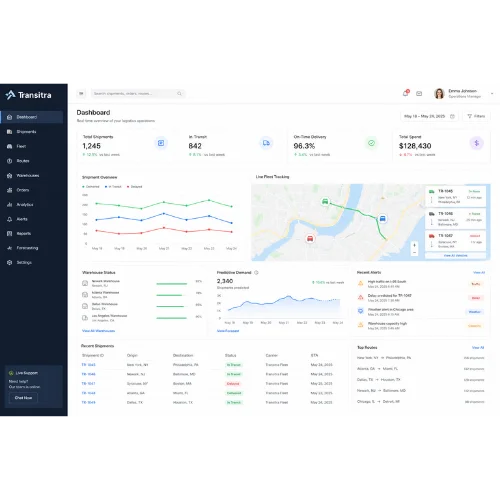
Created an end-to-end logistics and supply chain management platform with route optimization, fleet tracking, warehouse automation, predictive demand forecasting, and real-time operational visibility.
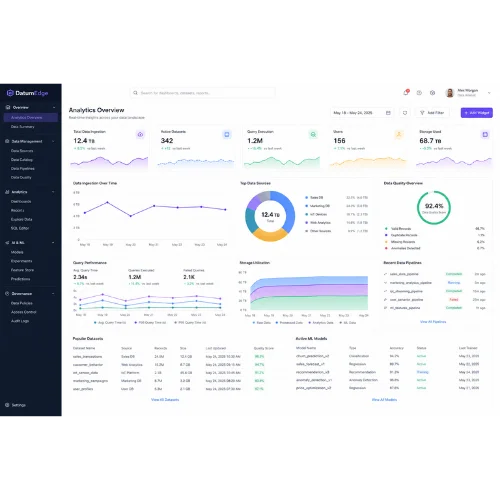
Implemented a centralized data lake and analytics platform enabling organizations to collect, process, and visualize large-scale business data while supporting AI and machine learning initiatives.
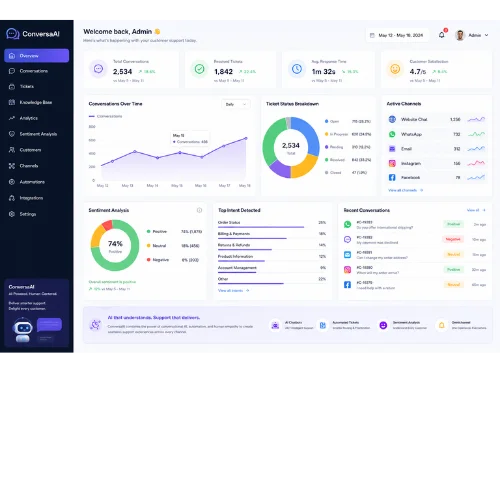
Created an AI-powered customer support ecosystem featuring conversational chatbots, automated ticket management, sentiment analysis, and omnichannel communication to improve service delivery.
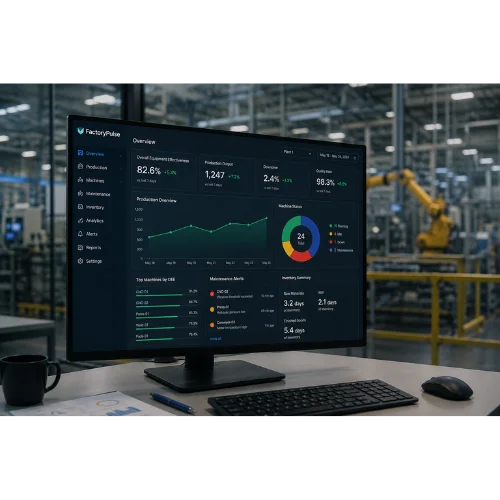
Built a smart manufacturing solution integrating IoT devices, production monitoring, predictive maintenance, inventory optimization, and AI-driven operational analytics.
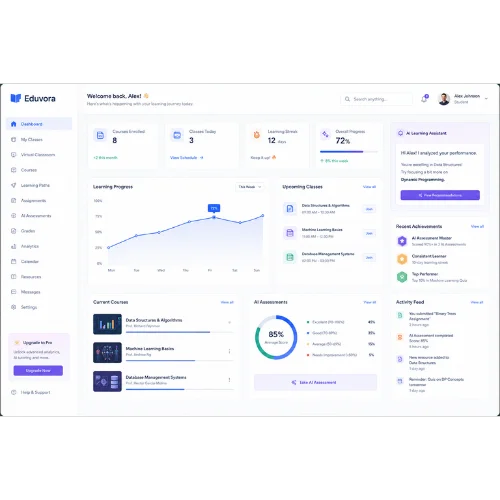
Developed a modern learning platform featuring virtual classrooms, adaptive learning paths, AI-powered assessments, student analytics, and cloud-based content delivery.
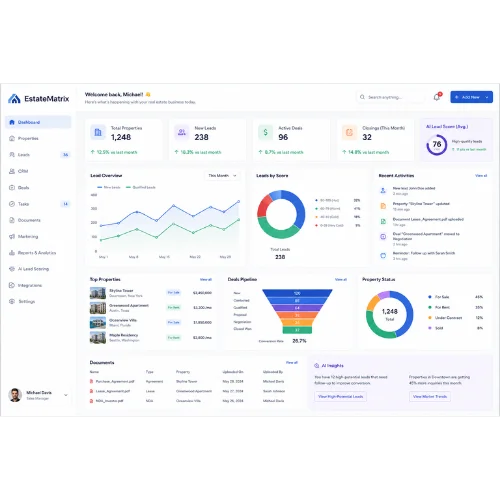
Created a real estate management ecosystem supporting property listings, CRM, document management, AI-powered lead scoring, and analytics for enhanced sales performance.
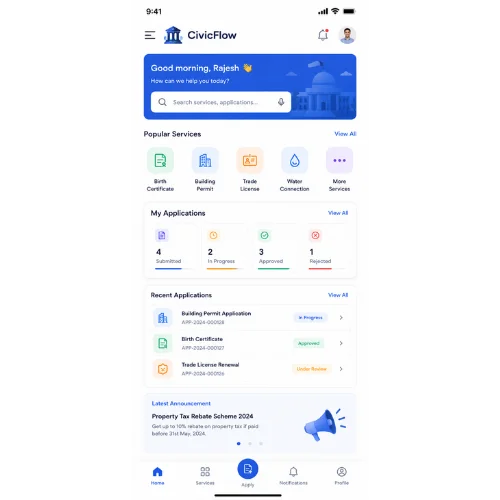
Implemented a digital transformation platform for public sector organizations, streamlining citizen services, workflow automation, document management, and cloud-based governance systems.
Established a CI/CD-driven DevOps framework with automated testing, containerization, Kubernetes orchestration, infrastructure as code, and cloud deployment pipelines for faster software releases.
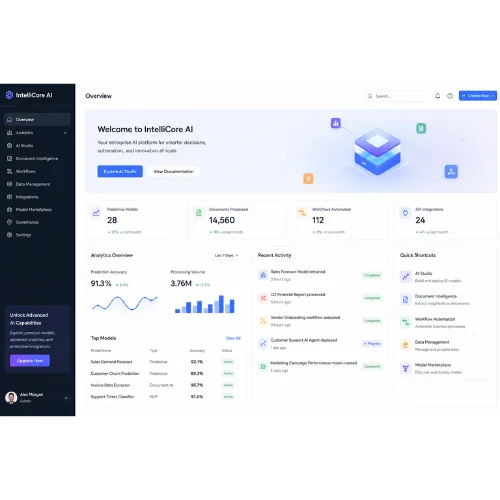
Developed an enterprise AI platform enabling predictive analytics, generative AI integrations, intelligent document processing, and workflow automation across business functions.
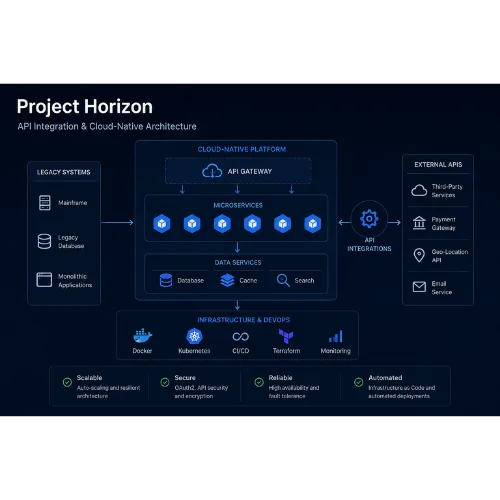
Transformed legacy systems into scalable cloud-native applications using microservices architecture, API integrations, containerized deployments, and automated infrastructure management.
Architected against Malaffi/NABIDH/Riayati from day one
Patient identity
Inconsistent across systems
Centralized master patient index
Consent management
Often bolted on or missing
Built into the FHIR data layer
Long-term maintenance cost
Rises with every new connection
Scales predictably
Vendor dependency
Often tied to a single EMR ecosystem
Open standards-based, vendor-agnostic
How much does Health Information Exchange software development cost?
The cost depends on the number of connected systems, integration complexity, compliance requirements, and customization needs. After a technical discovery session, we provide a fixed project proposal tailored to your organization.
Most enterprise HIE implementations take 16–26 weeks, depending on the number of healthcare systems, HL7 integrations, FHIR requirements, and overall project complexity.
Health Information Exchange (HIE) software enables hospitals, clinics, laboratories, insurers, and healthcare providers to securely exchange patient information across different systems. In the UAE, HIE is essential for connecting with Malaffi, NABIDH, and Riayati while improving interoperability, care coordination, and regulatory compliance.
Most enterprise HIE implementations take 16–26 weeks, depending on the number of healthcare systems, HL7 integrations, FHIR requirements, and overall project complexity.
The cost depends on the number of connected systems, integration complexity, compliance requirements, and customization needs. After a technical discovery session, we provide a fixed project proposal tailored to your organization.
Yes. We provide a complimentary technical consultation to assess your current infrastructure, interoperability requirements, and compliance objectives before recommending the right HIE solution.
Yes. We integrate with leading healthcare platforms, including Epic, Cerner, Oracle Health, InterSystems, and other EMR, EHR, LIS, RIS, and PACS systems without disrupting existing clinical workflows.
Yes. We build HIE software specifically designed to meet the technical integration and compliance requirements of Malaffi, NABIDH, and Riayati, ensuring successful interoperability across UAE healthcare ecosystems.
Our interoperability platform transforms legacy HL7 v2 messages into FHIR R4 resources, allowing existing hospital systems to communicate seamlessly with modern healthcare platforms and government HIE networks.
Yes. Our HIE solutions include encryption in transit and at rest, role-based access control, audit logs, consent management, and compliance with UAE PDPL and healthcare security standards.
Absolutely. We integrate LIS, RIS, PACS, pharmacy systems, billing platforms, and EMRs into a unified Health Information Exchange ecosystem for complete clinical data interoperability.
Yes. We offer ongoing SLA-based support, system monitoring, performance optimization, security updates, compliance maintenance, and integration of new healthcare facilities as your network grows.
Yes. We collaborate closely with your IT, interoperability, and clinical informatics teams, providing specialized expertise in HL7, FHIR, APIs, and enterprise healthcare integration.
Simply schedule a technical consultation with our experts. We'll evaluate your existing systems, interoperability goals, compliance requirements, and provide a roadmap with architecture recommendations and a detailed project proposal.