
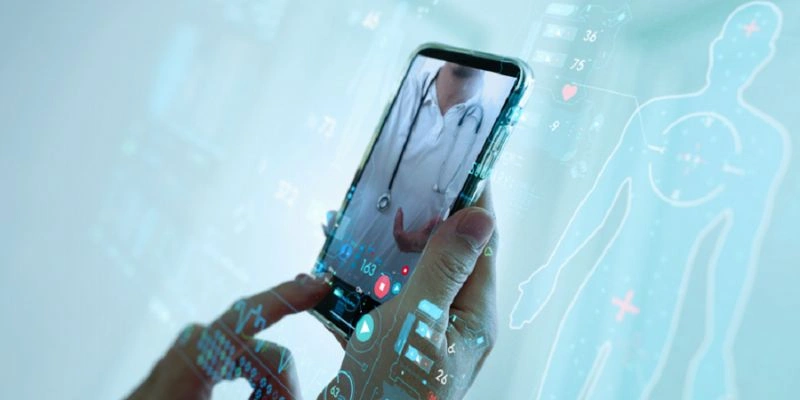
Artificial Intelligence (AI) is revolutionizing healthcare, with remote patient monitoring (RPM) emerging as one of the most transformative applications. As hospitals and healthcare providers seek innovative ways to enhance patient care, AI in remote patient monitoring is becoming indispensable. By leveraging machine learning, predictive analytics, and IoT-enabled medical devices, AI is reshaping how patient data is collected, analyzed, and utilized for better health outcomes.
AI-powered RPM solutions allow for real-time patient monitoring, early disease detection, and personalized treatment plans. These advancements significantly reduce hospital readmissions and improve patient experiences. Additionally, AI-driven healthcare ensures more precise decision-making, empowering doctors with insights that traditional monitoring methods cannot provide. With rising healthcare costs and an increasing burden on medical professionals, AI offers a scalable and cost-effective solution to meet the growing demand for quality patient care. This article explores how AI-powered remote patient monitoring is changing healthcare and why it is set to become the standard for modern medical care.
What is AI in Remote Patient Monitoring?
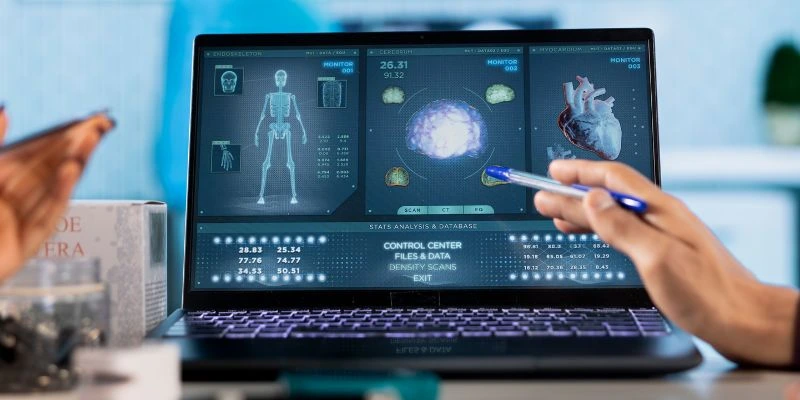
AI in remote patient monitoring (RPM) refers to the integration of artificial intelligence with remote monitoring technologies to collect, analyze, and interpret patient health data in real-time. Traditional RPM systems rely on wearables, sensors, and connected devices to track vital signs, but AI takes this a step further by enabling:
-
Real-time data analysis to detect early warning signs of diseases, reducing the risk of late-stage diagnoses.
-
Predictive modeling to forecast potential health risks before they become critical, preventing medical emergencies.
-
Automated alerts that notify healthcare providers of irregularities in patient health, ensuring timely interventions.
-
Personalized treatment recommendations based on continuous data collection, improving patient-specific care plans.
With remote patient monitoring AI, healthcare providers can offer more precise, data-driven care, improving patient outcomes and operational efficiency. AI-powered RPM is not just a tool for convenience—it is a game-changer in modern healthcare that enhances proactive and preventive care models.
For healthcare organizations looking to implement cutting-edge RPM solutions, exploring Remote Patient Monitoring Solutions can provide deeper insights into available technologies.
Benefits of AI in Remote Patient Monitoring
For Patients
-
Early Disease Detection – AI-powered systems analyze patterns in health data, detecting conditions like hypertension, diabetes, and heart disease before symptoms worsen. Traditional healthcare often relies on symptom-based diagnosis, but AI can identify warning signs before they manifest physically. This proactive approach significantly improves treatment success rates and prevents severe complications.
-
Personalized Healthcare – AI tailors treatment plans based on individual health trends, ensuring better adherence to care. Personalized medicine enhances patient outcomes by accounting for genetics, lifestyle, and environmental factors, making treatments more effective and reducing adverse reactions.
-
Reduced Hospital Visits – By remotely managing chronic conditions, patients can avoid unnecessary hospitalizations, saving time and costs. This is particularly beneficial for elderly or mobility-restricted individuals who struggle with frequent doctor visits.
-
24/7 Health Monitoring – Continuous tracking through AI-powered wearables provides real-time health updates. Unlike traditional check-ups, AI-driven monitoring ensures constant surveillance, allowing immediate interventions when necessary.
-
Improved Patient Engagement – Patients receive automated reminders for medication and lifestyle adjustments, promoting better health management. AI chatbots and virtual health assistants enhance patient education, ensuring they understand their conditions and necessary precautions.
For those interested in more comprehensive patient care options, exploring Remote Patient Monitoring Apps can provide additional solutions.
For Healthcare Providers
-
Proactive Interventions – AI detects health anomalies early, allowing doctors to intervene before complications arise. This predictive capability reduces emergency hospitalizations and enhances long-term care strategies.
-
Reduced Workload – Automated data processing reduces the burden on medical staff, enabling them to focus on critical cases. AI helps streamline administrative tasks, such as documentation and reporting, allowing doctors to dedicate more time to patient care.
-
Enhanced Accuracy – AI eliminates human error in data interpretation, providing more precise diagnoses. Machine learning models analyze vast datasets with high accuracy, minimizing misdiagnoses and improving treatment effectiveness.
-
Optimized Resource Allocation – AI helps hospitals manage patient loads by prioritizing high-risk cases. With limited healthcare professionals available, AI-powered RPM ensures that urgent cases receive immediate attention.
-
Seamless Data Integration – AI-powered RPM systems integrate with Electronic Health Records (EHRs), streamlining patient management. This connectivity enhances collaboration among medical professionals and improves treatment coordination.
For Healthcare Systems & Governments
-
Cost Savings – AI reduces the financial burden of chronic disease management by preventing hospital readmissions. AI-based RPM significantly cuts healthcare expenses by shifting the focus from reactive treatment to preventive care.
-
Better Public Health Management – Governments can use AI-powered data insights to track health trends and allocate resources efficiently. AI-driven analytics assist in managing pandemics, tracking disease outbreaks, and optimizing vaccination programs.
-
Addressing Workforce Shortages – AI compensates for the shortage of healthcare professionals by automating routine tasks. This helps maintain high-quality care despite staffing challenges in hospitals and clinics.
-
Faster Emergency Response – AI-driven alerts ensure timely medical attention in critical cases. For example, AI-powered systems can detect sudden drops in oxygen levels and notify emergency responders instantly.
-
Scalability of Healthcare Services – AI enables remote care in underserved and rural areas, bridging healthcare accessibility gaps. By leveraging telemedicine and RPM, quality healthcare can reach populations that lack easy access to medical facilities.
Key Technologies Powering AI in Remote Patient Monitoring
1. Machine Learning & Predictive Analytics
Machine learning enables AI systems to recognize patterns in patient health data, predicting disease progression and potential complications. By analyzing thousands of data points, AI can forecast:
-
Risk of heart attacks or strokes based on real-time ECG and blood pressure data.
-
Fluctuations in blood sugar levels for diabetics, helping optimize insulin administration.
-
Deterioration in chronic conditions like COPD, allowing for early interventions before severe breathing issues arise.
2. Wearables & IoT Devices
AI-powered wearables track vital signs such as:
-
Heart rate and ECG readings, helping detect arrhythmias.
-
Oxygen saturation (SpO2) levels, crucial for COVID-19 and respiratory patients.
-
Blood pressure and glucose levels, ensuring better chronic disease management.
These devices transmit real-time data to healthcare providers, ensuring continuous patient monitoring without hospital visits.
3. AI Chatbots & Virtual Assistants
AI chatbots improve patient engagement by:
-
Answering health-related queries, reducing the need for frequent doctor visits.
-
Sending reminders for medication and appointments, improving adherence rates.
-
Providing mental health support and symptom assessments, enhancing patient care accessibility.
By integrating chatbots with Medical App Development Companies, healthcare providers enhance patient interactions without additional human resources.
Conclusion: AI as the Backbone of Future Healthcare

The integration of AI in remote patient monitoring is a game-changer for modern healthcare. With its ability to provide real-time insights, predict health risks, and enhance patient engagement, AI is paving the way for a smarter, more efficient, and patient-centric healthcare system.
For healthcare organizations looking to develop innovative RPM platforms, partnering with a Custom Healthcare Software Development Company can accelerate the implementation of AI-driven solutions.