Our Computer Aided Dispatch software services in UAE gives ambulance services, hospitals, EMS providers, public safety agencies, and emergency command centers the intelligence to act instantly — not eventually. Built on AI, GPS, GIS mapping, and secure cloud technology, the platform automates dispatch workflows, tracks fleets in real time, and allocates resources to the nearest available responder, so every emergency call moves from report to resolution in the shortest possible time.
Manual coordination, disconnected radios, and fragmented fleet data still slow down emergency operations across the region. When dispatchers rely on phone calls and paper logs instead of live data, response times stretch and outcomes suffer. Our Computer Aided Dispatch System in Dubai and UAE-wide deployments replace this manual guesswork with automated call handling, instant unit assignment, and real-time visibility across every active incident — improving response speed, resource utilization, and patient outcomes across the board.
Our Computer Aided Dispatch Software in UAE is a purpose-built Computer Aided Dispatch System that helps ambulance services, hospitals, EMS providers, fire departments, and public safety organizations manage emergency incidents with greater speed, accuracy, and control. Powered by AI, GIS mapping, GPS tracking, and cloud infrastructure, the platform automates emergency call intake, identifies the nearest available response unit, tracks vehicles in real time, and coordinates field teams through a centralized command center.
Emergency Call Received
Dispatcher Console
AI Dispatch Engine
Hospital Notification
GPS Route Optimization
Nearest Available Ambulance Selected
Patient Transportation
Incident Successfully Closed
Emergency Call Received
Dispatcher Console
AI Dispatch Engine
Nearest Available Ambulance Selected
GPS Route Optimization
Hospital Notification
Patient Transportation
Incident Successfully Closed
Automatically identify and dispatch the most appropriate emergency vehicle based on location, availability, priority, and response time.
Monitor every emergency vehicle through live GPS and Automatic Vehicle Location (AVL) for complete operational visibility.
Reduce dispatch delays with intelligent routing, automated workflows, and real-time incident management.
Manage dispatchers, field responders, hospitals, and command centers from a single cloud-based dashboard.
Accelerate emergency response with optimized resource allocation, helping first responders reach patients faster when every second matters.
See how our AI-powered Computer Aided Dispatch Software UAE helps healthcare providers, ambulance services, and public safety agencies automate dispatch, improve fleet efficiency, and respond to emergencies with confidence.
Our Computer Aided Dispatch Software UAE digitizes the entire emergency response lifecycle, giving dispatchers, ambulance operators, hospitals, and emergency command centers one intelligent platform to coordinate every incident. By combining AI-driven decision-making, GIS mapping, GPS tracking, and real-time communication, each emergency request is processed faster, resources are allocated more precisely, and response teams stay connected from first call to final handover.
Citizens, healthcare facilities, or emergency operators report an incident through the centralized emergency call management system.
The dispatcher instantly logs a digital incident record with caller information, location, emergency type, and priority level.
The AI Dispatch Platform evaluates the incident based on severity, location, traffic conditions, available resources, and predefined emergency protocols.

The system automatically locates the nearest available ambulance or first responder using GPS Ambulance Tracking and Automatic Vehicle Location (AVL).
The most suitable emergency vehicle is dispatched automatically, eliminating manual assignment delays.
Integrated GIS dispatch mapping calculates the fastest route using live traffic, road conditions, and alternative paths to reduce response time.
Drivers, paramedics, supervisors, and emergency teams receive instant alerts through the Mobile Dispatch App.
Emergency control room operators track ambulance location, estimated arrival time, and operational status in real time.
Receiving hospitals are notified ahead of patient arrival, allowing emergency departments to prepare staff and critical care resources.
After patient handover, the system automatically logs response times, incident history, vehicle utilization, and operational analytics for reporting and compliance.
Citizens, healthcare facilities, or emergency operators report an incident through the centralized emergency call management system.
The dispatcher instantly logs a digital incident record with caller information, location, emergency type, and priority level.
The AI Dispatch Platform evaluates the incident based on severity, location, traffic conditions, available resources, and predefined emergency protocols.

The system automatically locates the nearest available ambulance or first responder using GPS Ambulance Tracking and Automatic Vehicle Location (AVL).
The most suitable emergency vehicle is dispatched automatically, eliminating manual assignment delays.
Integrated GIS dispatch mapping calculates the fastest route using live traffic, road conditions, and alternative paths to reduce response time.
Drivers, paramedics, supervisors, and emergency teams receive instant alerts through the Mobile Dispatch App.
Emergency control room operators track ambulance location, estimated arrival time, and operational status in real time.
Receiving hospitals are notified ahead of patient arrival, allowing emergency departments to prepare staff and critical care resources.
After patient handover, the system automatically logs response times, incident history, vehicle utilization, and operational analytics for reporting and compliance.
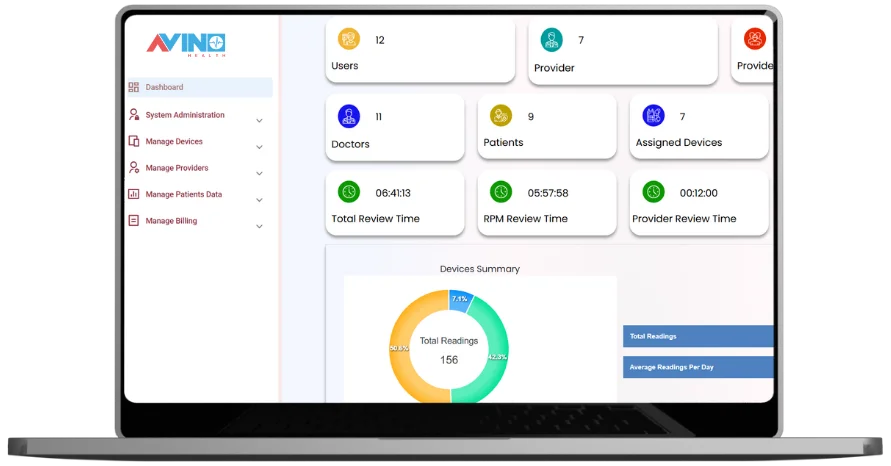
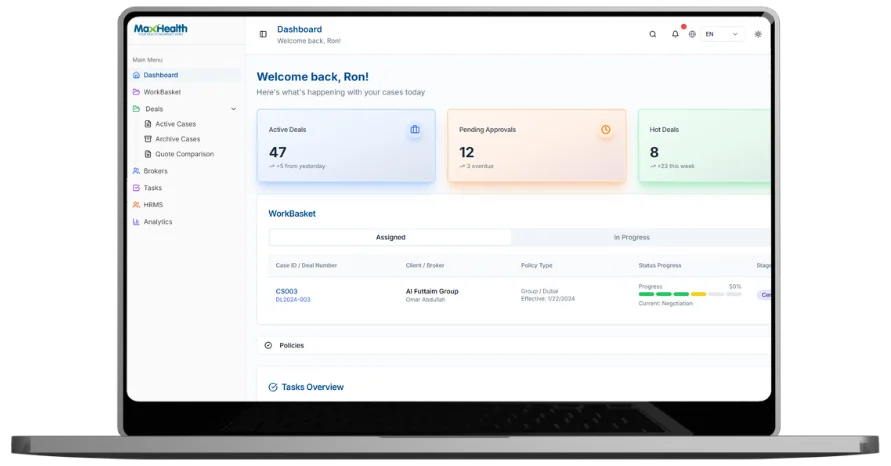
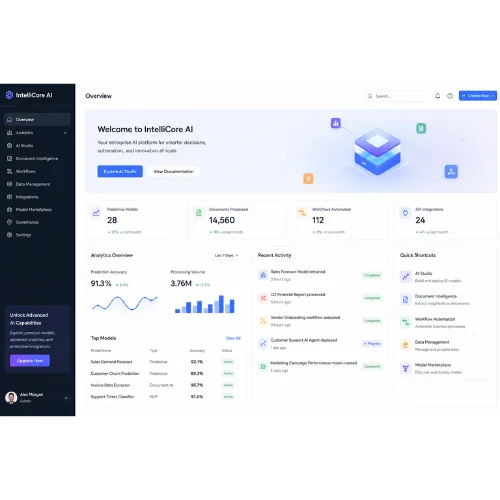
The centralized dashboard provides dispatch managers and emergency command centers with a real-time operational overview of incidents, vehicles, personnel, and emergency resources.
Sheikh Zayed Road, Dubai · ETA 04:23
Live incident monitoring with interactive GIS maps
Real-time GPS tracking of ambulances and emergency vehicles
AI-powered dispatch recommendations and automated alerts
Incident timeline and response status monitoring
Fleet availability and resource utilization
Response time analytics and operational KPIs
Customizable dashboards for dispatchers, supervisors, and administrators
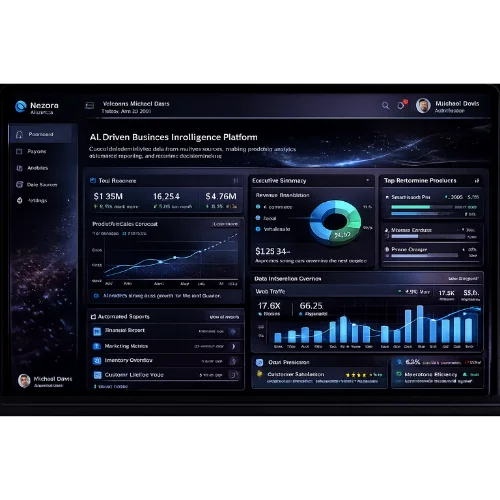
Our AI-powered Computer Aided Dispatch System helps emergency organizations make faster, data-driven decisions by analyzing live operational data, predicting demand, and recommending the most effective response strategy.
Every second counts in an emergency. Our Computer Aided Dispatch Software UAE gives ambulance services, hospitals, and public safety agencies the AI-powered tools to dispatch faster, track fleets in real time, and coordinate response teams from a single connected platform. From the first emergency call to incident closure, your teams stay informed, resources stay optimized, and patients get help sooner. Partner with SISGAIN to modernize your emergency operations with a scalable, secure, and future-ready dispatch system built for the UAE.
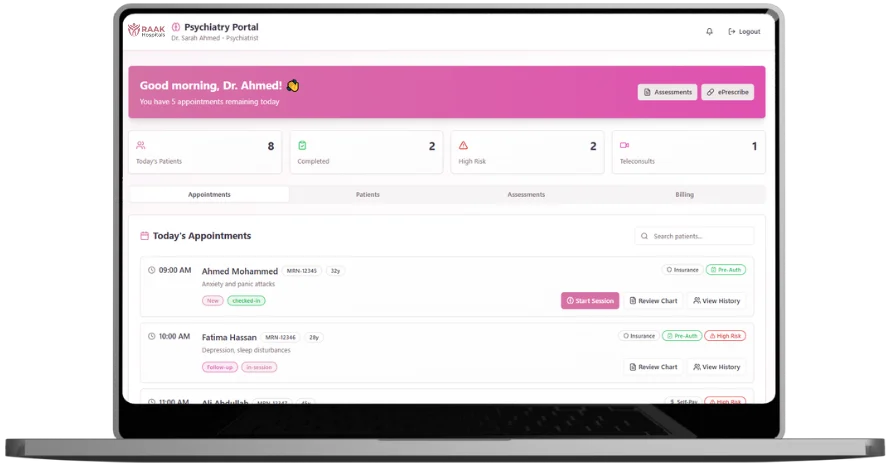
Capture, prioritize, and manage emergency calls through an intelligent dispatch interface. Our Computer Aided Dispatch Software UAE ensures faster call processing, accurate incident classification, and seamless coordination for rapid emergency response.
Leverage AI-powered dispatch automation to instantly identify the nearest available emergency unit based on location, priority, traffic, and availability, reducing response times while improving operational efficiency and resource utilization.
Digitally manage every emergency incident from creation to resolution. Track status, assign responders, monitor progress, and maintain complete incident records through a centralized Computer Aided Dispatch System for improved operational control.
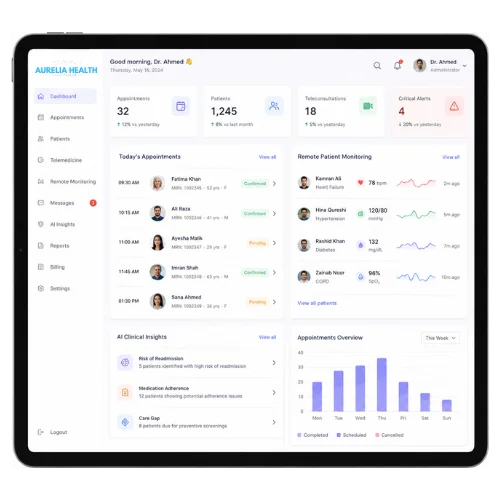
Access real-time operational dashboards, response-time metrics, fleet performance, and incident analytics. Make informed decisions using actionable insights that improve emergency operations, compliance, and overall dispatch performance across your organization.
Our Ambulance Dispatch Software UAE optimizes ambulance availability, personnel allocation, and emergency resources through intelligent fleet management, monitoring vehicle status, utilization, maintenance schedules, and live locations to maximize operational readiness.
Empower dispatchers, ambulance crews, and supervisors with secure mobile applications delivering live incident updates, navigation, communication, and status reporting, ensuring uninterrupted coordination from dispatch to incident completion.
Visualize incidents and emergency vehicles through advanced GIS mapping and real-time GPS ambulance tracking. Automatically identify the fastest routes and nearest available responders for quicker, more accurate emergency dispatch decisions.
Seamlessly integrate with Hospital Information Systems (HIS), EMR, EHR, telemedicine platforms, GPS services, and third-party applications to streamline emergency workflows, improve data sharing, and enhance coordinated patient care.
Dispatcher App
Driver / Paramedic App
Supervisor App
Manage emergency calls, assign incidents, monitor fleets, and coordinate emergency operations from a centralized dispatch console.
Receive dispatch requests, navigate using GPS, update incident status, and communicate with dispatchers in real time.
Monitor fleet performance, track response KPIs, oversee active incidents, and generate operational reports from anywhere.
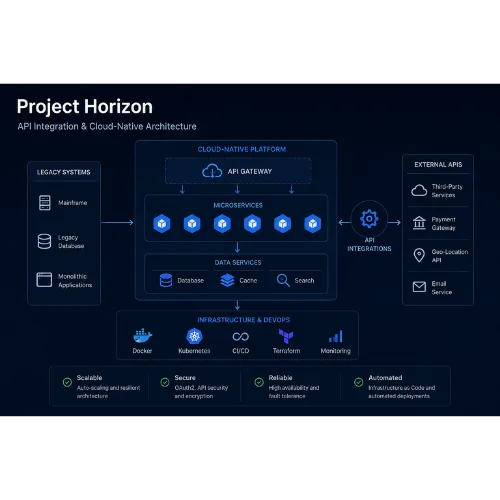
Our Computer Aided Dispatch Software UAE combines artificial intelligence, cloud computing, GIS mapping, IoT connectivity, and enterprise integrations to help ambulance services, EMS providers, hospitals, and public safety organizations automate dispatch operations, improve response times, and enhance situational awareness.
Understand your emergency response workflows, operational challenges, compliance requirements, and organizational objectives.
Design a scalable Computer Aided Dispatch System aligned with your EMS, healthcare, or public safety operations.
Create an intuitive dispatcher interface, command center dashboard, and mobile experience for first responders.
Build and integrate AI-powered dispatch capabilities, GIS mapping, GPS tracking, hospital systems, and third-party platforms.
Receive ongoing technical support, software updates, feature enhancements, and performance optimization from our dedicated team.
Launch the system with continuous monitoring to ensure stable operations and optimal emergency response performance.
Deploy the platform securely and train dispatchers, supervisors, ambulance crews, and administrators for seamless adoption.

Validate software performance, security, real-time communication, and emergency workflow accuracy before deployment.
Understand your emergency response workflows, operational challenges, compliance requirements, and organizational objectives.
Design a scalable Computer Aided Dispatch System aligned with your EMS, healthcare, or public safety operations.
Create an intuitive dispatcher interface, command center dashboard, and mobile experience for first responders.
Build and integrate AI-powered dispatch capabilities, GIS mapping, GPS tracking, hospital systems, and third-party platforms.
Validate software performance, security, real-time communication, and emergency workflow accuracy before deployment.
Deploy the platform securely and train dispatchers, supervisors, ambulance crews, and administrators for seamless adoption.
Launch the system with continuous monitoring to ensure stable operations and optimal emergency response performance.
Receive ongoing technical support, software updates, feature enhancements, and performance optimization from our dedicated team.
A dedicated technology partner for ambulance services, hospitals, and public safety agencies building the next generation of emergency response operations.
Explore how SISGAIN Technologies helps organizations accelerate digital transformation through AI, custom software, cloud modernization, and enterprise solutions that deliver measurable business outcomes.
We provide advanced Computer Aided Dispatch (CAD) software development solutions across major UAE cities, helping government agencies, emergency response teams, public safety organizations, and enterprises build smarter, faster, and more connected dispatch operations.
Computer Aided Dispatch software is an intelligent emergency management platform that helps organizations receive incidents, assign resources, track responses, and coordinate operations through a centralized system.
CAD systems are used by police departments, ambulance services, fire departments, government agencies, emergency operation centers, and smart city organizations.
CAD software improves response speed, enhances coordination, reduces manual processes, increases operational visibility, and enables data-driven decision-making.
CAD platforms improve response times by automating dispatch workflows, optimizing resource allocation, providing real-time location insights, and enabling faster communication between teams.
Traditional systems rely heavily on manual processes, while modern CAD platforms use automation, AI, GIS, analytics, and real-time communication to improve emergency management.
AI-powered dispatch software helps organizations improve decision-making, automate repetitive tasks, predict operational needs, and deliver faster, smarter emergency response.
Yes. Modern CAD solutions support smart city goals by connecting emergency services, improving public safety infrastructure, and enabling real-time operational intelligence.
Choose a CAD development partner with experience in enterprise software, emergency workflows, AI technologies, integrations, cybersecurity, and scalable solutions tailored to your operational requirements.
The cost of developing a Computer Aided Dispatch (CAD) software solution in UAE depends on factors such as required features, integrations, customization level, AI capabilities, security requirements, and deployment model. A tailored CAD platform can be planned based on your operational needs, user volume, and long-term scalability goals.
CAD software pricing is influenced by system complexity, number of modules, real-time tracking requirements, GIS integration, communication integrations, AI automation, reporting dashboards, cloud infrastructure, cybersecurity standards, and ongoing support requirements.
Implementation costs vary based on the size of the organization, existing infrastructure, required integrations, and customization needs. A professional CAD provider evaluates your workflow and recommends a solution that delivers maximum operational efficiency and long-term value.
Custom CAD software may require a higher initial investment but provides greater flexibility, scalability, and control compared to generic solutions. Organizations can build workflows, integrations, and features specifically aligned with their emergency response operations.
A CAD software investment typically includes platform development, UI/UX design, core dispatch features, integrations, testing, deployment, training, and technical support. Additional services may include AI enhancements, cloud hosting, security upgrades, and ongoing maintenance.
Additional costs depend on integration requirements, system enhancements, infrastructure updates, and support plans. A reliable CAD software partner provides transparent planning to ensure predictable costs and continuous system performance.
Organizations can measure CAD ROI through faster response times, improved resource utilization, reduced operational delays, better incident management, and enhanced decision-making through real-time data insights.
Yes. Enterprise CAD providers can offer flexible engagement models based on project scope, customization requirements, deployment preferences, and long-term operational objectives.

The development timeline depends on the complexity of the CAD platform, required features, integrations, and customization. A basic solution may require a few months, while enterprise-grade CAD platforms with AI, GIS, and advanced integrations require a structured development approach.
Implementation timelines vary based on system requirements, data migration, integrations, testing, and user training. A professional CAD development company follows a phased approach to ensure smooth deployment with minimal operational disruption.
A typical CAD development process includes requirement analysis, system architecture planning, UI/UX design, software development, third-party integrations, security testing, deployment, training, and ongoing optimization.
Deployment speed depends on project complexity and operational requirements. Cloud-based CAD solutions can often be deployed faster, while large-scale government or enterprise implementations require detailed planning and testing.
Integration timelines depend on the number and complexity of connected systems, including GIS platforms, communication networks, GPS tracking, IoT devices, and existing emergency management tools.
Before development begins, teams evaluate operational workflows, dispatch processes, user roles, required integrations, security requirements, reporting needs, and scalability expectations.
A structured migration strategy, data assessment, integration planning, testing, and user training help organizations transition smoothly from traditional dispatch systems to modern intelligent CAD platforms.
Yes. Professional CAD providers offer onboarding, user training, technical documentation, and ongoing support to help teams maximize platform adoption.
Modern CAD systems include real-time incident management, automated dispatching, GPS tracking, GIS mapping, resource allocation, reporting dashboards, communication management, and AI-powered decision support.
Yes. Custom CAD solutions can be designed according to the unique workflows of police departments, fire services, ambulance providers, EMS organizations, and government emergency agencies.
Yes. Advanced CAD platforms provide real-time visibility into incidents, emergency vehicles, available resources, and response activities to improve coordination and efficiency.
Yes. AI can enhance CAD systems through intelligent call analysis, predictive insights, automated prioritization, smart routing, and faster resource allocation.
Modern CAD platforms integrate GIS and GPS technologies to provide accurate location tracking, optimized routing, and better situational awareness for emergency teams.
Yes. Enterprise CAD solutions can be customized with role-based dashboards, automated workflows, analytics reports, and operational tools based on organizational requirements.
Yes. CAD platforms can integrate with IoT sensors, communication systems, CCTV platforms, command centers, and other smart city technologies for connected emergency management.
Yes. Scalable CAD architecture allows organizations to add users, locations, departments, integrations, and advanced features as operational requirements increase.
Enterprise CAD solutions are designed with strong security practices, including access controls, encryption, monitoring, and secure infrastructure to protect sensitive operational data.
Security measures may include encrypted data transmission, authentication controls, permission management, secure hosting, regular testing, and system monitoring.
Yes. CAD platforms can provide role-based access control to ensure users only access information and features relevant to their responsibilities.
CAD systems can be designed according to organizational security policies and compliance requirements, including data protection, audit tracking, and controlled access management.
Yes. Professional CAD providers offer maintenance, monitoring, troubleshooting, upgrades, and technical assistance to ensure reliable system performance.
Updates are managed through scheduled improvements, security patches, performance optimization, and feature enhancements to keep the platform modern and secure.
Yes. Advanced CAD platforms maintain detailed activity logs, incident records, and operational histories to support accountability and reporting.
Support services can include technical assistance, system monitoring, maintenance, upgrades, user training, and continuous optimization based on operational needs.