Software Integration Services in Dubai That Connect Every Business System Seamlessly

Eliminate data silos. Automate workflows. Integrate ERP, CRM, HRMS, accounting, healthcare, logistics, and enterprise applications with secure API integration services across the UAE.

SISGAIN designs and builds the integration layer that connects these systems — through secure APIs, middleware, and enterprise architecture — so data moves automatically between platforms instead of being re-entered manually by staff. The result is one operational picture across the organization, real-time visibility for leadership, and fewer manual errors in finance, operations, and customer service.

View Integration Process
UAE-Based Experts
NDA Protected
ISO-Ready Practices
Enterprise Security
100+ Projects Delivered
AWS Microsoft Azure Google Cloud
SISGAIN Integration Hub
ERP
CRM
HRMS
WMS
Analytics
AI Engine
Reports
Mobile Apps
0
System Status (%)
0
Active Integrations
0
API Requests / day
Real-time
Data Sync
Enterprise Trust

Why SISGAIN Is the Trusted Software Integration Partner for Dubai Enterprises

Enterprise integration work is unforgiving. A CRM that syncs incorrectly can create duplicate customer records across thousands of accounts. An ERP integration built without proper error handling can silently drop transactions. A healthcare integration built without HIPAA-equivalent controls can expose patient data. Organizations that select an integration partner are not choosing a vendor for a website or an app — they are choosing the team responsible for the accuracy of their financial, operational, and customer data going forward.

SISGAIN has been selected by hospital networks, government departments, manufacturers, and retail groups across the UAE because the firm's engineering process is built around three non-negotiables: every integration is documented, every data flow is logged and monitored, and every connection point is secured before it goes live. Organizations named below have used SISGAIN for API integration, ERP integration, CRM synchronization, or enterprise-wide system connectivity projects.

Companies that have worked with SISGAIN's integration team:
AkosMD
Avino
CMC Limited
GSS
Health Neutron
i-Billed
IndieChain
Mahindra
Maxcare Health
Model Craft Group
Niros Restaurant
Tawuniya
Akos
Avino
CMC Limited
GSS
Health Neutron
i-Billed
IndieChain
Mahindra
Maxcare Health
Model Craft Group
Niros Restaurant
Tawuniya
Track Record

Proven Software Integration Results Across the UAE

0

Real project experience across ERP, CRM, healthcare, government, and finance systems — not theoretical architecture.

0

Integration infrastructure engineered with redundancy and monitoring so API failures don't halt business operations.

0

Average reduction in manual data entry and reconciliation work reported by clients after integration go-live.

0

Average reduction in operational overhead tied to duplicate data entry, reporting delays, and manual reconciliation across integrated systems.

These are not marketing figures — they are the averages measured across delivered projects, and every client engagement starts with a baseline assessment so your organization can measure its own numbers against a documented starting point.

Root Cause Analysis

Is Your Business Struggling with Disconnected Software Systems?

Most disconnected-system problems are not caused by bad software. They are caused by systems being purchased, deployed, and scaled independently over years, without an integration strategy guiding how they should connect.

The Ten Root Causes

01 Data silos
Each department (finance, HR, operations, sales) adopts its own software over time. Nobody owns the connections between them, so data stays trapped in departmental systems. SISGAIN's fix: a central integration layer (API gateway or middleware) that lets every system publish and consume data through standardized interfaces, without departments needing to coordinate manually.
02 Duplicate records
Customer, vendor, or employee records get entered separately into the CRM, ERP, and accounting system, creating conflicting versions of the same record. SISGAIN's fix: master data synchronization rules that define a single source of truth per data type and propagate updates automatically.
03 Manual processes
Staff export data from one system and re-enter it into another, usually via spreadsheets, introducing delay and human error. SISGAIN's fix: automated data pipelines that replace manual export/import cycles with real-time or scheduled synchronization.
04 Delayed reporting
Leadership waits days for consolidated reports because finance, operations, and sales data live in separate systems that must be manually reconciled. SISGAIN's fix: integrated data flows into a single reporting or BI layer, so dashboards reflect live operational data.
05 Poor customer experience
Customer service teams can't see order history, support tickets, or billing status in one place, so customers repeat information across departments. SISGAIN's fix: CRM-to-ERP-to-support integration that gives every customer-facing team the same real-time view of the customer.
06 Department isolation
Systems are configured around one department's workflow with no consideration for how other departments need the same data. SISGAIN's fix: cross-functional API design reviewed with every department that touches the data, not just the requesting team.
07 Compliance risk
When data is duplicated across systems manually, it becomes difficult to prove data lineage, apply access controls consistently, or respond correctly to audit and regulatory requests. SISGAIN's fix: integration architecture with built-in audit logging, access control mapping, and data governance documentation.
08 Legacy software
Older on-premise systems were never designed with modern APIs, making them difficult to connect to newer cloud platforms. SISGAIN's fix: legacy integration adapters, database-level connectors, or middleware translation layers that expose legacy data through modern APIs without replacing the core system.
09 Shadow IT
Departments frustrated by slow official IT processes adopt unsanctioned tools, creating unmanaged, unmonitored data flows outside company governance. SISGAIN's fix: a governed integration platform fast enough and flexible enough that departments no longer need to bypass IT to get systems connected.
10 Integration complexity
Every new system added multiplies the number of point-to-point connections needed, until the architecture becomes too fragile to maintain. SISGAIN's fix: hub-and-spoke or API gateway architecture that replaces fragile point-to-point connections with a manageable, centrally governed integration layer.
Our Services

End-to-End Software Integration Services

API Integration

Problem: Applications can't exchange data because they expose no standard interface, or existing APIs are undocumented and inconsistently used.

Solution: SISGAIN designs, builds, and secures REST and SOAP APIs, along with API gateways that manage authentication, rate limiting, and versioning across every connected application.

Business outcome: New applications can be connected in weeks instead of months, and existing integrations become easier to maintain and monitor.

Learn More

ERP Integration

Problem: ERP systems (SAP, Oracle, Microsoft Dynamics) hold core financial and operational data but operate in isolation from CRM, HR, and e-commerce platforms.

Solution: SISGAIN builds bi-directional ERP integrations that synchronize orders, inventory, financials, and vendor data with connected systems in real time or on a defined schedule.

Business outcome: Finance and operations teams work from one consistent dataset, eliminating manual reconciliation between the ERP and every other system.

Learn More

CRM Integration

Problem: Sales, marketing, and support teams use separate views of the customer, leading to conflicting records and inconsistent customer communication.

Solution: SISGAIN connects CRM platforms (Salesforce, HubSpot, Zoho, Microsoft Dynamics) with ERP, support, and marketing systems so customer records update everywhere simultaneously.

Business outcome: Every customer-facing team sees the same account history, order status, and communication log.

Learn More

Cloud Integration

Problem: Enterprises running hybrid environments — some systems on-premise, others in AWS, Azure, or Google Cloud — struggle to move data securely between environments.

Solution: SISGAIN architects cloud integration using managed API gateways, event-driven pipelines, and secure VPN or private connectivity between on-premise and cloud infrastructure.

Business outcome: Organizations migrate to the cloud incrementally, without breaking dependencies on systems still running on-premise.

Learn More

Legacy System Integration

Problem: Critical business logic and historical data live in legacy systems that predate modern APIs and can't be replaced without significant business disruption.

Solution: SISGAIN builds adapter layers, database-level connectors, and middleware translation that expose legacy system data and functions through modern, secure interfaces.

Business outcome: Organizations extend the useful life of legacy investments while connecting them to modern applications, avoiding costly and risky full replacements.

Learn More

Payment Gateway Integration

Problem: E-commerce and enterprise billing systems need to process payments across multiple gateways and currencies while meeting UAE and international compliance standards.

Solution: SISGAIN integrates payment gateways (Stripe, PayTabs, and regional providers) with ERP, accounting, and e-commerce platforms, including reconciliation and fraud-monitoring workflows.

Business outcome: Transactions post automatically to financial systems, reducing manual reconciliation and the risk of revenue leakage.

Learn More

Healthcare Integration

Problem: Hospitals and clinics run separate systems for patient records (EHR/EMR), billing, laboratory results, and insurance claims, creating fragmented patient data and delayed care coordination.

Solution: SISGAIN integrates EHR, HIS, laboratory information systems, and insurance/claims platforms using healthcare data standards, with access controls appropriate for patient data sensitivity.

Business outcome: Clinical and administrative staff access a unified patient record, reducing duplicate testing and administrative delay.

Learn More

Government System Integration

Problem: Government departments must connect internal systems to national platforms and portals while meeting strict data residency, security, and audit requirements.

Solution: SISGAIN builds government-grade integrations that meet UAE data protection and residency requirements, with full audit logging and access governance.

Business outcome: Departments deliver faster digital services to citizens while maintaining the compliance posture regulators require.

Learn More

IoT Integration

Problem: IoT devices across manufacturing floors, logistics fleets, or smart facilities generate real-time data that never reaches the systems that could act on it.

Solution: SISGAIN connects IoT device platforms to ERP, monitoring, and analytics systems using message queues and event-driven architecture built for high-frequency data.

Business outcome: Operations teams get real-time visibility into equipment, inventory, or fleet status instead of relying on manual checks.

Learn More

AI Integration

Problem: Organizations want to apply AI models to existing business processes but have no reliable way to feed the models live business data or act on their output.

Solution: SISGAIN integrates AI and machine learning services into existing business systems — feeding models real operational data and routing model outputs back into ERP, CRM, or workflow systems.

Business outcome: AI recommendations and predictions become part of daily operations instead of isolated experiments.

Learn More

Third-Party Integration

Problem: Enterprises depend on dozens of third-party SaaS tools that need to exchange data with core systems but were never designed to work together.

Solution: SISGAIN builds and maintains integrations between third-party applications and core enterprise systems, including monitoring for API changes that could break the connection.

Business outcome: Teams keep using the specialized tools they need without creating new data silos.

Learn More

Database Integration

Problem: Critical data is spread across multiple databases (SQL, NoSQL, on-premise, and cloud) with no unified way to query or synchronize it.

Solution: SISGAIN designs database integration and synchronization strategies, including ETL pipelines and data warehousing where consolidated reporting is required.

Business outcome: Organizations get a single, reliable data source for reporting and analytics instead of reconciling multiple databases manually.

Learn More
Platform Expertise

Platforms We Integrate

Enterprise integration is only as strong as the team's depth with the specific platforms involved. SISGAIN's engineers have hands-on implementation experience with:

SAP

ERP core data, financials, inventory, and third-party connector development via SAP APIs and middleware.

Oracle

Oracle ERP Cloud and Oracle Database integration for financial and operational data synchronization.

Microsoft Dynamics

CRM and ERP data flows connected to Microsoft's broader ecosystem, including Power Platform.

Salesforce

CRM data synchronization with ERP, support, and marketing systems via Salesforce APIs.

HubSpot

Marketing and sales data integration with CRM and support systems for unified customer records.

QuickBooks

Accounting data synchronization with CRM, e-commerce, and payment systems.

Stripe

Payment processing integration with accounting and order management systems.

Shopify

E-commerce order, inventory, and customer data synchronization with ERP and fulfillment systems.

Microsoft Azure

Cloud-native integration using Azure API Management, Logic Apps, and Service Bus.

AWS

Integration using AWS API Gateway, Lambda, and EventBridge for event-driven architecture.

Google Cloud

Data pipeline integration using Google Cloud's API and data services.

Odoo

Open-source ERP integration with third-party systems and custom modules.

SAP SuccessFactors

HR data integration with payroll, ERP, and identity management systems.

Industry Expertise

Industry-Specific Software Integration Solutions

Healthcare

Problems: Fragmented patient records across EHR, billing, and lab systems; delayed insurance claims processing; manual data entry errors that affect patient safety.

Typical integrations: EHR-to-billing, lab information systems, insurance claims platforms, pharmacy systems.

Business benefits: Faster clinical decision-making, reduced administrative overhead, fewer duplicate tests, more accurate claims processing.

Government

Problems: Departmental systems isolated from national platforms; manual citizen service processes; audit and compliance complexity.

Typical integrations: National ID and portal integration, inter-departmental data sharing, document management systems.

Business benefits: Faster citizen service delivery, improved audit readiness, reduced manual processing time.

Retail

Problems: Disconnected online and offline sales channels; inventory mismatches between e-commerce and physical stores; delayed customer data sync.

Typical integrations: E-commerce-to-ERP, POS-to-inventory, CRM-to-marketing automation.

Business benefits: Accurate real-time inventory, consistent customer experience across channels, faster order fulfillment.

Construction

Problems: Project management, procurement, and accounting systems operating independently; delayed cost reporting; manual subcontractor data handling.

Typical integrations: ERP-to-project management, procurement-to-accounting, timesheet-to-payroll.

Business benefits: Real-time project cost visibility, faster procurement cycles, reduced billing disputes.

Finance

Problems: Core banking systems isolated from CRM and compliance reporting tools; manual reconciliation across financial products; regulatory reporting delays.

Typical integrations: Core banking-to-CRM, compliance and AML system integration, payment gateway reconciliation.

Business benefits: Faster regulatory reporting, reduced reconciliation errors, improved customer relationship visibility.

Manufacturing

Problems: Production, inventory, and supply chain systems disconnected from ERP; manual quality and compliance tracking; limited real-time production visibility.

Typical integrations: MES-to-ERP, IoT sensor data, supply chain and procurement systems.

Business benefits: Real-time production monitoring, reduced inventory waste, faster supply chain response times.

Education

Problems: Student information systems disconnected from finance, HR, and learning management platforms; manual enrollment and billing processes.

Typical integrations: SIS-to-finance, LMS-to-SIS, HR-to-payroll.

Business benefits: Streamlined enrollment and billing, unified student records, reduced administrative workload.

Hospitality

Problems: Property management systems disconnected from booking channels, POS, and CRM, leading to overbooking and inconsistent guest data.

Typical integrations: PMS-to-channel manager, POS-to-accounting, CRM-to-loyalty programs.

Business benefits: Reduced booking conflicts, consistent guest profiles, faster billing reconciliation.

Oil & Gas

Problems: Field operations data isolated from ERP and safety/compliance systems; manual asset tracking; delayed regulatory reporting.

Typical integrations: SCADA-to-ERP, asset management systems, compliance and safety reporting platforms.

Business benefits: Improved asset visibility, faster compliance reporting, reduced manual field-to-office data transfer.

Real Estate

Problems: Property management, CRM, and accounting systems operating separately; manual tenant and lease data handling.

Typical integrations: Property management-to-accounting, CRM-to-leasing systems, payment gateway integration.

Business benefits: Faster lease processing, accurate financial reporting, improved tenant communication.

Logistics

Problems: Fleet management, warehouse, and order systems disconnected; manual shipment tracking; delayed delivery visibility.

Typical integrations: WMS-to-ERP, fleet management-to-dispatch, customer-facing tracking integration.

Business benefits: Real-time shipment visibility, reduced delivery delays, improved warehouse accuracy.

Get Started

Ready to Connect Every Business System?

Book Your Free 60-Minute Integration Consultation

Your team gets a written architecture assessment covering where your systems are disconnected, what integration approach fits your infrastructure, and what the project would cost and take — with no obligation to proceed.

No Obligation NDA Protected 24-Hour Response
The Business Case

Why Integrated Business Systems Improve Operational Efficiency

Disconnected Systems

Disconnected Systems Manual Work Errors Customer Dissatisfaction Revenue Loss Security Issues Poor Decisions High Costs

Each stage in this chain compounds the one before it. Disconnected systems force manual data entry. Manual data entry introduces errors. Errors surface as incorrect orders, delayed invoices, or wrong customer information — all of which erode customer trust. Lost trust translates directly into lost revenue through churn and reduced repeat business. Manual data handling, without governed access controls, also increases the surface area for data breaches and compliance failures. And leadership, working from inconsistent or delayed data, makes decisions on incomplete information — which shows up eventually as higher operating costs across the business.

VS

Integrated Ecosystem

Faster Operations Real-Time Data Lower Costs Improved Productivity Better Security Scalability Compliance Automation

An integrated environment reverses every point in that chain. Systems exchange data automatically. Staff spend time on judgment-based work instead of manual entry. Leadership sees the same numbers finance sees, in real time. And the architecture that enables this — properly governed APIs, monitored data flows, and centralized access control — is also what strengthens security and compliance posture, rather than working against it.

Key Benefits

Key Benefits of Enterprise Integration

Real-Time Data

Instead of waiting for end-of-day exports or manual reports, integrated systems share data as transactions happen. Finance, operations, and sales teams work from the same live numbers.

Automation

Integration eliminates repetitive manual tasks like re-entering orders, updating customer records across systems, or reconciling spreadsheets. Staff time shifts toward analysis and decision-making.

Scalability

A properly architected integration layer (API gateway or middleware) allows new systems to be added without rebuilding existing connections, so the architecture scales as the business grows.

Security

Centralizing data flow through governed API gateways makes it possible to apply consistent authentication, encryption, and access control- something that's nearly impossible to enforce across dozens of ungoverned point-to-point connections

Compliance

Integration architecture with built-in audit logging and access control mapping makes it straightforward to demonstrate data lineage and access history during regulatory audits.

Better Decisions

LLeadership dashboards built on integrated, real-time data reflect the actual state of the business, not a snapshot from several systems that were last synced manually days earlier.

Lower Costs

Reduced manual data entry, fewer reconciliation errors, and less time spent chasing discrepancies between systems translate directly into lower operational overhead.

Faster Operations

Order-to-cash, procure-to-pay, and other core business processes complete faster when systems along the workflow pass data automatically instead of waiting on manual handoffs.

Business Agility

Organizations with a governed integration layer can adopt new SaaS tools, launch new sales channels, or enter new markets faster because connecting new systems is a defined process, not a custom project every time.

Future Readiness

A modern integration architecture (API-first, event-driven where appropriate) positions the organization to adopt AI, IoT, and automation initiatives without needing to re-architect core systems first.

How It Works

Integration Architecture — How It Actually Works

Applications
Middleware
API Gateway
Business Logic
Validation
Security
Cloud Infrastructure
Analytics & Reporting
ApplicationsThe source and destination systems: ERP, CRM, HRMS, e-commerce platforms, and any other system holding business data.
MiddlewareThe translation and orchestration layer that mediates between applications with different data formats, protocols, or update frequencies, so no application needs to understand every other application's internal structure.
API GatewayA single, governed entry point for all API traffic. Handles authentication, rate limiting, request routing, and versioning so every integration is managed consistently rather than configured independently.
Business LogicThe rules that determine what happens to data as it moves — for example, how a new order in an e-commerce platform should update inventory in the ERP and create a record in the CRM.
ValidationData quality checks applied before data is written into a destination system, preventing incomplete or malformed records from corrupting downstream systems.
SecurityEncryption in transit and at rest, role-based access control, and secrets management applied consistently across every integration point, not configured ad hoc per connection.
Cloud InfrastructureThe hosting environment (AWS, Azure, Google Cloud, or hybrid) that runs the integration layer with the redundancy and monitoring needed for enterprise availability requirements.
Analytics & ReportingThe layer where integrated data becomes usable — dashboards, BI tools, and reporting systems that draw from the unified data flow rather than from individual, disconnected systems.
Technology Stack

Technologies Powering Secure & Scalable Software Integrations

REST APIs

When used:Standard integration between modern web and cloud applications.

Benefit: Widely supported, easy to secure and version, fastest to implement for most modern platforms.

SOAP

When used: Integration with legacy enterprise systems (banking, government, older ERP versions) that require strict contract-based messaging.

Benefit: Reliable for systems where transactional integrity and formal contracts matter more than speed of implementation.

GraphQL

When used: Applications that need to query multiple data sources with precise, flexible queries — common in customer-facing dashboards.

Benefit: Reduces the number of API calls needed and the amount of unnecessary data transferred.

Apache Kafka

When used: High-volume, real-time event streaming — IoT data, transaction logs, high-frequency system events.

Benefit: Handles large data volumes reliably without losing messages during traffic spikes.

RabbitMQ

When used: Message queuing between systems that need reliable, ordered delivery of tasks or events.

Benefit: Decouples systems so one system's downtime doesn't halt the entire workflow.

MuleSoft

When used: Enterprise-scale integration platforms requiring pre-built connectors and centralized API management.

Benefit:Reduces development time for standard enterprise system connections.

Boomi

When used: Enterprise-scale integration platforms requiring pre-built connectors and centralized API management.

Benefit: Reduces development time for standard enterprise system connections.

Apache Camel

When used:Custom integration routing logic between systems with complex transformation requirements.

Benefit: Flexible open-source routing for integrations that don't fit standard connector patterns..

Docker

When used: Packaging integration services so they run consistently across development, testing, and production environments.

Benefit: Reduces environment-related deployment failures and speeds up rollback if an issue occurs.

Kubernetes

When used:Orchestrating containerized integration services at scale, with automated failover.

Benefit: Supports high availability and automatic scaling as integration traffic grows.

Successful Software Integration Projects
Across the UAE

Discover how SISGAIN Technologies helps businesses unify disconnected systems, automate workflows, and enable secure data exchange through custom software integration solutions that improve operational efficiency and accelerate digital transformation.

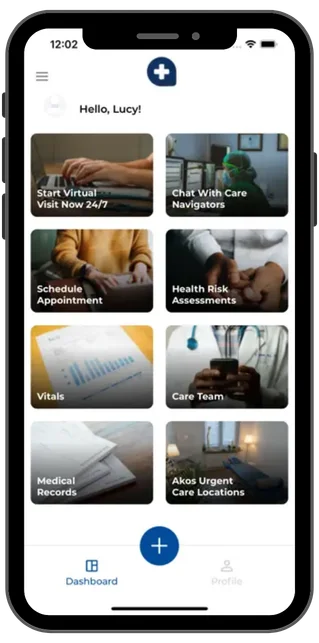
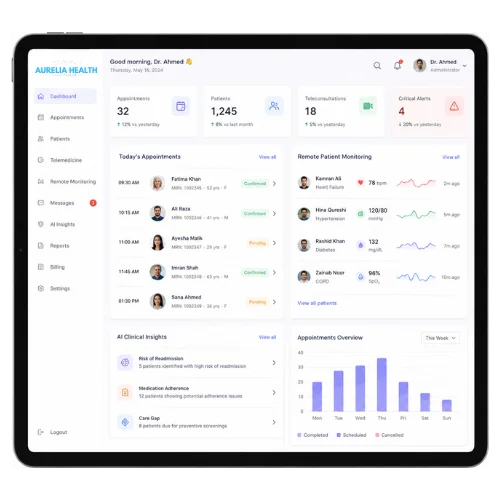
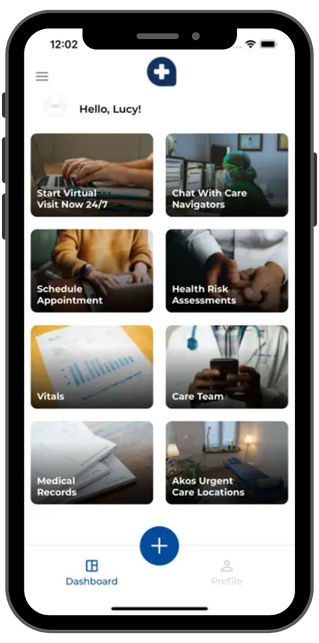
AkosMD

AkosMD

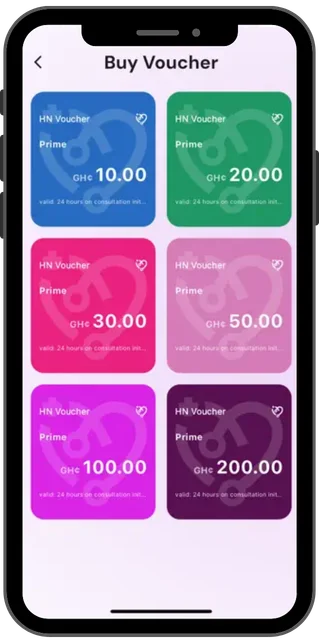
Developed a unified healthcare platform combining EMR, telemedicine, and remote patient monitoring to streamline patient care. Doctors can access real-time medical records, vitals, and treatment history from a centralized database while providing 24/7 telehealth services.

  • Centralized Electronic Medical Records (EMR)
  • 24/7 video & chat telemedicine consultations
  • Real-time patient vitals monitoring
  • Secure doctor-patient data access
  • Treatment history tracking across visits
View Case Study
HealthNeutron

HealthNeutron

Built a comprehensive digital health platform integrating telemedicine, mobile lab services, and preventive health screening. Patients can consult doctors through video, voice, or chat while also scheduling home lab sample collection.

  • Video, voice & chat doctor consultations
  • On-demand home lab sample collection
  • Preventive health screening programs
  • Digital health records management
  • Appointment scheduling & reminders
View Case Study
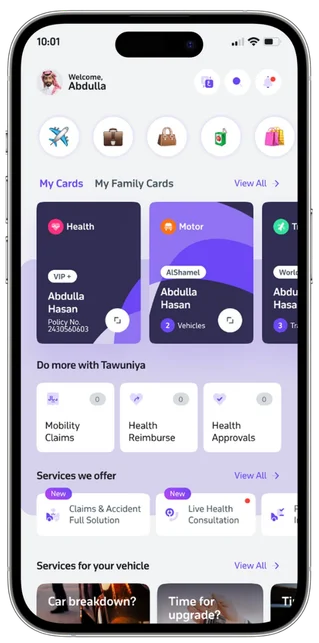
Tawuniya

Tawuniya

Developed a telemedicine platform integrated with the insurance ecosystem, allowing members to access virtual healthcare directly through their insurance policies while automating claims processing and policy management.

  • Insurance-integrated virtual healthcare access
  • Automated claims processing workflows
  • Policy management dashboard for members
  • Direct provider-insurer data sync
  • Faster reimbursement turnaround
View Case Study
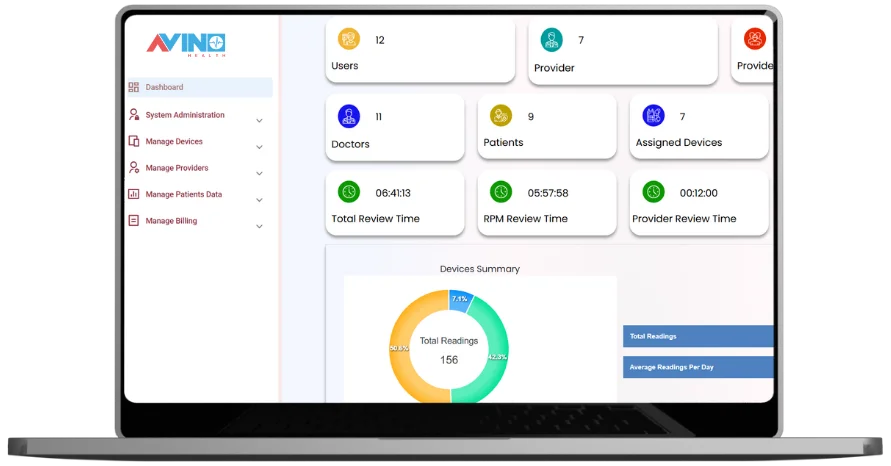
AvinoHealth

AvinoHealth

Created a cross-platform Remote Patient Monitoring (RPM) application enabling continuous vitals tracking through cellular-enabled medical devices. Clinicians receive real-time alerts when patient readings cross risk thresholds, enabling faster medical intervention.

  • Continuous remote vitals tracking
  • Cellular-enabled medical device integration
  • Real-time clinician risk alerts
  • EHR system synchronization
  • Cross-platform mobile & web access
View Case Study
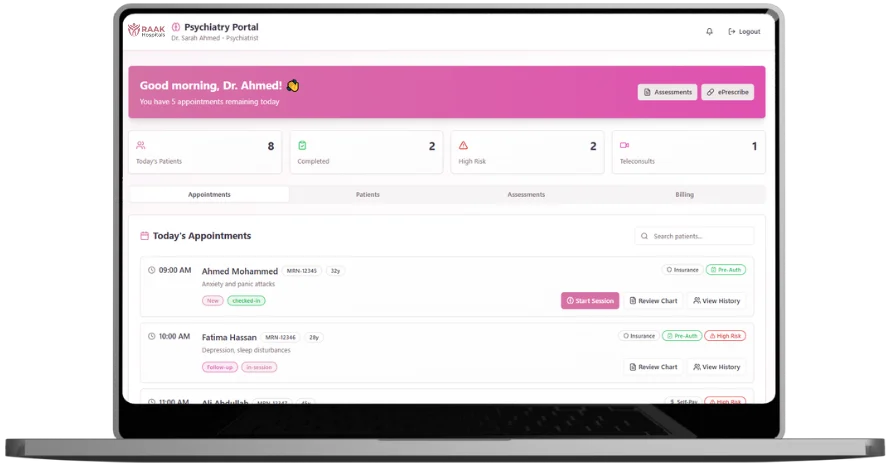
RAK Hospital

RAK Hospital

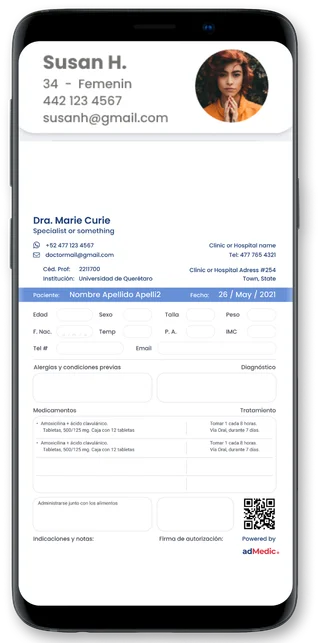
Designed a comprehensive Hospital Information System (HIS) to unify clinical, operational, and administrative workflows across departments. The platform integrates modules for patient records, lab management, pharmacy, billing, scheduling, and inventory.

  • Unified clinical & administrative workflows
  • Lab, pharmacy & billing module integration
  • Centralized patient records system
  • AI-powered resource utilization insights
  • Department-wide scheduling & inventory
View Case Study
adMedic

adMedic

Developed an advanced Remote Patient Monitoring platform integrated with OxiTone devices enabling continuous health tracking with automated alerts for abnormal readings.

  • OxiTone device integration
  • Continuous vitals health tracking
  • Automated abnormal reading alerts
  • Patient health history dashboard
  • Secure cloud-based data storage
View Case Study
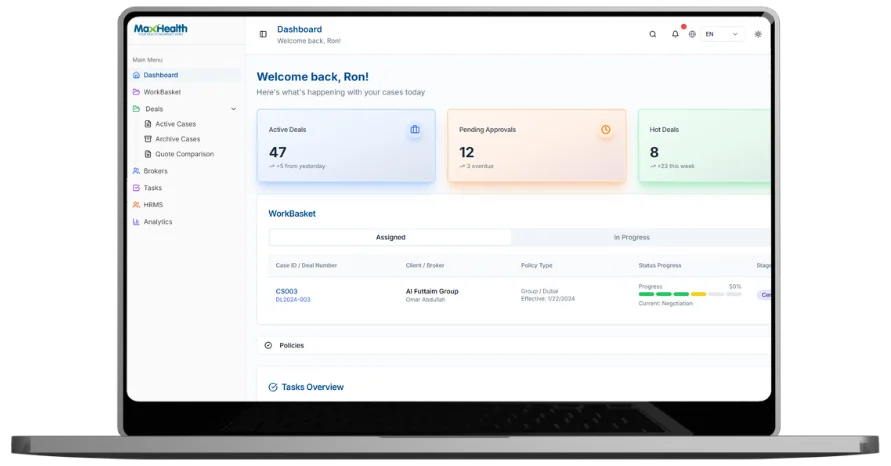
MaxHealth CRM

MaxHealth CRM

Built a customized CRM platform to manage business projects, sales pipelines, and client relationships in a centralized system. The solution replaced fragmented spreadsheets with real-time dashboards and automated workflows.

  • Centralized sales pipeline management
  • Real-time performance dashboards
  • Automated lead & proposal tracking
  • Client communication logs in one place
  • Milestone & project tracking tools
View Case Study
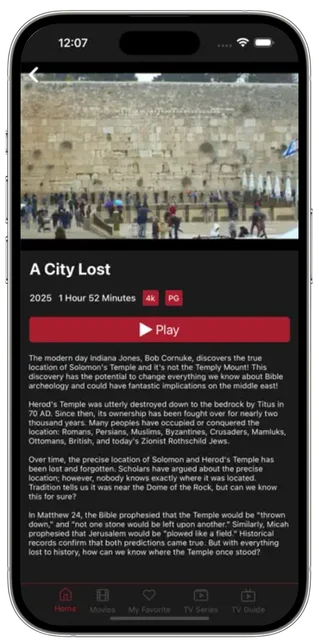
ReDiscover TV

ReDiscover TV

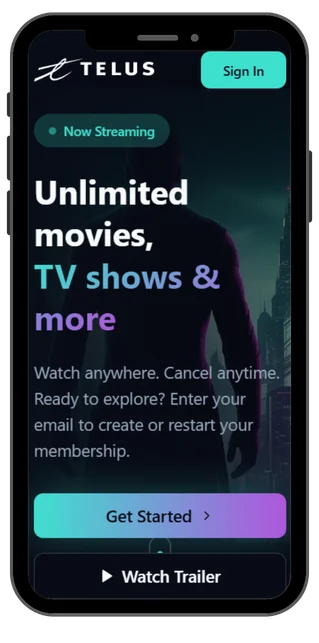
Developed an OTT streaming platform bringing live TV and on-demand content into a single interface supporting Smart TVs, mobile apps, and Android devices.

  • Live TV & on-demand content in one app
  • Smart TV, mobile & Android support
  • Personalized content recommendations
  • Multi-device synced viewing experience
  • Scalable cloud streaming infrastructure
View Case Study
TELUS TV

TELUS TV+

Created a scalable OTT platform delivering live TV, on-demand content, and third-party streaming integrations across multiple devices with cloud-based architecture.

  • Live TV with on-demand content library
  • Third-party streaming app integrations
  • Cloud-based scalable architecture
  • Cross-device playback continuity
  • High-availability content delivery
View Case Study
CareCloud

CareCloud

Developed a cloud-native healthcare ecosystem integrating EMR, telemedicine, patient engagement, remote monitoring, and AI-powered clinical insights to improve care coordination and operational efficiency.

  • Cloud-native EMR & telemedicine suite
  • AI-powered clinical insights engine
  • Remote patient monitoring tools
  • Improved care coordination workflows
  • Patient engagement portal
View Case Study
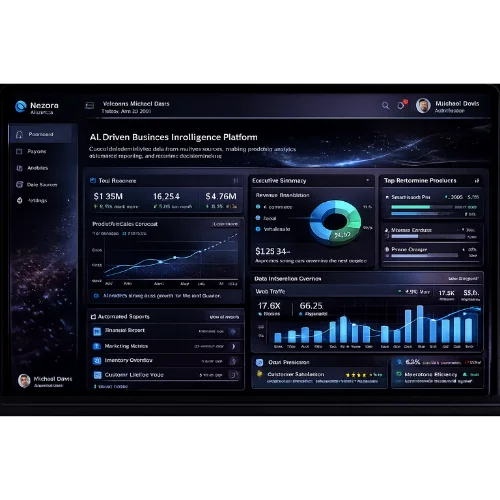
Nexora Analytics

Nexora Analytics

Built an AI-driven business intelligence platform that consolidated enterprise data from multiple sources, enabling predictive analytics, automated reporting, and real-time decision-making across departments.

  • Multi-source enterprise data consolidation
  • AI-powered predictive analytics
  • Automated reporting workflows
  • Real-time decision-making dashboards
  • Department-wide data visibility
View Case Study
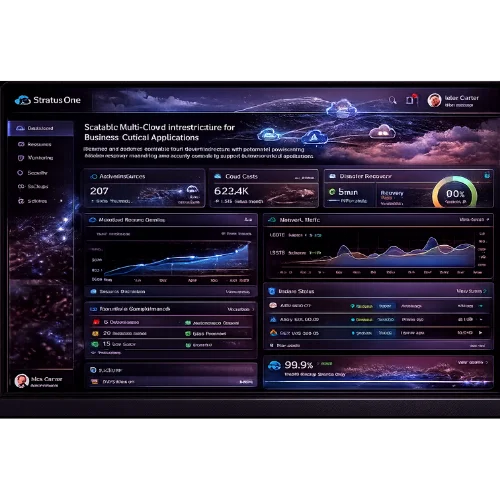
StratusOne

StratusOne

Designed and deployed a scalable multi-cloud infrastructure with automated provisioning, disaster recovery, monitoring, and security controls to support business-critical applications with high availability.

  • Multi-cloud scalable infrastructure
  • Automated provisioning & deployment
  • Disaster recovery & failover systems
  • 24/7 infrastructure monitoring
  • Enterprise-grade security controls
View Case Study
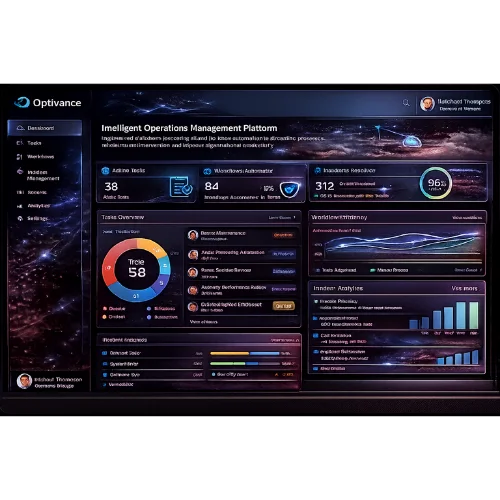
Optivance

Optivance

Implemented an intelligent operations management platform leveraging AI and workflow automation to streamline processes, reduce manual intervention, and improve organizational productivity.

  • AI-powered workflow automation
  • Reduced manual process intervention
  • Operations performance dashboards
  • Cross-team productivity tracking
  • Streamlined process management
View Case Study
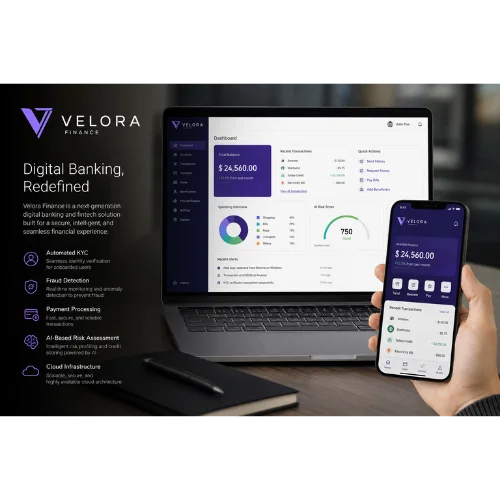
Velora Finance

Velora Finance

Developed a secure digital banking and fintech solution featuring automated KYC, fraud detection, payment processing, AI-based risk assessment, and cloud-hosted infrastructure for seamless scalability.

  • Automated KYC verification
  • AI-based fraud detection engine
  • Secure payment processing
  • AI-driven risk assessment models
  • Cloud-hosted scalable banking infra
View Case Study
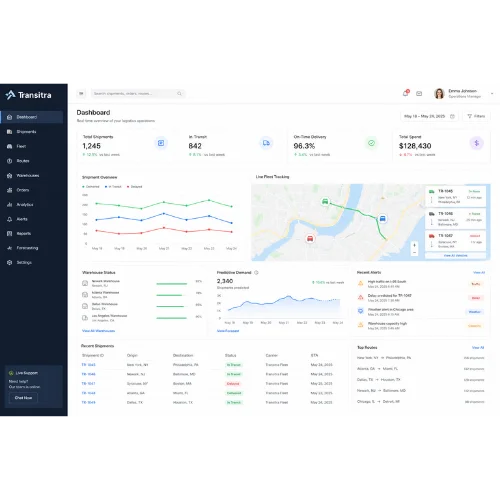
Transitra

Transitra

Created an end-to-end logistics and supply chain management platform with route optimization, fleet tracking, warehouse automation, predictive demand forecasting, and real-time operational visibility.

  • AI-driven route optimization
  • Real-time fleet tracking
  • Automated warehouse operations
  • Predictive demand forecasting
  • End-to-end supply chain visibility
View Case Study
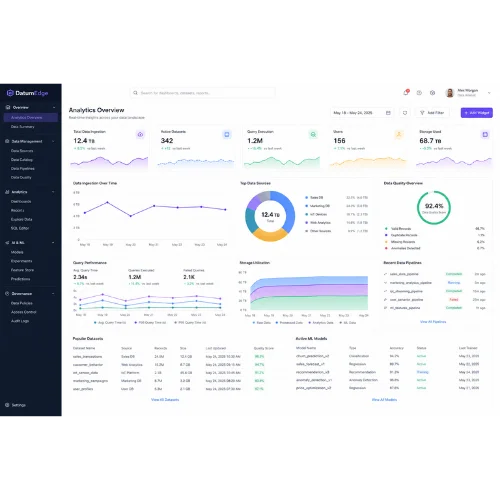
DatumEdge

DatumEdge

Implemented a centralized data lake and analytics platform enabling organizations to collect, process, and visualize large-scale business data while supporting AI and machine learning initiatives.

  • Centralized enterprise data lake
  • Large-scale data processing pipelines
  • Interactive data visualization dashboards
  • ML & AI model integration support
  • Scalable cloud data architecture
View Case Study
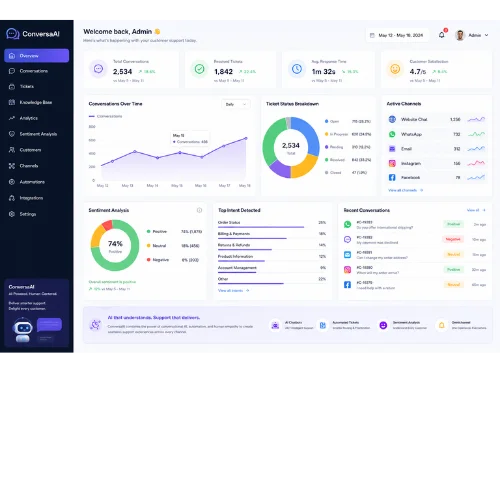
ConversaAI

ConversaAI

Created an AI-powered customer support ecosystem featuring conversational chatbots, automated ticket management, sentiment analysis, and omnichannel communication to improve service delivery.

  • AI conversational chatbot support
  • Automated ticket routing & management
  • Real-time sentiment analysis
  • Omnichannel customer communication
  • Faster service resolution times
View Case Study
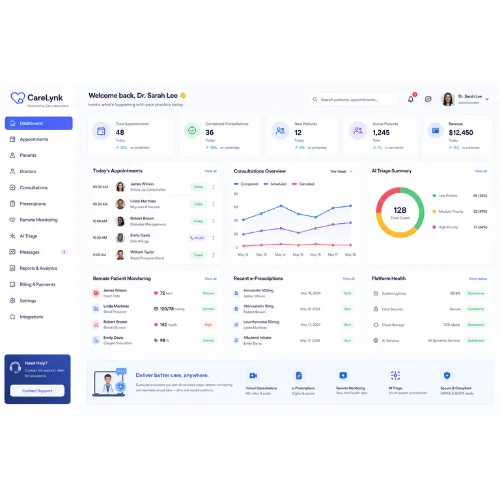
CareLynk

CareLynk

Designed a telehealth platform combining virtual consultations, electronic prescriptions, remote patient monitoring, AI-assisted triage, and secure cloud hosting for healthcare providers.

  • Virtual doctor consultations
  • Electronic prescription management
  • AI-assisted patient triage
  • Remote patient monitoring tools
  • Secure cloud-hosted infrastructure
View Case Study
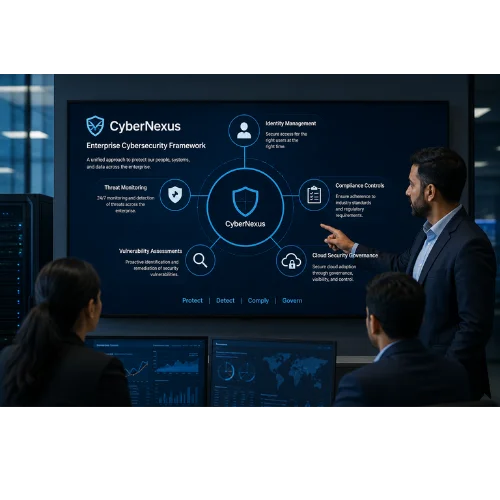
CyberNexus

CyberNexus

Established an enterprise cybersecurity framework incorporating identity management, threat monitoring, vulnerability assessments, compliance controls, and cloud security governance.

  • Identity & access management
  • 24/7 threat monitoring
  • Regular vulnerability assessments
  • Regulatory compliance controls
  • Cloud security governance framework
View Case Study
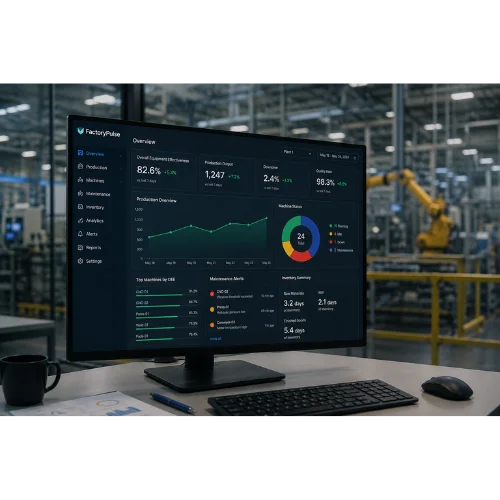
FactoryPulse

FactoryPulse

Built a smart manufacturing solution integrating IoT devices, production monitoring, predictive maintenance, inventory optimization, and AI-driven operational analytics.

  • IoT-connected production monitoring
  • Predictive maintenance alerts
  • Real-time inventory optimization
  • AI-driven operational analytics
  • Factory-wide performance dashboard
View Case Study
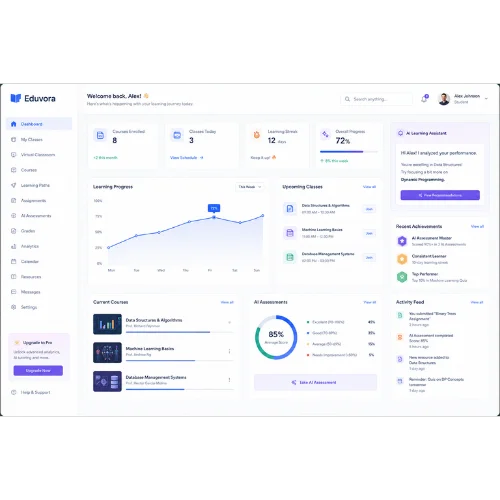
Eduvora

Eduvora

Developed a modern learning platform featuring virtual classrooms, adaptive learning paths, AI-powered assessments, student analytics, and cloud-based content delivery.

  • Live virtual classroom sessions
  • Adaptive personalized learning paths
  • AI-powered student assessments
  • Detailed student performance analytics
  • Cloud-based content delivery
View Case Study
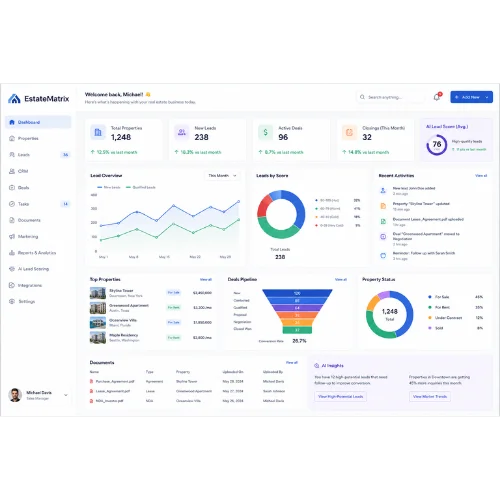
EstateMatrix

EstateMatrix

Created a real estate management ecosystem supporting property listings, CRM, document management, AI-powered lead scoring, and analytics for enhanced sales performance.

  • Centralized property listings management
  • Built-in CRM for sales teams
  • AI-powered lead scoring
  • Digital document management
  • Sales performance analytics
View Case Study
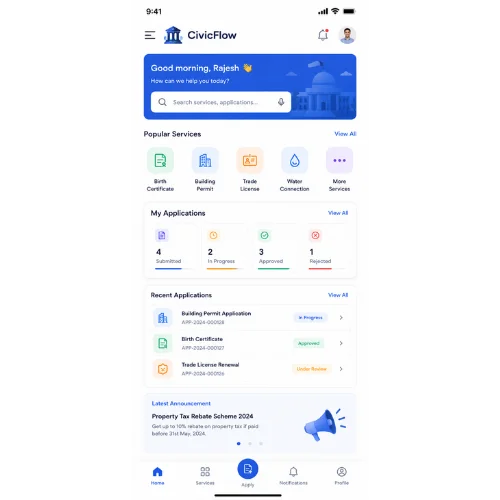
CivicFlow

CivicFlow

Implemented a digital transformation platform for public sector organizations, streamlining citizen services, workflow automation, document management, and cloud-based governance systems.

  • Streamlined citizen service delivery
  • Government workflow automation
  • Digital document management
  • Cloud-based governance systems
  • Improved public sector transparency
View Case Study
PipelineX

PipelineX

Established a CI/CD-driven DevOps framework with automated testing, containerization, Kubernetes orchestration, infrastructure as code, and cloud deployment pipelines for faster software releases.

  • Automated CI/CD pipelines
  • Containerization & Kubernetes orchestration
  • Infrastructure as code (IaC) setup
  • Automated testing frameworks
  • Faster, reliable software releases
View Case Study
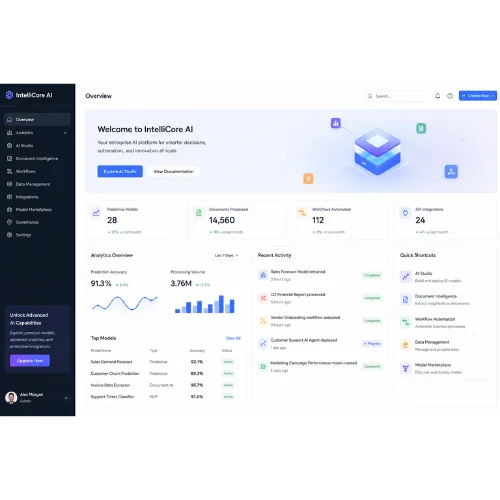
IntelliCore AI

IntelliCore AI

Developed an enterprise AI platform enabling predictive analytics, generative AI integrations, intelligent document processing, and workflow automation across business functions.

  • Predictive analytics engine
  • Generative AI integrations
  • Intelligent document processing
  • Cross-functional workflow automation
  • Enterprise-wide AI adoption support
View Case Study
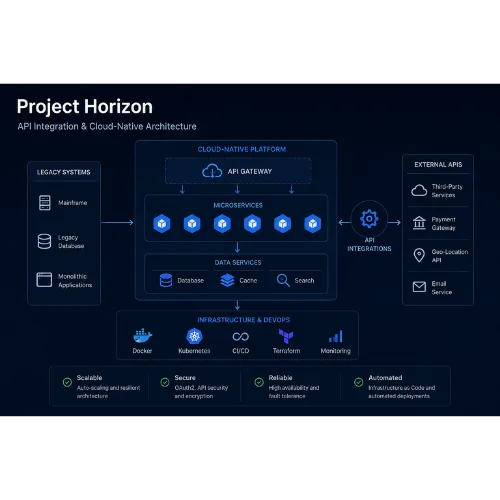
Project Horizon

Project Horizon

Transformed legacy systems into scalable cloud-native applications using microservices architecture, API integrations, containerized deployments, and automated infrastructure management.

  • Legacy to cloud-native migration
  • Microservices architecture design
  • Seamless API integrations
  • Containerized application deployments
  • Automated infrastructure management
View Case Study
The Comparison

Why Choose SISGAIN for Software Integration Services in Dubai

FactorSISGAINTypical Vendor
Team LocationUAE-based team with in-region infrastructure knowledgeOften offshore, with limited UAE regulatory context
Architecture ApproachEnterprise architecture designed for your specific systemsDevelopment-only approach without architecture review
Project SupportEnd-to-end support from assessment through post-launch monitoringSupport limited to development and handover
Security PracticesSecurity-first design across every integration pointSecurity added as an afterthought, if at all
CustomizationCustom-built integrations matched to your systemsGeneric templates adapted to fit
AI-ReadinessArchitecture built to support future AI and automation integrationTraditional approach with no forward planning
Client Voices

Customer Reviews for Software Integration Services

Before working with SISGAIN, our finance team spent hours every week reconciling data between our ERP and CRM manually. After the integration went live, that reconciliation work dropped by 78%, and our reporting is now available in real time instead of the next morning.

Portrait of IT Director at a UAE healthcare group
IT Director
Healthcare Group · UAE

SISGAIN's team understood our production and supply chain systems well enough to design an integration that didn't require us to change our existing ERP workflows. The project was delivered in phases, which let us validate each stage before moving forward.

Portrait of CTO at a UAE manufacturing company
CTO
Manufacturing Company · UAE

The integration between our online store, in-store POS, and CRM eliminated the inventory conflicts we'd been dealing with for years. Customer data is now consistent whether someone shops online or in one of our stores.

Portrait of Operations Director at a UAE retail group
Operations Director
Retail Group · UAE
FAQ

Frequently Asked Questions

1 What is software integration?
Software integration is the process of connecting two or more business applications so they can securely exchange data and automate workflows. It eliminates manual data entry, reduces errors, and enables systems such as ERP, CRM, HRMS, accounting, and healthcare platforms to work together seamlessly.

2 Why does my business need software integration?
As businesses grow, they often use multiple disconnected applications. Software integration creates a unified ecosystem where information flows automatically between systems, improving productivity, data accuracy, reporting, and operational efficiency while reducing manual work.

3 How much does software integration cost in Dubai?
The cost depends on the number of systems involved, integration complexity, legacy infrastructure, and customization requirements. Small API integrations may require only a few weeks, while enterprise-wide integration projects involve multiple applications and workflows. SISGAIN provides a fixed-scope estimate after a detailed architecture assessment.

4 How long does a software integration project take?
Simple integrations typically take 4–8 weeks, while enterprise integration projects connecting ERP, CRM, HRMS, finance, and other business applications generally take 3–6 months, depending on complexity and testing requirements.

5 Can you integrate legacy systems with modern applications?
Yes. SISGAIN integrates legacy software using custom connectors, middleware, database synchronization, and API adapters. This allows organizations to modernize their technology without replacing mission-critical legacy systems.

6 What types of software can SISGAIN integrate?
SISGAIN integrates a wide range of enterprise systems, including ERP, CRM, HRMS, accounting software, healthcare applications, logistics platforms, e-commerce systems, payment gateways, cloud applications, and custom-built business software.

7 Do you provide API integration services?
Yes. SISGAIN develops secure REST and SOAP API integrations, builds custom APIs, implements API gateways, and enables real-time communication between enterprise systems while maintaining security, authentication, and scalability.

8 Is my business data secure during the integration process?
Yes. Security is built into every integration using encrypted data transmission, role-based access control, secure authentication, audit logging, API security, and industry best practices to protect sensitive business information throughout the integration lifecycle.

9 Which ERP systems can SISGAIN integrate?
SISGAIN integrates leading ERP platforms including SAP, Oracle ERP, Microsoft Dynamics, Odoo, and other enterprise resource planning systems with CRM, accounting, inventory, healthcare, e-commerce, and third-party applications.

10 Do you provide support after the integration goes live?
Yes. SISGAIN offers ongoing maintenance, performance monitoring, incident response, system updates, and proactive support to ensure integrations remain stable as connected applications evolve over time.

11 Which industries do you serve?
SISGAIN delivers software integration solutions for healthcare, government, retail, manufacturing, finance, logistics, education, hospitality, construction, oil and gas, real estate, and other enterprise sectors across the UAE.

12 How do I start a software integration project with SISGAIN?
The process begins with a free consultation where our integration specialists evaluate your existing systems, identify integration opportunities, recommend the most suitable architecture, and provide a project roadmap with estimated timeline and cost before development begins.