17 Years of Software Expertise — 500+ Happy Clients | Across 25+ Industries.
EXPLORE NOW!
17 Years of Software Expertise — 500+ Happy Clients | Across 25+ Industries. EXPLORE NOW!17 Years of Software Expertise — 500+ Happy Clients | Across 25+ Industries.EXPLORE NOW!17 Years of Software Expertise — 500+ Happy Clients | Across 25+ Industries.17 Years of Software Expertise — 500+ Happy Clients | Across 25+ Industries. EXPLORE NOW!17 Years of Software Expertise — 500+ Happy Clients | Across 25+ Industries.EXPLORE NOW!17 Years of Software Expertise — 500+ Happy Clients | Across 25+ Industries.
Cloud Architecture Services in Dubai, UAE
As part of our comprehensive infrastructure management services,
SISGAIN delivers cloud architecture services Dubai businesses rely on to design secure, scalable, and
reliable cloud environments aligned with their applications, data, infrastructure, long-term growth, and
operational and business requirements.
Cloud Architecture Services Built Around Your Business
Cloud architecture should reflect your business objectives, workloads,
security requirements, operational processes, integration needs, and future scalability, not generic
templates.
Every engagement starts with your environmentAssessment, strategy, design and validation — documented so your team can build from it.
Cloud Architecture Consulting Services
Through our tailored cloud consulting
services, SISGAIN evaluates business requirements, existing infrastructure, application
dependencies, security needs, and operational goals before recommending a suitable cloud architecture
strategy. Consulting may include architecture assessment, technology recommendations, migration
planning, modernization planning, and implementation guidance tailored to your organization.
Cloud Architecture Design Services
From microservices to serverless architecture
design, our cloud architecture design services define the structure of your cloud environment,
covering computing, storage, networking, databases, security, integration, availability, and
monitoring components. Every design is documented in practical, implementation-ready detail that
technical teams can review, validate, and build from.
Cloud Technology Architecture
Selecting the right cloud technology architecture means matching platforms and services to workload
requirements, performance expectations, integration needs, security controls, and budget
considerations. SISGAIN's technical team confirms platform capabilities before recommending any
technology, keeping decisions grounded in verified compatibility.
Cloud Architecture Modernization
Existing infrastructure and applications can be assessed and modernized to achieve seamless cloud migration &
modernization, improving scalability, reliability, maintainability, performance, and operational
efficiency. SISGAIN reviews current environments against business goals to identify where
modernization delivers genuine value, without promising specific cost savings or performance gains.
Cloud Service-Oriented Architecture
Where relevant to a client's environment, SISGAIN designs cloud service-oriented architecture built
around modular services, APIs, integration patterns, independent service management, and structured
communication between business applications. This approach is recommended only when it genuinely fits
the organization's operational requirements.
What Our Cloud Architecture Services Include
These core architecture components help businesses build secure, connected,
scalable, and easily manageable cloud environments across the entire business organization.
Cloud Infrastructure Architecture
Cloud infrastructure architecture covers the design of compute resources, storage, networking,
operating environments, resource organization, and infrastructure dependencies. A well-structured
infrastructure layer supports business applications reliably, keeping operational requirements, workload
demands, and future growth in balance across the environment.
Cloud Application Architecture
Applications are structured for cloud deployment with scalability, maintainability, integration, and
performance in mind. This includes mapping application dependencies, service components, APIs, and
deployment considerations so applications run efficiently within the broader cloud environment your
business depends on.
Cloud Network Architecture
Cloud network architecture addresses segmentation, connectivity, routing, access controls, private
connectivity, and communication between cloud and on-premises environments. Networks are designed around
your operational needs, without relying on unsupported claims about specific network products or
vendors.
Cloud Security Architecture
Our cloud security architecture covers
identity and access management, encryption, security controls, network protection, monitoring, and
governance. It is designed to reflect your organization's risk profile and compliance obligations, and
any specific certifications or compliance standards are confirmed only where formally verified.
Data and Database Architecture
Data and database architecture planning addresses data storage, database selection, data access,
backup, availability, scalability, and integration. The focus is on supporting reliable, efficient data
management that keeps information accessible, protected, and aligned with how your business actually
uses it.
Integration and API Architecture
Integration and API architecture connects cloud systems with existing applications, enterprise
software, third-party platforms, and internal systems through structured APIs and integration patterns.
The priority is secure, reliable data exchange between systems your teams already depend on daily.
High-Availability and Disaster Recovery Architecture
Availability and disaster recovery planning addresses service availability, backup, recovery,
redundancy, business continuity, and disaster recovery requirements specific to your operations. Any
uptime commitments are defined only within an approved service agreement, not as a general claim.
Cloud Cost Optimization Architecture
Architecture decisions can improve resource utilization, workload placement, scalability, and cost
visibility through better monitoring and planning. SISGAIN focuses on practical efficiency improvements
rather than guaranteed cost reductions or fixed savings percentages, which depend on your specific
environment.
Our Cloud Architecture Consulting Process
A structured, step-by-step process turns your business requirements into a
practical, documented, and fully implementation-ready cloud architecture for your organization.
01
Business and Infrastructure Discovery
The process begins by gathering information about business objectives, existing infrastructure,
applications, users, workloads, operational challenges, and future plans. This discovery stage ensures
every architecture recommendation is grounded in how your organization operates today and where it
intends to go.
02
Current-State Architecture Assessment
The existing environment is reviewed to identify dependencies, limitations, security gaps, performance
concerns, availability risks, and modernization opportunities. This assessment gives decision-makers a
clear, evidence-based picture of the current architecture before any new recommendations are made.
03
Cloud Architecture Strategy and Planning
The recommended architecture model, cloud approach, technology direction, migration priorities, and
implementation roadmap are defined according to business requirements identified during discovery. Where
workloads need to move, our cloud migration consulting services in UAE carry that plan into execution. This
stage translates findings into a clear, prioritized plan that decision-makers can evaluate and approve.
04
Architecture Design and Documentation
Detailed design work may include architecture diagrams, infrastructure components, application
dependencies, security controls, integration flows, data considerations, and operational requirements.
Documentation is built to support technical review, stakeholder approval, and hand-off to implementation
or engineering teams.
05
Technical Validation and Review
The proposed architecture is reviewed for feasibility, scalability, security, performance, integration,
operational suitability, and alignment with the client's stated objectives. This validation step reduces
risk before implementation begins, confirming the design will hold up under real operating conditions.
06
Implementation Support and Optimization
Where included in the agreed scope, SISGAIN may support implementation, deployment coordination,
architecture improvements, monitoring, and ongoing optimization. This support is defined project by
project, and is not automatically included in every architecture engagement unless agreed in advance.
Cloud Architecture Models We Design
The most suitable cloud model always depends on workload characteristics,
security requirements, infrastructure needs, compliance obligations, and overall business priorities.
Public Cloud Architecture
Public cloud environments can support scalable infrastructure, flexible resource allocation,
application deployment, and managed technology services for businesses that want to avoid heavy
upfront infrastructure investment. Specific platform names are referenced only once verified as
suitable for your project.
Private Cloud Architecture
Private cloud architecture can support greater control over infrastructure, access, governance, and
workload placement for organizations with specific security, compliance, or operational requirements.
It suits businesses that need dedicated resources and tighter oversight of how their environment is
configured.
Hybrid Cloud Architecture
Hybrid cloud architecture connects on-premises infrastructure with cloud environments to support
workload flexibility, gradual modernization, data requirements, and operational continuity. It allows
organizations to modernize at a pace that matches their technical readiness, budget, and business
priorities.
Multi-Cloud Architecture
Multi-cloud architecture may use services from multiple cloud providers to meet specific workload,
resilience, capability, or business requirements. This approach is not presented as suitable for every
business, and is recommended only when it genuinely addresses a defined operational need.
Cloud-Native Architecture
Cloud-native architecture applies principles such as modular applications, automation, scalability,
Kubernetes-based
containerization, APIs, and modern deployment practices to help businesses build and run
applications more efficiently. SISGAIN references only the specific cloud-native technologies its
technical team actually supports.
Cloud Platforms and Technologies We Work With
Platform selection always depends on specific project requirements, and
SISGAIN confirms suitability carefully before recommending any particular cloud technology stack.
Cloud Computing Platforms
SISGAIN works with major cloud computing platforms such as AWS, Microsoft Azure, and Google Cloud,
selected according to project needs. Any specific partnership, certification, or advanced platform
expertise is confirmed directly with the SISGAIN technical team before it is referenced.
Compute, Storage, and Database Technologies
Compute, storage, and database technologies form the foundation of application performance, data
availability, scalability, and infrastructure reliability. SISGAIN selects and configures these components
based on workload behavior, data volume, access patterns, and the performance expectations defined for
your project.
Security, Monitoring, and DevOps Technologies
Security controls, monitoring tools, automation, deployment processes, and operational visibility work
together to keep cloud environments protected and manageable. SISGAIN references specific security,
monitoring, or DevOps tools only where confirmed as part of an agreed project scope.
AWS
Azure
Google Cloud
Kubernetes
Docker
Terraform
Node.js
Python
Java
.NET
PHP
Laravel
React
Next.js
PostgreSQL
MongoDB
Grafana
Jenkins
Why Businesses in Dubai Choose Cloud Architecture Services
A well-planned cloud architecture delivers real, measurable business value
without relying on unsupported numerical claims or any exaggerated performance promises.
Value your board can followScalability, reliability, governance and efficiency described in plain business terms.
Scalable Infrastructure
Well-planned architecture can support changing workloads, business expansion, seasonal demand, and
future application requirements without requiring constant redesign. This gives infrastructure
managers and business owners more confidence when planning growth, new product launches, or entry
into new markets.
Improved Reliability and Availability
Redundancy, recovery planning, monitoring, and appropriate architecture patterns can help reduce
operational risks tied to downtime or service disruption. A structured approach to reliability gives
decision-makers a clearer understanding of how their environment behaves under real operating
conditions.
Stronger Security and Governance
Security architecture supports controlled access, data protection, monitoring, governance, and risk
management across the cloud environment. This gives IT directors and CIOs a defined structure for
managing who can access systems, how data is protected, and how risk is tracked.
Better Infrastructure Efficiency
Architecture planning helps align infrastructure resources with actual business and workload
requirements, rather than over-provisioning or under-utilizing capacity. This alignment supports
more predictable operations and gives technical teams clearer visibility into how resources are
being used.
Support for Digital Transformation
Cloud architecture supports application modernization, enterprise integration, automation,
data-driven operations, and the development of new digital services. A sound architectural
foundation makes it easier for organizations to introduce new technology initiatives without
disrupting existing systems or workflows.
Cloud Architecture Solutions for UAE Industries
Cloud architecture should always properly reflect the specific operational,
security, data, and scalability requirements of each individual industry it serves.
Healthcare organizations require secure application infrastructure, protected patient data, system
integration, high availability, and support for specialized healthcare software. SISGAIN designs
architecture around these operational needs without claiming specific healthcare compliance unless
formally verified.
Real estate businesses require scalable property platforms, customer applications, document management,
internal workflows, data integration, and reliable infrastructure. SISGAIN designs architecture around
these practical requirements to support connected operations, efficient information access, and future
business growth.
Gaming businesses require scalable application infrastructure, real-time performance, user management,
data systems, and reliable digital experiences. Architecture planning considers workload variability,
application connectivity, infrastructure scalability, and operational monitoring for gaming platforms
and related services.
Food and beverage businesses need connected ordering systems, inventory platforms, customer
applications, payment integrations, and reliable operational data. Cloud architecture is designed around
transaction workloads, system availability, and scalable infrastructure that supports changing business
demand.
Travel businesses depend on booking platforms, customer applications, payment integrations,
availability, and connected operational systems. Architecture planning supports reliable data exchange,
scalable applications, and secure access to information across travel services and customer-facing
digital channels.
E-commerce businesses need scalable storefronts, transaction processing, inventory integration,
customer platforms, data systems, and support for seasonal traffic. Cloud architecture is designed to
manage variable demand while supporting reliable performance, secure transactions, and connected
business operations.
Government organizations require secure infrastructure, reliable applications, controlled access, data
management, integration, and operational continuity. Architecture planning focuses on organizational
requirements, information protection, scalability, and dependable service delivery without claiming
specific government compliance unless formally verified.
Mining businesses depend on operational data, fleet systems, equipment information, remote
connectivity, and reliable access to business applications. Cloud architecture supports connected
operations, scalable data environments, system integration, and dependable infrastructure for
distributed mining workflows.
Media and entertainment businesses require scalable platforms, digital content systems, user
applications, data management, and reliable delivery infrastructure. Architecture planning supports
changing workloads, application integration, content-related operations, and flexible technology
environments aligned with business requirements.
Hospitality businesses depend on property systems, booking platforms, guest applications, payment
integrations, and connected operational data. Cloud architecture supports reliable service delivery,
scalable applications, system integration, and secure information access across hospitality operations.
Education organizations require learning platforms, student applications, content systems, data
management, and reliable access for distributed users. Architecture planning supports scalable digital
learning environments, secure information handling, application integration, and infrastructure aligned
with institutional requirements.
Telecommunications businesses need reliable applications, connected systems, operational data,
integration, monitoring, and scalable infrastructure. Cloud architecture planning focuses on system
availability, workload management, secure connectivity, and dependable information exchange across
telecommunications operations.
Sports organizations require applications for teams, athletes, events, scheduling, performance data,
and user engagement. Cloud architecture supports scalable platforms, connected systems, reliable data
access, and infrastructure designed around changing operational and audience requirements.
Retail businesses need inventory systems, point-of-sale integrations, customer applications,
transaction processing, and reliable operational data. Cloud architecture is designed around connected
retail workflows, scalable infrastructure, secure access, and changing demand across physical and
digital channels.
Agribusinesses depend on farm applications, operational data, supply chain systems, inventory
information, and connected business processes. Cloud architecture supports scalable platforms, reliable
data access, application integration, and infrastructure aligned with agricultural and operational
requirements.
Utilities require reliable infrastructure, operational applications, data management, system
integration, monitoring, and service continuity. Cloud architecture planning supports connected systems,
scalable workloads, secure information access, and dependable technology environments for
utility-related operations.
Drag or scroll to explore
Cloud Architecture and Services That Support Business Growth
Related services help organizations implement, operate, secure, monitor, and
continuously improve their cloud environments well beyond the initial architecture design.
Support beyond the designMigration, operations, security, automation and integration — scoped per engagement.
Cloud migration and modernization services can support the transition from legacy or existing
environments to a more suitable cloud architecture. This includes planning, sequencing, and technical
coordination to move workloads with minimal disruption to business operations.
Cloud infrastructure management may support monitoring, maintenance, resource administration,
availability, and operational efficiency where included in the agreed scope. This helps organizations
keep their environment running smoothly after the architecture has been implemented.
Cloud security services can support access management, monitoring, data protection, governance, and
risk reduction across your environment. These services work alongside your architecture to help
maintain a consistent security posture as your cloud footprint grows and changes.
DevOps, platform engineering,
and automation practices can improve deployment consistency, operational workflows, infrastructure
management, and collaboration between development and operations teams. This supports faster, more
reliable delivery of updates and new features across your cloud environment.
Application development and integration services connect cloud architecture with business
applications, APIs, databases, and enterprise systems. This ensures the underlying architecture
actively supports the software your teams use, rather than existing as a separate technical layer.
Why Choose SISGAIN for Cloud Architecture Services in Dubai?
SISGAIN combines practical architecture planning, software expertise,
infrastructure understanding, and business-focused consulting into one single, highly experienced,
accountable technology team.
Architecture recommendations are aligned with business objectives, operational needs, application
requirements, and long-term growth rather than technology for its own sake. This keeps every design
decision connected to outcomes that matter to decision-makers, not just technical preference.
SISGAIN brings experience across enterprise software, cloud infrastructure, application
development, and digital transformation, drawing only on verified company capabilities. This breadth
allows architecture recommendations to account for how systems, applications, and infrastructure
interact across the wider business.
Architecture documentation is built to be practical, understandable, and useful for implementation,
technical review, and future maintenance. Rather than abstract diagrams, deliverables are structured
so internal teams or implementation partners can act on them directly.
Architecture is adapted to industry-specific workflows, data requirements, integrations, security
expectations, and operational priorities relevant to your sector. This means recommendations reflect
how your industry actually operates, not a one-size-fits-all technical template.
Where included in SISGAIN's actual offerings, ongoing support, optimization, or managed cloud infrastructure services
can extend beyond the initial architecture engagement. Support scope is agreed per project, and is
not assumed to include unlimited or indefinite technical assistance by default.
Real Business Results Delivered Across the UAE
Explore how SISGAIN Technologies helps organizations accelerate digital transformation through AI, custom software, cloud modernization, and enterprise solutions that deliver measurable business outcomes.
AkosMD
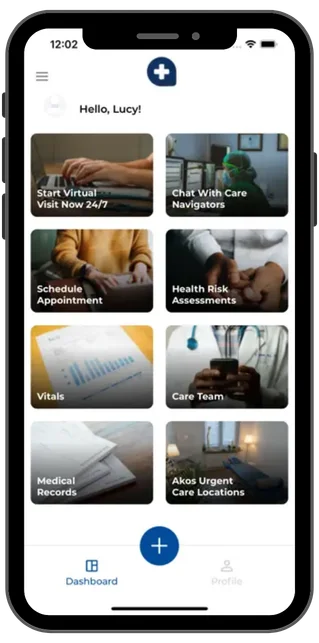
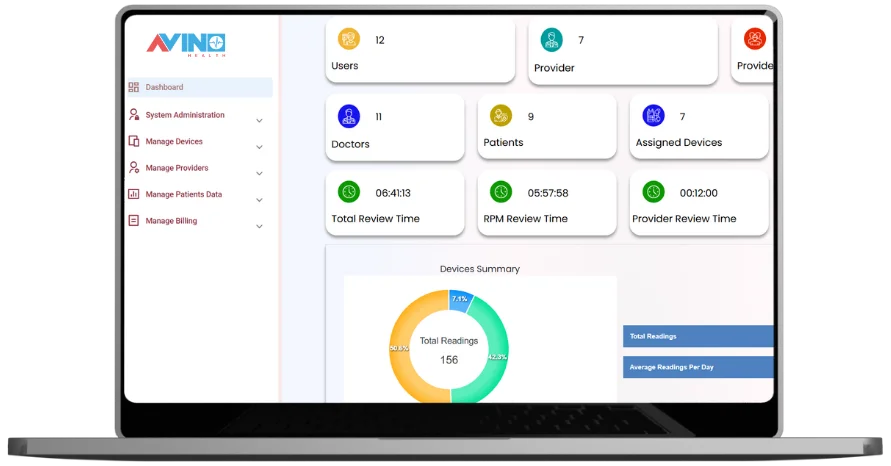
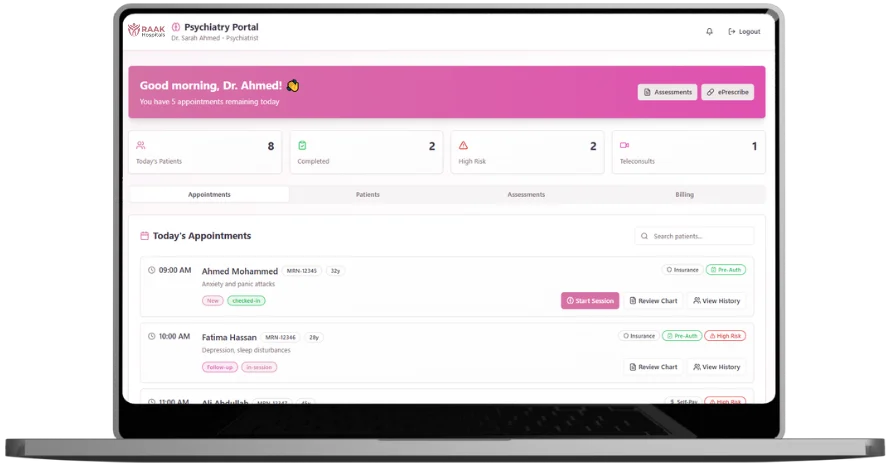
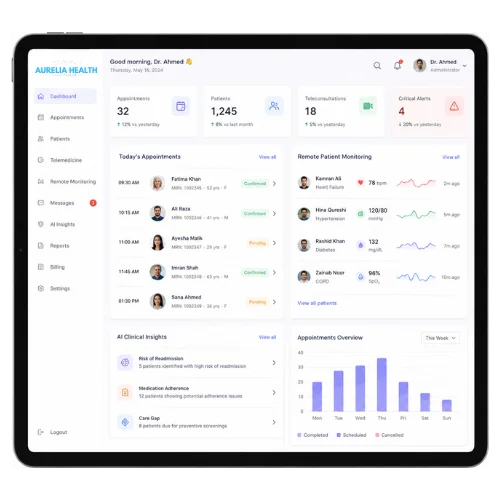
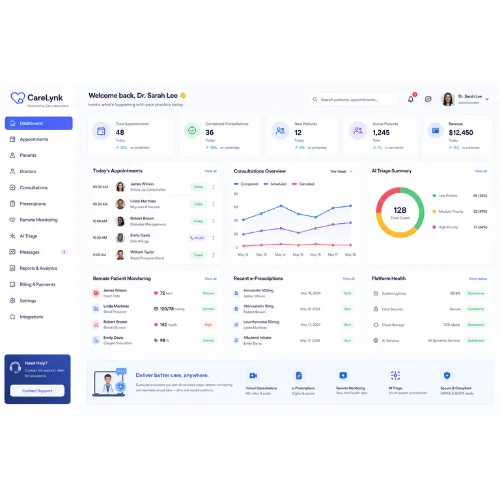
Developed a unified healthcare platform combining EMR, telemedicine, and remote patient monitoring to streamline patient care. Doctors can access real-time medical records, vitals, and treatment history from a centralized database while providing 24/7 telehealth services.
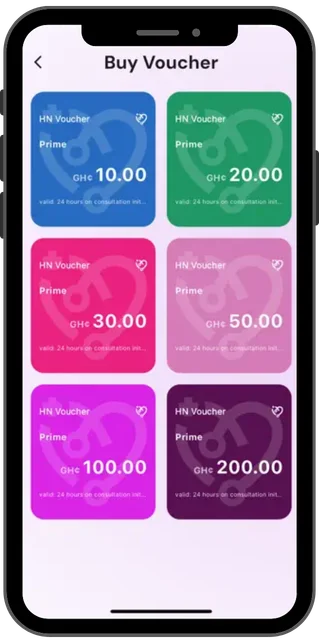
Built a comprehensive digital health platform integrating telemedicine, mobile lab services, and preventive health screening. Patients can consult doctors through video, voice, or chat while also scheduling home lab sample collection.
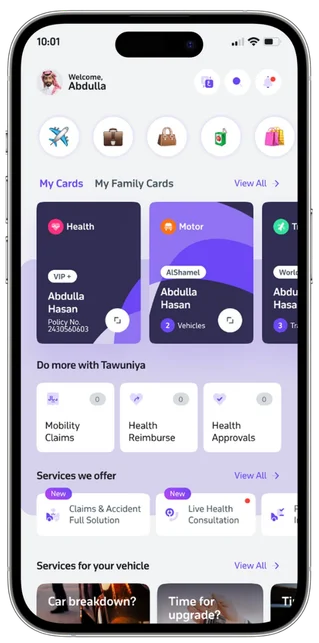
Developed a telemedicine platform integrated with the insurance ecosystem, allowing members to access virtual healthcare directly through their insurance policies while automating claims processing and policy management.
Created a cross-platform Remote Patient Monitoring (RPM) application enabling continuous vitals tracking through cellular-enabled medical devices. Clinicians receive real-time alerts when patient readings cross risk thresholds, enabling faster medical intervention.
Designed a comprehensive Hospital Information System (HIS) to unify clinical, operational, and administrative workflows across departments. The platform integrates modules for patient records, lab management, pharmacy, billing, scheduling, and inventory.
Developed an advanced Remote Patient Monitoring platform integrated with OxiTone devices enabling continuous health tracking with automated alerts for abnormal readings.
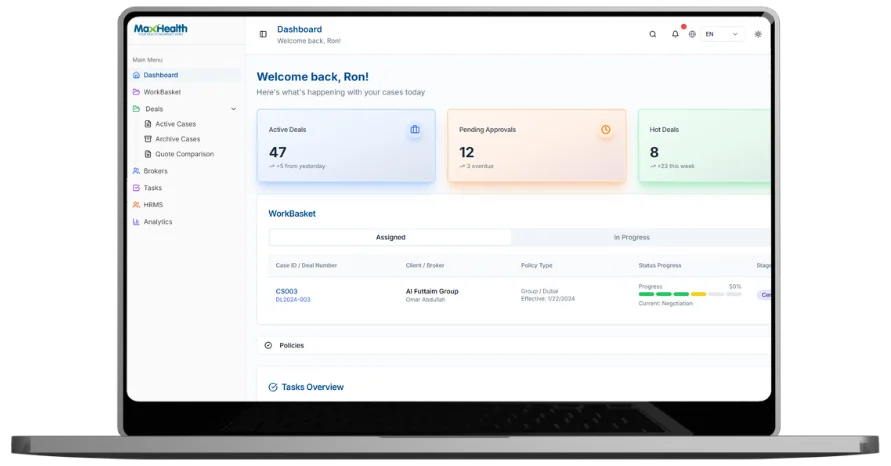
Built a customized CRM platform to manage business projects, sales pipelines, and client relationships in a centralized system. The solution replaced fragmented spreadsheets with real-time dashboards and automated workflows.
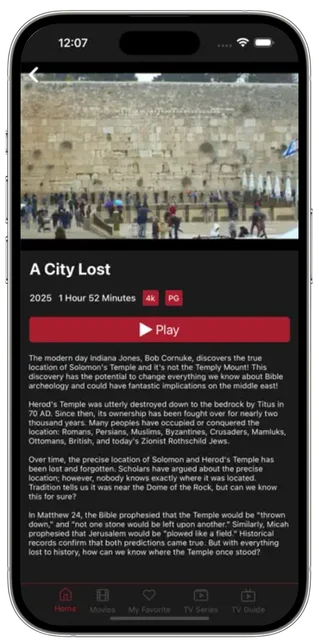
Developed an OTT streaming platform bringing live TV and on-demand content into a single interface supporting Smart TVs, mobile apps, and Android devices.
Created a scalable OTT platform delivering live TV, on-demand content, and third-party streaming integrations across multiple devices with cloud-based architecture.
Developed a cloud-native healthcare ecosystem integrating EMR, telemedicine, patient engagement, remote monitoring, and AI-powered clinical insights to improve care coordination and operational efficiency.
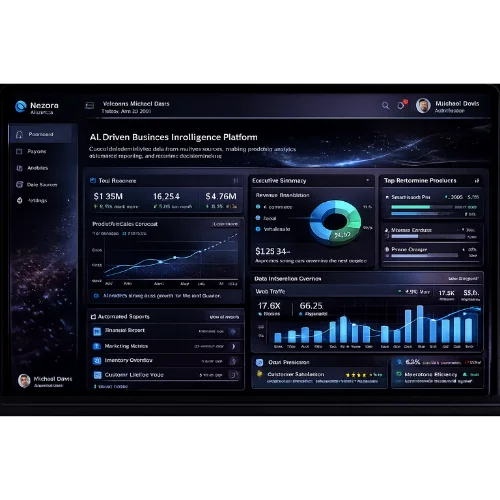
Built an AI-driven business intelligence platform that consolidated enterprise data from multiple sources, enabling predictive analytics, automated reporting, and real-time decision-making across departments.
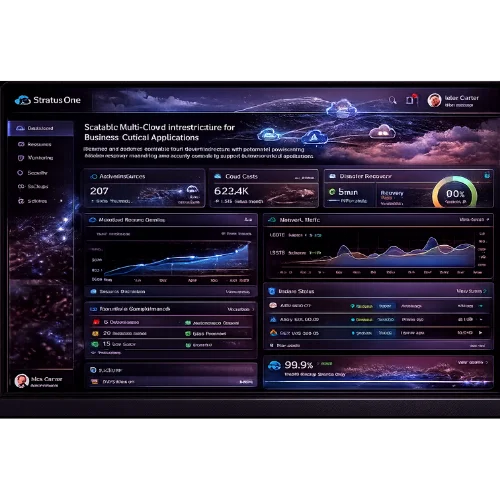
Designed and deployed a scalable multi-cloud infrastructure with automated provisioning, disaster recovery, monitoring, and security controls to support business-critical applications with high availability.
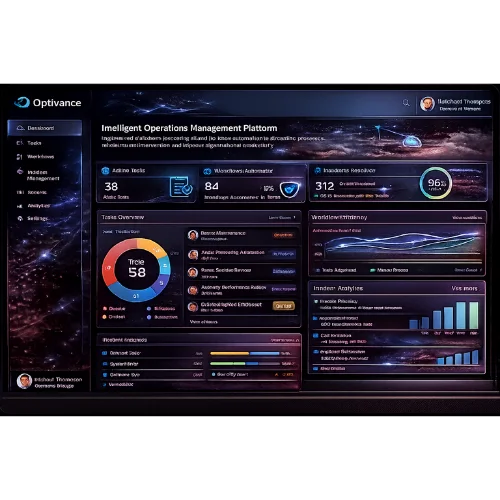
Implemented an intelligent operations management platform leveraging AI and workflow automation to streamline processes, reduce manual intervention, and improve organizational productivity.
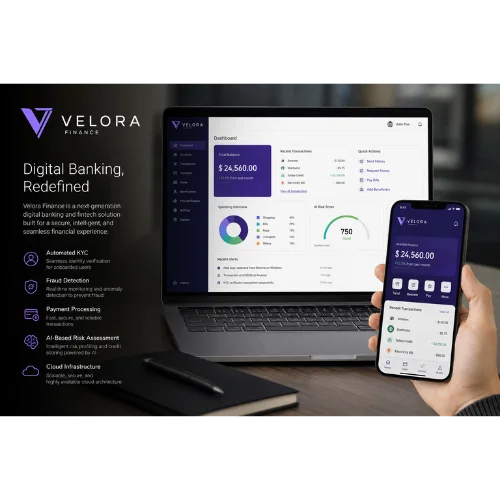
Developed a secure digital banking and fintech solution featuring automated KYC, fraud detection, payment processing, AI-based risk assessment, and cloud-hosted infrastructure for seamless scalability.
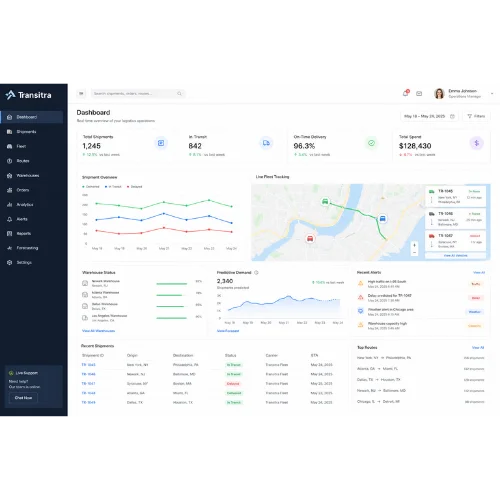
Created an end-to-end logistics and supply chain management platform with route optimization, fleet tracking, warehouse automation, predictive demand forecasting, and real-time operational visibility.
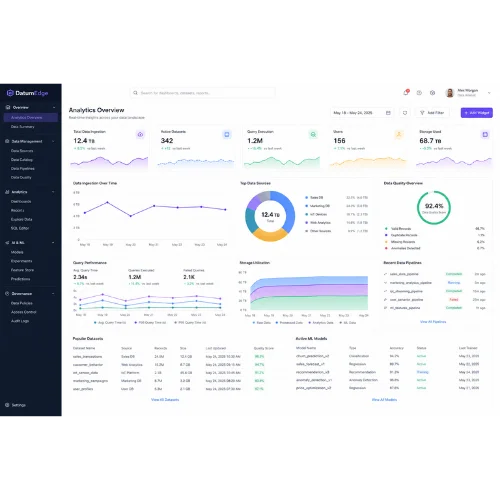
Implemented a centralized data lake and analytics platform enabling organizations to collect, process, and visualize large-scale business data while supporting AI and machine learning initiatives.
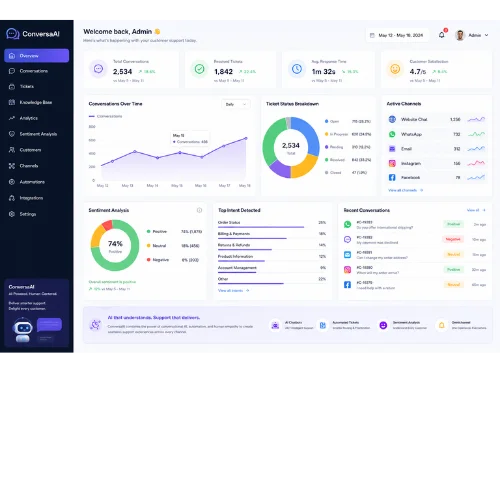
Created an AI-powered customer support ecosystem featuring conversational chatbots, automated ticket management, sentiment analysis, and omnichannel communication to improve service delivery.
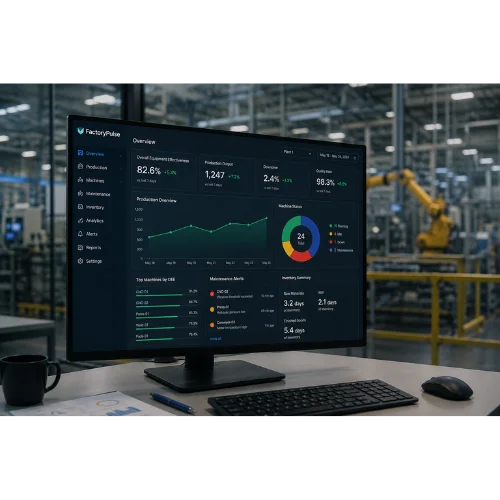
Built a smart manufacturing solution integrating IoT devices, production monitoring, predictive maintenance, inventory optimization, and AI-driven operational analytics.
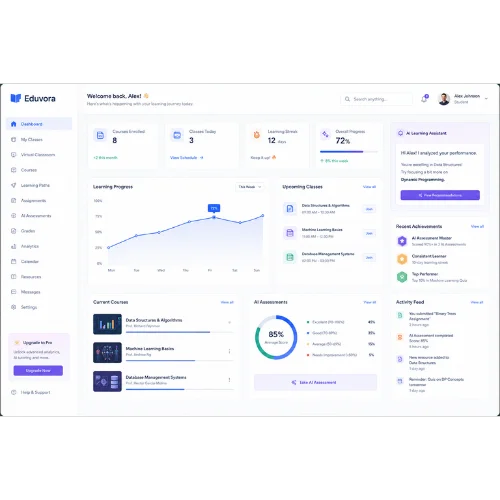
Developed a modern learning platform featuring virtual classrooms, adaptive learning paths, AI-powered assessments, student analytics, and cloud-based content delivery.
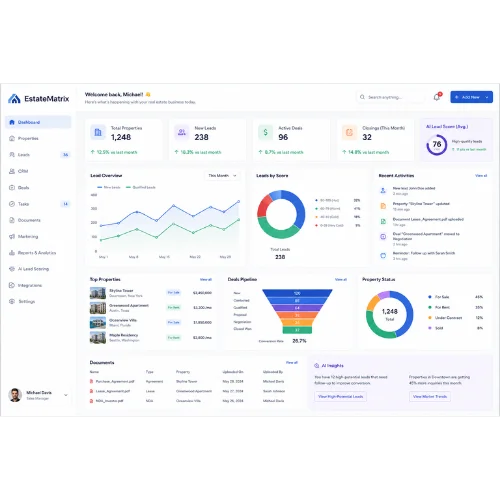
Created a real estate management ecosystem supporting property listings, CRM, document management, AI-powered lead scoring, and analytics for enhanced sales performance.
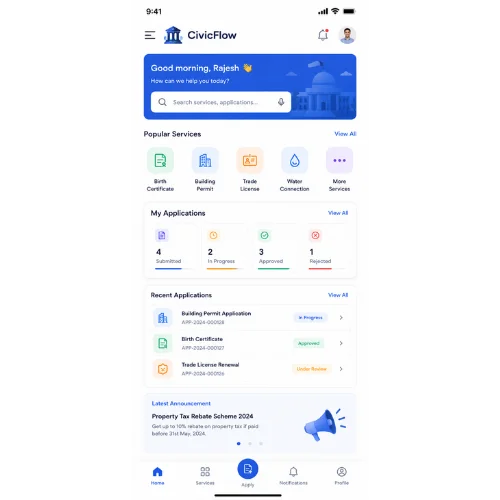
Implemented a digital transformation platform for public sector organizations, streamlining citizen services, workflow automation, document management, and cloud-based governance systems.
Established a CI/CD-driven DevOps framework with automated testing, containerization, Kubernetes orchestration, infrastructure as code, and cloud deployment pipelines for faster software releases.
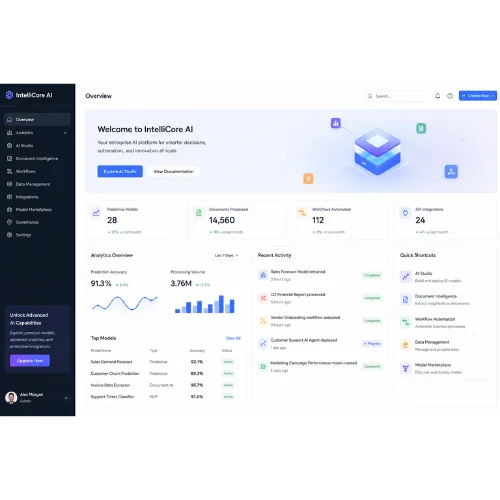
Developed an enterprise AI platform enabling predictive analytics, generative AI integrations, intelligent document processing, and workflow automation across business functions.
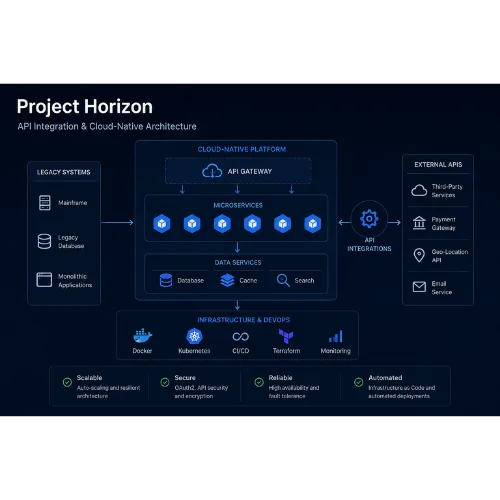
Transformed legacy systems into scalable cloud-native applications using microservices architecture, API integrations, containerized deployments, and automated infrastructure management.
Our clients trust SISGAIN to design scalable cloud architectures that simplify
operations, improve performance, and support long-term business growth. Explore how our technology solutions
help organizations build secure, flexible, and future-ready infrastructure.
“SISGAIN helped us design a secure and scalable cloud architecture that supports our growing
healthcare operations. Their team understood our technical requirements, improved system
reliability, and made future expansion much easier.”
Daniel CarterIT Director, Healthcare Organization
“The SISGAIN team delivered a well-planned cloud architecture aligned with our performance,
security, and business continuity requirements. Their structured approach helped us reduce
infrastructure complexity and build a stronger foundation for growth.”
Omar RahmanChief Technology Officer, Fintech Company
“SISGAIN transformed our infrastructure planning with a cloud architecture designed around our
operational needs. The solution improved scalability, supported system integration, and gave our
team greater confidence in handling business growth.”
Michael AndersonHead of Technology, Logistics Company
“Working with SISGAIN made our cloud migration and architecture planning much more
straightforward. Their team provided practical recommendations, clear communication, and a
scalable setup that supports our digital commerce operations.”
Sarah WilliamsOperations Director, Retail and E-commerce Company
“SISGAIN delivered a cloud architecture strategy that aligned our technology infrastructure with
long-term business goals. Their expertise, responsiveness, and attention to detail made the entire
engagement smooth and highly valuable.”
Ahmed Al MansooriChief Information Officer, Enterprise Organization
Ready to Transform Your Cloud Infrastructure?
Build a scalable, secure, and future-ready cloud environment with SISGAIN's
expert architecture consulting and implementation services.
Frequently Asked Questions About Cloud Architecture Services
These answers address common questions from Dubai and UAE IT leaders evaluating
cloud architecture consulting, design, and modernization support options.
Cloud Strategy, Assessment & Roadmap
Cloud architecture services help businesses plan, design, and implement cloud environments that
align with their operational goals, security requirements, application needs, and long-term
growth plans.
Cloud technology architecture services include infrastructure assessment, workload
classification, cloud model selection, application architecture, integration planning, security
design, and a phased implementation roadmap.
Cloud architecture consulting services help organizations make informed technology decisions,
reduce infrastructure complexity, improve scalability, and create a practical cloud strategy
aligned with business objectives.
Yes. We assess your existing environment, identify migration priorities, evaluate dependencies,
and create a phased roadmap covering architecture design, implementation, testing, and
operational readiness.
Cloud architecture design services create flexible infrastructure that can scale with demand,
support new applications, improve integration, and help businesses adapt to changing operational
requirements.
Security, Compliance & Data Sovereignty
Cloud architecture services incorporate identity management, encryption, network segmentation,
access controls, monitoring, backup planning, and secure configuration practices into the
overall environment.
Yes. We review your data location, processing needs, industry obligations, and hosting
preferences to recommend an architecture that supports applicable UAE data residency
requirements.
Depending on your requirements, controls may include IAM, encryption, firewalls, private
networking, logging, vulnerability management, access policies, and disaster recovery
safeguards.
Yes. We design cloud environments around the specific security, privacy, availability, and
governance requirements of healthcare, finance, government, and other regulated industries.
Cloud services architecture can use encryption, restricted access, network isolation,
monitoring, and data governance controls to help protect sensitive information across its
lifecycle.
Hybrid & Multi-Cloud Architecture Design
Hybrid cloud architecture connects on-premises infrastructure, private cloud environments, and
public cloud platforms to support flexible workload deployment and centralized management.
Yes. Our cloud architecture design services can include hybrid connectivity, identity
integration, secure networking, and workload deployment planning across your existing
infrastructure and selected cloud platforms.
Cloud service-oriented architecture organizes applications into reusable, independently managed
services that communicate through defined interfaces, improving flexibility, integration, and
application scalability.
We use portable architecture patterns, documented interfaces, infrastructure-as-code, and
suitable cloud-native or containerized technologies to improve flexibility across different
cloud environments.
Cloud landing zones provide a structured foundation for cloud adoption, including account
organization, networking, identity, security, governance, logging, and operational controls.
Cost Optimization & Cloud FinOps
Cloud architecture services can improve cost efficiency through rightsizing, workload
optimization, automation, resource scheduling, and selecting infrastructure that matches actual
business requirements.
Yes. We review resource utilization, storage consumption, billing patterns, and unused
infrastructure to identify opportunities for cost reduction and improved resource management.
Cloud FinOps planning may include budgeting, cost allocation, usage monitoring, billing alerts,
tagging standards, resource governance, and regular optimization reviews.
Where appropriate, we design auto-scaling and resource management strategies that align
infrastructure capacity with workload demand and help reduce unnecessary resource consumption.
Architecture decisions influence infrastructure usage, licensing, maintenance, data transfer,
scalability, and operational effort. A well-planned design helps balance performance,
reliability, and long-term costs.
Migration, Modernization & Operations
We evaluate whether workloads are best suited for rehosting, replatforming, refactoring, or
other modernization approaches based on business goals, application complexity, budget, and
technical dependencies.
Yes. We assess legacy applications and recommend suitable modernization approaches, including
containerization, managed services, API integration, or application redesign where appropriate.
Yes. Cloud architecture consulting services can incorporate CI/CD workflows, automation,
infrastructure-as-code, and DevOps practices into the architecture and implementation plan.
We design observability strategies using monitoring, logging, alerting, performance tracking,
and operational dashboards to help teams identify issues and maintain system reliability.
We can help design disaster recovery, backup, monitoring, and operational support frameworks
based on your recovery objectives, infrastructure requirements, and service expectations.