Reduce cost
Cloud rightsizing, workflow automation and cleaner engineering reduce operational waste.
Transform Your Business with AI-Driven IT Solutions Built for Healthcare
SISGAIN is a UAE-based AI-powered software development and digital engineering company delivering custom software, cloud solutions, cybersecurity services, enterprise applications, and digital transformation solutions across the GCC and Middle East.















Empower your business with AI-driven technology solutions designed for growth, innovation, and operational excellence. SISGAIN Technologies delivers comprehensive IT services, including AI development, custom software, cloud engineering, cybersecurity, digital transformation, and technology consulting, helping organizations across the UAE build scalable, secure, and future-ready digital ecosystems.
A cleaner impact dashboard for cost reduction, faster delivery, secure scale and measurable operating improvement after launch.
Every sprint is connected to business KPIs, not just feature delivery.
Cloud rightsizing, workflow automation and cleaner engineering reduce operational waste.
Reusable modules, CI/CD and QA automation move features into production faster.
API-first systems and modular services support new markets, integrations and spikes.
Audit trails, access control and compliance-ready development reduce launch risk.
From healthcare and finance to retail, logistics, manufacturing, and government, SISGAIN Technologies delivers AI-powered, industry-specific IT solutions that solve complex business challenges, streamline operations, and accelerate digital transformation. Our tailored technology expertise helps organizations across the UAE innovate, scale, and achieve sustainable growth.
Accelerate digital transformation with enterprise AI solutions designed to automate operations, enhance decision-making, improve customer experiences, and unlock new growth opportunities. From AI strategy to intelligent automation, SISGAIN Technologies helps UAE businesses adopt AI with confidence and measurable business outcomes.
Develop a practical AI roadmap aligned with your business objectives, digital transformation goals, and long-term innovation strategy to maximize return on investment.
Automate repetitive workflows, streamline business operations, reduce manual effort, and improve productivity with intelligent AI-powered automation solutions.
Build enterprise-ready generative AI applications, AI assistants, copilots, and content generation platforms powered by the latest large language models (LLMs).
Deploy autonomous AI agents that execute tasks, support employees, automate workflows, and deliver intelligent customer interactions across business functions.
Unlock enterprise knowledge with AI-powered search, Retrieval-Augmented Generation (RAG), and intelligent knowledge management solutions for faster decision-making.
Transform enterprise data into actionable insights with AI-driven analytics, real-time dashboards, predictive reporting, and data visualization solutions.
Build secure, scalable cloud environments optimized for AI workloads, high-performance computing, enterprise applications, and future business growth.
Ensure secure, compliant, and responsible AI adoption with governance frameworks, data protection, risk management, and enterprise-grade AI security policies.
Technology should accelerate your business—not hold it back.
Whether you're struggling with disconnected systems, rising operational costs, slow digital transformation, or outdated technology, SISGAIN Technologies helps UAE businesses overcome complex challenges with AI-powered, scalable, and future-ready solutions.
Replace outdated applications with cloud-native, AI-powered solutions that improve agility, reduce maintenance costs, and support long-term business growth.
Automate repetitive workflows with AI, streamline operations, reduce human errors, and empower your teams to focus on high-value business activities.
Connect ERP, CRM, HR, finance, and third-party applications through secure integrations that provide a single source of truth across your organization.
Optimize business processes, improve resource utilization, and reduce operational expenses with intelligent automation and data-driven decision-making.
Deliver seamless omnichannel experiences with AI-powered applications, customer portals, chatbots, and personalized engagement across every touchpoint.
Transform fragmented data into actionable insights with enterprise dashboards, predictive analytics, and AI-powered reporting for faster decisions.
Protect critical business assets with enterprise cybersecurity, Zero Trust architecture, cloud security, and compliance frameworks built for UAE organizations.
Build secure, scalable cloud and AI infrastructure that grows with your business while maintaining performance, reliability, and cost efficiency.
Explore how SISGAIN Technologies helps organizations accelerate digital transformation through AI, custom software, cloud modernization, and enterprise solutions that deliver measurable business outcomes.
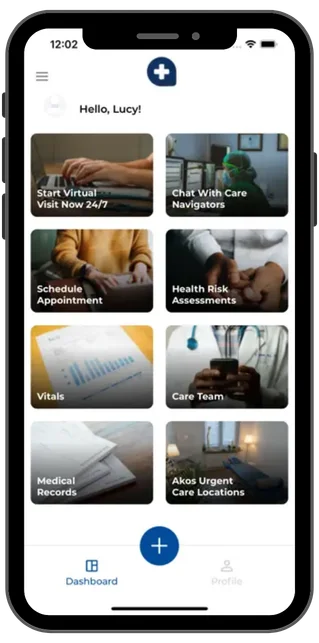
Developed a unified healthcare platform combining EMR, telemedicine, and remote patient monitoring to streamline patient care. Doctors can access real-time medical records, vitals, and treatment history from a centralized database while providing 24/7 telehealth services.
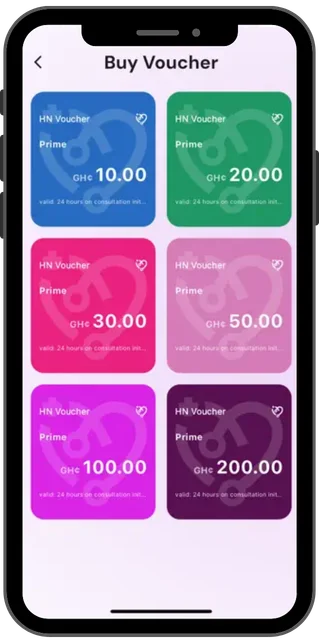
Built a comprehensive digital health platform integrating telemedicine, mobile lab services, and preventive health screening. Patients can consult doctors through video, voice, or chat while also scheduling home lab sample collection.
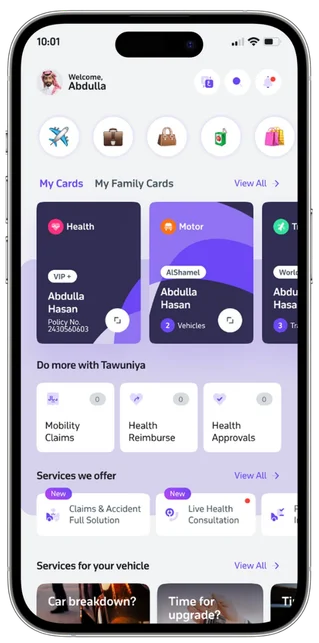
Developed a telemedicine platform integrated with the insurance ecosystem, allowing members to access virtual healthcare directly through their insurance policies while automating claims processing and policy management.
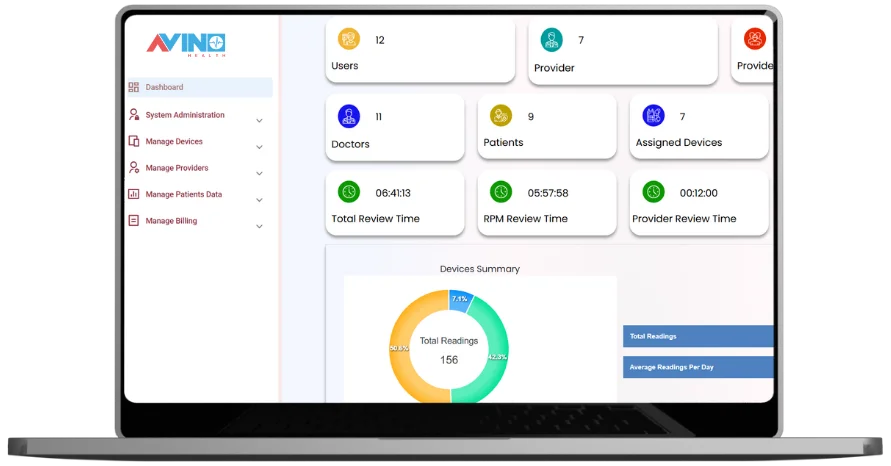
Created a cross-platform Remote Patient Monitoring (RPM) application enabling continuous vitals tracking through cellular-enabled medical devices. Clinicians receive real-time alerts when patient readings cross risk thresholds, enabling faster medical intervention.
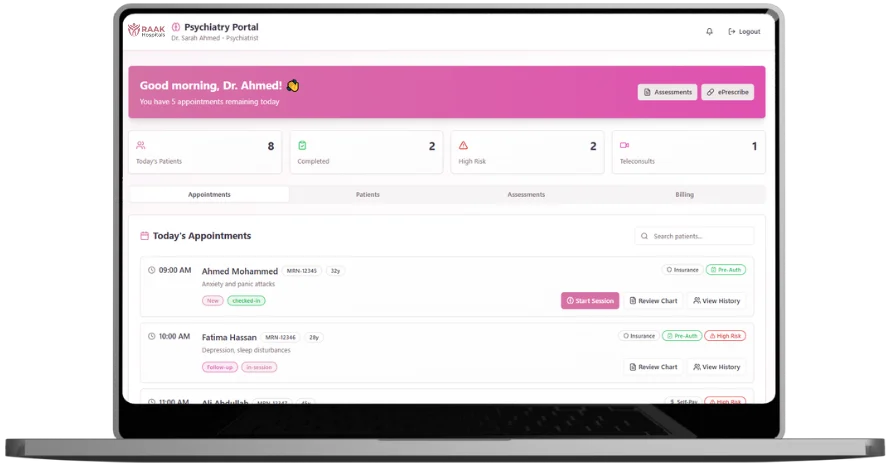
Designed a comprehensive Hospital Information System (HIS) to unify clinical, operational, and administrative workflows across departments. The platform integrates modules for patient records, lab management, pharmacy, billing, scheduling, and inventory.
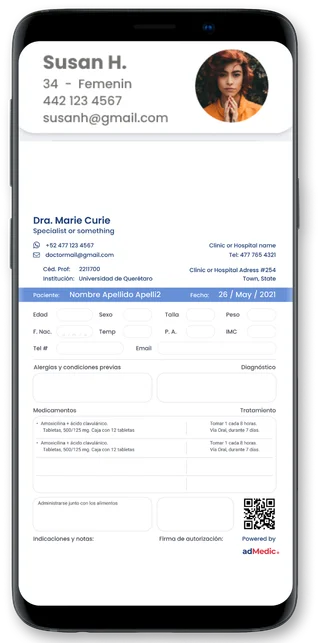
Developed an advanced Remote Patient Monitoring platform integrated with OxiTone devices enabling continuous health tracking with automated alerts for abnormal readings.
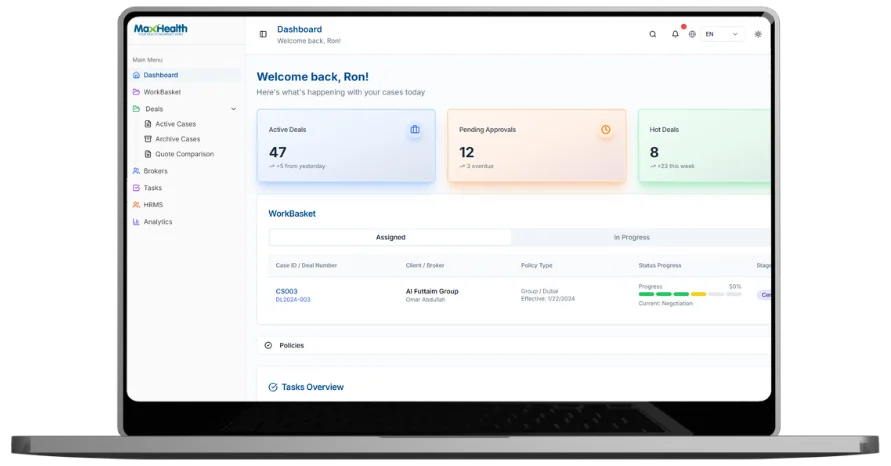
Built a customized CRM platform to manage business projects, sales pipelines, and client relationships in a centralized system. The solution replaced fragmented spreadsheets with real-time dashboards and automated workflows.
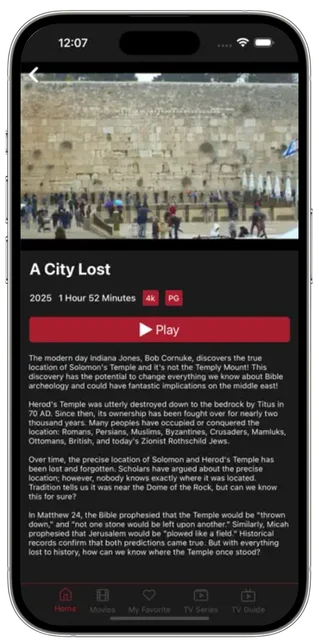
Developed an OTT streaming platform bringing live TV and on-demand content into a single interface supporting Smart TVs, mobile apps, and Android devices.

Created a scalable OTT platform delivering live TV, on-demand content, and third-party streaming integrations across multiple devices with cloud-based architecture.
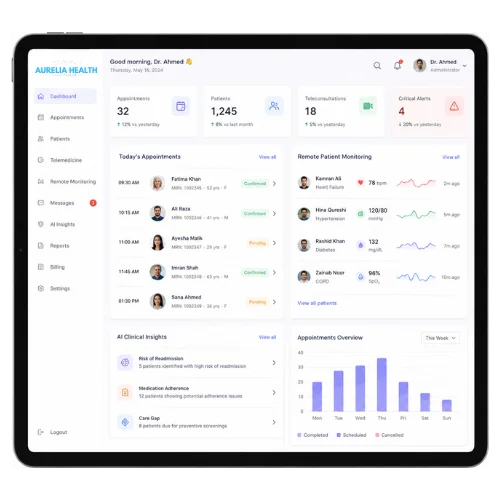
Developed a cloud-native healthcare ecosystem integrating EMR, telemedicine, patient engagement, remote monitoring, and AI-powered clinical insights to improve care coordination and operational efficiency.
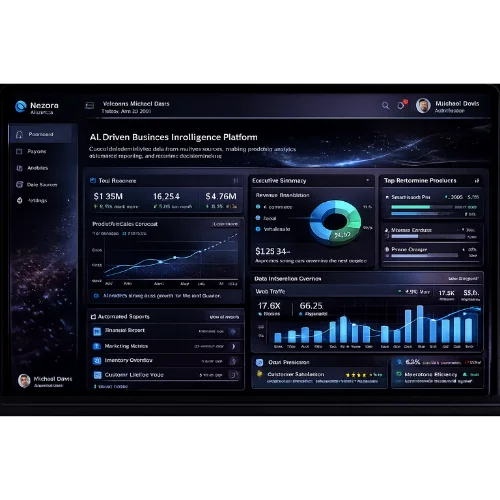
Built an AI-driven business intelligence platform that consolidated enterprise data from multiple sources, enabling predictive analytics, automated reporting, and real-time decision-making across departments.
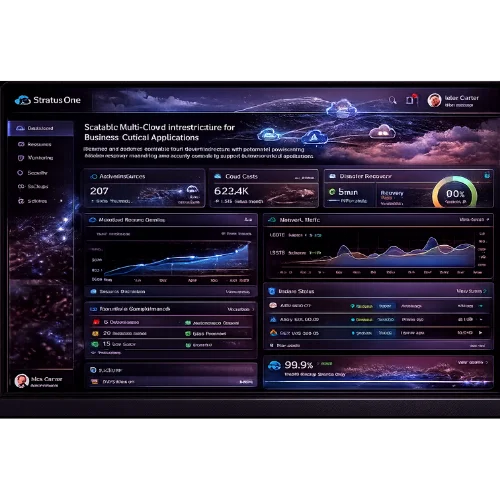
Designed and deployed a scalable multi-cloud infrastructure with automated provisioning, disaster recovery, monitoring, and security controls to support business-critical applications with high availability.
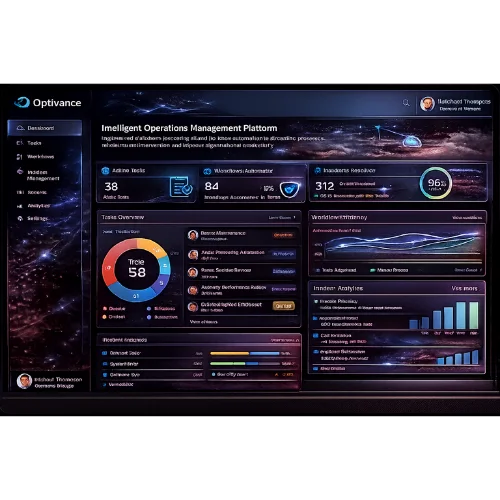
Implemented an intelligent operations management platform leveraging AI and workflow automation to streamline processes, reduce manual intervention, and improve organizational productivity.
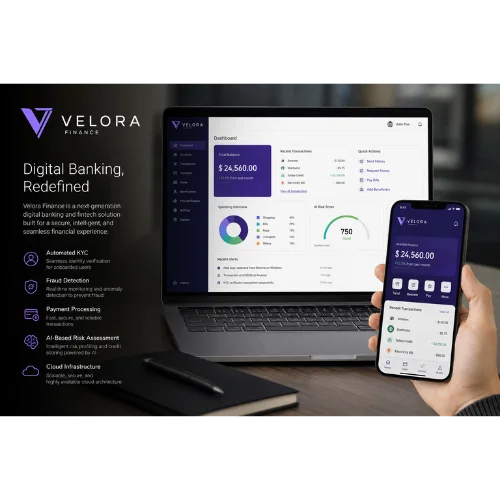
Developed a secure digital banking and fintech solution featuring automated KYC, fraud detection, payment processing, AI-based risk assessment, and cloud-hosted infrastructure for seamless scalability.
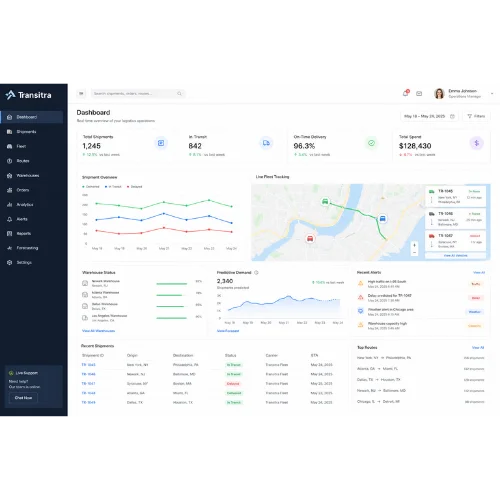
Created an end-to-end logistics and supply chain management platform with route optimization, fleet tracking, warehouse automation, predictive demand forecasting, and real-time operational visibility.
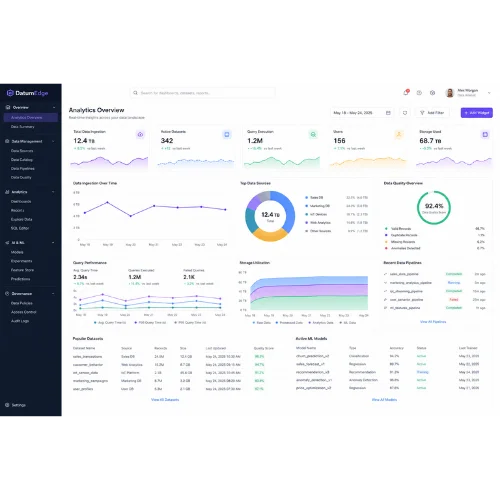
Implemented a centralized data lake and analytics platform enabling organizations to collect, process, and visualize large-scale business data while supporting AI and machine learning initiatives.
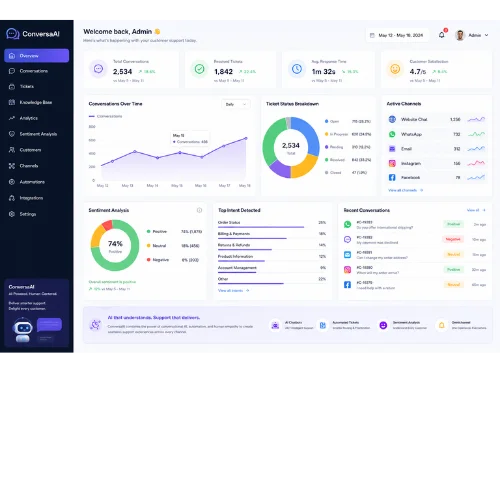
Created an AI-powered customer support ecosystem featuring conversational chatbots, automated ticket management, sentiment analysis, and omnichannel communication to improve service delivery.
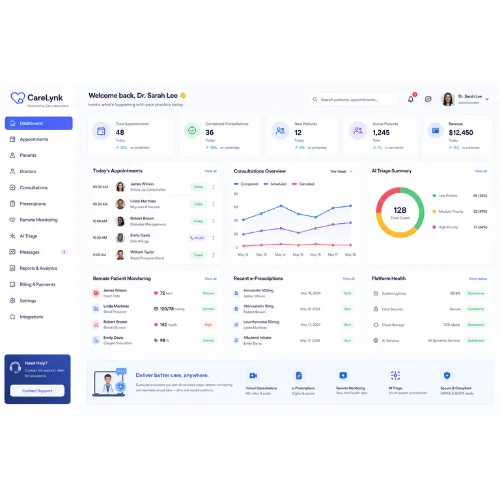
Designed a telehealth platform combining virtual consultations, electronic prescriptions, remote patient monitoring, AI-assisted triage, and secure cloud hosting for healthcare providers.
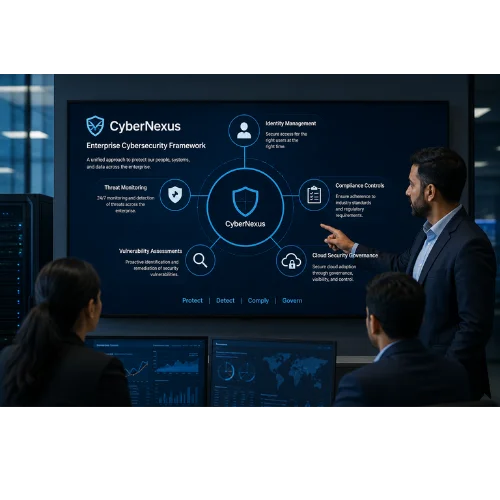
Established an enterprise cybersecurity framework incorporating identity management, threat monitoring, vulnerability assessments, compliance controls, and cloud security governance.
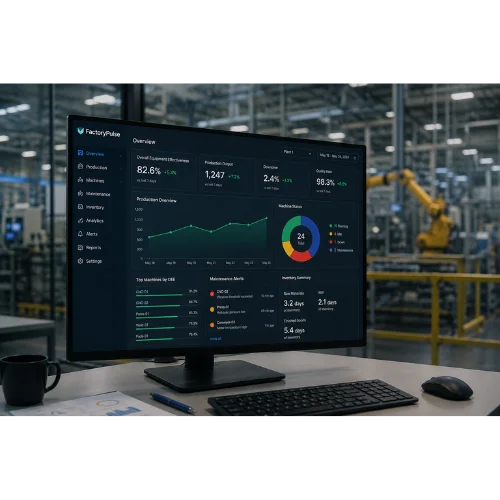
Built a smart manufacturing solution integrating IoT devices, production monitoring, predictive maintenance, inventory optimization, and AI-driven operational analytics.
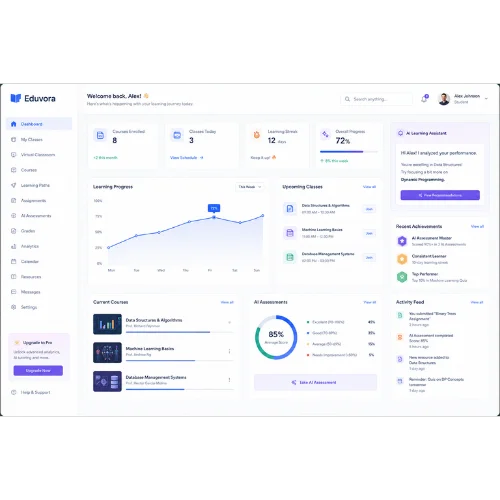
Developed a modern learning platform featuring virtual classrooms, adaptive learning paths, AI-powered assessments, student analytics, and cloud-based content delivery.
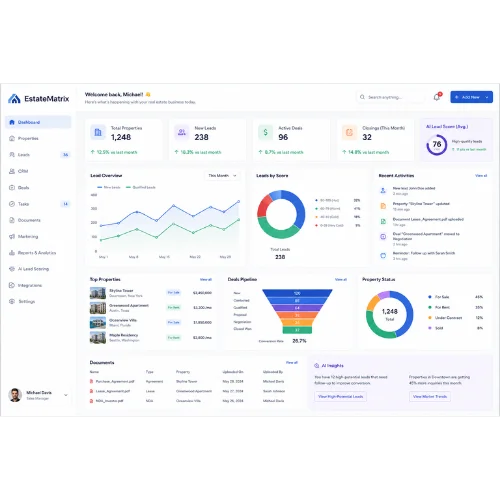
Created a real estate management ecosystem supporting property listings, CRM, document management, AI-powered lead scoring, and analytics for enhanced sales performance.
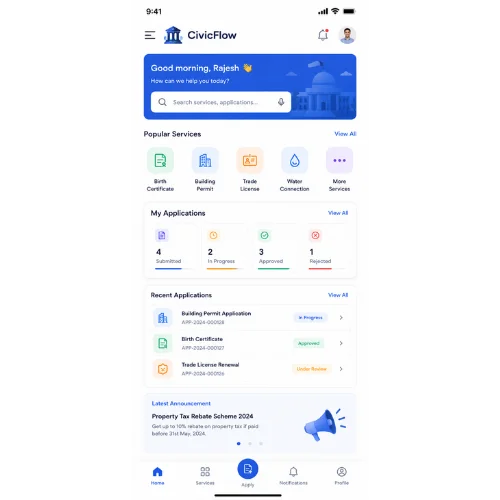
Implemented a digital transformation platform for public sector organizations, streamlining citizen services, workflow automation, document management, and cloud-based governance systems.

Established a CI/CD-driven DevOps framework with automated testing, containerization, Kubernetes orchestration, infrastructure as code, and cloud deployment pipelines for faster software releases.
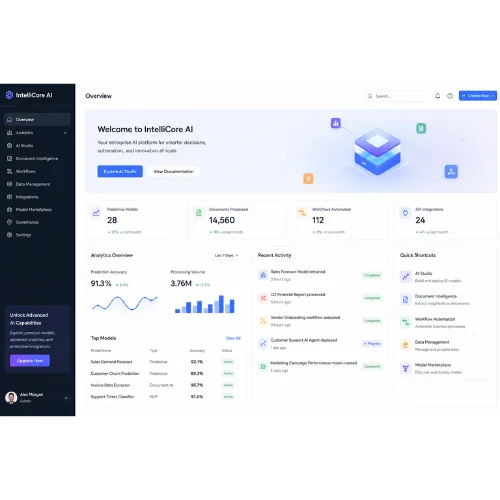
Developed an enterprise AI platform enabling predictive analytics, generative AI integrations, intelligent document processing, and workflow automation across business functions.
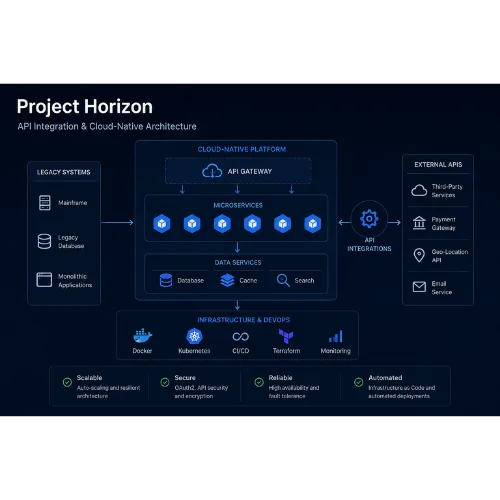
Transformed legacy systems into scalable cloud-native applications using microservices architecture, API integrations, containerized deployments, and automated infrastructure management.
Every successful digital transformation begins with the right strategy. Our proven delivery framework combines consulting, AI innovation, software engineering, cloud technologies, cybersecurity, and continuous optimization to help businesses across the UAE innovate faster, reduce risks, and achieve measurable business outcomes.
We begin by understanding your business objectives, operational challenges, existing technology landscape, and growth opportunities to define a clear roadmap for digital transformation and long-term success.
Our experts design the optimal technology strategy, recommend the right platforms, and create a scalable implementation roadmap aligned with your business goals, budget, and future growth.
We create intuitive user experiences, scalable solution architectures, and interactive prototypes that validate ideas before development begins, ensuring faster delivery and better user adoption.
Our certified engineers build secure, scalable, and high-performance AI solutions, enterprise software, cloud platforms, mobile applications, and digital products using agile development methodologies.
Before launch, every solution undergoes comprehensive testing, performance optimization, security validation, and seamless deployment to ensure reliability, compliance, and business continuity.
We continuously monitor, optimize, and enhance your digital ecosystem through managed services, AI-driven insights, proactive maintenance, and ongoing innovation to support sustainable business growth.
We work across a wide stack of proven and emerging technologies — from artificial intelligence and cloud platforms to mobile, data engineering, and cybersecurity — to build secure, scalable, and future-ready solutions for your business.
Choosing the right technology partner is critical to your digital transformation journey. SISGAIN Technologies combines AI innovation, enterprise software expertise, cloud engineering, and strategic consulting to deliver secure, scalable, and business-driven solutions that help organizations across the UAE innovate faster, reduce costs, and achieve measurable growth.
We align every solution with your business objectives, ensuring technology investments deliver measurable ROI, operational efficiency, and sustainable long-term growth.
From strategy and consulting to AI, software development, cloud, cybersecurity, and ongoing support, we manage your complete digital transformation journey.
Leverage Generative AI, AI Agents, Machine Learning, RAG, automation, and advanced analytics to unlock new revenue opportunities and improve productivity.
Our cloud-native architectures and enterprise-grade software are built to scale as your business grows, ensuring long-term flexibility and performance.
Every solution is engineered with enterprise-grade security, data privacy, and compliance best practices to protect your business and customer data.
We understand the operational challenges of healthcare, fintech, retail, logistics, government, manufacturing, hospitality, education, and many other industries.
Our agile methodology, regular sprint reviews, and transparent communication ensure faster delivery, reduced risks, and complete project visibility.
Beyond project delivery, we provide continuous optimization, managed services, cloud support, and innovation consulting to help your business stay competitive.
Tell us about your goals and our team will map out the right AI, cloud, or software solution for your business — no commitment, just a clear, actionable plan.





Built on globally recognized security frameworks and compliance standards to help enterprises meet regulatory requirements and reduce cybersecurity risks.
Every application is designed with secure architecture, encrypted data protection, role-based access control, DevSecOps practices, vulnerability testing, and continuous security monitoring from day one.
Ensure regulatory compliance with governance frameworks, security assessments, audit readiness, risk management, and continuous monitoring tailored for highly regulated industries across the UAE.
Stay audit-ready year-round with documented controls, evidence collection, third-party assessments, and certification support across multiple frameworks.
SISGAIN Technologies helped us modernize our healthcare ecosystem without disrupting patient services. Within six months, appointment processing time dropped by 48%, administrative workload decreased significantly, and our digital adoption exceeded expectations.

Their AI and automation strategy transformed our customer operations. We reduced response times from hours to minutes while increasing customer satisfaction and operational efficiency across multiple business units.

From cloud migration to enterprise integration, SISGAIN became an extension of our technology team. The migration was completed with zero business disruption while significantly improving infrastructure performance.

Their engineering and consulting teams delivered exactly what they promised. Our eCommerce platform now handles seasonal traffic effortlessly, resulting in higher conversion rates and a better customer experience.

SISGAIN Technologies helped us implement AI-driven business intelligence that transformed how we make strategic decisions. Leadership now has real-time visibility into operations, enabling faster execution and measurable business growth.

Their development quality, communication, and strategic guidance were exceptional. SISGAIN delivered a secure, scalable platform that supported our international expansion while reducing operational complexity.

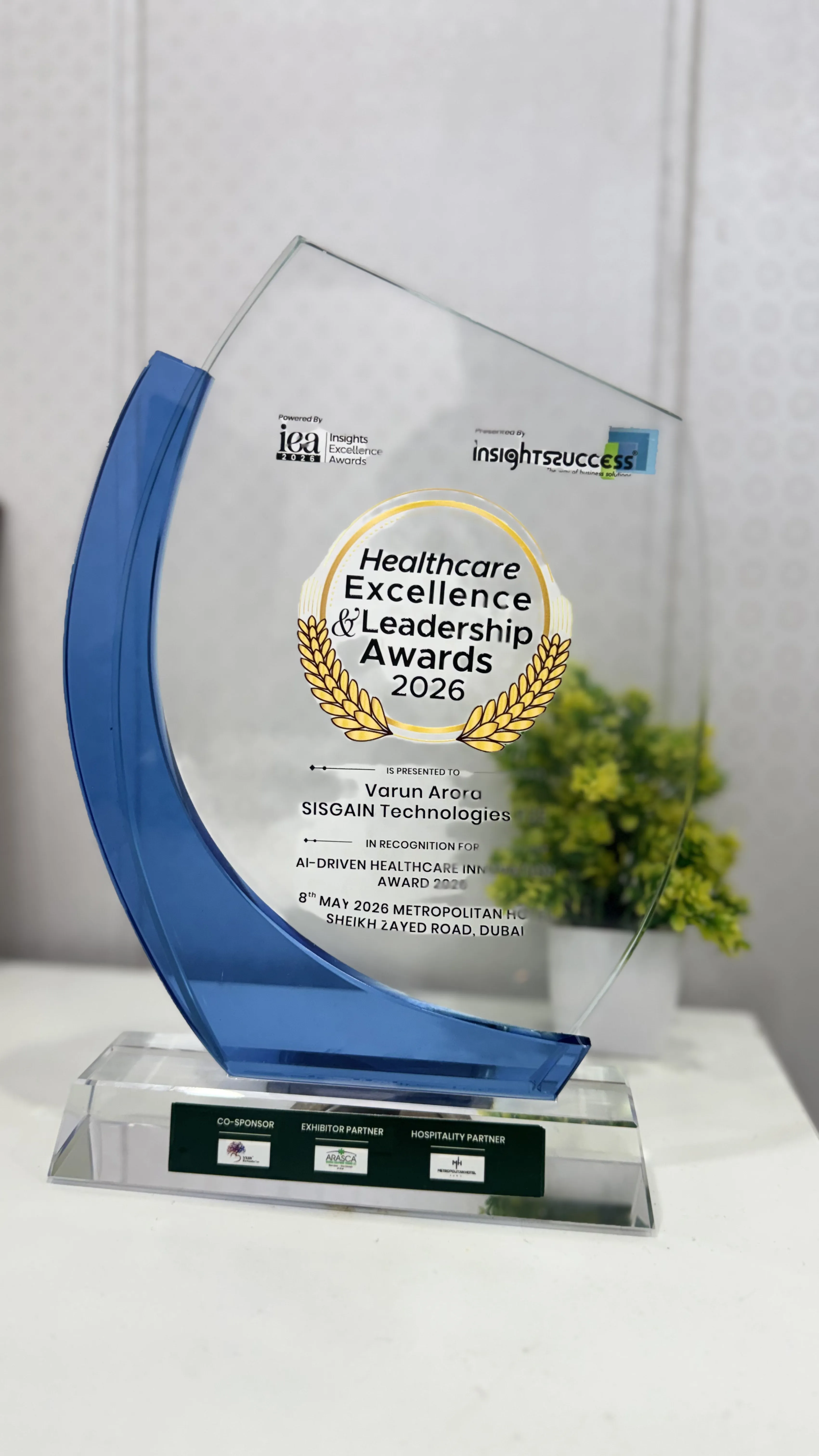
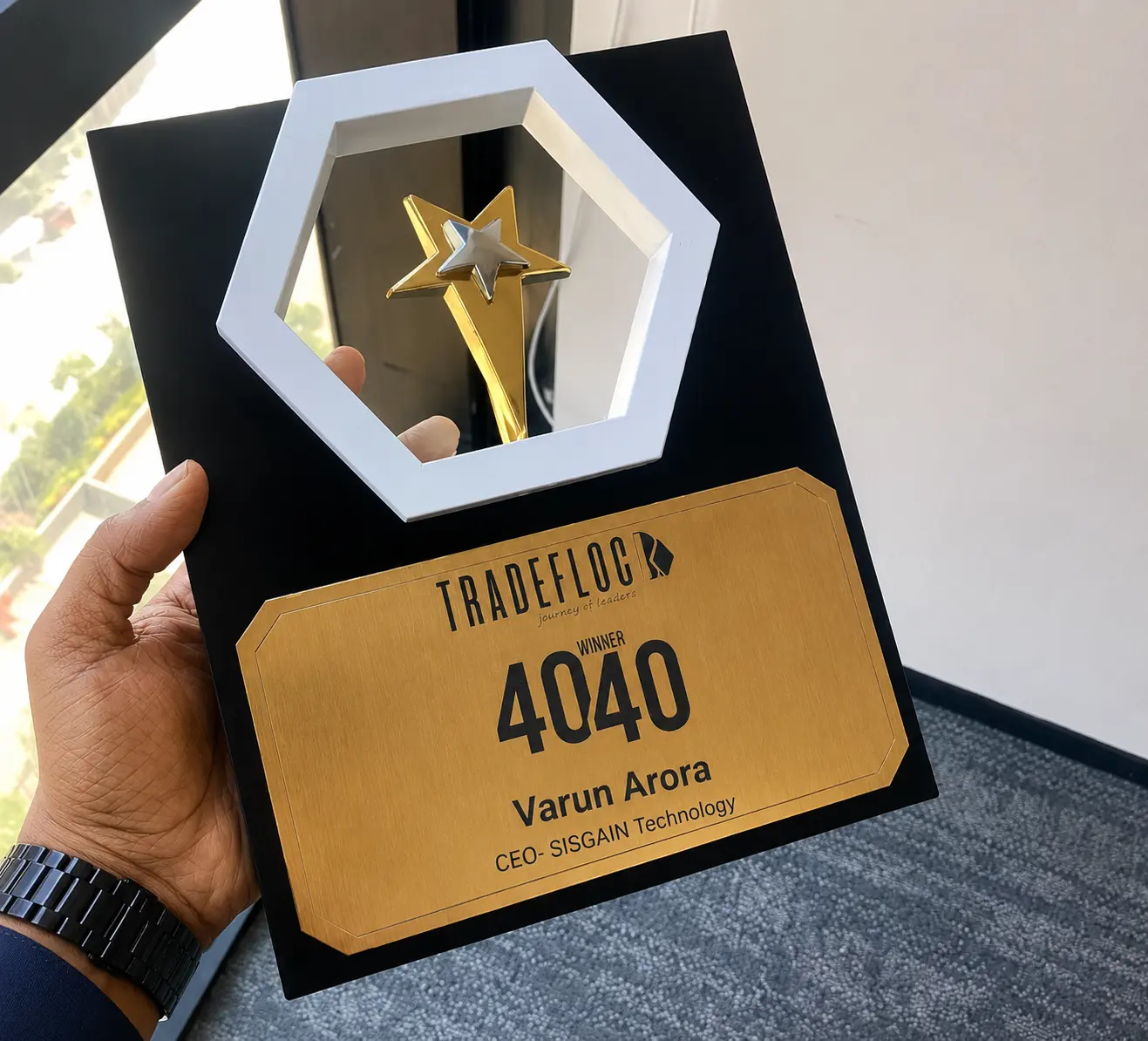
Audits, certifications, awards, and verified recognition that show why enterprises across the UAE and Middle East choose SISGAIN Technologies.
Top App Development Company Since 2009
SISGAIN Technologies delivers end-to-end IT solutions, including AI development, software engineering, cloud computing, cybersecurity, digital transformation, and technology consulting. We focus on solving real business challenges with secure, scalable, and future-ready solutions that drive measurable business outcomes for organizations across the UAE.
We provide tailored technology solutions for healthcare, fintech, logistics, retail, eCommerce, government, education, hospitality, manufacturing, real estate, telecommunications, aviation, travel, sports, utilities, media, agribusiness, food & beverages, and other enterprise sectors across the UAE and international markets.
We specialize in Generative AI, AI Agents, AI Chatbots, Machine Learning, Computer Vision, Natural Language Processing (NLP), Retrieval-Augmented Generation (RAG), intelligent automation, predictive analytics, and enterprise AI consulting.
Yes. We design and develop custom enterprise software, SaaS platforms, web applications, mobile apps, ERP systems, CRM solutions, APIs, cloud-native applications, and digital products tailored to your business objectives.
Yes. Our cloud experts help businesses migrate, modernize, optimize, and manage applications across AWS, Microsoft Azure, and Google Cloud while ensuring security, scalability, performance, and cost optimization.
Security is integrated throughout our development lifecycle. We follow secure coding practices, DevSecOps methodologies, encryption standards, vulnerability assessments, identity management, and industry-recognized security frameworks to protect business-critical applications and data.
Absolutely. We use phased modernization strategies, cloud migration, API integration, and scalable architectures to transform legacy systems while minimizing downtime and ensuring business continuity.
We offer flexible engagement models, including dedicated development teams, project-based delivery, staff augmentation, offshore development centers, technology consulting, and long-term managed services based on your business requirements.
Project timelines depend on scope, complexity, integrations, and business requirements. Most MVPs are delivered within 8–16 weeks, while enterprise platforms are developed in phased releases using agile methodologies.
Our team combines strategic consulting, deep technical expertise, and industry knowledge to help businesses adopt emerging technologies, reduce operational complexity, improve efficiency, and accelerate digital transformation with measurable ROI.
 Chat on Whatsapp