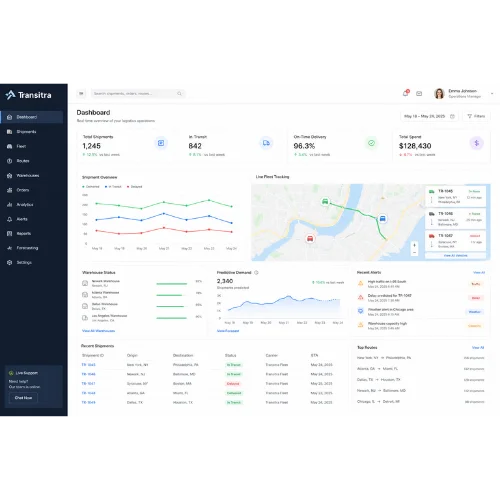
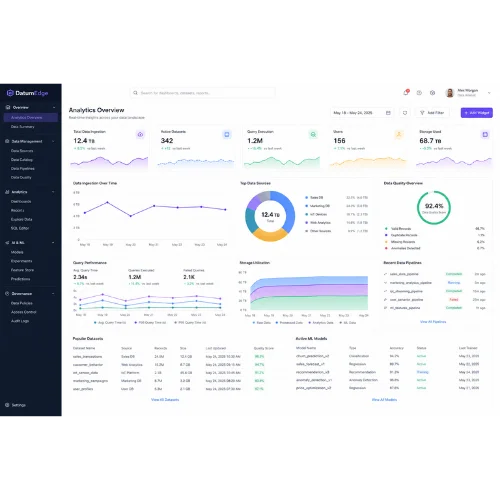
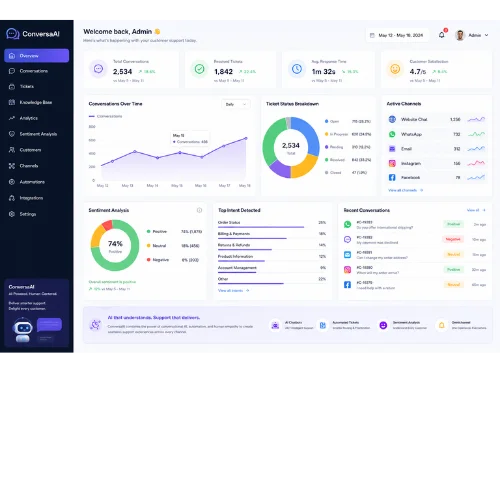
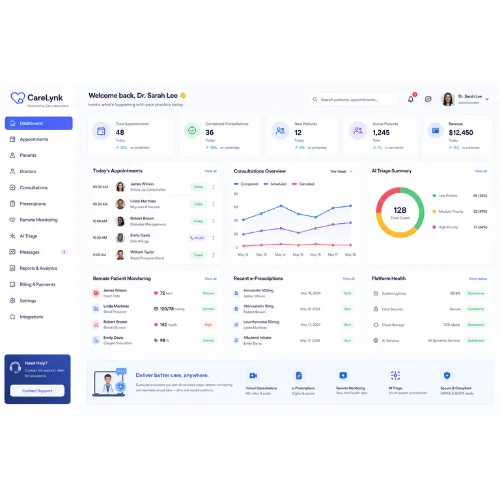
Turn outdated enterprise software into cloud-ready, AI-enabled platforms — with zero downtime and a migration plan built around your operations, not a generic playbook.
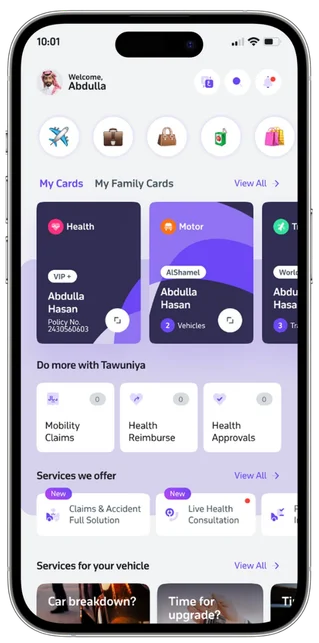
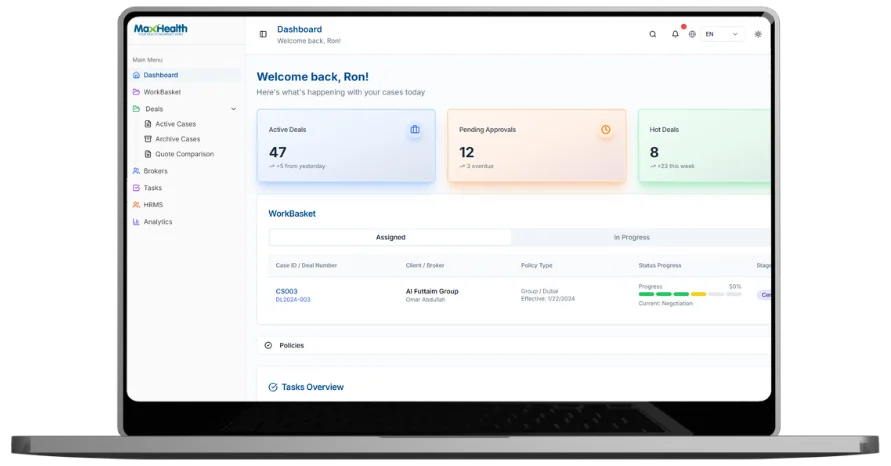
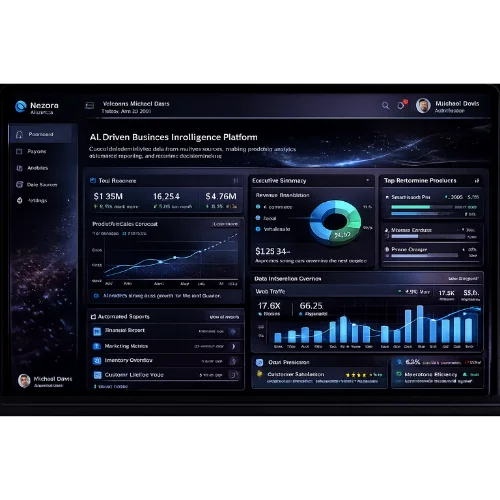
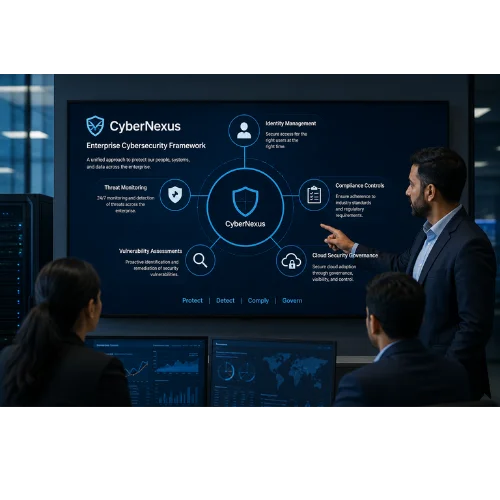
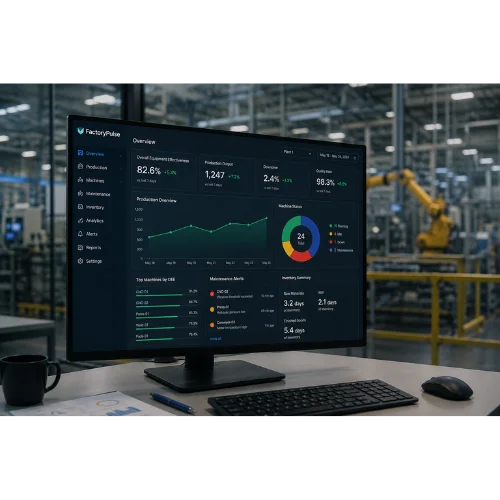
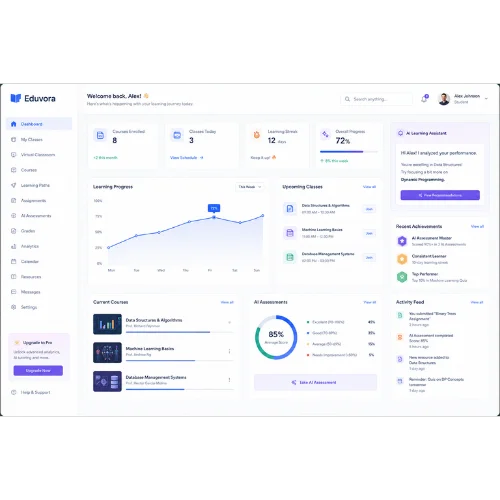
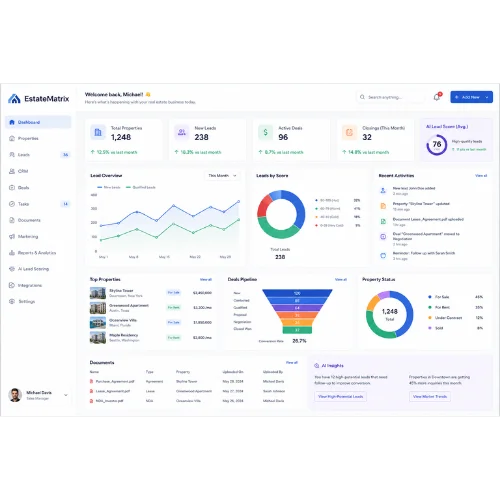
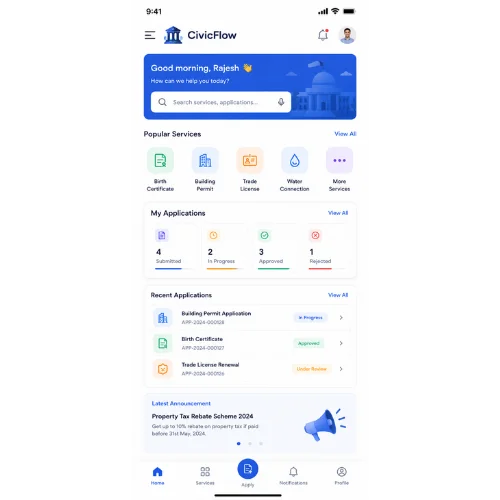
Monolith, on-prem, ageing stack
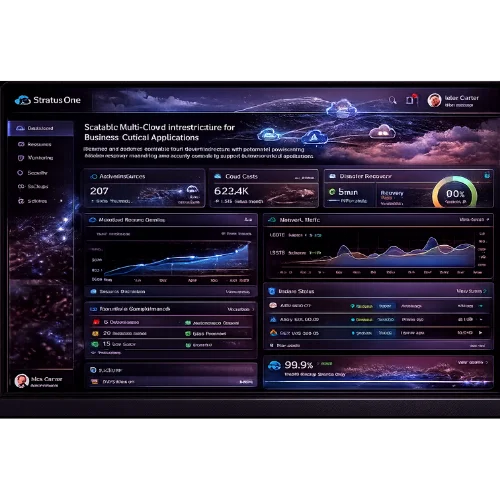
On-prem becomes elastic
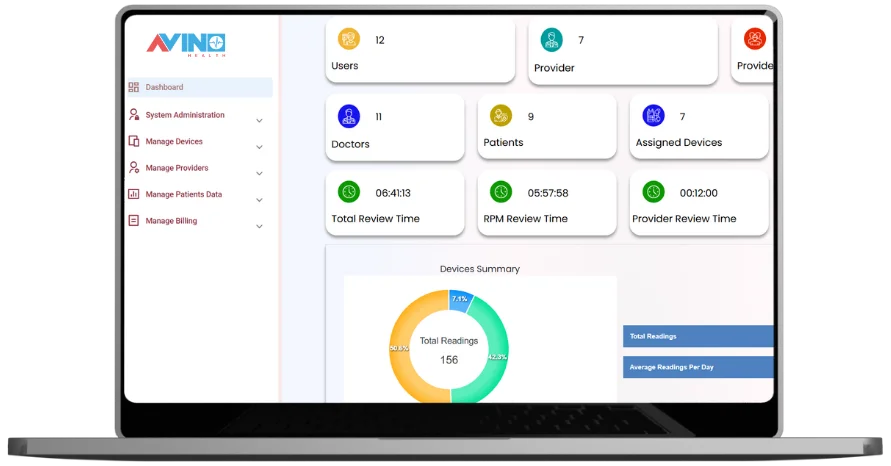
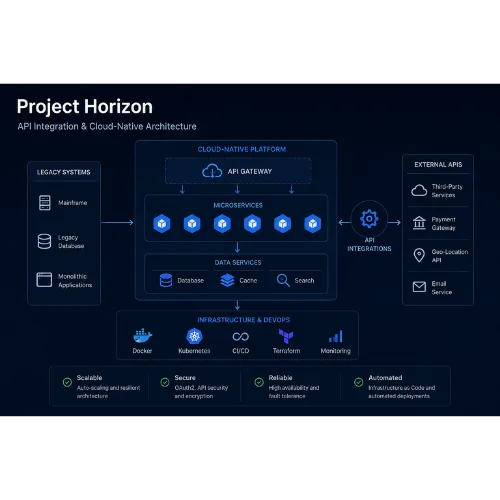
Monolith becomes API-first
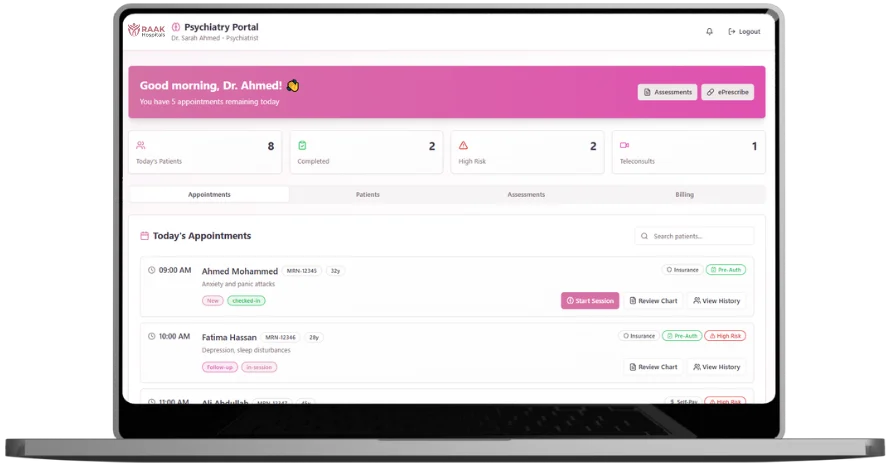
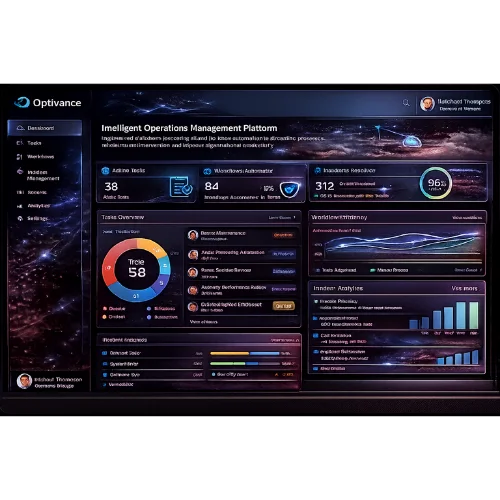
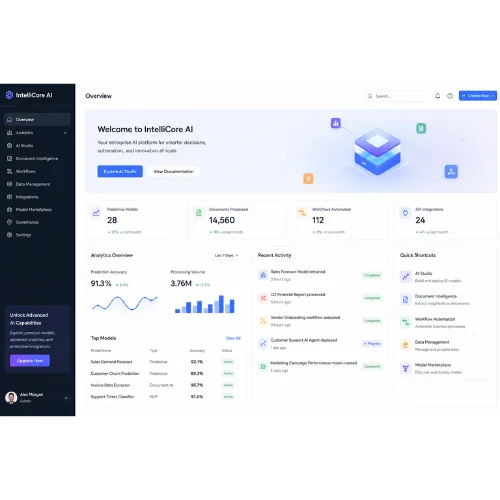
Predictive, automated workflows
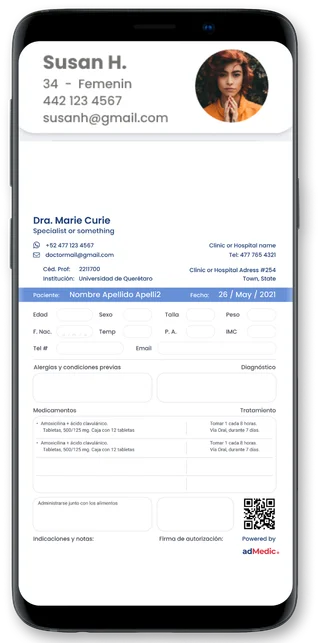
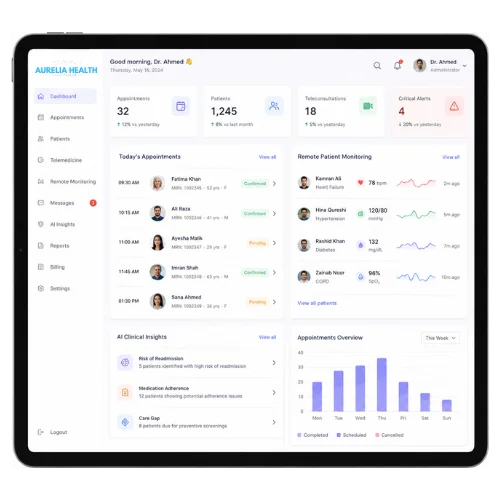
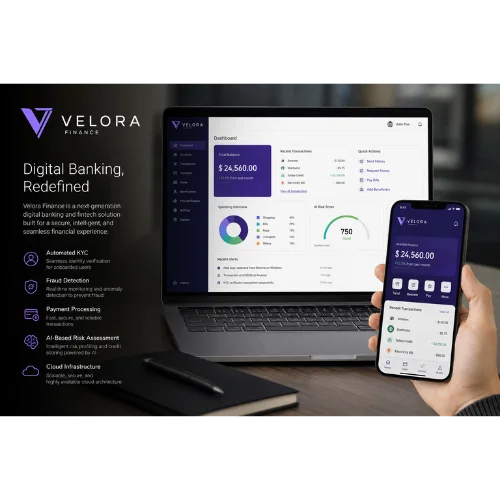
Scalable, secure, AI-ready
Years in Enterprise Software
Modernization Projects Delivered
Certified Cloud Engineers
Enterprise Clients in Dubai
On-Time Delivery Rate


Most legacy systems don't fail overnight. They slow down one patch at a time, until the day a critical process breaks and there's no one left on the team who remembers how the original code was written. That's usually the moment a UAE enterprise starts looking for legacy application modernization in Dubai — not because modernization sounded exciting, but because the alternative got expensive.
As an application modernization company in Dubai, we work with enterprises running COBOL mainframes, aging .NET monoliths, and Oracle Forms applications that were never built for cloud, mobile, or AI. Our job isn't to rip everything out and start over. It's to figure out which parts of your system are still doing their job well, which parts are quietly costing you money, and how to move from one to the other without your business feeling the transition.
Dubai's push toward smart government services, cashless finance, and AI-driven operations has raised the bar for every enterprise application in the region. Systems that were "good enough" five years ago now struggle to integrate with modern APIs, meet updated security standards, or support the mobile-first experience customers expect. Legacy application modernization in the UAE isn't a trend project anymore — for most mid-size and enterprise organizations here, it's become the difference between scaling and stalling.
What's still working, what's quietly costing money
Move parts across without disrupting operations
Cloud, mobile & AI-ready enterprise platform
Reports that used to take seconds now take minutes, and users have stopped trusting the system enough to wait.
Vendor support has ended, patches have stopped, and your compliance team knows it.
You're paying senior engineers to keep old code alive instead of building new value.
The stack is unfamiliar to most developers graduating today, which shrinks your hiring pool every year.
Staff have built workarounds in Excel because the interface fights them at every step.
Field teams and remote staff can't touch the system outside the office.
Scaling for a busy season means buying more servers, not flipping a switch.
Every AI or automation initiative stalls at the same wall: the core system can't talk to modern tools.
A technical and business audit of your current system, scored against risk, cost, and modernization readiness.
Cleaning and restructuring existing code to improve performance and maintainability without changing what it does.
Moving applications, data, and workloads to AWS, Azure, or Google Cloud with minimal service interruption.
Shifting an application to a new runtime environment while preserving its core architecture and logic.
A "lift-and-shift" move to modern infrastructure for teams that need fast wins before deeper changes.
Rebuilding core application logic to meet current performance, security, and integration standards.
Wrapping or rebuilding legacy functions as modern, documented APIs so other systems can finally connect to them.
Replacing dated, click-heavy interfaces with layouts your team can actually learn in a day.
Migrating from legacy databases to modern, scalable data platforms with cleaner schemas.
Breaking a monolithic application into independent services that can be updated and scaled separately.
Setting up CI/CD pipelines so releases happen in hours, not the quarterly cycles legacy teams are used to.
Adding intelligent automation, predictive analytics, or AI-assisted workflows once your architecture can support them.
Rebuilding authentication, encryption, and access control to current UAE and international standards.
Tuning code, queries, and infrastructure so the application performs under real production load, not just in a demo.
Automated and manual testing throughout the migration, so "it works on my machine" never becomes your production problem.
Post-launch monitoring, patching, and enhancement, because modernization is a milestone, not a finish line.
Not every legacy application needs the same treatment. Some just need new infrastructure under the hood; others need to be rebuilt from scratch. We help you pick the right one of the seven — called the "7 R's" in enterprise modernization — based on your risk tolerance, budget, and timeline.
The system still meets its purpose and isn't a security or cost risk
You need infrastructure relief fast, with no code changes
The app is stable but the runtime environment is holding it back
Code is workable but bloated, brittle, or hard to maintain
The application's structure itself can't support your growth plans
Rebuilding costs less long-term than continuing to patch what exists
The function is redundant or better served by an existing platform
← Swipe to explore all 7 strategies →
We start by understanding what your system actually needs to do — not just what it currently does — then map a path from where you are to where you need to be. Every phase includes a checkpoint with your team before we move to the next, so there are no surprise architecture decisions three months in.
Full technical audit: code quality, dependencies, security gaps, infrastructure cost, and business risk.
Mapping which workflows the application actually supports, and where the gaps between "what it does" and "what the business needs" sit.
Designing the target-state architecture: cloud model, microservices boundaries, data flow, integration points.
Choosing the stack, cloud provider, and tools based on your team's skills and long-term roadmap, not ours.
Sequencing the move (which module first, what runs in parallel, rollback plans) to protect uptime.
Building the modernized components in sprints, with visibility into progress at every stage.
Functional, performance, security, and regression testing before anything touches production.
Phased go-live, usually running old and new systems in parallel until the cutover is proven stable.
Monitoring, patching, and continuous improvement once the system is live.
If your stack isn't listed here, that's not a reason to assume we can't help — mainframe and COBOL migrations, in particular, are some of the most common projects we take on precisely because so few modernization firms still have the depth to touch them.
For enterprises standardizing on Amazon's ecosystem for compute, storage, and managed services.
Common among UAE enterprises already invested in Microsoft's stack (Active Directory, Office 365, Dynamics).
Strong fit for data-heavy and AI/ML-driven modernization projects.
For regulated industries that need certain workloads to stay on-premises.
For enterprises avoiding single-vendor lock-in across critical systems.
For government and finance clients with strict data residency requirements.
Our legacy application migration to the UAE cloud follows a phased approach: assess workload readiness, migrate non-critical systems first to validate the pipeline, then move core applications with a tested rollback plan at every step. Legacy system migration in the UAE projects fail most often when teams skip the validation phase to save time — we don't.
Enterprise application modernization in Dubai projects almost always touch more than one system at once — your CRM talks to your ERP, which feeds your reporting layer. We map those dependencies before touching any single application, so a fix in one place doesn't quietly break another.
UAE Central Bank regulations for banking, DHA standards for healthcare, data residency rules for government — we build modernization plans around those constraints from day one, not as an afterthought during audit season.
Cut the licensing, hardware, and specialist-maintenance costs that legacy systems quietly accumulate.
Modern architecture handles concurrent users and larger datasets without the lag.
Scale up during peak demand and scale down when you don't need the capacity.
Current encryption, authentication, and patching standards instead of a system running on borrowed time.
A clean, API-accessible architecture that can actually support the AI initiatives your business is planning.
Replace manual, repetitive workflows with automated processes that don't need supervision.
Add users, locations, and transaction volume without a re-architecture every time you grow.
Meet current data protection and industry regulations instead of retrofitting them under pressure.
Interfaces your team can learn in an afternoon instead of a training manual.
Connect to partners, payment gateways, and third-party tools without custom middleware for every link.
Modern infrastructure with proper redundancy means fewer 2 a.m. outage calls.
What you spend on modernization now is what you stop spending on emergency fixes later.
| Factor | Legacy System | Modernized System |
|---|---|---|
| Performance | Slows under load, delayed reporting | Handles concurrent load, near real-time reporting |
| Security | Unpatched, vendor support often expired | Current standards, active patching, modern auth |
| Scalability | Fixed capacity, hardware-bound | Elastic, scales with demand |
| Maintenance | Requires scarce, specialized legacy skills | Standard, in-demand skill sets |
| Cloud | On-premises or absent | Cloud-native or hybrid-ready |
| AI Readiness | Closed architecture, no API access | API-first, ready for AI and automation |
| Cost | Rising maintenance and opportunity cost | Predictable, usage-based cloud cost |
| User Experience | Dated interface, steep learning curve | Modern, intuitive, mobile-accessible |
| Deployment | Slow, manual, high-risk releases | Automated CI/CD, faster and safer releases |
We've worked inside the systems most vendors are afraid to touch, from mainframe to modern microservices.
Certified across AWS, Azure, and Google Cloud, not tied to pushing one platform regardless of fit.
Modernization plans built with AI integration in mind from the start, not retrofitted two years later.
Sprint-based development with visibility into progress, not a black box until launch day.
The same engineers who scope your project are the ones who build it.
A detailed cost breakdown before work starts, not change orders after.
Enterprise systems don't break on business hours, and neither does our support desk.
Familiarity with local compliance, data residency, and enterprise procurement processes.
Built-in awareness of banking, healthcare, and government regulatory requirements.
Phased rollouts that get value into production early, instead of one long build-then-launch cycle.
Reduce Infrastructure Cost
Increase Application Performance
Improve Team Productivity
Lower System Downtime
Faster Release Cycles
Full Cloud Adoption
Higher Customer Satisfaction
AI Readiness Across the Organization
Real transformations delivered for enterprises across the UAE
"Our legacy ERP system was becoming difficult to maintain and slowing down business operations. The SISGAIN team developed a clear modernization roadmap, migrated us to a cloud-native architecture, and completed the project with minimal disruption. The improvement in performance and scalability has been remarkable."
"We were looking for a technology partner who could modernize our aging applications without interrupting daily operations. Their consultants took the time to understand our workflows, recommended the right modernization strategy, and delivered exactly what we needed. Our maintenance costs have dropped significantly."
"Our healthcare platform was built on outdated technology that limited future growth. SISGAIN successfully modernized the application, improved security, and integrated it with cloud services while ensuring business continuity. Their technical expertise and communication throughout the project were excellent."
The cost of legacy application modernization in Dubai typically ranges from AED 55,000 to AED 1,100,000+, depending on the application's size, technology stack, business complexity, cloud migration requirements, integrations, security enhancements, and compliance needs. Small modernization projects generally start around AED 55,000–AED 150,000, while enterprise-scale transformations can exceed AED 1 million.
Most modernization projects take between 3 and 12 months to complete. Smaller applications may be modernized within 8 to 12 weeks, while enterprise platforms with multiple integrations, cloud migration, and regulatory requirements can take 9 to 18 months. A detailed assessment helps define an accurate project timeline.
The right approach depends on your business objectives, application health, budget, and long-term digital strategy. Rehosting is ideal for quick cloud migration with minimal changes, replatforming introduces limited optimizations while moving to modern infrastructure, refactoring improves application architecture for better scalability and performance, and rebuilding is recommended when the existing system can no longer support future business requirements. A technical assessment determines the most cost-effective option.
Yes. Legacy applications can be migrated to AWS, Microsoft Azure, or Google Cloud Platform using proven migration strategies that minimize downtime while improving scalability, security, disaster recovery, and operational efficiency. Hybrid and multi-cloud deployments are also supported where required.

Yes. Modernization services are delivered for private enterprises, government entities, and semi-government organizations across the UAE while following strict security standards, compliance requirements, and enterprise governance practices.
Yes. Modernization services cover legacy applications built with .NET, Java, Oracle, COBOL, mainframe systems, PHP, Python, C++, SQL Server, and other enterprise technologies. The goal is to improve performance, maintainability, cloud readiness, and integration capabilities without disrupting business operations.
Yes. Modernized applications typically experience significantly lower downtime due to improved architecture, cloud infrastructure, automated deployments, high availability, and proactive monitoring. Many organizations also benefit from faster recovery times and improved overall system reliability.
Security is integrated throughout the modernization lifecycle. The process includes encrypted data transfer, secure cloud architecture, identity and access management, vulnerability assessments, backup strategies, disaster recovery planning, and continuous security testing to protect critical business information.
Existing data is securely migrated using validated migration processes that preserve data integrity and minimize business disruption. Before production deployment, data is backed up, validated, tested, and reconciled to ensure accuracy, consistency, and minimal risk of data loss.
Yes. Modernized applications can incorporate AI capabilities such as intelligent automation, predictive analytics, AI chatbots, recommendation engines, document processing, computer vision, and generative AI to improve operational efficiency and customer experience.
Yes. Post-launch services include application monitoring, performance optimization, security updates, bug fixes, cloud infrastructure management, scalability improvements, and ongoing technical support to ensure the system continues to perform reliably as business needs evolve.
Projects are designed to meet UAE data residency and regulatory requirements by deploying workloads in approved regional cloud data centers where required, implementing strong data governance policies, maintaining comprehensive audit trails, applying enterprise-grade security controls, and aligning with relevant UAE industry regulations and organizational compliance standards.