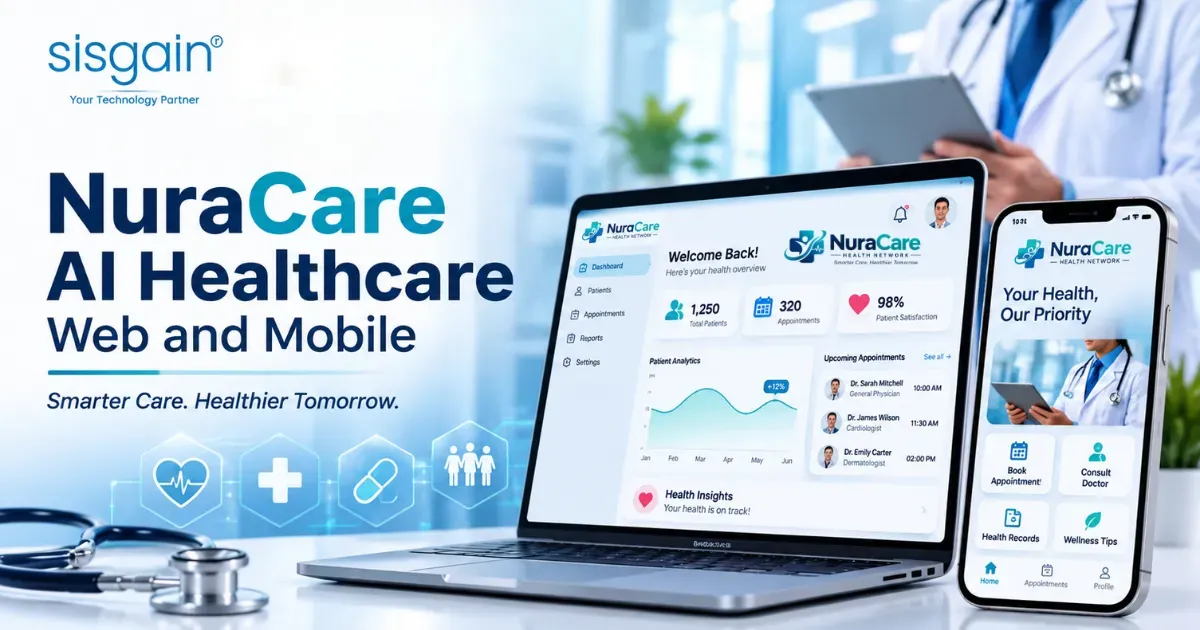














Healthcare Software Development Company in Dubai

Custom healthcare software for hospitals, clinics, laboratories and pharmacies across Dubai and the UAE, designed around your workflows and integrations.

  • 17+ Years of Software Development Experience
  • Healthcare Software Capabilities
  • Custom Development and Integration
  • UAE-Focused Project Delivery
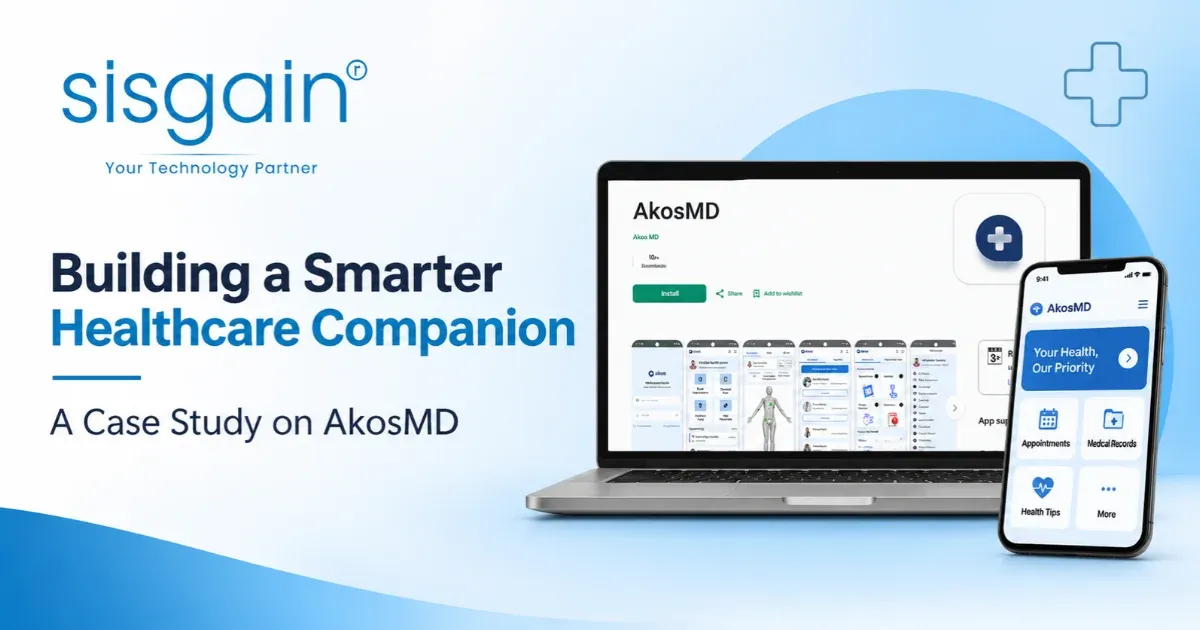
AkosMD
Avino
CMC Limited
GSS
Health Neutron
i-Billed
IndieChain
Mahindra
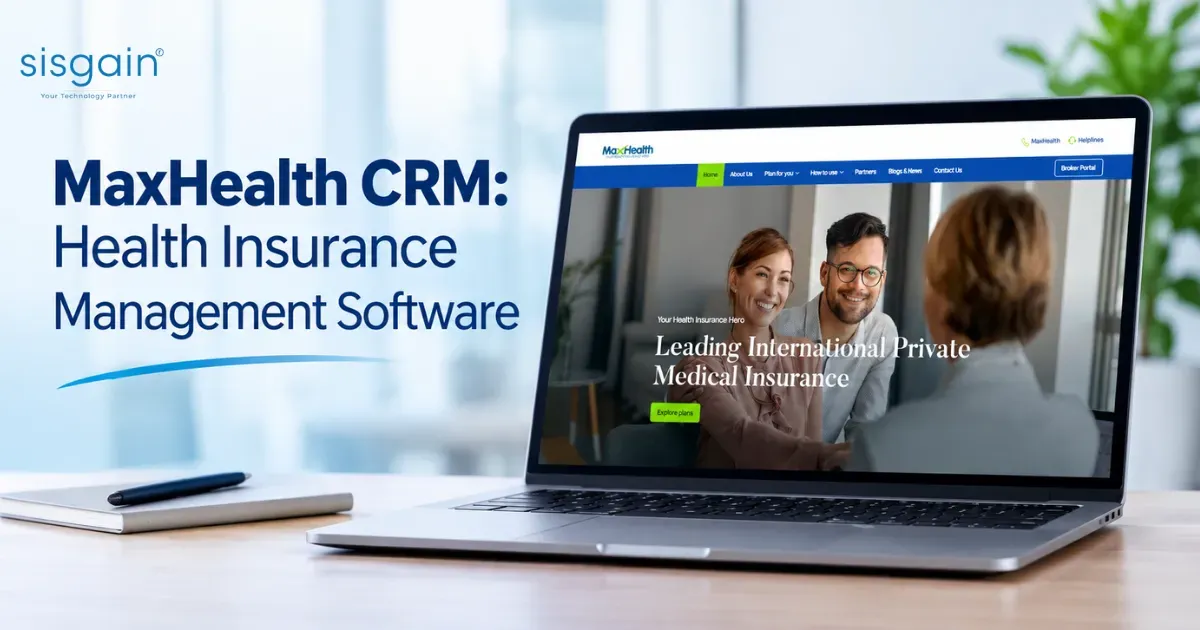
Maxcare Health
Pyxis
Royal Jet
Model Craft Group
Niros Restaurant
Tawuniya
Tawuniya
Tawuniya
Tawuniya
Akos
Avino
CMC Limited
GSS
Health Neutron
i-Billed
IndieChain
Mahindra
Maxcare Health
Pyxis
Royal Jet
Model Craft Group
Niros Restaurant
Tawuniya
khalifa university
Tadawi
transglobal logistics

A Healthcare Software Development Partner for Dubai Businesses

A capable healthcare technology partner understands clinical and administrative workflows, integration needs, security expectations, scalability and business goals, so software fits daily operations instead of forcing teams into manual workarounds.

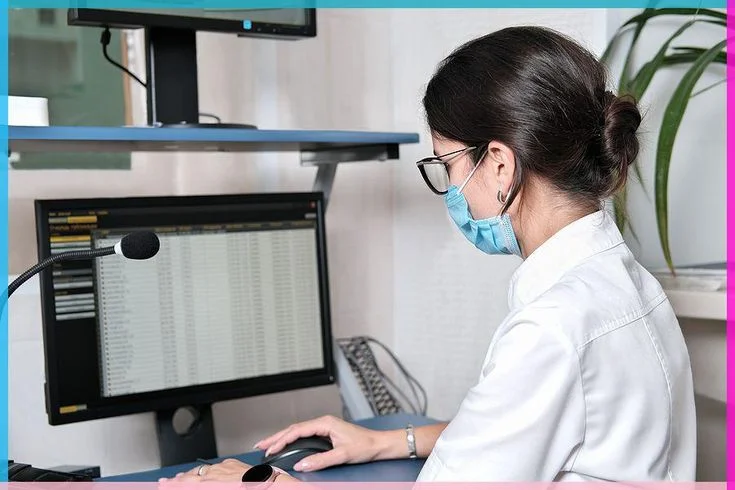
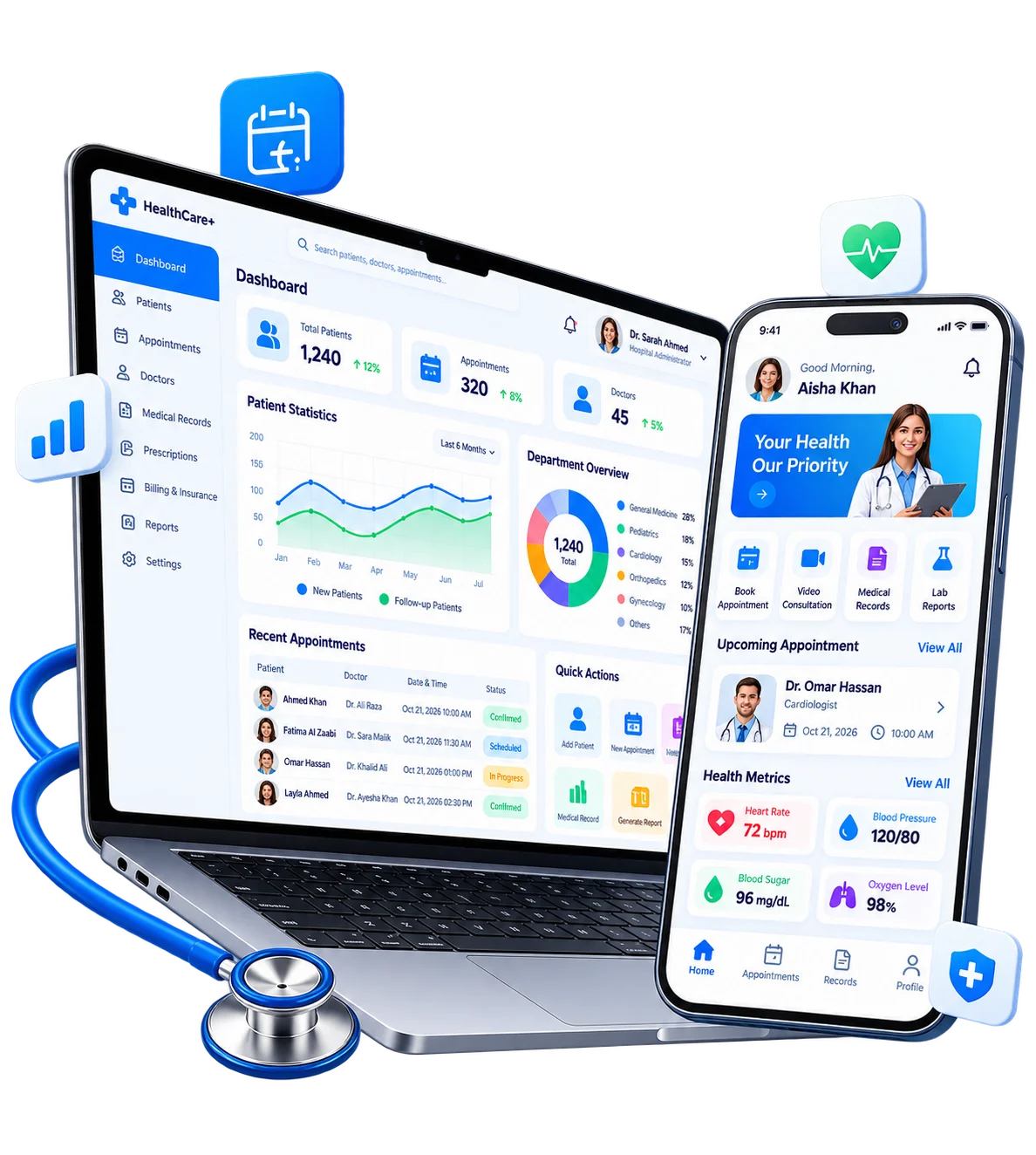
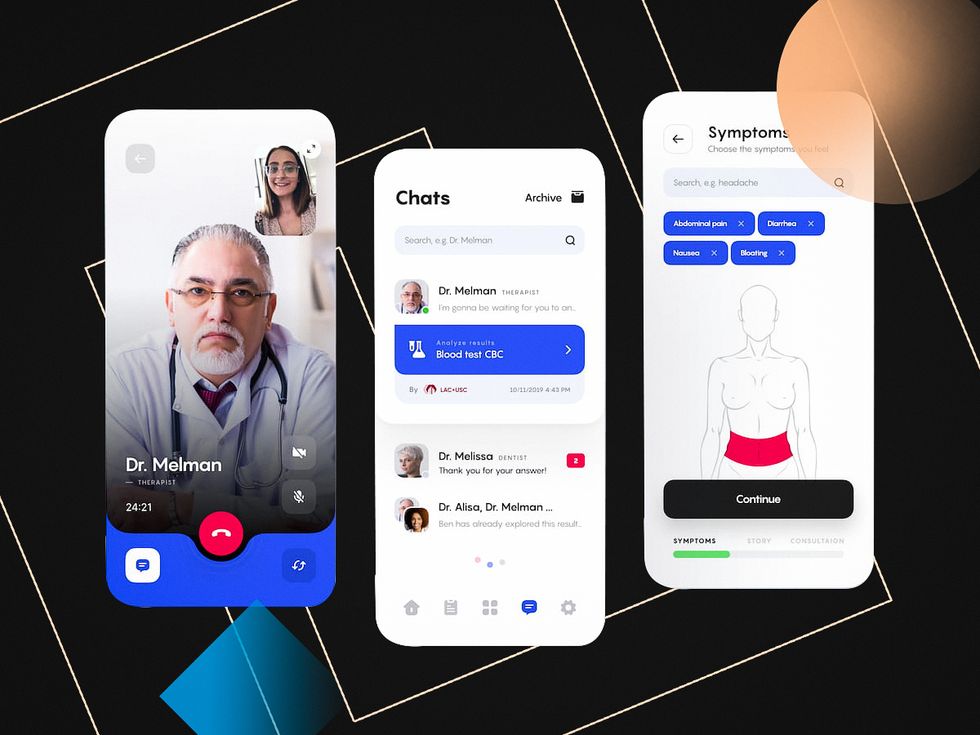
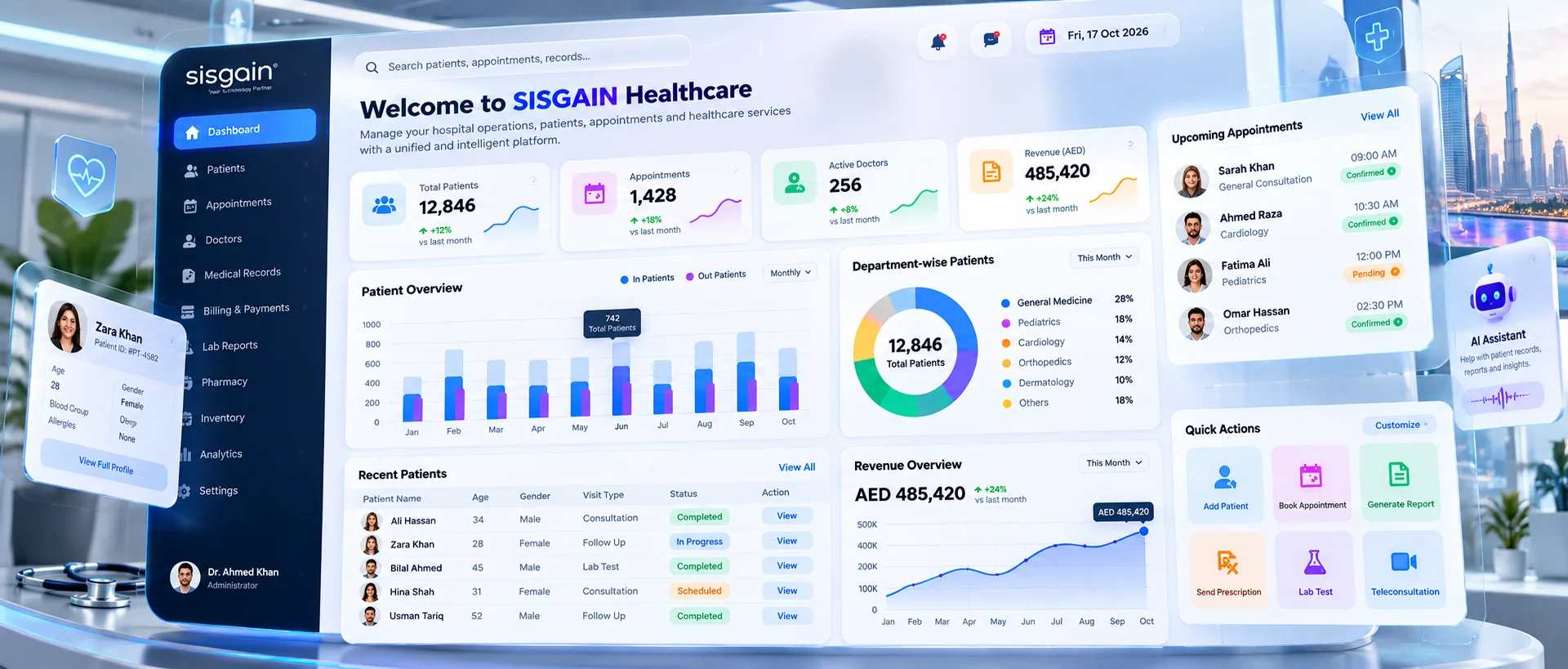
Healthcare software development dashboard interface with patient analytics, appointment scheduling, and electronic health records

Healthcare Software Development Services in Dubai

SISGAIN develops custom healthcare software for hospitals, clinics, diagnostic centres, pharmacies, healthcare groups and digital health businesses, covering core operations, patient-facing applications, integrations and specialised modules based on verified scope.

Hospital Management Software Development

Hospital management software development connects admissions, outpatient and inpatient care, billing, pharmacy, laboratory and reporting in one governed platform, helping administrators reduce disconnected spreadsheets and give departments clearer visibility of daily patient flow and resources.

Clinic Management Software Development

Clinic Management Software Development

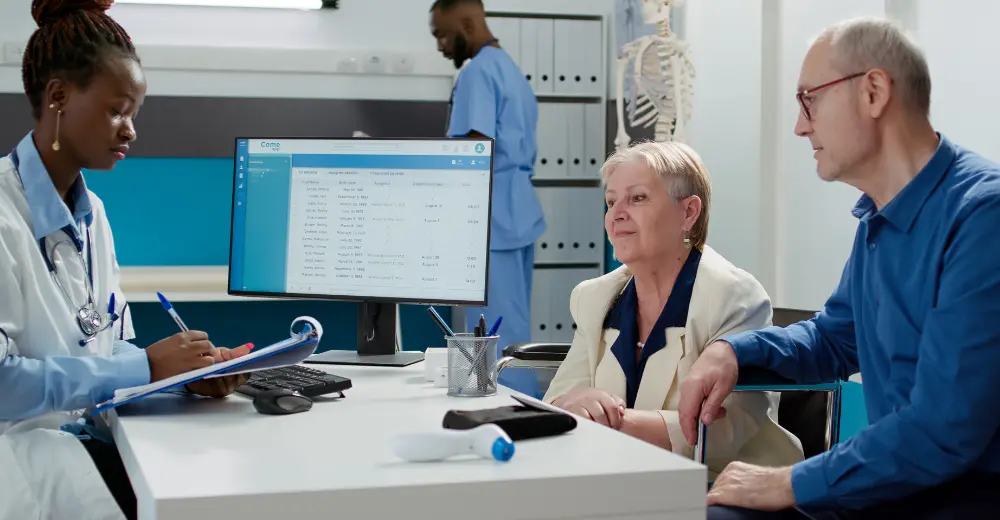
Clinic management software development supports appointment scheduling, patient registration, consultation notes, billing and follow-ups for single clinics and specialty centres, giving front-desk and clinical teams one workflow instead of separate tools for each task.

EHR and EMR Software Development

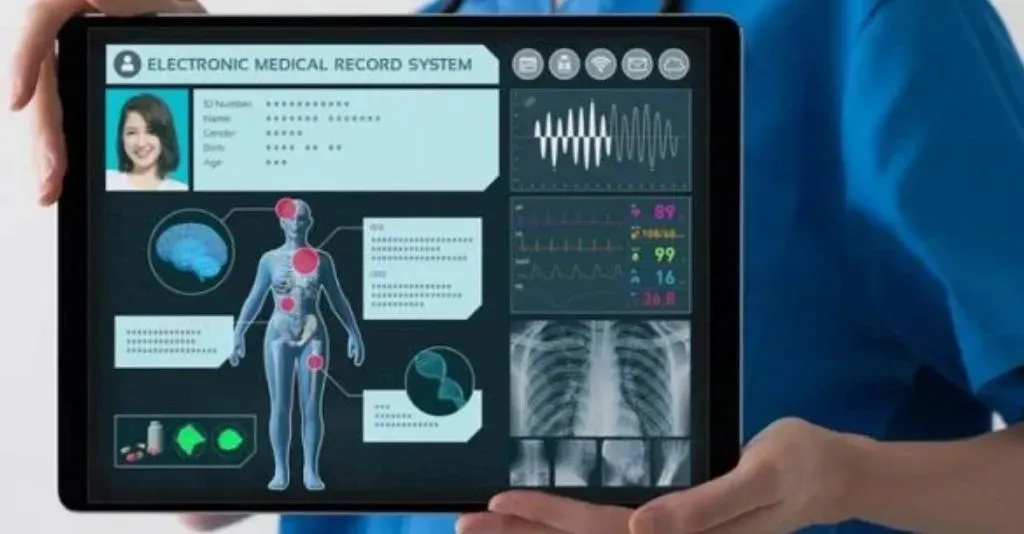
EHR and EMR software development creates structured patient records, clinical documentation, orders, results and role-based access, with interfaces planned for existing systems, so clinicians can find relevant information faster and records remain consistent across care teams.

Telemedicine Software Development

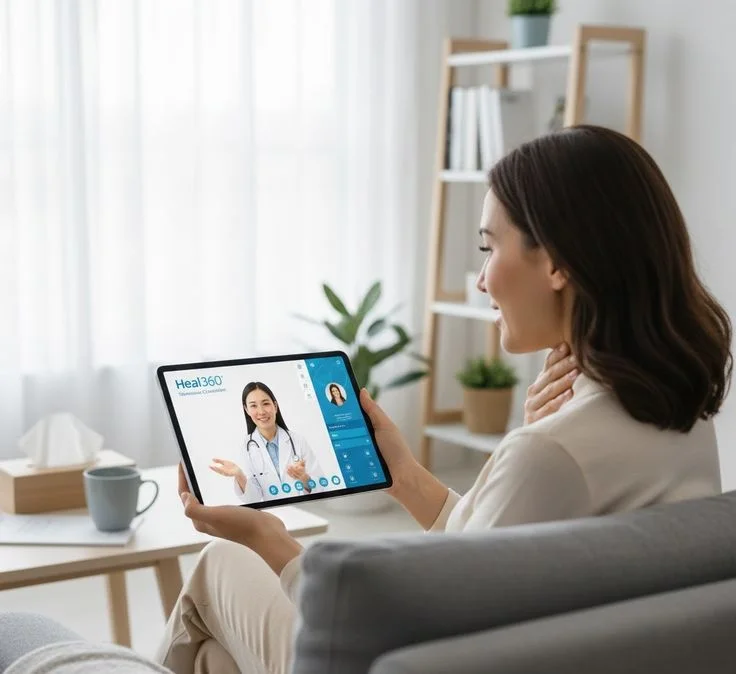
Telemedicine software development covers video consultation, scheduling, secure messaging, e-prescriptions where permitted, payments and record access, enabling providers to extend care beyond the clinic while respecting consent, privacy and the licensing rules that apply to them.

Healthcare Mobile App Development

Healthcare Mobile App Development

Healthcare mobile app development delivers patient and staff apps for booking, reminders, reports, payments and secure communication, designed for iOS and Android usability and connected to back-office systems so information stays consistent across channels.

Laboratory Management Software Development

Laboratory Management Software Development

Laboratory management software development manages sample registration, barcoding, test workflows, result validation, reporting and analyser or hospital system integrations where available, helping diagnostic centres improve traceability and give clinicians and patients clearer access to completed reports.

Pharmacy Management Software Development

Pharmacy Management Software Development

Pharmacy management software development supports inventory, expiry tracking, prescriptions, point-of-sale, supplier orders and branch reporting, helping pharmacy businesses keep stock information accurate and connect dispensing workflows with clinic, insurer or e-prescription systems where integration is available.

Healthcare CRM and Revenue Cycle Solutions

Healthcare CRM and Revenue Cycle Solutions

Healthcare CRM and revenue cycle solutions bring together patient enquiries, follow-ups, eligibility checks, claims preparation and payment tracking, giving finance and front-office teams clearer visibility of pending items, rejections and patient communication.

Remote Patient Monitoring Software

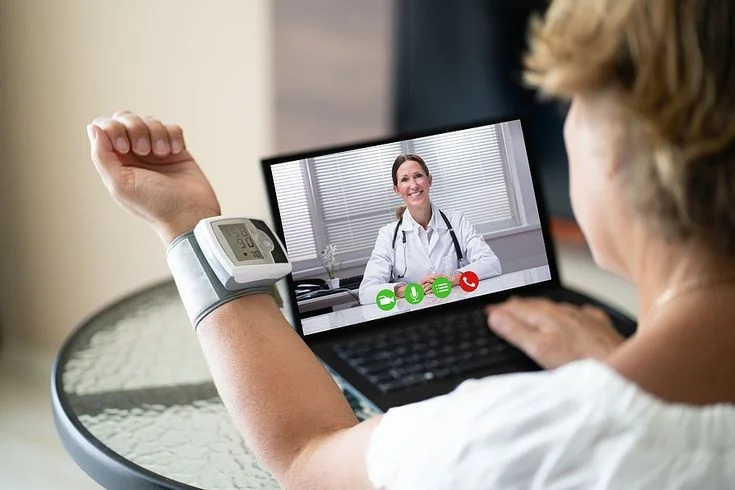
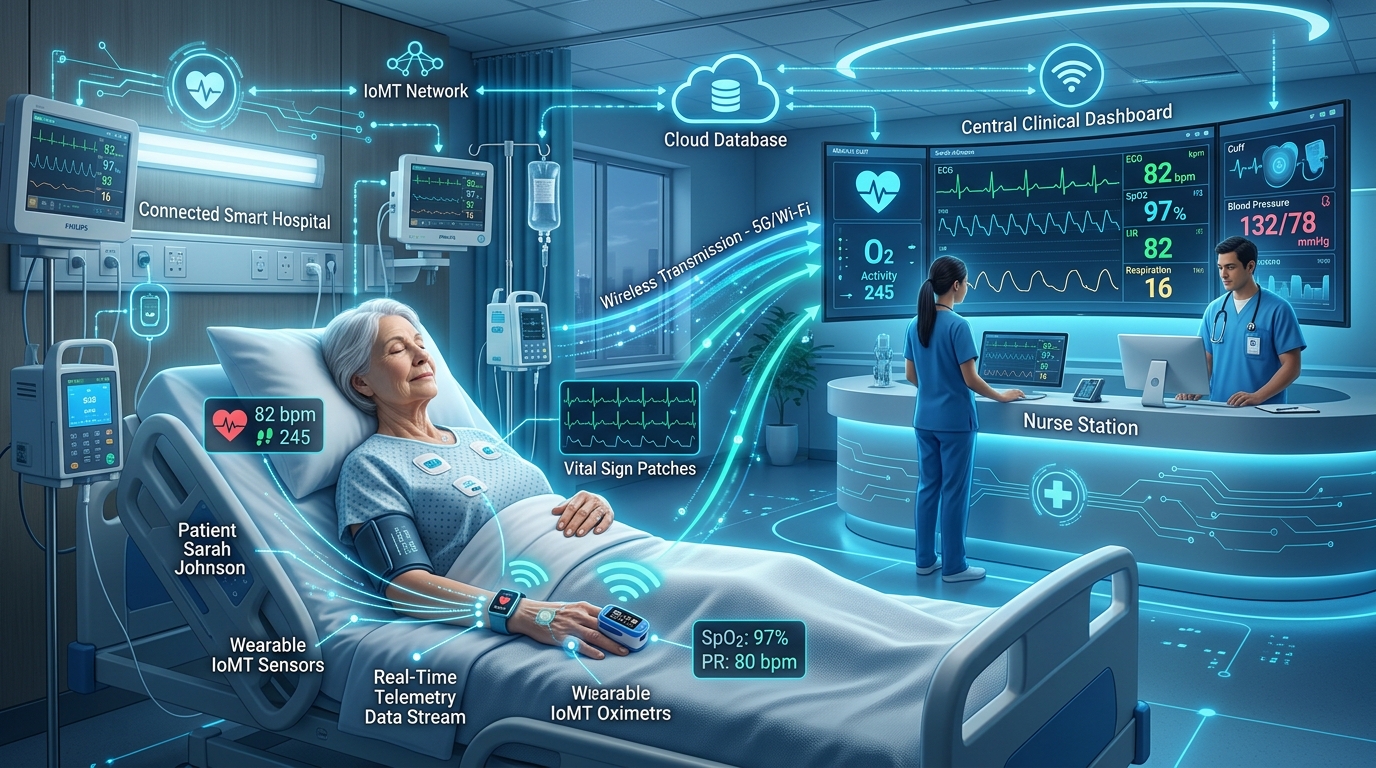
Remote patient monitoring software collects readings from connected devices or patient inputs, applies clinician-defined thresholds and alerts, and presents trends in dashboards, supporting chronic care programmes where providers define clinical protocols and responsibility for responding to alerts.

Healthcare AI Software Development

Healthcare AI Software Development

Healthcare AI software development adds assistive features such as document extraction, triage support, forecasting or workflow automation, using governed data and human review, with scope, validation and privacy requirements defined before any clinical or operational use.

Veterinary Software Solutions

SISGAIN develops veterinary software for animal clinics, veterinary hospitals, and pet healthcare providers. Depending on your requirements, solutions can support appointment scheduling, animal medical records, treatment histories, billing, and everyday clinic administration.

Revenue Cycle Management (RCM) Solutions

Healthcare revenue cycle management solutions help organize financial workflows from patient registration and eligibility checks to billing, claims processing, payment tracking, and reporting. SISGAIN can tailor these capabilities to provider operations, payer requirements, and existing systems.

HL7 and FHIR Integration

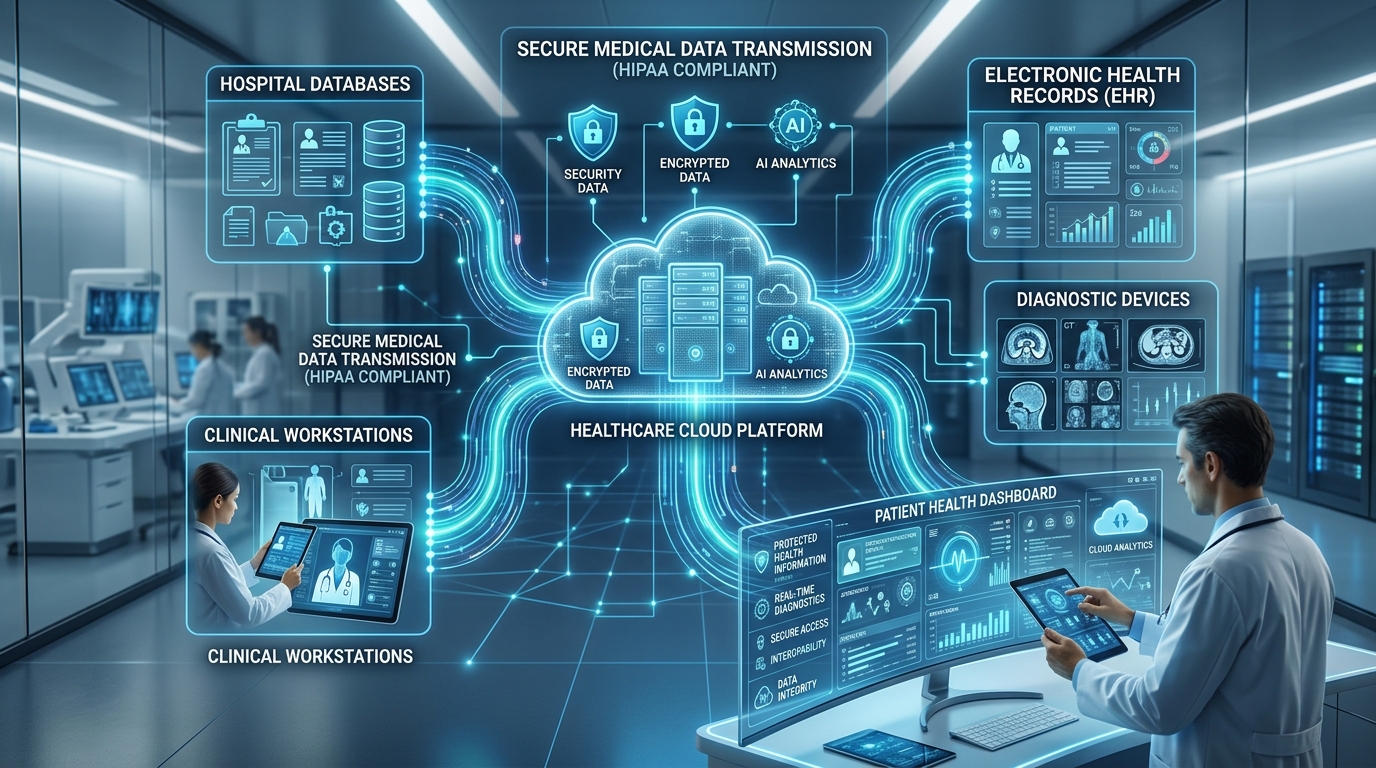
HL7 and FHIR integration helps healthcare applications exchange structured clinical information across compatible systems. SISGAIN can support interface planning, data mapping, integration development, and testing based on existing software, supported standards, and vendor specifications.

Health Information Exchange (HIE) Solutions

Health information exchange solutions facilitate authorized sharing of healthcare information between connected systems and participating providers. SISGAIN can help address interoperability, data quality, access controls, and applicable UAE exchange requirements based on the project's technical and regulatory scope.

ePrescription Software Development

Electronic prescription software supports digital prescription creation, management, and transmission through appropriate healthcare workflows. SISGAIN can help plan clinician authorization, prescription records, and pharmacy integrations according to the intended users, existing systems, and applicable UAE requirements.

Healthcare Software Solutions for Different Healthcare Businesses

Hospitals, clinics, laboratories, pharmacies and digital health companies face different operational pressures, so software should reflect how each business registers patients, delivers services, manages stock, bills payers and measures performance.

Hospitals and Hospital Groups

Hospitals and Hospital Groups

Hospitals manage many departments, specialists, payers and handovers at once. Software should coordinate patient journeys, bed and resource visibility, departmental orders and reporting while supporting phased rollout, role-based access and integration with existing clinical systems.

Healthcare Software Designed Around UAE Requirements

Regulatory and data-exchange requirements vary by emirate, licence, system type and scope, so applicable obligations should be confirmed with qualified advisers during discovery, before architecture and integration decisions are finalised.

DHA and Dubai Healthcare Requirements

The Dubai Health Authority regulates healthcare services in Dubai. Depending on facility type and software scope, requirements may cover health information exchange, data handling and system obligations, which should be confirmed with DHA guidance and expert review.

NABIDH Integration Considerations

NABIDH is Dubai's health information exchange platform. Whether a provider must connect depends on licence, facility type and applicable DHA rules, so integration scope, technical specifications and onboarding responsibilities should be confirmed before development begins.

DOH and Malaffi Considerations for Abu Dhabi

In Abu Dhabi, the Department of Health oversees healthcare regulation, and Malaffi is the emirate's health information exchange. Connection requirements depend on provider type and system scope, and must be validated with current DOH and Malaffi documentation.

Riayati and Other Applicable UAE Health Information Exchange Requirements

Riayati is the health information exchange associated with the Ministry of Health and Prevention and may be relevant to facilities in the northern emirates. Applicability varies by facility and jurisdiction, so requirements should be confirmed with the relevant authority.

UAE Data Privacy and Healthcare Information Security

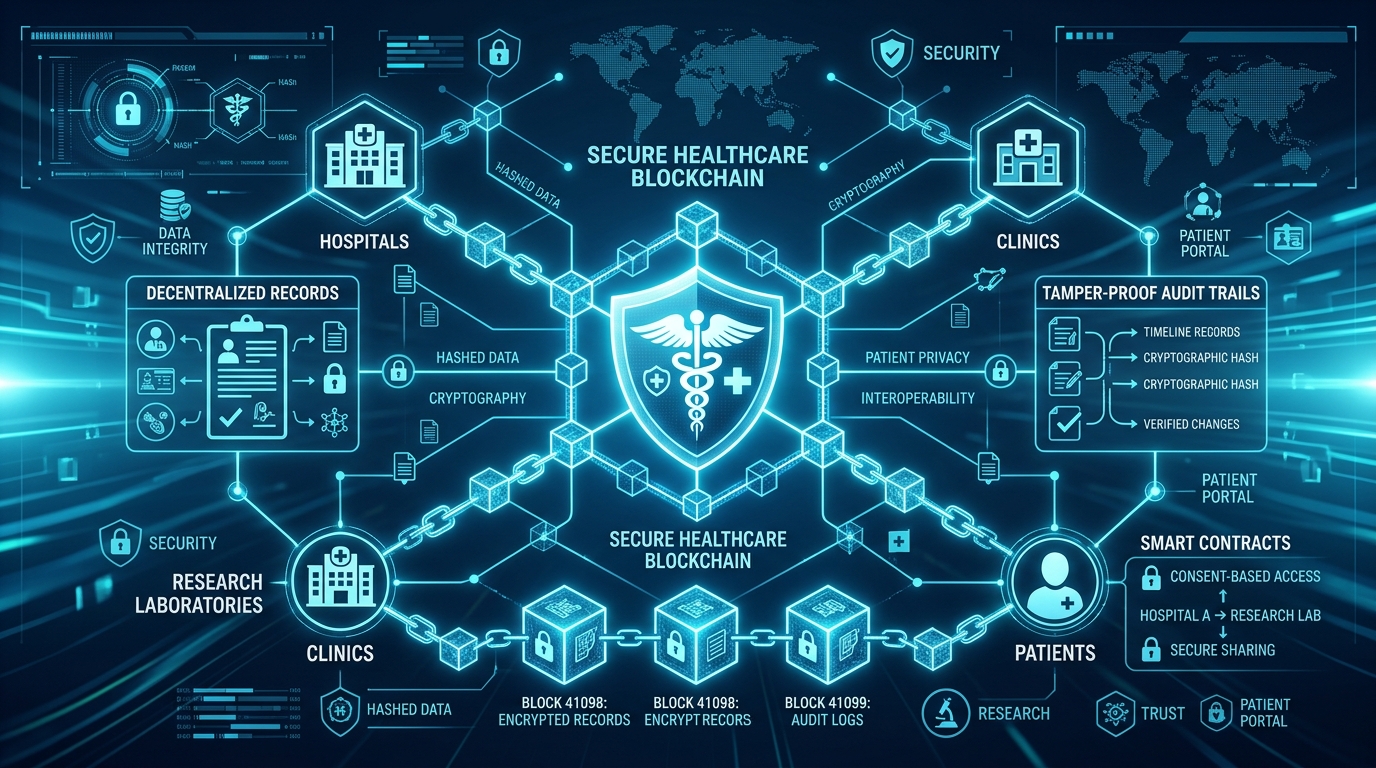
Healthcare software handles sensitive personal and health data, so planning should consider UAE federal data protection and health data rules, emirate-level requirements, consent, access control, encryption, audit logs, retention and data residency, reviewed with legal counsel.

HL7, FHIR, APIs, and Healthcare Interoperability

HL7 and FHIR are standards for exchanging healthcare data through messages and APIs. They improve interoperability when mapped correctly, but using them does not by itself make a system compliant, and every connection needs specification review and testing.


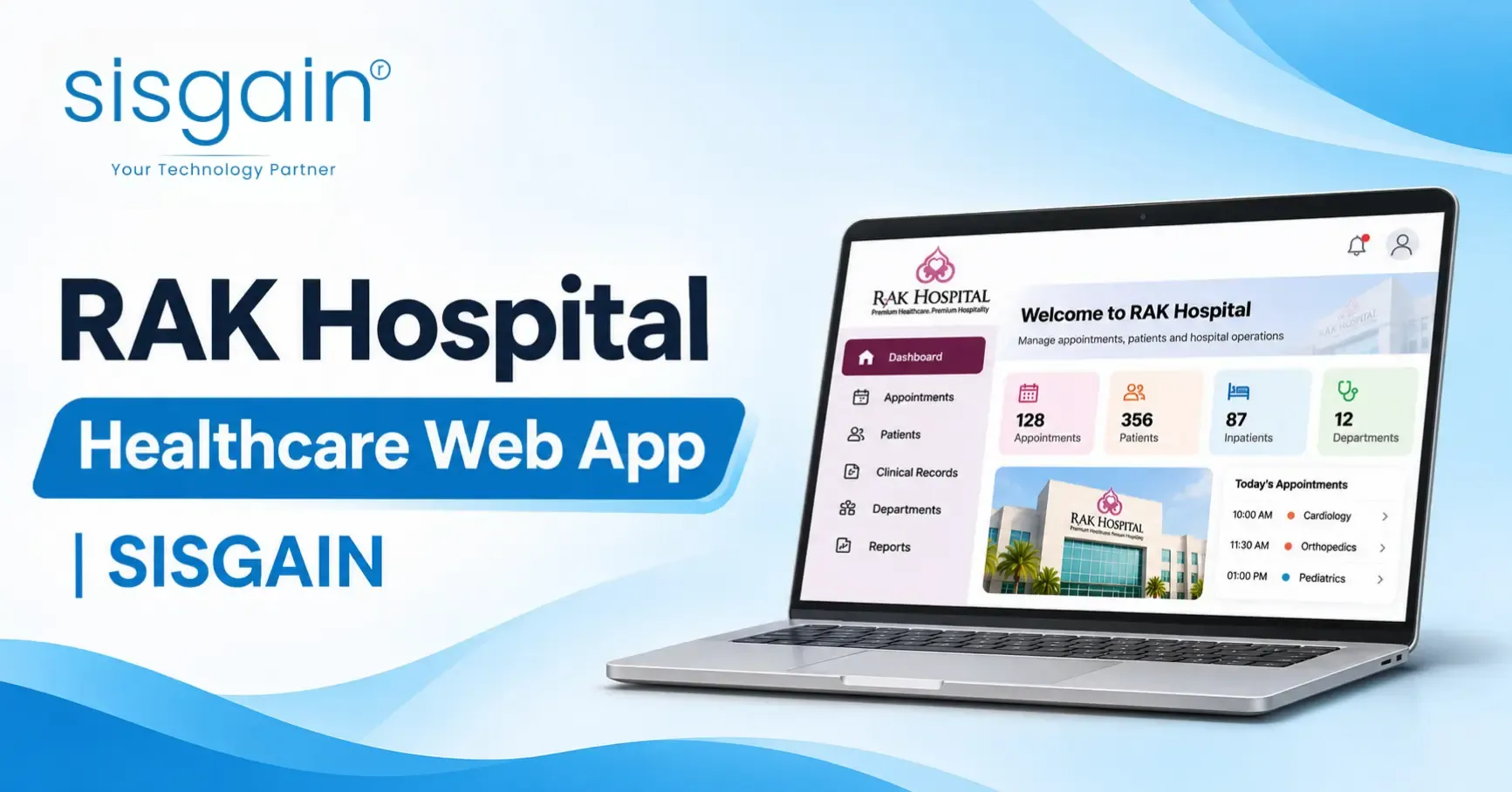
Healthcare Software Development Case Studies

Explore how SISGAIN helps healthcare providers transform patient care, streamline clinical operations, and improve healthcare delivery through innovative technology solutions.

What Your Healthcare Software Can Help Your Business Achieve

Well-planned healthcare software can support clearer workflows, better information access and stronger operational control. Outcomes depend on adoption, process design, integrations and data quality, so scope follows measurable business objectives.

What Your Healthcare Software Can Help Your Business Achieve

Patient Registration and Appointment Management

Digital registration and appointment management can reduce repeated data entry and help front-desk teams manage availability, reminders, cancellations and walk-ins, giving patients a clearer booking experience and giving providers better visibility of schedules and demand.

Healthcare System Integration and Technology Capabilities

Integration determines whether healthcare software works within the care environment. SISGAIN assesses existing systems, interfaces, data and infrastructure before recommending an integration approach, architecture and implementation plan for each project.

  • EHR, EMR, and Hospital Information Systems

    Integration with EHR, EMR and hospital information systems depends on available APIs, interface engines, vendor cooperation and data models. Discovery should confirm what can be exchanged, who owns access and how records are matched.

  • Laboratory, Pharmacy, and Diagnostic Integrations

    Laboratory, pharmacy and diagnostic integrations may involve orders, results, stock, prescriptions, imaging references or device data. Feasibility depends on vendor interfaces, message formats, security approvals and testing environments rather than assumed out-of-the-box connectivity.

  • Insurance, Billing, and Payment Workflows

    Insurance, billing and payment workflows may require tariff management, eligibility or pre-authorisation steps, claim preparation and payment gateway connections. Requirements depend on payer processes, provider setup and available interfaces, and should be documented during discovery.

  • Patient Communication and Appointment Systems

    Patient communication and appointment integrations can connect booking, reminders, notifications, forms and payments with core records. Channel selection, message templates, consent handling and provider approvals should be defined to keep communication useful, relevant and appropriately controlled.

  • APIs, HL7/FHIR, and Interoperability

    APIs, HL7 and FHIR support structured data exchange between healthcare systems. Implementation requires mapping, terminology decisions, authentication, error handling and testing, and compliance with any exchange programme still depends on the applicable authority's specifications.

  • Cloud Infrastructure, Scalability, and Data Migration

    Cloud infrastructure, scalability and data migration should be planned around hosting policy, availability needs, backup, access controls and legacy data quality. Migration normally includes mapping, cleansing, test loads and validation before users rely on the new system.

Healthcare System Integration and Technology Capabilities

SISGAIN selects the right technology stack for each healthcare platform based on performance requirements, security expectations, integration complexity, scalability needs, and long-term maintainability.

Frontend
React
Angular
Vue.js
Mobile
Flutter
React Native
Swift
Kotlin
Backend
Node.js
Laravel
Python
.NET
Java
Database
MySQL
PostgreSQL
MongoDB
Cloud
AWS
Azure
Google Cloud
AI / ML
Python
TensorFlow
OpenAI API
NLP Models
Integrations
Payment Gateways
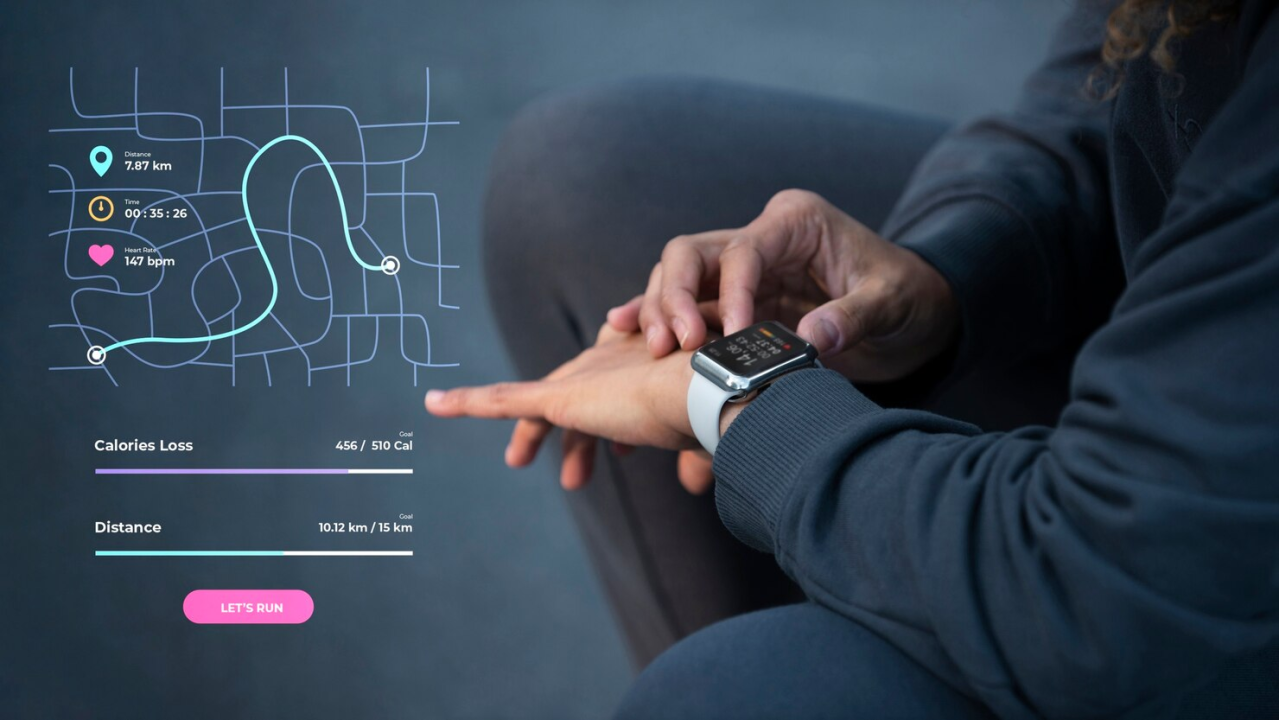
Wearable APIs
Pharmacy APIs
Lab Systems
EHR Integrations

Advanced Technologies Powering Your Healthcare Systems

SISGAIN combines deep healthcare domain expertise with modern technology stacks to build secure, scalable, and intelligent healthcare platforms that drive real business outcomes.

From diagnostic support to operational automation, our AI services reduce manual burden by surfacing critical information at the right moment.

Solutions We Deliver

  • AI-Powered Diagnostic Support
  • Predictive risk scoring & monitoring
  • Medical imaging anomaly detection
  • NLP clinical documentation
  • AI-driven revenue cycle management
  • Intelligent patient chatbots
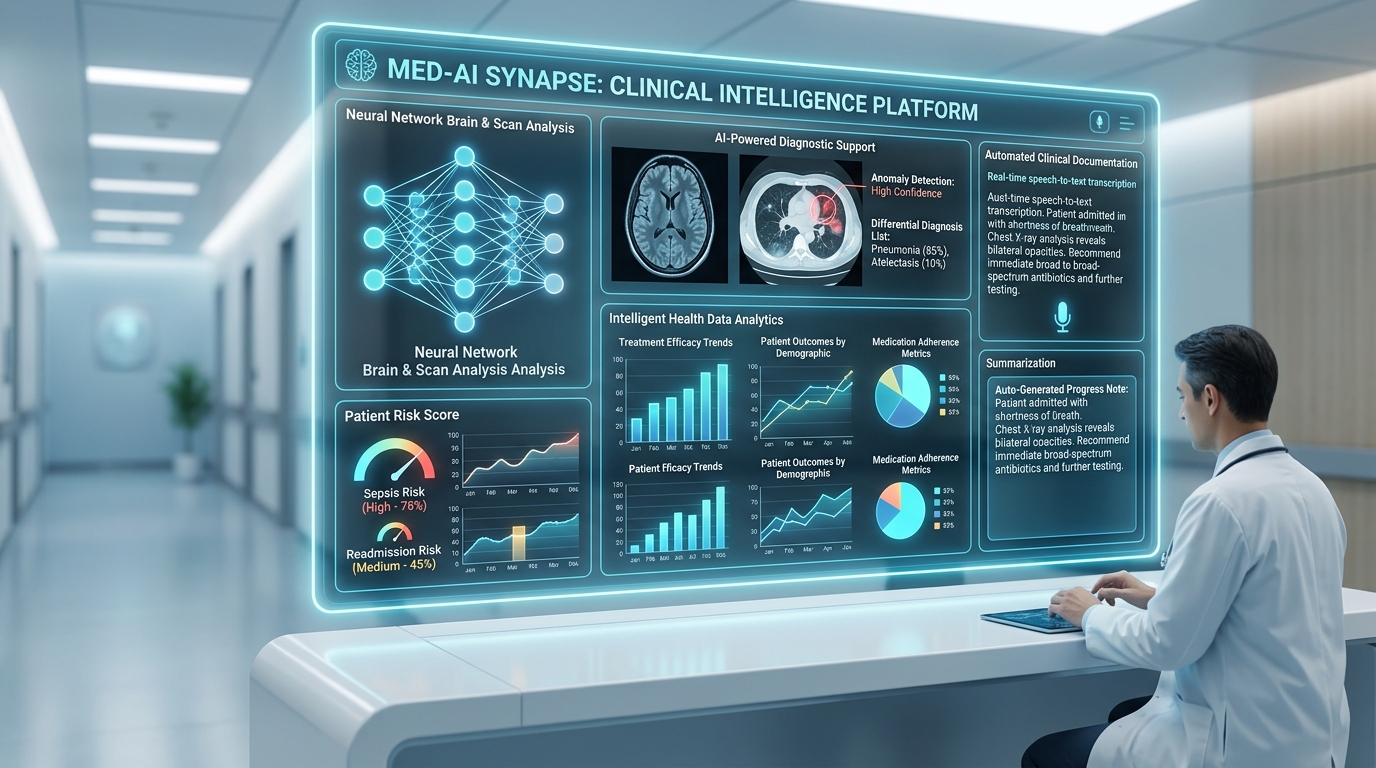
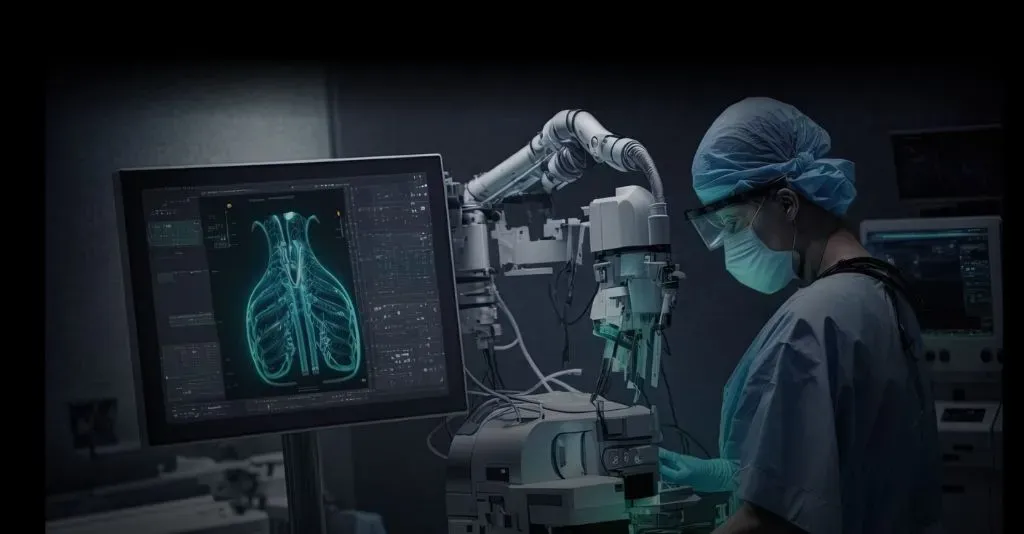
Artificial Intelligence in healthcare diagnostic support and clinical data analytics

Our Healthcare Software Development Process

A structured delivery process helps stakeholders understand scope, decisions, milestones and responsibilities. Each stage produces defined outputs, so requirements, testing and approvals remain visible from discovery through launch and support.

Stage 01

Discovery and Requirements Analysis

Discovery clarifies users, workflows, systems, integrations, regulatory considerations and success criteria through stakeholder sessions and documentation review. The client receives a prioritised requirements baseline, assumptions, risks and recommended scope for approval before design or development.

Architecture and planning define modules, data model, integration approach, security controls, environments and release phases. Clients receive a technical plan, milestone structure and dependency list so responsibilities, approvals and change-control expectations are agreed early.

Stage 02

Solution Architecture and Project Planning

Stage 03

UI/UX Design and Prototyping

UI/UX design translates workflows into wireframes, prototypes and interface standards tested with representative users. Clients review screens and journeys before development, helping clinical and administrative teams identify usability issues, missing steps and accessibility needs early.

Development proceeds in agreed increments covering modules, business rules, permissions, reports and integrations. Clients can review working builds against the approved scope, supporting feedback, controlled changes and clearer visibility of progress before final release.

Stage 04

Software Development and Integration

Stage 05

QA, Security Testing, and User Acceptance Testing

Testing covers functional behaviour, integrations, performance, role permissions, security checks and user acceptance. Clients receive test evidence and defect tracking, and approve readiness after business users validate priority workflows in a controlled environment before go-live.

Deployment planning covers environment setup, data migration, user training, go-live support and handover documentation. After launch, support can include monitoring, fixes, enhancements and maintenance under an agreed service arrangement matched to the client's operational needs.

Stage 06

Deployment, Training, and Ongoing Support

Healthcare Software Development Cost in Dubai

Healthcare software cost depends on scope, integrations, data, security and support. SISGAIN provides estimates after discovery and documented scope rather than publishing generic prices that may not reflect your project.

Factors That Influence Development Cost

Project cost is shaped by module count and complexity, web, mobile and admin interfaces, third-party integrations, data migration, security and privacy requirements, interoperability, AI or automation features, hosting, maintenance and support expectations.

Healthcare Software Development Timeline

Timelines vary with scope, stakeholder availability, integration dependencies, data migration, testing and rollout approach. A discovery phase can define phases and milestones, but SISGAIN does not recommend relying on a fixed duration before requirements are documented.

How to Get a Project Estimate

Share your business type, required modules, user numbers, existing systems, integrations, timeline expectations and any regulatory considerations. SISGAIN can then review the information, discuss assumptions and prepare an estimate based on documented scope and priorities.

Why Choose SISGAIN for Healthcare Software Development in Dubai?

SISGAIN\'s differentiation should rest on the working practices clients can evaluate: workflow-led design, integration planning, security-conscious engineering, transparent milestones, scalable architecture and accountable support, rather than unsupported claims of superiority.

Plan Your Healthcare Software Development Project

Hospitals, clinics, healthcare groups and digital health businesses can discuss software requirements with SISGAIN, including custom development, integrations, modernisation and support, before committing to a delivery approach or technical roadmap.

Plan Your Healthcare Software Development Project

Frequently Asked Questions About Healthcare Software Development in Dubai

These answers address common buyer questions about healthcare software cost, timelines, integrations, UAE requirements, modernisation and support. Final project recommendations depend on your systems, jurisdiction, scope and verified technical requirements.