Sales Team
Project quotes, partnerships, implementation
Don't see your industry? We serve every sector - let us know your needs and we'll tailor a solution.
We design, install and manage smart agriculture systems — smart irrigation, greenhouse automation, IoT monitoring and AI farming software — engineered specifically for UAE heat, salinity and water scarcity. Built for commercial farms, hydroponic operations, agribusiness enterprises and government food security programs.
The UAE has set some of the most ambitious food security and sustainability targets in the region, and the path to meeting them runs directly through farm-level technology — not policy alone.
Over the past several growing seasons, we’ve worked alongside commercial farm owners in Al Ain, greenhouse operators in Dubai South, hydroponic facility managers in Sharjah, and government teams running food security demonstration projects in Abu Dhabi. The pattern repeats: operations that look efficient on paper are quietly losing water, energy and yield to conditions a spreadsheet schedule simply cannot react to fast enough. A drip line running on a fixed timer doesn’t know that today’s evapotranspiration rate is 40% higher than yesterday’s. A greenhouse fan running on a clock doesn’t know that humidity just spiked past the threshold where fungal disease risk climbs sharply. Smart agriculture closes that gap — not by replacing the grower’s judgment, but by giving them real-time visibility and automated response speed that manual operation cannot match in this climate.
Most agriculture technology sold in the Gulf was designed for temperate climates and adapted afterward. We design for desert agriculture conditions from day one — because the margin for error here is measured in hours, not days.
The UAE imports roughly 80–90% of its food and relies on a freshwater supply that is almost entirely desalinated or drawn from non-renewable groundwater. Smart agriculture technology directly addresses this by cutting irrigation water use, stabilizing yields against heat stress, and giving operators the data needed to farm productively on a tightening water and energy budget.
Summer soil surface temperatures regularly exceed 55°C, and evapotranspiration rates can outpace manual irrigation schedules within hours, leaving crops under chronic water stress even when irrigation logs look adequate on paper.
Groundwater used for irrigation in parts of Al Ain, Al Dhafra and Sharjah’s interior has measurable salinity that, without monitoring, accumulates in soil and silently reduces yield over consecutive seasons.
Skilled agronomists are scarce in the region, and farms relying on manual scouting frequently catch pest pressure, nutrient deficiency or irrigation faults only after visible crop damage has already occurred.
Cooling and ventilating a greenhouse against 45°C ambient heat is energy-intensive. Without automated, sensor-triggered control, fans, pads and shading run on fixed timers that waste power and still fail to hold target temperatures.
Many commercial farms still track irrigation, spraying and harvest records on paper or spreadsheets, which makes it nearly impossible to produce the traceability data that retailers, exporters and government tenders increasingly require.
National food security strategy targets are pushing government bodies and large agribusinesses toward measurable, auditable, technology-backed production — making legacy manual operations a procurement and compliance liability.
Not sure where your farm’s biggest losses are coming from?
A 45-minute site assessment maps your water use, climate exposure and automation gaps — no cost, no obligation.
Six integrated systems, deployed independently or as one connected platform — covering water, climate, crop health and farm operations from a single dashboard.
A complete smart agriculture solution typically combines smart irrigation control, environmental and soil sensors, greenhouse climate automation, an IoT connectivity layer, AI-based crop analytics, and farm management software that brings all of it into one operational dashboard.
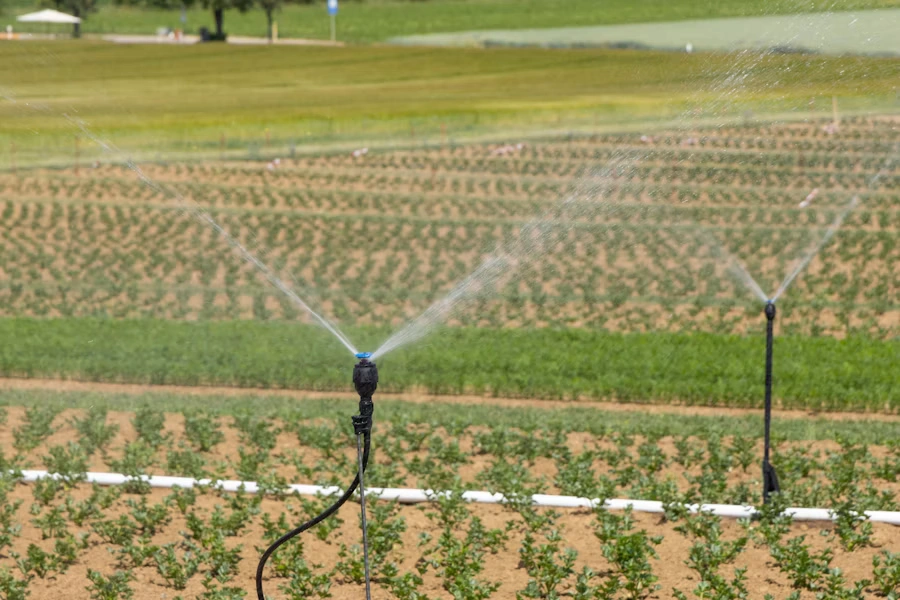
Soil-moisture and evapotranspiration-based drip and fertigation control that irrigates by actual plant demand, not a fixed clock — the single highest-impact upgrade for any UAE farm or greenhouse.
GIS field mapping, variable-rate input application and zone-based management that treats every plot according to its own soil and yield history rather than a single farm-wide average.
Automated control of fan-pad cooling, shading, ventilation and CO2 dosing that holds target temperature and humidity bands even on 45°C+ days, without a technician adjusting settings by hand.
A low-power sensor and connectivity backbone — LoRaWAN, NB-IoT and cellular — that lets every valve, probe and controller on the farm report into one platform, even in remote desert plots.
Machine learning models trained on regional crop and climate data that flag disease and pest risk early, forecast yield, and recommend irrigation and nutrient adjustments before problems show visually.
The dashboard that ties irrigation, climate, labor, inventory and compliance records into one system — built for owners who need a single source of truth and auditors who need traceable data.
Most farms start with one system. Smart irrigation alone typically pays for itself fastest. We design every component to plug into the same platform later, so you never re-buy infrastructure as you scale.
We deliberately avoid selling a single oversized “smart farm in a box” package to every client. A 2-hectare hydroponic leafy greens operation in Sharjah has almost nothing in common, technically, with a 40-hectare open-field date farm in Al Ain — different water chemistry, different labor model, different failure modes. Every deployment above is scoped, sequenced and priced around the specific crop, structure and growth stage in front of us, which is also why our proposals tend to differ meaningfully from generic regional quotes built off a fixed price list.
See which of these six systems your operation needs first.
Most clients don’t need all six on day one. We’ll tell you honestly which gives you the fastest payback.
The right sensor layout, irrigation logic and reporting structure differ sharply between a hydroponic facility and an open-field date farm. We scope each deployment around the operation in front of us.
Multi-hectare open-field operations growing vegetables, fodder or dates get zone-based soil monitoring, automated pivot or drip control, and GIS-based yield mapping to manage variability across large plots.
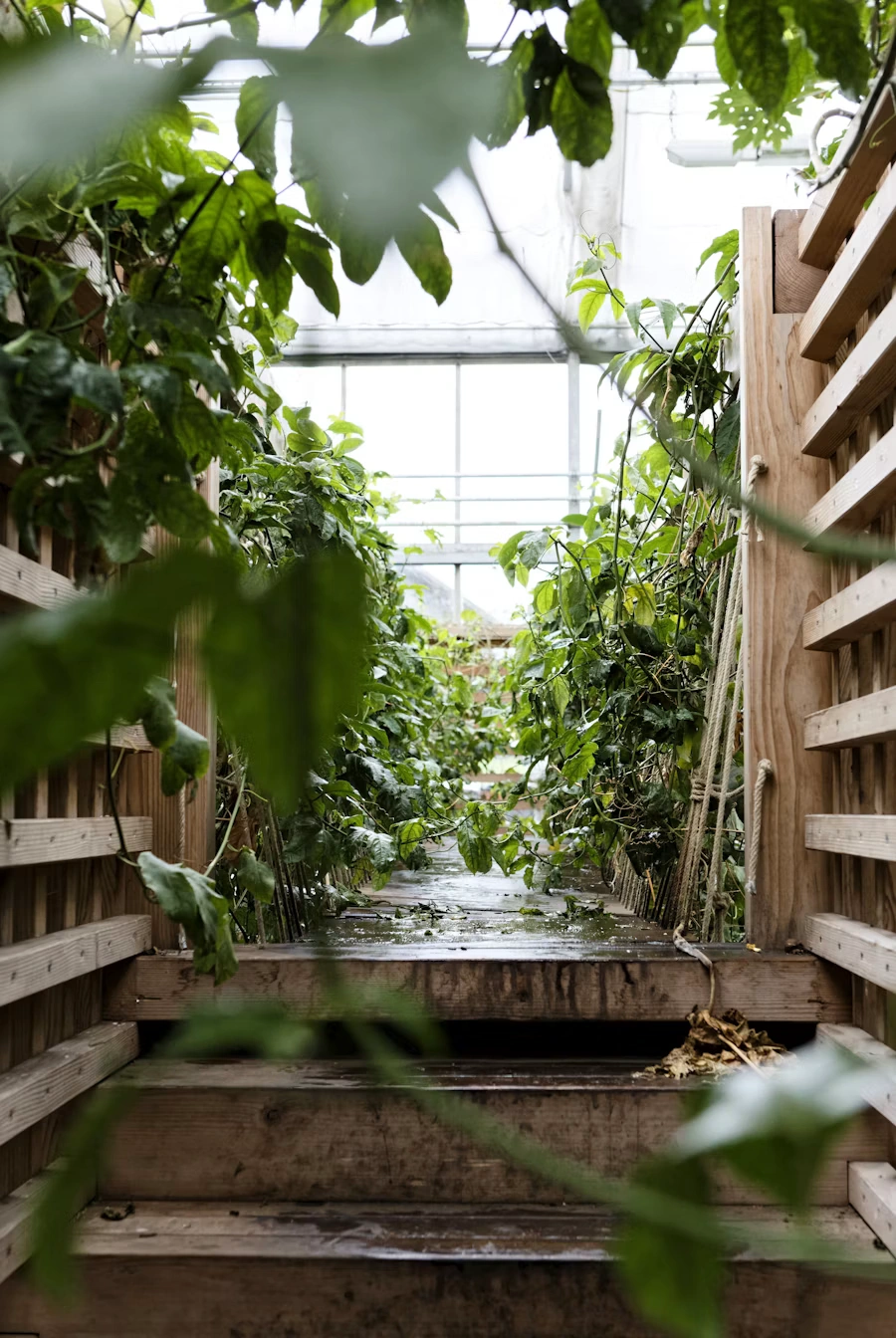
Glasshouse and polytunnel operators get automated climate control, CO2 dosing and fertigation tuned to hold consistent micro-climates regardless of outside heat, with remote monitoring across multiple structures.
NFT, DWC and substrate-based hydroponic systems get nutrient solution monitoring (EC, pH, dissolved oxygen), automated dosing pumps, and alerts before nutrient drift damages a full crop cycle.
Indoor vertical farming facilities get tier-by-tier climate and lighting monitoring, energy-use optimization for LED grow lights and HVAC, and yield tracking by rack to identify underperforming zones fast.
Dairy and livestock operations get barn climate and ventilation automation, water trough monitoring, and herd-health data integration to reduce heat-stress losses during peak summer months.
Municipal food security initiatives, demonstration farms and smart city agriculture pilots get procurement-ready documentation, multi-site dashboards and reporting formats aligned with national strategy KPIs.
No single technology solves agriculture in the Gulf. Real results come from combining sensing, automation and analytics into one coherent system.
Site assessments are booked two to three weeks out during peak season. Reserve yours now and get a scoped proposal before your next planting cycle begins.
Smart agriculture is judged on cost reduction and yield stability, not novelty. Here’s how each capability translates into measurable return.
The core benefits are reduced irrigation water consumption, lower energy costs from automated climate control, more consistent yields due to early pest and stress detection, reduced manual labor for monitoring tasks, and audit-ready data for export, retail or government compliance requirements.
| Capability | Operational Benefit | Typical Impact |
|---|---|---|
| Smart Irrigation | Water applied by actual plant demand, not fixed schedule | 30–50% water reduction |
| Greenhouse Automation | Stable climate bands without manual intervention | 15–25% energy savings |
| IoT Monitoring | Real-time visibility across every plot and zone | Faults caught in hours, not days |
| AI Disease Detection | Early visual pest/disease flagging before spread | Up to 60% fewer crop-loss events |
| Farm Management Software | Centralized records for labor, inputs and compliance | Hours saved weekly on reporting |
| Precision Agriculture | Inputs matched to zone-level soil and yield data | 10–20% input cost reduction |
We are not a regional reseller of imported hardware. Our engineering team is based in the UAE, our sensor calibration accounts for local soil and water chemistry, and our deployment teams have worked inside government procurement processes, not just commercial sales cycles.
Every irrigation threshold and climate setpoint is tuned to local soil salinity, water source and evapotranspiration data — not a default profile built for a temperate climate.
From single-greenhouse retrofits to multi-site government pilots, our systems are running in production across Dubai, Abu Dhabi, Sharjah and Ras Al Khaimah today.
We’ve supported ICV documentation, vendor registration and technical compliance submissions for municipal and federal food security tenders.
An agronomist and field engineer visit your site, assess soil, water source, structure condition and existing equipment, and map automation gaps against your goals.
You receive a scoped proposal with sensor count, hardware specification, software tier and a projected payback timeline based on your actual water and energy costs.
Our field teams install sensors, controllers and connectivity infrastructure, then calibrate thresholds against your specific crop, soil and climate conditions.
Farm staff and management are trained on the dashboard, alerts and manual override controls before the system moves to unattended operation.
Our team reviews performance data through the first two growing cycles and tunes thresholds as seasonal conditions and crop stages change.
Replaced fixed-schedule drip irrigation across the full property with soil-moisture and ET-based automated control, plus remote leak detection.
Automated fan-pad cooling, shading and CO2 dosing across twelve structures, replacing manual staff adjustment during peak summer heat.
Delivered standardized IoT monitoring and reporting across three government-run plots to support national food security KPI tracking.
Every layer of the stack uses open protocols so your data and hardware are never locked to a single vendor.
Every farm is different in size, water source and crop type — these tiers show typical scope, not a one-size quote.
Public sector and large agribusiness buyers face a different evaluation process than commercial farms — and we treat it as a distinct workstream, not an afterthought.
We prepare full technical compliance documentation, system architecture diagrams and reference deployment evidence for RFP submissions.
We support ICV certification review and documentation requirements relevant to UAE federal and Abu Dhabi-based procurement frameworks.
Government bodies can deploy a scoped pilot with defined KPIs before committing to a full multi-site rollout.
Enterprise and government contracts include defined uptime guarantees, response-time SLAs and a named compliance liaison.
Smart agriculture is the use of IoT sensors, automated irrigation, climate control and data software to manage crops with precision. In the UAE, it works by combining soil and weather sensors, automated drip or fertigation systems, greenhouse climate controllers and a central software platform that adjusts water, nutrients and ventilation in real time to suit extreme heat, high evaporation rates and limited freshwater resources.
Pricing depends on farm size, crop type and the level of automation required. Small smart irrigation retrofits for a single greenhouse typically start in the range of AED 25,000 to AED 60,000, while full-scale IoT monitoring, climate automation and farm management software for commercial operations or government projects are quoted after a free site assessment, since soil conditions, water source and structure age all affect the scope.
Sensor-based smart irrigation systems in the UAE typically reduce water consumption by 30 to 50 percent compared to manual or timer-based irrigation, because they irrigate based on actual soil moisture, evapotranspiration rate and crop stage instead of a fixed schedule.
Yes. Most existing greenhouses, hydroponic systems and open-field farms in the UAE can be retrofitted with IoT sensors, automated valves, climate controllers and monitoring dashboards without replacing the underlying structure, as long as electrical and water infrastructure meet minimum requirements verified during a site assessment.
Yes. We support RFP responses, technical compliance documentation, vendor registration, UAE In-Country Value (ICV) certification review and pilot project frameworks required by municipalities, free zones and food security entities across Dubai and Abu Dhabi.
Most commercial farms and greenhouse operators in the UAE see measurable returns within 12 to 24 months through reduced water and energy costs, lower labor requirements and higher yield consistency, with water and energy savings typically appearing within the first two to three growing cycles.
Smart agriculture technology in the UAE is used by commercial open-field farms, commercial and hobbyist greenhouses, hydroponic and vertical farming operations, livestock and dairy farms, and government-led food security and smart city agriculture programs across Dubai, Abu Dhabi and Sharjah.
Yes. Commercial and Enterprise tiers include a dedicated account engineer, quarterly optimization reviews, and SLA-backed support with defined response times for government and large agribusiness contracts.
Book a Free Consultation Call with Our Experts Today
Project quotes, partnerships, implementation
Open roles, referrals, campus hiring