Mobile App Development Company in Dubai
Build, launch, and scale mobile applications that solve real business problems
SISGAIN Technologies is a mobile app development company in Dubai helping startups, SMEs, and enterprises build scalable iOS, Android, and cross-platform apps. From idea to launch, we deliver custom solutions with AI capabilities where they create measurable business value and improve user experiences.
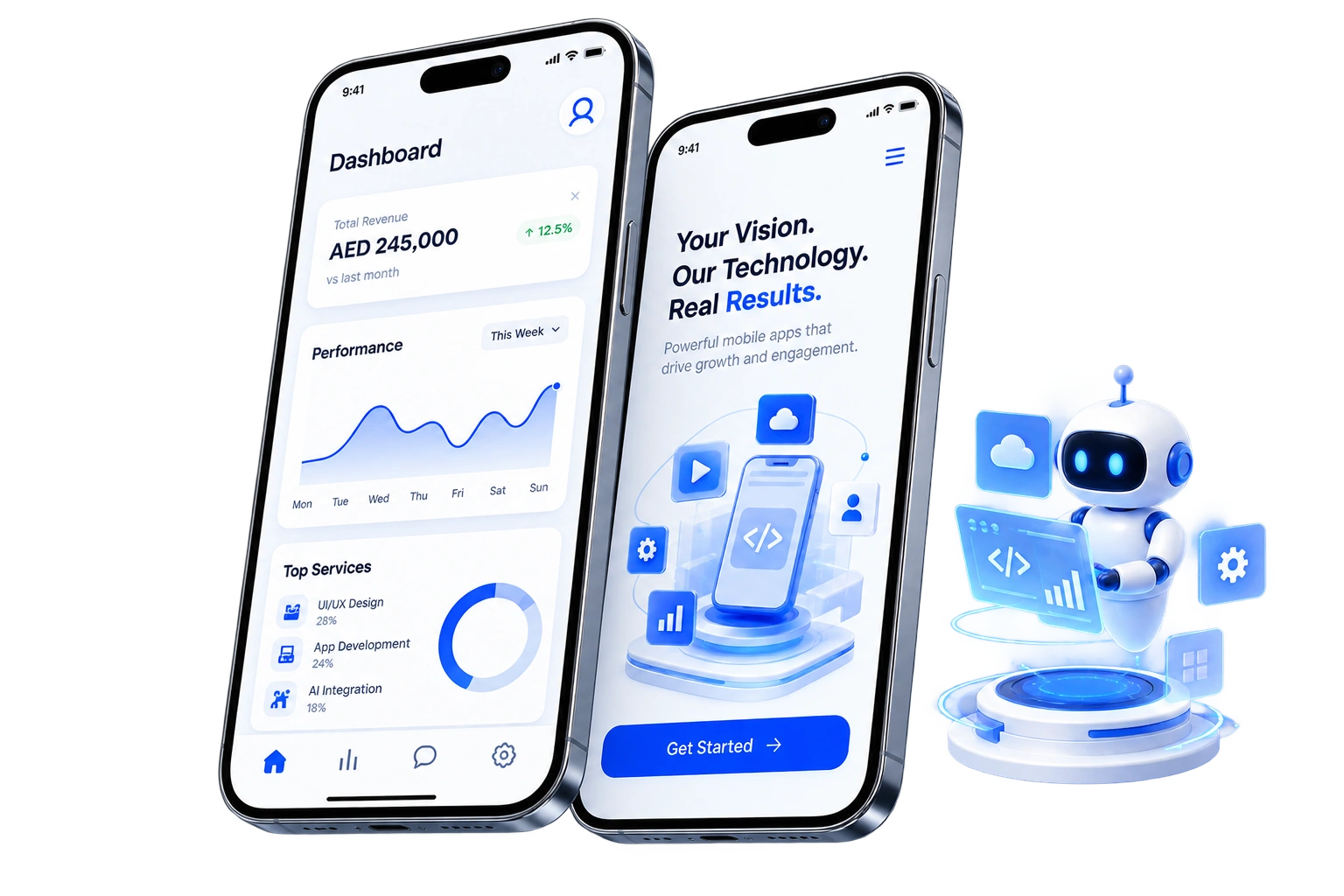
Mobile Apps We Build for Businesses in Dubai
Most conversations with a mobile application development company in Dubai start from one of four positions. Find yours.
Build a New Mobile App
You have an idea, a business case, or a gap in the market — and you need a partner who can turn it into a working product without over-engineering the first version. We handle discovery, UX, architecture, and development for startups and new digital products from the ground up.
Discuss My App Idea
Modernize an Existing App
Your app works, but it's slow, hard to maintain, or built on a stack nobody wants to touch anymore. Legacy codebases, outdated UI patterns, and accumulated technical debt eventually cost more than a proper rebuild. We audit what exists before recommending what to change.
Get My App Audited
Build an Enterprise App
You need an internal tool, a customer-facing platform connected to ERP or CRM systems, or a secure application that has to meet your organization's access control and data-handling standards — not a consumer app dressed up for business use.
Discuss Enterprise App
Add AI to an Existing App
Your app is live and has users, but you want to add a recommendation engine, an AI assistant, predictive analytics, or automation that reduces manual work. This is integration work, not a rebuild — and it should be scoped that way.
Explore AI IntegrationWhy Businesses Choose SISGAIN for Mobile App Development in Dubai
Picking an app development company in Dubai usually comes down to whether the team can actually defend its technical decisions when asked.
Here's what that looks like in practice.
Business-focused product strategy.
We map the app to a specific business outcome — bookings, transactions, retention, internal efficiency — so every feature decision has a reason attached to it, not just a place on a wireframe.
Custom application architecture.
Architecture is chosen based on your expected user load, integration requirements, and how the app needs to scale over the next two to three years, not just the next release.
Native and cross-platform expertise.
We build in Swift and Kotlin when it matters, and in Flutter or React Native when speed and shared codebase economics make more sense.
AI integration capabilities.
Where AI genuinely improves the product, we build it in. Where it wouldn't move the needle, we say so.
Enterprise integration expertise.
ERP, CRM, SSO, and third-party API integrations are handled as first-class parts of the architecture, not an afterthought.
Security-first development.
Authentication, encryption, and access control are designed in from the start, particularly for apps handling payments, health data, or financial transactions.
Scalable architecture.
Apps are built so that a jump in user numbers or transaction volume doesn't mean a rebuild six months after launch.
Agile development.
You see working builds throughout the project — sprint reviews, staging environments, and a backlog you can actually see.
Post-launch support.
We stay involved after go-live rather than handing over a codebase and disappearing.
Dubai/UAE-focused delivery.
Time-zone alignment, Arabic and English requirements, and familiarity with local payment gateways, mapping, and compliance-adjacent workflows.
Our Mobile App Development Services in Dubai
End-to-end mobile app development services to build, scale, and future-proof your business in the digital-first world.
iOS App Development
Native iOS apps in Swift with seamless performance, deep Apple ecosystem integration, and App Store-ready delivery.
Android App Development
Kotlin-based Android apps optimized for all devices, OS versions, and screen sizes with smooth Play Store deployment.
Cross-Platform App Development
Build once, deploy on iOS and Android with Flutter or React Native for faster time-to-market and lower maintenance cost.
AI App Development
AI features that drive results — chatbots, NLP, computer vision, recommendations, predictive analytics, and automation.
Enterprise Mobile App Development
Secure, scalable enterprise apps with SSO, RBAC, ERP/CRM integration, and data sync across teams and locations.
MVP App Development
Validate your idea fast. We follow a validation-first approach to launch a lean MVP and test what matters in the real market.
App Modernization
Modernize legacy apps with UI/UX upgrades, performance optimization, cloud migration, and API & architecture revamps.
Web App Development
Secure, scalable web apps with intuitive interfaces and robust backends for powerful digital experiences.
PWA Development
Fast, reliable Progressive Web Apps with offline support, push notifications, and app-like user experience.
CRM Application Development
Custom CRM solutions to centralize data, automate workflows, and improve customer relationships.
ERP Development
End-to-end ERP solutions to integrate operations, automate processes, and deliver real-time business insights.
OTT App Development
Feature-rich OTT platforms for streaming, subscriptions, multi-device support, analytics, and scalable delivery.
Super App Development
All-in-one super apps that combine payments, commerce, bookings, messaging, and more in a single platform.
From idea to impact, we build apps that grow your business.
Consult with our experts and bring your app idea to life.
Book Free ConsultationCustom Mobile App Solutions for Businesses in Dubai
As a leading mobile app development company in Dubai, we build secure, scalable, and high-performing mobile applications tailored to local businesses, startups, enterprises, and evolving customer expectations.
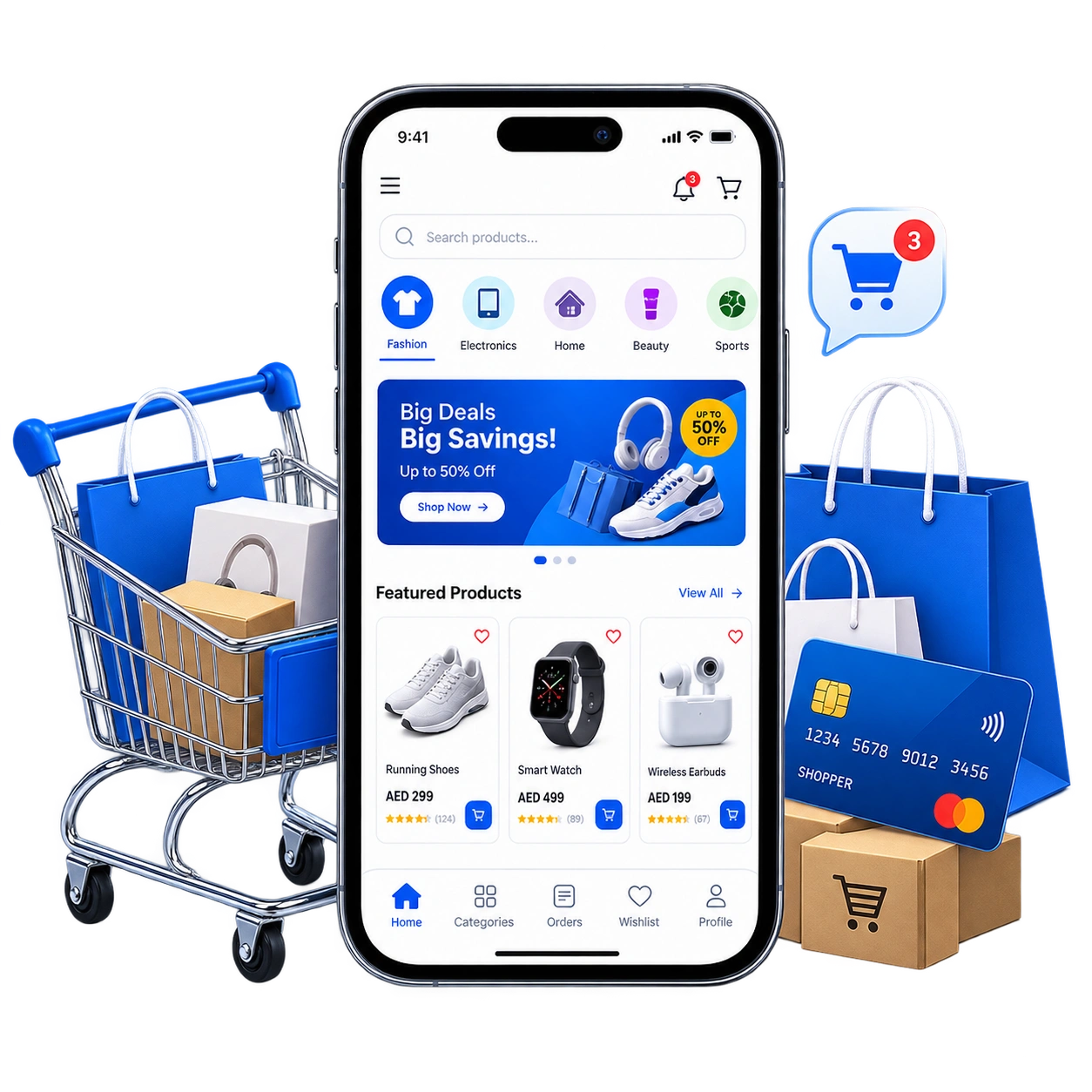
E-commerce Apps
Build powerful e-commerce mobile apps that help retailers and DTC brands create seamless shopping experiences, increase conversions, and strengthen customer retention.
- Product catalogs, search & personalized recommendations
- Secure checkout & payment gateway integration
- Order tracking, push notifications & customer engagement
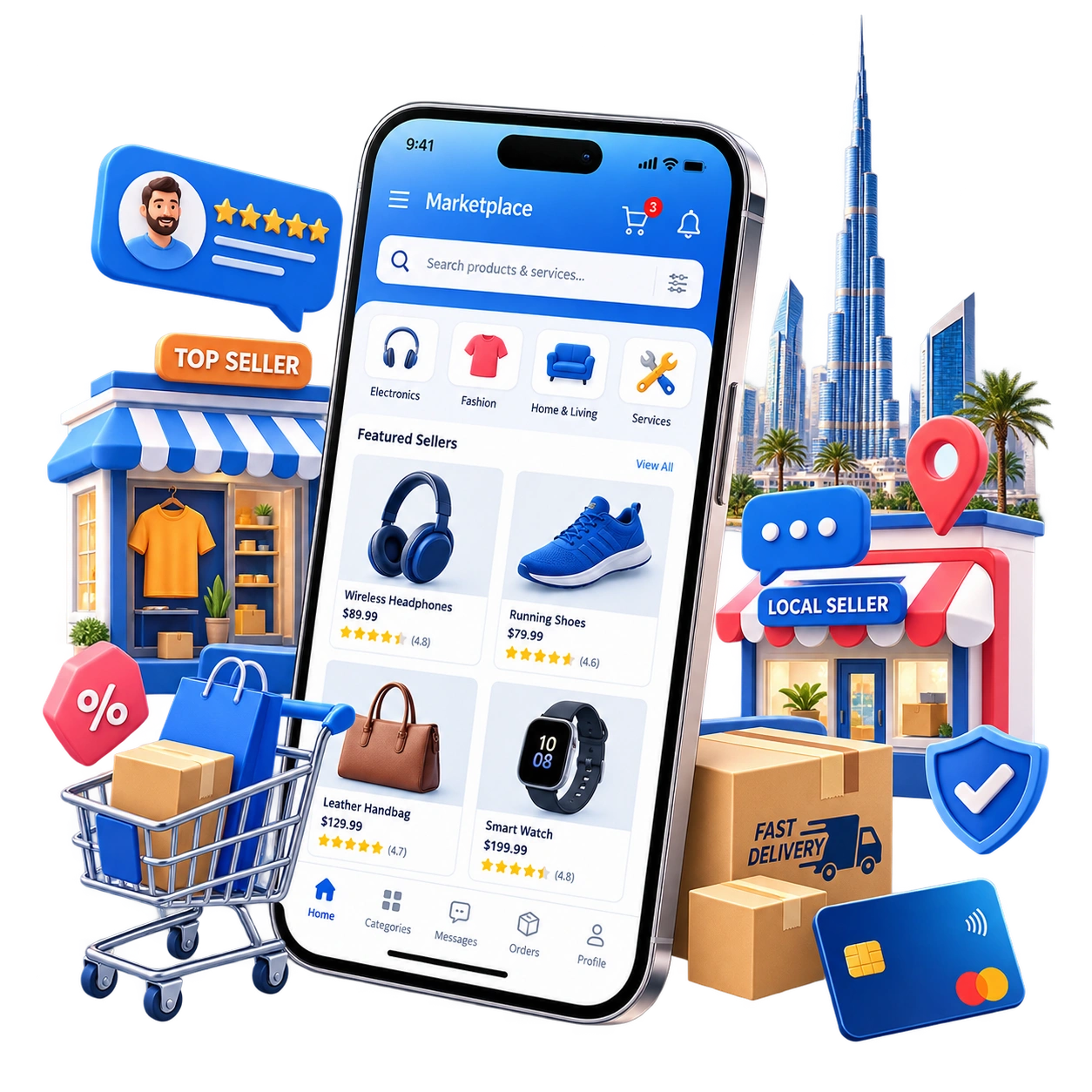
Marketplace Apps
Launch scalable marketplace apps that connect buyers with sellers, service providers, or businesses through intuitive digital experiences.
- Buyer, seller & admin role-based experiences
- Commission, payment & payout management
- Ratings, reviews, messaging & vendor management
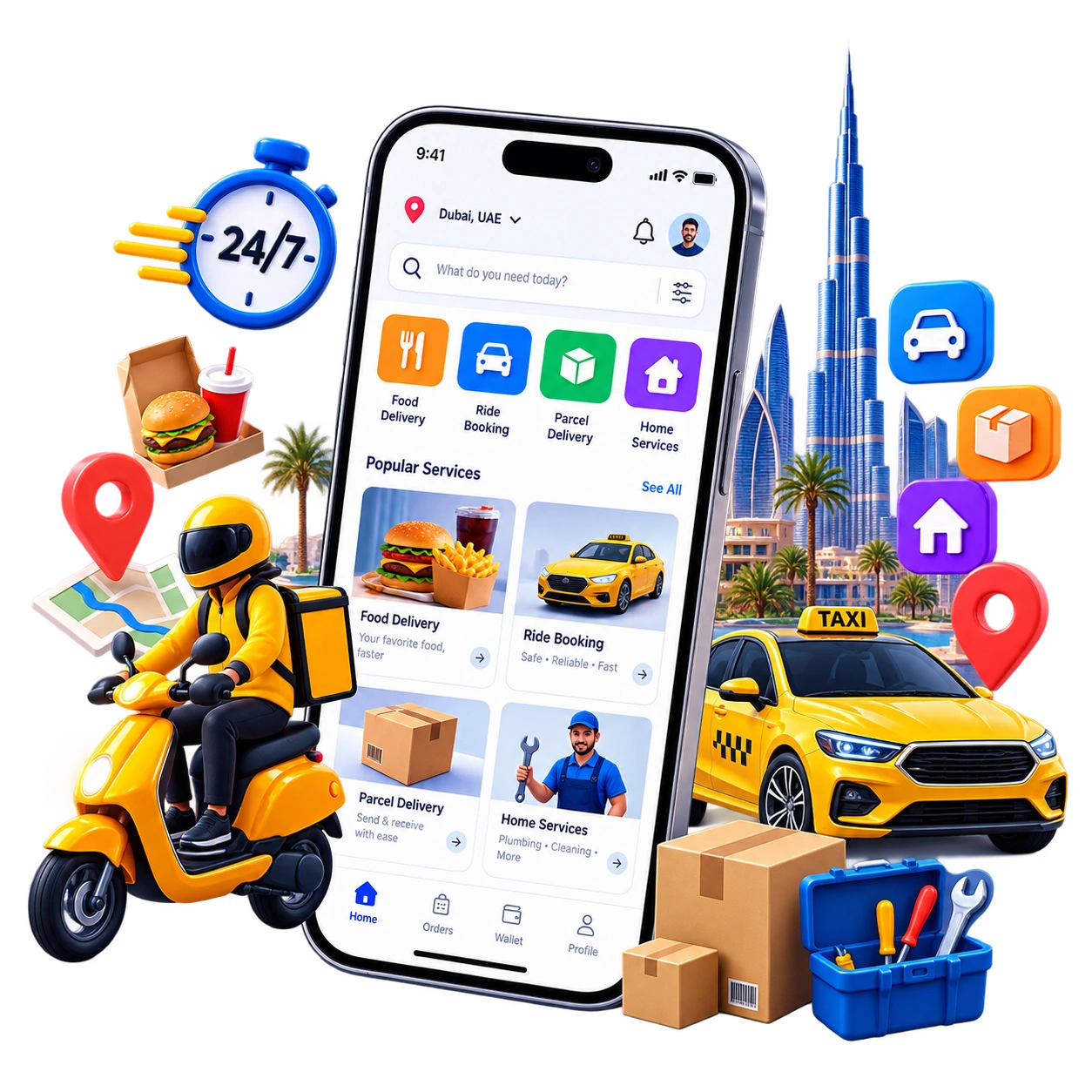
On-Demand Apps
Develop on-demand applications that connect customers with service providers in real time.
- Real-time booking, dispatch & service tracking
- GPS, location services & live status updates
- Automated notifications, payments & scheduling
Healthcare Apps
Create secure healthcare applications that improve communication between patients, providers, and healthcare organizations.
- Appointment booking & telehealth capabilities
- Secure patient records & messaging
- Healthcare system & third-party integrations
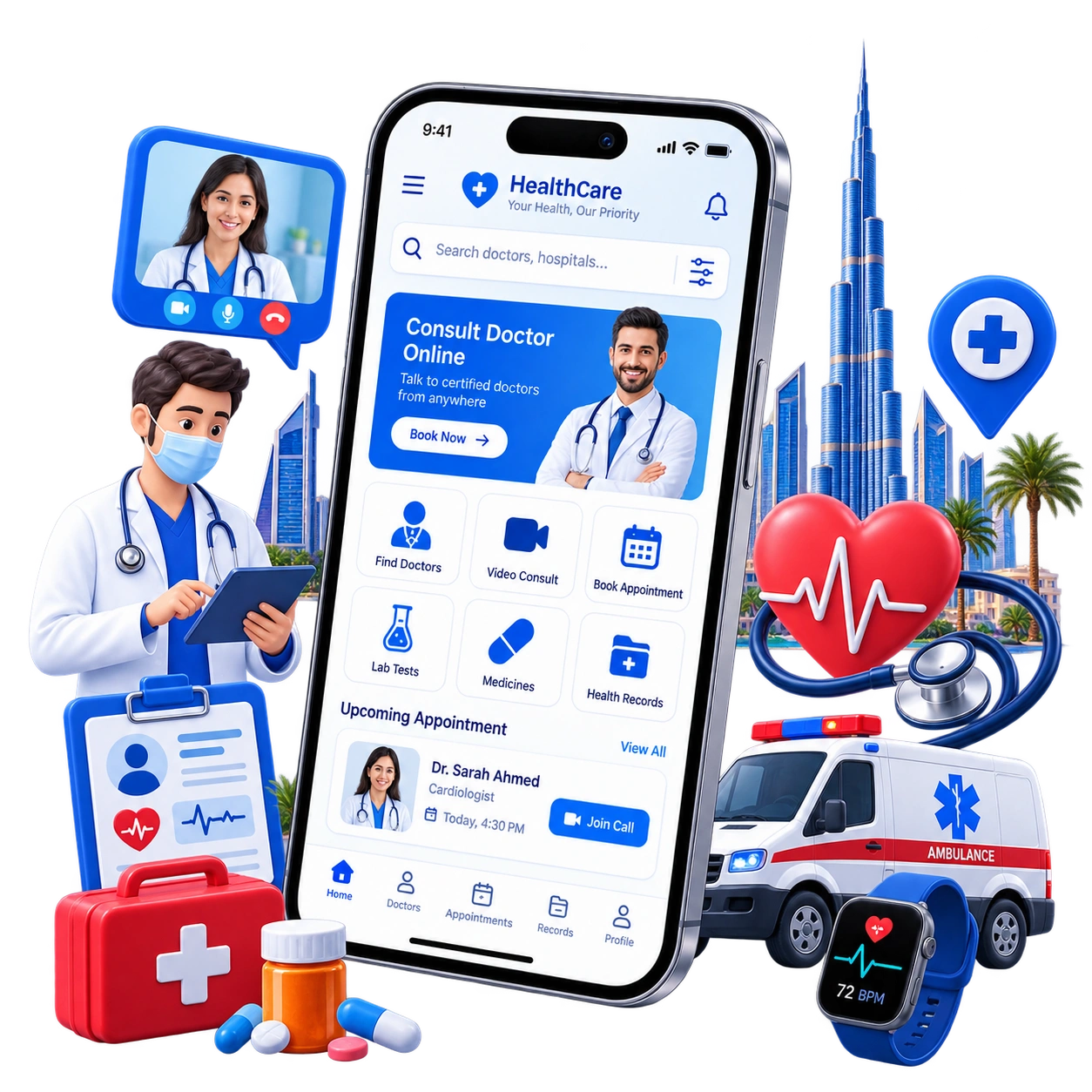
FinTech Apps
Develop secure FinTech applications that simplify digital payments, financial management, and customer transactions.
- Digital wallets, payments & transaction management
- Secure authentication, encryption & fraud monitoring
- Banking, payment gateway & financial API integrations
Logistics Apps
Build intelligent logistics applications that provide real-time visibility across fleets, deliveries, warehouses, and supply chains.
- Fleet tracking & GPS-based monitoring
- Route optimization & delivery management
- Inventory, warehouse & shipment visibility
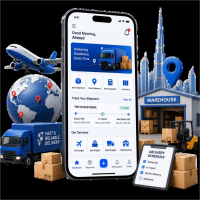
Real Estate Apps
Develop feature-rich real estate apps that make property discovery, lead generation, and customer engagement easier.
- Property listings with images, videos & virtual tours
- Map-based search, filters & saved properties
- Lead capture and CRM integration
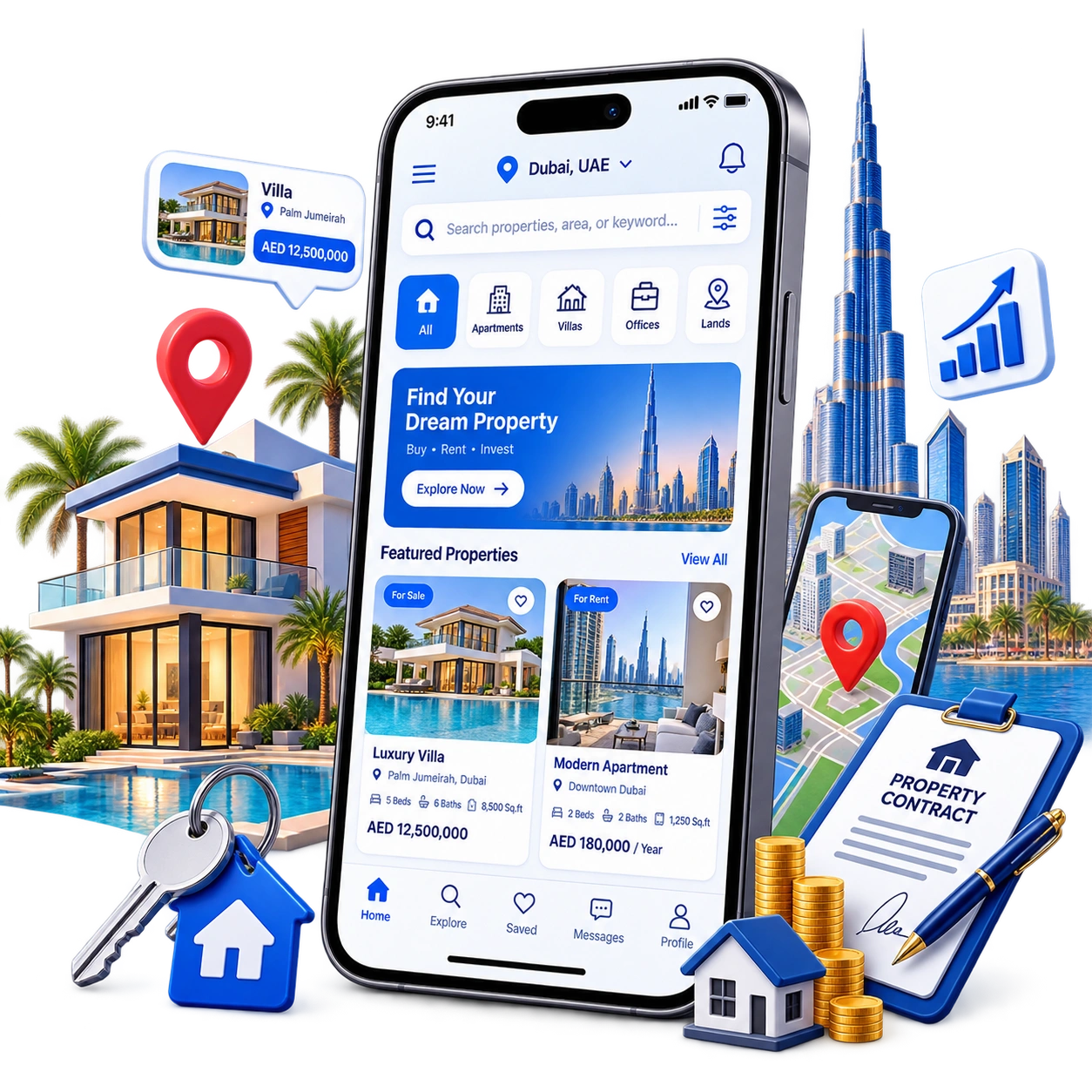
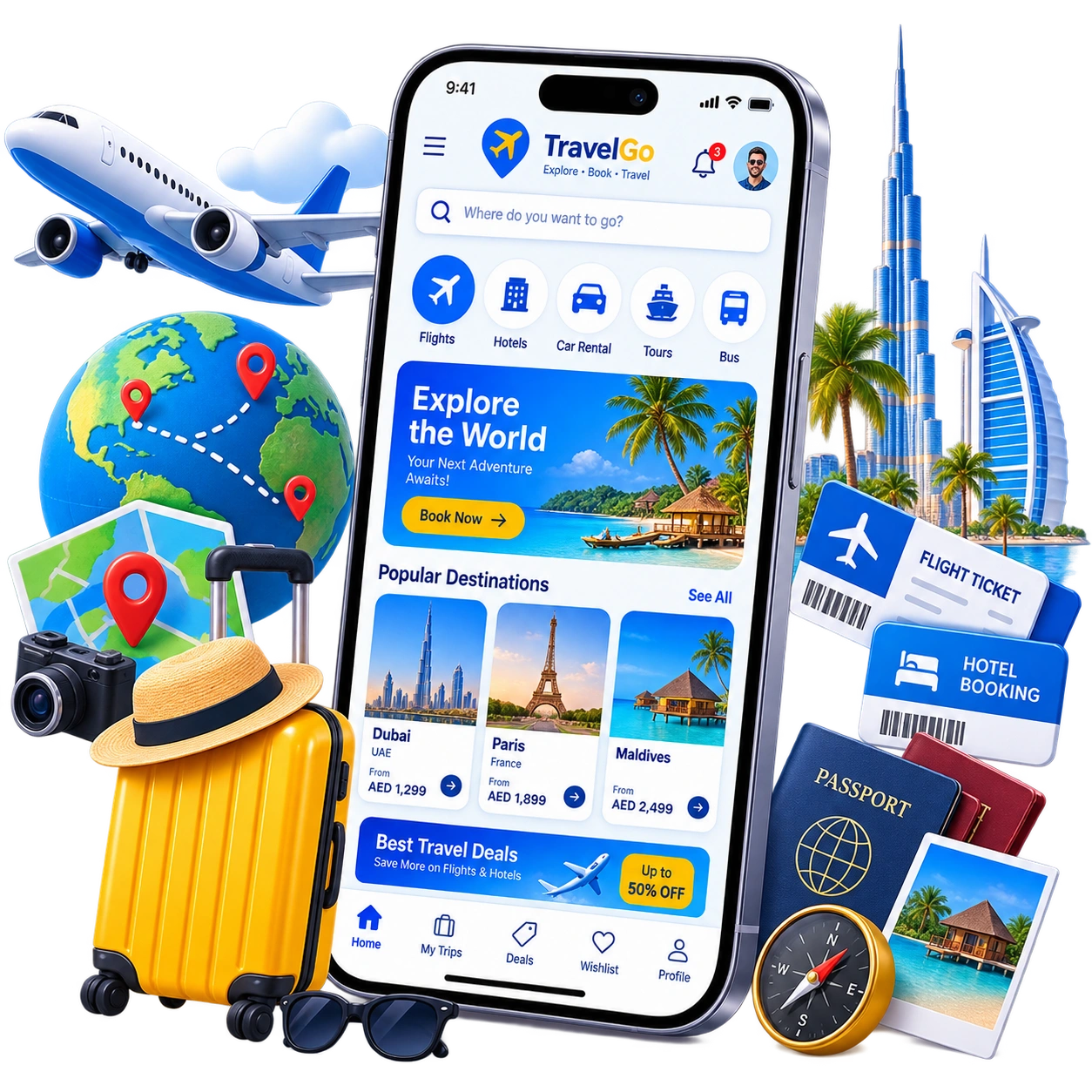
Travel Apps
Create scalable travel applications that simplify discovery, booking, and trip management for modern travelers.
- Flight, hotel & activity booking integration
- Digital itineraries and trip management
- Travel APIs, payments & real-time notifications
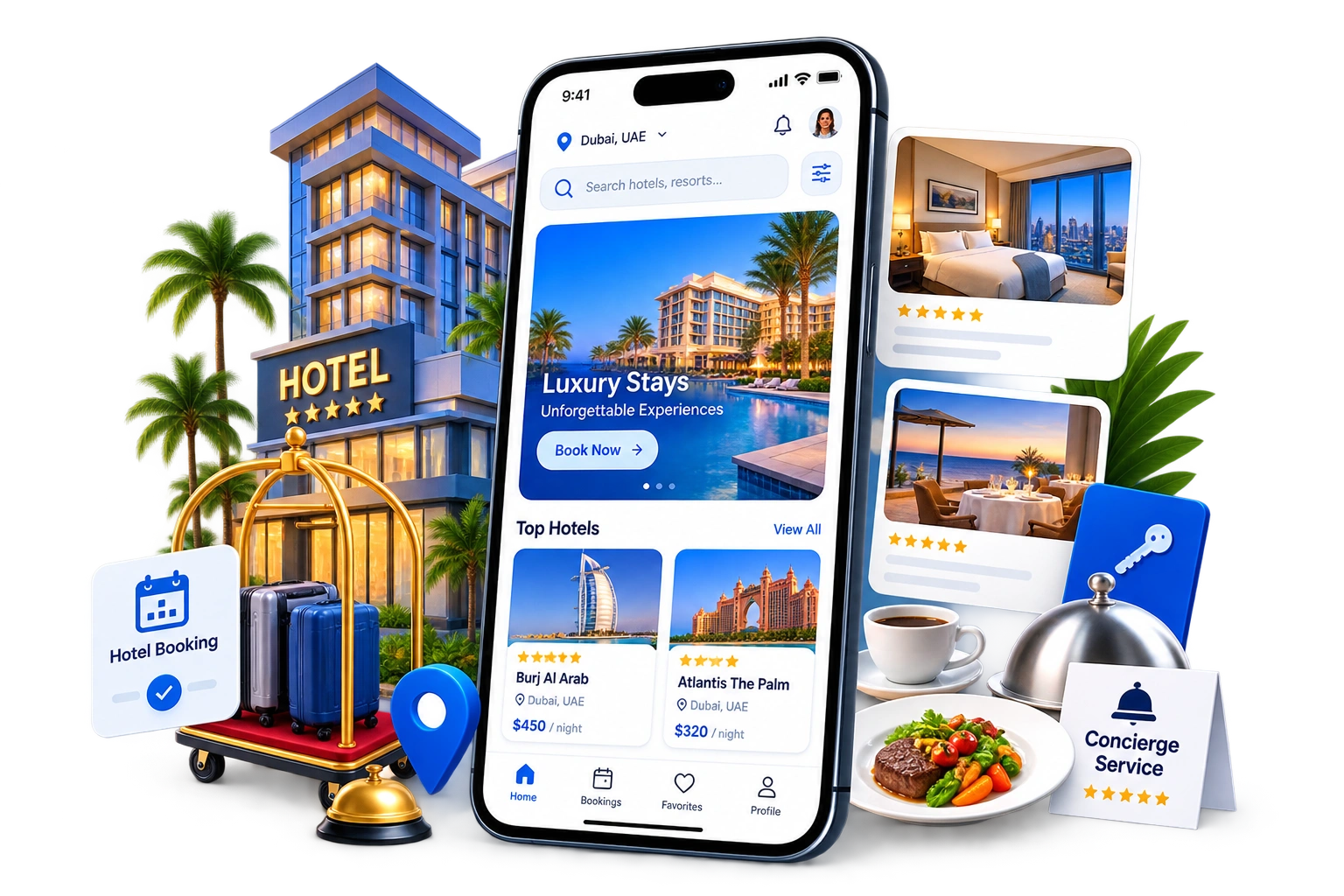
Hospitality Apps
Develop hospitality applications that enhance guest experiences while streamlining operations for hotels, restaurants, and venues.
- Table, room & service reservation management
- Digital menus, room service & guest requests
- Loyalty programs, offers & personalized experiences
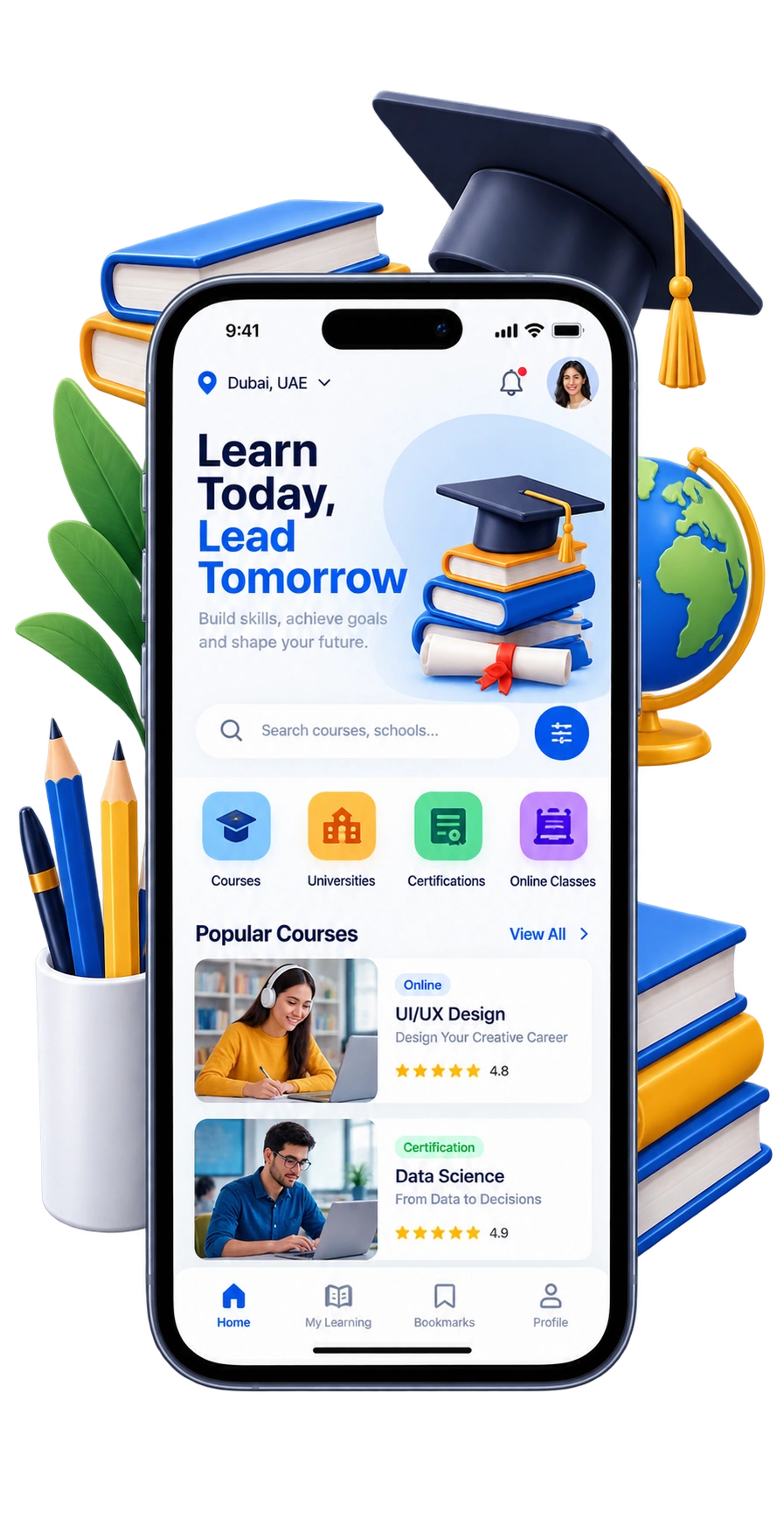
Education Apps
Build engaging education applications that enable institutions, educators, and training providers to deliver learning experiences digitally.
- Course delivery, video lessons & learning materials
- Online assessments, quizzes & progress tracking
- Student, instructor & administrator dashboards
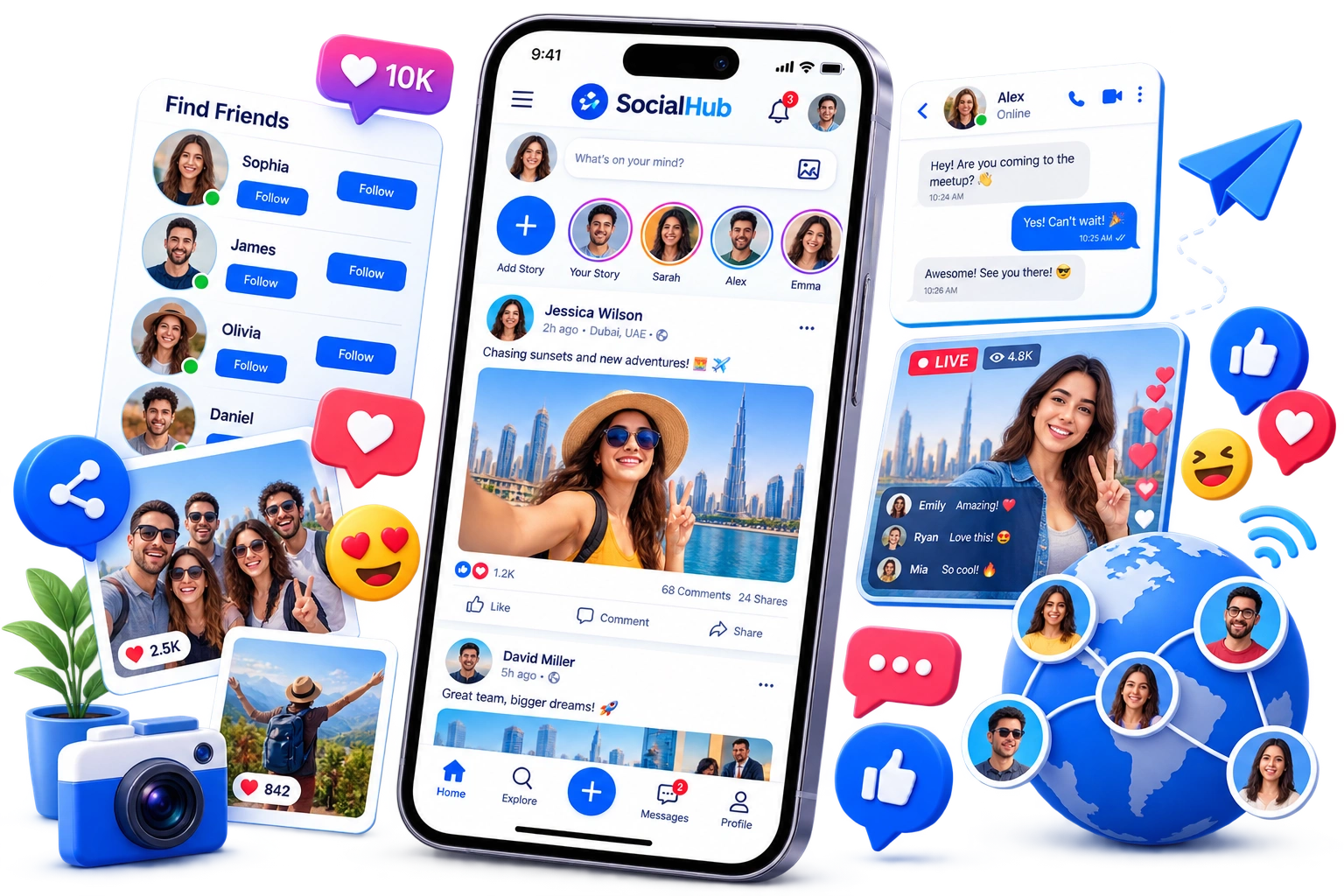
Social Networking Apps
Develop scalable social networking applications designed to foster communities, conversations, and content sharing.
- Personalized feeds, profiles & content sharing
- Real-time messaging, notifications & media uploads
- Moderation, reporting & community management tools
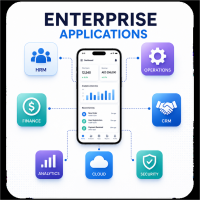
Enterprise Applications
Build customized enterprise applications that streamline internal operations and connect teams, processes, and business systems.
- Workforce, field service & operations management
- ERP, CRM & enterprise system integrations
- Dashboards, workflow automation & business reporting
Custom App Development in Dubai Built Around Your Business
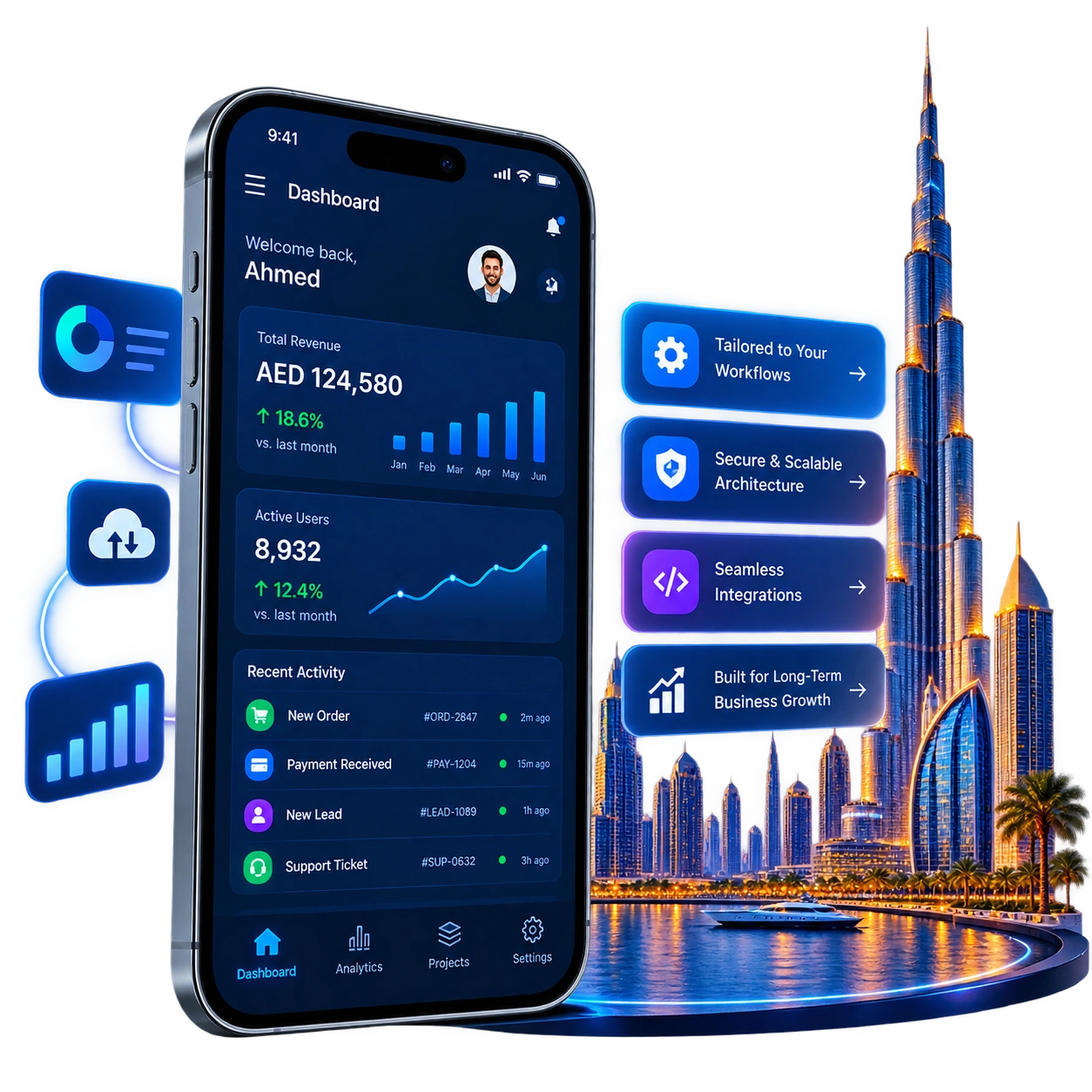
Custom app development in Dubai exists because off-the-shelf software forces your business to adapt to someone else's assumptions about how a workflow should run. A custom build starts from your actual process instead.
- Workflows that don't map cleanly onto a generic SaaS tool
- Feature requirements a template app simply doesn't offer
- A need for UI/UX built around your specific user base, not a generic persona
- Integration requirements with systems you already rely on
- Growth plans that a rigid, one-size-fits-all platform can't accommodate
- Data or IP you need full ownership and control over
When custom development makes sense:
If your core business process is a genuine differentiator, or if you've already outgrown what a template solution can support, a custom build protects that advantage instead of forcing it into a generic mold.
When an off-the-shelf solution may be enough:
If your requirements are standard — basic booking, simple e-commerce, a common internal tool — a configured SaaS product will often get you to market faster and cheaper than a custom build. We'll tell you this directly during scoping if it applies, even though it means a smaller project for us. It's a better outcome for you, and it's the kind of conversation that builds a working relationship past the first contract.
Emerging Technologies We Use in Custom Mobile App Development Services
We combine modern and emerging technologies with custom mobile app development to create intelligent, scalable, secure, and future-ready applications tailored to evolving business requirements.
Artificial Intelligence (AI)
We integrate AI into mobile applications to enable intelligent automation, personalized recommendations, virtual assistants, predictive insights, smart search, and real-time decision-making, helping businesses deliver more engaging and efficient user experiences.
Machine Learning (ML)
Our mobile solutions use machine learning algorithms for predictive analytics, customer behavior analysis, fraud detection, recommendation engines, demand forecasting, and continuous personalization based on real-world user interactions and application data.
Generative AI
We develop mobile applications with generative AI capabilities for intelligent chatbots, content generation, AI copilots, document summarization, knowledge assistants, and conversational experiences that help users complete tasks faster and more naturally.
Internet of Things (IoT)
We connect mobile applications with smart devices, sensors, wearables, vehicles, and connected equipment to enable real-time monitoring, remote control, automated workflows, data collection, and intelligent management of connected business ecosystems.
Blockchain
We leverage blockchain technology to develop secure and transparent mobile solutions supporting decentralized applications, smart contracts, digital identities, secure transactions, asset tracking, and tamper-resistant records across industries requiring enhanced trust and data integrity.
Augmented & Virtual Reality (AR/VR)
We integrate AR/VR technologies into mobile applications to deliver immersive experiences such as virtual product visualization, interactive navigation, virtual tours, simulations, training, education, healthcare, real estate, retail, and marketing applications.
Computer Vision
We implement computer vision technology for image recognition, object detection, facial recognition, visual search, document scanning, quality inspection, and automated image analysis, helping mobile applications understand and process visual information.
Natural Language Processing (NLP)
We use NLP to build voice-enabled applications, intelligent search, sentiment analysis, multilingual experiences, conversational interfaces, and text-processing capabilities that allow mobile apps to understand and respond to human language.
Edge Computing
We implement edge computing for applications that require faster processing and lower latency by analyzing data closer to the source, improving responsiveness for IoT, healthcare, industrial, transportation, and real-time mobile applications.
5G Technology
We optimize mobile applications for 5G networks to support high-speed data transfer, low-latency communication, real-time streaming, connected devices, cloud gaming, AR/VR experiences, and other applications requiring reliable high-performance connectivity.
Cloud Computing
We leverage cloud platforms to provide scalable infrastructure, secure storage, real-time synchronization, cloud-based APIs, serverless functionality, automated backups, and flexible application deployment while supporting growing users, data volumes, and business requirements.
Wearable Technology
We develop mobile applications that integrate with smartwatches, fitness trackers, medical devices, and other wearables to collect real-time data, deliver notifications, monitor activities, and provide personalized experiences across connected digital ecosystems.
Digital Twins
We use digital twin technology to create virtual representations of physical assets, machines, facilities, or processes, enabling businesses to monitor performance, analyze operational data, identify potential issues, and optimize real-world operations.
Voice Technology
We integrate voice recognition and speech technologies into mobile applications to support voice commands, voice search, conversational interfaces, accessibility features, hands-free interactions, and personalized digital assistants that simplify everyday user interactions.
Biometric Authentication
We implement biometric security features such as fingerprint scanning, facial recognition, and device-based authentication to provide secure, convenient, and frictionless access while helping businesses strengthen identity verification and protect sensitive mobile application data.
Our Custom Mobile Apps Features Designed for the Dubai Market
We build mobile apps with features that match the behavior, preferences, and business needs of users in the UAE.
Our Technology Stack for Scalable Mobile App Development
 Swift
Swift SwiftUI
 Kotlin
 Jetpack Compose
 Flutter
 React Native
 Ionic
Ionic Xamarin/.NET MAUI
 React.js
 Next.js
 Angular
 Vue.js
 HTML5
HTML5 CSS3
CSS3 JavaScript
 TypeScript
 Node.js
 Python
 Java
Java Spring Boot
 .NET
.NET PHP
PHP Laravel
 Ruby on Rails
 AWS
AWS Microsoft Azure
 Google Cloud
 DigitalOcean
 IBM Cloud
 MySQL
MySQL PostgreSQL
 MongoDB
 Microsoft SQL Server
 Oracle
 Redis
Redis Firebase Firestore
 DynamoDB
 GraphQLFirebase
 Docker
 Kubernetes
 Jenkins
 GitHub Actions
 GitLab CI/CD
 Terraform
 Ansible
 Selenium
 Appium
 Cypress
 Jest
Jest Postman
 JUnit
JUnit XCTest
 Espresso
 OAuth 2.0
 OpenID Connect
 JWT
JWT Google AnalyticsFirebase Analytics
 Mixpanel
 Amplitude
 Sentry
 Crashlytics
 New RelicFirebase Cloud Messaging
 Apple Push Notification Service
 Twilio
 SendGrid
 OneSignal
 Ethereum
 Polygon
 MQTT
MQTT Bluetooth
No single technology on this list is the automatic right answer for every project. The stack for a given app is decided by business requirements, expected performance, budget, scalability targets, security needs, the systems it has to integrate with, and how fast the business needs to get to market. A stack chosen for the wrong reasons — because it's trendy, or because it's what a previous project used — tends to show up as technical debt within the first year.
Native vs Cross-Platform App Development: Which Is Right for Your Business?
For most business apps — retail, booking, service, internal tools — the shared-codebase approach gets you to market faster without a meaningful trade-off users will notice. For apps that lean heavily on device-specific performance (real-time video processing, complex AR, hardware integration), native development is usually worth the additional cost.
Talk to an App ArchitectOur Mobile App Development Process
Eight phases, one continuous thread — each stage feeds directly into the next, from the first conversation to post-launch growth.
Discovery
We start by understanding the business problem, not the feature list — who the users are, what they're trying to accomplish, and what success looks like six months after launch. You leave this stage with a documented scope, not just a proposal.
Market & Competitor Research
We look at what's already live in your space, where existing apps fall short, and what users are actually complaining about in reviews of competing products. This shapes what we prioritize, not just what we include.
Product Strategy
Features get sequenced against business impact — what needs to ship in v1 versus what can wait. You get a roadmap, not just a backlog.
UI/UX Design
Wireframes and interactive prototypes come before development starts, so you can test the flow with real users or stakeholders before a single line of production code is written.
Architecture & Development
The technical build happens in sprints, with staging builds you can access throughout — not a black box until final delivery.
Quality Assurance
Functional testing, performance testing, and security testing run alongside development, not as a single pass at the end of the project.
Deployment
We manage App Store and Google Play submission, including the review requirements each platform enforces, so launch isn't held up by avoidable rejection issues.
Maintenance & Growth
Post-launch, we track performance, handle OS-level updates, and work with you on the next phase of features based on real usage data.
Secure Mobile App Development for Dubai Businesses
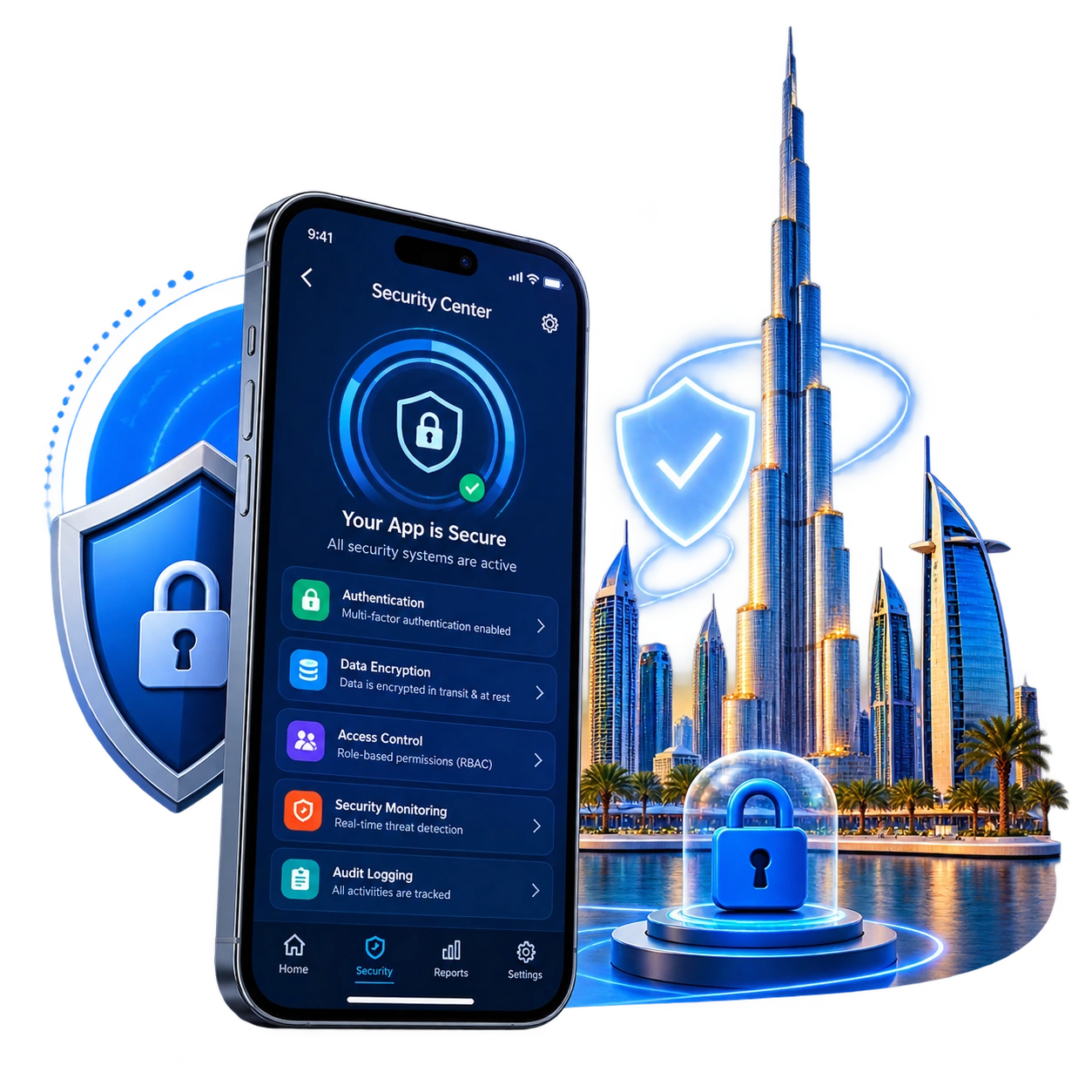
Security is designed into the architecture, not patched on before launch. That includes secure authentication flows, encryption of data at rest and in transit, role-based access control (RBAC), multi-factor authentication (MFA) where appropriate, API security, and secure cloud architecture. Development practices include code-level security review, dedicated security testing alongside functional QA, ongoing monitoring post-launch, and audit logging for apps that need a record of who accessed what and when — particularly relevant for healthcare and FinTech applications.
We don't make certification or regulatory compliance claims beyond what applies to a specific, scoped engagement.
Flexible Mobile App Development Engagement Models
Fixed Price
Best for clearly defined projects with a locked scope — you know what you want built, and want cost certainty going in.
Dedicated Development Team
Best for businesses building a product long-term, where requirements will keep evolving after launch and you want a consistent team that knows the codebase.
Time & Material
Best for projects where requirements are still taking shape, or where the scope is expected to shift as you learn from early users.
App Modernization
Best for existing applications needing an audit-first engagement, where the scope of work depends on what the audit finds before a fixed plan makes sense.
Mobile App Maintenance and Support After Launch
Bug Fixes & Troubleshooting
Resolve functional issues, unexpected app errors, crashes, and technical problems quickly.
Performance Monitoring
Track app speed, stability, crashes, resource usage, and overall performance continuously.
Security Updates
Apply security patches, address vulnerabilities, strengthen protection, and safeguard sensitive user data.
iOS & Android Updates
Keep the app compatible with new OS versions, devices, features, and platform requirements.
Feature Enhancements
Improve and add features based on user feedback, analytics, business goals, and usage data.
API & Third-Party Updates
Update integrations when external platforms, APIs, SDKs, or service providers change their requirements.
Cloud Infrastructure Support
Monitor backend infrastructure, uptime, scalability, resource utilization, and application performance for reliability.
App Store & Play Store Support
Manage updates, submissions, listing changes, reviews, policies, and store requirements efficiently.
Continuous Optimization
Identify performance, compatibility, usability, and technical issues before they negatively impact users.
Mobile Dispatch Applications for Responders
Real-time dispatch, GPS tracking, incident updates, responder communication, and field coordination to help emergency teams respond faster and manage operations efficiently.
Real Business Results Delivered Across the UAE
Explore how SISGAIN Technologies helps organizations accelerate digital transformation through AI, custom software, cloud modernization, and enterprise solutions that deliver measurable business outcomes.
AkosMD
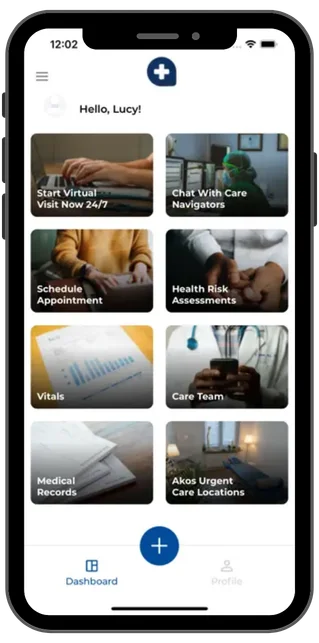
Developed a unified healthcare platform combining EMR, telemedicine, and remote patient monitoring to streamline patient care. Doctors can access real-time medical records, vitals, and treatment history from a centralized database while providing 24/7 telehealth services.
- Centralized Electronic Medical Records (EMR)
- 24/7 video & chat telemedicine consultations
- Real-time patient vitals monitoring
- Secure doctor-patient data access
- Treatment history tracking across visits
HealthNeutron
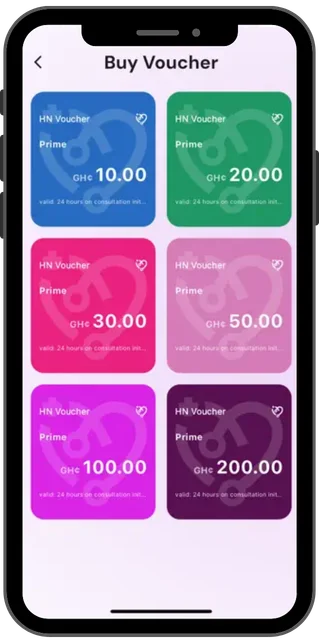
Built a comprehensive digital health platform integrating telemedicine, mobile lab services, and preventive health screening. Patients can consult doctors through video, voice, or chat while also scheduling home lab sample collection.
- Video, voice & chat doctor consultations
- On-demand home lab sample collection
- Preventive health screening programs
- Digital health records management
- Appointment scheduling & reminders
Tawuniya
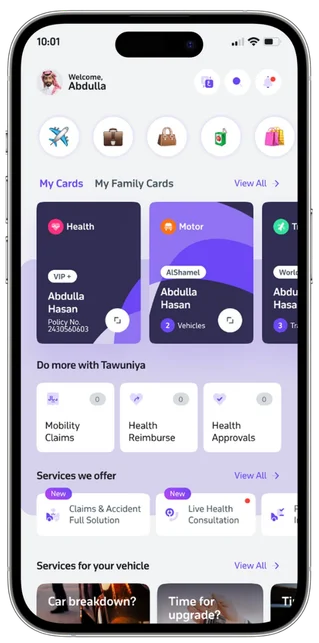
Developed a telemedicine platform integrated with the insurance ecosystem, allowing members to access virtual healthcare directly through their insurance policies while automating claims processing and policy management.
- Insurance-integrated virtual healthcare access
- Automated claims processing workflows
- Policy management dashboard for members
- Direct provider-insurer data sync
- Faster reimbursement turnaround
AvinoHealth
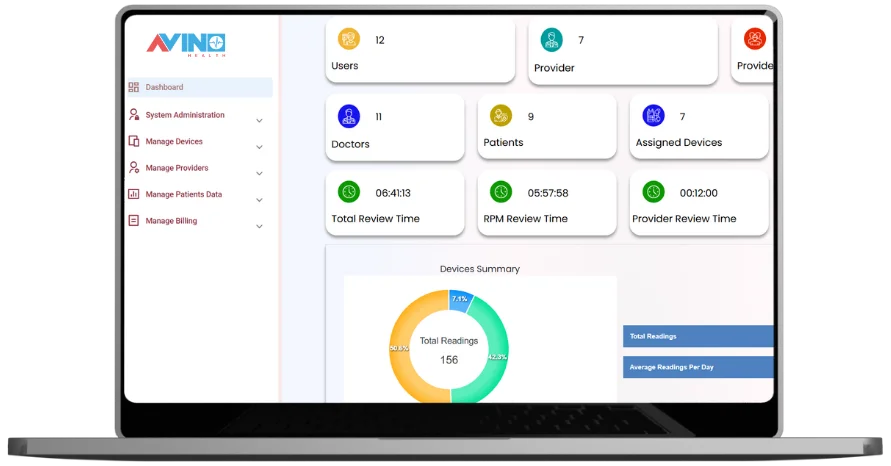
Created a cross-platform Remote Patient Monitoring (RPM) application enabling continuous vitals tracking through cellular-enabled medical devices. Clinicians receive real-time alerts when patient readings cross risk thresholds, enabling faster medical intervention.
- Continuous remote vitals tracking
- Cellular-enabled medical device integration
- Real-time clinician risk alerts
- EHR system synchronization
- Cross-platform mobile & web access
RAK Hospital
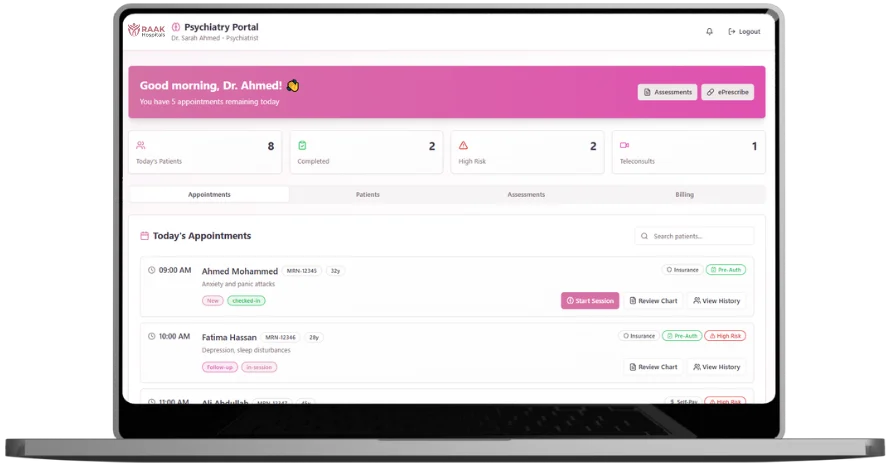
Designed a comprehensive Hospital Information System (HIS) to unify clinical, operational, and administrative workflows across departments. The platform integrates modules for patient records, lab management, pharmacy, billing, scheduling, and inventory.
- Unified clinical & administrative workflows
- Lab, pharmacy & billing module integration
- Centralized patient records system
- AI-powered resource utilization insights
- Department-wide scheduling & inventory
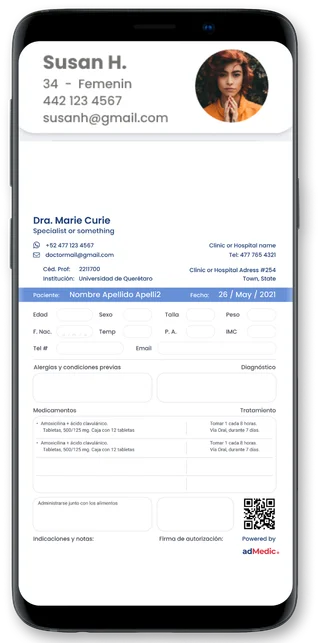
adMedic
Developed an advanced Remote Patient Monitoring platform integrated with OxiTone devices enabling continuous health tracking with automated alerts for abnormal readings.
- OxiTone device integration
- Continuous vitals health tracking
- Automated abnormal reading alerts
- Patient health history dashboard
- Secure cloud-based data storage
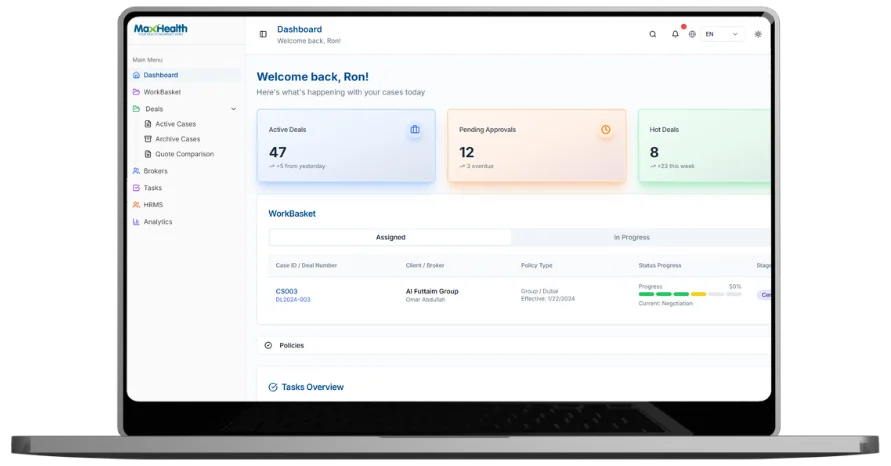
MaxHealth CRM
Built a customized CRM platform to manage business projects, sales pipelines, and client relationships in a centralized system. The solution replaced fragmented spreadsheets with real-time dashboards and automated workflows.
- Centralized sales pipeline management
- Real-time performance dashboards
- Automated lead & proposal tracking
- Client communication logs in one place
- Milestone & project tracking tools
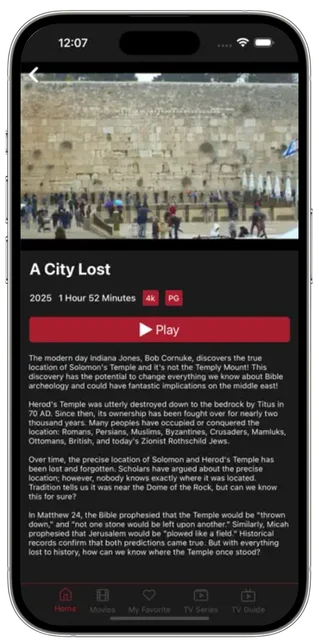
ReDiscover TV
Developed an OTT streaming platform bringing live TV and on-demand content into a single interface supporting Smart TVs, mobile apps, and Android devices.
- Live TV & on-demand content in one app
- Smart TV, mobile & Android support
- Personalized content recommendations
- Multi-device synced viewing experience
- Scalable cloud streaming infrastructure
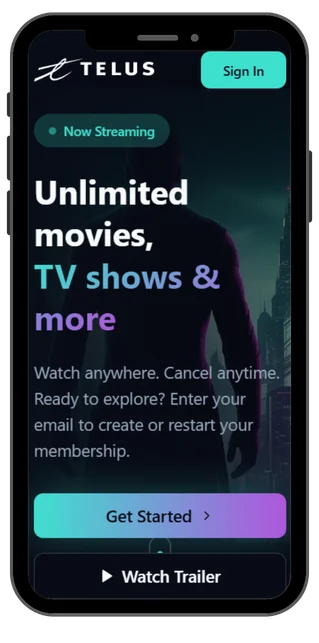
TELUS TV+
Created a scalable OTT platform delivering live TV, on-demand content, and third-party streaming integrations across multiple devices with cloud-based architecture.
- Live TV with on-demand content library
- Third-party streaming app integrations
- Cloud-based scalable architecture
- Cross-device playback continuity
- High-availability content delivery
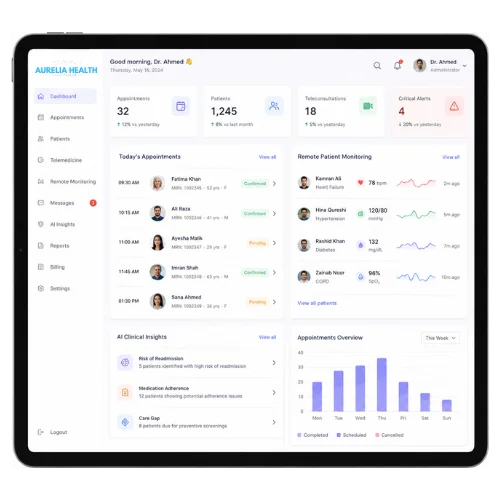
CareCloud
Developed a cloud-native healthcare ecosystem integrating EMR, telemedicine, patient engagement, remote monitoring, and AI-powered clinical insights to improve care coordination and operational efficiency.
- Cloud-native EMR & telemedicine suite
- AI-powered clinical insights engine
- Remote patient monitoring tools
- Improved care coordination workflows
- Patient engagement portal
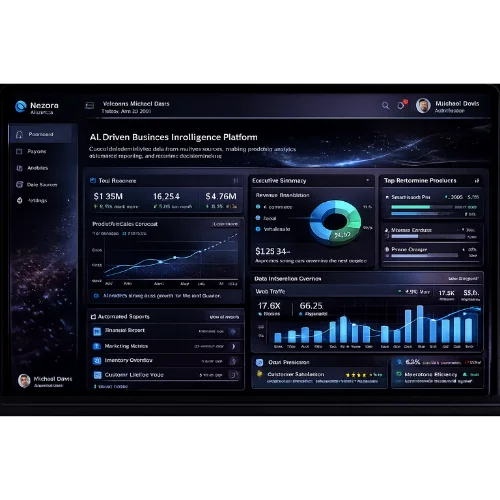
Nexora Analytics
Built an AI-driven business intelligence platform that consolidated enterprise data from multiple sources, enabling predictive analytics, automated reporting, and real-time decision-making across departments.
- Multi-source enterprise data consolidation
- AI-powered predictive analytics
- Automated reporting workflows
- Real-time decision-making dashboards
- Department-wide data visibility
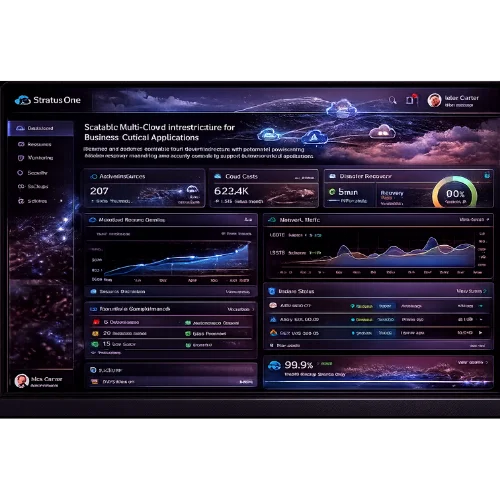
StratusOne
Designed and deployed a scalable multi-cloud infrastructure with automated provisioning, disaster recovery, monitoring, and security controls to support business-critical applications with high availability.
- Multi-cloud scalable infrastructure
- Automated provisioning & deployment
- Disaster recovery & failover systems
- 24/7 infrastructure monitoring
- Enterprise-grade security controls
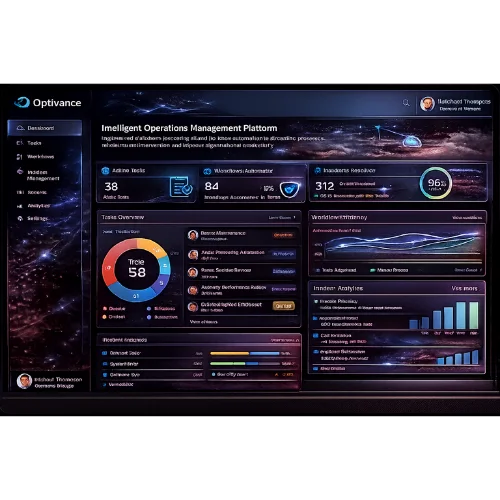
Optivance
Implemented an intelligent operations management platform leveraging AI and workflow automation to streamline processes, reduce manual intervention, and improve organizational productivity.
- AI-powered workflow automation
- Reduced manual process intervention
- Operations performance dashboards
- Cross-team productivity tracking
- Streamlined process management
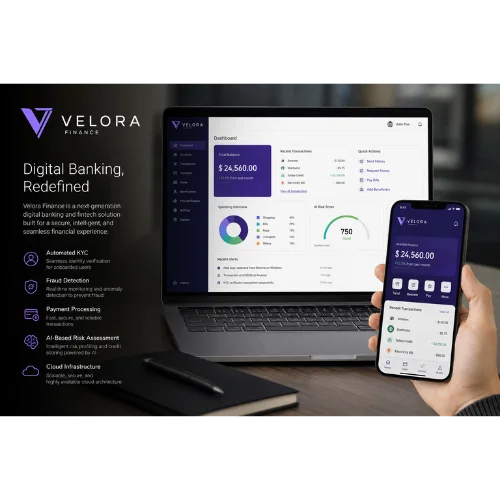
Velora Finance
Developed a secure digital banking and fintech solution featuring automated KYC, fraud detection, payment processing, AI-based risk assessment, and cloud-hosted infrastructure for seamless scalability.
- Automated KYC verification
- AI-based fraud detection engine
- Secure payment processing
- AI-driven risk assessment models
- Cloud-hosted scalable banking infra
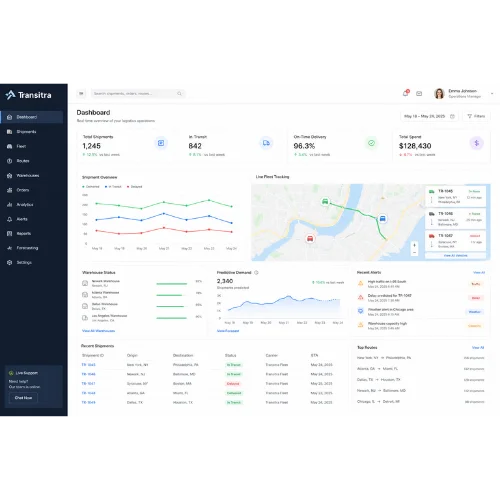
Transitra
Created an end-to-end logistics and supply chain management platform with route optimization, fleet tracking, warehouse automation, predictive demand forecasting, and real-time operational visibility.
- AI-driven route optimization
- Real-time fleet tracking
- Automated warehouse operations
- Predictive demand forecasting
- End-to-end supply chain visibility
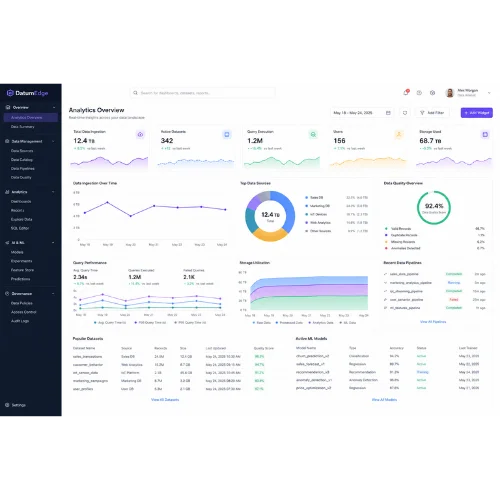
DatumEdge
Implemented a centralized data lake and analytics platform enabling organizations to collect, process, and visualize large-scale business data while supporting AI and machine learning initiatives.
- Centralized enterprise data lake
- Large-scale data processing pipelines
- Interactive data visualization dashboards
- ML & AI model integration support
- Scalable cloud data architecture
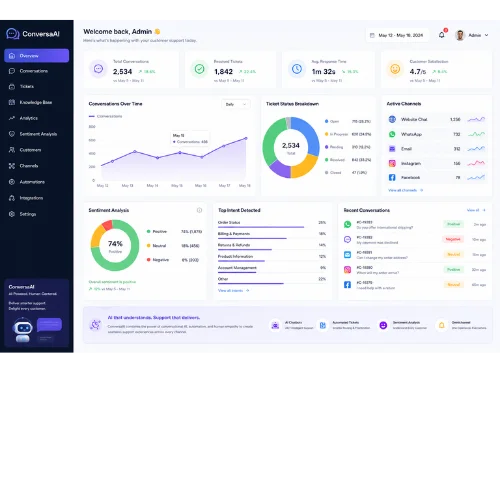
ConversaAI
Created an AI-powered customer support ecosystem featuring conversational chatbots, automated ticket management, sentiment analysis, and omnichannel communication to improve service delivery.
- AI conversational chatbot support
- Automated ticket routing & management
- Real-time sentiment analysis
- Omnichannel customer communication
- Faster service resolution times
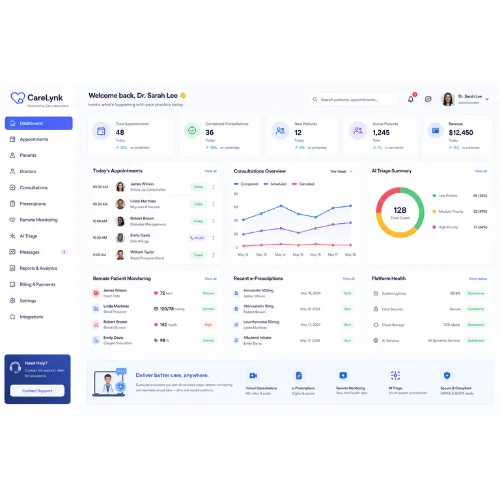
CareLynk
Designed a telehealth platform combining virtual consultations, electronic prescriptions, remote patient monitoring, AI-assisted triage, and secure cloud hosting for healthcare providers.
- Virtual doctor consultations
- Electronic prescription management
- AI-assisted patient triage
- Remote patient monitoring tools
- Secure cloud-hosted infrastructure
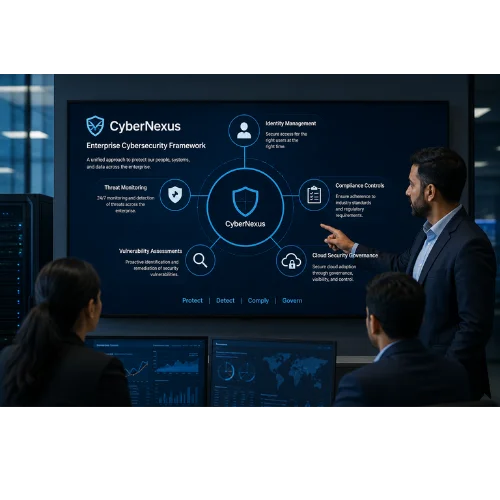
CyberNexus
Established an enterprise cybersecurity framework incorporating identity management, threat monitoring, vulnerability assessments, compliance controls, and cloud security governance.
- Identity & access management
- 24/7 threat monitoring
- Regular vulnerability assessments
- Regulatory compliance controls
- Cloud security governance framework
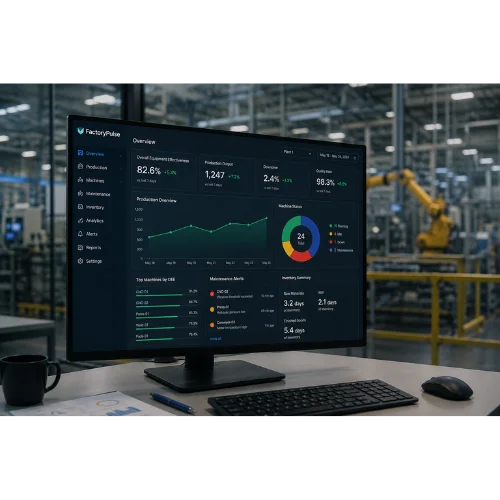
FactoryPulse
Built a smart manufacturing solution integrating IoT devices, production monitoring, predictive maintenance, inventory optimization, and AI-driven operational analytics.
- IoT-connected production monitoring
- Predictive maintenance alerts
- Real-time inventory optimization
- AI-driven operational analytics
- Factory-wide performance dashboard
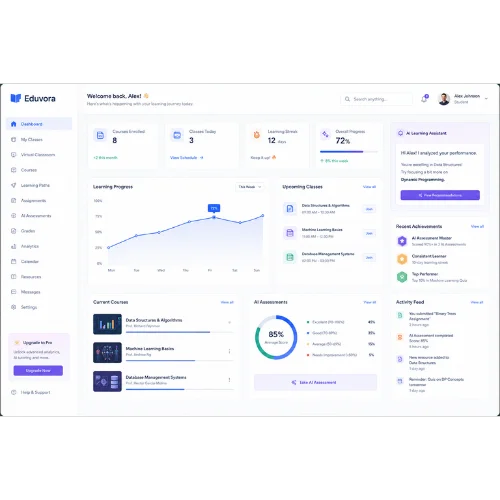
Eduvora
Developed a modern learning platform featuring virtual classrooms, adaptive learning paths, AI-powered assessments, student analytics, and cloud-based content delivery.
- Live virtual classroom sessions
- Adaptive personalized learning paths
- AI-powered student assessments
- Detailed student performance analytics
- Cloud-based content delivery
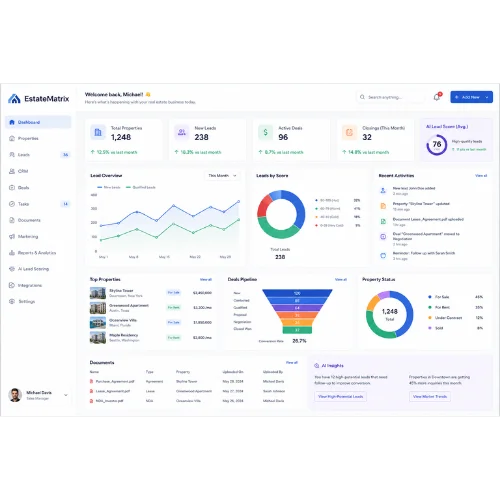
EstateMatrix
Created a real estate management ecosystem supporting property listings, CRM, document management, AI-powered lead scoring, and analytics for enhanced sales performance.
- Centralized property listings management
- Built-in CRM for sales teams
- AI-powered lead scoring
- Digital document management
- Sales performance analytics
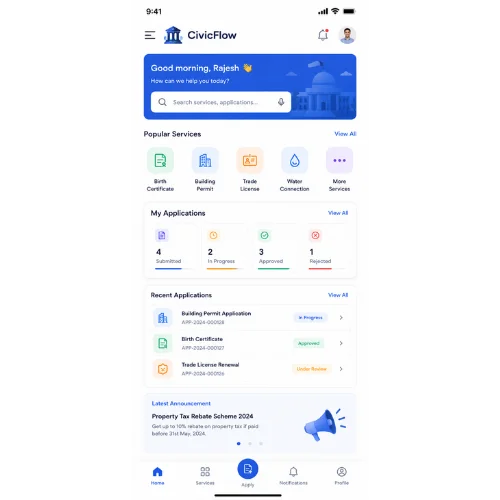
CivicFlow
Implemented a digital transformation platform for public sector organizations, streamlining citizen services, workflow automation, document management, and cloud-based governance systems.
- Streamlined citizen service delivery
- Government workflow automation
- Digital document management
- Cloud-based governance systems
- Improved public sector transparency

PipelineX
Established a CI/CD-driven DevOps framework with automated testing, containerization, Kubernetes orchestration, infrastructure as code, and cloud deployment pipelines for faster software releases.
- Automated CI/CD pipelines
- Containerization & Kubernetes orchestration
- Infrastructure as code (IaC) setup
- Automated testing frameworks
- Faster, reliable software releases
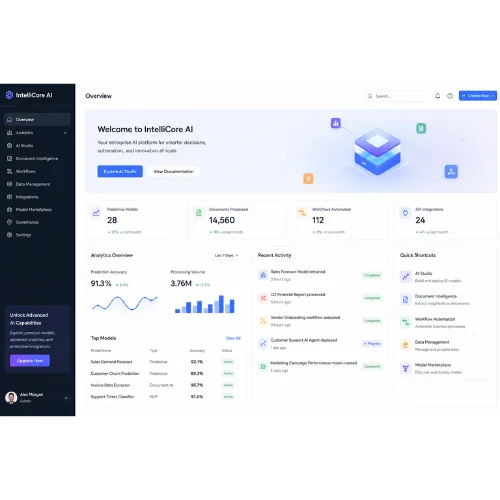
IntelliCore AI
Developed an enterprise AI platform enabling predictive analytics, generative AI integrations, intelligent document processing, and workflow automation across business functions.
- Predictive analytics engine
- Generative AI integrations
- Intelligent document processing
- Cross-functional workflow automation
- Enterprise-wide AI adoption support
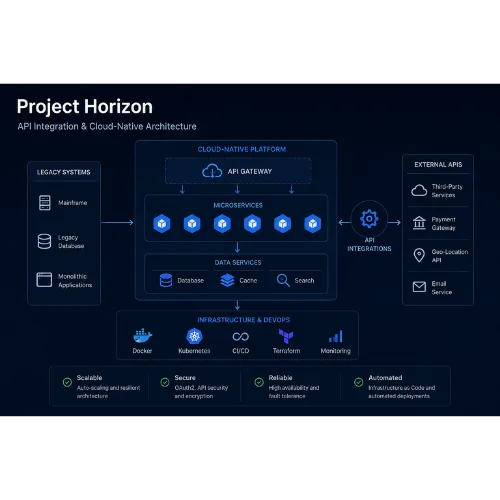
Project Horizon
Transformed legacy systems into scalable cloud-native applications using microservices architecture, API integrations, containerized deployments, and automated infrastructure management.
- Legacy to cloud-native migration
- Microservices architecture design
- Seamless API integrations
- Containerized application deployments
- Automated infrastructure management
Why Work With a Mobile App Development Company in Dubai?
Working with a dubai app development company rather than an offshore-only team has practical advantages for UAE-based businesses: overlapping working hours make daily collaboration and stakeholder reviews easier to schedule, local market context means fewer explanations needed about how UAE customers use apps day to day, and Arabic/English requirements are handled as a default expectation rather than a special request. Regional integration needs — local payment providers, mapping data, GCC-specific business systems — are also more familiar to a team that's delivered them before.
This isn't a claim that Dubai-based development is inherently superior on a technical level — a strong remote team can build excellent software. It's a statement about collaboration friction: fewer time-zone gaps, fewer context gaps, and a partner who's dealt with the specific operational realities of running a business in this market, including for teams planning eventual expansion across the GCC.
Have an App Idea? Let's Turn It Into a Scalable Product.
Whether you're starting from a blank page or trying to fix an app that's stopped serving your business, SISGAIN can help with product discovery, technical planning, UX/UI design, development, AI integration, testing, deployment, and ongoing maintenance — as a single accountable partner instead of five different vendors.
No-obligation consultation | NDA available | Custom roadmap
Frequently Asked Questions About Mobile App Development in Dubai
SISGAIN Technologies brings 17+ years of experience in software and mobile app development, delivering custom digital solutions for businesses across healthcare, fintech, retail, logistics, hospitality, and other industries.
We work with startups, SMEs, enterprises, healthcare organizations, retailers, financial businesses, logistics companies, and other organizations looking for scalable mobile application development in Dubai.
A Dubai-based development partner offers better understanding of the UAE market, local business expectations, regulatory considerations, customer behavior, and regional technology requirements, along with easier communication and collaboration.
Yes. Our custom app development services are tailored around your business model, users, workflows, integrations, security requirements, and growth objectives rather than relying solely on pre-built templates.
Yes. As an AI app development company in Dubai, we integrate technologies such as machine learning, generative AI, NLP, computer vision, predictive analytics, and AI-powered automation into mobile applications where they provide measurable business value.
Yes. Our engagement models can support MVP development for startups as well as complex enterprise applications requiring multiple integrations, advanced security, cloud infrastructure, analytics, and long-term support.
Depending on the project, the team can include business analysts, UI/UX designers, mobile developers, backend developers, AI engineers, QA specialists, DevOps engineers, project managers, and technical architects.
Yes. Businesses can engage dedicated developers or complete cross-functional teams based on project requirements, technical complexity, duration, and preferred level of involvement.
Common models include fixed-price development, time-and-material engagement, and dedicated development teams. The appropriate model depends on project scope, flexibility, timeline, and budget.
Yes. Our developers can work as an extension of your internal team, collaborating with product managers, IT teams, designers, and other technology partners.
For larger or ongoing engagements, a dedicated project manager can coordinate requirements, development, testing, communication, milestones, and stakeholder updates.
Yes. Team capacity can be increased or reduced based on development phases, new features, integrations, testing requirements, and post-launch priorities.
We typically use an Agile development approach, allowing requirements to be divided into manageable sprints with regular reviews, testing, feedback, and incremental releases.
The process generally covers discovery and requirements, business analysis, UI/UX design, architecture, development, API integration, QA testing, deployment, analytics setup, and ongoing optimization.
Clients can participate in requirement discussions, design reviews, sprint demonstrations, milestone approvals, testing, and product feedback to ensure the final application aligns with business objectives.
Communication frequency can be structured around your project requirements, with regular sprint updates, progress demonstrations, milestone reports, meetings, and issue tracking.
Yes. Agile development makes it easier to accommodate evolving requirements. Changes are assessed for their impact on scope, timeline, resources, and cost before implementation.
Yes. A Dubai app development company can work with businesses across Dubai, Abu Dhabi, Sharjah, and other UAE markets, using remote collaboration and structured communication processes.
Our technology stack can include Swift, Kotlin, Flutter, React Native, React, Node.js, Python, Java, .NET, AWS, Microsoft Azure, Google Cloud, MySQL, PostgreSQL, and MongoDB, depending on project requirements.
Yes. We develop native applications using technologies such as Swift for iOS and Kotlin for Android, when platform-specific performance and capabilities are required.
Yes. Technologies such as Flutter and React Native can be used to develop applications for both iOS and Android while reducing duplicated development effort where appropriate.
Yes. Mobile applications can be integrated with payment gateways, CRM and ERP platforms, healthcare systems, cloud services, maps, authentication systems, IoT platforms, analytics tools, and other third-party APIs.
Yes. Application architecture can be designed around scalability, performance, modularity, API-driven development, cloud infrastructure, database optimization, caching, monitoring, and future feature expansion.
Yes. AI capabilities can be integrated through machine learning models, generative AI, NLP, computer vision, recommendation engines, predictive analytics, intelligent search, and AI-powered virtual assistants.
Security can be incorporated across application architecture, APIs, authentication, authorization, encryption, databases, cloud infrastructure, logging, monitoring, and access controls.
Ownership and intellectual property rights can be defined contractually, including source code, application assets, documentation, databases, and other project deliverables.
Yes. Application security can be designed around the nature of the business, data sensitivity, infrastructure requirements, and applicable UAE and industry-specific regulatory considerations.
Yes. For healthcare projects, security and compliance requirements can be incorporated into application architecture, access controls, audit mechanisms, encryption, and data handling processes where HIPAA compliance is applicable.
Depending on the application, security measures can include secure authentication, role-based access control, token-based authorization, encrypted communication, API validation, rate limiting, and secure session management.
Data access can be restricted according to project requirements, with appropriate authentication, permissions, secure environments, and contractual controls designed to protect sensitive business and user information.
Yes. UI/UX design can cover user research, information architecture, wireframes, prototypes, visual design, usability considerations, design systems, and responsive mobile experiences.
We consider factors such as target audience, local user expectations, multilingual requirements, mobile behavior, accessibility, payment preferences, business workflows, and industry-specific needs.
Yes. Applications can be designed for multilingual experiences, including Arabic and English interfaces, with appropriate support for right-to-left layouts.
Yes. Analytics can be incorporated to track user acquisition, engagement, conversion events, retention, feature usage, funnels, and other product KPIs.
Yes. Product discovery and business analysis can help prioritize features based on user needs, business objectives, technical feasibility, market opportunities, and expected ROI.
Yes. An MVP can validate the core business concept with essential functionality before investing in advanced features and a larger production release.
Testing can include functional testing, integration testing, API testing, usability testing, regression testing, performance testing, security testing, and device compatibility testing.
Yes. Testing can cover different operating systems, screen sizes, device configurations, and hardware capabilities to identify compatibility issues before launch.
Yes. Security testing can identify vulnerabilities involving authentication, authorization, APIs, data handling, storage, communication, and other application components.
Performance and load testing can evaluate application responsiveness, backend capacity, database performance, API response times, and infrastructure behavior under different usage conditions.
Yes. UAT allows stakeholders to validate business workflows and core functionality against agreed requirements before production deployment.
Yes. Post-launch support can include bug resolution, performance improvements, compatibility updates, security patches, and application enhancements according to the agreed support terms.
Development time depends on functionality, platform, integrations, UI/UX complexity, security requirements, and testing scope. A simple MVP may take a few months, while complex enterprise applications can require significantly longer.
Typical milestones include discovery, technical architecture, UI/UX approval, MVP or feature development, integration, QA, user acceptance testing, deployment, and post-launch stabilization.
Yes. Once requirements and scope are sufficiently defined, we can establish a development roadmap with estimated milestones, deliverables, dependencies, and target release dates.
Delays are assessed based on their root cause, such as changing requirements, third-party dependencies, technical issues, or approval delays. The team can then revise priorities and the delivery plan accordingly.
Yes. This approach can help businesses enter the market faster, gather user feedback, validate demand, and progressively introduce advanced functionality.
Yes. The development team can support the technical preparation and deployment process for relevant iOS and Android app stores, subject to the respective platform requirements.
Mobile app development costs vary based on platform, features, UI/UX complexity, integrations, AI capabilities, backend requirements, security, testing, and ongoing support. A detailed estimate is provided after understanding project requirements.
Major cost factors include the number of platforms, features, development hours, third-party integrations, custom UI/UX, backend architecture, AI functionality, security requirements, testing scope, and post-launch support.
Yes. Fixed-price engagements can be suitable when requirements, deliverables, milestones, and scope are clearly defined before development begins.
Time-and-material engagement is useful for projects where requirements are expected to evolve, new features may be added regularly, or the product is being developed iteratively.
Yes. Businesses can initially focus on essential features and expand the application based on market validation, customer feedback, business growth, and available investment.
Depending on the engagement, pricing can cover business analysis, UI/UX design, mobile development, backend development, API integrations, QA testing, deployment support, project management, and agreed post-launch services.
Yes. Post-launch maintenance can include bug fixing, security updates, OS compatibility updates, performance optimization, monitoring, and ongoing feature enhancements.
Yes. An existing application can first undergo a technical assessment covering source code, architecture, APIs, dependencies, security, performance, and infrastructure before maintenance or further development begins.
Yes. Application maintenance can include compatibility updates required because of changes to mobile operating systems, SDKs, APIs, libraries, and device environments.
Yes. Our team can continue as a long-term technology partner, adding new functionality, integrations, AI capabilities, analytics, and performance improvements as your product evolves.
Yes. Support arrangements can be structured according to application criticality, response requirements, business hours, maintenance scope, and SLA expectations.
With 17+ years of technology experience, SISGAIN Technologies can support businesses beyond initial development through application modernization, cloud integration, AI capabilities, maintenance, security improvements, and continuous product enhancement.