
The rapid growth of digital transformation has made mobile applications an essential part of modern business strategies. From startups to large enterprises, companies across industries are investing in mobile apps to improve customer engagement, streamline operations, and expand their market reach. As the UAE continues to emerge as a global hub for innovation and technology, the demand for high-quality mobile applications is increasing rapidly.
However, choosing the right development partner can be a challenging task. With many companies offering app development services, businesses must carefully evaluate their options to ensure they select a team with the right technical expertise, industry experience, and development approach. The success of a mobile application largely depends on the capabilities of the development company behind it.
In this guide, we will explore the key factors businesses should consider when selecting the best mobile app development company in the UAE, helping you make an informed decision that supports long-term digital growth and business success.
Guide to Hiring the Best Mobile App Developers in UAE
However, building a successful mobile application is far more complex than simply turning an idea into code. It requires a deep understanding of user experience design, scalable architecture, performance optimization, and robust security practices. This is where selecting the right mobile app development company becomes crucial. The right partner not only develops the application but also helps businesses plan a long-term digital product that can evolve with changing market demands and user expectations.
Many organizations invest in professional mobile app development services because they provide access to experienced developers, designers, and technology specialists who understand the complete product lifecycle. These experts guide businesses through critical stages such as requirement analysis, UI/UX design, development, testing, deployment, and post-launch support. When businesses decide to hire mobile app developers, they are essentially investing in technical expertise that ensures the application performs reliably, remains secure, and delivers a seamless user experience.
Despite the growing demand for mobile applications, choosing the right development partner remains a major challenge. With hundreds of companies offering similar services, decision-makers often struggle to evaluate technical capabilities, pricing models, project management approaches, and long-term support offerings. Selecting the wrong partner can lead to missed deadlines, budget overruns, poor application performance, or even project failure.
From industry experience, one common mistake many startups make is underestimating the complexity of mobile application architecture, scalability planning, and security implementation. Without proper technical planning, apps can quickly become difficult to maintain, scale, or secure as user demand grows. Working with an experienced mobile app development company ensures that your application is built on a solid foundation that prioritizes performance, scalability, and long-term reliability.
In this guide, we will explore how businesses can evaluate development partners, understand key hiring criteria, and make informed decisions when selecting a mobile app development company for their next digital product.
Why Businesses Rely on Mobile App Development Services
Growing Global Mobile App Economy
The global mobile ecosystem has experienced remarkable growth in recent years. Smartphones have become an essential part of everyday life, enabling users to shop online, manage finances, access healthcare services, book transportation, and communicate instantly. As a result, mobile applications are no longer optional for businesses—they are a primary channel for customer engagement and service delivery.
Industry reports consistently show strong growth in mobile app usage and revenue generation. Millions of applications are available across major app stores, and businesses continue to launch new apps to reach wider audiences. From consumer-focused applications to enterprise productivity tools, mobile platforms are transforming how organizations operate and compete in the digital marketplace.
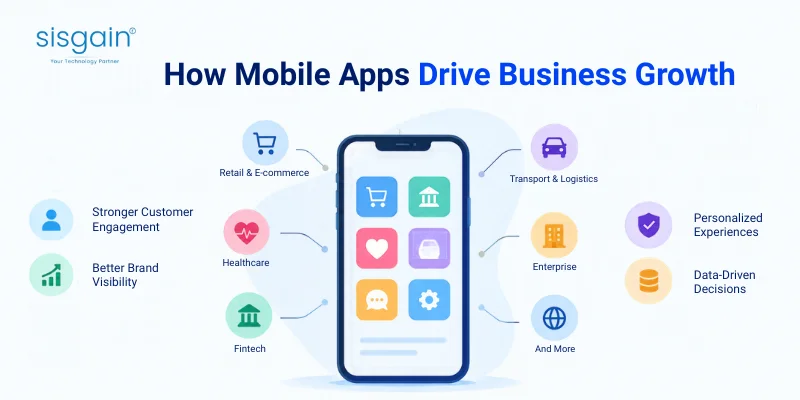
For businesses, mobile apps offer several advantages, including direct customer communication, personalized user experiences, improved brand visibility, and access to valuable user data. These benefits explain why companies across industries are investing heavily in professional mobile app development services to create innovative and scalable digital solutions.
Digital Transformation Across Industries
Mobile technology has played a central role in digital transformation across many sectors. Organizations are leveraging mobile apps to improve operational efficiency, enhance customer engagement, and deliver new services in ways that were previously impossible.
For example, fintech companies use mobile apps to provide secure digital payments, investment tools, and banking services directly on smartphones. In healthcare, mobile applications enable telemedicine consultations, remote patient monitoring, and health data management. E-commerce businesses rely on mobile apps to create seamless shopping experiences, personalized recommendations, and faster checkout processes. Similarly, logistics companies use mobile platforms to track shipments, optimize routes, and improve supply chain transparency.
This widespread adoption highlights the importance of working with an experienced mobile app development partner that understands the technical and industry-specific requirements of modern digital products. Businesses looking for scalable digital solutions often work with a Mobile App Development Company in Dubai that can align technology investments with long-term growth objectives.
Benefits of Hiring a Professional Mobile App Development Company
Partnering with a specialized development firm offers significant advantages compared to building an in-house team or relying solely on freelancers. Professional development companies bring together multidisciplinary teams that include software engineers, UI/UX designers, quality assurance specialists, and project managers who collaborate throughout the entire development lifecycle.
One major benefit is access to experienced developers who understand modern programming languages, frameworks, and mobile platforms. These experts design applications using scalable architecture, ensuring that the product can handle increasing user traffic and feature expansion over time. Additionally, strong UI/UX design practices help create intuitive interfaces that improve user engagement and retention.
Another advantage is the ability to integrate advanced technologies such as artificial intelligence, cloud computing, and cross-platform development frameworks. As customer expectations continue to evolve, many organizations are investing in AI-Powered Mobile App Development to deliver personalized user experiences, intelligent automation, predictive analytics, and smarter business workflows. Many businesses prefer partnering with a premium mobile app development company that can manage complex technical requirements while maintaining high standards of security, performance, and reliability.
Ultimately, professional mobile app development services provide businesses with the expertise, infrastructure, and strategic guidance required to transform an app idea into a successful digital product that delivers long-term value.
Custom Mobile App Development vs Off-the-Shelf Apps
Businesses today rely heavily on mobile applications to improve customer engagement, streamline operations, and stay competitive in an increasingly digital marketplace. When planning a mobile application, companies typically face an important decision: whether to use an off-the-shelf solution or invest in custom mobile app development. While ready-made applications may offer a quick start, many organizations prefer customized solutions that align closely with their long-term business goals.
What Is Custom Mobile App Development?
Custom mobile app development refers to the process of designing and building an application specifically tailored to a company’s unique requirements. Unlike generic apps that serve a broad audience, custom applications are developed with particular workflows, business models, and user expectations in mind. Professional mobile app development services typically analyze business needs, user behavior, and future scalability before building a tailored mobile solution.
For example, an e-commerce brand may require a personalized shopping experience, while a healthcare provider might need secure patient data management and compliance with strict privacy regulations. Custom development ensures the application supports these unique needs without unnecessary limitations.
Advantages of Custom Mobile Applications
One of the biggest reasons businesses invest in custom mobile app development is scalability. As companies grow, their digital products must evolve to handle larger user bases, additional features, and increased data processing. Custom apps are built with flexible architecture, allowing developers to expand functionality without rebuilding the entire system.
Personalization is another key advantage. Custom applications allow businesses to design user experiences that match their brand identity and target audience preferences. From intuitive navigation to personalized recommendations, these tailored features help increase user engagement and retention.
Integration with existing business systems is also much easier with custom solutions. Many organizations use tools such as CRM platforms, ERP systems, payment gateways, or analytics software. Custom apps can be seamlessly connected with these platforms, improving workflow efficiency and ensuring consistent data across the organization.
Additionally, custom applications help businesses achieve competitive differentiation. In crowded markets where many companies offer similar services, a unique mobile experience can significantly influence user loyalty. Custom features, innovative UI/UX design, and advanced functionality help brands stand out from competitors using generic applications.
When Businesses Should Choose Custom Development
Organizations should consider custom mobile app development when they require specialized features, strong data security, or deep integration with internal systems. Businesses evaluating long-term digital transformation initiatives often compare different Mobile App Development Solutions before selecting a development approach that supports scalability, performance, and future technology integration. Businesses that plan to scale quickly or introduce advanced technologies such as AI, real-time analytics, automation, or Artificial Intelligence Apps also benefit greatly from custom solutions.
Companies building Android applications for global audiences often collaborate with an experienced android app development company in UAE to develop scalable, secure, and high-performance apps tailored to their operational needs. By integrating modern technologies like artificial intelligence apps, businesses can deliver smarter user experiences and create more efficient digital platforms.
How to Find App Developers for Your Startup
Launching a startup often requires building digital products quickly while managing limited resources. For many founders, understanding how to find app developers for your startup becomes one of the most critical early decisions. The right development team can transform a startup idea into a successful product, while the wrong choice can lead to delays, budget overruns, and technical challenges.
Challenges Startups Face
Startups frequently encounter several obstacles when searching for the right development partner. One of the most common challenges is a limited budget. Early-stage companies must carefully manage their finances, which can make it difficult to decide whether to build an internal team or hire mobile app developers externally.
Another challenge is the lack of technical expertise. Many startup founders come from business or marketing backgrounds and may not have deep knowledge of software architecture, frameworks, or development methodologies. Without technical guidance, it becomes harder to evaluate the capabilities of different developers.
Time-to-market pressure also plays a major role. Startups often need to launch a minimum viable product (MVP) quickly to test their concept, attract investors, or enter the market before competitors. Delays in development can affect growth opportunities and funding prospects.
Where to Find Reliable App Developers
There are several places where startups can search for skilled developers. Development agencies are one of the most reliable options because they provide experienced teams, structured workflows, and end-to-end mobile app development services. Agencies usually include UI/UX designers, developers, testers, and project managers who collaborate to deliver a complete product.
Tech marketplaces and freelance platforms are another option for finding developers. These platforms allow startups to hire specialists for short-term tasks or specific technical roles. However, managing freelancers may require additional coordination and project oversight.
Startup communities, networking events, and industry referrals can also help founders connect with trusted development professionals. Recommendations from other entrepreneurs often lead to more reliable partnerships.
Why Startups Should Work With an Agency Instead of Freelancers
Although freelancers may appear cost-effective at first, startups often benefit more from working with an experienced development company. Agencies provide structured project management, quality assurance processes, and long-term support that individual freelancers may not always offer. This level of organization helps startups launch products faster while maintaining high technical standards.
Many founders searching for the best Mobile App Development Companies for startups prioritize partners who understand product scalability, user-focused design, and rapid development cycles. Agencies typically have the experience required to guide startups through product planning, development, and post-launch improvements.
Startup founders looking for insights into modern frameworks and multi-platform development strategies often explore guidance from mobile cross platform development experts in uae to understand how cross-platform technologies can reduce development costs and accelerate time-to-market for emerging products.

10 Expert Tips to Choose Mobile App Developers
Selecting the right team to build your application is one of the most critical decisions a business can make in its digital journey. The success of a mobile product depends not only on the idea but also on the capabilities of the people developing it. A skilled mobile app development company can transform a concept into a scalable product that attracts users, delivers excellent performance, and drives business growth. On the other hand, choosing the wrong partner may lead to delays, security risks, and significant financial losses.
Businesses today rely heavily on mobile applications for customer engagement, service delivery, and operational efficiency. Because of this growing reliance, organizations must carefully evaluate developers before deciding to hire mobile app developers for their project. From technical expertise and development processes to security practices and long-term support, multiple factors determine whether a development team is the right fit for your requirements.
Below are ten expert tips that can help you identify the best mobile app development company and ensure your project is handled by professionals who understand both technology and business goals.
Evaluate the Experience of the Mobile App Development Company
Experience is one of the most reliable indicators of a development company’s ability to deliver successful projects. When evaluating a mobile app development company, consider how long they have been working in the industry and the types of projects they have completed over the years. Experienced development teams have typically encountered a wide variety of technical challenges, allowing them to anticipate potential issues and solve them efficiently.
A company with several years of experience often has well-established workflows, skilled developers, and proven project management strategies. This experience helps ensure that your application is built with proper architecture, scalability, and performance optimization in mind. For businesses investing in custom mobile app development, these factors are especially important because the application must align closely with specific operational requirements.
Another advantage of working with experienced developers is their ability to provide strategic guidance. Instead of simply executing instructions, seasoned professionals can suggest improvements in design, technology selection, and feature prioritization. Their insights can significantly enhance the final product and reduce development risks.
When researching potential partners, review their years of operation, industry specialization, and team structure. A reputable company will also be transparent about its development methodology and previous achievements. Choosing an experienced partner ensures that your project benefits from both technical expertise and practical industry knowledge.
Analyze the Company’s Portfolio and Case Studies
A company’s portfolio is one of the most valuable resources for evaluating its capabilities. By reviewing past projects, you can gain insights into the company’s design quality, technical complexity, and ability to deliver solutions across different industries. A strong portfolio demonstrates that the development team has successfully handled projects similar to your own.
Look for diversity in the applications they have built. For example, if the company has developed apps for industries such as healthcare, fintech, e-commerce, or logistics, it shows their ability to adapt to various business environments. Each industry has unique requirements, including compliance standards, data handling processes, and user experience expectations.
Case studies are even more informative because they often explain the challenges faced during development and the solutions implemented by the team. These insights reveal how the developers approach problem-solving and innovation. When assessing portfolios, consider factors such as app performance, user interface design, and feature integration.
If possible, download and test some of the apps listed in the portfolio. This allows you to evaluate their usability, responsiveness, and overall functionality. A company that consistently delivers well-designed applications with smooth performance is more likely to provide reliable mobile app development services for your project.
Understand Their App Development Process
A clearly defined app development process is essential for building a successful mobile application. Companies that follow a structured development lifecycle can manage projects more efficiently, maintain transparency, and deliver higher-quality products.
The development process typically begins with a discovery phase, during which the team analyzes business objectives, user needs, and technical requirements. This stage helps define the project scope and ensures that all stakeholders have a clear understanding of the final product.
Next comes the design phase, where UX and UI specialists create wireframes and interactive prototypes. This stage focuses on creating an intuitive user experience and visually appealing interface. Once the design is approved, developers begin coding the application while adhering to best practices for performance and scalability.
Testing is another critical component of the app development process. Quality assurance teams conduct functional testing, usability testing, and performance testing to ensure the application works flawlessly across devices and operating systems. Finally, the application is deployed to app stores, followed by ongoing monitoring and updates.
When choosing a development partner, ask detailed questions about their workflow. A well-defined development process not only ensures better project management but also helps maintain consistency and quality throughout the entire lifecycle of the application.
Assess Technical Expertise and Technology Stack
The technologies used during development play a significant role in determining the performance and scalability of your mobile application. When selecting developers, it is important to evaluate their expertise in modern programming languages, frameworks, and development tools.
For example, cross-platform frameworks such as Flutter and React Native allow developers to create applications that run on both Android and iOS using a single codebase. These technologies can significantly reduce development time and cost while maintaining high performance.
For native app development, developers often use Kotlin for Android applications and Swift for iOS applications. These programming languages are widely recognized for their reliability, security, and ability to deliver high-performance mobile experiences.
Businesses seeking scalable solutions often partner with providers offering mobile cross platform development services in uae to build applications that work seamlessly across Android and iOS platforms. This approach enables companies to reach a broader audience while maintaining consistent functionality across devices.
When evaluating technical expertise, consider whether the company stays updated with emerging technologies and industry trends. A development team that continuously improves its skills and adopts modern tools is more likely to deliver innovative and future-ready applications.
Review Their Mobile App Security Practices
Security is a critical consideration when developing mobile applications, especially when they handle sensitive user data such as personal information, payment details, or health records. Strong mobile app security practices protect both the business and its users from cyber threats and data breaches.
One of the most important security measures is data encryption. Encryption ensures that sensitive information is protected during transmission and storage, preventing unauthorized access. Modern encryption protocols help safeguard user data and maintain trust between the business and its customers.
Authentication mechanisms also play a key role in security. Secure login systems such as multi-factor authentication and biometric verification add additional layers of protection. These systems reduce the risk of unauthorized account access and enhance the overall security of the application.
Compliance with industry regulations is another essential factor. Depending on the industry, applications may need to meet specific compliance standards such as GDPR, HIPAA, or PCI DSS. A reliable development partner will be familiar with these regulations and implement security practices that meet legal requirements.
By prioritizing strong security measures during development, businesses can reduce risks and ensure that their application remains trustworthy and resilient against potential threats.
Understand Pricing and Mobile App Development Cost
Budget considerations are a key factor when choosing a development partner. The mobile app development cost can vary significantly depending on the complexity of the application, the number of features, and the technologies involved.
Basic applications with limited functionality may require a smaller budget, while advanced applications with complex integrations, custom designs, and sophisticated features may require a larger investment. Other factors influencing development cost include the platform (Android, iOS, or both), development timeline, and third-party integrations.
When evaluating pricing, businesses should request a detailed cost breakdown from the development company. This breakdown should include design costs, development hours, testing expenses, and maintenance fees. Transparent pricing helps avoid unexpected charges during the project.
While it may be tempting to choose the lowest price, businesses should prioritize quality and reliability. A slightly higher investment in a skilled mobile app development company often results in better performance, stronger security, and long-term scalability, which ultimately provides a higher return on investment.
Check Client Reviews and Industry Reputation
Client feedback is an excellent way to assess the credibility of a development company. Reviews from previous clients provide insights into the company’s professionalism, reliability, and ability to deliver successful projects.
Platforms such as Clutch and GoodFirms collect verified reviews and ratings from businesses that have worked with development agencies. These platforms allow potential clients to evaluate companies based on factors such as project quality, communication, and adherence to deadlines.
When reading reviews, look for consistent patterns in feedback. Positive reviews that mention strong communication, technical expertise, and timely delivery are good indicators of a trustworthy partner. On the other hand, repeated complaints about delays or poor support may signal potential problems.
In addition to online reviews, consider checking industry awards, certifications, and partnerships. Recognition from reputable organizations often indicates that the company maintains high standards in development and customer service.
Evaluate Communication and Project Transparency
Effective communication is essential for successful collaboration between a business and its development team. Clear communication ensures that project requirements, design decisions, and technical changes are understood by everyone involved.
A professional development company will maintain regular communication throughout the project. This may include weekly progress meetings, milestone updates, and access to project management tools where clients can track development progress.
Transparency is equally important. Businesses should have visibility into the development timeline, feature implementation, and potential challenges. Transparent processes build trust and help prevent misunderstandings during the project lifecycle.
Before finalizing a development partner, discuss their communication methods and reporting structure. Companies that prioritize open communication and transparency are more likely to deliver projects that align closely with business expectations.
Assess Post-Launch Support and Maintenance
Launching an application is only the beginning of its lifecycle. After deployment, the application requires continuous monitoring, updates, and maintenance to remain functional and secure. This makes post-launch support an essential factor when choosing developers.
A reliable mobile app development company will provide maintenance services such as bug fixes, performance optimization, and compatibility updates for new operating system versions. These updates ensure that the application continues to perform well as technology evolves.
Post-launch support may also include feature enhancements based on user feedback. As users interact with the app, businesses often identify opportunities for improvement or additional functionality. Having a dedicated support team ensures these improvements can be implemented efficiently.
Businesses should clarify the maintenance terms before starting the project. Understanding the scope of support services helps ensure that the application remains stable and competitive long after its initial release.
Ensure Clear Project Timelines
Timely delivery is another critical factor when choosing developers. A clear and realistic project timeline ensures that the application is launched according to business objectives and market opportunities.
Professional development teams typically divide projects into milestones, each representing a specific stage of development. These milestones allow both the client and the development team to track progress and ensure that the project stays on schedule.
A well-planned timeline also accounts for testing, revisions, and potential technical challenges. Companies that rush development without adequate testing often release applications with performance issues or bugs, which can damage user trust.
When discussing timelines with a development partner, ask for a detailed project schedule and milestone plan. This approach ensures that expectations are clearly defined and that the development process remains organized from start to finish.
By carefully considering these ten factors, businesses can confidently select a reliable development partner and ensure their mobile application project is built for long-term success. A strategic approach to choosing developers not only improves product quality but also maximizes the return on investment for mobile app initiatives.
Understanding the Complete App Development Process
Building a successful mobile application requires a structured and well-managed app development process. Whether a company is launching a startup product or expanding an existing digital service, following a systematic development lifecycle helps ensure better quality, scalability, and long-term performance. Professional providers offering mobile app development services typically follow a proven workflow that transforms an idea into a fully functional and market-ready mobile application. Businesses looking to launch scalable digital platforms are increasingly exploring On-Demand App Development Solutions in Dubai, which allow companies to build customized applications tailored to evolving market needs and user expectations.
Below are the key stages involved in a complete mobile app development lifecycle.
1. Discovery and Planning
The first phase of the app development process focuses on understanding the project requirements and defining the overall product strategy. During this stage, development teams work closely with stakeholders to analyze business goals, target users, and expected app functionality.
Important activities in this stage include:
- Defining the app concept and objectives
- Identifying target users and market opportunities
- Conducting competitor research
- Selecting the appropriate technology stack
- Creating a product roadmap
A well-planned discovery phase reduces development risks and ensures that the project moves forward with clear technical and business goals.
2. UI/UX Design
Once the strategy is defined, designers begin working on the user interface (UI) and user experience (UX) of the application. This stage focuses on creating intuitive and engaging designs that provide a seamless experience for users.
Design activities typically include:
- Wireframing the app structure
- Designing user flows and navigation paths
- Creating interactive prototypes
- Developing visually appealing UI elements
A strong design phase ensures that the application is easy to use, visually attractive, and aligned with user expectations.
3. App Development
The development phase is where the actual coding begins. Experienced engineers transform design prototypes into functional software using modern programming frameworks and tools.
During this stage, development teams build:
- Front-end interfaces
- Back-end infrastructure
- APIs and integrations
- Database systems
Companies offering professional mobile app development services usually divide development into smaller milestones to ensure faster delivery and easier testing.
4. Testing and Quality Assurance
Before launching an application, rigorous testing is essential to identify bugs, performance issues, and usability problems. Quality assurance teams test the app across multiple devices and operating systems.
Testing may include:
- functional testing
- performance testing
- security testing
- usability testing
- compatibility testing
A strong QA process ensures that the final product delivers a reliable and smooth user experience.
5. Deployment
Once testing is completed, the application is prepared for launch on platforms such as the Apple App Store or Google Play Store. This stage includes configuring hosting environments, preparing store listings, and ensuring compliance with platform guidelines.
6. Maintenance and Updates
The app development process does not end after deployment. Continuous maintenance is essential for long-term success. Developers regularly release updates to fix bugs, improve performance, add features, and ensure compatibility with new operating system versions.
Businesses that partner with experienced providers of mobile app development services benefit from ongoing support that keeps their application secure, stable, and competitive in the market.
Mobile App Development Cost: Key Factors That Influence Pricing
One of the most common questions businesses ask before launching a digital product is about the mobile app development cost. The cost of building an application can vary widely depending on the project’s complexity, features, platform requirements, and development timeline. Understanding these factors helps organizations plan their budgets effectively and invest in the right development strategy.
In general, the estimated mobile app development cost can vary based on the type of application being built.
|
App Type |
Estimated Cost |
|
Basic App |
$10,000 – $30,000 |
|
Medium Complexity App |
$30,000 – $80,000 |
|
Complex Enterprise App |
$80,000 – $300,000 |
These numbers are general estimates, and the final cost may differ depending on the specific requirements of the project.
Key Factors That Influence Mobile App Development Cost
Features and Functionality
The number and complexity of features play a major role in determining development costs. Applications with advanced features such as real-time messaging, payment gateways, geolocation services, or AI-based recommendations require more development time and specialized expertise.
Platform Selection
Another factor that influences the mobile app development cost is the platform on which the application will run. Businesses must decide whether to develop for Android, iOS, or both platforms. Developing separate native apps for multiple platforms can increase costs, while cross-platform frameworks may reduce development time.
Third-Party Integrations
Modern applications often rely on third-party integrations such as payment systems, cloud services, analytics tools, and social media platforms. Each integration adds additional development effort and testing requirements.
UI/UX Complexity
A visually appealing and intuitive interface requires significant design effort. Applications with complex animations, advanced navigation patterns, or customized visual elements typically require more design and development time.
Development Hours
The total time required to complete a project is one of the most important cost factors. The longer the development cycle, the higher the overall investment required.
Businesses looking to build scalable digital products often choose custom mobile app development because it allows them to design applications tailored specifically to their operational needs and long-term growth strategies. Although custom solutions may require a higher initial investment, they offer greater flexibility and competitive advantage in the long run.
Essential Mobile App Security Practices
Security has become one of the most critical aspects of modern application development. As mobile apps handle sensitive user data such as personal information, payment details, and authentication credentials, implementing strong mobile app security practices is essential for protecting both businesses and users.
Organizations that prioritize security from the beginning of the development lifecycle are better equipped to prevent cyber threats, data breaches, and unauthorized access.
Secure APIs
Application programming interfaces (APIs) enable mobile apps to communicate with servers and third-party services. However, poorly secured APIs can expose sensitive data. Developers should implement secure API authentication methods and restrict access to authorized users only.
Strong Authentication Systems
Authentication mechanisms help verify the identity of users accessing the application. Modern apps often implement advanced security measures such as:
- multi-factor authentication
- biometric authentication
- secure password policies
These systems significantly reduce the risk of unauthorized access.
Data Encryption
Data encryption ensures that sensitive information remains protected during transmission and storage. Secure encryption protocols such as HTTPS and SSL help safeguard user data when it is transferred between the application and backend servers.
Secure Cloud Storage
Many applications store data on cloud platforms. Ensuring proper cloud configuration, access controls, and secure storage policies is essential for maintaining strong mobile app security standards.
Regular Security Audits
Continuous monitoring and periodic security audits help identify vulnerabilities before they can be exploited by attackers. Security testing should be integrated into the development lifecycle to maintain high protection standards.
Businesses developing applications for multiple platforms must also ensure that consistent security measures are applied across all systems. Organizations often consult insights from a mobile cross platform development company in uae to implement standardized security practices across Android and iOS environments.
By prioritizing strong mobile app security, businesses can protect user trust, safeguard sensitive data, and maintain compliance with global security standards.
Red Flags When Hiring a Mobile App Development Company
Choosing the right development partner can determine whether a mobile application succeeds or fails in the market. While many agencies claim to offer professional development services, businesses must carefully evaluate potential partners before making a final decision. Recognizing warning signs early can help organizations avoid costly mistakes when they hire mobile app developers.
Below are some common red flags that businesses should watch for during the selection process.
Extremely Low Pricing
While budget considerations are important, unusually low pricing can indicate poor development quality or lack of experience. Building a high-quality application requires skilled developers, proper infrastructure, and sufficient development time. Companies offering prices that are significantly lower than industry standards may cut corners during development, leading to performance issues or security vulnerabilities.
Poor Communication
Effective communication is essential for successful project collaboration. If a development company is slow to respond, unclear in its explanations, or unwilling to discuss technical details, it may indicate poor project management practices. Clear communication helps ensure that both parties understand project goals, timelines, and expectations.
Lack of Security Expertise
Security is a crucial aspect of mobile application development. If a company cannot clearly explain how it handles data protection, authentication, and compliance standards, it may not have the necessary expertise to build secure applications.
Unclear Development Process
A reliable development partner should be able to clearly describe its app development process, including planning, design, development, testing, and deployment stages. Companies that lack a structured workflow may struggle to deliver projects on time or maintain consistent quality.
No Long-Term Support
Mobile applications require ongoing updates, bug fixes, and performance improvements. Development partners that do not offer maintenance services may leave businesses without technical support after the app launch.
By carefully evaluating these warning signs, organizations can make more informed decisions when they hire mobile app developers and ensure that their project is handled by experienced professionals.
How to Hire a Mobile App Development Company Successfully
Selecting the right development partner requires a strategic approach. Businesses that follow a structured hiring process are more likely to find the best mobile app development company that aligns with their technical requirements, business goals, and budget.
The following steps can help organizations understand how to hire a mobile app development company effectively.
1. Define Your Project Goals
Before contacting development agencies, businesses should clearly define their project objectives. This includes identifying the app’s target audience, required features, preferred platforms, and expected timeline. Having a well-documented project scope helps developers provide accurate proposals.
2. Shortlist Development Companies
The next step is to research potential service providers. Companies can evaluate development agencies based on their experience, technical expertise, client reviews, and industry reputation.
3. Review Portfolios and Case Studies
Examining previous projects helps determine whether the company has experience building applications similar to your requirements. A strong portfolio demonstrates the ability to deliver high-quality solutions across different industries.
4. Evaluate the Development Process
Understanding how a company manages its app development process is crucial. Businesses should ask about development methodologies, communication channels, and project management tools used during development.
5. Discuss Pricing and Timeline
Transparent discussions about budget and project timelines help avoid misunderstandings later in the project. Businesses should ensure that the pricing structure aligns with the estimated mobile app development cost and includes all necessary services.
6. Sign an NDA and Formal Agreement
Before sharing sensitive project details, it is advisable to sign a non-disclosure agreement (NDA). A formal contract should also outline project deliverables, payment milestones, intellectual property ownership, and support terms.
Following these steps can help businesses successfully navigate how to hire a mobile app development company and partner with a development team capable of delivering a high-quality digital product.
Conclusion
Developing a successful mobile application requires careful planning, strategic investment, and collaboration with the right technology partner. From understanding the app development process to evaluating the mobile app development cost and implementing strong mobile app security practices, every stage of development plays a crucial role in determining the final outcome.
Businesses that invest time in selecting an experienced mobile app development partner gain significant long-term advantages. Working with a trusted provider of Mobile App Development services helps organizations build scalable applications that support long-term business growth and customer engagement. A reliable company not only delivers high-quality applications but also provides valuable guidance throughout the product lifecycle. This ensures that the application remains scalable, secure, and aligned with evolving business goals.
Organizations seeking sustainable growth often collaborate with a Mobile App Development Company in Dubai that can provide end-to-end strategy, development, deployment, and post-launch support. By carefully evaluating expertise, development practices, security standards, and communication capabilities, organizations can identify the best mobile app development company for their needs.
Partnering with professionals who provide comprehensive mobile app development services allows businesses to transform their ideas into powerful digital solutions that enhance user engagement, streamline operations, and drive sustainable growth in today’s competitive digital landscape.