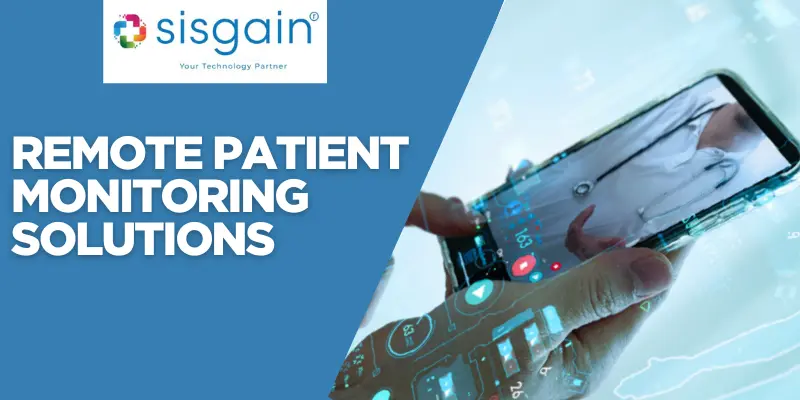

The rapid growth of digital health solutions has reshaped healthcare accessibility, offering patients and medical professionals faster, more efficient ways to manage treatment. Remote Patient Monitoring (RPM) is at the forefront of this transformation, providing real-time tracking of vital health metrics and enabling early disease detection. With remote patient monitoring technology, healthcare providers in the UAE are streamlining chronic disease management, reducing hospital congestion, and enhancing patient care beyond traditional medical settings.
From hospitals and clinics to home healthcare services, RPM is proving to be a game-changer in 2025. By leveraging remote patient monitoring solutions, healthcare professionals can remotely track a patient’s vitals, detect anomalies in real-time, and take immediate action—all without requiring in-person visits. The impact is especially significant for chronic disease management, post-operative recovery, and elderly care, reducing the burden on hospitals while ensuring better health outcomes.
Why Remote Patient Monitoring is Growing in UAE

The UAE’s healthcare sector is rapidly embracing remote patient monitoring solutions to meet the demands of a growing patient population. By 2025, RPM is set to become a standard practice in healthcare facilities, driven by multiple factors, including:
1. Rising Cases of Chronic Diseases
The prevalence of chronic conditions such as diabetes, hypertension, and cardiovascular diseases is increasing in the UAE. These conditions require continuous monitoring, making RPM an essential tool for healthcare providers.
2. Shift Toward Digital Healthcare
The UAE government is actively promoting digital health transformation, encouraging hospitals and clinics to adopt remote patient monitoring technology as part of their telehealth strategies.
3. Hospital Overcrowding and Resource Optimization
By allowing patients to be monitored remotely, hospitals can reduce unnecessary admissions and allocate resources more efficiently. This is crucial in emergencies, where hospital capacity is limited.
4. Increased Adoption of AI and IoT in Healthcare
Artificial intelligence (AI) and the Internet of Things (IoT) are transforming the way health data is collected and analyzed. AI-driven RPM platforms enhance accuracy, automate reporting, and provide actionable insights for doctors.
5. Growing Demand for Home-Based Care
With an aging population and the need for personalized treatment, remote patient monitoring solutions allow patients to receive medical care in the comfort of their homes without frequent hospital visits.
Understanding Remote Patient Monitoring Technology
Remote Patient Monitoring Technology enables continuous tracking of a patient’s health data through medical-grade wearables, sensors, and Remote Patient Monitoring Apps. These devices collect data such as blood pressure, heart rate, oxygen levels, and glucose levels, transmitting it securely to healthcare providers in real-time.
How It Works
-
Data Collection: Wearable devices and sensors track a patient’s vital signs, detecting any irregularities.
-
Data Transmission: The collected data is securely transferred via cloud-based RPM software to medical professionals for review.
-
Analysis and Alerts: AI algorithms analyze the data and trigger alerts if there are any significant health risks.
-
Doctor Intervention: Healthcare providers receive notifications and can take immediate action, such as adjusting treatment plans or scheduling emergency consultations.
Who Benefits from RPM?
-
Patients with chronic illnesses such as diabetes, hypertension, and heart disease
-
Post-surgery patients requiring close monitoring
-
Elderly individuals needing regular health tracking
-
Patients in remote areas with limited access to healthcare facilities
By eliminating the need for frequent in-person check-ups, RPM ensures that healthcare is more accessible, cost-effective, and patient-centered.
Key Features of Remote Patient Monitoring Software

A robust remote patient monitoring system is built with a variety of features to ensure accurate health tracking and seamless communication between patients and doctors.
1. Seamless Integration with Medical Devices
The RPM system connects with wearables such as smartwatches, ECG machines, blood glucose monitors, and pulse oximeters to collect and transmit real-time health data.
2. Continuous, Real-Time Health Tracking
With automated updates, healthcare professionals can monitor a patient’s vitals 24/7 without requiring physical visits.
3. AI-Powered Health Analytics and Insights
The software employs AI-driven analytics to detect patterns and provide predictive insights, allowing for proactive healthcare management.
4. Secure Two-Way Communication
RPM platforms include built-in video calling, chat, and messaging features, enabling seamless communication between doctors and patients.
5. Automated Alerts and Notifications
If a patient’s vitals exceed safe levels, the system immediately sends alerts to doctors, caregivers, and even emergency contacts.
6. Integration with EHR/EMR Systems
By syncing with hospital electronic health records (EHRs), doctors can access a patient’s complete medical history for informed decision-making.
How Remote Patient Monitoring Benefits UAE’s Healthcare in 2025
1. Early Detection of Critical Health Issues
With real-time monitoring, healthcare providers can detect abnormalities before they become life-threatening. Early intervention reduces the chances of complications and emergency hospitalizations.
2. Effective Chronic Disease Management
For conditions like diabetes and hypertension, RPM enables continuous tracking, allowing patients to maintain stable health without frequent clinic visits.
3. Improved Elderly Care
Seniors benefit from remote monitoring by receiving regular health assessments without leaving their homes. This reduces stress, enhances comfort, and lowers medical expenses.
4. Lower Healthcare Costs for Patients and Providers
By minimizing hospital visits and unnecessary in-person consultations, RPM reduces medical expenses for patients and optimizes hospital resource allocation.
5. Enhanced Patient Engagement and Self-Care
With access to real-time health data, patients become more engaged in managing their own conditions, leading to better treatment adherence.
6. AI-Driven Medical Decision-Making
AI-powered insights help doctors make faster, data-backed treatment decisions, improving patient outcomes.
7. Reduced Hospital Congestion
Hospitals can focus on critical cases while remotely managing stable patients, reducing staff workload and operational costs.
8. Lower Risk of Hospital-Acquired Infections
Minimizing in-person visits means fewer patients are exposed to infections, making RPM a crucial tool in post-pandemic healthcare.
Industry Outlook: The Future of RPM in UAE
With the UAE’s commitment to digital healthcare, remote patient monitoring solutions are expected to grow exponentially. Government policies and insurance providers are increasingly supporting telemedicine initiatives, making RPM a key pillar in modern healthcare infrastructure.
Upcoming advancements in AI, wearable technology, blockchain for data security, and cloud computing will further enhance the effectiveness of RPM systems. As a result, healthcare providers who invest in this technology now will be better positioned for long-term success.
Get a Custom Remote Patient Monitoring Solution with SISGAIN
As one of the Top Healthcare Software Development Companies, SISGAIN specializes in developing remote patient monitoring solutions that cater to hospitals, clinics, and telemedicine providers.
Why Choose SISGAIN?
-
Customized RPM platforms tailored to your healthcare facility’s needs
-
AI-driven insights for better decision-making
-
Seamless integration with existing EHR systems
-
HIPAA and GDPR compliance ensuring data security
-
24/7 technical support for smooth operations and reliability
Looking for Medical App Development Companies that offer advanced RPM solutions? Contact SISGAIN today and revolutionize the way you monitor and manage patient health.
Final Thoughts
Remote patient monitoring is no longer an option—it is a necessity. With a growing population facing chronic health challenges and rising demand for home-based care, remote patient monitoring technology is redefining healthcare in the UAE.
Hospitals, clinics, and telemedicine providers must adopt remote patient monitoring solutions to improve patient care, reduce operational costs, and stay ahead in the evolving digital health landscape. The future of healthcare is here, and RPM is leading the way.