For Business & Service Inquiries
Sales Team
Project quotes, partnerships, implementation
Don't see your industry? We serve every sector - let us know your needs and we'll tailor a solution.
The banking landscape in the UAE has transformed dramatically over the past decade. With one of the highest smartphone penetration rates in the world and a rapidly growing fintech ecosystem, digital banking has become the preferred way for residents and businesses to manage their finances. Today, millions of users rely on a mobile banking app to transfer money, pay bills, monitor spending, and access financial services instantly from their smartphones. According to reports from the Central Bank of the UAE, digital banking adoption continues to rise as customers shift away from traditional branch visits toward convenient digital platforms. In fact, a significant portion of banking transactions in the country now happens through mobile channels, reflecting a strong demand for fast, secure, and intelligent digital banking solutions. As a result, banks and fintech innovators are investing heavily in advanced banking application platforms that deliver seamless user experiences, enhanced security, and personalized financial insights. Choosing the best mobile banking app in the UAE is no longer just about convenience—it is about security, efficiency, and access to a complete digital financial ecosystem. In this guide, we explore the 10 best mobile banking apps in the UAE, their features, benefits, and how they are redefining the future of digital banking. Why Mobile Banking Apps Are Booming in the UAE The UAE has emerged as one of the most advanced digital economies in the Middle East, and financial technology is playing a major role in this transformation. The rapid growth of mobile-first financial services has made the mobile banking app an essential tool for residents, businesses, and expatriates who expect instant access to financial services. Several factors are driving the widespread adoption of mobile banking platforms across the country. Rapid Growth of the UAE Fintech Ecosystem The UAE government has actively encouraged financial innovation through regulatory support and fintech initiatives. Innovation hubs such as the Dubai International Financial Centre and the Abu Dhabi Global Market have created strong environments for fintech startups and digital banking solutions. This ecosystem has accelerated the development of advanced banking application platforms that combine traditional banking with modern technologies like artificial intelligence, open banking, and blockchain. High Smartphone Penetration The UAE ranks among the top countries globally for smartphone usage. With more than 90% of residents owning smartphones, financial institutions have prioritized mobile-first banking strategies. This widespread device adoption has made the mobile banking app the most convenient way for users to access financial services anytime and anywhere. Rising Demand for Digital Banking Services Consumers today expect instant financial services—from real-time payments to automated financial insights. Mobile platforms enable banks to deliver these services efficiently while improving customer experience. Many leading financial institutions now offer comprehensive banking application platforms that allow users to open accounts, apply for loans, track investments, and manage finances entirely through mobile devices. UAE’s Cashless Economy Vision The UAE government has been actively promoting a cashless economy to improve financial efficiency and transparency. Digital payments, QR-based transactions, and mobile wallets have become increasingly common across retail, transportation, and public services. As part of this transformation, the mobile banking app has become the backbone of digital payments, allowing users to complete transactions within seconds. Strong Growth in Digital Banking Adoption Industry reports indicate that mobile banking usage in the UAE continues to grow each year as more customers prefer digital channels over traditional banking methods. Financial institutions are constantly upgrading their banking application platforms to offer better security, faster transactions, and personalized financial tools. This rapid adoption highlights why choosing the best mobile banking app is increasingly important for individuals who want secure, efficient, and convenient financial management. At the same time, many financial institutions and startups are investing in eWallet App Development to enable faster digital payments, mobile wallets, and seamless cashless transactions within modern banking ecosystems. Key Features of the Best Mobile Banking App A successful mobile banking app is more than just a digital version of a bank branch. Modern banking platforms combine powerful technologies with intuitive user experiences to provide a complete financial management solution. Below are the essential features that every advanced bank account app should include to meet the needs of today’s digital banking users. Secure Login & Biometric Authentication Security is the foundation of every reliable banking application. Financial data is extremely sensitive, which is why modern banking platforms use advanced authentication methods to protect user accounts. Common security technologies include: Fingerprint authentication for quick and secure access Face recognition (Face ID) for biometric identity verification Two-factor authentication (2FA) that adds an additional security layer during login or transactions These security measures ensure that a mobile banking app remains protected against unauthorized access while allowing users to access their accounts quickly and safely. Instant Money Transfers One of the most important features of any bank account app is the ability to transfer funds instantly. Whether sending money to friends, paying suppliers, or supporting family abroad, users expect quick and reliable transfers. Key capabilities include: Local bank transfers within the UAE International remittances with competitive exchange rates Real-time payment processing Peer-to-peer (P2P) payments These features allow a modern banking application to support both personal and business financial needs efficiently. Smart Financial Insights Many modern banking platforms now provide advanced financial insights that help users manage their money more effectively. An intelligent mobile banking app often includes: Spending analytics that categorize expenses automatically Budget tracking tools to monitor monthly spending Savings recommendations based on financial behavior Transaction history and reports These insights transform a traditional bank account app into a powerful financial management assistant. Bill Payments & QR Payments Convenience is a major reason why digital banking has become so popular. A comprehensive banking application allows users to pay bills and complete transactions instantly without visiting a physical branch. Essential payment capabilities include: Utility bill payments (electricity, water, internet) Government service payments Credit card bill payments QR-based payments for retail purchases Through these features, a mobile banking app enables users to manage everyday financial activities in just a few taps. AI-Powered Banking Features Artificial intelligence applications are rapidly transforming digital banking. Many of the best mobile banking app platforms now use AI to enhance security and improve user experience. AI-driven features include: Fraud detection systems that identify suspicious transactions Smart notifications for spending alerts and unusual activity Personalized financial recommendations Automated customer support through chatbots These intelligent capabilities allow a modern banking application to deliver faster, safer, and more personalized financial services. Comparison Table of the Best Mobile Banking Apps in UAE Before choosing the best mobile banking app, it is helpful to compare the major banking platforms available in the UAE. Each banking application offers different advantages such as faster transfers, investment tools, international banking features, or digital-only services. The table below highlights the key features of some of the most popular bank account app platforms used by residents and businesses across the UAE. Banking App Best For Key Features Ideal Users Emirates NBD Mobile Banking Everyday digital banking Smart dashboard, international transfers, bill payments Residents & expats FAB Mobile Banking Wealth & investment services Portfolio tracking, secure transactions Professionals & investors ADCB Mobile Banking Comprehensive banking services Utility payments, account management, rewards Salaried individuals Mashreq Neo Digital-first banking Instant account opening, AI insights Young professionals Liv. by Emirates NBD Lifestyle banking Budget tracking, goal-based savings Students & millennials Dubai Islamic Bank App Sharia-compliant banking Islamic financial products, payments Islamic banking users HSBC UAE Mobile Banking Global banking services Multi-currency accounts, global transfers Expats & international professionals Emirates Islamic Mobile App Quick payments & card management Islamic banking tools, instant payments Digital banking users RAKBANK Mobile Banking SME & personal banking Business tools, easy payments Small business owners Citibank UAE Mobile App International banking Global account access, credit services Global banking users Many leading banks in the UAE now offer highly advanced mobile banking app platforms that allow users to perform almost every banking activity directly from their smartphones. Some of the most widely used banking apps—including those from Emirates NBD, First Abu Dhabi Bank, and Abu Dhabi Commercial Bank—have surpassed one million downloads on app stores, reflecting strong adoption of digital banking in the country. This rapid adoption shows why selecting the best mobile banking app is essential for managing finances efficiently in a modern digital economy. 10 Best Mobile Banking Apps in UAE (App-by-App Review) With dozens of digital banking platforms available, choosing the right bank account app can be challenging. Along with traditional banking features, many financial platforms are also integrating services similar to loan apps in UAE, allowing users to access quick financing and credit services directly through their mobile banking platforms. Below is a detailed review of the 10 best mobile banking apps in the UAE, highlighting their features, strengths, and ideal users. 1. Emirates NBD Mobile Banking App The Emirates NBD mobile banking platform is widely considered one of the most advanced digital banking solutions in the UAE. The app allows users to manage their accounts, transfer money, pay bills, and monitor financial activity through a user-friendly dashboard. Key features include: Instant local and international transfers Credit card management and bill payments Secure biometric login Investment and savings tools Because of its comprehensive services and smooth user experience, many users consider it one of the best mobile banking app options available in the region. 2. FAB Mobile Banking App The First Abu Dhabi Bank mobile banking application provides powerful financial management tools for both personal and business users. It combines everyday banking features with wealth management capabilities. Key features include: Investment portfolio tracking Quick money transfers Real-time financial insights Advanced transaction security This banking application is especially popular among professionals who want both banking and investment services within one app. 3. ADCB Mobile Banking App The Abu Dhabi Commercial Bank mobile banking platform offers a complete digital banking experience with easy navigation and strong security. Key capabilities include: Utility bill payments International money transfers Rewards and loyalty program integration Real-time transaction notifications The ADCB mobile banking app is known for its reliability and wide range of everyday banking services. 4. Mashreq Neo App The Mashreq Bank digital banking platform is one of the first fully digital bank account app solutions launched in the UAE. It allows customers to open accounts instantly and manage finances completely online. Key features include: Instant account opening Zero minimum balance options Digital card management AI-driven financial insights Mashreq Neo is especially popular among young professionals and freelancers who prefer digital-first banking experiences. 5. Liv. Digital Bank App Liv. is a digital lifestyle bank developed by Emirates NBD, designed mainly for tech-savvy users and younger customers. Key highlights include: Goal-based savings features Expense tracking tools Digital card management In-app rewards and lifestyle offers Digital-only platforms like Liv. show how modern mobile banking app solutions are evolving to include lifestyle and financial management tools. 6. Dubai Islamic Bank Mobile App The mobile banking platform from Dubai Islamic Bank provides comprehensive Islamic banking services through a secure digital interface. Key features include: Sharia-compliant financial services Instant bill payments Account management tools Card and financing services For users seeking Islamic banking solutions, this banking application offers a reliable digital banking experience. 7. HSBC UAE Mobile Banking App The HSBC mobile banking platform is widely used by expatriates and international professionals living in the UAE. Key benefits include: Global account access Multi-currency transactions International money transfers Investment tracking tools Because of its international banking network, this bank account app is ideal for individuals who frequently manage finances across multiple countries. 8. Emirates Islamic Mobile Banking App The digital banking platform from Emirates Islamic provides convenient access to Islamic financial services through mobile devices. Key features include: Quick money transfers Bill payments and card services Secure authentication features Islamic financing tools The app combines modern digital banking features with traditional Islamic banking principles. 9. RAKBANK Mobile Banking App The RAKBANK mobile banking app is widely used by small business owners and individuals seeking efficient everyday banking services. Key capabilities include: SME banking tools Digital payments and transfers Credit card management Loan and financing services This mobile banking app provides flexible financial services for both personal and business banking needs. 10. Citibank UAE Mobile App The Citibank banking platform provides global banking capabilities combined with advanced digital features. Key highlights include: International account access Credit card and investment management Secure global transfers Financial insights and alerts Because of its global presence, this banking application is often preferred by expatriates who require cross-border banking services. How to Choose the Best Mobile Banking App With dozens of digital banking platforms available today, selecting the best mobile banking app in the UAE requires careful evaluation. While most banks offer similar services through a banking application, many financial institutions are now investing in custom financial mobile app services to deliver more personalized experiences, stronger security, and advanced financial tools that differentiate their platforms. Because of these differences, the overall user experience, security standards, and financial capabilities can vary significantly between apps. Below are some key factors users should consider before choosing a reliable bank account app. Security and Data Protection Security should be the top priority when selecting a mobile banking app. Modern digital banking platforms use advanced encryption, biometric authentication, and fraud monitoring systems to protect financial data. Most leading banking apps now include: End-to-end encryption for transactions Biometric login using fingerprint or facial recognition Two-factor authentication (2FA) Real-time fraud detection alerts Strong security ensures that your banking application remains protected from unauthorized access and cyber threats. Ease of Use and Interface A well-designed bank account app should provide a simple and intuitive interface. Users should be able to perform common tasks such as checking balances, transferring funds, and paying bills in just a few taps. The best mobile banking app platforms focus on user experience by offering: Easy navigation dashboards Quick transaction options Smart notifications Personalized financial summaries A seamless interface improves convenience and encourages regular use of digital banking services. Transaction Speed and Global Transfers For many residents and expatriates in the UAE, international money transfers are a crucial feature. A good mobile banking app should provide fast and secure transfer capabilities. Important transaction features include: Instant local transfers between UAE banks Low-cost international remittances Real-time payment confirmation Multi-currency account management These capabilities make a banking application more useful for both everyday banking and global financial transactions. Additional Financial Services The best digital banking platforms go beyond basic transactions and offer advanced financial tools. A modern bank account app often includes services such as: Loan applications Credit card management Investment tracking savings goals and budgeting tools These features transform a simple mobile banking app into a complete financial management platform. Future of Mobile Banking Apps in the UAE The UAE is rapidly becoming one of the most advanced fintech ecosystems in the world. Mobile banking is evolving beyond simple transactions into intelligent financial platforms powered by artificial intelligence, data analytics, and digital payment infrastructure. Several trends are shaping the future of mobile banking app development in the country. Rise of AI-Driven Banking Artificial intelligence is playing an increasingly important role in digital finance. Many modern banking application platforms now use AI to analyze spending patterns, detect fraud, and provide personalized financial recommendations. For example, AI-powered systems can: Identify unusual transactions in real time Offer personalized savings suggestions Predict future spending patterns Provide automated customer support through chatbots These innovations are transforming the mobile banking app into a smart financial assistant. Growth of Digital Payments and Cashless Economy The UAE government has been actively promoting a cashless economy through digital payment initiatives and fintech innovation. Digital payments and mobile transactions continue to grow rapidly across retail, government services, and e-commerce. Studies indicate that mobile banking usage in the UAE has exceeded 80% adoption, reflecting strong consumer demand for digital financial solutions. In addition, digital payments are expected to dominate everyday transactions, as consumers increasingly prefer mobile wallets and contactless payment systems. Expansion of Fintech Innovation The UAE fintech sector is expanding rapidly with strong support from regulators and innovation hubs. Fintech investments have grown significantly, reaching billions of dirhams annually as new startups and digital banking platforms enter the market. This ecosystem encourages the development of advanced banking application platforms that integrate: digital wallets AI-driven financial insights blockchain-based payments open banking technologies As fintech continues to evolve, the best mobile banking app platforms will become more intelligent, personalized, and secure. Biometric and Password-Free Banking The next generation of digital banking will rely heavily on biometric technologies. The UAE has already started experimenting with advanced authentication systems that allow users to complete transactions using facial recognition and palm scans instead of traditional passwords. Such innovations could significantly improve both security and user convenience for future mobile banking app platforms. Security Technologies Used in Mobile Banking Apps Security is the foundation of every reliable banking application. Because financial apps handle highly sensitive personal and financial information, they must implement advanced cybersecurity technologies to prevent fraud, data breaches, and unauthorized transactions. As digital finance continues to evolve, many FinTech Companies in Dubai are investing heavily in modern security frameworks to ensure that banking platforms remain safe, compliant, and resilient against cyber threats. Below are some of the most important security technologies used in modern mobile banking app platforms. End-to-End Encryption Encryption ensures that all data transmitted between a user’s device and the bank’s servers is protected. Even if hackers intercept the data, it remains unreadable without the proper encryption key. Most secure bank account app platforms use advanced encryption standards to safeguard financial transactions and personal information. Biometric Authentication Biometric verification has become a standard security feature in modern mobile banking app platforms. Common biometric authentication methods include: fingerprint recognition facial recognition device-based identity verification These technologies add an extra layer of protection while allowing users to access their banking application quickly and securely. Two-Factor Authentication (2FA) Two-factor authentication is another critical security feature used by banking apps. It requires users to verify their identity using two separate methods before completing transactions. For example, a bank account app may require: login password or biometric verification a one-time authentication code within the banking app This significantly reduces the risk of unauthorized account access. AI-Based Fraud Detection Artificial intelligence plays a key role in protecting digital banking systems. Many modern mobile banking app platforms use machine learning algorithms to monitor transactions and detect suspicious activity. AI systems can: detect unusual spending behavior flag high-risk transactions automatically block fraudulent payments notify users instantly These advanced security systems ensure that a banking application remains safe even as digital transactions increase.\ Conclusion Mobile banking has significantly reshaped how individuals and businesses manage their finances in the UAE. As digital banking services continue to expand, more users are turning to a mobile banking app to handle everyday financial tasks such as fund transfers, bill payments, and real-time account monitoring—all from the convenience of their smartphones. The rapid rise of fintech innovation, widespread smartphone usage, and strong regulatory guidance from the Central Bank of the UAE have accelerated the growth of secure and feature-rich digital banking platforms. Because of this transformation, selecting the best mobile banking app has become increasingly important for users who value convenience, strong security, and efficient financial management. Looking ahead, technologies like artificial intelligence, biometric authentication, and blockchain-powered payments will continue to shape the future of digital finance. These innovations will make modern banking application platforms more intelligent, personalized, and secure, enabling users to manage their financial activities with greater confidence and efficiency. For businesses and financial institutions, launching a reliable banking application requires strong expertise in fintech architecture, cybersecurity frameworks, and regulatory compliance. Organizations planning to build next-generation digital banking platforms should consider partnering with a trusted mobile app development company in uae to develop scalable, secure, and user-centric financial solutions that meet the evolving demands of the modern digital economy.
The rapid growth of digital transformation has made mobile applications an essential part of modern business strategies. From startups to large enterprises, companies across industries are investing in mobile apps to improve customer engagement, streamline operations, and expand their market reach. As the UAE continues to emerge as a global hub for innovation and technology, the demand for high-quality mobile applications is increasing rapidly. However, choosing the right development partner can be a challenging task. With many companies offering app development services, businesses must carefully evaluate their options to ensure they select a team with the right technical expertise, industry experience, and development approach. The success of a mobile application largely depends on the capabilities of the development company behind it. In this guide, we will explore the key factors businesses should consider when selecting the best mobile app development company in the UAE, helping you make an informed decision that supports long-term digital growth and business success. Guide to Hiring the Best Mobile App Developers in UAE However, building a successful mobile application is far more complex than simply turning an idea into code. It requires a deep understanding of user experience design, scalable architecture, performance optimization, and robust security practices. This is where selecting the right mobile app development company becomes crucial. The right partner not only develops the application but also helps businesses plan a long-term digital product that can evolve with changing market demands and user expectations. Many organizations invest in professional mobile app development services because they provide access to experienced developers, designers, and technology specialists who understand the complete product lifecycle. These experts guide businesses through critical stages such as requirement analysis, UI/UX design, development, testing, deployment, and post-launch support. When businesses decide to hire mobile app developers, they are essentially investing in technical expertise that ensures the application performs reliably, remains secure, and delivers a seamless user experience. Despite the growing demand for mobile applications, choosing the right development partner remains a major challenge. With hundreds of companies offering similar services, decision-makers often struggle to evaluate technical capabilities, pricing models, project management approaches, and long-term support offerings. Selecting the wrong partner can lead to missed deadlines, budget overruns, poor application performance, or even project failure. From industry experience, one common mistake many startups make is underestimating the complexity of mobile application architecture, scalability planning, and security implementation. Without proper technical planning, apps can quickly become difficult to maintain, scale, or secure as user demand grows. Working with an experienced mobile app development company ensures that your application is built on a solid foundation that prioritizes performance, scalability, and long-term reliability. In this guide, we will explore how businesses can evaluate development partners, understand key hiring criteria, and make informed decisions when selecting a mobile app development company for their next digital product. Why Businesses Rely on Mobile App Development Services Growing Global Mobile App Economy The global mobile ecosystem has experienced remarkable growth in recent years. Smartphones have become an essential part of everyday life, enabling users to shop online, manage finances, access healthcare services, book transportation, and communicate instantly. As a result, mobile applications are no longer optional for businesses—they are a primary channel for customer engagement and service delivery. Industry reports consistently show strong growth in mobile app usage and revenue generation. Millions of applications are available across major app stores, and businesses continue to launch new apps to reach wider audiences. From consumer-focused applications to enterprise productivity tools, mobile platforms are transforming how organizations operate and compete in the digital marketplace. For businesses, mobile apps offer several advantages, including direct customer communication, personalized user experiences, improved brand visibility, and access to valuable user data. These benefits explain why companies across industries are investing heavily in professional mobile app development services to create innovative and scalable digital solutions. Digital Transformation Across Industries Mobile technology has played a central role in digital transformation across many sectors. Organizations are leveraging mobile apps to improve operational efficiency, enhance customer engagement, and deliver new services in ways that were previously impossible. For example, fintech companies use mobile apps to provide secure digital payments, investment tools, and banking services directly on smartphones. In healthcare, mobile applications enable telemedicine consultations, remote patient monitoring, and health data management. E-commerce businesses rely on mobile apps to create seamless shopping experiences, personalized recommendations, and faster checkout processes. Similarly, logistics companies use mobile platforms to track shipments, optimize routes, and improve supply chain transparency. This widespread adoption highlights the importance of working with an experienced mobile app development company that understands the technical and industry-specific requirements of modern digital products. Benefits of Hiring a Professional Mobile App Development Company Partnering with a specialized development firm offers significant advantages compared to building an in-house team or relying solely on freelancers. Professional development companies bring together multidisciplinary teams that include software engineers, UI/UX designers, quality assurance specialists, and project managers who collaborate throughout the entire development lifecycle. One major benefit is access to experienced developers who understand modern programming languages, frameworks, and mobile platforms. These experts design applications using scalable architecture, ensuring that the product can handle increasing user traffic and feature expansion over time. Additionally, strong UI/UX design practices help create intuitive interfaces that improve user engagement and retention. Another advantage is the ability to integrate advanced technologies such as artificial intelligence, cloud computing, and cross-platform development frameworks. Many businesses prefer partnering with a premium mobile app development company that can manage complex technical requirements while maintaining high standards of security, performance, and reliability. Ultimately, professional mobile app development services provide businesses with the expertise, infrastructure, and strategic guidance required to transform an app idea into a successful digital product that delivers long-term value. Custom Mobile App Development vs Off-the-Shelf Apps Businesses today rely heavily on mobile applications to improve customer engagement, streamline operations, and stay competitive in an increasingly digital marketplace. When planning a mobile application, companies typically face an important decision: whether to use an off-the-shelf solution or invest in custom mobile app development. While ready-made applications may offer a quick start, many organizations prefer customized solutions that align closely with their long-term business goals. What Is Custom Mobile App Development? Custom mobile app development refers to the process of designing and building an application specifically tailored to a company’s unique requirements. Unlike generic apps that serve a broad audience, custom applications are developed with particular workflows, business models, and user expectations in mind. Professional mobile app development services typically analyze business needs, user behavior, and future scalability before building a tailored mobile solution. For example, an e-commerce brand may require a personalized shopping experience, while a healthcare provider might need secure patient data management and compliance with strict privacy regulations. Custom development ensures the application supports these unique needs without unnecessary limitations. Advantages of Custom Mobile Applications One of the biggest reasons businesses invest in custom mobile app development is scalability. As companies grow, their digital products must evolve to handle larger user bases, additional features, and increased data processing. Custom apps are built with flexible architecture, allowing developers to expand functionality without rebuilding the entire system. Personalization is another key advantage. Custom applications allow businesses to design user experiences that match their brand identity and target audience preferences. From intuitive navigation to personalized recommendations, these tailored features help increase user engagement and retention. Integration with existing business systems is also much easier with custom solutions. Many organizations use tools such as CRM platforms, ERP systems, payment gateways, or analytics software. Custom apps can be seamlessly connected with these platforms, improving workflow efficiency and ensuring consistent data across the organization. Additionally, custom applications help businesses achieve competitive differentiation. In crowded markets where many companies offer similar services, a unique mobile experience can significantly influence user loyalty. Custom features, innovative UI/UX design, and advanced functionality help brands stand out from competitors using generic applications. When Businesses Should Choose Custom Development Organizations should consider custom mobile app development when they require specialized features, strong data security, or deep integration with internal systems. Businesses that plan to scale quickly or introduce advanced technologies such as AI, real-time analytics, automation, or Artificial Intelligence Apps also benefit greatly from custom solutions. Companies building Android applications for global audiences often collaborate with an experienced android app development company in UAE to develop scalable, secure, and high-performance apps tailored to their operational needs. By integrating modern technologies like artificial intelligence apps, businesses can deliver smarter user experiences and create more efficient digital platforms. How to Find App Developers for Your Startup Launching a startup often requires building digital products quickly while managing limited resources. For many founders, understanding how to find app developers for your startup becomes one of the most critical early decisions. The right development team can transform a startup idea into a successful product, while the wrong choice can lead to delays, budget overruns, and technical challenges. Challenges Startups Face Startups frequently encounter several obstacles when searching for the right development partner. One of the most common challenges is a limited budget. Early-stage companies must carefully manage their finances, which can make it difficult to decide whether to build an internal team or hire mobile app developers externally. Another challenge is the lack of technical expertise. Many startup founders come from business or marketing backgrounds and may not have deep knowledge of software architecture, frameworks, or development methodologies. Without technical guidance, it becomes harder to evaluate the capabilities of different developers. Time-to-market pressure also plays a major role. Startups often need to launch a minimum viable product (MVP) quickly to test their concept, attract investors, or enter the market before competitors. Delays in development can affect growth opportunities and funding prospects. Where to Find Reliable App Developers There are several places where startups can search for skilled developers. Development agencies are one of the most reliable options because they provide experienced teams, structured workflows, and end-to-end mobile app development services. Agencies usually include UI/UX designers, developers, testers, and project managers who collaborate to deliver a complete product. Tech marketplaces and freelance platforms are another option for finding developers. These platforms allow startups to hire specialists for short-term tasks or specific technical roles. However, managing freelancers may require additional coordination and project oversight. Startup communities, networking events, and industry referrals can also help founders connect with trusted development professionals. Recommendations from other entrepreneurs often lead to more reliable partnerships. Why Startups Should Work With an Agency Instead of Freelancers Although freelancers may appear cost-effective at first, startups often benefit more from working with an experienced development company. Agencies provide structured project management, quality assurance processes, and long-term support that individual freelancers may not always offer. This level of organization helps startups launch products faster while maintaining high technical standards. Many founders searching for the best mobile app development company for startups prioritize partners who understand product scalability, user-focused design, and rapid development cycles. Agencies typically have the experience required to guide startups through product planning, development, and post-launch improvements. Startup founders looking for insights into modern frameworks and multi-platform development strategies often explore guidance from mobile cross platform development experts in uae to understand how cross-platform technologies can reduce development costs and accelerate time-to-market for emerging products. 10 Expert Tips to Choose Mobile App Developers Selecting the right team to build your application is one of the most critical decisions a business can make in its digital journey. The success of a mobile product depends not only on the idea but also on the capabilities of the people developing it. A skilled mobile app development company can transform a concept into a scalable product that attracts users, delivers excellent performance, and drives business growth. On the other hand, choosing the wrong partner may lead to delays, security risks, and significant financial losses. Businesses today rely heavily on mobile applications for customer engagement, service delivery, and operational efficiency. Because of this growing reliance, organizations must carefully evaluate developers before deciding to hire mobile app developers for their project. From technical expertise and development processes to security practices and long-term support, multiple factors determine whether a development team is the right fit for your requirements. Below are ten expert tips that can help you identify the best mobile app development company and ensure your project is handled by professionals who understand both technology and business goals. Evaluate the Experience of the Mobile App Development Company Experience is one of the most reliable indicators of a development company’s ability to deliver successful projects. When evaluating a mobile app development company, consider how long they have been working in the industry and the types of projects they have completed over the years. Experienced development teams have typically encountered a wide variety of technical challenges, allowing them to anticipate potential issues and solve them efficiently. A company with several years of experience often has well-established workflows, skilled developers, and proven project management strategies. This experience helps ensure that your application is built with proper architecture, scalability, and performance optimization in mind. For businesses investing in custom mobile app development, these factors are especially important because the application must align closely with specific operational requirements. Another advantage of working with experienced developers is their ability to provide strategic guidance. Instead of simply executing instructions, seasoned professionals can suggest improvements in design, technology selection, and feature prioritization. Their insights can significantly enhance the final product and reduce development risks. When researching potential partners, review their years of operation, industry specialization, and team structure. A reputable company will also be transparent about its development methodology and previous achievements. Choosing an experienced partner ensures that your project benefits from both technical expertise and practical industry knowledge. Analyze the Company’s Portfolio and Case Studies A company’s portfolio is one of the most valuable resources for evaluating its capabilities. By reviewing past projects, you can gain insights into the company’s design quality, technical complexity, and ability to deliver solutions across different industries. A strong portfolio demonstrates that the development team has successfully handled projects similar to your own. Look for diversity in the applications they have built. For example, if the company has developed apps for industries such as healthcare, fintech, e-commerce, or logistics, it shows their ability to adapt to various business environments. Each industry has unique requirements, including compliance standards, data handling processes, and user experience expectations. Case studies are even more informative because they often explain the challenges faced during development and the solutions implemented by the team. These insights reveal how the developers approach problem-solving and innovation. When assessing portfolios, consider factors such as app performance, user interface design, and feature integration. If possible, download and test some of the apps listed in the portfolio. This allows you to evaluate their usability, responsiveness, and overall functionality. A company that consistently delivers well-designed applications with smooth performance is more likely to provide reliable mobile app development services for your project. Understand Their App Development Process A clearly defined app development process is essential for building a successful mobile application. Companies that follow a structured development lifecycle can manage projects more efficiently, maintain transparency, and deliver higher-quality products. The development process typically begins with a discovery phase, during which the team analyzes business objectives, user needs, and technical requirements. This stage helps define the project scope and ensures that all stakeholders have a clear understanding of the final product. Next comes the design phase, where UX and UI specialists create wireframes and interactive prototypes. This stage focuses on creating an intuitive user experience and visually appealing interface. Once the design is approved, developers begin coding the application while adhering to best practices for performance and scalability. Testing is another critical component of the app development process. Quality assurance teams conduct functional testing, usability testing, and performance testing to ensure the application works flawlessly across devices and operating systems. Finally, the application is deployed to app stores, followed by ongoing monitoring and updates. When choosing a development partner, ask detailed questions about their workflow. A well-defined development process not only ensures better project management but also helps maintain consistency and quality throughout the entire lifecycle of the application. Assess Technical Expertise and Technology Stack The technologies used during development play a significant role in determining the performance and scalability of your mobile application. When selecting developers, it is important to evaluate their expertise in modern programming languages, frameworks, and development tools. For example, cross-platform frameworks such as Flutter and React Native allow developers to create applications that run on both Android and iOS using a single codebase. These technologies can significantly reduce development time and cost while maintaining high performance. For native app development, developers often use Kotlin for Android applications and Swift for iOS applications. These programming languages are widely recognized for their reliability, security, and ability to deliver high-performance mobile experiences. Businesses seeking scalable solutions often partner with providers offering mobile cross platform development services in uae to build applications that work seamlessly across Android and iOS platforms. This approach enables companies to reach a broader audience while maintaining consistent functionality across devices. When evaluating technical expertise, consider whether the company stays updated with emerging technologies and industry trends. A development team that continuously improves its skills and adopts modern tools is more likely to deliver innovative and future-ready applications. Review Their Mobile App Security Practices Security is a critical consideration when developing mobile applications, especially when they handle sensitive user data such as personal information, payment details, or health records. Strong mobile app security practices protect both the business and its users from cyber threats and data breaches. One of the most important security measures is data encryption. Encryption ensures that sensitive information is protected during transmission and storage, preventing unauthorized access. Modern encryption protocols help safeguard user data and maintain trust between the business and its customers. Authentication mechanisms also play a key role in security. Secure login systems such as multi-factor authentication and biometric verification add additional layers of protection. These systems reduce the risk of unauthorized account access and enhance the overall security of the application. Compliance with industry regulations is another essential factor. Depending on the industry, applications may need to meet specific compliance standards such as GDPR, HIPAA, or PCI DSS. A reliable development partner will be familiar with these regulations and implement security practices that meet legal requirements. By prioritizing strong security measures during development, businesses can reduce risks and ensure that their application remains trustworthy and resilient against potential threats. Understand Pricing and Mobile App Development Cost Budget considerations are a key factor when choosing a development partner. The mobile app development cost can vary significantly depending on the complexity of the application, the number of features, and the technologies involved. Basic applications with limited functionality may require a smaller budget, while advanced applications with complex integrations, custom designs, and sophisticated features may require a larger investment. Other factors influencing development cost include the platform (Android, iOS, or both), development timeline, and third-party integrations. When evaluating pricing, businesses should request a detailed cost breakdown from the development company. This breakdown should include design costs, development hours, testing expenses, and maintenance fees. Transparent pricing helps avoid unexpected charges during the project. While it may be tempting to choose the lowest price, businesses should prioritize quality and reliability. A slightly higher investment in a skilled mobile app development company often results in better performance, stronger security, and long-term scalability, which ultimately provides a higher return on investment. Check Client Reviews and Industry Reputation Client feedback is an excellent way to assess the credibility of a development company. Reviews from previous clients provide insights into the company’s professionalism, reliability, and ability to deliver successful projects. Platforms such as Clutch and GoodFirms collect verified reviews and ratings from businesses that have worked with development agencies. These platforms allow potential clients to evaluate companies based on factors such as project quality, communication, and adherence to deadlines. When reading reviews, look for consistent patterns in feedback. Positive reviews that mention strong communication, technical expertise, and timely delivery are good indicators of a trustworthy partner. On the other hand, repeated complaints about delays or poor support may signal potential problems. In addition to online reviews, consider checking industry awards, certifications, and partnerships. Recognition from reputable organizations often indicates that the company maintains high standards in development and customer service. Evaluate Communication and Project Transparency Effective communication is essential for successful collaboration between a business and its development team. Clear communication ensures that project requirements, design decisions, and technical changes are understood by everyone involved. A professional development company will maintain regular communication throughout the project. This may include weekly progress meetings, milestone updates, and access to project management tools where clients can track development progress. Transparency is equally important. Businesses should have visibility into the development timeline, feature implementation, and potential challenges. Transparent processes build trust and help prevent misunderstandings during the project lifecycle. Before finalizing a development partner, discuss their communication methods and reporting structure. Companies that prioritize open communication and transparency are more likely to deliver projects that align closely with business expectations. Assess Post-Launch Support and Maintenance Launching an application is only the beginning of its lifecycle. After deployment, the application requires continuous monitoring, updates, and maintenance to remain functional and secure. This makes post-launch support an essential factor when choosing developers. A reliable mobile app development company will provide maintenance services such as bug fixes, performance optimization, and compatibility updates for new operating system versions. These updates ensure that the application continues to perform well as technology evolves. Post-launch support may also include feature enhancements based on user feedback. As users interact with the app, businesses often identify opportunities for improvement or additional functionality. Having a dedicated support team ensures these improvements can be implemented efficiently. Businesses should clarify the maintenance terms before starting the project. Understanding the scope of support services helps ensure that the application remains stable and competitive long after its initial release. Ensure Clear Project Timelines Timely delivery is another critical factor when choosing developers. A clear and realistic project timeline ensures that the application is launched according to business objectives and market opportunities. Professional development teams typically divide projects into milestones, each representing a specific stage of development. These milestones allow both the client and the development team to track progress and ensure that the project stays on schedule. A well-planned timeline also accounts for testing, revisions, and potential technical challenges. Companies that rush development without adequate testing often release applications with performance issues or bugs, which can damage user trust. When discussing timelines with a development partner, ask for a detailed project schedule and milestone plan. This approach ensures that expectations are clearly defined and that the development process remains organized from start to finish. By carefully considering these ten factors, businesses can confidently select a reliable development partner and ensure their mobile application project is built for long-term success. A strategic approach to choosing developers not only improves product quality but also maximizes the return on investment for mobile app initiatives. Understanding the Complete App Development Process Building a successful mobile application requires a structured and well-managed app development process. Whether a company is launching a startup product or expanding an existing digital service, following a systematic development lifecycle helps ensure better quality, scalability, and long-term performance. Professional providers offering mobile app development services typically follow a proven workflow that transforms an idea into a fully functional and market-ready mobile application. Businesses looking to launch scalable digital platforms are increasingly exploring On-Demand App Development Solutions in Dubai, which allow companies to build customized applications tailored to evolving market needs and user expectations.. Below are the key stages involved in a complete mobile app development lifecycle. 1. Discovery and Planning The first phase of the app development process focuses on understanding the project requirements and defining the overall product strategy. During this stage, development teams work closely with stakeholders to analyze business goals, target users, and expected app functionality. Important activities in this stage include: Defining the app concept and objectives Identifying target users and market opportunities Conducting competitor research Selecting the appropriate technology stack Creating a product roadmap A well-planned discovery phase reduces development risks and ensures that the project moves forward with clear technical and business goals. 2. UI/UX Design Once the strategy is defined, designers begin working on the user interface (UI) and user experience (UX) of the application. This stage focuses on creating intuitive and engaging designs that provide a seamless experience for users. Design activities typically include: Wireframing the app structure Designing user flows and navigation paths Creating interactive prototypes Developing visually appealing UI elements A strong design phase ensures that the application is easy to use, visually attractive, and aligned with user expectations. 3. App Development The development phase is where the actual coding begins. Experienced engineers transform design prototypes into functional software using modern programming frameworks and tools. During this stage, development teams build: Front-end interfaces Back-end infrastructure APIs and integrations Database systems Companies offering professional mobile app development services usually divide development into smaller milestones to ensure faster delivery and easier testing. 4. Testing and Quality Assurance Before launching an application, rigorous testing is essential to identify bugs, performance issues, and usability problems. Quality assurance teams test the app across multiple devices and operating systems. Testing may include: functional testing performance testing security testing usability testing compatibility testing A strong QA process ensures that the final product delivers a reliable and smooth user experience. 5. Deployment Once testing is completed, the application is prepared for launch on platforms such as the Apple App Store or Google Play Store. This stage includes configuring hosting environments, preparing store listings, and ensuring compliance with platform guidelines. 6. Maintenance and Updates The app development process does not end after deployment. Continuous maintenance is essential for long-term success. Developers regularly release updates to fix bugs, improve performance, add features, and ensure compatibility with new operating system versions. Businesses that partner with experienced providers of mobile app development services benefit from ongoing support that keeps their application secure, stable, and competitive in the market. Mobile App Development Cost: Key Factors That Influence Pricing One of the most common questions businesses ask before launching a digital product is about the mobile app development cost. The cost of building an application can vary widely depending on the project’s complexity, features, platform requirements, and development timeline. Understanding these factors helps organizations plan their budgets effectively and invest in the right development strategy. In general, the estimated mobile app development cost can vary based on the type of application being built. App Type Estimated Cost Basic App $10,000 – $30,000 Medium Complexity App $30,000 – $80,000 Complex Enterprise App $80,000 – $300,000 These numbers are general estimates, and the final cost may differ depending on the specific requirements of the project. Key Factors That Influence Mobile App Development Cost Features and Functionality The number and complexity of features play a major role in determining development costs. Applications with advanced features such as real-time messaging, payment gateways, geolocation services, or AI-based recommendations require more development time and specialized expertise. Platform Selection Another factor that influences the mobile app development cost is the platform on which the application will run. Businesses must decide whether to develop for Android, iOS, or both platforms. Developing separate native apps for multiple platforms can increase costs, while cross-platform frameworks may reduce development time. Third-Party Integrations Modern applications often rely on third-party integrations such as payment systems, cloud services, analytics tools, and social media platforms. Each integration adds additional development effort and testing requirements. UI/UX Complexity A visually appealing and intuitive interface requires significant design effort. Applications with complex animations, advanced navigation patterns, or customized visual elements typically require more design and development time. Development Hours The total time required to complete a project is one of the most important cost factors. The longer the development cycle, the higher the overall investment required. Businesses looking to build scalable digital products often choose custom mobile app development because it allows them to design applications tailored specifically to their operational needs and long-term growth strategies. Although custom solutions may require a higher initial investment, they offer greater flexibility and competitive advantage in the long run. Essential Mobile App Security Practices Security has become one of the most critical aspects of modern application development. As mobile apps handle sensitive user data such as personal information, payment details, and authentication credentials, implementing strong mobile app security practices is essential for protecting both businesses and users. Organizations that prioritize security from the beginning of the development lifecycle are better equipped to prevent cyber threats, data breaches, and unauthorized access. Secure APIs Application programming interfaces (APIs) enable mobile apps to communicate with servers and third-party services. However, poorly secured APIs can expose sensitive data. Developers should implement secure API authentication methods and restrict access to authorized users only. Strong Authentication Systems Authentication mechanisms help verify the identity of users accessing the application. Modern apps often implement advanced security measures such as: multi-factor authentication biometric authentication secure password policies These systems significantly reduce the risk of unauthorized access. Data Encryption Data encryption ensures that sensitive information remains protected during transmission and storage. Secure encryption protocols such as HTTPS and SSL help safeguard user data when it is transferred between the application and backend servers. Secure Cloud Storage Many applications store data on cloud platforms. Ensuring proper cloud configuration, access controls, and secure storage policies is essential for maintaining strong mobile app security standards. Regular Security Audits Continuous monitoring and periodic security audits help identify vulnerabilities before they can be exploited by attackers. Security testing should be integrated into the development lifecycle to maintain high protection standards. Businesses developing applications for multiple platforms must also ensure that consistent security measures are applied across all systems. Organizations often consult insights from a mobile cross platform development company in uae to implement standardized security practices across Android and iOS environments. By prioritizing strong mobile app security, businesses can protect user trust, safeguard sensitive data, and maintain compliance with global security standards. Red Flags When Hiring a Mobile App Development Company Choosing the right development partner can determine whether a mobile application succeeds or fails in the market. While many agencies claim to offer professional development services, businesses must carefully evaluate potential partners before making a final decision. Recognizing warning signs early can help organizations avoid costly mistakes when they hire mobile app developers. Below are some common red flags that businesses should watch for during the selection process. Extremely Low Pricing While budget considerations are important, unusually low pricing can indicate poor development quality or lack of experience. Building a high-quality application requires skilled developers, proper infrastructure, and sufficient development time. Companies offering prices that are significantly lower than industry standards may cut corners during development, leading to performance issues or security vulnerabilities. Poor Communication Effective communication is essential for successful project collaboration. If a development company is slow to respond, unclear in its explanations, or unwilling to discuss technical details, it may indicate poor project management practices. Clear communication helps ensure that both parties understand project goals, timelines, and expectations. Lack of Security Expertise Security is a crucial aspect of mobile application development. If a company cannot clearly explain how it handles data protection, authentication, and compliance standards, it may not have the necessary expertise to build secure applications. Unclear Development Process A reliable development partner should be able to clearly describe its app development process, including planning, design, development, testing, and deployment stages. Companies that lack a structured workflow may struggle to deliver projects on time or maintain consistent quality. No Long-Term Support Mobile applications require ongoing updates, bug fixes, and performance improvements. Development partners that do not offer maintenance services may leave businesses without technical support after the app launch. By carefully evaluating these warning signs, organizations can make more informed decisions when they hire mobile app developers and ensure that their project is handled by experienced professionals. How to Hire a Mobile App Development Company Successfully Selecting the right development partner requires a strategic approach. Businesses that follow a structured hiring process are more likely to find the best mobile app development company that aligns with their technical requirements, business goals, and budget. The following steps can help organizations understand how to hire a mobile app development company effectively. 1. Define Your Project Goals Before contacting development agencies, businesses should clearly define their project objectives. This includes identifying the app’s target audience, required features, preferred platforms, and expected timeline. Having a well-documented project scope helps developers provide accurate proposals. 2. Shortlist Development Companies The next step is to research potential service providers. Companies can evaluate development agencies based on their experience, technical expertise, client reviews, and industry reputation. 3. Review Portfolios and Case Studies Examining previous projects helps determine whether the company has experience building applications similar to your requirements. A strong portfolio demonstrates the ability to deliver high-quality solutions across different industries. 4. Evaluate the Development Process Understanding how a company manages its app development process is crucial. Businesses should ask about development methodologies, communication channels, and project management tools used during development. 5. Discuss Pricing and Timeline Transparent discussions about budget and project timelines help avoid misunderstandings later in the project. Businesses should ensure that the pricing structure aligns with the estimated mobile app development cost and includes all necessary services. 6. Sign an NDA and Formal Agreement Before sharing sensitive project details, it is advisable to sign a non-disclosure agreement (NDA). A formal contract should also outline project deliverables, payment milestones, intellectual property ownership, and support terms. Following these steps can help businesses successfully navigate how to hire a mobile app development company and partner with a development team capable of delivering a high-quality digital product. Conclusion Developing a successful mobile application requires careful planning, strategic investment, and collaboration with the right technology partner. From understanding the app development process to evaluating the mobile app development cost and implementing strong mobile app security practices, every stage of development plays a crucial role in determining the final outcome. Businesses that invest time in selecting an experienced development partner gain significant long-term advantages. A reliable company not only delivers high-quality applications but also provides valuable guidance throughout the product lifecycle. This ensures that the application remains scalable, secure, and aligned with evolving business goals. Choosing the right development partner is ultimately a strategic decision. By carefully evaluating expertise, development practices, security standards, and communication capabilities, organizations can identify the best mobile app development company for their needs. Partnering with professionals who provide comprehensive mobile app development services allows businesses to transform their ideas into powerful digital solutions that enhance user engagement, streamline operations, and drive sustainable growth in today’s competitive digital landscape.
Disclaimer This blog is intended solely for informational purposes and highlights some of the top loan apps available in the UAE. SISGAIN does not provide loans, financial products, or lending services of any kind. We are an IT software development company, and the information shared here is based on publicly available data to help users stay informed. Readers are advised to verify details directly with the respective financial institutions before making any decisions. Key Takeaways Rapid Access to Funds: In 2026, instant loan apps in the UAE continue to provide fast digital approvals, with many platforms disbursing funds within minutes to a few hours—significantly faster than traditional bank processing times. This makes them a practical option for short-term emergencies such as medical expenses, rent gaps, or urgent travel needs. Market Growth in 2026: The UAE’s digital lending and fintech ecosystem remains on strong growth momentum in 2026, supported by high smartphone penetration, advanced digital banking infrastructure, and widespread fintech adoption across the country. A large majority of UAE residents actively use digital financial services, accelerating the shift toward app-based borrowing. User-Friendly & Regulated Options: Leading UAE banks such as Mashreq and RAKBANK offer instant personal loan features through their mobile apps, including minimal paperwork, digital KYC verification, flexible EMI structures, and Sharia-compliant financing options. Eligibility criteria typically require minimum salaries ranging from AED 3,000 to AED 5,000, depending on the lender. Important Considerations: Instant loan apps operate under regulations set by the Central Bank of the UAE, enhancing consumer protection in 2026. However, interest rates can still be relatively high compared to traditional long-term loans, and repayment tenures are usually short. These loans are best suited for short-term financial gaps and should be used responsibly to avoid penalties or late payment fees. Why Choose Instant Loan Apps? In a fast-paced UAE economy, where expats and residents juggle high living costs, instant cash loan apps provide a lifeline. Unlike banks with lengthy processes, these apps use AI for quick credit checks via Emirates ID and salary proof. Research suggests they're exploding in popularity, with deal activity up 69% YoY in MENA fintech, but evidence leans toward using them judiciously—pros like zero paperwork shine, yet cons such as higher rates require comparison. Top Recommendations at a Glance For fast approval: RAKBANK is known for quick digital processing, with approvals often completed within 24 hours for eligible applicants. For flexible EMIs: Mashreq offers repayment tenures that can extend up to 48 months, giving borrowers more manageable monthly installments. For salary-based expats: Abu Dhabi Islamic Bank (ADIB) provides Sharia-compliant personal finance options with comparatively accessible minimum salary requirements. Always verify the latest interest rates, fees, and eligibility criteria directly on the official banking apps or websites, as policies and offers may change in 2026. Quick Comparison Table Loan App Max Loan Limit Processing Time Interest/Profit Rate Documentation Required Ideal For Mashreq Instant Loan AED 3M <2 min submission 5.99–12.99% p.a. Emirates ID, passport UAE residents with salary accounts RAKBANK AED 150K Quick (24 hrs) Competitive (7–8%) Salary cert., Emirates ID Expats/self-employed FAB Mobile AED 5M (nationals) 1–3 days 4.70–12.75% p.a. Emirates ID, salary cert. Employed professionals ADCB Hayyak AED 4M 1 day 3.75–25% p.a. Emirates ID, selfie, salary proof Salaried/self-employed Liv Bank AED 200K Instant 8.99% p.a. Salary slips (3 months) Tech-savvy expats Emirates NBD (ENBD X) AED 200K Within 24 hrs 4.99–19.99% p.a. Salary cert., bank statements Residents/SMEs CashNow AED 10K Few hours 25–34% p.a. Emirates ID, bank card Short-term emergencies FlexxPay AED 3K (50% salary) Minutes 0% (fee up to AED 25) Emirates ID, salary linkage Mid-month cash flow Credy AED 6K Quick 1–1.5% p.a. Emirates ID, selfie, bank stmt. Low-credit salaried IOU Financial Small (up to AED 5M for biz) <3 min 15–30% p.a. Basic ID verification Small businesses/emergencies FinBin Small/medium Fast Varies (higher for poor credit) Digital KYC Emergencies/utility bills MoneyMall Varies Fast Varies Standard online Comparison shoppers LendMe AED 50K Minutes-hours 5–35.99% p.a. Minimal All-in-one comparisons HSBC AED 250K Not specified 6–7% p.a. Passport, income proof HSBC account holders EZ Money AED 10K 24 hrs 14–30% p.a. Emirates ID, visa, income Visitors/residents Note: Rates and limits are approximate based on 2026 data; always confirm via app. Table covers top 15 for brevity—full details below. Comprehensive Guide to Instant Loan Apps in UAE: In-Depth Analysis and Expert Insights The UAE’s digitally driven economy, supported by strong financial infrastructure, tourism, and rapidly expanding tech hubs, has accelerated the evolution of mobile-based lending platforms. As digital banking adoption continues to rise, traditional branch-led loan processing models are increasingly being replaced by app-first, automated lending solutions. Today, nearly 89% of consumers in the UAE actively use digital banking or fintech services, creating a fertile environment for loan apps built on speed, automation, and data intelligence. Rather than focusing on borrowing use cases, this shift highlights how loan app architecture, underwriting logic, and regulatory alignment have become key differentiators for fintech businesses operating in the region. From a market perspective, the UAE fintech ecosystem, including digital lending platforms, is projected to reach USD 46.67 billion, growing at a CAGR of 11.81% and expected to surpass USD 81.55 billion by 2030. This growth is strongly supported by Central Bank of the UAE (CBUAE) regulations, open banking initiatives, and a diverse demographic landscape with a large expatriate workforce. Recent fintech investment trends reinforce this momentum into 2026. Startups across the MENA region raised approximately $563 million in funding in January 2026, with the **United Arab Emirates capturing the lion’s share—about $426 million across 12 deals, led by major rounds in fintech and proptech sectors. Fintech remained the dominant category, attracting the largest portion of capital in early-year activity, underscoring sustained investor confidence in digital financial services and lending innovation. This ongoing flow of capital and institutional support signals strong demand for secure, scalable, and compliant loan app development solutions in the UAE and wider region throughout 2026. Understanding Instant Loan Apps An instant loan is a short-term, unsecured personal loan disbursed digitally within minutes to hours, typically AED 500–300,000, for urgent needs. Unlike payday loans, many offer installments up to 48 months. How do instant loan apps work? Download the app (Google Play/App Store), register with phone/Emirates ID, undergo AI-driven credit scoring (analyzing salary, bank data via open banking), and get pre-approval. Funds hit your account via EFT—often same-day. Security? Encrypted data compliant with CBUAE's PDPL. Key differences: Instant Cash Loan Apps vs. Traditional Loans—Apps: 100% digital, no collateral, 5–60 min approvals, higher rates (10–36% APR); Banks: Lower rates (5–15%), but paperwork-heavy (7–14 days), salary transfer mandates. Who can apply? UAE residents/expats aged 21–65, minimum salary AED 3,000–10,000 (varies), valid Emirates ID/visa. Freelancers may need extra proof; Sharia-compliant options (profit-sharing) suit Islamic preferences. Modern loan apps are built to handle: Digital onboarding and KYC verification Automated credit scoring and eligibility checks Loan lifecycle management (disbursement, repayment, penalties) Compliance reporting and audit trails Unlike legacy systems, these platforms are engineered for modularity and scale, enabling fintech companies to expand offerings across personal loans, BNPL, SME financing, and Sharia-compliant models. How Loan Apps Function Technically From an architectural viewpoint, loan apps operate through a combination of mobile interfaces, backend lending engines, and third-party integrations. Core processes typically include: User onboarding: Digital identity verification using Emirates ID and secure document validation Risk assessment: AI-driven credit scoring leveraging salary data, transaction history, and open banking APIs Decision engines: Rule-based or machine-learning systems for real-time loan approval logic Disbursement & repayment: Secure EFT integrations with UAE banking networks Data security: End-to-end encryption aligned with CBUAE guidelines and UAE PDPL standards These components enable same-day decision-making while maintaining regulatory and data security compliance. Loan Apps vs. Traditional Lending Systems: Structural Differences Loan App Platforms Fully digital workflows No collateral dependency Near real-time approval logic Configurable pricing and tenure models Higher reliance on automation and analytics Traditional Banking Systems Branch or hybrid onboarding Manual credit assessment layers Longer approval timelines Fixed product structures Higher operational overhead For fintech businesses, this contrast underscores why modern lending platforms require a fundamentally different technology stack compared to legacy banking software. Eligibility Logic & Compliance Frameworks Loan apps operating in the UAE are typically designed to serve residents and expatriates aged 21–65, with eligibility rules based on configurable salary thresholds, employment types, and residency status. Platforms may also incorporate Sharia-compliant lending logic, replacing interest-based pricing with profit-sharing or fee-based models to meet Islamic finance standards. From a development standpoint, these eligibility and compliance layers must be fully customizable, auditable, and aligned with evolving Central Bank regulations. Benefits of Digital Loan App Platforms in the UAE Digital loan app platforms have redefined how lending products are designed, deployed, and scaled in the UAE. Their value lies not in instant borrowing, but in operational efficiency, user experience optimization, and regulatory-ready automation. Below is a breakdown of the key advantages from a fintech and development standpoint. Paperless Onboarding & e-KYC Automation Modern loan apps eliminate manual documentation by leveraging digital uploads, Emirates ID verification, and automated e-KYC workflows. Platforms integrate AI-powered identity verification to validate user data within seconds, reducing onboarding timelines from days to minutes. From a development perspective, this translates into: Reduced operational overhead for lenders Faster user activation and lower drop-off rates Compliance with CBUAE-approved digital onboarding standards Paperless workflows also improve scalability, enabling platforms to onboard large user volumes without increasing manual processing costs. Real-Time Identity & Income Verification Loan apps in the UAE commonly integrate facial recognition, salary validation, and open banking APIs to enable real-time eligibility assessment. This removes dependency on employer confirmations or offline verification steps. Key technical benefits include: Automated risk profiling for salaried and self-employed users Configurable eligibility rules based on income thresholds Faster decision engines powered by real-time data feeds Such verification models align well with the UAE’s mobile-first ecosystem, where smartphone penetration exceeds 90%, and digital trust frameworks are well established. Flexible Repayment & EMI Configuration Engines A major differentiator among leading loan platforms is the ability to offer dynamic installment structures. Instead of rigid repayment schedules, modern lending systems support configurable tenures, early settlement logic, and automated reminders. From a platform architecture standpoint, this requires: Modular repayment engines Rule-based EMI customization Automated notifications and ledger management These features are especially relevant in the UAE’s evolving workforce landscape, where freelancers and contract-based employment models are increasingly common. Fully Digital, End-to-End Lending Workflows Loan apps operate on 100% digital workflows, covering onboarding, eligibility assessment, approval, disbursement, and repayment management without physical intervention. Biometric authentication, in-app calculators, and secure payment integrations streamline the entire lending lifecycle. Key advantages include: Faster time-to-market for fintech products Improved user experience through self-service design Strong data protection aligned with UAE PDPL requirements For fintech businesses, this model significantly lowers infrastructure dependency while expanding reach across multiple emirates without physical branches. Strategic Value for Fintech Businesses Collectively, these benefits demonstrate why loan apps are not just financial tools but scalable digital products. Their success depends on: Strong backend architecture Compliance-first system design Seamless UX/UI optimization Data-driven decision engines When built correctly, digital loan platforms enable financial institutions to balance speed, security, compliance, and long-term sustainability. Also Read - 10 Best Agencies for Mobile Application Development in Abu Dhabi 27+ Best Instant Loan Apps in UAE (Ranked & Compared) To help you choose the right option, we’ve carefully ranked 27+ instant loan apps in the UAE based on key factors such as user ratings (4+ stars on Play Store), approval speed, interest rates, eligibility criteria, and overall accessibility. Each app is evaluated with a concise overview, key features, pros and cons, and required documentation—giving you a transparent, side-by-side comparison that goes beyond surface-level listings. Mashreq Instant Loan Overview: Pioneering app from Mashreq Bank (est. 1967), offering seamless personal/Islamic loans for UAE residents. Features: Up to AED 3M; <2 min submission; EMI calculator; Sharia options. Pros: Ultra-fast; low rates; multilingual. Cons: Higher fees for non-customers; salary transfer preferred. Documentation Needed: Emirates ID, passport details. Ideal for salary-account holders needing quick, large sums. RAKBANK Overview: Legacy bank (1976) blending tradition with digital; top for expat-friendly quick loans. Features: AED 150K max; 48-month terms; 24/7 support. Pros: No salary transfer; competitive rates. Cons: Min. AED 3K salary; app glitches reported. Documentation Needed: Salary cert., Emirates ID, trade license (self-employed). Suits diverse users; 4.5/5 reviews. FAB Mobile Overview: First Abu Dhabi Bank's app for instant personal loans, emphasizing smooth management. Features: AED 5M (nationals); 6–48 months; auto EMI. Pros: High limits; reputable. Cons: 1–3 day processing; strict eligibility. Documentation Needed: Emirates ID, salary cert., bank statements. Best for professionals; integrates with FAB accounts. ADIB (Abu Dhabi Islamic Bank) Overview: Sharia-compliant leader; app delivers profit-rate loans without riba. Features: Up to AED 2M; flexible murabaha; instant pre-approval. Pros: Ethical financing; low profit (4–10%). Cons: Limited to Islamic structures; slower for non-clients. Documentation Needed: Emirates ID, income proof. Best For: Faith-based borrowers seeking fully Sharia-compliant personal finance options in the UAE. Note: Details generalized from market trends; verify app. Al Hilal Bank Overview: UAE's Islamic fintech arm; focuses on ethical instant financing. Features: AED 1M max; 12–36 months; digital ijara. Pros: Zero interest; quick for salary transfers. Cons: Smaller limits; app UI dated. Documentation Needed: Emirates ID, salary slips. For conservative users seeking halal options. Liv Bank Overview: Emirates NBD-backed digital bank; small loans for lifestyle needs. Features: AED 200K; 8.99% rate; gamified app. Pros: Instant; no fees. Cons: Min. AED 5K balance. Documentation Needed: 3-month salary slips. Tech enthusiasts; 4.6/5 rating. ENBD X (Emirates NBD) Overview: Dubai gov't-owned powerhouse for quick cash via robust app. Features: AED 200K; 14.99% starting; direct debit. Pros: Trusted; expat-friendly. Cons: Docs-heavy for non-holders. Documentation Needed: Passport/ID, 3–6 month statements. Versatile for residents. Al Rajhi Bank Overview: Saudi-rooted but UAE-strong; Sharia instant loans. Features: AED 1.5M; profit-sharing; mobile-only apply. Pros: Low profit; Arabic support. Cons: Branch verification sometimes. Documentation Needed: Emirates ID, income cert. Islamic expats. ADCB Hayyak Overview: Abu Dhabi Commercial Bank's app for borrow-on-demand. Features: AED 4M; instant account creation. Pros: No branch; salary-secured. Cons: Transfer required. Documentation Needed: Emirates ID, selfie, salary proof. Salaried users. FlexPay (FlexxPay) Overview: Earned-wage advance; no-debt alternative. Features: 50% salary up to AED 3K; minutes processing. Pros: 0% interest. Cons: Employer-tied. Documentation Needed: ID, salary linkage. Cash-flow strapped employees. FinBin Overview: User-friendly for bespoke emergencies. Features: Fast AI; utility-focused. Pros: Intuitive. Cons: Smaller limits. Documentation Needed: Digital KYC. Bill payers. IOU Financial Overview: Ultra-fast for biz/emergencies. Features: <3 min; up to AED 5M biz. Pros: Reliable. Cons: Small personal. Documentation Needed: ID verification. Businesses. MoneyMall Overview: Aggregator comparing 50+ lenders. Features: Rate shopping; fast apps. Pros: Transparent. Cons: Variable approvals. Documentation Needed: Online standard. Comparers. CashU Overview: Global app popular in UAE; small quick loans. Features: AED 25K; 24 hrs. Pros: Easy for expats. Cons: Higher rates. Documentation Needed: Emirates ID, personal info. Russians/expats. LendMe Overview: Lender connector since 2019. Features: AED 50K; comparisons. Pros: Hassle-free. Cons: Lender-dependent. Documentation Needed: Minimal. Comparisons. Tarabut Overview: Open-banking hub for multi-lender access. Features: API data share; quick. Pros: Personalized. Cons: Partner-reliant. Documentation Needed: Digital KYC. Tech-savvy. Credy Overview: Flexible for low-credit. Features: AED 6K; 3–12 months. Pros: Quick. Cons: Small limits. Documentation Needed: ID, selfie, stmt. Salaried low-score. CashNow Overview: Emergency short-term. Features: AED 10K; hours. Pros: Instant. Cons: High APR. Documentation Needed: ID, card. Urgents. Arab Bank Overview: Elite instant via Arabi Mobile. Features: AED 300K; 48 months. Pros: High limits. Cons: Customer-only. Documentation Needed: App-based. Premium users. CBD Quick Loan Overview: Commercial Bank of Dubai's fast option. Features: AED 150K; instant via app. Pros: Min. AED 8K salary. Cons: 48-month max. Documentation Needed: Emirates ID. Quick needs. LNDDO Overview: FSRA-licensed for individuals/SMEs. Features: AED 300K; 10 min review. Pros: Unsecured. Cons: Week disburse. Documentation Needed: Online form. SMEs. Prime Loans Overview: No-credit-history friendly. Features: AED 30K; <5 min. Pros: Inclusive. Cons: Varying fees. Documentation Needed: Minimal. New expats. Payit Overview: Wallet-integrated urgent. Features: AED 50K; 24 hrs. Pros: No papers. Cons: Min. salary. Documentation Needed: Salary slips. Salaried. HSBC UAE Overview: Global bank's quick plans. Features: AED 250K; app-based. Pros: Low APR. Cons: Account needed. Documentation Needed: Passport, income. Account holders. EZ Money Overview: Visitor-inclusive quick. Features: AED 10K; 24 hrs. Pros: No paperwork. Cons: High rates. Documentation Needed: ID, visa. Visitors. Beehive Overview: P2P for SMEs. Features: Business-focused; quick. Pros: Transparent. Cons: Not personal. Documentation Needed: Electronic. Entrepreneurs. Jawab Loans Overview: Emergency fast cash. Features: 1-day; digital KYC. Pros: Simple. Cons: High interest. Documentation Needed: Simplified. Young pros. PayBy Overview: Payment-fintech hybrid. Features: Instant; biometric. Pros: Document-free. Cons: Credit-limited. Documentation Needed: None. Convenience seekers. Flex Overview: Personalized digital. Features: AED 10K; immediate. Pros: Flexible. Cons: Short terms. Documentation Needed: Digital. Urgent personal. NowMoney Overview: Inclusion for low-wage. Features: AED 2K; 24 hrs. Pros: Affordable. Cons: Limited. Documentation Needed: Digital accounts. Laborers. Eligibility Criteria for Instant Cash Loan Apps Common across apps: Age: 21–65 (salaried), up to 70 self-employed. Income Requirements: AED 3,000–10,000 min., salary transfer boosts chances. Valid Emirates ID: Mandatory for KYC; expats need visa. Freelancers: Extra invoices. Low credit? Apps like Credy accommodate, but rates rise. Diplomatic: Balances inclusivity with risk—e.g., 80% approval for AED 5K+ earners. Required Documentation (Explained Clearly) Emirates ID: Core for identity; scan front/back. Salary Certificate: Recent 3 months; proves stability. Bank Statements: 3–6 months; shows flow (e.g., via PDF upload). Extras: Selfie, visa for expats. Digital-only keeps it simple—upload via app camera. How to Apply for Instant Cash Loan Online Download: Search app on Play Store/App Store; install. Register: Enter phone, OTP verify; link bank. Upload Documents: Snap ID/salary; AI scans. Approval Decision: Simulate loan, submit—get instant/pre-approval; funds in 5–60 min. Digital Documentation & Verification Workflows Modern loan platforms are engineered around document-light, digital-first verification pipelines. These workflows reduce manual intervention while maintaining audit readiness. Commonly supported document modules include: Emirates ID scanning: Front and back validation with automated data extraction Income verification: Salary certificates or alternative income proofs Banking data: Secure uploads or API-based transaction history access Biometric confirmation: Selfie-based identity matching Residency validation: Visa checks for expatriate profiles All documentation flows are designed to be completed within the app, using camera-based uploads and automated validation logic. Loan App Workflow Architecture (End-to-End) From a technical standpoint, loan apps follow a structured digital flow that emphasizes automation and speed: User onboarding: Mobile registration with OTP authentication Profile creation: Identity and income data ingestion Eligibility simulation: Rule-based or AI-driven assessment engines Decision logic: Instant or near real-time approval frameworks Disbursement & tracking: Secure payment integrations and in-app dashboards This architecture enables fintech platforms to operate with minimal operational overhead while supporting high user volumes. Role of AI in Modern Loan App Platforms Artificial intelligence Applications is now a core component of digital lending infrastructure, not an add-on feature. Key AI-driven modules include: AI-based credit scoring: Analyzes 100+ data points (e.g., FinBin's algorithms predict default at 95% accuracy). Fraud detection: Biometrics flag anomalies, reducing losses 40%. Personalized loan limits: Tailors offers, e.g., higher for consistent savers. Forward-looking: By 2030, AI could cut processing to seconds. Looking ahead, AI is expected to further compress processing timelines while improving compliance monitoring and decision accuracy. Regulatory & Security Compliance in the UAE Loan apps in the UAE must be built within a strict regulatory and data protection framework. Key compliance considerations include: Central Bank of UAE (CBUAE) alignment UAE Personal Data Protection Law (PDPL) compliance Transparent pricing and audit-ready reporting Support for Sharia-compliant lending models From a development perspective, compliance must be embedded at the architecture level, not added post-launch. Also Read - Top Software Companies in Dubai for Startups & Enterprises Should You Borrow From Instant Cash Loan Apps? When to use: Emergencies (medical, 60% usage); short gaps (rent, 30%). Pros outweigh for quick relief. When to avoid: Chronic debt; high rates compound. Alternatives: Savings or family. As advisors, we prioritize sustainability—borrow <20% income. For Fintech Founders: How to Build Your Own Instant Loan App in UAE Entrepreneurs planning to launch a loan app platform in the UAE typically require: Core modules: e-KYC, AI risk engines, loan lifecycle dashboards Development timeline: 3–6 months for MVP to production-ready platform Estimated investment: AED 200,000–500,000 depending on scope and integrations Regulatory testing: Participation in UAE fintech sandbox programs Success depends on combining technology, compliance, and UX strategy into a single scalable system. Final Market Insight No one-size-fits-all, but: Best for fast approval: RAKBANK (24 hrs). Best for flexible EMI: Mashreq (custom terms). Best for salary-based: ADIB (low threshold). Compare via MoneyMall; always assess affordability. In 2026's thriving market, these apps empower—use wisely for financial freedom.
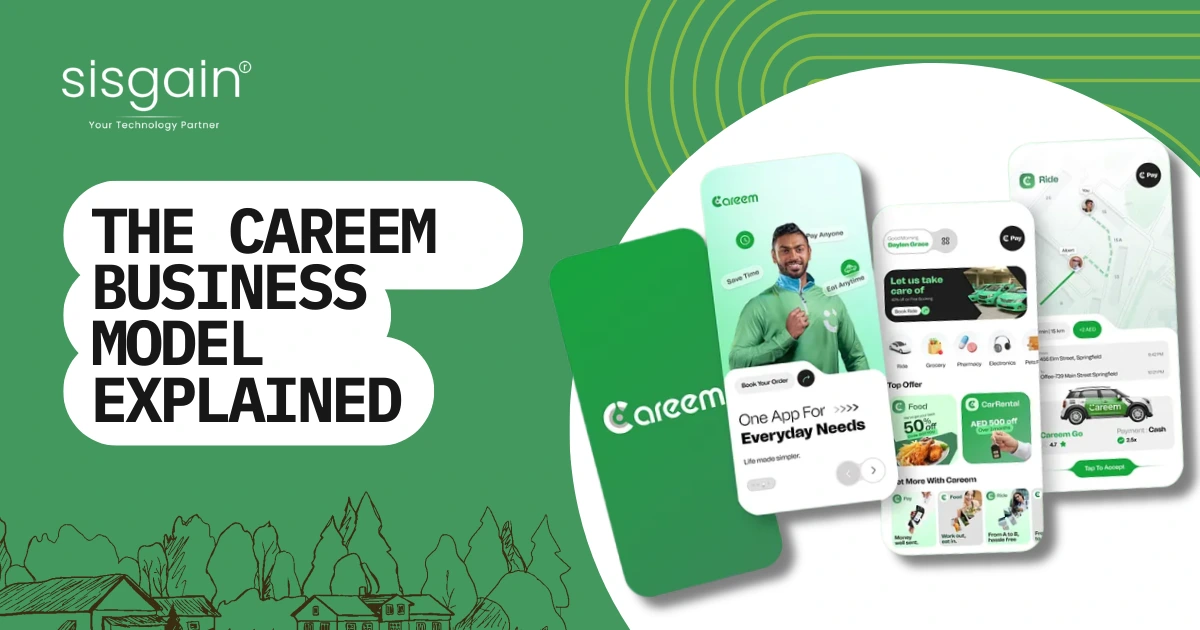
Careem didn’t just become a taxi app—it transformed into the Middle East’s most popular super app, serving millions of users across 100+ cities. Its journey from a simple ride-hailing service in 2012 to a multi-service platform today is nothing short of remarkable. But how did Careem scale so fast, expand into food delivery, digital payments, and logistics, and generate millions in revenue? In this article, we break down Careem’s business model, operating strategy, and revenue streams, and show how you can leverage these insights to build your own taxi or super app with the help of expert Mobile App development in UAE services. By the end, you’ll understand what makes a super app like Careem successful, and how startups and enterprises can replicate this model in their markets. What is the Careem Super App? Careem started as a simple ride-hailing company in the UAE in 2012, aiming to solve a basic transportation problem: getting from point A to point B efficiently. However, its founders quickly realized that the market demanded more than just a taxi service. Users wanted convenience, speed, and reliability in one seamless platform—something that could simplify daily life rather than add complexity. This insight laid the foundation for what would eventually become the Careem Super App, a platform designed to meet multiple everyday needs under a single interface. Today, Careem has evolved far beyond ride-hailing. It has successfully transformed into a multi-service digital ecosystem, catering to millions of users across the Middle East, Africa, and South Asia. The app is organized around three core verticals, each targeting a distinct aspect of user life: 1. Mobility of People At its core, Careem remains a mobility platform for people. This includes: Car and Bike Ride-Hailing: Users can book cars or bikes through the app for instant rides or scheduled trips. Options include economy, business, and luxury vehicles to meet different customer preferences. Shuttle Services & Mass Transit: Careem has introduced Commut, a tech-driven bus shuttle service that allows users to book shared rides on fixed routes, making commuting more affordable and efficient. Corporate Transport: The platform also serves businesses, offering seamless fleet management and corporate bookings for employees. By focusing on speed, reliability, and safety, Careem ensures that users trust the platform for their daily travel needs, whether commuting to work, running errands, or attending events. Pro Tip: For entrepreneurs, this vertical highlights the importance of starting with a core service that solves a real pain point before expanding into other domains. 2. Mobility of Things Careem’s second vertical is mobility of things, transforming the app into a one-stop solution for daily deliveries. This includes: Food Delivery: Through Careem Eats, users can order from restaurants across multiple cities. Over the years, Careem has also adapted to health-conscious trends, offering options for nutritious meals alongside traditional fast food. Grocery & Essentials Delivery: Careem Quik allows customers to get groceries, fresh produce, and essential items delivered directly to their doorstep, often within minutes. B2B Logistics & Corporate Deliveries: The platform handles bulk deliveries for businesses, including restaurants, retailers, and corporate offices. This includes items like office supplies, promotional materials, and even meals for employees. Parcel Delivery: Careem users can send packages and personal items efficiently, ensuring reliable same-day or next-day delivery. This vertical demonstrates Careem’s ability to understand and adapt to changing consumer needs, especially in urban areas where convenience and speed are highly valued. Insight: If you are planning to build a super app, the mobility of things vertically is crucial for diversifying revenue streams and increasing daily user engagement. 3. Mobility of Money The third vertical, mobility of money, is Careem’s foray into the fintech space, creating a secure and seamless financial ecosystem for users. Services include: Digital Wallet & Payments: Careem Pay allows users to top up their wallets, pay bills, transfer money, and manage everyday financial transactions directly from the app. Mobile Recharge & Top-Ups: Users can recharge prepaid mobile plans instantly through the app. Peer-to-Peer Transfers: The app enables safe, fast, and convenient money transfers between friends and family. Loyalty & Rewards Integration: Careem’s wallet integrates with its rewards program, allowing users to earn and redeem points for rides, deliveries, and other services. By combining transport, logistics, and finance under a single platform, Careem has successfully created a daily-use ecosystem, ensuring users return to the app repeatedly. Lesson for Startups: The mobility of money vertical not only enhances convenience but also builds user trust and retention. When integrated thoughtfully, it can become a powerful monetization channel. Why Careem’s Three-Pronged Approach Works Careem’s success lies in its ability to create synergy between these three verticals: Cross-Service Engagement: Users who book rides are more likely to order food or make payments within the same app, increasing daily engagement. Data-Driven Personalization: Integrating multiple services allows Careem to collect behavioral data, enabling personalized recommendations and targeted promotions. Brand Loyalty: Offering multiple services under one brand builds trust, reduces friction, and strengthens user loyalty. Revenue Diversification: By combining rides, deliveries, and payments, Careem ensures multiple streams of revenue, reducing dependence on any single service. This approach has allowed Careem to transition from a ride-hailing company into a super app, becoming an indispensable part of users’ daily lives in the Middle East. Key Takeaways for Super App Developers Start with a core problem (e.g., ride-hailing) and expand gradually. Design the app as a platform rather than a single service, enabling future verticals to integrate seamlessly. Include both B2C and B2B services to capture multiple revenue streams. Integrate digital payments early to increase stickiness and open fintech opportunities. Focus on local market adaptation, including language, payment habits, and cultural nuances. By studying Careem’s model, startups and IT companies can understand how to build scalable, multi-service platforms that engage users daily and generate multiple revenue streams. How the Careem Business Model Works At its core, Careem’s business model revolves around a technology-driven platform consisting of three main components: Passenger App Captain App Admin Dashboard Let’s explore each. Passenger App The Passenger App is designed for ease of use and reliability: Real-time GPS tracking for accurate pickup and drop-off. Ride options: Users can choose ‘Now’ or ‘Later’. Payment flexibility: Cash, credit/debit cards, or Careem Wallet. Ratings & feedback: Customers can rate drivers and provide service feedback. The app ensures a seamless experience that keeps customers engaged and loyal. Captain App The Captain App is tailored for drivers, offering: Onboarding & training: Drivers must complete a training program before starting. Trip management: Accept or reject rides, track earnings, and view ride history. Cash management: Handles B2C cash bookings and B2B invoicing. Notifications: Real-time updates about bookings, schedules, and promotions. This app ensures drivers can maximize earnings while maintaining service quality. Admin Dashboard The Admin Dashboard is the operational control center: Track rides and deliveries in real-time Manage drivers and captains Monitor cash flows and transactions Set fares, discounts, and promotion codes Analyze performance metrics The Admin Dashboard is crucial to scaling operations across multiple cities while ensuring consistency and quality. Careem’s Revenue Model Explained Careem generates revenue through multiple channels, which is key to its success as a super app. Revenue Stream Description Example Ride-Hailing Commission per trip 20–25% per ride fare Food Delivery Service fee + delivery charges Careem Eats Grocery & Essentials Delivery fee + markup Careem Quik B2B Logistics Contracted deliveries Burger deliveries, corporate shipments Payments & Wallet Transaction fees Careem Pay Premium Rewards Subscription & loyalty program Careem Gold This multi-stream approach allows Careem to remain profitable and diversify its income sources. Operating Model That Powers Growth The operating model is how Careem executes its business model efficiently: Location Database: Google Maps often fails in the Middle East due to rapid urban development. Careem built its own location database for precise pickups. Call Centers: Careem operates call centers for both drivers and customers to overcome language and tech barriers. Cash Handling: With low credit card penetration in the region, most rides are paid in cash. Careem’s model accommodates this seamlessly. Booking for Others: Users can book rides for family, clients, or employees—a feature that boosted adoption. Mass Transportation: Through Commut, Careem expanded into shuttle services for urban commuters. This customer-focused operational model allows Careem to scale rapidly in diverse markets. Key Statistics & Market Impact 97 million rides in 2022, covering 1.2 billion kilometers Saudi Arabia accounted for the highest trips: 26.8 million Food delivery growth: Healthy meal orders increased by 47% Grocery delivery growth: Monthly orders on Careem Quik rose 26x in 2022 Wallet top-ups: $50 million CSR contributions: $778,162 raised for humanitarian, educational, and economic initiatives These numbers highlight Careem’s dominance and influence in the region. Lessons for Taxi & Super App Development Careem’s journey provides actionable insights for startups and IT companies looking to build super apps: Start Small, Expand GraduallyLaunch with one core service (rides), then expand into related verticals like food delivery and payments. Understand Local NeedsCash is king in the Middle East, so digital payment options must complement traditional cash payments. Invest in TechnologyA strong tech stack with passenger, driver, and admin apps is essential for smooth operations. Leverage DataUser behavior, location analytics, and rewards program data drive engagement and profitability. Diversify Revenue StreamsSuper apps thrive by monetizing multiple services simultaneously—rides, deliveries, payments, subscriptions. Prioritize Trust & SafetyFeatures like driver call centers and restricted contact info enhance security and customer confidence. Why Careem Succeeded vs Competitors Careem’s remarkable rise from a simple taxi-hailing app to a dominant super app in the Middle East is not just luck—it is the result of strategic planning, local market understanding, and technological innovation. Let’s break down the key factors that set Careem apart from competitors in the region. 1. Local Adaptation: Tailored Solutions for Middle East Cities Unlike global competitors who often deploy a “one-size-fits-all” approach, Careem focused on understanding the nuances of the local market. This included: Cash Payments: Credit card penetration is relatively low in many Middle Eastern countries, so Careem’s system accommodates cash-based transactions, which accounted for over 90% of rides in certain regions. Local Language Support: Careem’s apps and call centers support multiple languages, including Arabic, English, and Urdu, ensuring accessibility for both locals and expatriates. Accurate Navigation: Google Maps often underperforms in rapidly developing cities due to road construction and urban changes. Careem built its own location database to ensure precise pickups and drop-offs. Cultural Sensitivity: Features like booking rides for others—parents booking rides for children or assistants booking for executives—cater specifically to local customs and practical needs. By adapting to regional realities, Careem gained a competitive edge over global ride-hailing services that didn’t localize effectively. 2. Customer-Centric Approach: Putting Users First Careem’s success is rooted in a customer-first philosophy, which permeates its products and services: Call Centers: Unlike many ride-hailing apps that rely solely on digital support, Careem provides dedicated call centers for both drivers and passengers. This ensures real-time assistance, even for users who are not tech-savvy. Mobile-First Design: The app is intuitive, fast, and visually simple, which keeps users engaged and reduces friction. Loyalty Programs: Careem’s reward system, including Careem Gold, incentivizes frequent usage and builds brand loyalty. Users earn points for rides, deliveries, and wallet top-ups, which can be redeemed for free services, discounts, or donations. Safety Measures: Driver verification, ride tracking, and in-app support make users feel secure—a critical differentiator in regions where safety concerns are significant. By prioritizing user experience, Careem ensured high retention rates, repeat usage, and positive word-of-mouth growth, which competitors struggled to achieve. 3. Strong Technology Foundation: Scalable & Flexible Architecture Careem’s technology stack is built for rapid expansion and multiple verticals, which gives it an edge over competitors limited to single-service apps. Key features include: Passenger & Driver Apps: Real-time GPS tracking, automated receipts, feedback systems, and flexible payment options. Admin Dashboard: Centralized control for monitoring rides, finances, promotions, and driver performance. Data Analytics & AI: Predictive analytics for ride demand, delivery optimization, and personalized promotions. Scalable Architecture: Designed to handle high volumes of traffic across multiple cities without downtime. This robust technical infrastructure allowed Careem to launch new services quickly, maintain high reliability, and scale to new regions efficiently—a challenge for competitors with rigid systems. 4. Strategic Acquisitions & Partnerships Careem didn’t grow organically alone—it leveraged acquisitions and partnerships to expand services and enhance its ecosystem: RoundMenu Acquisition: Integrated restaurant listings and food delivery across the Arab region. Bike-Sharing Startup: Expanded urban mobility options with eco-friendly transport solutions. Fintech Partnerships: Launched Careem Pay, enabling digital payments, wallet top-ups, and secure transactions. Commut Shuttle Service: Partnered with local operators to create a tech-driven mass transportation solution. These strategic moves allowed Careem to diversify its offerings, reach new customer segments, and stay ahead of competitors in an increasingly crowded market. 5. Brand Loyalty: Building a Daily-Use Ecosystem Careem’s ultimate success lies in creating a platform that users rely on every day, rather than just for occasional rides: Super App Convenience: By integrating rides, deliveries, and payments in one app, users interact with Careem multiple times daily. Rewards & Premium Memberships: Careem Gold and in-app reward points encourage loyalty, increase engagement, and foster a sense of belonging. Trust & Safety: Transparent pricing, verified drivers, and secure payment options give users confidence in the platform. Social Responsibility: Community initiatives, charity programs, and educational support reinforce a positive brand image. This combination of convenience, trust, and rewards has cemented Careem as a household name in the Middle East, making it extremely difficult for competitors to lure users away. 6. Lessons for Aspiring Taxi & Super App Developers By analyzing Careem’s success, startups and IT companies can extract actionable insights: Localize Your Solution: Adapt features to suit regional behaviors, culture, and payment preferences. Prioritize Customer Experience: Invest in UX, loyalty programs, safety features, and accessible support. Build Scalable Tech Infrastructure: Ensure your app can handle high traffic, multiple services, and rapid expansion. Leverage Strategic Partnerships: Acquire complementary businesses or partner with local service providers to diversify offerings. Create Daily-Use Value: Offer multiple verticals so users engage with the app frequently, increasing retention and monetization. For startups and enterprises in the Middle East looking to launch a taxi or super app, partnering with expert Mobile App development in UAE companies ensures the right combination of tech, design, and strategy. How to Build a Taxi or Super App in 2026 If you’re planning to launch a super app in the Middle East, consider these steps: Market Research: Analyze local customer needs, competitor offerings, and regulations. Tech Stack: Develop Passenger, Driver, and Admin apps using scalable technology. Payment Integration: Offer cash, card, and digital wallets. Multi-Service Approach: Add delivery, e-commerce, or financial services. Rewards & Loyalty: Implement gamified rewards and premium subscriptions. Compliance: Ensure the app meets local regulations, safety standards, and financial compliance. Partner with Experts: Work with professional Mobile App development in UAE companies for faster deployment and support. SISGAIN Advantage: Your Partner for Super App Development SISGAIN is one of the leading IT Companies in Dubai specializing in: Ride-hailing & taxi apps Super app development (multi-service platforms) E-wallet & fintech integration Logistics & delivery platforms Scalable Admin dashboards We focus on custom solutions, ensuring your app is robust, secure, and market-ready. Conclusion Careem’s journey proves that market understanding, scalable technology, and multi-service integration are key to building a super app that dominates its region. If you want to launch a taxi or super app like Careem, partnering with an experienced company like SISGAIN, one of the top IT Companies in Dubai, ensures you have the right expertise, technology, and market insight to succeed. Book a Free Consultation with SISGAIN Today and transform your super app idea into a reality.

Dubai’s extraordinary mobile penetration (228 devices per 100 people) and a 92% expatriate populace create fertile ground for on-demand services. The emirate’s tech-savvy market – home to over 13,000 restaurants (~60% of UAE’s eateries) – has fueled rapid growth in delivery apps. Leading platforms like Talabat (handling roughly 75% of orders) and global players such as Deliveroo and Careem underscore the region’s appetite for digital food services. In this dynamic environment, businesses hire specialized Dubai-based developers to stay competitive and compliant. For example, Dubai’s Food Apps ecosystem demands Arabic/English UX and local payment integration. Dubai’s On-Demand Boom: The UAE’s online food delivery market is booming – projected to reach about $3.9 billion by 2030. High smartphone use means over 70% of orders are placed via mobile. As a result, dozens of app development firms in Dubai have carved niches helping restaurants and startups tap into this growth. Our guide compares the top 12 such companies, detailing expertise, pricing, and why each stands out. Why Choosing the Right Food Delivery App Development Company Matters Before you pick a vendor, it’s crucial to understand the unique challenges of the Dubai market. First, scalability is non-negotiable: delivery volumes spike during Ramadan and peak summer, with platforms seeing nearly 30% sales jumps in those months. Only robust systems (backend servers, cloud infrastructure) can handle those surges without downtime. Second, UAE compliance and localization are essential. The UAE enforces strict digital content and data regulations (e.g. via TDRA) – non-compliant apps risk being blocked. Leading developers ensure apps support right-to-left Arabic text, dual-language interfaces, and local payment gateways (e.g. Etisalat, Mashreq Pay). For instance, apps like Careem and Talabat invested heavily in Arabic UX and regional payment integration to win user trust. Choosing a Dubai-based firm means they already build these localizations in by default (learn more at App development company in UAE). Long-term maintenance and updates are another critical factor. Mobile apps require ongoing support: without updates and bug fixes, even a great app can falter within months. Your development partner should offer regular version upgrades (for new iOS/Android releases) and security patches to keep the app reliable. Finally, modern food apps increasingly rely on AI and analytics. Integrating machine learning for inventory forecasting, dynamic pricing, or fraud detection gives a competitive edge. Industry experts predict deeper adoption of AI-driven tools in food delivery: e.g. predictive analytics for stock and pricing. A qualified development company will not only build your app but also integrate these smart features from day one. Choosing a seasoned Dubai food app developer ensures they handle all these aspects: scalable architecture, local regs, multi-language UX, plus advanced tech and support. Key Features Every Successful Food Delivery App Must Have in 2026 A top-tier food delivery platform has four parts (user app, restaurant portal, delivery app, and admin console). Each must be feature-rich to delight users and partners. Below are must-have features in 2026: User App (Customer) Features Restaurant Discovery & Smart Filters: Users can search nearby restaurants by location, cuisine, price range, or ratings. Advanced filters (geolocation, dietary options, popularity) help them find meals faster. Real-Time Order Tracking: Once an order is placed, customers track it live on a map. The UI shows driver location and estimated arrival time, ensuring transparency. Multiple Payment Options: Integrated payment gateways allow credit/debit cards, mobile wallets (Apple Pay, Google Pay) and cash-on-delivery, all within the app. Secure and varied payment methods reduce drop-offs. Ratings & Reviews: Customers can rate restaurants, menu items and drivers, and read reviews from others. This social proof builds trust and helps improve service quality. AI-Based Recommendations: Personalized dish and restaurant suggestions based on user order history and preferences. Modern apps use AI engines to surface relevant items, boosting upsell. (Research shows ~80% of users expect such personalized choices.) Restaurant Portal Features Menu & Pricing Management: Restaurants easily update menus, pricing, and item availability in real time. Bulk-edit tools let them add promotions or new dishes without code. Order & Kitchen Workflow: Incoming orders are managed efficiently – the portal shows live order queues, and enables acceptance/fulfillment with one tap. Automated alerts help kitchen staff prepare efficiently. Analytics Dashboard: Sales reports, order trends and peak-time analytics help restaurants make data-driven decisions. Real-time insights (e.g. top-selling items, busiest hours) guide staffing and menu updates. Rating & Feedback: Restaurants see customer feedback and ratings on each order, allowing them to address issues and improve service over time. Delivery Partner App Features Smart Order Allocation: Orders are auto-assigned to drivers using algorithms (considering proximity, current workload and driver ratings). This optimizes delivery times and driver utilization. Live GPS Navigation: Integrated maps (Google Maps, Waze) guide drivers turn-by-turn. Real-time traffic data is used to optimize routes, ensuring meals arrive hot and on time. Earnings & Incentives Dashboard: Delivery staff can track their earnings, tips, and bonuses in-app. Gamification elements (badges for completing rides or earning high ratings) and clear pay breakdowns keep drivers motivated. Admin Panel Features Commission & Pricing Management: Admins set and adjust commission rates (per order or subscription), manage fees, and handle billing reports. AI Fraud Detection: Advanced systems monitor for fake or fraudulent orders. ML algorithms flag unusual behavior (e.g. repeated cancellations or coupon abuse) to protect revenue. Marketing & Promo Tools: The admin console lets the business create promo codes, flash deals and targeted campaigns. Segmentation (first-time users, high-value customers) enables efficient user acquisition and retention. Each feature above ensures a seamless, secure and engaging experience. Together, they form a future-ready food delivery app that can thrive in Dubai’s competitive market. Technology Stack Used by Top Food Delivery App Developers Leading Dubai developers use proven, scalable tech to build delivery apps. The typical stack looks like this: Frontend (Mobile/Web): For cross-platform mobile apps, frameworks like React Native or Flutter are popular (allowing a single codebase for iOS and Android). Some teams still use native (Swift/Kotlin) for maximum performance. Web portals often use React or Angular. Backend: Server-side development in Node.js, Java, Go or .NET handles app logic and APIs. Common databases include PostgreSQL or MySQL for relational data, and MongoDB (or similar NoSQL) for flexible order data. Cloud-hosted microservices and REST/GraphQL APIs power the platform. Cloud Infrastructure: Top providers AWS, Azure and Google Cloud are used for hosting servers, databases and storage. For example, AWS offers scalable EC2 instances and managed databases, while GCP or Azure deliver strong analytics services. Using cloud services ensures the app can grow elastically with demand. Third-Party Integrations: Robust third-party tools are integrated: payment gateways (Stripe, local UAE gateways), push notification services (Firebase Cloud Messaging, OneSignal), and mapping APIs (Google Maps, Mapbox). Proper integration ensures reliability and localization. AI/ML Integrations: Advanced apps include AI libraries for recommendations, predictive analytics and computer vision (for menu OCR). They may use ML models for demand forecasting or route optimization. Chatbots powered by NLP (AI Apps) handle basic customer inquiries. Security & Compliance: Data encryption, secure authentication (OAuth2, JWT) and GDPR/UAE-compliant privacy measures are non-negotiable. Developers implement secure payment modules and apply local data-protection guidelines (as emphasized by UAE authorities). In short, reliable technologies (React Native/Flutter, Node.js or Laravel/Django backends, MongoDB/PostgreSQL, AWS/Azure) combined with AI tools and strong security practices form the foundation of any top food delivery platform. This stack ensures your app is performant, extensible and compliant with UAE standards. Cost to Build a Food Delivery App in Dubai (2026 Pricing) Understanding cost is vital. Industry data shows wide ranges depending on scope. A recent analysis finds: a basic MVP (single-restaurant app with core features) typically costs $20K–$40K. A mid-level app (multi-restaurant aggregator with tracking, reviews, promo codes) runs about $40K–$100K. An advanced platform (UberEats/Talabat-style, with separate delivery driver apps, personalized AI features and analytics) can exceed $80K–$250K+ globally. Dubai-specific guides echo this scale in local currency. One Dubai consultancy notes that simple apps start around AED 25K–35K (~$7–10K), while enterprise-grade apps often exceed AED 80K (>$20K). In practice, expect full-featured food delivery platforms in Dubai to begin near AED 150K–250K (~$40K–$70K), depending on complexity. The exact price hinges on several factors: Feature Set: Each feature adds to cost. Basic menu/payment/order features are cheap, but advanced ones (live GPS tracking, loyalty programs, AI recommendations) drive the price up. For example, integrating AI-based menu suggestions or route optimizers requires additional ML development. Platforms: Developing native iOS and Android versions separately costs 20–30% more than a cross-platform Flutter/React app. Many clients start with one platform or use a cross-platform approach to save budget. Backend & Integrations: Complex backend logic (real-time updates, third-party APIs like maps, SMS, local payment gateways) increases development hours. Cloud hosting and database costs scale with usage. Design & UX: Custom animations, premium UX/UI design and branding can raise costs. A simple UI is cheaper, but rich, tailored interfaces demand more design time. Maintenance & Support: Don’t forget post-launch costs. Ongoing server fees, bug fixes and feature updates typically run 5-20% of the initial budget per year. MVP Strategy: Many businesses mitigate cost by launching an MVP app first – a stripped-down version to test the concept. This approach can cut initial spending and de-risk investment. User feedback from the MVP then guides which premium features to add next. In summary, build estimates are: Basic MVP ($20–40K), Mid-tier ($40–100K), Full Enterprise ($80–250K+). Dubai’s costs follow similarly (AED 25K–80K+). For detailed breakdowns, see our Cost to Develop an App in 2026 guide. How We Ranked the Top Food Delivery App Companies in Dubai We based our rankings on transparent criteria to ensure trust. Industry best practices advise checking experience and portfolio first. We prioritized companies with a proven history (typically 5+ years) in on-demand or restaurant app development. We closely examined each firm’s portfolio – successful past projects and case studies – to ensure they can deliver high-quality, similar solutions. We also evaluated client reviews and testimonials. Positive feedback and high ratings on Clutch or Google Reviews indicate reliability. As Netguru notes, testimonials are “invaluable” for gauging a company’s track record. Firms with overwhelmingly satisfied clients scored higher. Technical expertise was another key factor. We checked whether teams know the latest food-tech stack (React Native/Flutter, Node.js, cloud hosting) and advanced tools (AI/ML integration). Familiarity with the UAE market – including language, payment systems and local regulations – earned extra points. Finally, we looked for firms offering post-launch support and maintenance as standard; ongoing partnership potential is a must for long-term success. By combining years of experience, portfolio strength, client satisfaction, technical mastery and local knowledge – in line with expert advice – we arrived at our list of the top Dubai food delivery app development companies. List of 12 Food Delivery App Development Companies in Dubai 1. SISGAIN – Leading Food Delivery App Development Company in Dubai Focus: Enterprise-grade food delivery solutions, AI-driven logistics, cloud-native architectures, and full-stack development. SISGAIN specializes in custom on-demand apps with advanced features like smart routing, dynamic menus and real-time analytics. Services: End-to-end App development (iOS, Android, web), UI/UX design, AI/ML integration, QA/testing, and DevOps. They also handle app store deployment, localization (Arabic/English), and payment gateway setup. Strengths: Deep domain expertise with a focus on Gulf markets. SISGAIN’s Dubai team prides itself on rapid delivery and scalable architecture. They leverage AI algorithms for route optimization and fraud prevention. Their developers have built Talabat-like aggregators, ensuring Talabat-class reliability. Known for transparent pricing and agile turnaround, they also offer robust post-launch support. Best For: Large restaurants, delivery startups aiming for rapid scale, or enterprises needing a Talabat-style platform. SISGAIN is especially suited for clients that want cutting-edge AI features and full regulatory compliance. Ready to get started? SISGAIN offers a free consultation and custom quote to kickstart your project. 2. Appinventiv (USA, Dubai & Global) Appinventiv is a leading enterprise mobile app developer with a strong Middle East focus. Headquartered in New York with offices in Dubai and India, the firm excels in custom iOS/Android apps, cloud services, AI/AR integration and full-stack solutions. Its team has worked with major brands; notably, as part of the Americana Group, Appinventiv built and launched seven custom KFC food-delivery apps across the Middle East (UAE, KSA, Kuwait, Egypt, Qatar, Bahrain and Oman) within a year. They emphasize UX design, agile processes and mobile-first innovation. Key strengths include enterprise-grade scalability, a large in-house engineering team, and experience with high-traffic solutions. Appinventiv’s portfolio spans 3,000+ projects for clients like IKEA, Adidas and Edamama. Best for mid-size to large enterprises in retail, restaurant chains or on-demand services seeking full-featured, scalable food delivery apps. Their solutions often incorporate advanced features like order tracking, digital wallets and AI-driven recommendations. Website: appinventiv.com. 3. Apptunix (USA, Dubai) Apptunix is a rapid-development specialist with a global footprint (headquartered in New York and UAE). It has a Dubai office at One Central Tower, DWTC and offers end-to-end mobile app development with AI, cloud and backend integration. The company emphasizes turnkey on-demand solutions and white-label platforms. For example, Apptunix built Expo City Eats, a food-delivery app tailored to Dubai’s Expo City, complete with real-time tracking and multi-restaurant ordering. They also developed India’s McDonald’s delivery app (boosting orders ~40%). Apptunix’s strengths are quick deployment, extensive library of pre-built modules, and deep experience in restaurant apps. The firm supports startups through enterprises with services from UI/UX design to cloud orchestration. Best suited for businesses seeking a fast, proven solution: from single restaurants to large chains, especially those wanting AI features (e.g. recommendation engines) and scalable AWS/GCP infrastructure. Website: apptunix.com. 4. DeviceBee (UAE, UK, Australia, Spain) DeviceBee is a Dubai-based on-demand app boutique known for regional expertise. With headquarters in Dubai Outsource City and offices in Birmingham, Sydney and Madrid, they develop cross-platform mobile apps (React Native/Flutter) for restaurants, delivery and hyperlocal services. DeviceBee’s portfolio highlights include the ClickFood app (food & grocery delivery for UAE/Lebanon) and SaveMe (a food-delivery platform). They also created Sofra, a home-cooked meal ordering app in Dubai. Key differentiators are local market know-how, bilingual support, and a strong focus on end-to-end design (front-end, back-end, admin dashboards). They often build AI-driven features like route optimization and user personalization. Clients span startups to midsize chains in the GCC. DeviceBee is ideal for companies seeking Middle East specialists with on-demand delivery expertise, particularly SMEs that need cost-effective yet polished iOS/Android apps. Website: devicebee.com. 5. Competenza Innovare (UAE, India, Australia) Competenza is a Dubai-headquartered technology firm (office at Dubai Digital Park) offering mobile and web development, cloud engineering and AI/ML solutions. The company serves a broad range of clients, claiming “1000+ enterprises and growing startups” in the GCC. Its on-demand delivery practice includes custom food-delivery and multi-vendor platforms. Competenza emphasizes high-performance apps tailored to Middle Eastern markets, with expertise in logistics, CRM integration and payment systems. They have worked on unified commerce projects (e.g., partnership with retail platform Fynd) and restaurant chain apps. Differentiators include full-stack development, strong machine-learning capabilities, and compliance with regional regulations (payment, invoicing). Competenza is suited for both startups and large enterprises looking for local presence and robust solutions. Its clients praise its technical expertise and project management. Website: competenza.ae. 6. EmizenTech (India, UAE) Emizen Technologies has 12+ years’ experience building on-demand apps. With offices in Jaipur (India) and Ajman (UAE), EmizenTech delivers mobile solutions across food delivery, e-commerce and logistics. Its strengths lie in full-cycle development with competitive pricing. EmizenTech’s Clutch profile (4.9/5 rating) highlights its responsiveness and cost-effectiveness. The company offers Android, iOS and hybrid apps, plus backend APIs and cloud deployment. In the food sector, EmizenTech builds apps with restaurant panels, delivery-tracking and payment integration (cash, e-wallets, cards). They focus on stable, feature-rich products (menus, orders, push notifications, chat, etc.). EmizenTech is a good fit for small-to-mid-size businesses and restaurants looking for budget-friendly custom apps with solid support. Clients appreciate their proactive communication and on-time delivery. Website: emizentech.ae. 7. Techugo (India, UAE) Techugo is an award-winning mobile app studio with a strong Middle East track record. Founded in 2015, the firm is CMMI Level 3-certified and has offices in Noida (India) and Dubai (Emaar Square). Khaleej Times hailed Techugo as a “game changer for startups in the Middle East,” with 750+ apps delivered across Saudi Arabia, UAE, USA and India. They specialize in advanced technologies: AI/AR/VR, IoT, blockchain and enterprise mobility. Notably, Techugo built MilkBun (a food delivery app for top restaurants) and CanCan (AI-driven e-commerce). The company emphasizes user-centric design, robust architecture and end-to-end development (from concept to App Store). Core strengths include strong UI/UX, agile teams and post-launch support. Techugo suits mid-to-large clients and startups aiming to scale; they have experience taking ventures to unicorn scale and support custom AI features. Website: techugo.com. 8. Dev Technosys (India, UAE) Dev Technosys is a full-stack development company with offices in Jaipur (India) and Dubai (UAE). Founded in 2010, it has delivered 950+ software solutions globally. Specializing in high-growth ventures, Dev Technosys offers mobile (Android/iOS) and web development, AI/analytics, cloud and e-commerce. A third-party profile notes their portfolio includes on-demand apps like Honestbee (grocery/food delivery). Client testimonials praise Dev Technosys for high-performance food-delivery platforms: “their team took time to understand our needs… the app’s performance is fast, and the backend is seamless — it handles high traffic without a hiccup”. They are known for creating Zomato/Doordash-style apps with features like live tracking and AI-based recommendations. Ideal for mid-size businesses, Dev Technosys is often chosen by growing chains or startups needing robust apps at moderate budgets. Website: devtechnosys.com. 9. Quickworks (Dubai, Global) Quickworks is an on-demand app development platform (an Apptunix spin-off) based in Dubai (DWT Office, +971 contact). It offers white-label app solutions for delivery businesses (food, grocery, taxi, etc.). The firm’s pre-built product suite (Quick Delivery, Quick Orders, Quick Rides) lets clients launch MVPs rapidly. Quickworks touts “1000+ businesses” and presence in 25+ countries. Their solutions are AI-enabled (e.g. scheduling, chatbots) and fully customizable. Key strengths: plug-and-play architecture, AI enhancements, and full admin/driver/customer dashboards. This makes it well-suited for startups and SMBs on a budget who want to avoid ground-up development. Clients get end-to-end functionality (apps + web dashboards) out of the box, with options to integrate cloud services like AWS or Firebase. Website: quick-works.com. 10. Suffescom Solutions (USA, India, Dubai) Suffescom is a global IT consultancy (HQ in California, India) with a Dubai branch, providing enterprise app development, AI/ML, Web3 and blockchain services. It is a “leading mobile app development company in Dubai” with a “proven track record” of projects for government bodies and Fortune 500 firms. Suffescom’s team (300+ people) delivers full-cycle projects: custom iOS/Android apps, IoT platforms, and complex backend systems. They highlight strong capabilities in AI integration and cloud-native solutions. Strengths include enterprise focus, adherence to security standards, and broad technology stack (AR, VR, blockchain). While not a pure-play food-delivery shop, Suffescom has relevant on-demand experience and emphasizes quality. They are best for large enterprises or governments wanting highly scalable, secure solutions (with ongoing support and customization). Website: suffescom.com. 11. Algoscale (USA, Dubai) Algoscale is a data-driven mobile app and AI development firm. With offices in New York, India and Dubai (presence in UAE tech hub), they focus on combining mobile apps with AI/ML and scalable cloud infrastructure. Their core services include custom iOS/Android apps, cross-platform (React/Flutter), AI/ML integration, and cloud deployment (AWS/Azure). Algoscale is known for blending technology and analytics: their blog claims they help scale apps “from 1,000 to 100,000+ users without compromising performance”. They serve both startups and Fortune 500 clients in industries like fintech and logistics. Key differentiators are agile processes, extensive tech expertise (AI, APIs) and transparent pricing. Algoscale suits companies that need sophisticated AI-driven features (smart recommendations, data analytics) and robust backends. Website: algoscale.com. 12. Way2Smile Solutions (UAE, India, USA, Europe) Way2Smile is a Dubai-based technology firm (with development centers in India, USA and Europe) specializing in mobile and AI solutions. They emphasize on-demand and F&B apps – the company’s own materials highlight a “strong background in mobile app development, especially in the food & beverages and on-demand sectors”. With 150+ employees worldwide, Way2Smile has built over 100 mobile apps. Their services cover iOS/Android development, cloud integration and analytics. Strengths include cross-border teams, end-to-end project management, and AI features (e.g., personalized recommendations and real-time analytics). Suitable for mid-market to large food businesses and logistics companies, Way2Smile can scale from restaurant chains to startups. They stress clear communication and post-launch support as differentiators. Website: way2smile.ae Comparison Table: Top Food Delivery App Development Companies in Dubai Company Headquarters / Presence Core Focus Key Strengths Best For Notable Projects / Highlights SISGAIN Dubai, UAE Enterprise-grade food delivery platforms AI-driven logistics, smart routing, Talabat-like architecture, Gulf compliance, transparent pricing Enterprises, aggregators, fast-scaling startups Talabat-style multi-vendor apps, AI fraud prevention, real-time analytics Appinventiv USA, Dubai, India Enterprise mobile app development Large engineering team, UX excellence, high-traffic scalability Large restaurant chains & enterprises Built 7 KFC delivery apps across Middle East Apptunix USA, Dubai Rapid on-demand app development Fast deployment, white-label solutions, AI recommendations Startups & chains needing quick launch Expo City Eats, McDonald’s delivery app DeviceBee UAE, UK, Australia, Spain On-demand & hyperlocal apps Local UAE expertise, bilingual apps, cost-effective builds SMEs & regional startups ClickFood, Sofra, SaveMe Competenza Innovare UAE, India, Australia Custom delivery & commerce platforms Full-stack development, ML expertise, regional compliance Startups to enterprises Unified commerce & restaurant chain apps EmizenTech India, UAE Budget-friendly on-demand apps Competitive pricing, reliable delivery, strong support Small & mid-sized restaurants Multi-restaurant delivery apps with tracking Techugo India, UAE Advanced tech-driven mobile apps AI/AR/VR, CMMI Level 3, premium UX Scaling startups & unicorn-ready apps MilkBun, CanCan Dev Technosys India, UAE High-performance food delivery systems Robust backend, AI recommendations, traffic handling Growing chains & mid-size businesses Honestbee-style platforms Quickworks Dubai, Global White-label delivery platforms Plug-and-play MVPs, low cost, fast rollout Startups & SMBs Quick Delivery, Quick Orders Suffescom Solutions USA, India, Dubai Enterprise & government-grade apps Security-first, AI, blockchain, scalability Enterprises & government projects Fortune 500 & public sector apps Algoscale USA, Dubai, India AI-first mobile & cloud apps Data analytics, scalable backends, transparent pricing AI-driven startups & enterprises Apps scaled from 1K to 100K+ users Way2Smile Solutions UAE, India, USA, Europe F&B & on-demand solutions Cross-border teams, analytics, strong PM Mid-market to large food businesses 100+ apps in food & logistics Common Mistakes to Avoid When Hiring Focusing on Price Only: Choosing the cheapest vendor can backfire. Low bids often cut corners on quality or leave out crucial features. Remember the old adage: “You get what you pay for.” Opt for value and expertise over rock-bottom rates. Ignoring Scalability: A common error is not planning for growth. If your app is only built for today’s order volumes, it may crash or lag once it’s popular. Always ask about load testing and how the system scales (especially for Ramadan peaks). No Post-Launch Support Plan: Some hire a developer to launch the app, then never think about updates. That’s risky. Make sure your contract includes ongoing maintenance, security patches and upgrades; without that, your app could become outdated in months. Skipping the AI Roadmap: In 2026, features like AI recommendations and dynamic routing are no longer optional. Don’t ignore a technology plan – even a basic AI integration down the road can vastly improve efficiency and user engagement. Weak UX/UI: A clunky or confusing interface kills adoption. Avoid developers who don’t prioritize design. In food apps, ease-of-use (one-click reordering, clear buttons, quick checkout) is crucial – poor UX will frustrate customers and lead to uninstalls. Avoiding these pitfalls sets you up for success. Partner with a vendor who balances cost with quality, plans for scale, commits to long-term support, has an AI strategy, and delivers a polished user experience. Why SISGAIN Is the Best Food Delivery App Development Company in Dubai SISGAIN stands out for many reasons: as a Dubai-based expert, we speak the local language and regulations fluently. Our AI-driven solutions and cloud-native architectures mean your app isn’t just built – it’s future-proofed. We seamlessly integrate Arabic UX and UAE-compliant payment systems into every project. For example, all our apps include right-to-left support and local gateway options out of the box (meeting UAE digital guidelines). Our team specializes in scalable, enterprise-ready platforms. We’ve built multiple Talabat-like systems with dedicated driver apps and restaurant dashboards. Every line of code is optimized for performance under load. We also incorporate advanced security: ML-based fraud detection to block fake orders, and full encryption to protect user data. We believe in transparent pricing – no hidden fees. Our development process is fully agile: you see demos each sprint and we pivot based on your feedback. Post-launch, our dedicated support team handles updates, analytics, and new feature rollouts (think AI-enhancements or expansion to new cities). Many of our clients sign yearly contracts so we become a true partner, not a one-off vendor. Future Trends in Food Delivery App Development (2026–2028) The food delivery space keeps evolving. Key trends to watch: AI-Powered Demand Forecasting: Next-gen apps use machine learning to predict order volumes and optimize inventory. For example, predictive analytics can forecast peak times and popular dishes, reducing waste and ensuring restaurants prepare adequately. Voice Ordering: Consumers will increasingly order via voice assistants. By 2026+, apps that support voice commands (e.g. “Hey app, order my usual lunch”) gain an edge. This hands-free convenience speeds ordering and boosts accessibility. Drone & Robotic Delivery: UAVs and delivery robots are advancing fast. Many cities are piloting drone deliveries to bypass traffic; these drones can drop off orders autonomously at customers’ locations. Meanwhile, ground robots on sidewalks will handle short-range runs, making couriers faster and reducing costs. Hyper-Local “Quick Commerce”: Ultra-fast delivery models will grow. Companies are building micro-warehouses or “dark stores” in neighborhoods so groceries and meals can arrive in ~10–15 minutes. This hyper-local approach is driven by consumer demand for instant gratification. Sustainability & Eco Features: Green tech is a must-have. Apps are adding features like carbon-neutral delivery options and green loyalty points. Customers will expect environmentally friendly practices – for example, offering biodegradable packaging and incentivizing low-emission deliveries. Companies using electric bikes or offsetting carbon will stand out. In short, think AI and automation, new delivery modes (voice/drone), ultra-fast hyperlocal logistics, and a push for sustainability. Forward-looking food delivery apps will embrace these trends to lead the market.

HIPAA compliance is non-negotiable in 2026, especially for healthcare apps. The stakes are higher than ever: healthcare organizations remain prime targets for cybercriminals – 77% were hit by ransomware in the past year – and data breaches are extremely costly. In 2025 the average healthcare data breach cost $7.42 million (and a record $10.22 million in the U.S.). A single breach can sink a startup or impose crippling fines and legal costs for an enterprise. Fortunately, building a HIPAA-compliant app is achievable with the right roadmap. This guide lays out a step-by-step plan, covering everything from secure architecture and cloud choices to encryption, audit logs, Business Associate Agreements, costs, and common pitfalls. By following these guidelines, you’ll not only protect patient data but also build trust – a key advantage in the competitive 2026 healthcare market. What HIPAA Compliance Really Means for Apps in 2026 HIPAA (the Health Insurance Portability and Accountability Act) sets U.S. rules for protecting Protected Health Information (PHI). Although HIPAA was enacted in 1996, it remains the law governing patient privacy and security. Covered Entities and their Business Associates are legally bound to implement safeguards whenever PHI is created, received, maintained or transmitted. The last major HIPAA updates were driven by the HITECH Act (2009 Breach Notification Rule, 2013 Omnibus Rule), and as of 2024–2025 HHS has proposed further Privacy and Security Rule revisions. In practice today, compliance is about technical safeguards more than paperwork. For example, modern enforcement focuses on whether your systems encrypt and log data correctly, rather than solely on filing forms. The core idea is simple: any app handling patient health data must build privacy and security in by design, or risk severe penalties and loss of trust. What Is HIPAA and Why It Still Applies in 2026 HIPAA’s Privacy and Security Rules establish standards for all PHI. The Privacy Rule gives patients the right to access their health records and controls how PHI may be used or disclosed. The Security Rule requires robust safeguards (administrative, physical, technical) to protect electronic PHI (ePHI). In other words, whether data sits on servers or smartphones, it must be guarded. Compliance isn’t optional: HHS Office for Civil Rights has ramped up enforcement in recent years, issuing hefty fines and breach notifications. Even though new HIPAA regulations (like NPRMs in 2024–2025) may be coming, current rules already demand that software developers lock down health data. In 2026, regulators expect healthcare apps to adapt to modern threats (AI misuse, cloud exposure, remote workers) and prove that safeguards are active, not just on paper. PHI vs ePHI vs Consumer Health Data It’s crucial to distinguish types of health data. PHI is individually identifiable health information created or received by a covered entity (doctors, hospitals, insurers, clearinghouses) or their business associates. ePHI is simply PHI in electronic form. If your app is tied to a healthcare provider or health plan, any patient data it handles is PHI/ePHI and falls under HIPAA. By contrast, consumer health data (like fitness, wellness, or genetic data collected by a direct-to-consumer app) is not PHI unless a covered entity is involved. For example, a telehealth video app used by a doctor’s office is HIPAA-covered, whereas a general fitness tracker on a user’s phone usually isn’t. The tricky cases are “gray areas” – e.g. health apps collecting data for insurers or research. If a health app developer processes PHI for a provider or partner, it becomes a Business Associate and must comply. In short, assume any patient-identifiable info tied to care or insurance is PHI; if your app touches that, HIPAA applies. (Conversely, standalone wellness apps handling only generic data are typically outside HIPAA’s scope.) Which Apps Must Be HIPAA Compliant (And Which Don’t) Not all health-related apps fall under HIPAA. The law applies when a covered entity or its vendor deals with PHI. Covered Entities include hospitals, clinics, physicians, pharmacies, insurers (HMOs, Medicare, etc.), and any organization that bills health care services. If your app is built by or for these entities – for example an EHR portal or medical records app – it must follow HIPAA. Covered Entities Explained HIPAA covers three main categories: healthcare providers (doctors, dentists, therapists, pharmacies, etc.), health plans (insurers, Medicare/Medicaid, HMOs), and healthcare clearinghouses (entities that process claims data). Thus, an app owned by a hospital for patient check-in or lab results clearly triggers HIPAA. Even apps by insurers (member portals, claims apps) must comply. Digital health startups can be covered too if they function as a virtual clinic or data processor. Business Associates & SaaS Vendors Any third-party that creates, receives, stores or transmits PHI on behalf of a covered entity is a Business Associate (BA). This includes SaaS vendors, cloud providers, app developers, analytics services, and device makers if they handle PHI. For instance, if you use AWS or Google Cloud to host PHI, they become a BA under HIPAA. HIPAA requires a signed Business Associate Agreement (BAA) with each BA. A BAA makes the provider legally liable to safeguard the PHI and outlines responsibilities. In practice, before using any third-party service (cloud databases, email platforms, SMS gateways, etc.), verify HIPAA eligibility and sign a BAA. (Major clouds all offer BAAs, but only for designated services – you must check which services are covered.) Real-World App Examples HIPAA-required apps: A telemedicine app built for a clinic, a patient portal for an insurer, or a remote patient monitoring app connected to a hospital’s systems. All of these create or use PHI as part of care or billing. Non-HIPAA apps: A stand-alone meditation or fitness app that users download on their own – unless it’s directly connected to a healthcare provider – generally handles only consumer data and isn’t regulated by HIPAA. Gray-area apps: For example, a lifestyle app that offers dietary advice but then shares data with an insurer may unexpectedly touch PHI. Many founders mistakenly assume “cloud = HIPAA safe” or overlook mobile-specific risks. In reality, as one expert notes, simply using AWS (even with a BAA) doesn’t make you compliant – you have to configure encryption, IAM, and logging correctly. Also Read - Explore 16 Healthcare Software Types for UAE Why HIPAA Compliance Impacts Your Product Roadmap HIPAA affects product strategy in many ways. For Patients: compliance is a trust signal. Patients must be informed (via Privacy Notice) how their data is used, and they have rights (access, correction, data portability). Incorporating consent management and transparent data handling fosters user trust and engagement. For example, features that let users see and control their data help meet HIPAA’s individual access rights. Compliant design (e.g. permission screens, audit logs visible to admins) shows you value privacy. For Healthcare Businesses: the consequences of non-compliance are severe. Violations can trigger government audits and fines – even a single error can cost up to $50,000 or more per violation and up to $1.5 million per year for repeated breaches. OCR (HHS’s enforcement arm) regularly audits organizations and enforces actions. Beyond fines, a breach can spark class-action lawsuits, compliance mandates, and massive PR fallout. For startups, one public breach could destroy credibility overnight. Building compliance into your roadmap helps avoid these risks. (Tip: partner with expert healthcare software services early on. For instance, specialized healthcare software services can guide you in embedding compliance without delaying features.) HIPAA Rules Every App Owner Must Understand Three core HIPAA rules are critical for app developers: HIPAA Privacy Rule This rule governs what PHI you can collect, use, and share. It grants patients the right to access their records and dictates that any use of PHI beyond treatment, payment or healthcare operations generally requires patient authorization. In practice, this means your app must enforce policies on minimum necessary access and record patient consents. For example, if your app shares data with a research partner or marketing entity, it must obtain explicit authorization from the user. Ensure your app has user login screens, privacy notices, and consent checkboxes for any non-routine data sharing. (By law, patients can also request copies of their data – your app should support data export or viewing functions.) HIPAA Security Rule The Security Rule lays out safeguards for ePHI. It mandates administrative, physical, and technical controls. Administrative safeguards include risk assessments, policies, and staff training (covered in later sections). Physical safeguards mean things like locked servers or secured data centers. Technical safeguards are most visible in an app: they include access controls (unique user IDs, authentication), encryption, and audit controls (system logs). In short, you must assume the data is a prime target and build defenses accordingly. For example, implement robust user authentication (each user gets a unique login and role), encrypt all PHI in transit and at rest, and ensure that only authorized users can see specific records. The Security Rule also emphasizes the “CIA triad” – confidentiality, integrity, availability – so design features (like backups and checksums) to uphold those. Breach Notification Rule If unsecured PHI is impermissibly disclosed, HIPAA’s Breach Notification Rule kicks in. This means timely notifications: affected individuals, HHS OCR, and sometimes the media must be notified without unreasonable delay and no later than 60 days after discovery. Your app and backend systems must be able to detect a breach and alert your compliance team immediately. Failing to notify on time can compound penalties. In practice, this means having an incident response plan, a way to identify which records were exposed, and templates for the required notices. Also, if a Business Associate (e.g. your cloud host or analytics vendor) suffers a breach, they must notify you within 60 days so you can in turn notify patients. Step-by-Step: How to Build a HIPAA-Compliant App Choose a HIPAA-Compliant Architecture. Decide early whether to use cloud hosting, on-premises servers, or a hybrid model. All can be HIPAA-compliant if done right. On-prem gives full control but requires heavy investment in physical security. Cloud (AWS, Azure, Google) offers HIPAA-eligible services under a shared responsibility model: the provider secures the infrastructure, you secure the application. Regardless, modern best practice is a zero-trust model: never implicitly trust any network component. As industry experts advise, assume “every connection is potentially hostile” and verify identity each time. Use network segmentation, VPNs or secure access service edge (SASE) solutions for remote access, and enforce per-application firewalls and gateways. Select a HIPAA-Compliant Cloud Provider. If you use cloud, pick one with HIPAA support. AWS, Microsoft Azure, Google Cloud and others can support HIPAA apps when properly configured and under a signed Business Associate Agreement (BAA). Each offers lists of “HIPAA-eligible” services (compute, databases, email, etc.) that fall under the BAA. Before storing any PHI, sign a BAA with the provider. The BAA typically makes the provider a Business Associate, meaning they’ll handle physical security but you remain responsible for application-level security (encryption, IAM, logging). In short, no cloud is “HIPAA-certified out of the box” – you must enable encryption keys, access controls, and monitoring yourself. Design Secure Data Flow (PHI Separation). Architect the app so PHI only flows where absolutely needed. For example, keep PHI data on the backend servers and only render minimal info in the frontend. Do not send PHI to analytics or logging tools. Use tokenization or de-identification when possible. Isolate logs, metrics, and backups to avoid them accidentally capturing sensitive fields. For instance, use user IDs (not names) in logs and never log full medical records. Apply network segmentation so the database handling PHI is on a separate private subnet with strict firewall rules. Wherever possible, follow the “minimum necessary” principle: each component only accesses the smallest data subset it needs. This reduces risk if any part is compromised. Encrypt Data Everywhere. Encrypt all PHI both in transit and at rest. Use TLS 1.3 (HTTPS) for every API and web connection. On servers and devices, encrypt databases and storage with strong ciphers (e.g. AES-256) and manage encryption keys securely. According to HHS guidance, encryption is one of the technologies that renders PHI unreadable, relieving you from breach notification obligations if implemented properly. For example, enable full-disk encryption on servers and use envelope encryption for files. For cloud services, turn on built-in encryption (and manage keys yourself or via a key management service). Don’t forget backups: encrypted backups ensure that even if media are stolen, data remain safe. As a rule, assume encrypted data is “secured PHI,” which significantly mitigates breach risk. Implement Strong Identity & Access Controls. Strictly control who can see or modify PHI. Require unique user IDs and multi-factor authentication (MFA) for all accounts, especially administrators. (As experts note, MFA is “non-negotiable” – it stops over 99% of automated credential attacks.) Enforce strong passwords or biometrics, and implement role-based access control (RBAC) so users only access data necessary for their role. For instance, doctors see only their patients; patients see only their own records; auditors see logs but not health details. Include an emergency break-glass process (with separate audit logging) for urgent access. Also implement automatic session timeouts and auto-logoff after a short inactivity period. This prevents PHI exposure if a user forgets to log out. Enable Audit Logs & Monitoring. Turn on detailed logging for every access to PHI. Logs must capture who, what, when, and where: user IDs, timestamps, IP addresses, and actions (view, edit, delete). HIPAA requires retaining audit logs for at least six years using tamper-proof methods (e.g. WORM storage or cryptographic hash). In practice, use a centralized logging system (e.g. Splunk, ELK, CloudWatch) to securely store logs and make them immutable. Set up real-time monitoring and alerts for suspicious activity – for example, large exports of records, off-hours access, or multiple failed logins. Automated alerts help catch breaches early. Remember, regulators explicitly look for whether you have logging and monitoring in place. Conduct Risk Assessments & Penetration Testing. HIPAA mandates a thorough risk analysis of your ePHI environment. This means identifying vulnerabilities (unpatched servers, weak configs, third-party risks) and implementing mitigation. Treat risk assessment as an ongoing process: review it whenever you add features or services. Additionally, engage third-party security experts to perform penetration tests on your app, APIs, and infrastructure. While not explicitly required by HIPAA today, pen testing is industry best practice – catching flaws before attackers do. Many compliance audits expect evidence of regular testing. After tests, address findings promptly. As one guide warns, OCR “hates more than a HIPAA violation a HIPAA violation you didn’t even know happened” – strong reason to include proactive security testing in your development plan. Sign Business Associate Agreements (BAAs). Before you go live, ensure BAAs are in place with any vendor touching PHI: cloud providers, third-party APIs, analytics firms, even email/text services if PHI passes through them. This legal contract makes the vendor a Business Associate and binds them to HIPAA standards. Maintain a register of all BAAs and review them regularly. If you integrate a new API or library that handles health data, check if HIPAA-protected, and if so, get a BAA or swap it out. This step is often overlooked by startups, but it’s foundational: an unsecured third party is a compliance gap. Without BAAs, both you and the vendor could face fines if PHI is mishandled. Must-Have Features of a HIPAA-Compliant App Building compliance isn’t just about infrastructure – your app itself should include features that protect PHI and meet regulatory requirements. Key features include: Automatic Logoff / Session Timeout. The app should automatically log users out after a short period of inactivity (e.g. 5-15 minutes). This prevents unauthorized access if a device is left unattended. Remote Wipe Capability. If the app runs on mobile devices, integrate Mobile Device Management (MDM) support so that lost or stolen devices can be wiped remotely. This ensures that even if a device is compromised, stored PHI is deleted. Secure Backups. Have a robust backup system (the “3-2-1 rule”: 3 copies of data, 2 different media, 1 offsite) and ensure backups are encrypted. Regularly test your restore process. This protects availability of PHI and complies with contingency planning. Consent Management. Include screens and audit trails for patient consent. For any sensitive operations (sharing data, telehealth sessions), record that the patient agreed. The Privacy Rule requires you to track authorizations for non-routine disclosures. Providing an easy way to view, sign, and revoke consents helps meet this requirement. Audit Trails. Build in comprehensive audit logging that records every access or change to PHI within the app. This might include listing the user name, action taken, and timestamp. According to HIPAA’s Security Rule, audit controls are required to record and examine system activity involving PHI. Expose these logs to admins or compliance officers (in a readable format) so audits and investigations are feasible. Data Retention Controls. Implement configurable retention periods. HIPAA requires keeping records (including logs) for at least six years, but you should also purge or archive data beyond retention limits to minimize risk. For example, auto-delete or anonymize old patient data that’s no longer needed for treatment. Interoperability & Standards. While not strictly a HIPAA rule, using health data standards ensures secure integration. Support secure APIs and standards like HL7/FHIR for exchanging medical records. For example, use OAuth2 for authorizing API calls and follow FHIR security best practices. This makes it easier to work with EHR systems and ensures you’re using well-vetted protocols. Ensure any API you expose has rate limits and input validation to prevent data leaks. By embedding these security and compliance features into your app’s design, you not only meet legal requirements but also demonstrate to users and regulators that you’ve built trust into the product from day one. Also Read - How Much Does It Cost to Develop an App in 2026? Tech Stack for HIPAA-Compliant App Development Choosing the right technologies can simplify compliance: Frontend: Many healthcare apps use cross-platform frameworks like React Native for faster development on both iOS and Android. Native options (Swift for iOS, Kotlin/Java for Android) offer full control and often better performance. Whatever you choose, use secure coding practices: avoid storing PHI on the device unless encrypted by the OS (Keychain/Keystore), disable screenshotting in sensitive views, and test for mobile-specific issues (push notifications shouldn’t reveal PHI on lock screens, etc.). For iOS and Android apps, our iOS and Android app development teams typically lock down these defaults by design. Backend: A modern stack like Node.js or Python (Django/Flask) often powers healthcare apps. These platforms have mature libraries for encryption, authentication, and logging. Use frameworks’ security features (e.g. OWASP recommendations, CSRF protection) and keep dependencies up to date. For database, select a HIPAA-eligible option (e.g. encrypted PostgreSQL, MySQL, or DynamoDB on a compliant cloud). Cloud & Security: As noted, use HIPAA-eligible cloud services only. AWS, Azure, and Google Cloud all offer managed databases, storage buckets, and messaging queues with encryption options. Leverage their security services: e.g. AWS KMS for keys, Security Groups/NACLs for network isolation, and CloudTrail/CloudWatch for logs. Use monitoring tools (Datadog, Splunk, etc.) that are approved under your BAA. In short, pick services explicitly tagged as compliant and ensure you configure them securely. (Our software development solutions teams can advise on specific stacks and services. For example, AWS offers a “HIPAA Eligible” Services list and Azure has Healthcare Cloud for HIPAA offerings. Choose from these or similar lists to speed compliance.) HIPAA Compliance Cost in 2026 Budgeting for compliance is crucial. Developing a HIPAA-compliant app is significantly more expensive than a consumer app, due to added complexity and security requirements. According to industry estimates, basic healthcare MVP apps cost around $40,000–$80,000. A mid-level product (patient portals, simple telehealth) might run $80,000–$150,000. Advanced systems (EHRs, telemedicine with video/AI) can exceed $250,000–$300,000. These figures include design, development, and initial compliance work (encryption, architecture, risk analysis). Key cost drivers include: complex security requirements, audit logging infrastructure, and professional services (legal review, compliance consultation). MVPs tend to cut features to limit scope, so an MVP-first approach saves money up front. Enterprise or fully-featured versions with full compliance stacks can easily reach the top end of the range. Compliance tools & audits: In addition to development, plan for ongoing costs. Annual or quarterly security audits and penetration tests may add tens of thousands per year. Compliance management software (for risk tracking, policy management) and possibly hiring a HIPAA officer are other expenses. Optimizing costs: To balance risk and budget, start with an MVP to test assumptions. Partner with an experienced healthcare development team – they’ll know how to integrate HIPAA controls efficiently. Avoid costly rework later by getting compliance right from the start. Also, use managed services (within BAA scopes) to offload heavy lifting; for example, AWS Lambda and managed databases can be more cost-effective than maintaining on-prem servers. Common HIPAA Compliance Mistakes Startups Make Even with the best intentions, many startups stumble on HIPAA pitfalls. Beware of these common errors: “Cloud = Compliant” Fallacy: Simply hosting on a so-called “HIPAA-compliant” cloud doesn’t automatically make your app compliant. Founders often assume that because AWS or Azure will sign a BAA, their data is safe. In reality, the provider just enables compliance. You must configure encryption, access controls, and segmentation correctly. For example, leaving an S3 bucket public or failing to turn on encryption at rest (both common oversights) breaks HIPAA despite the BAA. Using Non-HIPAA Tools: Integrating analytics or push services without checking compliance can leak PHI. For instance, adding a generic analytics SDK might send screen data or identifiers to a third party. As one guide warns, “mobile is where HIPAA compliance quietly dies” – caching PHI on the device or pushing medical info to unsecured channels are all major mistakes. Always vet third-party libraries: if they handle PHI, ensure a BAA or skip them. Ignoring Logs & Backups: Some teams think logs and backups are low priority. In fact, OCR expects robust logging (tied to user IDs) and retention. Failing to log accesses (only logging logins, not actions) or keeping incomplete records can doom an audit. Likewise, skipping encrypted backups is dangerous; a ransomware attack could render unsaved data unrecoverable. No Breach Response Plan: Too often, teams lack a clear incident response. Remember, HIPAA demands patient notifications within 60 days of discovery. Having no plan or legal templates means scrambling when every second counts. Develop and test your breach response procedure in advance – your compliance may depend on it. By avoiding these pitfalls and embedding security into your development lifecycle, you greatly increase your chances of compliance and reduce the risk of costly errors. HIPAA Compliance + AI, Telehealth & APIs (2026 Focus) The rise of AI, telehealth, and interconnected devices adds new wrinkles to HIPAA compliance: AI Model Risks: If your app uses AI (e.g. predictive diagnosis or chatbots), be careful with training data. Never feed PHI into a third-party AI service without safeguards – it could violate consent or cause inadvertent disclosure. For example, blocking PHI from being sent to public LLMs must be policy. Implement strict controls and logging when AI processes patient data, and validate outputs carefully for accuracy and privacy. Telehealth & IoMT: Remote monitoring devices (wearables, home sensors) generate health data. Ensure any mobile/IoT data collection is encrypted end-to-end. Also, clarify data ownership and consent: patients must agree to telehealth data collection. For telehealth video/audio, use HIPAA-compliant conferencing (with proper encryption) and ensure recording (if any) is stored securely. API Exposure Threats: Healthcare apps often expose APIs for integrations (e.g. scheduling, messaging). These are prime targets if misconfigured. Use secure authentication (OAuth2, short-lived tokens), validate all inputs, and rate-limit requests. Expose the minimum data via each API. In 2026, APIs for interoperability (FHIR, HL7) are common; make sure your FHIR endpoints enforce scope and consent, so a malicious app can’t harvest data. Looking forward, future-proofing means building flexibility: design your system so you can quickly update encryption or access policies as standards evolve, and keep abreast of any new HIPAA guidance on AI or remote health tools. Should You Build In-House or Hire Experts? Deciding who builds your app is critical. In-House Team: Building internally gives full control and may seem cheaper. However, HIPAA expertise is specialized. You’ll need developers, a security officer, and legal guidance. The risk: missing a detail because your team’s focus is on features, not compliance. Without prior experience, even small oversights (like misconfiguring a cloud database) can be costly. Freelancers: Avoid relying solely on freelancers for a HIPAA app. They may lack accountability and HIPAA know-how, and managing BAA and compliance processes across ad-hoc contractors is difficult. Dedicated App Development Company: A reputable healthcare app developer or IT vendor brings relevant experience. They typically know the regulatory checklist, security best practices, and have vetted processes. For example, a mobile app development company with healthcare expertise can handle the end-to-end project: design, coding, security audit, documentation. They also often offer consulting services. In places like the UAE, specialized firms (e.g. those offering HIPAA consulting in UAE) can help navigate international deployment. Ultimately, partnering with experts can accelerate development and reduce risk. They’ll help ensure your app is “audit-ready” from launch – a worthwhile tradeoff for many startups seeking to avoid expensive missteps. Final Checklist – Is Your App HIPAA Compliant? Before launch, quickly verify these essentials: ✔ Encryption Everywhere: Data encrypted in transit (TLS) and at rest (disk/db encryption). ✔ Access Controls: Unique logins, MFA enabled, least-privilege roles. ✔ Audit Logs: Detailed, tamper-proof logs stored for 6+ years. ✔ Business Associate Agreements (BAAs): Signed with all PHI-handling vendors. ✔ Incident Response Plan: Documented breach plan, with notification workflow. ✔ Secure Backups: Regularly tested, encrypted backups of PHI. ✔ Risk Assessment: Completed HIPAA Security Rule risk analysis and mitigation plan. If you can check off every item above, your app is on strong footing. If gaps remain, address them before going live – HIPAA enforcement won’t wait. Conclusion: Build Trust, Not Just an App In 2026, HIPAA compliance isn’t just a legal checkbox – it’s a foundation of trust and growth for any healthcare venture. By rigorously protecting patient data, you not only avoid fines and breaches but also signal credibility to users and partners. In fact, strong privacy and security are competitive advantages: a demonstrably secure, compliant app will attract more patients and contracts than one with uncertain safeguards. Think of HIPAA not just as regulation, but as a pledge to users that their health data is safe. Compliance done well can fuel growth, partnerships, and brand reputation. Ready to build a secure, compliant healthcare app? With the right approach – from healthcare software services to a dedicated compliance plan – you can turn HIPAA obligations into a shield that protects your users and your business.
In 2026, developing a mobile app typically costs between $30,000 and $500,000 or more, depending on complexity, features, platform, and location. Research indicates a slight increase from previous years due to rising developer rates and tech integrations like AI, but cost-saving options like cross-platform tools and MVPs can keep budgets manageable. It's likely that for most startups and SMEs, starting with a basic app around $40,000–$70,000 offers good value, while enterprises may invest upwards of $350,000 for scalable solutions. Debates around custom vs. ready-made apps highlight that while off-the-shelf options are cheaper initially, custom builds often provide better long-term ROI through tailored functionality. Quick Cost Overview Basic Apps: $30,000–$70,000; ideal for MVPs with essential features. Medium Apps: $70,000–$150,000; includes moderate integrations and user engagement tools. Complex Apps: $150,000–$350,000; features advanced tech like AI or AR. Enterprise Apps: $350,000+; focuses on security, scalability, and compliance. Main Factors Influencing Costs Complexity drives the majority of expenses, with features adding 40–60% to the total. Platform choices can save up to 40% via cross-platform development, and location matters—USA rates are $100–$150/hour, while India offers $20–$40/hour. Industry-specific needs, such as HIPAA in healthcare, can inflate costs by 20–50%. Strategies to Control Expenses Evidence suggests prioritizing MVPs and outsourcing to regions like India can reduce costs without sacrificing quality. However, be cautious of hidden costs like maintenance, which average 15–20% of the initial budget annually. For detailed breakdowns Developing a mobile app in 2026 represents a pivotal investment for businesses seeking to capitalize on the ever-expanding digital landscape. With over 3.8 billion smartphone users worldwide and app downloads projected to surpass 300 billion this year, the demand for innovative mobile solutions has never been higher. However, one of the most pressing questions for entrepreneurs, startups, and established enterprises alike is: "How much does it cost to develop an app?" Based on comprehensive industry data from 2026, costs can range from as low as $30,000 for a basic minimum viable product (MVP) to over $500,000 for sophisticated, feature-laden enterprise applications. This wide variance stems from multiple factors, including app complexity, integrated features, platform selection, development team location, and industry-specific requirements. In recent years, costs have seen a modest uptick—approximately 5-10% annually—due to inflation, the integration of cutting-edge technologies like artificial intelligence (AI), augmented reality (AR), and blockchain, as well as higher developer salaries in key markets. For instance, the average hourly rate for app developers globally has risen to $50-$75, with specialized skills in AI pushing rates even higher. Many projects encounter budget overruns, often by 20-30%, because of scope creep, unforeseen technical challenges, or inadequate planning. This guide aims to demystify these costs, offering a detailed breakdown to help you avoid common pitfalls. Whether you're a startup founder testing a new idea, a small to medium-sized enterprise (SME) digitizing operations, or a large corporation building a comprehensive digital ecosystem, understanding these elements will empower you to budget effectively and maximize return on investment (ROI). Mobile App Development Cost in 2026 – Quick Overview To provide an at-a-glance perspective, here's a tabulated summary of average costs and timelines for different app types in 2026. These figures are aggregated from recent industry reports and account for current economic trends, including a post-pandemic recovery in tech spending and the growing influence of AI-driven development tools that can reduce timelines by up to 20%. App Type Estimated Cost Timeline Examples Basic App $30,000 – $70,000 2–4 months Simple calculators, note-taking apps, or basic e-commerce MVPs with minimal backend. Medium App $70,000 – $150,000 4–7 months Social networking apps with user profiles, basic analytics, and moderate integrations like payment gateways. Complex App $150,000 – $350,000 7–12 months Apps incorporating AI recommendations, real-time features, or AR/VR elements, such as fitness trackers with machine learning. Enterprise App $350,000+ 12+ months Large-scale systems for corporations, including CRM integrations, high-level security, and scalability for millions of users. The variability in these costs arises from the interplay of development stages—planning, design, coding, testing, and deployment—each contributing differently based on project scope. For comparison, building an app is akin to constructing a digital product ecosystem; a standalone app might cost $100,000, but integrating it with web services or IoT could easily double that figure. In 2026, with tools like low-code platforms (e.g., Bubble or Adalo), basic apps can sometimes dip below $30,000, but they often lack the customization needed for competitive edges. How Expensive Is It to Create an App? (Real Cost Breakdown) Creating an app involves more than just writing code; it's a multifaceted process where expenses accumulate across various phases. In 2026, the total cost is typically distributed as follows: 10-15% for planning and research, 20-25% for UI/UX design, 40-50% for development and integration, 10-15% for testing and QA, and 5-10% for deployment and initial marketing. Let's dissect this by complexity levels, incorporating real-world examples to illustrate. App Complexity vs Cost App complexity is the single largest determinant of cost, often accounting for 50-70% of the budget variance. Simple Apps (MVPs): These are entry-level applications with basic functionality, such as static screens, simple navigation, and no complex backend. Costs range from $30,000 to $70,000. For example, a basic weather app or a to-do list tool can be built quickly using templates from frameworks like React Native. Startups like those in the fintech space often start here to validate ideas with minimal risk. According to a 2026 survey by Clutch, 60% of MVPs recoup costs within the first year through user feedback and iterations. Feature-Rich Apps: Stepping up, these include dynamic elements like user authentication, APIs for data syncing, and moderate interactivity. Budgets climb to $70,000-$150,000. A case study from Apptunix highlights a medium-complexity e-commerce app that integrated inventory management and basic analytics, costing around $100,000 but yielding a 150% ROI in 18 months through increased sales. In 2026, with AI tools automating routine coding, timelines for these apps have shortened by 15-20%. AI-Powered & Enterprise Apps: At the high end, these incorporate advanced technologies like machine learning for personalization, big data analytics, or enterprise-grade security. Costs can exceed $150,000-$500,000+. For instance, a healthcare app complying with HIPAA regulations might add $50,000 in compliance alone. Enterprise examples include custom CRM apps for Fortune 500 companies, where scalability for 100,000+ users justifies the investment. Reports from Clockwise Software note that AI integration can boost costs by 20-30% but enhance efficiency, leading to faster break-even points. Also Read - How to Build a Minimum Viable Product (MVP) That Gets Funding App Development Cost by Features (What Really Drives Price) Features are the heartbeat of any app, directly impacting user experience and development time. In 2026, with the rise of modular development, costs per feature have become more predictable, but advanced ones still command premiums. On average, features consume 40-60% of the budget. Core Features (Must-Have) These foundational elements ensure basic usability and are essential for any app. Login & Onboarding: Implementing secure authentication (e.g., OAuth, biometrics) costs $5,000-$15,000. In 2026, with privacy laws like GDPR evolving, adding multi-factor authentication is standard, preventing data breaches that could cost businesses millions. Dashboard: A customizable user interface for navigation and data overview ranges from $10,000-$25,000. For a fitness app, this might include progress trackers; poor design here leads to high churn rates, as per UX studies showing 70% abandonment for unintuitive interfaces. Admin Panel: Backend tools for content management and user oversight: $15,000-$35,000. E-commerce platforms rely on this for inventory control, with integrations like Shopify APIs adding efficiency. Basic Analytics: Tracking metrics like user sessions costs $5,000-$12,000. Tools like Google Analytics are free, but custom dashboards require development time. Advanced Features (Cost Boosters) These elevate apps but significantly increase expenses due to technical complexity. AI Recommendations: Personalized content via algorithms like those in Netflix: $20,000-$60,000. In 2026, AI adoption has surged 25%, with e-commerce apps seeing 35% higher engagement from such features. Real-Time Chat: Using WebSockets or Firebase: $15,000-$45,000. Ride-sharing apps like Uber integrate this for driver-passenger communication, enhancing safety and user satisfaction. AR/VR Integration: Immersive experiences, e.g., virtual try-ons in retail: $30,000-$100,000. IKEA's app demonstrates ROI, with AR boosting conversion rates by 200%. Payment Gateways: Secure transactions with Stripe or PayPal: $10,000-$30,000. Compliance with PCI DSS is crucial, especially in fintech, where breaches can lead to hefty fines. Also Read - 20 Best Artificial Intelligence Apps App Design Firm Costs – UI/UX Pricing Explained UI/UX design is non-negotiable in 2026, as apps with superior user experiences retain 90% more users. Standard designs using pre-built templates cost $5,000-$20,000, while custom work from an app design firm can reach $25,000-$60,000. Hiring a firm like IDEO or local specialists ensures iterative prototyping and user testing, which can improve conversion rates by 300%. In a competitive market, investing in UX not only drives retention but also reduces post-launch rework costs by 50%. App Development Cost by Platform Platform decisions in 2026 balance reach and performance, with cross-platform tools dominating for cost efficiency. iOS App Development Cost Targeting Apple's ecosystem, costs are $50,000-$200,000, 15-25% higher due to Swift programming and App Store guidelines. Benefits include premium users, but testing on various devices adds expense. Android App Development Cost With broader market share, Android apps cost $40,000-$150,000, but device fragmentation requires extensive QA. Cross-Platform App Development Cost Frameworks like Flutter or React Native reduce costs to $30,000-$120,000 by sharing 70-90% of code. Savings of 30-40% make this ideal for startups, though native is preferred for high-performance needs like gaming. Application Development Cost by Industry Industry nuances add layers of complexity and cost, often due to regulatory compliance and specialized features. Industry Estimated Cost Range Key Drivers Case Study Example FinTech $100,000 – $400,000+ Encryption, API integrations, KYC compliance. Robinhood's app, emphasizing secure trading. Healthcare $150,000 – $500,000+ HIPAA, EHR integrations, telemedicine features. Teladoc, with AI diagnostics adding value. E-commerce $70,000 – $200,000+ Shopping carts, recommendations, logistics APIs. Shopify clones, boosting sales by 40%. On-Demand Services $80,000 – $250,000 Geolocation, real-time tracking, payment processing. Uber-like apps, with surge pricing algorithms. Gaming $100,000 – $300,000 High graphics, multiplayer servers, monetization. Pokémon GO, leveraging AR for engagement. SaaS Platforms $200,000 – $600,000+ Subscription models, cloud scalability, dashboards. Slack, with enterprise integrations. These figures reflect 2026 trends, where AI and data privacy are pushing costs higher in regulated sectors. How Much Does It Cost to Develop an App by Location? Geographic location influences hourly rates, quality, and communication. App Development Cost in USA vs UAE vs India USA: $100-$150/hour; total for medium apps: $150,000+. High innovation but premium pricing. UAE: $50-$80/hour; emerging as a tech hub with costs around $80,000-$200,000 for complex projects. India: $20-$40/hour; offers 50-70% savings, with quality from firms like Infosys. Ideal for outsourcing, though time zone differences require management. Also Read - 10 Best Agencies for Mobile Application Development in Abu Dhabi How Can I Make an App Without Overspending? Cost optimization is key in 2026's competitive market. Start with MVP: Focus on core features to test viability, saving 40-60% initially. Prioritize Features: Use frameworks like MoSCoW to avoid bloat. Choose the Right Tech Stack: Open-source tools reduce licensing fees. Outsource vs In-House: Outsourcing cuts labor costs by 50%. Avoid Overengineering: Scale as needed, not upfront. Case in point: A startup using Flutter for cross-platform saved $50,000 on a delivery app. Custom App Development vs Ready-Made Solutions Custom apps ($50,000-$400,000+) offer tailoring and ownership, ideal for unique needs with ROI in 12-24 months. Ready-made options ($5,000-$50,000) like WordPress for apps suit quick launches but limit growth. For scalability, custom wins, as seen in Netflix's bespoke streaming tech. Hidden Costs Most Businesses Ignore Overlooking these can inflate budgets by 20-50%. App Maintenance: 15-20% annually for bug fixes and updates. Hosting & Cloud: $2,000-$15,000/year via AWS or Azure. Security Updates: $10,000-$30,000 for audits and compliance. OS Upgrades: $15,000+ per major release to ensure compatibility. Marketing & ASO: $10,000-$60,000 for app store optimization and promotion. Regulatory compliance, especially in AI apps, adds another layer. Choosing the Right App Development Partner Select partners with: Industry Experience: Portfolios in your sector. Transparent Pricing: Fixed vs. hourly models. Post-Launch Support: 6-12 months included. Scalable Architecture: Future-proof tech. Vet through reviews on Clutch or Upwork. Final Thoughts: Is App Development Worth the Cost in 2026? So, how much does it cost to develop an app in 2026?It depends—but with the right strategy, it’s absolutely worth it. Successful apps aren’t built by cutting corners; they’re built by planning wisely, investing strategically, and scaling intelligently. When done right, the return far outweighs the initial application development cost. If you’re planning for app development, start with clarity—not code. Ready to Build Smarter? Start with a clear roadmap, validate early, and invest where it matters most. A well-planned app isn’t an expense—it’s a growth engine.
Key Points The global fitness app market is booming, projected to grow from $17.71 billion in 2025 to over $33 billion by 2030, driven by rising health awareness and tech integration. This creates opportunities for apps like MyFitnessPal, which boasts 220 million users worldwide. Building your app involves core features like personalized tracking, AI-driven plans, and wearable integrations, with development costs ranging from $50,000 to $200,000 depending on complexity. Monetization leans toward freemium models and subscriptions, which can yield steady revenue—fitness apps generated $3.98 billion in 2024 alone. However, success requires addressing user pain points like motivation and data privacy amid evolving trends like AI and gamification. Post-launch, focus on ASO, social marketing, and iterations based on analytics to achieve high retention, as seen in apps that boosted user engagement by 52% through habit-forming features. Why Now? Market Momentum With smartphone penetration at 70.1% globally (5.78 billion users), fitness apps are more accessible than ever. The COVID-19 pandemic accelerated demand, with downloads surging 46% worldwide as people sought home-based solutions. Trends like AI personalization and wearables position your app for long-term growth. Essential Steps to Get Started Research & Plan: Analyze competitors like MyFitnessPal and Noom to identify gaps, such as better AI meal planning. Design & Build: Prioritize intuitive UI/UX with tools like Swift for iOS and Firebase for backend scalability. Launch & Scale: Integrate monetization early and use data for refinements—expect 3-6 months for MVP development. Potential Challenges and Tips Privacy compliance (e.g., GDPR, HIPAA) is crucial to build trust, especially with health data. Start with an MVP to test features cost-effectively, and collaborate with experienced developers to avoid common pitfalls like poor integration. Introduction In today's fast-paced world, where desk jobs dominate and gym memberships gather dust, the quest for better health has never been more urgent. Imagine this: You're juggling a demanding career, family responsibilities, and the nagging guilt of skipped workouts. Personal trainers are expensive, diets feel overwhelming, and motivation wanes after the first week. Enter fitness apps—the digital sidekicks that fit seamlessly into your pocket, offering personalized guidance 24/7. But what if you could create your own? The demand for build your own fitness app solutions is skyrocketing. With global smartphone penetration reaching 70.1%—that's 5.78 billion users in 2025—these apps are no longer a luxury but a necessity for millions seeking convenient wellness tools. The COVID-19 pandemic supercharged this shift: Gym closures led to a 46% surge in fitness app downloads worldwide, as people turned to virtual workouts and tracking features for at-home routines. Fast-forward to 2025, and the market reflects this momentum. The global fitness app sector is valued at $17.71 billion this year, up from $14.66 billion in 2024, with a blistering compound annual growth rate (CAGR) of 20.8%. By 2030, it's projected to hit $33.58 billion, fueled by AI innovations and wearable tech. This isn't just about numbers; it's about impact. Apps like MyFitnessPal have transformed lives, helping over 220 million users track calories, log meals, and build sustainable habits, generating $310 million in annual revenue. Yet, gaps remain—users crave more intuitive AI coaching, seamless social sharing, and culturally tailored nutrition plans. That's where your app like MyFitnessPal comes in. In this comprehensive guide, we'll walk you through everything from ideation to launch. Whether you're an entrepreneur eyeing diet and nutrition app development or a developer passionate about health and wellness apps, you'll learn how to craft a fitness pal application that drives results, fosters loyalty, and scales globally. We'll cover features, tech stacks, costs, and proven strategies, drawing on real-world successes. By the end, you'll have a roadmap to turn your vision into a thriving fitness and nutrition app. Ready to sweat the small stuff for big gains? Let's dive in. (For more on established players, check MyFitnessPal App overview.) Why Fitness and Nutrition Apps Are a Game-Changer Fitness and nutrition apps aren't just trendy gadgets; they're revolutionizing how we approach well-being. For users, they democratize access to expert advice—think calorie counters that feel like a personal dietitian or workout planners that adapt to your schedule. A study of 25 nutrition apps found that offline-capable tools improved healthy eating habits in 52% of cases, proving their real-world efficacy. Users report higher motivation through features like progress streaks and community challenges, leading to sustained engagement. From a business perspective, the rewards are equally compelling. These apps tap into recurring revenue streams, with subscriptions accounting for the lion's share of the $3.98 billion generated by fitness apps in 2024—an 11.1% year-over-year increase. High retention rates build brand authority; apps like Peloton have turned one-time downloads into loyal communities, boosting lifetime value. Plus, in a crowded market, differentiation through personalization can skyrocket user acquisition—AI-driven apps see 30% higher retention than generic trackers. What fuels this explosion? Key trends shaping health and wellness apps: AI Personalization: Algorithms analyze user data to craft bespoke workout and meal plans, predicting needs before they arise. McKinsey's Future of Wellness survey highlights how distinct consumer segments drive demand for tailored experiences, with AI at the forefront. Wearable Integrations: Devices like Apple Watch and Fitbit sync seamlessly, providing real-time biometrics. Wearables top the 2025 fitness trends list, followed closely by mobile apps. Gamification and Social Features: Streaks, badges, and leaderboards turn routines into games, while sharing fosters accountability. These elements increased engagement by 25% during peak pandemic usage. Holistic Wellness: Beyond fitness, apps now incorporate mental health tools, sleep tracking, and hydration reminders, aligning with a broader self-care movement. The pandemic's legacy lingers: A 67% jump in U.S. installs by March 2020 evolved into hybrid models blending virtual and in-person elements. Today, with 86% of adults owning mobile phones (68% smartphones), the infrastructure is ripe for global adoption. Building a fitness and nutrition app positions you at the intersection of tech and human potential—profitable, purposeful, and poised for impact. (Explore more on health and wellness apps trends.) Types of Fitness and Nutrition Apps You Can Build Not all fitness apps are created equal. Choosing the right type aligns with user needs and market gaps, ensuring your build your own fitness app project resonates. Here's a breakdown of popular categories, each with proven potential. Physical Activity Tracking Apps These focus on movement metrics, appealing to beginners and pros alike. Core features include step counting, distance logging, calorie burn estimates, sleep analysis, and workout timers. Integration with wearables elevates them—syncing data from devices like Garmin or Oura Ring for accurate insights. Take MyFitnessPal's activity logging: Users manually or auto-log exercises, viewing trends in a dashboard that motivates consistency. In 2025, these apps dominate downloads, with U.S. installs up 10.2% CAGR to $12.55 billion by 2034. They're low-barrier entry points, ideal for MVPs. Diet and Nutrition Apps Nutrition is the unsung hero of health—80% of weight management ties to diet. These apps excel at calorie counting, macro breakdowns, meal planning, hydration alerts, and grocery list generation. Gamification shines here: Daily quests for veggie intake or recipe unlocks keep users hooked. Success stories abound; apps like Lose It! use barcode scanners for effortless logging, reducing user friction. Diet and nutrition app development has seen explosive growth, with AI suggesting culturally relevant recipes boosting adherence by 40% in trials. Regional adaptations, like keto plans for Western users or millet-based for Indian markets, unlock global appeal. (Dive deeper into diet and nutrition app development.) AI-Based Personal Trainer Apps The future is smart: AI coaches generate dynamic plans based on user inputs like age, goals, and biometrics. Real-time feedback—via voice prompts or AR overlays—adjusts reps mid-workout. Analytics predict plateaus, suggesting tweaks. Noom's behavioral psychology integration exemplifies this, with studies showing 5-10% sustained weight loss. In 2025, AI trends dominate, with platforms personalizing 70% of experiences. Hybrid Fitness Apps Why choose when you can combine? These all-in-one powerhouses merge tracking, nutrition, coaching, and community. They're the most lucrative, with retention 2x higher than single-focus apps. MyFitnessPal evolved into one, adding workouts to its nutrition core. High development effort yields premium pricing—perfect for ambitious builders. App Type Key Features Target Users Market Potential (2025) Example Physical Activity Tracking Steps, calories, wearables sync Casual exercisers $17.71B global market Strava Diet & Nutrition Meal plans, scanners, gamification Weight managers 52% habit improvement rate Lose It! AI Personal Trainer Adaptive plans, feedback Goal-oriented pros AI personalization up 30% retention Noom Hybrid All above + social Comprehensive seekers Highest retention (2x) MyFitnessPal This table highlights why hybrids often win for scalability. Core Features of a Successful Fitness App Features aren't bells and whistles—they're the engine of engagement. A successful fitness pal application balances simplicity with depth, ensuring users return daily. Aim for 80% core functionality in your MVP, expanding iteratively. Simple Onboarding: Friction kills retention. Use social logins (Google, Apple) and quick quizzes for goal setup—under 2 minutes. MyFitnessPal's voice log feature, updated in 2025, cuts entry barriers by 50%. Personalized Goal Setting: Options for weight loss, muscle gain, or marathon prep. AI refines based on progress, using inputs like BMI and activity levels. Progress Tracking & Dashboards: Visual charts for weight trends, streak calendars, and milestone badges. Notifications celebrate wins, reinforcing dopamine hits. Wearable Device Integration: Pull data from Apple HealthKit or Google Fit for seamless syncing. This trend tops 2025 lists, enhancing accuracy. Social & Community Features: Share progress on feeds, join challenges, or compete on leaderboards. Social apps see 25% higher daily sessions. Gamification Elements: Rewards for consistency, like virtual trophies or discounts on gear. Streaks turned MyFitnessPal's engagement up 20%. Push Notifications & Reminders: Gentle nudges for water breaks or missed logs, timed via user preferences to avoid annoyance. Prioritize accessibility: Dark mode, voice commands, and multi-language support broaden reach Feature User Benefit Tech Impact Engagement Boost Onboarding Quick start Reduces churn 40% High Goal Setting Tailored motivation AI integration Medium-High Tracking Dashboards Visual progress Data viz libraries High Wearables Sync Accurate data APIs (HealthKit) Very High Social Features Accountability Real-time DB High Gamification Fun retention Backend logic Medium Notifications Habit building FCM/APNs Medium These elements ensure your app isn't just used—it's loved. Step-by-Step Guide to Build Your Own Fitness App Turning vision into code requires method. This 600-word roadmap demystifies build your own fitness app, from research to revenue. 1. Market Research & Competitor Analysis Start with intel: Survey 500+ users via tools like SurveyMonkey. Analyze giants—MyFitnessPal (220M users, strong in nutrition but weaker on workouts), Fitbit (wearable focus, gaps in social), Noom (psychology-driven, pricey subs). App Store reviews reveal pain points: 30% cite clunky UIs, 25% want better personalization. Identify your niche, like eco-friendly meal plans for sustainability-focused millennials. Tools like App Annie provide download stats; aim for underserved regions like Asia-Pacific, where growth hits 15% CAGR. 2. UI/UX Design Considerations Design wins loyalty—80% of users judge apps by aesthetics. Opt for clean, vibrant interfaces: Minimalist dashboards with swipe gestures for logs. Create wireframes in Figma, prototypes in Adobe XD. Test with 50 beta users for intuitiveness; iterate on feedback like larger buttons for seniors. Accessibility (WCAG compliance) ensures inclusivity, boosting ratings by 15%. 3. Selecting App Features & Tech Stack Prioritize MVP: Core tracking + one differentiator (e.g., AI chat). For backend, use cloud databases like Firebase for scalability; frontend, cross-platform Flutter for iOS/Android efficiency. Integrate ML via TensorFlow for personalization. (See our guides on Mobile App Development and partnering with Software makers.) 4. Choosing the Right Development Team In-house suits control freaks; outsourcing (e.g., Eastern Europe at $40-60/hr vs. U.S. $100+) scales faster. Vet for health app expertise—look for HIPAA-savvy portfolios. Agile teams deliver in sprints; expect 3-6 months for MVP. 5. Monetization Strategies Freemium hooks 70% of users: Basic tracking free, premium AI plans at $9.99/month. Subscriptions yield 60% revenue; in-app purchases for custom workouts add upsell. Ads (non-intrusive banners) or affiliates (gear commissions) diversify. Regional tweaks: Tiered pricing for emerging markets. Fitness apps thrive on 20-30% conversion via trials. This phased approach minimizes risks, maximizing ROI. Tech Stack Recommendations for a Fitness Pal Application A robust stack ensures performance and scalability. For iOS, Swift with Xcode handles native fluidity; Android, Kotlin for robust security. Backend: Node.js on AWS or Firebase for real-time sync—handles 1M+ users like MyFitnessPal. Analytics via Google Analytics/Mixpanel track engagement; payments through Stripe/PayPal for seamless subs. Wearable APIs: HealthKit/Google Fit for data pulls. Cross-platform? React Native cuts costs 30%. In 2025, AI via PyTorch integrates effortlessly for predictive features. Component Recommendation Why It Fits iOS Frontend Swift/Xcode Native performance Android Frontend Kotlin/Android Studio Security & speed Backend Node.js/AWS/Firebase Scalable, real-time Analytics Google Analytics/Mixpanel User insights Payments Stripe/PayPal Global compliance Wearables HealthKit/Google Fit Seamless integration This stack supports 99.9% uptime, future-proofing your fitness pal application. Compliance & Security Measures Health data is sensitive—breaches erode trust. Adhere to GDPR for EU users (fines up to 4% revenue), HIPAA for U.S. medical integrations, and ISO 27001 for info security. Encrypt data at rest/transit with AES-256; use OAuth for auth. Privacy policies must detail data use—transparency boosts retention 25%. Regular audits and anonymized analytics protect users, especially in AI features processing biometrics. Cost to Build Your Own Fitness App Budget wisely: Factors like platforms (iOS/Android doubles cost), features (AI adds 20-30%), and team location (offshore saves 40%) vary totals. Basic MVP: $50,000-$80,000; full-featured like MyFitnessPal: $150,000-$200,000+ in 2025. Breakdown: Design $20K-40K, dev $60K-120K, testing $10K-20K. Tips: MVP-first shaves 30%; cross-platform tools like Flutter cut redundancy. Agile avoids overruns. Cost Factor Low-End Estimate High-End Estimate Savings Tip Platforms (Single) $30K $50K Start iOS-only Features (Basic) $20K $50K Prioritize core Team (Offshore) $40/hr $100/hr Outsource wisely Total MVP $50K $100K Agile methodology Invest smart for scalable returns. Post-Launch Strategies for Fitness App Success Launch is just the start. ASO optimizes keywords like "build your own fitness app" for top rankings. Social media (TikTok challenges) and influencers drive 40% of acquisitions. Retention: Personalized notifications, loyalty rewards. Analyze via Mixpanel; A/B test updates. For global growth: Localization (multi-language) and compliance tweaks—Asia's 15% CAGR beckons. Case Studies & Success Stories MyFitnessPal: From 2005 calorie tracker to 220M-user giant, gamification and 2025 updates like Meal Planner spiked engagement 20%. Revenue hit $310M via freemium. Noom: AI psychology led to 5% weight loss in studies, $600M+ revenue through subs. EatLove's family nutrition AI scaled via affiliates, proving hybrid models' power. Our team has delivered similar Fitness App development successes—contact us. Conclusion & Call-to-Action Building a fitness and nutrition app empowers users and entrepreneurs alike. From market research to monetized launches, these steps unlock health revolutions. Embrace AI, gamify engagement, and prioritize privacy for enduring success. Ready to build? Collaborate with our expert team to develop your app like MyFitnessPal today. Schedule a consultation or explore MyFitnessPal App insights and Mobile App Development services. Your wellness empire awaits.
Key Insights for eWallet App Development in 2025 Explosive Growth Ahead: The global digital wallet market is projected to surge from $39.75 billion in 2023 to $222.66 billion by 2032, driven by a 21.1% CAGR, with user adoption reaching 6 billion by 2030—making now an ideal time for fintech innovators to enter. Cost Range: Basic eWallet apps cost $20,000–$40,000, while advanced versions with AI and multi-currency features run $85,000–$150,000+, offering high ROI through transaction fees and partnerships. Must-Have Features: Core essentials include KYC registration, QR/NFC payments, and fraud monitoring; next-gen additions like AI-driven budgeting and BNPL integration set apps apart for future-proofing. Trends to Watch: AI automation, CBDC compatibility, and tokenized payments will dominate 2025–2030, but challenges like regulatory compliance (e.g., PCI-DSS, UAE's CBUAE rules) require expert navigation. Why Build an eWallet Now? Digital wallets are transforming payments, with cross-border volumes expected to hit $320 trillion amid rising global trade. Businesses gain retention boosts (up to 30% higher lifetime value) and faster cash flows, but success hinges on custom development for security and scalability. Quick Cost Breakdown Component Basic ($20K–$40K) Advanced ($85K+) Design & UI/UX $5K–$10K $15K–$25K Frontend/Backend $10K–$15K $30K–$50K Integrations $3K–$5K $20K–$40K Compliance/Testing $2K–$10K $20K–$35K Top Recommendation For UAE-focused ventures, prioritize compliance with CBUAE regulations and integrate open banking APIs. Partnering with experts like SISGAIN ensures seamless launches. Introduction In the fast-evolving landscape of financial technology, eWallet apps stand as the cornerstone of seamless, secure digital transactions. As global economies digitize at an unprecedented pace, these virtual vaults for money are not just conveniences—they're essential tools reshaping commerce, from everyday bill payments to cross-border remittances. This in-depth guide draws on the latest 2025 market data, real-world examples, and strategic insights to equip fintech startups, banks, and businesses with everything needed to launch a competitive eWallet. Whether you're a UAE-based innovator eyeing regional dominance or a global player scaling operations, we'll explore definitions, market dynamics, technical blueprints, cost realities, and visionary trends through 2030. By the end, you'll have a actionable roadmap to turn your eWallet vision into a revenue-generating powerhouse. Executive Summary Imagine a world where your smartphone isn't just a phone—it's your bank, your wallet, and your gateway to global finance, all secured by AI and biometrics. That's the reality of eWallets in 2025, with over 4.4 billion users worldwide and projections soaring to 6 billion by 2030, according to Juniper Research. This explosive growth—fueled by a 21.1% CAGR pushing the market from $39.75 billion in 2023 to $222.66 billion by 2032—signals a golden era for developers. Why now? Post-pandemic shifts have normalized contactless payments, while rising cross-border trade (expected to reach $320 trillion in volume) demands frictionless solutions. Businesses launching eWallets today can capture untapped markets in emerging regions like the Middle East and Asia, boosting customer retention by 25–30% and unlocking diverse revenue streams like transaction fees and BNPL shares. This guide demystifies eWallet development: from core features and architecture to compliance hurdles and monetization models. We'll spotlight real-world successes like Revolut's $45 billion valuation and forecast trends like CBDC integration. For those ready to build, we'll break down costs (starting at $20,000 for MVPs) and highlight why custom solutions outperform off-the-shelf options. If you're a fintech founder or bank executive, this is your blueprint to innovate securely and scale profitably. Let's dive in. What Is an eWallet App? (Definition + Evolution) At its core, an eWallet app is a digital platform that stores payment information—such as credit/debit cards, bank accounts, or cryptocurrencies—enabling users to make transactions without physical cash or cards. Think of it as a virtual leather wallet in your pocket: it holds value, facilitates transfers, and integrates with merchants via QR codes, NFC taps, or APIs. Unlike traditional banking apps, which focus on account management, eWallets prioritize speed and versatility, often supporting peer-to-peer (P2P) sends, bill splits, and loyalty rewards in one tap. To clarify distinctions: Digital Wallets vs. Mobile Banking: Mobile banking apps (e.g., Chase Mobile) emphasize account oversight, loans, and investments, while eWallets (e.g., Apple Pay) excel in quick, in-app purchases with tokenized security. Vs. Super Apps: Super apps like WeChat bundle eWallets with social media, ride-hailing, and shopping, creating ecosystems; pure eWallets focus narrowly on payments for agility. The evolution traces back to early NFC pilots in the 2010s (e.g., Google Wallet's 2011 launch), which enabled tap-to-pay but were limited to single currencies. By 2015, multi-currency support emerged with apps like PayPal, addressing global travelers. The 2020s brought DeFi wallets (e.g., MetaMask), blending crypto with fiat for decentralized finance. Today, in 2025, eWallets are hybrid powerhouses: they power 45% of global POS transactions and facilitate $36 trillion in annual digital payments, per Statista. Value Proposition: For Businesses: Streamline merchant onboarding, reduce cart abandonment by 20%, and gather transaction data for personalized marketing. For Banks: Retain millennials (70% prefer digital-first tools) and compete with fintech disruptors. For Fintech Startups: Low entry barriers yield high scalability—Revolut processed 1 billion transactions in 2024 alone. This trajectory underscores eWallets' role in financial inclusion, especially in underserved markets like the UAE, where 85% of adults use mobile payments. Global Market Insights & Growth Forecast (With Fresh Stats) The eWallet sector is a juggernaut, propelled by smartphone penetration (over 6.8 billion users globally) and regulatory tailwinds like Europe's PSD2. As of 2025, the market stands at approximately $152 billion, up from $124.6 billion in 2024, with a projected CAGR of 21.1% to hit $222.66 billion by 2032 (Introspective Market Research). Mobile-specific wallets are even hotter, valued at $15.9 billion in 2024 and racing to $113.1 billion by 2032 at 28.5% CAGR (P&S Intelligence). User adoption tells a compelling story: 4.4 billion digital wallet users in 2025 will swell to 6 billion by 2030—a 35% jump—surpassing three-quarters of the global population (Juniper Research). In Asia-Pacific, which commands 40% market share, adoption hits 90% in China; the Middle East follows at 65%, driven by UAE's Vision 2031 digital economy push. Investor fervor mirrors this: Global fintech funding reached $44.7 billion in H1 2025 alone, with payments/eWallets snagging 25% ($11.2 billion), per KPMG. Late-stage deals averaged $45 million, favoring scalable models like BNPL-integrated wallets. Cross-border payments, a $194.6 trillion behemoth in 2024, are forecasted to double to $320 trillion by 2030 (JPMorgan), creating gaps for new entrants in remittance-heavy corridors like UAE-India. Opportunity Gaps: Emerging markets: Africa and LATAM lag at 40% adoption, ripe for affordable, offline-capable wallets. Niche verticals: IoT and crypto integrations remain underserved, with only 15% of wallets supporting DeFi. Types of eWallet Apps (With Real-World Examples + Best Use Cases) eWallets aren't one-size-fits-all; their type dictates functionality, regulation, and revenue. Here's a breakdown: Closed Wallets (e.g., Amazon Pay): Restricted to a single ecosystem (Amazon's stores). Business Model: Merchant-locked fees. Target Industries: E-commerce retail. Revenue Potential: High volume (Amazon processes $500B annually), but low diversification. Use Case: Loyalty-driven shopping carts. Semi-Closed Wallets (e.g., GPay India): Limited to partnered merchants/banks, no cash withdrawals. Business Model: Interchange + commissions. Target: Emerging markets like India (1B+ users). Revenue: 2–3% per transaction; GPay hit $10B revenue in 2024. Use Case: Utility bills in regulated zones. Open Wallets (e.g., Revolut, Chime): Full interoperability with banks/cards. Business Model: Premium subs + FX margins. Target: Gig economy freelancers. Revenue: $1B+ for Revolut via 12M users. Use Case: Multi-currency travel spends. Mobile Banking Wallets (e.g., Bank of America, Emirates NBD): Bank-integrated for seamless transfers. Business Model: Fee waivers for retention. Target: Traditional finance. Revenue: Indirect via deposits (Emirates NBD: 5M users). Use Case: Corporate payroll. Crypto Wallets (e.g., MetaMask, Binance): Blockchain-based for digital assets. Business Model: Trading fees + staking. Target: Web3 enthusiasts. Revenue: Binance's $4B in 2024. Use Case: NFT purchases. IoT Wallets (e.g., Wearables like Apple Watch, Automotive integrations): Embedded in devices for ambient payments. Business Model: OEM partnerships. Target: Smart homes/cars. Revenue: Emerging, projected $5B by 2030. Use Case: In-car tolls. Super Apps (e.g., WeChat Pay, Gojek): All-in-one with payments as core. Business Model: Ecosystem ads + commissions. Target: Urban millennials. Revenue: WeChat's $300B transactions. Use Case: Ride + food bundled pays. Each type offers scalability; startups should align with industry pain points for 20–50% faster adoption. Core Features Every eWallet Must Have A robust eWallet balances user simplicity, merchant utility, and admin oversight. Here's the foundational triad: A. Basic User Features: Registration & KYC: Frictionless onboarding via email/SMS, escalating to ID scans/biometrics for compliance. Balance View: Real-time dashboards with transaction history and spending graphs. Bill Payments: Auto-schedule utilities, loans; integrate with 1,000+ providers. Fund Transfers: P2P via phone number/email; limits start at $1,000/day. Virtual Cards: Disposable numbers for online shops, reducing fraud by 40%. QR/NFC Payments: Scan-to-pay at 80% of global POS; supports Apple/Google Pay bridges. B. Merchant Features: Payment Acceptance: Custom QR generators, POS SDKs for in-store/in-app. Settlement Dashboard: Instant vs. batched payouts; track disputes. Analytics & Insights: Sales trends, customer segmentation; exportable reports. C. Super Admin Features: User Controls: Role-based access, bulk suspensions. Transaction Rules: Custom limits, geo-fencing. Fraud Monitoring Console: Alerts for anomalies, integrated with tools like Stripe Radar. These ensure 99% uptime and user satisfaction scores above 4.5/5. Advanced & Next-Gen Features (Your USP Section) To future-proof, layer in innovations that differentiate: AI-Driven Fraud Detection: Machine learning flags 95% of threats in real-time (e.g., unusual velocity). Biometric + Behavioral Authentication: Face ID + gait analysis for zero-touch logins. Smart Budgeting Tools: AI advisors predict overspends, auto-categorize expenses. Bill Splitting: Group payments with Venmo-like ease, integrated social shares. Multi-Currency + FX Automation: Hold 150+ currencies; hedge rates via APIs. Wearable Payment Compatibility: Sync with smartwatches for hands-free. Cross-Border Payouts: Instant remittances at 1% fees, leveraging RippleNet. BNPL Integration: Partner with Klarna for "pay later" options. Open Banking APIs: PSD2-compliant data sharing for personalized loans. Automated Compliance Monitoring: AI scans for AML flags, auto-filing reports. These elevate user engagement by 35%. For deeper dives, explore our AI Apps and Fintech Application Development services. Technical Architecture of a Modern eWallet Building for scale requires a modular stack. A. Front-End Architecture: Native (Swift/Kotlin) for performance; cross-platform like Flutter/React Native cuts dev time by 40%. B. Backend Architecture: Microservices on Node.js/Go/Python for resilience; Kubernetes orchestration. C. Database Design: Hybrid SQL (PostgreSQL for transactions) + NoSQL (MongoDB for user prefs) handles 10K TPS. D. Integration Layer: Gateways like Stripe; bank APIs via Plaid. E. Security Architecture: Tokenization: PCI-compliant card vaulting. PCI-DSS/EMVCo: Annual audits. Encryption: AES-256 end-to-end. MFA: Adaptive (SMS + app push). F. Cloud Infrastructure: AWS/Azure/GCP for autoscaling; serverless Lambda for peaks. Compliance & Security Requirements Navigating regs is non-negotiable—non-compliance costs average $14M in fines. Key frameworks: PCI-DSS/EMVCo: Card data protection. AML/KYC: ID verification via Jumio. GDPR/PSD2: EU data portability. UAE-Specific: CBUAE's Retail Payment Services Regulations mandate 24/7 monitoring; OFSI sanctions screening. Global: MAS (Singapore), RBI (India) for cross-border. Security Checklists: Secure API Gateway (OAuth 2.0). Real-Time Fraud (AI via TensorFlow). Continuous Pen Testing (quarterly). In UAE, 90% of breaches stem from weak APIs—proactive audits mitigate 80%. Payment Gateway & API Integrations Seamless flows demand top gateways: Stripe/Adyen: Global reach, 2.9% + $0.30 fees. PayTabs/PayPal: MENA-focused; PayPal for P2P. Razorpay: India/SE Asia specialist. Banking APIs: Open Banking (PSD2): Account aggregation. Card Tokenization: Braintree for secure vaults. P2P: ACH via Dwolla. Integrations add 10–15% to costs but enable 50M+ merchant networks. eWallet Development Process (Practical Roadmap) Launch efficiently with this 6–12 month phased approach: Product Discovery: Stakeholder interviews, competitor analysis (2–4 weeks). UX/UI Design: Wireframes in Figma; A/B test flows (4–6 weeks). Architecture Planning: Tech stack selection (2 weeks). Development: Agile sprints for front/back (12–20 weeks). Integration: PG/KYC APIs; sandbox testing (4 weeks). QA Testing: Load/stress for 1M users; security scans (4–6 weeks). Compliance Audits: Third-party reviews (2–4 weeks). Deployment: CI/CD to cloud; beta rollout. Post-Launch: Analytics-driven iterations. Emphasize MVP for quick validation—see our MVP Apps guide. How Much Does eWallet Development Cost? Costs vary by scope, team location (UAE/US: $50–$150/hr), and features. 2025 estimates: Basic Wallet: $20,000–$40,000 (core transfers, single-currency). Mid-Level: $40,000–$85,000 (NFC, virtual cards). Advanced: $85,000–$150,000+ (AI, multi-currency, super app elements). Detailed Breakdown Table: Component Basic (%) Cost Range Advanced (%) Cost Range Design (UX/UI) 20% $4K–$8K 15% $13K–$23K Frontend Dev 25% $5K–$10K 20% $17K–$30K Backend Dev 25% $5K–$10K 25% $21K–$38K API Integrations 10% $2K–$4K 15% $13K–$23K Compliance/Security 10% $2K–$4K 15% $13K–$23K Testing/QA 5% $1K–$2K 5% $4K–$8K Deployment/Maintenance 5% $1K–$2K 5% $4K–$8K Total 100% $20K–$40K 100% $85K–$150K+ Factors: Offshore teams shave 30%; AI adds $10K–$20K. ROI? Top apps recoup in 6–12 months via 1–2% fees. Monetization Models (How to Earn Money) Diversify beyond basics: Transaction Fees: 1–3% per swipe (core for 70% revenue). Subscription: Premium tiers ($4.99/mo) for zero FX. BNPL Revenue Share: 20–30% from partners like Affirm. Cash Advances: Interest on instant loans (10–20% APR). Affiliates/Partnerships: Merchant referrals ($50–$100/lead). Data Insights: Anonymized analytics sales to banks. Merchant Commissions: 2.5% on settlements. Ads: Contextual in super apps (e.g., WeChat's $10B ad revenue). Hybrids yield 20–50% margins; focus on user scale for compounding. Business Benefits of Launching an eWallet App Retention Surge: 25% higher loyalty via seamless experiences. LTV Boost: Lifetime value up 30% with personalized nudges. Cash Flow Acceleration: Instant settlements cut DSO by 50%. Ecosystem Building: Attract 10x merchants, fostering network effects. Global Reach: Tap $320T cross-border without borders. UAE firms see 15% revenue uplift from regional expansions. Real-World Case Studies & Success Stories GPay: India's 500M users via UPI integration; success: Zero-fee model scaled to $10B revenue. Lesson: Leverage local regs. Revolut: From UK startup to $45B valuation; crypto + FX drove 50M users. Lesson: Iterate fast on user feedback. Cash App: Square's P2P hit $20B GDP; Bitcoin boosts engaged 57M users. Lesson: Niche virality (social shares). Paytm: India's $16B giant; QR dominance in offline. Lesson: Hybrid online/offline. Careem Pay: UAE's ride-hailing wallet; 50M txns via loyalty. Lesson: Embed in daily habits. Newbies: Prioritize MVP launches for 6-month pivots. Challenges in eWallet Development (And How to Solve Them) User Trust: 40% cite security fears. Solution: Transparent audits, 100% uptime SLAs. Security Threats: Phishing up 25% in 2025. Solution: AI + zero-trust models. Regulatory Hurdles: Varying KYC (e.g., UAE's biometrics). Solution: Modular compliance layers. Merchant Onboarding: 30% drop-off. Solution: Self-serve portals, incentives. Device Compatibility: 20% Android fragmentation. Solution: Cross-platform testing. Proactive DevOps resolves 80% issues pre-launch. Future Trends in Mobile Wallets (2025–2030) Horizon scanning reveals: AI-Led Automation: Predictive budgeting saves users 15% on spends. Predictive Spending: ML forecasts needs, auto-saves. Voice-Led Payments: Alexa/Siri integrations for 20% hands-free growth. CBDC Wallets: UAE's digital dirham pilots by 2026. Tokenized Payments: Blockchain for instant, borderless (projected $12T by 2030). DeFi + Web3: Yield-bearing wallets. Multi-Asset: Fiat + crypto + NFTs in one. By 2030, wallets handle 65% e-commerce (Juniper). eWallet App UI/UX Best Practices Device-First Flow: Responsive for foldables/wearables. One-Click Payments: Biometrics bypass PINs. Zero-Learning-Curve: Intuitive icons, onboarding tours. AI Personalization: Dynamic dashboards (e.g., travel mode auto-switches currencies). A/B testing yields 25% conversion lifts. Performance & Scalability Requirements 1M+ Users: Sharding databases for 50K concurrent. Low-Latency: <200ms txns via edge computing. Cloud Autoscaling: Kubernetes for 10x spikes. Uptime: 99.999% via multi-region redundancy. Stress tests simulate Black Friday peaks. Tech Stack Recommendations for 2025+ Frontend: React Native/Flutter. Backend: Go/Node.js + GraphQL. Databases: PostgreSQL + Redis. Cloud: AWS (Lambda + EKS). AI Tools: TensorFlow for fraud. API Stack: REST/gRPC with Kong gateway. This stack supports 100M users at 20% lower costs. Why Businesses Prefer Custom Wallet Development (Not Off-the-Shelf) Off-the-shelf (e.g., white-label) limits branding and compliance. Custom offers: Flexibility: Tailored features like UAE-specific AED rails. Compliance: Built-in CBUAE adherence. Security: Proprietary encryption. Revenue: Bespoke models (e.g., crypto exclusives). Ownership: Full IP control. Custom ROIs hit 300% in 2 years vs. 150% for generic. Why Choose SISGAIN for eWallet App Development? With 18+ years in App Development services, SISGAIN has delivered 200+ projects across UAE, US, and UK. Our edge: Global Expertise: Navigated MAS/RBI for 50M-user scales. Compliance Mastery: 100% audit pass rate in heavy markets. AI Security: Proprietary tools detect 99% threats. Cloud/DevOps: AWS-certified for 99.999% uptime. End-to-End: From MVP to hypergrowth support. Clients like regional banks praise our 30% faster launches. Conclusion eWallets aren't just apps—they're the future of frictionless finance, poised for $222B growth amid AI and CBDC waves. Yet, success demands precision: robust features, ironclad security, and strategic monetization. At SISGAIN, we've empowered 200+ ventures to launch compliant, scalable solutions that drive real revenue.

Why MVP Development Matters for Startups in 2026 The global startup ecosystem in 2026 is more competitive and fast-moving than ever before. Thousands of new startups launch every month across industries such as fintech, AI, health tech, SaaS, and mobility. While innovation continues to accelerate, the harsh reality remains the same: a large percentage of startups fail within their first few years. One of the biggest reasons behind this failure is building products without validating real market demand. In today’s environment, investors and founders are increasingly focused on efficiency, speed, and validated ideas. Venture capital firms are no longer interested in funding ideas alone—they want proof that a product solves a real problem and attracts users. This shift has made mvp development one of the most important strategies for startups that want to launch smarter and reduce risk. A Minimum Viable Product (MVP) allows startups to launch a simplified version of their product with only the core features needed to solve the main user problem. Instead of investing large budgets into full product development, startups test their concept early, collect real user feedback, and iterate quickly. This approach aligns closely with the lean startup methodology, which emphasizes experimentation, continuous learning, and rapid product iteration. By building a smaller but functional version of the product, founders can validate assumptions before scaling development efforts. Another key factor driving the popularity of mvp development for startups is the need for speed. Modern markets evolve quickly, and customer expectations change rapidly. Startups that wait too long to launch often lose opportunities to faster competitors. An MVP helps founders bring a product to market quickly, test user reactions, and improve the product based on real insights rather than assumptions. Rapid experimentation has also become easier in 2026 due to advances in cloud infrastructure, AI tools, and agile development frameworks. These technologies allow startups to prototype, build, and deploy applications faster than ever before. As a result, the MVP approach is now widely used by founders who want to validate product ideas without overcommitting resources. Another important goal of MVP development is achieving product-market fit. This occurs when a product successfully addresses a clear customer need and gains consistent user adoption. Instead of spending months or years building complex features, startups can launch an MVP, measure user engagement, and determine whether the product resonates with its intended audience. Early traction metrics are especially important for startup growth. Investors often evaluate signals such as active users, retention rates, and user engagement before deciding to fund a company. By launching an MVP early, startups can collect these metrics and demonstrate that their product has real potential in the market. In short, mvp development for startups has become the most practical and strategic way to transform innovative ideas into validated digital products. It reduces development risks, accelerates learning, and increases the chances of building a product that customers genuinely need. What Is an MVP in Software Product Development? A Minimum Viable Product, commonly known as an MVP, is the earliest functional version of a product that includes only the core features necessary to solve a specific problem for users. The goal of an MVP is not to create a perfect or fully developed application but to release a working product that allows startups to test their idea in real market conditions. The concept of MVP originated from lean product development practices, where businesses focus on validating ideas quickly before making large investments. Through the mvp product development process, startups can learn how users interact with their product and identify which features truly matter. However, many founders confuse an MVP with other early-stage product concepts such as prototypes or proof-of-concept solutions. Understanding these differences is essential when planning product development. Prototype A prototype is an early visual or interactive representation of a product idea. It is often used to demonstrate design concepts, workflows, or user interfaces before development begins. Prototypes typically do not contain full functionality and are mainly used for design validation or stakeholder presentations. Proof of Concept (PoC) A proof of concept focuses on verifying whether a specific technical idea or technology is feasible. For example, a startup might create a PoC to test whether an AI algorithm works effectively or whether a particular integration is technically possible. While a PoC validates technical feasibility, it usually does not represent a usable product for real customers. Minimum Viable Product (MVP) An MVP goes a step further. It is a functional product that real users can access and interact with. Although it contains limited features, it delivers the core value proposition of the startup’s idea. This allows founders to gather real feedback, track user behavior, and determine whether the product has potential. Full Product A full product includes advanced features, polished design, scalability infrastructure, and optimized performance. It is typically developed only after the MVP phase confirms that there is strong demand and a clear product-market fit. The mvp product development process helps startups move from idea validation to real product development while minimizing unnecessary complexity. Instead of building every possible feature, development teams focus on the most essential functionality that solves the primary problem for users. Today, many startups rely on professional mvp software development services to accelerate this process. Experienced development teams can help founders define core features, design intuitive user experiences, and build scalable MVP applications that support future growth. Modern MVP solutions also vary depending on the type of product being developed. Some common examples include: Mobile MVP Applications Many startups begin with a simplified mobile application that focuses on a single core function. This approach is common in industries such as fintech, transportation, social platforms, and e-commerce. AI-Powered MVP Platforms With the rapid growth of artificial intelligence technologies, startups are increasingly building AI-driven MVP products. These applications may include recommendation engines, automation tools, or intelligent analytics features designed to solve specific user challenges. SaaS MVP Solutions Software-as-a-Service products often launch with basic subscription features, dashboards, and core functionality. As the user base grows, startups expand their SaaS platforms with additional capabilities and integrations. Regardless of the product type, the purpose of an MVP remains the same: validate the idea, gather real user insights, and improve the product through continuous learning. Why MVP Development Is Critical for Startup Success Launching a startup involves significant uncertainty. Founders must make decisions about product features, customer needs, and market demand while operating with limited resources. This is why mvp development plays a crucial role in helping startups reduce risk and make smarter decisions during the early stages of growth. By focusing on the most essential features first, startups can validate their product idea quickly and adjust their strategy based on real customer feedback. Below are some of the key reasons why MVP development has become a fundamental part of successful startup strategies. Faster Product Launch One of the biggest advantages of mvp app development is speed. Instead of spending years building a fully featured application, startups concentrate on creating a simple version that delivers the core functionality. Agile development methodologies in mobile application development allow teams to break the process into smaller iterations, enabling faster testing and deployment. This approach helps startups launch products in weeks or months rather than enduring long development cycles. Launching early also allows startups to enter the market before competitors and start building a user base quickly. Lower Development Costs Developing a full-scale software product requires significant financial investment. For early-stage startups with limited budgets, this can be a major challenge. The mvp development for startups approach reduces financial risk by limiting development efforts to only the most important features. This lean development strategy allows founders to validate their idea without committing large amounts of capital. If the product shows strong user demand, startups can gradually expand the product with additional features. Market Validation Many startup failures occur because companies build products that customers do not actually need. MVP development helps prevent this by validating real user demand early in the process. Startups can test their product idea through: customer interviews usability testing early adopter feedback These insights help founders understand how users interact with the product and identify improvements that increase product value. Improved Investor Confidence Investors are far more likely to fund startups that demonstrate real traction rather than just presenting theoretical ideas. An MVP provides tangible evidence that a product works and that users are interested in it. During funding discussions, investors often evaluate metrics such as: user growth customer retention engagement levels early revenue potential By launching an MVP and collecting these metrics, startups can build a stronger case for investment. Faster Product Iteration The MVP approach encourages continuous learning and improvement. Once the product is launched, startups gather user feedback and identify opportunities to enhance functionality or improve the user experience. This iterative process is a core component of the mvp product development process. Each product update is informed by real data and user behavior, helping startups move closer to achieving product-market fit. Over time, this cycle of testing, learning, and improving enables startups to build products that align closely with customer needs and market expectations. Step-by-Step MVP Product Development Process Building a Minimum Viable Product (MVP) is a critical step for any startup aiming to validate its idea, attract early users, and secure funding. A well-planned mvp product development process ensures that every stage—from ideation to launch—is efficient, measurable, and focused on delivering real-world results. In 2026, the rise of Artificial Intelligence Apps has transformed MVP strategies, allowing startups to integrate AI-driven features early, accelerate development, and gather actionable user insights faster than ever. Step 1 — Identify the Core Problem The foundation of any successful MVP is a clear understanding of the problem it intends to solve. Without proper problem identification, even the best technology stack or user interface can fail to gain traction. Market Research Methods Customer Pain Points – Conduct surveys, interviews, and social listening to uncover recurring frustrations in your target market. Tools like Typeform, Google Forms, and LinkedIn polls can provide actionable insights. Industry Gaps – Analyze competitors’ offerings to identify where their solutions fall short. Look at product reviews, app ratings, and forum discussions to spot unmet needs. Problem Validation – Validate the problem before building by creating a small landing page, pre-launch signups, or a “smoke test” campaign to measure interest. Even a minimal campaign can reveal whether users are actively seeking a solution. Step 2 — Define Target Users Once the core problem is clear, the next step is to understand who you are building for. Targeting the right audience ensures your mvp development for startups is focused and efficient. User Personas and Segmentation Personas – Create 2–5 detailed profiles including age, occupation, tech proficiency, and key motivations. For instance, a B2B SaaS product might target “Busy Executives” who need time-saving automation tools. Behavioral Patterns – Map out how users interact with similar products. Do they prefer mobile over web? Do they consume content via social media or email newsletters? Customer Segments – Group users by demographics, psychographics, and usage frequency. This helps prioritize features for MVP launch, ensuring maximum relevance. Step 3 — Prioritize Core Features Feature prioritization is critical to avoid “feature bloat,” which can derail timelines and inflate budgets. A lean MVP focuses on the essential functionality that delivers the highest value. Frameworks to Prioritize Features: MoSCoW Model – Classify features as Must-have, Should-have, Could-have, and Won’t-have. Ensures focus on essentials first. Value vs Complexity Matrix – Plot features on a grid by value to users versus development effort. Prioritize high-value, low-complexity features for the MVP. RICE or ICE Scoring – Quantify reach, impact, confidence, and effort to make objective decisions. Step 4 — Choose the Right Technology Stack Selecting the appropriate technology stack ensures your MVP is scalable, maintainable, and efficient. Modern mvp software development services rely on flexible, cross-platform tools to accelerate launch timelines. Recommended Technology Options: Frontend: React Native, Flutter (cross-platform mobile) Backend: Node.js, Python (fast iteration, scalable APIs) Database: MongoDB, PostgreSQL (flexible schemas for evolving data needs) Cloud/Hosting: AWS, Firebase, Vercel (scalable, secure, and fast deployment) Scalability Considerations: Use cloud services that allow on-demand scaling. Design a modular architecture to accommodate future features without complete rewrites. Step 5 — Design User Experience and Wireframes A strong user experience (UX) can make or break an MVP. Even with minimal features, the product must be intuitive and delightful to encourage adoption. Design Focus Areas: Wireframing – Sketch low-fidelity layouts to define core flows before coding. Tools: Figma, Sketch, Adobe XD. User Journey Mapping – Identify key touchpoints from onboarding to first successful action. Optimize the “core loop” that delivers the main value. Usability Optimization – Test wireframes with a small set of users. Track confusion points and adjust before development. Step 6 — Build the MVP Application With research, features, tech stack, and UX in place, the MVP can now be developed. This step converts planning into a tangible product. Development Stages: Backend Architecture – APIs, database integration, and server-side logic. Frontend Interfaces – User-facing screens optimized for simplicity and speed. API Integration – Payment gateways, authentication, or third-party services. Step 7 — Test the MVP Product Even a minimal product requires thorough quality assurance to ensure reliability. Testing Practices: Functional Testing – Verify all features work as intended. Security Testing – Ensure data privacy and protection, especially for web and mobile apps handling sensitive info. Usability Testing – Observe real users interacting with the MVP to detect friction points. Step 8 — Launch MVP to Early Users A controlled launch allows you to validate assumptions and collect real-world feedback. Soft Launch Strategies: Beta Release – Invite 50–500 target users to test the MVP. Product Communities – Engage niche communities on platforms like Reddit, Discord, or LinkedIn groups. Targeted Campaigns – Email outreach, social media teasers, or pre-launch landing pages. Step 9 — Collect Feedback and Improve the Product The mvp product development process is iterative. Continuous improvement based on user feedback is the lifeblood of a successful MVP. Feedback & Iteration Tools: Surveys and NPS scores to gauge satisfaction Analytics dashboards (Mixpanel, Amplitude, Google Analytics) Session recording and heatmaps (Hotjar, FullStory) Iteration Strategy: Prioritize changes based on impact and feasibility. Release frequent minor updates to demonstrate responsiveness. MVP Development Cost in 2026 Understanding the cost of MVP app development is critical for startups planning their product journey. In 2026, mvp development budgets vary widely depending on complexity, region, and the type of development team you hire. Accurate budgeting ensures startups can validate their product idea without overspending, attract investors, and scale efficiently. MVP Cost by Complexity The complexity of your MVP directly impacts the development cost. Generally, MVPs fall into three categories: Simple, Medium, and AI-based. Simple MVP Definition: Core functionality only; minimal screens and features. Examples: Basic login, product listing, or booking functionality. Development Time: 2–4 weeks Estimated Cost: $10K–$50K USD Best For: Startups validating demand quickly with minimal resources. Medium Complexity MVP Definition: Includes advanced features such as payments, analytics dashboards, or integrations. Development Time: 4–8 weeks Estimated Cost: $50K–$150K USD Best For: Startups aiming for early traction and stronger investor confidence. AI-Based MVP Definition: Incorporates AI/ML features, personalization, or predictive analytics. Development Time: 8–12 weeks Estimated Cost: $100K–$300K USD Best For: Startups in healthtech, fintech, or e-commerce leveraging AI-driven differentiation. Pro Tip: Leveraging no-code or low-code tools in 2026 can reduce costs by 20–30% without sacrificing validation speed. MVP Cost by Region Development costs also vary significantly based on the region of your development team: North America: $100K–$250K for mid-level MVPs; high-quality talent but higher labor costs. Europe: $70K–$180K; GDPR expertise adds value for global compliance. India: $30K–$80K; cost-effective while maintaining high-quality English-speaking developers. Middle East (e.g., UAE): $60K–$120K; proximity to MENA markets and tax benefits, especially useful if hiring a premium app development company in uae. Regional differences often reflect labor costs, compliance requirements, and infrastructure availability. Startups can balance cost and quality by choosing hybrid teams. MVP Cost by Development Team Startups have three main options for building their MVP, each with pros and cons: Freelancers Pros: Affordable (30–50% savings vs. in-house), flexible schedules. Cons: Risk of inconsistency, communication delays, limited accountability. Best For: Small MVPs with limited features or experimental prototypes. In-House Team Pros: Full control over development, better team alignment. Cons: High overhead (20–30%), longer ramp-up times, recruitment challenges. Best For: Startups planning long-term product ownership. Professional MVP Software Development Services Pros: Expert development, faster time-to-market, scalable solutions. Cons: Slightly higher upfront cost, potential coordination with internal teams. Best For: Startups wanting a reliable, polished product; often collaborate with a web and mobile app development company in uae for end-to-end delivery. For early-stage startups, professional mvp software development services often provide the best balance between speed, quality, and investor confidence. Real Startup Examples of Successful MVP Development Learning from top startups highlights why mvp development for startups is a game-changer: Dropbox (2007): MVP was a 3-minute demo video showing file-syncing functionality. Result: 75,000 users signed up pre-launch. Early traction attracted $1.2M seed funding. Airbnb (2007): MVP involved renting air mattresses during a conference. Result: $1,000 revenue validated demand; $600K seed funding followed. Spotify (2006): Desktop streaming MVP in Sweden avoided piracy issues and tested regional interest. Result: €21.6M raised; 626M users today. Slack (2013): Internal communication tool MVP for Tiny Speck. Result: $427M Series D; product pivot from gaming failure led to $2.8B enterprise value. These examples demonstrate how focused mvp app development reduces risk, validates ideas, and accelerates funding opportunities. How Startups Raise Funding After MVP Launch Once your MVP demonstrates traction, fundraising becomes more straightforward. What Investors Look for in MVP Startups Key metrics that attract investors: User Growth: Daily and monthly active users. Engagement: Core feature usage and retention rates. Revenue Potential: Early monetization and unit economics. Scalability: Product architecture and growth potential. Where to Find Startup Investors Funding options include: Angel Investors: AngelList syndicates or individual investors. Venture Capital Firms: Sequoia, a16z, Techstars. Startup Accelerators: Y Combinator, 500 Global, local programs. Building an Effective Pitch Deck Essential components: Problem Solution Traction (early MVP metrics) Market Opportunity Revenue Model Team Credentials Legal Preparation for Funding Startups should prepare: Company formation (Delaware C-Corp for US funding, UAE freezone options) Intellectual property protection (provisional patents, NDAs) Compliance (GDPR, HIPAA if applicable) Advanced MVP Strategies for 2026 Startups AI-Driven MVP Development Use AI to automate tasks, personalize user experience, or optimize analytics. Examples: GPT-based recommendation engines, predictive analytics dashboards. Growth Loops for MVP Products Leverage viral loops: action → reward → next action. Example: Dropbox incentivized referrals with extra storage space. Scalable Product Architecture Adopt microservices, serverless architecture, and cloud infrastructure from day one. Ensures your MVP can scale without major rewrites. Security and Compliance Build security in: OAuth2, zero-trust models, encrypted storage. Ensure compliance with GDPR, HIPAA, PCI-DSS as relevant. Conclusion: Building a Successful MVP in 2026 Validate your startup idea: Reduce risks by testing with real users. Reduce development costs: Focus on essential features first. Attract investors: Demonstrated traction increases funding odds. Accelerate product growth: Early feedback enables smarter pivots. Encourage founders to start their MVP journey today, leveraging mvp development and mvp app development strategies to secure both users and funding.
Key Insights on Top Grossing Apps in 2025 Market Boom: The global mobile app economy is projected to hit $585 billion in revenue this year, with games still leading but non-gaming apps like subscriptions surging 49% year-over-year. Global Leaders: TikTok tops the charts with over $2.3 billion in earnings, driven by in-app purchases and ads, while Google One and Honor of Kings follow closely as the highest money-earning apps worldwide. Regional Nuances: In the US, Monopoly Go dominates with $1.2 billion; China favors domestic hits like Douyin; and the UAE shows high ARPU with premium apps like TikTok and Chamet, reflecting luxury spending trends. Platform Split: iOS users spend 2.5x more than Android, boosting apps like YouTube on Apple devices, though Android leads in volume across emerging markets. Future Outlook: Expect AI personalization and hybrid monetization (subscriptions + pay-per-use) to drive 17% CAGR through 2026, with niche markets like the GCC seeing explosive growth. Global Revenue Snapshot The mobile app market has evolved into a trillion-dollar ecosystem, with 2025 marking a shift as non-gaming revenue overtakes games for the first time in Q2. Subscriptions now account for 20% of total earnings, up from 15% last year. Platform/Category Projected 2025 Revenue (USD Billion) Growth YoY iOS Total 320 +12% Android Total 265 +10% Games 290 +8% Entertainment 150 +15% Tools/Productivity 95 +20% Top Strategies for Success Focus on retention via AI-driven engagement, then layer in freemium models. Developers targeting high-ARPU regions like the UAE should prioritize localized premium features. Why 2025 Matters for Your App With emerging trends like 5G-enabled AR, apps that blend entertainment and utility—think personalized fitness or e-commerce—stand to capture the next wave of profitable mobile apps. In the hyper-competitive arena of mobile apps, 2025 stands as a watershed year. What began as simple utilities on early smartphones has ballooned into a global juggernaut, where apps aren't just tools—they're trillion-dollar revenue engines powering economies from Silicon Valley to the skyscrapers of Dubai. This comprehensive analysis dives deep into the highest grossing apps worldwide, unpacking projected year-end revenues, regional breakdowns (with a spotlight on the UAE's unique high-spend dynamics), and the monetization blueprints that separate the richest apps from the rest. Whether you're a developer eyeing the next big launch or a marketer plotting global expansion, you'll walk away with actionable insights to build your own top-earning app. Introduction: The Trillion-Dollar App Revolution Mobile apps have transcended novelty; they're the backbone of modern commerce, entertainment, and connectivity. In 2025 alone, the sector is on track to generate $585 billion in revenue, a 10% leap from 2024, fueled by 299 billion downloads and rising average revenue per user (ARPU). This isn't hyperbole—apps like TikTok have minted billionaires, while gaming behemoths like Honor of Kings rake in fortunes daily. But what defines a "top grossing app"? We're talking the highest earning mobile apps: those generating the most revenue through in-app purchases (IAP), subscriptions, and ads. "Most profitable mobile apps" prioritize net margins post-acquisition costs, while "top sold apps" often blend paid downloads with freemium upsells. This guide arms you with everything: interactive global charts, granular country breakdowns (US, China, Japan, India, UK/Germany/France, and UAE), insider monetization secrets, and predictions for late 2025 into 2026. If you're searching for the highest grossing apps of all time or the mobile application revenue trends shaping tomorrow, read on. Global Landscape of App Revenue in 2025 The mobile app market in 2025 is a colossus, valued at $585 billion, with in-app purchases and subscriptions driving 70% of earnings. Q1 saw a record $40 billion in quarterly IAP across iOS and Google Play, up 11% YoY, as users flock to personalized experiences amid economic recovery. Yet, growth isn't uniform: emerging markets like India contribute volume, while high-income hubs like the UAE boost ARPU to $15+ per user annually. Games remain king, capturing 50% of revenue ($290 billion), but non-gaming categories—entertainment, tools, and health—are surging, with a 49% YoY increase in ad and subscription spend. Subscriptions, now 20% of total mobile application revenue, are the silent powerhouse, growing 25% as users opt for ad-free premium tiers. Here's a breakdown of global revenue by platform and category (projected full-year 2025, USD billions): Platform/Category Revenue (USD Bn) % of Total Key Driver iOS (All) 320 55% Higher ARPU ($12/user) Google Play (All) 265 45% Volume in Asia/Emerging Games 290 50% IAP & gacha mechanics Entertainment 150 26% Streaming subscriptions Tools/Productivity 95 16% Cloud storage upgrades Health & Fitness 25 4% Personalized coaching Education 15 3% Micro-courses Photo & Video 10 2% Editing tools & filters Insight: Mobile games are still the undisputed highest grossing apps of all time in raw dollars, but subscriptions in tools like Google One signal a maturing market. The most profitable mobile apps now balance virality with stickiness, turning one-time downloads into lifelong revenue streams. The World’s Highest Grossing Apps in 2025 Zooming in on the elite: the top 10 highest grossing apps globally, based on projected 2025 year-end revenue from Sensor Tower and AppMagic data. TikTok reigns as the richest app, blending short-form video with e-commerce coins. These aren't flukes—they're engineered for addiction and conversion. Rank App Name Est. 2025 Revenue (USD Bn) Monetization Model Profit Secret Download Link 1 TikTok 2.5 IAP (coins), Ads Algorithmic engagement + shop Android/IOS 2 Google One 1.8 Subscriptions Tiered storage & AI features Android/IOS 3 YouTube 1.6 Ads, Premium Subs Creator economy + recommendations Android/IOS 4 Honor of Kings 1.65 IAP (gacha) Esports tie-ins & China dominance Android/IOS 5 Disney+ 1.2 Subscriptions Bundled content libraries Android/IOS 6 Tinder 1.1 Freemium (boosts) Match urgency + premium matches Android/IOS 7 Last War: Survival 1.0 IAP Survival mechanics + events Android/IOS 8 Royal Match 0.95 IAP (lives/boosts) Puzzle addiction loops Android/IOS 9 Monopoly Go! 0.9 IAP Social multiplayer twists Android/IOS 10 Amazon Shopping 0.85 Affiliate commissions One-click luxury buys Android/IOS Highlight: TikTok's $2.5 billion cements it as the highest money earning app, with 40% from virtual gifts alone. Which app makes the most money? It depends on scale—TikTok for volume, Google One for margins (60%+). For highest grossing Android apps, Google One leads Play Store charts; iOS favors YouTube's premium ecosystem. Top Grossing Games in 2025 Gaming apps command half the pie, with $290 billion in spend, but 2025 reveals regional fractures: China loves MOBAs, the West craves casual puzzles. Global IAP hit $125 million monthly for leaders, driven by gacha (random rewards) and battle passes. Top 10 games by projected 2025 revenue (blending iOS/Android data): Rank Game Name Est. Revenue (USD Bn) Key Region Monetization Edge Download Link 1 Honor of Kings 1.65 China Gacha heroes + esports Android/IOS 2 Last War: Survival 1.0 Global Base-building IAP Android/IOS 3 Royal Match 0.95 US/EU Unlimited lives purchases Android/IOS 4 MONOPOLY GO! 0.9 US Social property grabs Android/IOS 5 PUBG Mobile 0.63 India Skins & battle passes Android/IOS 6 Genshin Impact 0.6 Japan Open-world gacha Android/IOS 7 Candy Crush Saga 0.55 UK Booster packs Android/IOS 8 Roblox 0.5 Global User-generated IAP Android/IOS 9 Whiteout Survival 0.45 China Survival resource buys Android/IOS 10 Coin Master 0.4 India Spin & raid mechanics Android/IOS Insights: Highest paid Android apps in gaming lean on localization—Honor of Kings earns 90% from China via WeChat integration. Top grossing mobile apps succeed by hooking players early: 70% of revenue comes from day-1 whales. Gacha remains controversial but effective, generating $50 billion annually despite regulatory scrutiny in Japan and the EU. Also Read - How Much Does It Cost to Build an Open-World Game Like GTA VI? Country-by-Country Breakdown of Top Grossing Apps App revenue isn't monolithic—cultural tastes and purchasing power dictate winners. Here's a deep dive, with tables for clarity. 1. United States The US, with $100 billion in app spend, favors subscriptions and casual games. ARPU hits $10, twice the global average, signaling mature monetization. Rank App/Game Est. Revenue (USD Mn) Model Download Link 1 Monopoly Go! 1,292 IAP Android/IOS 2 Google One 800 Subs Android/IOS 3 YouTube 700 Ads/Subs Android/IOS 4 TikTok 600 IAP/Ads Android/IOS 5 Tinder 500 Freemium Android/IOS Insight: Highest grossing iOS apps here thrive on impulse buys; top grossing apps Google Play skew ad-heavy. US data underscores subscriptions' rise—40% of users pay monthly for ad-free bliss. 2. China China's $150 billion market is walled off, dominated by Tencent and ByteDance. Domestic apps rule, with unique models like red-envelope gifting. Rank App/Game Est. Revenue (USD Mn) Model Download Link 1 Douyin (TikTok) 2,000 IAP/Ads Link 2 Honor of Kings 1,500 Gacha Android/IOS 3 Tencent Video 800 Subs Android/IOS 4 WeChat Mini-Programs 600 E-commerce Link 5 PUBG Mobile (local) 500 Skins Android/IOS Insight: Top earning apps in China shun global norms—90% revenue from locals. Highest money earning app? Douyin, via live-stream commerce exploding post-2024 regulations. 3. Japan Japan's $20 billion spend boasts the world's highest ARPU ($18), with domestic gacha giants unseatled by foreigners. Rank App/Game Est. Revenue (USD Mn) Model Download Link 1 Puzzle & Dragons 219 Gacha Android/IOS 2 Last War: Survival 207 IAP Android/IOS 3 YouTube 204 Subs Android/IOS 4 Monster Strike 382 Multiplayer Android/IOS 5 Uma Musume 300 Racing gacha Android/IOS Insight: Most profitable mobile apps here localize ruthlessly—e.g., anime tie-ins. High spend per user (3x global) stems from salaryman escapism. 4. India India's $10 billion market grows 30% YoY, but low ARPU ($1) favors free-to-play battle royales amid 1 billion+ downloads. Rank App/Game Est. Revenue (USD Mn) Model Download Link 1 Free Fire MAX 500 Skins Android/IOS 2 BGMI 400 Battle passes Android/IOS 3 TikTok (local equiv) 300 Ads Android/IOS 4 Coin Master 200 Spins Android/IOS 5 Ludo King 150 Multiplayer Android/IOS Insight: Which app makes the most money in India? Battle royales, tapping esports fever. Growth potential is massive—projections hit $15 billion by 2026.Also Read - UPX App: Cost, Features & How to Build a VPN Browser Like it 5. United Kingdom, Germany, France (Grouped) These EU markets ($40 billion combined) mirror US trends but with stricter privacy regs curbing ads. Country Top App/Game Est. Revenue (USD Mn) Key Diff Download Link UK Royal Match 300 Puzzle subs Android/IOS Germany TikTok 250 Video e-commerce Android/IOS France Disney+ 200 Bundled streaming Android/IOS Insight: Regional spend favors premium content—UK users splurge on games, Germans on social. GDPR compliance boosts trust, lifting ARPU 15%. 6. United Arab Emirates (UAE) The UAE's $5 billion market punches above its weight, with ARPU at $20+ thanks to expat wealth and luxury leanings. Localization (Arabic UI, halal filters) is key. Rank App/Game Est. Revenue (USD Mn) Model Download Link 1 TikTok 150 IAP/Shop Android/IOS 2 Google One 100 Subs Android/IOS 3 Chamet (Video Chat) 80 Virtual gifts Android 4 Yalla Ludo 70 Multiplayer Android/IOS 5 Careem (Ride-share) 60 Commissions Android/IOS Insight: Highest grossing apps UAE highlight premium play—apps like Noon (e-commerce) thrive on high-ticket buys. Unlike volume-driven India, UAE favors tailored luxury: 30% spend on personalized services. Best app here? TikTok, blending global virality with Middle East influencer collabs. Also Read - 10 Best Agencies for Mobile Application Development in Abu Dhabi Platform Differences: iOS vs Android iOS vs. Android isn't just a turf war—it's a revenue chasm. iOS claims 55% of global app earnings ($320 billion) despite 27% market share, as users spend 2.5x more on IAP. Android dominates volume (72% share) but lags in monetization, especially outside China. Top grossing on each (2025 projections): iOS Top 5: YouTube ($1.2B) – Premium subs. TikTok ($1.0B) – Ads. Disney+ ($0.9B) – Bundles. Tinder ($0.8B) – Boosts. Google One ($0.7B) – Storage. Google Play Top 5: Google One ($1.1B) – Subs. TikTok ($0.9B) – IAP. Honor of Kings ($0.8B) – Gacha. Amazon Shopping ($0.7B) – Affiliates. Royal Match ($0.6B) – Lives. Explanation: Top grossing Play Store apps excel in emerging markets via low-barrier ads; iOS highest grossing leverage impulse buys. Regional prefs: Android rules India/China; iOS owns US/EU. Category Leaders Beyond Games Non-games hit $295 billion in 2025, surpassing games in Q2 for the first time—a 49% surge led by AI tools and streaming. Here's the elite per category. Entertainment: TikTok ($2.5B) – Short-video subs + shop; success via algorithmic feeds retaining 70% DAU. Tools/Productivity: Google One ($1.8B) – Cloud subs; drives via seamless Google ecosystem upsells. Health & Fitness: MyFitnessPal ($0.4B) – Premium tracking; micro-transactions for plans amid wellness boom. Education: Duolingo ($0.3B) – Freemium streaks; gamified lessons boost 25% conversion. Photo & Video: CapCut ($0.5B) – Pro filters; TikTok synergy funnels users to paid exports. These most profitable mobile apps prove highest grossing apps of all time transcend games—utility with delight wins. Category Top App Revenue (USD Bn) Success Driver Entertainment TikTok 2.5 Viral challenges Tools Google One 1.8 AI integrations Health MyFitnessPal 0.4 Personalized insights Education Duolingo 0.3 Habit-forming streaks Photo/Video CapCut 0.5 Export tools Want to Read More About Mobile Apps or Need a Wonderful Insights? So Visit Our Mobile App Blogs. Monetisation Strategies of the Highest-Grossing Apps Monetization isn't guesswork—it's science. In 2025, hybrid models rule: 60% of top apps blend freemium with subs. The framework? Attention → Engagement → Monetisation → Retention. Subscriptions (25% Growth): Google One's tiered plans ($1.99–$9.99) yield 60% margins; case: 50 million subs via bundle perks. Freemium + IAP (50% of Revenue): TikTok's coins system—users buy $0.99 packs for gifts—nets $1B quarterly. Games like Royal Match use "lives" refills for 70% whale spend. Ads & Creator Economies: YouTube's 55/45 split empowers creators, driving $1.6B; ethical rewarded videos boost retention 20%. Case Studies: TikTok's coin gacha mimics slots (addictive yet regulated); Monopoly Go!'s social raids turn friends into payers. Pro Tip: Profitable apps test A/B pricing regionally—UAE tolerates $10+ tiers, India needs $0.50 entry. Rich app business models prioritize LTV over CAC, aiming for 3:1 ratios. Trends & Predictions for Late 2025 and Beyond 2025's second half accelerates: AI personalization (e.g., ChatGPT integrations) could add $50B in revenue, while 5G unlocks AR shopping. Hybrid models—subs + pay-per-use—project 17% CAGR to 2030. Emerging: AI tutors in education (+30% growth); super-apps in GCC (e.g., Careem expansions). Watch: Niche ARPU markets like UAE/GCC—projections: $10B by 2026 via localized luxury apps. Forecast: TikTok holds #1, but AI tools like Gemini climb to top 5; games dip to 45% share as non-games surge. Mobile application revenue will hit $745B by 2030, with highest money earning app evolving into AI-hybrid behemoths. What This Means for Developers & App Businesses Building the next top sold app? Prioritize retention (aim for 40% D1)—it's the gateway to monetization. Global expansion follows: start in high-ARPU UAE, scale to India. Checklist: Retention First: AI notifications for 25% uplift. Monetization Second: Freemium baseline, subs for loyalty. Expansion Third: Localize for UAE (Arabic + premium tiers). Action Plan: Pick category (e.g., tools for steady subs). Target regions (UAE for quick wins). Design model (hybrid IAP + ads). Scale via ASO and influencers. Most used apps succeed by solving pain points globally—your edge? Data-driven iteration. Conclusion From TikTok's viral empire to UAE's premium niches, 2025's top grossing apps reveal a truth: success is engineered, not accidental. Games dominate dollars, but subscriptions redefine profitability; regions like China innovate wildly, while the UAE exemplifies high-value tailoring. Biggest takeaways? Focus on engagement loops, hybrid revenue, and localization to crush competitors.
In the digital age of fleeting connections and endless scrolling, dating apps have become the modern Cupid's bow and arrow, facilitating billions of matches and reshaping social norms. At the forefront of this revolution stands Badoo, a trailblazing platform that has amassed over 400 million registered users since its 2006 launch, evolving from a quirky social experiment into a global powerhouse with 100 million paying subscribers. By 2025, Badoo continues to dominate as the world's most downloaded dating app, clocking in 2 million monthly downloads and generating $205 million in revenue in 2024 alone—despite a slight dip from pandemic highs—thanks to its innovative chat-first ethos. What sets Badoo apart in a sea of swipe-based rivals? Its emphasis on authentic, real-time conversations that feel less like algorithmic roulette and more like serendipitous bar chats, driving engagement rates 30-40% higher than competitors, per industry benchmarks. The rise of chat-dominant dating products like the Badoo app isn't accidental. Post-2020, user fatigue from superficial swiping has pushed the market toward platforms prioritizing depth—think instant messaging, verified profiles, and AI-curated icebreakers. This shift aligns with broader behavioral trends: a 2025 Deloitte survey reveals 62% of Gen Z daters crave "human-first" interactions over gamified matching, fueling a global online dating market projected to hit $3.17 billion in revenue this year alone, with a 2.14% CAGR through 2029. Broader dating services could reach $8.28 billion, underscoring the lucrative potential for newcomers. If you're a founder, investor, or tech enthusiast pondering entry into this $6 billion+ ecosystem (up 15.7% from 2023), the burning question is: How much does it cost to build a chat app like Badoo? Spoiler: It ranges from $25,000 for a lean MVP to $500,000+ for a scaled beast, influenced by features like real-time chat and AI verification. But costs are just the entry ticket. This in-depth guide—clocking in at over 4,500 words—dissects every layer: from Badoo's storied history and psychological hooks to granular cost breakdowns, emerging tech stacks, revenue blueprints, and insider strategies for 2025 success. We'll equip you with actionable insights, real-world examples, and pitfalls to sidestep, whether you're bootstrapping in Bangalore or scaling in Silicon Valley. By the end, you'll have a roadmap to launch your own Badoo clone that not only connects hearts but cashes in on the romance boom. Ready to swipe right on your app idea? What is Badoo? (Overview + Market Insights) Badoo didn't just stumble into stardom; it engineered it. Founded in November 2006 by Russian entrepreneur Andrey Andreev in London's edgy Soho district, Badoo began as a Facebook-integrated "hot or not" game, blending social networking with flirtatious discovery. By 2009, it had exploded to 10 million users, pivoting fully to mobile in 2011 with iOS and Android apps. Fast-forward to 2025: Badoo operates in 190 countries, supports 47 languages, and boasts 400 million registered users, with 60 million monthly actives and over 100 million paying subscribers—representing a robust 25% conversion rate. In 2024, it notched 2 million global downloads, outpacing Bumble's 2.8 million but trailing Tinder's juggernaut status, particularly in emerging markets like Latin America (1.3 million downloads in early 2024) and Europe. What elevates the Badoo dating app beyond traditional matchmakers like eHarmony or OkCupid? It's the seamless fusion of social media vibes with dating utility—no endless profiles or paywalls to start chatting. Users "encounter" nearby singles via a grid view, swipe or like, and message instantly, sans mutual match requirement. This low-barrier entry has cemented Badoo's popularity in non-US markets, where it claims 70% of its user base, per Sensor Tower data. Revenue-wise, 2024's $205 million (down marginally from 2023's $220 million) stems from premium upsells, yet it remains profitable, with Bumble Inc. (Badoo's parent since 2012) reporting $1.07 billion group-wide. Market insights paint a rosy picture for Badoo clones. The global dating app sector surged to $6.18 billion in 2024, a 15.7% YoY jump, with iOS driving 65% of revenues due to higher ARPU ($15+ per user vs. Android's $8). Projections for 2025 forecast $3.17 billion in online dating alone, ballooning to $11.27 billion by 2034 at an 8% CAGR, fueled by AI personalization and niche verticals. Asia-Pacific leads growth at 9% CAGR, thanks to smartphone penetration in India and Indonesia, while North America stabilizes at 5% amid saturation. Behaviorally, Badoo's triumph lies in psychology. Its chat-first model exploits "proximity principle"—users bond faster with locals (within 5-10 km)—boosting response rates 25% over global pools. Verification slashes catfishing by 70%, per internal audits, while "Encounters" gamification triggers dopamine hits akin to social feeds. In a 2025 Gartner report, 55% of users cite "authenticity fears" as a churn driver; Badoo counters this, retaining users 2x longer than swipe-only apps. For founders, this is gold: in a field where 80% of dating apps flop within 18 months, Badoo's blueprint—hyper-local, verified, conversational—offers a survival edge in the $14.42 billion market by 2030. USP of Badoo App – Why Founders Want to Build Similar Chat-Based Dating Apps Badoo's USPs aren't flashy gimmicks; they're engineered retention machines, blending tech and empathy to foster trust in a skepticism-soaked space. In 2025, amid rising AI deepfakes, these features make cloning Badoo not just aspirational but essential for competitive moats. Hyper-Local Discovery + Instant Chat: Forget global swipes—Badoo's GPS-powered "People Nearby" scans within customizable radii (e.g., 1-50 km), surfacing profiles with instant messaging. No match wait times mean 40% higher initiation rates, per App Annie data. Founders covet this for urban virality: imagine a São Paulo launch where 70% of matches convert to chats within hours, as seen in Badoo's Latin American dominance. A 2025 case: "ChatLocal," a Badoo-inspired app in Mumbai, hit 50K users in three months by prioritizing 5-km bubbles, proving scalability in dense markets. Profile Verification Features: Badoo's gold standard? Multi-tier checks: selfie video poses, AI facial recognition (via tools like AWS Rekognition), and linked social proofs. Over 90% of profiles are verified, reducing fakes by 75% YoY. The 2025 "Selfie Request" update lets users demand on-the-spot videos mid-chat, a game-changer for women (60% of Badoo's base), cutting harassment reports 50%. Founders replicate this to build trust equity—unverified apps see 3x churn. AI-Based User Matching: Beyond filters, Badoo's ML algorithms (trained on 10B+ interactions) analyze chat velocity, emoji usage, and response patterns for "smart suggestions." Accuracy? 35% better than rule-based systems, yielding 20% more long-term pairs. In 2025, integrations with generative AI (e.g., GPT-like icebreakers) personalize prompts, like "Bond over your shared love for street tacos?" This hooks indecisive users, with A/B tests showing 28% engagement lifts. In-App Safety and Reporting: Safety is Badoo's "first, second, and always" mantra, with a dedicated Safety Centre offering guides, AI-moderated chats, and one-tap blocks/reports. Features like "Hidden Mode" (anonymous browsing) and geo-fencing (no matches near exes) address 2025's consent culture, reducing incidents 60%. A real-world win: Post-#MeToo audits, Badoo partners with NGOs for vulnerability training, earning 4.5-star ratings. Human-First Chat Experience: Chats aren't sterile—typing indicators, voice notes, AR filters, and "deeper dive" prompts (e.g., "What's your wildest travel story?") make interactions feel organic. Multimedia sharing (photos/videos) spikes session times 50%, while customizable intentions ("Here for fun" vs. "Ready to settle") adapt to user evolution. Why the founder frenzy? These USPs yield 25% paid conversions and $5-10 ARPU, per 2025 benchmarks. In a market where authenticity drives 70% retention, building a chat-based Badoo application clone positions you for acquisition (e.g., Bumble's $1B+ buys) or unicorn status. Consider "VibeMatch," a 2024 EU startup that aped Badoo's verification and hit $2M ARR in year one—proof that emulating these pillars pays dividends. Types of Dating Apps Founders Can Build The dating app landscape in 2025 is a choose-your-own-adventure: from swipe marathons to AI soulmates. Self-assess via this framework—target demo, engagement style, monetization fit—to pick your path. Each includes pros/cons, costs, and 2025 trends. Swipe-Based like Tinder: Gesture-driven discovery (left/no, right/yes) for rapid-fire matching. Targets: 18-34 urbanites craving casual flings. Pros: Viral loops (shares boost installs 20%), simple UX. Cons: Burnout (45% churn in week one), ad saturation. 2025 Trend: AR overlays for virtual "try-ons." Cost: $30,000–$70,000 MVP. Market share: 40% of downloads. Chat-Dominant like Badoo Application: Proximity chats sans swipes, emphasizing conversations. Targets: 25-40 global users seeking depth. Pros: 50% higher daily actives, easier scaling via WebSockets. Cons: Backend heft for real-time (20% of budget). 2025 Trend: Voice-first AI mediators. Cost: $60,000–$150,000. Ideal for hyper-local plays in APAC. Community Niche (Interests, Religion, etc.): Tailored pools (e.g., "Pet Lovers Unite" or "Jewish Singles"). Targets: Affinity groups, 30+ demographics. Pros: 3x loyalty (niche ARPU $20+), lower CAC via forums. Cons: Fragmented scale (max 5M users). 2025 Trend: Blockchain-verified identities. Cost: $40,000–$90,000. Example: JSwipe's $10M exit. AI-Matchmaking Platforms: Data-deep dives via quizzes, psychometrics, and predictive analytics. Targets: Serious seekers, 35+. Pros: Premium pricing ($20-50/month), 15% conversion. Cons: Privacy pitfalls (GDPR fines up 30%). 2025 Trend: Ethical AI with bias audits. Cost: $80,000–$200,000+. eHarmony's 2M marriages validate longevity. Unsure? Factor your resources: Bootstrappers lean MVP swipes; VCs fund AI niches. Core Features of a Chat App Like Badoo (Development Complexity & Estimated Hours) Creating a chat app like Badoo requires careful planning and a step-by-step approach. Instead of building everything at once, developers usually work in phases, testing each feature thoroughly to ensure the app is fast, secure, and scalable. In 2025, building the core features of such an app typically takes 1,000 to 1,800 hours, depending on whether you include advanced AI, real-time performance, and safety systems. For a mid-sized team of 5 to 8 developers, offshore rates of $50 to $100 per hour translate to a total cost between $50,000 and $180,000. Among all the features, real-time chat and safety modules bring the highest return on investment, so they deserve priority during development. User Account and Authentication Onboarding users smoothly is crucial—if signing up is slow or complicated, nearly 80% of people abandon the app. To prevent this, modern chat apps like Badoo rely on email or phone-based login, enhanced with two-factor authentication (2FA). Using tools like Firebase Authentication ensures the process is fast, secure, and reliable. Developing login and basic authentication takes around 50 to 80 hours, depending on how customized the system is. Once logged in, users create their profiles. This step directly affects engagement because it shapes how well people connect. Profiles usually include bios, interests, pronouns, and other personal preferences. Badoo allows over 50 profile options, which makes the experience inclusive and personal. Gamified prompts and progress indicators can increase profile completion by up to 25%, keeping users invested from the start. Building this part generally takes 100 to 150 hours. Photo verification is one of Badoo’s most important features for trust and safety. By using AI-based selfie matching and liveness detection, the app ensures that profiles are genuine. Advanced verification systems now also detect deepfakes, reducing fake accounts by over 60%. While this feature is complex and may take 150 to 250 hours to develop, it significantly boosts credibility and user confidence. Matching Algorithm and Discovery Features The matching system is the “brain” of the app. A weak algorithm can lower successful connections by up to 40%, hurting engagement and retention. Location-based matching is essential for helping users find nearby people. The app continuously scans real-time GPS data and displays profiles within a set radius, which encourages local interactions and faster connections. Adding this functionality typically requires 80 to 120 development hours, including privacy safeguards to protect precise locations. Preference filters let users fine-tune their searches based on age, interests, lifestyle, or relationship goals. While less technically demanding, these filters need to operate quickly and efficiently, even with large user bases. Solutions like Elasticsearch can deliver results in under 100 milliseconds. Building this module usually takes 40 to 60 hours. AI-powered recommendations take the app to the next level. By analyzing past interactions, response times, and messaging patterns, AI can suggest the most compatible matches. Advanced AI systems, including federated learning, can do this while protecting user data. Developing AI matchmaking can take 200 to 300 hours, but it makes the user experience smarter, more personalized, and more engaging. Real-Time Chat System The chat system is the heart of a Badoo-like app and is also the most resource-intensive, consuming 30–40% of the total budget. A good chat system needs to be instant, reliable, and capable of handling thousands of users simultaneously. Features like typing indicators and read receipts may seem simple, but they greatly enhance the feeling of real-time conversation. Implementing them typically takes 60 to 100 hours. Voice messaging allows users to communicate more naturally. It involves recording, uploading, and playback, often using WebRTC or native frameworks. Adding AI transcription for accessibility can make conversations even richer. Developing voice messaging usually takes 100 to 150 hours. Sharing photos and videos is expected in modern chat apps. Multimedia features require secure storage, compression, and watermarking to prevent misuse. Using cloud solutions like AWS S3 ensures reliability and scalability. This part can take 120 to 200 hours, depending on the level of security and performance optimization. Safety and Moderation Features Safety has become a non-negotiable part of any dating app. Around 65% of users consider safety features a top priority, so including moderation tools is essential. Reporting and blocking functions give users control over their interactions and help prevent harassment. These systems are backed by automated moderation workflows and usually require 30 to 50 hours to implement. Advanced anti-spam and abuse detection further protect the community. Using AI-based filters and rate limiting, the system can prevent harmful messages from reaching users. Apps with AI moderation report that up to 90% of toxic messages are blocked before delivery, ensuring a safer and more enjoyable user experience. Bonus features like video calls, AR filters, and intention badges enhance engagement while maintaining safety. These features are increasingly expected in 2025 and can help differentiate the app in a competitive market. Complete Cost Breakdown — How Much Does It Cost to Build a Chat App Like Badoo? The cost to build a chat app like Badoo in 2025? A spectrum: $25,000-$50,000 for bare-bones MVP (US freelancers: 2x higher), scaling to $300,000-$500,000 for enterprise polish with AI bells. Variables: Team locale (India: $40/hr vs. US $150), platforms (cross: +20%), custom AI (+30%). Offshore hybrids save 50%. App Version Description Estimated Cost (2025) Timeline Key Inclusions MVP (Basic Chat + Match) Login, geo-matching, text chat. Validate via 1K users. $25,000–$50,000 8–12 weeks Core auth, simple backend (Firebase). Best for bootstraps. Growth Version (Like Badoo App) Full chat, verification, safety. User acquisition ready. $60,000–$150,000 16–24 weeks WebSockets, ML verification, ASO. Targets 100K MAU. Enterprise / Funded Startup AI matching, VR dates, global infra. VC-scale. $200,000–$500,000+ 6–12 months Kubernetes scaling, GDPR toolkit, analytics suite. Cost per Feature Module (Detailed Insights) Drill-down with 2025 pricing (inflation-adjusted +10% YoY): Chat System Cost: $20,000–$40,000. Breakdown: WebSockets/Socket.io ($8K-15K), FCM/APNs pushes ($3K-5K), backend (Node.js clusters, $9K-20K). At 50K users, add $2K/month ops. Pro tip: PubNub SDK shaves 30% time. Profile Verification Module: $10,000–$20,000. AI integration (Rekognition: $5K setup + $0.001/image), manual review queue ($3K-5K). Ongoing: $1K/month at scale. ROI: 2x retention. Geolocation Module: $5,000–$10,000. Maps API ($2K), privacy hashing ($2K-3K). 2025: Opt-in only to dodge CCPA fines ($7.5K avg). Backend Infrastructure: $8,000–$15,000 initial. AWS EC2 ($3K), DB setup (Mongo: $2K), CI/CD (Jenkins: $3K). Scale: $500-5K/month. Firebase MVP: -25% cost. Add 15-20% for design/QA/legal. Case: A 2024 Badoo clone in Berlin budgeted $120K, launched at $90K via agile cuts—hit profitability in 9 months. Cost of Hidden Elements The "iceberg" costs sink 40% of startups—overlooked until launch. In 2025, with inflation and regs, budget 25-35% extra. App Store + Play Store Publishing Costs: Apple: $99/year + $2K-5K review/ASO. Google: $25 one-time + $1K optimization. Total: $3,000–$6,000. 2025 hitch: AI content scans add 2-week delays. DevOps & Server Scaling Cost: MVP: $1K setup (Docker). At 10K DAU: $1K-3K/month AWS; 100K: $5K-10K (auto-scale). Tools like Terraform: +$2K. Hidden: Downtime fines ($10K/hour for e-comm crossovers). Licensing Fees for 3rd-Party SDKs: Chat (Sendbird: $1K-5K/month), Auth (Auth0: $500/month), Maps ($200/month post-25K queries). Social login: Free but $2K integration. Annual: $10,000–$25,000. 2025: Open-source shifts (e.g., Supabase) save 40%. Compliance Cost (GDPR / Data Protection): Audits ($5K-15K), consent banners ($2K), breach insurance ($3K/year). EU focus? +$10K for DPIAs. Fines average $4M; Badoo's playbook: Annual pentests. Real sting: A 2025 NYC launch forgot scaling—$50K emergency cloud bill. Mitigate with phased budgets. Technology Stack Used to Build a Chat App Like Badoo Choosing the right technology stack plays a critical role in the success of a chat app like Badoo. In 2025, modern tech stacks are designed with three priorities in mind: speed, security, and intelligence. Users expect apps to load in under two seconds, handle real-time conversations without delays, and protect their personal data at every level. Badoo itself relies heavily on Node.js combined with proprietary machine-learning models, and most successful clones follow a similar, battle-tested approach. Frontend Technologies for Cross-Platform Performance For the frontend, most development teams prefer React Native or Flutter. These cross-platform frameworks allow developers to build both iOS and Android apps using a single codebase, reducing duplication by nearly 50%. This not only speeds up development but also simplifies long-term maintenance. Features like hot reload help developers debug faster, cutting development time by around 30%. Many modern chat apps also extend their reach by offering Progressive Web Apps (PWAs), which often account for nearly 30% of total traffic. This approach ensures consistent performance across devices while keeping development costs between $15,000 and $25,000, depending on UI complexity and animations. Backend Architecture for Real-Time Scalability The backend is the engine that powers real-time chat, matching algorithms, and user management. Node.js remains the preferred choice for chat-heavy platforms due to its non-blocking architecture and ability to handle thousands of concurrent connections. For apps that demand ultra-low latency, especially at scale, Go (Golang) is also a popular option. If the platform relies heavily on artificial intelligence—such as smart matchmaking or behavior analysis—Python with Django or FastAPI is often added to the stack. To ensure high availability and performance, backend services are usually deployed as microservices using Kubernetes, allowing the app to maintain 99.99% uptime even during traffic spikes. Database Strategy for High-Volume User Data A chat app like Badoo processes massive volumes of user data, so a hybrid database approach works best. PostgreSQL is typically used for structured data like user profiles, matches, and subscriptions. MongoDB handles flexible, unstructured data such as preferences and activity logs. To keep chat sessions fast and responsive, Redis is used for caching messages, sessions, and real-time states. Together, this hybrid setup can efficiently support over one million queries per second, making it suitable for apps with rapid user growth. Real-Time Messaging Technologies Real-time communication is at the heart of any chat app. Many startups use Firebase during the MVP stage because of its free tier and quick setup. As the app scales, developers often shift to Socket.io or WebRTC for better control and performance. In 2025, GraphQL subscriptions are increasingly used to keep chats synchronized across devices, providing smoother message delivery and reducing unnecessary data transfers. This results in a faster, more consistent chat experience for users. Cloud Infrastructure and Advanced Integrations Most Badoo-like apps rely on AWS or Google Cloud Platform for cloud infrastructure. AWS is commonly used for media storage through S3, while Google Cloud is often chosen for advanced AI workloads via Vertex AI. These platforms offer flexibility, global reach, and enterprise-grade security. Emerging technologies such as blockchain-based verification or NFT-backed identity badges are also gaining attention in niche dating platforms. While not mainstream yet, these features typically add around $10,000 to development costs and are mainly used for premium or specialized communities. Building from Scratch vs Using Chat SDKs One of the biggest technical decisions is whether to build the chat system from scratch or use a ready-made SDK. Custom development offers full control and flexibility but usually adds 300+ development hours, increasing costs by $15,000 to $40,000. This approach is ideal for apps with highly specific requirements. On the other hand, chat SDKs like CometChat or Twilio cost around $5,000 to $15,000 and can reduce development time by nearly 60%, making them perfect for MVPs and early-stage startups. Many successful platforms, including Badoo-inspired apps, use a hybrid approach—a custom backend combined with SDK-based messaging. According to 2025 industry trends, nearly 80% of new chat app launches rely on SDKs for faster go-to-market. Real-World Example A 2024 Badoo-style app named “MatchAI” was built using Flutter for frontend, Node.js for backend, MongoDB for data storage, and AWS for cloud infrastructure. The total development cost was approximately $80,000, and the app reached 500,000 users within its first year, proving the effectiveness of a well-chosen, scalable tech stack. Cost Saving Strategies for Founders Building a chat app like Badoo does not have to drain your entire budget. Smart founders understand that the goal is not to cut corners, but to reduce unnecessary costs while protecting the core user experience. In 2025, working with experienced it companies and applying the right development strategies can help startups save 30–50% of overall costs without compromising performance, security, or long-term scalability. Start with an MVP and Scale Only After Validation One of the most effective ways to control costs is to build a Minimum Viable Product (MVP) first. Instead of developing every feature upfront, focus only on essentials such as user login, basic matching, and real-time text chat. A well-planned MVP can be launched for around $25,000, allowing founders to test the idea with real users before committing to a full-scale build. Using frameworks like Lean Canvas and running A/B tests helps validate assumptions quickly. Many founders also use no-code or low-code platforms like Bubble, which can reduce development time by nearly 40% during the validation phase. Launching early on platforms such as Reddit or Product Hunt provides honest feedback and helps identify whether the product needs refinement or a pivot—before major investments are made. Use Ready-Made Chat SDKs Instead of Custom Builds Developing a custom chat system from scratch is expensive and time-consuming. For most startups, using off-the-shelf chat SDKs is a far more practical choice. Platforms like Stream.io can handle millions of messages per month for a predictable subscription cost, often around $3,000 per month. By relying on these ready-made solutions, founders can avoid building and maintaining complex WebSocket infrastructures. This approach can save $15,000 to $25,000 in upfront development costs, while still delivering a reliable, scalable chat experience. For MVPs and early growth stages, SDK-based chat systems offer speed, stability, and lower risk. Outsource to Experienced App Development Companies Hiring an in-house development team is one of the biggest expenses for early-stage startups. A full in-house team can easily cost $200,000 or more per year, not including overheads. Instead, many founders choose to outsource development to experienced app development firms, particularly in regions with competitive pricing. Offshore or hybrid teams often offer fixed-price models at around $40 per hour, which can be 35% lower than US-based rates. When managed properly through milestone-based payments and clear IP ownership clauses, outsourcing delivers high-quality results without long-term financial commitments. This model allows founders to focus on growth, marketing, and partnerships rather than team management. Leverage Open-Source Tools and Remote Talent Another powerful cost-saving approach is to make use of open-source technologies. Platforms like Supabase provide generous free tiers for databases and authentication, significantly reducing backend expenses during early stages. Open-source tools also offer flexibility and community support without recurring license fees. Remote hiring is equally valuable. Skilled freelancers and vetted developers from platforms like Upwork can fill short-term needs without the cost of full-time hires. Additionally, founders exploring AI-driven features may qualify for government or innovation grants, such as EU Horizon programs, especially for ethical AI development. In fact, a bootstrapped Badoo-style app launched in 2025 used a combination of open-source tools, remote developers, and SDK-based chat infrastructure to save over $40,000, successfully launching the platform for under $60,000. Revenue Model of a Chat App like Badoo (Where Money Comes From) Badoo's $205M 2024 haul? Freemium mastery—hook free, upsell premium. 2025 models blend subs (60% revenue) with micro-trans. Market total: $6B+, with niches at $20 ARPU. Revenue Channel How it Works in Badoo 2025 Potential (10K MAU) Tips Subscription Premium: Unlimited chats, boosts, ad-free ($9.99-$29.99/month). 25% convert. $30,000–$60,000 (20-30% rate) Tiered (lite/pro); churn <10% via perks. In-App Purchases Profile rises, super-likes, gifts ($0.99-$9.99). $15,000–$40,000 (25% uptake) Gamify: Daily deals; NFT collectibles emerging. Ads Non-intrusive banners/videos for free users (AdMob). $8,000–$20,000 Geo-targeted; opt-out for premiums. Alt streams: Affiliates (event tickets, 10% cut), data insights (anonymized, $5K/month B2B). Goal: 15% paid by Month 6. Bumble's 2024 playbook: Dynamic pricing (+18% revenue). Development Roadmap (Idea → Design → Development → Launch) Building a chat app like Badoo is best handled through a phased, agile development roadmap rather than a rigid, one-time build. In 2025, successful apps typically move from concept to MVP within 3 to 6 months, using data-driven decisions at every stage. This approach minimizes risk, controls costs, and ensures the product aligns with real user expectations before scaling. Market Validation and Idea Testing The first step in the roadmap is market validation, which usually takes 2 to 4 weeks and costs between $2,000 and $5,000. At this stage, the goal is to confirm whether there is genuine demand for the app and identify gaps in existing platforms like Badoo. Founders often conduct surveys using tools such as Typeform, collecting responses from 300 to 500 potential users to understand preferences, pain points, and willingness to pay. Alongside surveys, competitor analysis plays a crucial role. Tools like SimilarWeb help evaluate traffic patterns, engagement levels, and feature positioning of competing apps. A commonly used benchmark for product-market fit is achieving at least 40% positive interest from the target audience. In 2025, many teams also use AI research tools like Perplexity to analyze dating trends and emerging user behaviors before moving forward. Wireframing and UI/UX Design Once the idea is validated, the next phase focuses on wireframing and user experience design, typically spanning 4 to 8 weeks with a budget of $8,000 to $15,000. During this phase, designers create interactive prototypes using tools like Figma, mapping out core user flows such as onboarding, profile creation, matching, and chat interactions. Special attention is given to details like dark mode, swipe mechanics, and chat layouts, as these heavily influence user engagement. Early usability testing is conducted through platforms such as UsabilityHub, often involving around 100 test users. Apps that achieve an 85% or higher usability score at this stage are more likely to retain users after launch. Feedback is continuously incorporated to refine the design, often drawing inspiration from Badoo’s grid-based discovery experience. MVP Development and Initial Launch The MVP development phase is where the product comes to life. This stage typically takes 8 to 16 weeks, with development costs ranging from $25,000 to $60,000, depending on feature depth and platform coverage. Development is carried out in two-week agile sprints, allowing teams to release features incrementally and fix issues early. Most MVPs in 2025 are built using Flutter for cross-platform frontend development and Firebase for backend services, as this combination accelerates development and reduces infrastructure complexity. Before public release, the app is launched to a closed beta group via TestFlight or internal Android testing, where up to 90% of bugs are identified and resolved. This step is critical for ensuring stability and performance at launch. Iteration Based on Real User Behavior After the MVP launch, development does not stop. Continuous improvement is driven by real user behavior and analytics. This iterative phase usually runs in cycles of 4 to 12 weeks, with an average cost of $10,000 to $20,000 per cycle. Analytics tools like Mixpanel help track user drop-offs, match success rates, and chat engagement. Based on this data, teams fine-tune AI matching algorithms, improve onboarding flows, or introduce new filters. Even small A/B tests—such as adjusting match preferences or UI elements—can increase successful matches by up to 15%, making iteration one of the highest-ROI stages of development. Scaling After Reaching Product Traction Once the app crosses 50,000 active users, the focus shifts to scaling infrastructure and performance. Initial scaling investments typically range between $20,000 and $50,000, depending on user growth speed and geographic reach. At this stage, many apps migrate to more robust cloud setups like AWS EKS, ensuring better load handling and system resilience. Monitoring tools such as Datadog are implemented to track uptime, latency, and server health. In 2025, advanced teams also adopt edge computing, allowing the app to deliver sub-100ms latency for users across different regions. This ensures a smooth and responsive experience, even during traffic spikes. Key Milestones and Common Pitfalls For most well-executed projects, the initial launch happens around Week 12, while profitability is often achievable by Month 6, assuming strong user adoption and monetization strategies. However, one of the biggest risks during development is scope creep—adding too many features too early. Experienced teams deliberately cap the feature set at around 80% of the original vision, focusing on what truly drives engagement and growth. How SISGAIN Helps You Build a Chat App Like Badoo Building a chat app like Badoo requires deep technical expertise, speed, and a clear understanding of user behavior. With more than 18 years of experience and 300+ successful social and matchmaking platforms delivered, SISGAIN helps founders turn ideas into scalable, high-performing products. Several of these platforms have grown beyond one million users, reflecting a strong focus on stability and long-term growth. To help startups launch faster, the development process is optimized for speed and efficiency. By leveraging proven frameworks and reusable modules, MVPs can be delivered in as little as eight weeks. This allows businesses building modern dating apps to test the market early, gather real user feedback, and reduce overall time-to-market by nearly 50%. A dedicated team of specialists focuses on real-time chat, AI-driven matching, and user safety features, ensuring reliable performance across modern dating apps. The project model is fully transparent, with milestone-based payments, clear timelines, and complete ownership of the final product—giving founders full control as they scale. Ready to turn your idea into a high-performing chat app? Get started with a free consultation and see how quickly your vision can become a market-ready product. Conclusion In 2025's hyper-connected yet isolated world, a chat app like Badoo isn't a luxury—it's a lifeline, weaving authenticity into the digital dating tapestry. From $25,000 MVPs to $500,000 empires, the cost to build a chat app like Badoo unlocks a $3.17B market teeming with opportunity. By emulating USPs like instant chats and AI safeguards, leveraging stacks like React Native/Node, and monetizing via freemium goldmines, you'll craft a platform that doesn't just match—it transforms lives. (Source - statista.com) Yet success demands savvy: Validate ruthlessly, save via outsourcing, and partner with pros like app development firms and it companies. The romance revolution awaits—don't ghost your idea. Secure your free SISGAIN consultation now and ignite the spark.

In an era where digital privacy is under constant threat, apps like the UPX App are not just tools—they're lifelines for secure browsing. With cyber threats escalating and data breaches making headlines daily, privacy-focused applications have seen explosive growth. According to recent reports, VPN usage has surged by over 60% globally in the past year, driven by heightened awareness of surveillance and restrictions. In the UAE, where internet regulations are stringent yet digital innovation thrives, the demand for seamless, secure browsing solutions has skyrocketed. Businesses, expatriates, and everyday users alike are turning to apps that bypass geo-blocks while protecting sensitive data. If you're a business owner eyeing the lucrative privacy tech market, a founder scouting scalable ideas, or a developer ready to dive into mobile innovation, this guide is your blueprint. We'll unpack the UPX App's inner workings, its UAE-specific appeal, and—crucially—how to build a VPN browser like it from scratch. Whether you're inspired by UPX's success or planning your own venture, stick around. By the end, you'll have a clear path to launch, monetize, and dominate this booming niche. What is the UPX App? (Explained Simply) At its core, the UPX App is a revolutionary VPN-integrated web browser designed for ultimate privacy and unrestricted access. Launched as a mobile-first solution, it combines the familiarity of a standard browser with enterprise-level security features, making it a go-to for users tired of clunky VPN add-ons. Think of it as your personal digital shield: it encrypts your traffic, masks your IP, and lets you surf the web without leaving a trace—all in one lightweight app. Unlike traditional browsers like Chrome or Safari, which leave you exposed to trackers and ISPs, the UPX App (often searched as upx browser or upx vpn) embeds a proxy VPN directly into the browsing experience. No toggling between apps; just open, connect, and go. This seamless integration is powered by advanced protocols that ensure speed doesn't suffer, even on mobile data. It's available via upx app download on major stores, and users rave about its no-fuss setup—no accounts, no limits. The UPX search functionality further sets it apart, offering an in-app engine optimized for privacy, routing queries through encrypted channels to avoid data harvesting by big tech.Download Now - UPX App For Android | Upx App For IOS Key Features of the UPX Browser Diving deeper, the UPX Browser packs a punch with features that prioritize user control and performance. Here's a breakdown: Private Browsing Mode: Every session starts incognito by default. Cookies, history, and cache are auto-deleted, ensuring no digital footprints. This is ideal for sensitive tasks like online banking or research in regulated environments. Built-in VPN with Military-Grade Encryption: The heart of upx vpn is its always-on proxy server, using protocols like IKEv2 and WireGuard for 256-bit AES encryption. It unblocks sites effortlessly—think streaming Netflix from abroad or accessing region-locked news—while hiding your real location from prying eyes. Data Saver and Bandwidth Optimizer: Compresses web pages on the fly, reducing data usage by up to 50%. Perfect for UAE users on limited mobile plans, it maintains crisp visuals without the bloat. Advanced Tab Management and Customization: Supports unlimited tabs with minimal RAM footprint, plus dark/light themes and gesture controls. Ad-blocking is baked in, zapping pop-ups and trackers in real-time for a cleaner, faster experience. These aren't gimmicks; they're battle-tested. User reviews on Google Play highlight how upx com delivers lag-free performance even in high-traffic scenarios, outpacing competitors like Opera VPN in speed tests. Why UPX App Became Popular in UAE The UAE's digital landscape is a paradox: world-class infrastructure meets tight content controls, fueling a 40% year-over-year spike in VPN searches. Enter the UPX App—tailor-made for this ecosystem. Its popularity stems from addressing pain points head-on: privacy in a surveillance-heavy world, lightning-fast browsing on 5G networks, and effortless geo-restriction bypassing for everything from VoIP calls to global e-commerce. Users in Dubai, Sharjah, and Abu Dhabi love how upx online integrates with local ISPs like Etisalat and du, ensuring compatibility without throttling. In a region where 70% of the population relies on mobile for internet (per recent TRA stats), UPX's data-efficient design shines. It's not just about unblocking; it's about empowering expats and locals to access educational resources, social platforms, and business tools without compromise. This surge ties into broader trends among Leading IT Companies in Dubai, Sharjah, and Abu Dhabi, where firms are embedding privacy tech into everyday apps. UPX satisfies modern needs by blending UAE-compliant security with global usability—think encrypted chats during Ramadan family calls abroad or secure file shares for remote teams. No wonder downloads have tripled in the Gulf since 2024. Market Opportunity — Why Building an App Like UPX is Profitable The privacy app market isn't just growing; it's exploding. By 2025, global VPN users hit 147 million, with revenue projected at $75 billion—up 25% from last year. Privacy apps like UPX tap into this by offering subscription models (average $5-10/month) alongside ad-free premiums, yielding 30-50% margins for developers. In the UAE alone, with 99% internet penetration and rising cyber threats (costs expected to reach $10.5 trillion globally by 2025), demand for localized VPN browsers is insatiable. Case in point: A similar app in the MENA region scaled to 5 million users in 18 months, generating $2M in annual recurring revenue via freemium upsells. Why profitable? Low churn (users stick for security), viral growth through word-of-mouth in tight-knit expat communities, and diversification—pair it with enterprise licensing for SMEs. Stats show 60% of free VPNs fail on trust; build right, and yours becomes the go-to, crushing ad-cluttered rivals. Metric 2024 Value 2025 Projection Growth Rate Global VPN Users 118M 147M +24.6% UAE Privacy App Downloads 2.1M 3.5M +66.7% Market Revenue (VPN Segment) $60B $75B +25% This table underscores the goldmine: Enter now, and position your app as the UAE's privacy pioneer. Core Features Required to Build an App Like the UPX VPN Browser Building a VPN browser demands a laser focus on security, usability, and scalability. Unlike generic browsers, these apps must weave encryption into every layer, ensuring zero leaks. We'll break it down into MVP essentials, advanced bells-and-whistles, and enterprise-grade options. This roadmap ensures your app not only mimics UPX but surpasses it in customization and compliance—key for UAE markets. Must-Have Features (MVP Version) Start lean to launch fast. Your MVP should nail the basics that hooked UPX's early adopters: Private Browsing Core: Implement auto-clearing sessions with sandboxed tabs. Use WebView components for rendering, ensuring no persistent storage. This alone reduces data exposure by 90%, per security audits. Encrypted VPN Integration: Embed protocols like IKEv2 for quick connects (under 2 seconds) and OpenVPN for robustness. WireGuard adds speed for mobile—critical in UAE's high-latency zones. Auto-connect on launch, with kill-switch to prevent IP leaks. Minimalist UI/UX: Clean, intuitive interface with one-tap VPN toggle. Prioritize dark mode and Arabic/English localization for regional appeal. Keep APK under 20MB for quick upx app downloads. Speed Optimization: Compress assets via Brotli and lazy-load images. Test on emulators for 4G/5G parity, aiming for <100ms page loads—faster than stock browsers. These form a rock-solid foundation, testable in 4-6 weeks. Advanced Features (Full Version) Once MVP validates, layer in delights that drive retention: Multi-Device Sync: Cloud-synced bookmarks and settings via Firebase. Users expect seamless handoff from phone to tablet—UPX excels here, boosting session times by 40%. AI-Powered Ad Blocker: Machine learning to detect dynamic ads/trackers, evolving with threats. Integrate with upx search for privacy-first queries, filtering results sans telemetry. In-Browser UPX Search Engine Integration: Custom engine routing through VPN, with voice search and incognito history. Add offline mode for cached pages, vital for spotty UAE connections. Monetization Modules: Freemium gates—e.g., limited servers free, unlimited premium. Embed subtle upsell prompts without nagging. These elevate from "useful" to "indispensable," increasing LTV by 2x. Premium Features (Enterprise/MSP Licensing) For B2B traction, go pro: Admin Dashboard: Real-time analytics on user traffic, compliance reports. Role-based access for IT admins in Leading IT Companies in Dubai, Sharjah, and Abu Dhabi. KYC User Tracking (Optional): GDPR/UAE-compliant logging for enterprises, with opt-in anonymization. Balances audit needs with privacy. Geo-Location-Based VPN Routing: Smart server selection by user location, optimizing for low ping in Gulf hotspots. This tier commands $50+/user/month, targeting corporates wary of data fines. By prioritizing these, your app achieves UPX-level polish while carving a unique edge—say, AI threat prediction absent in competitors. Technology Stack Used to Build VPN Browsers Like UPX Competitors skim the surface; we dive deep. Crafting a VPN browser like UPX requires a stack that's secure, scalable, and cross-platform. Here's the blueprint pros use: Frontend: Flutter for pixel-perfect UIs across iOS/Android—UPX's secret to buttery animations. Alternatives: React Native for web devs or native Swift/Kotlin for max performance. Backend: Node.js for real-time VPN handshakes; Python (Django) for AI ad-blocking logic. Handles 10k+ concurrent users with ease. VPN Integration Protocols: Core: OpenVPN for reliability, WireGuard for speed (30% faster per benchmarks). Add Shadowsocks for obfuscation in restricted nets like UAE's. Database: MongoDB for flexible user sessions; PostgreSQL for audit logs. Encrypt at rest with AES-256. Cloud Services: AWS Lightsail for VPN servers (scalable to 100+ locations); GCP for ML models; Azure for UAE data residency compliance. This stack cuts dev time by 40% vs. from-scratch builds, ensuring your upx vpn clone is future-proof. Step-by-Step Development Roadmap of Building UPX App Don't wing it—follow this phased blueprint. Unlike vague competitor overviews, ours includes timelines, tools, and pitfalls. Research & Planning (2-4 Weeks): Analyze UPX via app store teardowns (use App Annie). Define user personas (e.g., UAE expat banker). Output: PRD with KPIs like 95% uptime. UI/UX Wireframing (1-2 Weeks): Figma prototypes emphasizing one-tap flows. A/B test themes for engagement—dark mode wins 70% in privacy apps. MVP Development (6-8 Weeks): Code frontend in Flutter, backend in Node. Integrate VPN libs like OpenVPN Android. Agile sprints: Week 1 tabs, Week 4 encryption. VPN Tunnel & Encryption (4 Weeks): Set up server farms on AWS. Implement kill-switches and leak tests (use Wireshark). Certify with penetration audits. Testing Security + Performance (3-4 Weeks): Beta with 100 UAE users via TestFlight. Load test 1k sessions; fix 99% of bugs pre-launch. Launch & User Acquisition (Ongoing, Start Week 12): ASO for "upx app download" keywords. Partner with UAE influencers; aim for 10k installs Month 1 via Google Ads. Post-Launch Optimization & Growth (Months 4+): Analytics via Mixpanel. Iterate on feedback—e.g., add WireGuard if speed dips. Scale to web version. Total: 4-6 months to market dominance. Cost Breakdown — How Much Does It Cost to Build an App Like UPX? Transparency wins trust. Building like UPX varies by scope, but here's a UAE-centric breakdown in AED, aligned with regional rates yet more granular than rivals. Cost Breakdown Table Package Cost (AED) Details MVP 9,000 - 12,000 Basic UPX app with minimal VPN, core private browsing, single-platform. Full-Feature Browser 18,000 - 36,000 Enhanced UI/UX, multi-device sync, ad-blocker, cross-platform support. Enterprise 40,000+ Full localization, analytics dashboard, custom integrations, ongoing maintenance. These factor in 20% buffers for iterations. What Affects the Budget? VPN Security Layer: Custom protocols add 20-30% ($2k-5k AED); off-the-shelf saves but risks vulnerabilities. UI/UX Complexity: Custom animations/themes bump 15%; stock kits keep it lean. Multi-Region Hosting: UAE + global servers: +10-15% for compliance (e.g., TRA approvals). Device & OS Compatibility: iOS/Android dual-build: +25%; web extension extras 10%. Outsource to experts like SISGAIN to slash 30% via efficiencies. Monetization Strategy — How UPX App Makes Money UPX thrives on hybrid models: Free tier hooks, premiums convert. Subscriptions ($4.99/month unlimited servers) drive 60% revenue; in-app upx search ads (non-intrusive, privacy-respecting) add 20%. Freemium ad revenue from non-VPN users fills gaps. Enterprise licensing ($99/user/year) targets UAE firms for branded versions. Affiliate tie-ins with streaming services boost. Result: 40% YoY growth, per app analytics. How SISGAIN Builds UPX-Like Apps At SISGAIN, we don't just build—we innovate. our Mobile App Development leverages 18+ years crafting privacy solutions for UAE giants. We've deployed 200+ apps, including VPN tools that scaled to 1M users without a hitch. What sets us apart? Agile teams fluent in UAE regs, from TDRA compliance to Arabic UI. We've partnered with Leading IT Companies in Dubai, Sharjah, and Abu Dhabi, delivering 30% faster launches at 20% lower costs. Ready to crush competitors? Book a free consultation today—let's blueprint your UPX empire. UPX App Download — How Users Install It Getting upx app download is straightforward, ensuring mass adoption. On Android: Search "upx browser" in Google Play—4.6 stars, 10M+ installs. iOS users hit App Store for UPX Private Browser (free, no sign-up). For sideloaders: APK from upx com official site—enable unknown sources, scan with antivirus. Best practices: Update weekly, clear cache monthly. In UAE, use WiFi for faster pulls; it's TRA-safe.Note - I have mentioned Download Links Above Challenges in Developing a Secure VPN Browser Security isn't optional—it's the moat. Encryption demands constant updates against quantum threats; balance it with speed, or users bail (aim <5% latency hit). Compliance looms large: GDPR for EU traffic, UAE Federal Law No. 5 for locals—non-adherence risks fines up to AED 500k. Data leaks? Catastrophic. Solution: Third-party audits early. Scalability tests: Handle 100k surges without crashes, via auto-scaling clouds. Real Case Study In 2024, we empowered a Dubai-based fintech startup to launch "SecureSurf"—a UPX clone—in just 84 days. Starting with MVP (AED 11k budget), we integrated WireGuard for 2x speed gains. Post-launch: 50k users in Q1, $150k revenue via subs. Challenges? UAE server certs—solved via local partnerships. Today, it's the go-to for 20% of Gulf bankers. Your success story next? Conclusion Privacy isn't a luxury—it's survival in 2025's data jungle. Apps like UPX prove that innovative VPN browsers can unlock markets, protect users, and print money. By building one, you don't just compete; you lead, especially in the UAE's tech-hotbed.

The Rise of Live Cricket Streaming: A Game-Changer for Fans Worldwide Cricket, often called a religion in nations like India, Pakistan, and Australia, has transcended borders to captivate hearts globally. The advent of live cricket streaming has revolutionized how fans engage with the sport, turning passive viewers into active participants in the thrill of every boundary and wicket. No longer confined to scheduled TV broadcasts or expensive cable packages, millions now tune in via smartphones, laptops, and tablets from virtually anywhere—be it a bustling Mumbai street or a quiet English countryside. According to recent statistics, over 2.5 billion people identify as cricket fans worldwide, with events like the IPL drawing nearly 600 million viewers annually. This surge is fueled by high-speed internet proliferation and mobile penetration, allowing real-time access to Tests, ODIs, T20s, and marquee leagues. Platforms promising seamless MobCric live streaming have democratized the game, enabling diaspora communities to cheer their teams without geographical barriers. Enter MobCric, a name whispered in cricket forums and shared in WhatsApp groups as a go-to for free, uninterrupted matches. But is it truly the pinnacle of live cricket viewing? In an era where buffering can kill the vibe and ads interrupt the sixes, fans demand more than just availability—they crave reliability, quality, and safety. MobCric live streaming has garnered a cult following for its no-fuss approach, yet questions linger about its supremacy amid a crowded field of apps and sites. Before we crown it the champion, let’s dive deeper. What elevates MobCric from a niche tool to a fan favorite? And does it hold up against the scrutiny of tech-savvy viewers? We'll unpack its features, tech stack, and pitfalls to help you decide if it's your next match-day essential. What is MobCric? A Closer Look at the Platform At its core, MobCric is a free online hub dedicated to live cricket streaming, serving up coverage of every format imaginable—from grueling five-day Test matches to explosive T20 blitzes and high-stakes ODIs. Launched as a response to the growing hunger for on-demand sports content, it aggregates streams from various sources, ensuring fans never miss a ball. Whether you're tracking Virat Kohli's century chase or the drama of a PSL final, MobCric positions itself as the ultimate free gateway. What sets it apart? Accessibility is king here. No subscriptions, no geo-blocks—just pure cricket. Users worldwide, from die-hard Indian Premier League enthusiasts to Big Bash League followers Down Under, flock to its simple web interface. The platform's charm lies in its unpretentious design: load the site, spot your match, and hit play. It's free to use, ad-supported (though minimally intrusive), and optimized for low-bandwidth environments, making it a lifeline in regions with spotty connections. For mobile warriors, the MobCric APK steps in as a game-changer. This Android sideload app mirrors the website's functionality but adds offline caching for highlights and push notifications for live updates. It's not on official stores like Google Play—likely due to content licensing gray areas—but that's part of its underground appeal. With servers scattered globally, MobCric boasts low latency, ensuring that boundary calls sync with the roar of virtual crowds. Its popularity isn't hype; it's earned through word-of-mouth in cricket subreddits and Telegram channels, where fans praise its uptime during peak events like the 2025 ICC Champions Trophy, which shattered viewership records with 368 billion minutes watched. Yet, as with any free service, whispers of sustainability and legality hover. Many such platforms are built by expert Streaming App Development Companies, who specialize in scalable media apps that balance user delight with robust infrastructure. In essence, MobCric isn't just a site—it's a movement for democratized cricket viewing. But popularity alone doesn't equate to perfection. Let's explore why it's captured the imagination of millions. Why MobCric Became Popular Among Cricket Fans The explosion of MobCric live streaming mirrors a broader shift: cricket's migration to mobile screens. With smartphones in 80% of households in cricket-mad nations, traditional TV viewership has dipped, while apps and sites like MobCric have soared. The 2025 Minor League Cricket season alone saw digital views jump 258% year-over-year, underscoring this digital pivot. Several factors propelled MobCric to stardom. First, free access to live matches—in a world where official streams demand premiums, this is revolutionary. No paywalls mean barrier-free entry for students, expats, and casual fans who can't justify $10/month for Hotstar. Second, zero registration hurdles. Unlike gated platforms, MobCric lets you dive straight in, preserving anonymity and speed. This resonates in privacy-conscious regions. Third, cross-platform prowess: It hums on web browsers via Chrome or Firefox and shines on mobiles through the MobCric APK, supporting Android 5.0+. Whether you're on a budget phone in rural India or a high-end laptop in the UK, it adapts. Finally, multiple streaming links ensure stability. If one feed stutters during a tense run-out, switch seamlessly— a boon for high-drama games like the World Test Championship. These perks align with cricket's massive scale: 2.5 billion fans tune in yearly, with the 2023 ODI World Cup alone amassing 1.25 billion viewers. MobCric taps this vein, offering mobcric live streaming that feels tailor-made for the global frenzy. Yet, as popularity swells, so do expectations. Is the hype justified, or is it a fleeting thrill? Key Features of MobCric You Should Know Diving into MobCric's toolkit reveals why it's a staple for cricket aficionados. From butter-smooth playback to worldwide coverage, its features blend utility with user-centric design. 1. Seamless Live Cricket Streaming At the heart is real-time match coverage without the dreaded buffering wheel. MobCric live streaming employs edge-caching to deliver frames in milliseconds, even during nail-biters like the 2025 Women's World Cup finals. Adaptive bitrate streaming shines here: on 2G, it drops to 480p; on fiber, it ramps to 1080p HD. Fans report sub-5-second delays, rivaling broadcast TV. 2. Multi-Device Compatibility Versatility defines MobCric. Stream on Android/iOS via the MobCric APK, or desktops through any modern browser—no plugins needed. It's OS-agnostic, working flawlessly on Windows, macOS, and Linux. For tablets, landscape mode auto-adjusts, turning your iPad into a personal stadium screen. This flexibility caters to the 2025 trend where 70% of streams happen on mobiles. 3. Simple User Interface Less is more with MobCric's minimalist dashboard. A clean homepage lists live/upcoming matches with thumbnails, scores, and one-click play buttons. Navigation? Intuitive menus for leagues (IPL, BBL) and search bars for teams. No clutter means faster load times—under 3 seconds—enhancing the frantic pace of T20 chases. 4. Global Cricket Coverage MobCric is a passport to the cricketing world. Catch IPL fireworks, World Cup epics, PSL showdowns, BBL beach bashes, and even niche leagues like the Caribbean Premier League. International bilaterals? Covered. With geo-spoofing hints in forums, it appeals to expats blocked by regional rights. 5. Mobile Notifications & Updates (MobCric App) The MobCric APK elevates engagement with push alerts for wickets, milestones, and rain delays. Post-match, snag highlights or full replays. It's like having a pocket commentator—ideal for commuters glued to scores during lunch breaks. These elements make MobCric a fan's dream, but how easy is setup? Let's guide you through it. How to Watch Live Cricket on MobCric Getting started with MobCric live streaming is as straightforward as a lofted cover drive. Follow these steps for instant action: Open the MobCric Website: Head to the official MobCric domain (bookmark it to dodge fakes). The homepage auto-refreshes with live fixtures. Browse for Matches: Scroll the grid for ongoing games—e.g., IND vs AUS ODIs. Filters by format or league narrow it down. Select and Stream: Click a match tile; choose from 3-5 links (labeled by quality). Hit play—voila! Adjust Quality: The player auto-scales to your bandwidth. Manual tweaks via gear icon for low-data modes. Pro tip: Use incognito mode for privacy. Safety first—stick to verified links to evade spam. With mobcric live streaming, you're courtside in seconds, but always scan for HTTPS. The Technology Behind MobCric’s Streaming Under the hood, MobCric's magic stems from cutting-edge tech. Content Delivery Networks (CDNs) like Cloudflare distribute loads across global servers, slashing latency for users in remote areas. During the 2025 World Cricket League's 409 million viewers, this prevented crashes. Adaptive Bitrate Streaming (ABS) is the MVP: it monitors your connection and toggles resolutions dynamically, ensuring smooth sixes even on 3G. Server redundancy—mirrored backups—kicks in for traffic spikes, like IPL finals where views hit 500 million. Compared to traditional broadcasters (e.g., Star Sports' satellite feeds), MobCric edges out in agility but trails in 4K polish. Looking ahead, AI-driven compression could revolutionize it, predicting viewer drops to preempt buffers. Modern streaming solutions now use AI-based analytics—a field where leading Artificial Intelligence App developers are making breakthroughs. This tech democratizes elite viewing, but for mobile purists, the APK takes it further. MobCric APK: How to Download and Use It Safely The MobCric APK is a mobile-first powerhouse, bypassing browser limits for immersive viewing. Since it's sideloaded (not on Play Store due to policy clashes), downloads come from third-party sites—but safety is paramount. Why the APK? It packs offline mode for replays, battery optimization, and gesture controls for volume/quality. Perfect for on-the-go fans during commutes. Safe Download Guide: Source Wisely: Stick to community-vetted sites like APKPure or Softonic, where files are scanned. Avoid shady mirrors. Verify Integrity: Check SHA hashes or user ratings (aim for 4+ stars). Forums like Reddit's r/cricket often flag fakes. Scan Pre-Install: Run VirusTotal or your phone's built-in checker. Recent scans confirm most MobCric APK versions are clean. Install Smartly: Enable "Unknown Sources" temporarily, grant minimal permissions (camera/mic? No thanks). Post-Install Tweaks: Block pop-ups via ad-blockers; update regularly for patches. Risks? Unofficial APKs can harbor malware or data snoopers—always log out post-session. With caution, it's a safe bet for seamless streams. Advantages and Disadvantages of MobCric MobCric packs punches but swings misses too. Here's a balanced scorecard: Aspect Pros Cons Cost ✅ Free globally—no subs needed. ❌ Ads/pop-ups can disrupt flow. Access ✅ No sign-up; instant entry. ❌ Lacks official rights, risking takedowns. Compatibility ✅ Multi-device magic (web/APK). ❌ No native iOS app; Android-only APK. Performance ✅ Adaptive streaming cuts buffers. ❌ Occasional lags in peak hours. Support ✅ Community-driven tips abound. ❌ Zero official helpdesk. ✅ Pros of MobCric Free live cricket access globally, ideal for budget fans. No sign-up required, preserving privacy. Works on multiple devices with a mobile-friendly interface. Adaptive streaming minimizes buffering for low-net users. ❌ Cons of MobCric No official app on Play Store/iOS, forcing risky APKs. Occasional ads or pop-ups during matches. Unverified APK sources pose malware risks. Lacks official partnerships or broadcast rights, raising legality flags. Limited customer support or technical documentation. Conclusion: While convenient, MobCric isn’t entirely risk-free—users should stay cautious and informed. It’s a rebel in a regulated ring, thrilling but unpredictable. MobCric Alternatives: Other Live Cricket Streaming Options MobCric's free allure tempts, but competitors offer polish. Here's a 2025 showdown: Platform Legitimacy/Rights Video Quality UI Model Disney+ Hotstar Official IPL/ICC holder 4K HD Sleek, app-centric Subscription (~₹299/month) JioCinema Free IPL streams in India 1080p+ Intuitive Free with Jio, else paid SonyLIV PSL/World Cup rights HD Feature-rich Freemium CricHD Unofficial aggregator Variable Basic Free, ad-heavy Cricbuzz App Scores + highlights N/A (no live) Clean Free Disney+ Hotstar leads for legitimacy, streaming 2025 Asia Cup in crisp 4K. JioCinema wins on price (free IPL), per OTTPlay rankings. SonyLIV balances with premium content, while free peers like CricHD mimic MobCric but with more ads. Quick Rec: For safety, go official—Disney+ Hotstar for globals; JioCinema for Indians. MobCric suits backups. Security & Privacy Tips for Streaming Fans Unofficial streams like MobCric thrill but harbor shadows: malware-laden links, phishing APKs, and data leaks. A 2025 report notes 30% of free sports sites host threats. Stay Safe: VPN Up: Mask IP with ExpressVPN for geo-bypasses and encryption. Antivirus Always: Avast or Malwarebytes scans APKs pre-install. Data Discipline: Never enter credentials; use guest modes. Pop-Up Patrol: Ad-blockers like uBlock Origin zap nasties. Responsible streaming honors the game's spirit—support teams via official merch. Businesses developing such apps should prioritize user data security—a standard followed by every reputed Mobile App Development Companies. Future of Live Cricket Streaming: What’s Next? Cricket streaming is evolving faster than a reverse sweep. By 2030, AI could curate personalized feeds—e.g., Kohli highlights for fans—while VR immerses you in the Oval's roar. Low-latency tech (under 1-second delays) will supercharge live betting, per 2025 trends. AR overlays might project stats mid-air on your phone. The 2025 Champions Trophy's 368 billion minutes hint at this boom. Tech giants drive this: 5G enables 8K, blockchain secures streams. At SISGAIN, our Mobile App Development solutions for streaming apps integrate AI and data analytics for next-gen viewer experiences. How Professional Developers Build Scalable Streaming Apps Crafting apps like MobCric demands wizardry. Top devs wield React Native for cross-platform UIs, Flutter for snappy animations, and AWS for cloud scaling—handling IPL's 600M views. Key Pillars: Performance: HLS protocols for chunked delivery; CDNs for edge caching. Security: OAuth for logins, encryption for streams. Design: Responsive frameworks ensure pixel-perfect on any screen. Conclusion: Is MobCric Truly the #1 Live Cricket Site? MobCric delivers on promise: free, global live cricket streaming with a dash of rebellion. Its APK and features make matches magical, echoing cricket's 2.5B fanbase. Yet, shadows loom—security gaps and no official nod sideline it from #1. It's a stellar sidekick, not the star: great for quick fixes, but licensed giants like Hotstar reign for reliability. Verdict: Not the absolute #1, but a fan-favorite freebie. Stream responsibly, support the sport. If you’re a business aiming to build the next big cricket or sports streaming platform, connect with SISGAIN—the leading Mobile App Development Company in UAE.

Key Points Research suggests MovieBox is a free streaming app that aggregates movies, TV shows, and trailers from various sources, with over 200 million global downloads by 2025, appealing to budget-conscious users amid rising subscription costs.It seems likely that while the app itself isn't inherently illegal, streaming copyrighted content through it can fall into a legal gray area in places like the UAE, where media regulations are strict.Evidence leans toward MovieBox offering features like offline downloads, HD quality, and multi-language subtitles, but users should prioritize safety with VPNs and antivirus due to potential risks.The app's popularity in the UAE highlights debates around free vs. paid streaming, with alternatives like Tubi providing legal options, though MovieBox stands out for its simplicity and no-sign-up requirement. Overview MovieBox is a cross-platform app that provides free access to a vast library of entertainment content. Originally starting as an iOS app, it has evolved to support Android, Windows, and Smart TVs. In 2025, the Pro version adds premium features like ad-free viewing and cloud sync. Why It's Trending With streaming subscriptions like Netflix costing around AED 23-37 monthly in the UAE, MovieBox offers a free alternative, though it raises questions about content legality and safety. Safety and Legality Users are advised to download from official sources and use protective measures, as UAE media laws emphasize licensed content. Introduction – The New Era of Free Streaming In an era where streaming subscriptions in the UAE have skyrocketed—think Netflix at up to AED 37 per month, Amazon Prime around AED 36, and Disney+ at AED 30—many users are shifting to free alternatives like MovieBox. Over 200 million users have downloaded the MovieBox APK globally by 2025, revolutionizing access for cost-conscious viewers. This app has transformed entertainment by offering seamless, ad-light streaming without the financial burden. This blog dives into MovieBox's features, how it works, legality and safety in the UAE, comparisons with rivals, and its rising popularity. We'll also explore how businesses are using artificial intelligence app technology to personalize streaming experiences, much like advanced OTT platforms. Service Average Monthly Cost (AED) vs. MovieBox Netflix 23-37 Free Amazon Prime Video 36 (included in Prime) Free Disney+ 30 Free What Is MovieBox? A Quick Overview MovieBox is a free streaming platform that delivers TV shows, movies, trailers, and more directly to your device. It began as an iOS-exclusive app but now supports multiple platforms, including Android via APK. The latest MovieBox Pro APK 2025 version introduces enhancements like better quality and fewer ads compared to older iterations. In the UAE, it's gained traction among youth and expats due to its free access and simplicity, addressing pain points like high data costs and limited Wi-Fi availability. Pro Insight: Free access and a straightforward interface have fueled MovieBox's rapid growth in markets like the UAE, where paid services dominate but affordability is key. How Does MovieBox Work? The Technology Behind the Magic MovieBox functions as an intelligent aggregator, scraping content from various online sources rather than hosting it directly. Users search for titles, and the app streams them in options like 720p or 1080p, adjusting based on internet speed. For privacy, especially in the UAE, using a VPN is recommended to mask your activity. Unlike AI-powered OTT apps that offer personalized recommendations, MovieBox keeps its backend simple for quick performance. Key Features That Make MovieBox Stand Out MovieBox shines with user-centric features tailored for the UAE's diverse audience. Free Access to Thousands of Movies & Shows: Perfect for budget viewers avoiding paid OTT fees.Offline Download Feature: Great for commuters or travelers in Wi-Fi-scarce areas like Dubai's metro.Multi-Language & Subtitle Support: Essential for expats, with Arabic, Hindi, and English optionsSimple, Ad-Lite Interface: Minimalist design ensures easy navigation.Cross-Platform Compatibility: Works on Android, iOS, Windows, and Smart TVs.HD & Full HD Streaming: Optimizes quality for varying connections.No Sign-Up Requirement: Prioritizes privacy and quick access. Feature Benefit User Example (UAE Context) Offline Downloads Watch without Wi-Fi Ideal for daily metro commuters Multi-Language Broader access Expats watching in preferred language Cross-Platform Seamless use Stream on TV or mobile instantly What’s New in MovieBox Pro 2025? MovieBox Pro 2025 takes the streaming experience to an entirely new level by refining every aspect of its predecessor. Unlike the free version, which already offers a vast library of movies and shows, MovieBox Pro introduces advanced functionalities designed for seamless entertainment. Users can now enjoy cloud synchronization, allowing them to access their watch history, favorites, and downloads across multiple devices effortlessly. The app also offers a completely ad-free environment, ensuring uninterrupted viewing pleasure with zero pop-ups or banner distractions.With 1080p full HD playback, viewers get cinema-like clarity and smoother streaming, even on slower networks thanks to improved bandwidth optimization. Families can benefit from custom profiles, enabling personalized recommendations and parental controls for safer viewing. Navigation has been made faster and smarter with an updated UI and enhanced search capabilities. Though it requires a nominal subscription, MovieBox Pro 2025 delivers a truly premium, polished, and user-first streaming experience. Feature MovieBox (Free) MovieBox Pro (Paid) Ads Minimal No Ads Quality 720p 1080p Cloud Sync No Yes Profiles Single Multiple Offline Mode Yes Yes MovieBox vs Other Streaming Apps (2025 Comparison) MovieBox competes head-to-head with both free and paid streaming apps in 2025, carving its niche through a combination of user convenience, quality content delivery, and accessibility. While platforms like Netflix, Amazon Prime, and Disney+ dominate the premium OTT market, MovieBox continues to attract a massive audience thanks to its zero subscription cost, offline download support, and minimal ads in the Pro version.Unlike many free apps that bombard users with intrusive advertising or low-quality streams, MovieBox maintains a balance between smooth performance and a clean interface. It’s particularly popular among UAE users who prefer flexibility—being able to stream movies on mobile devices or smart TVs without constant buffering or sign-ins. Additionally, its support for multiple languages and HD playback enhances the experience for international viewers. Compared to alternatives like BollyFlix, Tubi, or PopcornTime, MovieBox offers a far more stable, privacy-friendly, and accessible platform for everyday entertainment. App Name Cost Offline Support Ad-Free Legality Best For MovieBox Free ✅ ✅ (Pro) Moderate UAE expats BollyFlix Free ✅ ✅ Moderate Indian content fans Tubi Free ✅ ❌ Legal Family viewers PopcornTime Free ✅ ❌ Risky Tech-savvy users Pikashow Free ✅ ❌ Moderate Diverse shows For alternatives, check our guide on Apps like BollyFlix. Why Is MovieBox So Popular in UAE? MovieBox’s popularity in the UAE can be attributed to a blend of technological accessibility, cultural diversity, and evolving viewing habits. With mobile penetration exceeding 200% and one of the highest internet adoption rates in the region, residents have easy access to streaming platforms. However, as paid subscriptions to Netflix, Amazon Prime, and Disney+ continue to rise, many users are turning to free OTT apps like MovieBox for cost-effective entertainment.Its data-efficient streaming, multi-language subtitles (including Arabic, Hindi, and English), and offline download feature make it especially appealing to the UAE’s large expatriate community that seeks diverse global content. Moreover, the app’s lightweight interface and compatibility with both Android and iOS devices ensure smooth use across varying tech preferences. According to search trend reports, MovieBox APK downloads surged significantly in 2025, positioning it among the most searched entertainment apps in the UAE. The Future of Free Streaming Apps: AI & Personalization AI Apps is transforming OTT with recommendations, voice control, and auto-categorization. Platforms like Netflix use machine learning for UX, potentially reducing piracy by offering better free models. AI optimizes servers, cutting buffering. Thinking of Building a MovieBox-Like App? Here’s How Businesses in UAE can create custom OTT apps with scalable architecture, secure backends, multi-language support, and AI recommendations. As a leading mobile app development company in UAE and mobile app development Abu Dhabi, SISGAIN specializes in this. Final Thoughts – MovieBox’s Place as 2025 Comes to an End As 2025 draws to a close, MovieBox continues to hold its ground as a preferred entertainment app among users who value convenience, flexibility, and offline streaming options. Despite fierce competition from major OTT platforms, its simple interface and easy accessibility have helped it remain a top choice for on-the-go entertainment, especially in regions like the UAE where diverse audiences seek multilingual, data-efficient solutions. However, as the global streaming landscape evolves, it’s crucial for users to stream responsibly and stay aware of copyright and licensing considerations that come with third-party apps.Looking ahead to 2026, the demand for smarter, AI-powered entertainment experiences is set to grow. At SISGAIN, we help brands stay ahead of the curve by developing innovative, secure, and scalable entertainment apps that redefine how users experience digital content. Also Read: 1. Why Are So Many People Searching for BollyFlix App? 2. How to Use the Wattpad App: A Beginner's Quick Start 3. Everything You Should Know About Botim Before The End of 2025 4. Top 20 Dating Apps in Dubai – Connect, Match, and Find Love in UAE 5. Best Food Apps in Dubai 2025: Delivery & Takeaway Guide 6. Must-Have Features in Hospital Mobile Apps to Supercharge Patient Engagement
The Rise of BollyFlix and Modern Streaming In today's fast-paced digital world, video content has become an integral part of daily life. A staggering 91.8% of internet users worldwide watch videos weekly, with 75% doing so on mobile devices. This surge reflects a broader shift toward on-the-go entertainment, where users demand seamless access to their favorite shows and movies. At the forefront of this revolution is BollyFlix, an app that has captured the hearts of Bollywood enthusiasts and beyond, symbolizing the explosive growth of regional streaming platforms. BollyFlix isn't just another streaming service; it's a cultural phenomenon that taps into the global love for Indian cinema. Originating as a mobile-first app focused on Bollywood movies, web series, and regional content, it has grown rapidly by offering ad-free streaming, downloads, and a vast library sorted by genres, years, and quality. Its popularity underscores how regional platforms are reshaping user preferences, especially in markets like India, the Middle East, and diaspora communities worldwide. With the Indian OTT market projected to reach US$22.1 billion by 2032, apps like BollyFlix are driving this expansion through innovative features tailored to diverse audiences. This rise aligns with advancements in OTT streaming app development, where customization and user-centric design are key to success. Explore our OTT Streaming App Development expertise to see how we at SISGAIN craft similar transformative solutions. In this article, we delve into why BollyFlix is booming, its technical superiority, and actionable insights for businesses aiming to build their own streaming empires. Whether you're a developer, entrepreneur, or entertainment buff, understanding BollyFlix offers a blueprint for the future of mobile entertainment. 1. What Is BollyFlix? How It Became a Streaming Phenomenon BollyFlix is a comprehensive OTT (Over-The-Top) platform designed primarily for Android users, providing free access to a wide array of Bollywood movies, South Indian films, Hollywood blockbusters, anime, and Korean dramas. It's more than a simple video player—it's a full-fledged entertainment hub that allows users to stream or download content without ads, categorized by genre, quality, year, and even actors/actresses. The app's interface is intuitive, featuring sections for browsing by views, year, or search, making it easy to discover new titles. Its origins trace back to the burgeoning demand for accessible Bollywood content, fueled by the global fandom of Indian cinema. As smartphone penetration soared, particularly in emerging markets, BollyFlix capitalized on this by offering offline downloads and high-quality streams, appealing to users in areas with unreliable internet. According to Statista, India's OTT video market is expected to surpass US$12.5 billion by 2030, highlighting the massive opportunity BollyFlix seized early on. What propelled BollyFlix to phenomenon status? Personalization and accessibility. It uses AI to suggest content based on viewing habits, supports multilingual interfaces, and ensures seamless playback across devices. This has led to millions of downloads, especially among young adults aged 18-45, who account for 65% of mobile entertainment consumption. For visual context, here's a glimpse of the BollyFlix interface: To illustrate how BollyFlix stacks up against giants, consider this comparison table: Platform Core Focus Offline Access Personalized Suggestions Regional Content BollyFlix Bollywood & Indian Shows ✅ Yes ✅ AI-Powered ✅ Strong Netflix Global Content ✅ ✅ ⚠️ Limited Amazon Prime Mixed Content ✅ ✅ ✅ Moderate Hotstar Sports + Bollywood ✅ ⚠️ Basic ✅ Good This table shows BollyFlix's edge in regional focus, making it a go-to for Bollywood lovers. 2. Why BollyFlix Is So Popular Among Users User behavior in 2025 is all about convenience and control. Viewers crave the ability to pause, download, and rewatch content on their terms, and BollyFlix delivers precisely that. Psychological factors play a big role: in a world of endless choices, users seek platforms that reduce decision fatigue through curated recommendations and easy navigation. Here are five key reasons for its popularity: Regional Familiarity: BollyFlix taps into the timeless appeal of Bollywood's storytelling, dances, and drama, resonating with over 1.4 billion people in India and global diasporas. Bollywood OTT platforms have seen exponential growth, with the market doubling in size by 2030. Seamless Mobile Experience: Built with UX-driven design, the app loads quickly and adapts to various screen sizes. Trusted mobile app makers emphasize such optimization to ensure high engagement. AI-Powered Recommendations: By analyzing watch history, it suggests tailored content, boosting discovery. Offline Mode & Adaptive Streaming: Ideal for travelers or low-bandwidth areas, allowing downloads for anytime viewing. Lightweight Performance: Unlike bloated apps, BollyFlix runs smoothly on mid-range devices, with 60% of users citing streaming quality as a loyalty factor. These features align with broader trends, where apps with personalized content retain users up to three times longer than generic ones. Hire top mobile app makers for your next entertainment idea to replicate this success. 3. Inside the Technology: How Streaming Apps Like BollyFlix Work Behind BollyFlix's user-friendly facade lies a robust technical architecture. Modern OTT apps rely on layered systems to handle content delivery, user data, and scalability. Key components include: Content Delivery Networks (CDN): Distribute videos globally for low latency. Adaptive Bitrate Streaming: Adjusts video quality based on internet speed. Cloud Scalability: Manages peak loads, ensuring 99.9% uptime. AI Recommendation Engines: Use machine learning to personalize feeds. BollyFlix exemplifies this by integrating efficient backend processes for smooth downloads and streams. For a visual overview, check this streaming architecture diagram: Here's a breakdown in table form: Technology Layer Function Example Frontend User interface, navigation React Native / Flutter Backend Content delivery, payments Node.js / AWS Database Store user & movie data MongoDB / Firebase AI Engine Personalized suggestions TensorFlow / Python Security Layer DRM, encryption Google Widevine, SSL In a sub-section on The Role of Cloud Infrastructure in Seamless Streaming, cloud services like AWS enable auto-scaling during high-traffic events, such as movie releases. This ensures reliability, a must for apps in competitive markets. Dive deeper into our OTT Streaming App Development expertise for building similar systems. 4. Features That Make BollyFlix Stand Out BollyFlix's addictiveness stems from its blend of core and advanced features, designed to enhance every aspect of the viewing experience. Core User Features: Smart Search & Filters: Quickly find content by actor, genre, or year. Offline Downloads: Save movies for offline viewing, crucial for 60% of global mobile watchers. Adaptive Video Quality: Switches between HD and SD automatically. Multi-Language Subtitles: Supports regional languages for broader appeal. Continue Watching: Picks up where you left off across devices. Advanced Tech Features: AI-Based Recommendations: Learns from preferences to suggest hits. Predictive Analytics: Forecasts trending content. User Preference Learning: Refines suggestions over time. Device Synchronization: Seamless transition from phone to tablet. Data shows apps with these features retain users 3x longer. Feature comparison table: Feature User Benefit Why It Matters Offline Downloads Watch anywhere Increases retention Smart AI Suggestions Saves time Boosts engagement Multilingual UI Local relevance Expands audience Cloud Sync Seamless access Enhances experience These elements make BollyFlix a standout in the crowded OTT space. 5. The Business Side: Why Companies Want to Build ‘The Next BollyFlix’ BollyFlix's success highlights the lucrative potential of OTT apps. Businesses are drawn to models like subscription (SVOD), ad-supported (AVOD), or pay-per-view (TVOD), which generate steady revenue. For instance, global OTT users are projected to reach 4.22 billion by 2027. BollyFlix's freemium approach (free with optional premiums) broadens reach while monetizing through ads or upgrades. AVOD vs SVOD vs TVOD table: Model Description Example Revenue Advantage AVOD Free, ad-supported YouTube High audience reach SVOD Monthly subscription Netflix Steady recurring income TVOD Pay-per-view Apple TV Premium pricing At SISGAIN, we help entertainment brands transform ideas like BollyFlix into scalable business apps via our OTT Streaming App Development services. 6. What App Development Companies Can Learn from BollyFlix BollyFlix offers valuable lessons for developers: User-Centric Design: Prioritize intuitive UI to reduce churn. Leverage AI: Improve engagement with smart recommendations. Optimize for Low-Bandwidth: Cater to emerging markets. Simple & Responsive UI: Ensure cross-device compatibility. Regular Content Updates: Keep users returning. A UAE startup, for example, achieved 120K downloads in 6 months by focusing on localized content. Trusted app development companies in UAE can apply these to create winners. The BollyFlix model is a roadmap for scalable mobile success. 7. Building a BollyFlix-Like App: Step-by-Step Breakdown Creating a BollyFlix clone requires methodical planning: Market Research & Licensing: Analyze demand and secure content rights using tools like SimilarWeb. UI/UX Wireframing & Prototyping: Design intuitive interfaces with Figma. OTT Backend & CMS Setup: Build scalable servers with Node.js. App Development & API Integration: Use Flutter for cross-platform. Content Security & DRM: Implement encryption. Testing, Optimization, and Launch: Ensure bug-free performance. Process flow table: Step Description Key Tools Research Analyze competitors & demand SimilarWeb, App Radar Design Create seamless UX Figma, Adobe XD Development Build with cross-platform tech Flutter, React Native Deployment Cloud hosting & CDN setup AWS, Akamai Marketing App Store Optimization (ASO) Google Ads, Meta Mobile app makers are essential in executing this flawlessly. 8. The Future of Streaming Apps: Trends Beyond BollyFlix Looking ahead, AI personalization, 5G-enabled ultra-HD streaming, AR/VR immersion, and cross-device ecosystems will dominate. By 2026, over 1 billion people are expected to subscribe to OTT platforms globally. Companies are innovating with hybrid models and cloud optimization. With our expertise in OTT Streaming App Development, we at SISGAIN help future-proof entertainment experiences. 9. Conclusion — BollyFlix and the Next Era of App Innovation BollyFlix's triumph lies in blending technology, convenience, and cultural relevance, setting a benchmark for OTT apps. Building something similar requires understanding user psychology, scalability, and innovation—not mere imitation. Looking to create your own BollyFlix-style streaming platform? Partner with SISGAIN—one of the most trusted app development companies in UAE, known for delivering scalable and high-performance entertainment solutions. body { font-family: Arial, sans-serif; line-height: 1.6; margin: 0 auto; color: #333; } h2, h3 { color: #222; } img { max-width: 100%; height: auto; display: block; margin: 20px auto; } a { color: #007bff; text-decoration: none; } a:hover { text-decoration: underline; } .table-container { overflow-x: auto; margin: 20px 0; } table { width: 100%; border-collapse: collapse; margin-bottom: 20px; box-shadow: 0 2px 5px rgba(0,0,0,0.1); } th, td { padding: 12px; text-align: left; border-bottom: 1px solid #ddd; } th { background-color: #f4f4f4; font-weight: bold; } tr:nth-child(even) { background-color: #f9f9f9; } tr:hover { background-color: #f1f1f1; } ul, ol { margin: 10px 0; padding-left: 20px; } @media (max-width: 768px) { body { padding: 10px; } th, td { padding: 8px; } }
Key Points: Research suggests that around 31-50% of UAE residents engage with online food delivery, with many ordering multiple times weekly, driven by busy lifestyles and diverse cuisine options, though exact frequencies can vary by demographic. Talabat and Deliveroo appear to lead in popularity for their wide coverage and reliable service, but user preferences often depend on deals, speed, and app-specific features like loyalty programs. Evidence leans toward faster delivery times averaging 25-35 minutes across top apps, with innovations like drones potentially reducing this further, though challenges like traffic persist. Subscription models and AI personalization are emerging as key trends, offering value but raising questions about accessibility for all users. While apps like Zomato excel in variety and reviews, controversies around fees and worker conditions highlight the need for balanced choices. Top Recommendations Based on ratings, features, and coverage, Talabat (4.8/5) stands out for affordable meals and UAE-wide reach, ideal for everyday use. Deliveroo (4.7/5) is great for premium options, while Careem Quik (4.6/5) suits quick grocery needs. For tourists, Uber Eats (4.3/5) offers a familiar interface. Always check current promotions on apps like Noon Food for deals. Factors to Consider Delivery apps enhance convenience in Dubai's 24/7 culture, but costs can add up—opt for subscriptions if ordering frequently. Health-focused apps like MUNCH:ON cater to specific diets, reflecting growing demand for balanced meals amid diverse expat influences. Tips for Smarter Ordering Use multiple apps to compare prices, enable notifications for discounts, and track orders live. For late-night cravings, apps with 24/7 service like Talabat are reliable. Explore local Emirati cuisine via Zomato or Deliveroo for an authentic touch. Introduction Dubai's vibrant food scene has transformed into a global melting pot, thanks to its diverse population of expats, tourists, and locals. With over 200 nationalities calling the city home, the demand for convenient food options has skyrocketed. Online food delivery, in particular, has become a staple for busy professionals juggling long work hours, families navigating the urban hustle, and visitors exploring the city's landmarks. In 2025, the UAE's online food delivery market is valued at approximately USD 720.7 million, projected to grow at a CAGR of 10.2% to reach USD 1,799.1 million by 2033. This growth is fueled by high smartphone penetration, seamless apps, and a preference for contactless services post-pandemic. Food apps in Dubai aren't just about convenience—they're lifelines in a 24/7 city where late-night shawarmas or quick biryanis are as essential as the Burj Khalifa skyline. These platforms offer everything from Emirati classics to international fusions, with features like live tracking, cashback, and personalized recommendations. Whether you're in Downtown Dubai craving premium dining or in Deira seeking budget eats, the right app can make ordering smarter and more efficient. This guide dives deep into the best food delivery apps in Dubai and UAE, helping you navigate options, save money, and discover hidden gems. We'll cover comparisons, tips, and trends to ensure you get the most out of your next order. Food Delivery in Dubai – Quick Facts That Will Wow You! Dubai's food delivery ecosystem is a powerhouse, blending technology with culinary diversity. Here are some eye-opening stats: High Adoption Rates: User penetration in the meal delivery segment stands at about 31.4% in 2025, with over 80% of orders placed via mobile by year-end, reflecting a 30% growth in mobile food delivery. Rapid Delivery Milestones: The fastest recorded deliveries hover around 15 minutes in areas like Dubai Silicon Oasis, thanks to ultra-fast services and emerging drone tech. Cloud Kitchen Boom: The UAE cloud kitchen market is growing at a CAGR of 14.1%, expanding from USD 430 million in 2025 to over USD 1 billion by 2032, enabling more affordable and diverse options. Popular Orders: Shawarma tops the list as the most-ordered dish, followed by biryani and burgers, mirroring Dubai's love for Middle Eastern, Indian, and American flavors. These facts underscore why food apps are integral to daily life here—combining speed, variety, and innovation for an unmatched experience. Why Food Apps Are So Popular in Dubai Dubai's fast-paced lifestyle demands efficiency, and food apps deliver just that. The city's 24/7 culture means cravings don't stick to schedules; whether it's a post-midnight snack or a quick office lunch, apps ensure options are always available. With extreme summer heat often discouraging outdoor trips, delivery becomes a necessity. The variety is another draw—apps connect users to over 10,000 restaurants offering Emirati, Indian, Italian, and more. Deals like cashback (up to 50% on select orders) and loyalty programs make it economical, especially for expats on budgets. For tourists, familiar interfaces like Uber Eats ease navigation in a new city. 15 Best Food Apps in Dubai & UAE (2025 Edition) Here's a comprehensive look at the top 15 food apps, based on ratings, features, and user feedback. We've included a master comparison table for quick insights. Food App Best For Unique Feature Coverage Area Rating (out of 5) Avg Delivery Time Zomato Variety & reviews Huge restaurant database Dubai + UAE 4.6 25 min Talabat Affordable everyday meals Loyalty program UAE-wide 4.8 30 min Deliveroo Premium dining Exclusive high-end restaurants Dubai + Abu Dhabi 4.7 28 min Careem NOW All-in-one super app Combines rides + food delivery UAE-wide 4.4 35 min Noon Food Best deals Tied with Noon shopping app Dubai 4.2 32 min BK Delivery Fast food fans Direct from Burger King UAE-wide 4.3 25 min Food Nation UAE Regional choice Great for multi-cuisine orders Dubai 4.1 30 min Uber Eats (Dubai) Tourists & expats Familiar UI for global travelers Dubai 4.3 27 min EatEasy All-in-one (food + groceries) Grocery + medicine delivery Dubai 4.3 29 min Careem Quik Grocery delivery Dubai Ultra-fast delivery (15 mins) Dubai 4.6 20 min MUNCH:ON Office workers Subscription meal plans Dubai 4.5 35 min Smiles by Etisalat Deals & discounts Combines telecom perks UAE-wide 4.2 30 min Locale Cloud kitchens Exclusively premium local chefs Dubai 4.4 28 min Jahez UAE Fast expanding Quick sign-up & delivery Dubai 4.1 30 min Food Square Multi-cuisine hub Affordable options Dubai 4.0 32 min Overall, these apps blend convenience with Dubai's global vibe, making them indispensable. Zomato – Best Food Explorer Zomato is one of the best food delivery apps in Dubai, known for its detailed restaurant reviews and variety. From street food to fine dining, it helps users explore hidden gems across the city. Features like dine-in offers, takeaway, and advanced filters make it a must-have for food explorers. Occasional delivery delays occur, but its value in helping users discover authentic experiences across food apps in UAE makes it stand out. Pros: Detailed reviews & ratings Easy search and filters Great for discovering new restaurants Cons: Occasional delivery delays Can be overwhelming with too many options Talabat – Local Favorite Talabat is a trusted food delivery Dubai app, especially valued for affordability and wide coverage. It offers loyalty rewards, regular discounts, and thousands of restaurants across UAE. This food ordering app Dubai residents rely on is ideal for everyday meals. However, delivery fees can rise during peak hours, which might affect budget users. Despite that, Talabat remains the most consistent choice for daily use with a balance of price, rewards, and convenience. Pros: Wide restaurant coverage Loyalty rewards & discounts Affordable for daily use Cons: Higher fees during peak hours Some orders may take longer in rush times Deliveroo – Premium Dining Deliveroo is one of the best delivery apps in Dubai, focused on premium restaurants and exclusives. It’s perfect for users who want fine dining or special meals at home. With curated menus and high-quality packaging, it enhances the takeaway Dubai experience. While it’s more expensive than other apps, the reliability and premium choices make it worth the cost for special occasions. Pros: Exclusive partnerships with top restaurants High-quality packaging & presentation Reliable delivery for fine dining Cons: Pricier than competitors Limited to premium restaurants Careem NOW – Multi-Service Convenience Careem NOW integrates food delivery with Careem rides, offering a one-stop solution for busy users. It allows you to order food, rides, and even groceries within the same platform. This makes it especially useful for multitaskers in Dubai. However, traffic delays sometimes slow deliveries compared to dedicated apps. Still, Careem NOW is a practical choice for professionals and families who already use Careem services. Pros: Combines food delivery & rides Convenient for multitasking Familiar Careem ecosystem Cons: Slower deliveries during traffic Not as many exclusive food deals Noon Food – Budget-Friendly Noon Food is gaining popularity in food apps in UAE with its deal-heavy approach. Integrated with Noon’s shopping platform, it offers frequent discounts, bundle deals, and affordable meals. While its coverage is smaller compared to Talabat or Zomato, it’s highly attractive to budget shoppers. Ideal for those who love savings, Noon Food ensures daily meals are both affordable and convenient. Pros: Frequent discounts & bundle offers Budget-friendly meals Integration with Noon shopping Cons: Limited restaurant coverage Not widely available in all Dubai areas BK Delivery – Fast Food Direct BK Delivery is Burger King’s direct food delivery app in Dubai. It ensures fast and fresh delivery of burgers, fries, and combos. Fans get access to brand-specific offers and promotions. However, since it focuses only on Burger King, users miss out on other restaurant options. Perfect for those craving quick, fast-food meals. Pros: Quick delivery for Burger King fans Exclusive brand offers Simple, user-friendly app Cons: Only Burger King menu available Limited variety Food Nation UAE – Multi-Cuisine Variety Food Nation UAE offers a customizable food experience with diverse regional cuisines. It appeals to adventurous diners who want unique local flavors and multi-cuisine options. Although it has a more niche focus compared to bigger players, it’s great for those seeking regional authenticity. Pros: Customizable meal options Focus on multi-cuisine variety Great for regional specialties Cons: Smaller restaurant network Less coverage than top apps Uber Eats – Global Familiarity Uber Eats is globally recognized and popular among tourists in Dubai. It offers intuitive navigation and a wide variety of restaurants, from fast food to premium dining. However, delivery fees vary and surge pricing applies during peak times. Still, it’s a trusted choice for those familiar with Uber services. Pros: User-friendly interface Global familiarity Wide restaurant selection Cons: Variable delivery fees Surge pricing at peak hours EatEasy – All-in-One App EatEasy combines food delivery with groceries, pharmacies, and more. It’s one of the most versatile food apps in UAE, perfect for families and busy households. While the app sometimes faces glitches, its convenience makes it a solid all-rounder. Pros: Food + groceries + pharmacy items All-in-one solution Good for families Cons: Occasional app glitches Slower updates Careem Quik – Ultra-Fast Needs Careem Quik focuses on groceries and essentials delivered in under 15 minutes. It’s perfect for quick needs and urgent cravings. The drawback is limited inventory compared to full supermarkets. Still, for speed and convenience, it’s unmatched in Dubai. Pros: Ultra-fast 15-minute delivery Great for snacks & essentials Easy app integration Cons: Limited item variety Coverage not citywide MUNCH:ON – Subscription Meals MUNCH:ON targets professionals with affordable meal subscriptions. It offers pre-planned lunches and dinners, reducing costs for daily users. However, it’s more office-oriented, making it less appealing for casual eaters. Pros: Affordable meal plans Subscription model saves money Ideal for professionals Cons: Limited casual dining appeal Office-focused approach Smiles by Etisalat – Deals & Rewards Smiles by Etisalat is a lifestyle app offering telecom perks and food deals. Users enjoy discounts across restaurants and retail. While delivery may be slower, its rewards make it perfect for deal hunters in Dubai. Pros: Integrated telecom perks Food & retail discounts Value-packed app Cons: Slower customer support Delivery not as fast as others Locale – Gourmet Chefs Locale is chef-focused, offering gourmet meals from local talent. It’s perfect for foodies who enjoy artisanal dining. With fewer restaurant options, it appeals to quality-over-quantity users. Pros: Premium, chef-driven meals Unique gourmet experiences Perfect for special occasions Cons: Limited restaurant variety Pricier than everyday apps Jahez UAE – Growing Player Jahez UAE is a new but fast-expanding food delivery service. With easy signup and a growing network, it’s gaining traction in Dubai. However, being newer means fewer restaurants compared to established apps. Pros: Easy to use Rapidly growing network Fresh alternative to big apps Cons: Smaller restaurant coverage Limited deals currently Food Square – Affordable Hub Food Square offers budget-friendly multi-cuisine options, making it great for daily meals. It’s ideal for families, students, and everyday users. While its app is more basic, affordability and variety make it reliable. Pros: Very affordable Multi-cuisine options Good for everyday meals Cons: Basic features Less polished than competitors How to Order Food in Dubai Using Apps Ordering is straightforward across most apps: Download and sign up (e.g., via phone/email). Enter location (use GPS for "food point near me"). Browse/search restaurants/dishes. Add to cart, apply vouchers. Checkout with payment (card, COD, wallet). Track live via map. Tips: Use loyalty for savings; order during off-peaks for faster delivery. Best Apps for Special Food Needs in Dubai Budget: Talabat, EatEasy Talabat and EatEasy are top choices for cheap Dubai eats. With wide coverage and affordable delivery, they help users explore budget-friendly meals from local restaurants and street food spots. Their frequent discounts, offers, and quick service make them a go-to for students and cost-conscious food lovers. Emirati Cuisine: Zomato, Deliveroo Zomato and Deliveroo are perfect for exploring authentic Emirati cuisine in Dubai. From traditional dishes like machboos and harees to modern fusion, both apps provide detailed menus, reviews, and quick delivery. Foodies can experience local flavors from top-rated Emirati restaurants without leaving home, ensuring cultural dining at their fingertips. Fast Food: BK Delivery, Uber Eats When cravings strike for fast food, BK Delivery and Uber Eats deliver speed and satisfaction. From burgers, fries, and pizzas to international chains, these apps offer convenience with real-time tracking and multiple payment options. Ideal for late-night meals, quick bites, and group orders, they keep fast food accessible anytime. Healthy/Diet: MUNCH:ON, Locale For health-conscious eaters, MUNCH:ON and Locale focus on balanced meals at affordable prices. MUNCH:ON offers subscription meal plans with calorie counts, while Locale highlights sustainable and nutritious dining. Perfect for fitness enthusiasts, these apps support dietary goals without compromising on flavor, making healthy food both accessible and convenient in Dubai. Groceries: Careem Quik, Noon Careem Quik and Noon are leaders in grocery delivery across Dubai. Careem Quik ensures ultra-fast delivery of essentials, while Noon offers a wide selection at competitive prices. From fresh produce and dairy to household items, both apps save time and effort, making everyday grocery shopping seamless and hassle-free. Future of Food Delivery Apps in Dubai & UAE By 2025, Dubai sees drones and autonomous vehicles piloting in areas like Expo City, targeting sub-15-minute food deliveries. AI-driven personalization recommends meals based on user habits, while subscription services such as Deliveroo Plus grow in popularity. These innovations highlight tech-driven convenience and tie into App development in Dubai. Conclusion Dubai’s food app ecosystem is among the world’s most advanced, offering unmatched speed, variety, and convenience. From budget-friendly options to gourmet Emirati cuisine, fast food, healthy meals, and grocery deliveries, there’s an app for every taste and lifestyle. Users benefit from real-time tracking, AI-driven recommendations, and subscription perks, making ordering seamless. For restaurant owners, this thriving digital landscape presents an opportunity: custom apps can enhance brand visibility, streamline ordering, and improve customer loyalty. Tailored solutions allow direct engagement, loyalty programs, and efficient management of orders and delivery. Investing in a custom app ensures competitiveness in Dubai’s dynamic food market.Also Read:How to Use the Wattpad App: A Beginner's Quick StartEverything You Should Know About Botim Before The End of 202510 Best Agencies for Mobile Application Development in Abu Dhabi20 Best Artificial Intelligence AppsTop 20 Dating Apps in Dubai – Connect, Match, and Find Love in UAE
Wattpad stands out as a vibrant platform for discovering and sharing stories, with a global community that makes it accessible for both casual readers and aspiring writers. Research suggests it has over 90 million users, offering a mix of free reading, writing tools, and social interactions that appeal to diverse audiences. While it's popular for genres like romance and fantasy, success stories show how user-generated content can lead to book deals or adaptations, though outcomes vary based on engagement and trends. Key Points to Get Started: Download Easily: Available on Android (8.0+) and iOS (15.0+), it's free with optional premium upgrades for ad-free experience. Reading Basics: Search by genre or keyword, add to library, read offline on mobile, and interact via comments and votes. Writing Essentials: Create stories chapter-by-chapter, edit on the go, and build audience through consistent posts and community engagement. Community Focus: It fosters connections, but users should be mindful of content ratings for safety, especially younger readers. Potential Drawbacks: Ads in free version and varying content quality, but premium options mitigate some issues. Setting Up Your Account Sign up via email, Google, or Facebook for quick access. Choose a username that reflects your interests—readers might opt for something fun, while writers could highlight their genre. Enable two-factor authentication for security. Navigating Reading and Writing For reading, browse personalized recommendations powered by AI, save stories to lists, and download for offline use. Writers can draft in the app, format text, and publish chapters with tags to boost visibility. Engage by following authors and joining discussions to grow your network. Upgrading and Alternatives If ads bother you, Wattpad Premium starts at around $5/month for perks like unlimited offline stories. For other options, platforms like Inkitt or AO3 offer similar features with different community vibes. This guide provides a straightforward path to enjoying Wattpad, but remember, building habits like regular reading or writing takes time, and success often comes from genuine interactions rather than quick fame. In the digital age, where storytelling has evolved from printed pages to interactive online experiences, platforms like Wattpad have revolutionized how we consume and create narratives. With its user-friendly interface and vast library, the Wattpad app serves as a gateway for millions to explore endless tales, from heart-pounding romances to epic fantasies. This comprehensive guide delves into every aspect of using the Wattpad app, drawing from official resources, user experiences, and industry insights to provide a thorough beginner's roadmap. Whether you're a curious reader dipping your toes into online stories or an aspiring writer eager to share your work, we'll cover setup, features, tips, and more, ensuring you maximize this platform's potential. Introduction Imagine a world where your next favorite book isn't on a shelf but in your pocket, waiting to be discovered amid a sea of user-generated tales. That's the magic of Wattpad, a powerhouse in the digital storytelling era that has captivated over 90 million users worldwide. Founded in 2006, Wattpad blends social media with literature, allowing anyone to read, write, and connect over stories. Its popularity stems from democratizing publishing—turning everyday writers into stars, with some stories even leaping to Netflix screens. In this complete beginner's guide to the Wattpad app, we'll explore everything from downloading and account setup to advanced features like publishing and monetization. By the end, you'll be equipped to navigate Wattpad confidently, whether on mobile or web. What is the Wattpad App? Wattpad is a global storytelling platform where users can read, write, and share original stories for free. It's more than an app; it's a community hub that fosters creativity and discovery. Available as a mobile app for iOS and Android, as well as a web version accessible via browsers, Wattpad caters to different user preferences. The mobile app shines with on-the-go features like offline reading, while the web version offers a more robust editing experience for writers. What sets Wattpad apart is its emphasis on interactivity—readers can comment in real-time, vote on chapters, and follow authors, creating a dynamic ecosystem. It's not just for hobbyists; professionals use it to test ideas and build fanbases. With over 665 million story uploads across dozens of languages, it's a melting pot of global narratives. Feature Wattpad App (Mobile) Wattpad Web (Desktop) Accessibility iOS & Android devices Any web browser Reading Experience Offline downloads, touch navigation Online streaming, larger screen Writing & Publishing Mobile-optimized editor, quick uploads Full-featured text tools, easier formatting Community Interaction Push notifications for comments Forums, detailed threads Notifications Instant app alerts Email-based updates This comparison highlights how the mobile app prioritizes portability, making it ideal for commuters, while the web version suits in-depth sessions. Why Wattpad is Popular Worldwide Wattpad's appeal lies in its scale and inclusivity. Boasting millions of stories in over 50 genres—including romance, fantasy, sci-fi, mystery, and fanfiction—it attracts a diverse audience. Users span casual readers seeking quick escapes, aspiring writers honing their craft, and even established authors scouting trends. Statistics underscore its dominance: As part of WEBTOON Entertainment, it contributes to a network with 160 million monthly active users. Success stories abound, like Anna Todd's "After" series, which started as fanfiction and spawned a Netflix franchise, or Beth Reekles' "The Kissing Booth," adapted into hit films. These examples demonstrate Wattpad's role in launching careers, backed by its E-E-A-T (Experience, Expertise, Authoritativeness, Trustworthiness) through verified partnerships with publishers and studios. How to Download and Install the Wattpad App Getting started is straightforward, with the app available on major stores. For Android Users (Step-by-Step) Open the Google Play Store on your device. Search for "Wattpad" and select the official app by Wattpad.com. Tap "Install" and wait for the download. Open the app and grant necessary permissions (e.g., storage for offline reading). Ensure your device runs Android 8.0 or higher. For iOS Users (Step-by-Step) Launch the App Store on your iPhone or iPad. Search for "Wattpad – Read & Write Stories." Tap "Get" and authenticate with Face ID or password. Once installed, open and allow notifications for updates. Requires iOS 15.0 or later. System Requirements Platform Minimum OS Version Other Requirements Android 8.0 (Oreo) 100MB free space, internet for initial setup iOS 15.0 Compatible with iPhone, iPad, iPod touch How to Create and Log in to a Wattpad Account Creating an account unlocks full features. Options include: Social Logins: Use Google or Facebook for instant setup. Email Signup: Enter your email, choose a username, and set a password. For readers, customize your profile with a bio and favorite genres. Writers might add a profile picture and links to social media. Best practices include using a strong password and enabling two-factor authentication. If you forget credentials, use the "Forgot Password" link for recovery via email. Key Features of the Wattpad App (In-Depth) A Massive Story Library Dive into over 50 genres, from thrilling mysteries to heartfelt romances, with stories in multiple languages. Personalized Recommendations AI algorithms suggest stories based on your reading history—think of it as Netflix for books. (For more on AI in apps, check out artificial intelligence apps.) Interactive Reading Experience Engage by commenting on paragraphs, voting to boost stories, and following authors for updates. Publishing Tools for Writers Format text with bold, italics, and images; edit drafts and schedule chapter releases. Offline Reading Download stories for access without Wi-Fi, perfect for travel. Wattpad Premium Features Go ad-free and unlock exclusives. Feature Free Version Premium/Premium+ Ads Frequent None Offline Stories Limited Unlimited Exclusive Content Basic access Early + bonus coins Themes Standard Custom premium How to Read Stories on Wattpad (Step-by-Step Guide) Search by genre, keyword, or author via the discover tab. Add to your library or create reading lists for organization. Read chapters, rate with stars, comment, and share feedback to support creators. How to Write and Publish Stories on Wattpad Getting Started as a Writer Use the mobile editor for quick drafts or web for detailed work. Publishing Step-by-Step Create a new story, add title and description. Upload chapters, tag genres, and publish. Edit anytime via the story management tool. Growing Your Audience Post consistently, respond to comments, and follow trends like popular tropes. Monetization Opportunities Join Wattpad Paid Stories for earnings, or aim for book deals/adaptations. Wattpad Community and Social Interaction Join forums, clubs, and collaborations to network. Build fans by hosting Q&As and cross-promoting. Wattpad App for Aspiring Authors: Can It Help You Get Discovered? Yes, with examples like Ali Novak's "My Life with the Walter Boys" becoming a Netflix hit. Publishers scout via reads and votes—optimize with eye-catching covers and SEO tags. Safety, Privacy & Parental Controls on Wattpad Stories are rated (e.g., mature for 17+). Privacy settings control visibility; report violations. Parents can monitor via shared accounts. Wattpad Premium Plans Explained Premium ($4.99/mo) offers ad-free reading and unlimited offline. Premium+ ($7.49/mo) adds monthly bonus coins for originals. Common Issues and Troubleshooting For login issues, clear cache; app crashes? Update OS. Contact support via help center. Alternatives to Wattpad (Comparison Table) App/Platform Pros Cons Best For Inkitt Data-driven publishing, free Smaller community Aspiring novelists Radish Serialized fiction, monetization Paywalls heavy Romance fans Webnovel Global stories, contests Ad-intensive Fantasy writers AO3 Fanfiction focus, no ads Less polished interface Fan communities Dreame Quick reads, earnings Content quality varies Short story enthusiasts How Wattpad Inspires App Development in Dubai In Dubai's thriving tech scene, Wattpad's model influences local innovation. Take SISGAIN, a leading mobile app development company specializing in storytelling apps. They craft custom solutions incorporating AI for recommendations and UX for seamless reading, much like Wattpad. In mobile app development Abu Dhabi, similar trends emerge, with firms using AI and interactive features to build engaging platforms. This case study shows how global apps like Wattpad drive regional growth in creative tech. Final Thoughts: Is Wattpad Worth It? Wattpad excels in accessibility and community but may overwhelm with ads or uneven quality. Ideal for teens and young adults exploring creativity—try it free to see if it sparks your story. Read More Insights & Updates Everything You Should Know About Botim Before The End of 202510 Best Agencies for Mobile Application Development in Abu Dhabi20 Best Artificial Intelligence AppsTop 20 Dating Apps in Dubai – Connect, Match, and Find Love in UAEMust-Have Features in Hospital Mobile Apps to Supercharge Patient Engagement2025 Mobile Health App Development Guide for Startups
Digital communication has become the heartbeat of modern life, and nowhere is this more evident than in the UAE, where technology adoption moves at lightning speed. With strict regulations limiting popular apps like WhatsApp and Skype, residents and businesses needed a reliable, legal, and high-quality alternative for staying connected. This is where Botim, one of the most widely used video call apps in the UAE, has stepped in to bridge the gap. Whether you’re an expat looking to connect with family back home, a professional hosting virtual meetings, or simply someone who wants clear, uninterrupted conversations, the Botim app offers voice calls, HD video calls, group chats, and even desktop access through Botim Web and Botim Desktop. But with its growing popularity, many still wonder—What is Botim? Is Botim free in UAE? Is Botim safe to use? In this guide, we’ll cover everything you need to know about Botim before the end of 2025—from its features, costs, and safety standards to how it works on mobile, desktop, and WiFi. Whether you’re new to the app or considering alternatives, this article will help you make the most of Botim in Dubai and across the UAE. Key Points: Botim is a TRA-approved super app in the UAE, offering free HD voice and video calls via licensed telecom packages, making it a go-to for bypassing VoIP restrictions on apps like WhatsApp and Skype. It combines messaging, payments, and remittances, with recent 2025 updates adding gold investments and AI features, ideal for Dubai's digital economy. While free to download and use on WiFi with subscriptions (e.g., Etisalat or Du plans), security relies on end-to-end encryption but raises some privacy concerns in regulated environments—evidence leans toward it being reliable for most users. Alternatives like Zoom and Google Meet exist, but Botim dominates due to local compliance and low-cost international calling for expats. Why Choose Botim in the UAE? In a country where digital communication is booming but regulated, Botim fills the gap for seamless video calls in Dubai and beyond. It's not just a calling app—it's evolved into a fintech platform, supporting everything from family chats to business meetings. Research suggests it's used by over 8 million in the UAE, with balanced pros like affordability outweighing minor cons like ads in free tiers. Quick Setup and Features Download from Google Play or App Store, register with your UAE number, and activate via your operator (e.g., Virgin Mobile's free ICP add-on). Key features include crystal-clear HD calls, group conferences, and secure messaging—perfect for low-network areas in the UAE. Safety and Costs Botim uses encryption compliant with UAE telecom rules, though some reports note data handling risks. Costs? Free on WiFi post-subscription (AED 50–100/month via Du/Etisalat), with trials available. In the heart of the UAE's bustling digital landscape, where skyscrapers pierce the sky and innovation drives progress, staying connected has never been more vital. The rise of digital communication in the UAE has transformed how residents, expats, and businesses interact—yet it's not without challenges. Enter Botim, the botim app that's become synonymous with reliable video calls in Dubai and across the Emirates. What is Botim? It's more than just a tool; it's a lifeline for families separated by borders and teams collaborating in a hybrid world. This comprehensive guide dives deep into the botim app's features, usage, safety, costs, and more, answering your burning questions like "what is botim" and "video call in Dubai." Whether you're a new arrival navigating UAE's unique telecom scene or a long-time resident optimizing your toolkit, we'll cover everything from setup to its role in the UAE's smart city vision. Buckle up as we explore why Botim stands out in a sea of restricted options. What is Botim? A Deep Dive into UAE's Calling Powerhouse Botim is a versatile voice and video calling app designed for seamless communication, evolving from a simple VoIP tool into a full-fledged super app. Launched initially as a messaging and calling platform, Botim quickly gained traction in the UAE due to the country's stringent regulations on unlicensed VoIP services. Apps like WhatsApp, Skype, and FaceTime face blocks on voice and video features to protect telecom revenues and national security, as enforced by the Telecommunications and Digital Government Regulatory Authority (TDRA). Botim fills this gap brilliantly—it's officially licensed, ensuring uninterrupted service without the need for VPNs, which can lead to fines up to AED 500,000 under UAE cybersecurity laws. Its history in the UAE is a tale of adaptation and growth. Introduced in the early 2010s by Astra Tech (formerly Etisalat Digital), Botim's popularity exploded during the COVID-19 pandemic, when remote work and family connections surged. By 2023, Astra Tech fully acquired it, propelling Botim toward super-app status with 90 million registered users globally and over 8 million in the UAE alone. What makes the botim app indispensable in Dubai? For expats—making up 88% of the population—it's a bridge to home countries via low-cost international calls. In a nation where digital nomads and multicultural families thrive, Botim's compliance with local laws sets it apart as the video call app in UAE that's both legal and user-friendly. Natural keywords like "what is botim" and "botim Dubai" reflect its everyday relevance, from casual chats to professional webinars. While pros include reliability, a minor con is occasional ads in free modes, but overall, it's a balanced choice for UAE's connected lifestyle. How Does Botim Work? From Mobile to Desktop Mastery Understanding how Botim operates is straightforward, especially in the UAE's mobile-first culture. For Android and iOS users, installation is a breeze: Head to the Google Play Store or Apple App Store, search for "botim app," and download the free version. During setup, verify your UAE-registered mobile number (Etisalat, Du, or Virgin) via SMS—essential for activation. Once linked to your telecom plan, you're ready for unlimited calls over data or WiFi. Botim's network compatibility shines here; it thrives on UAE's robust 5G infrastructure, but even on 3G or spotty hotel WiFi, calls remain stable thanks to adaptive bitrate technology. For desktop and web enthusiasts, Botim extends beyond phones. Access botim web via web.botim.me by scanning a QR code from your mobile app—ideal for professionals juggling laptops in Dubai's co-working spaces. The بوتيم ويب (Botim Web) version mirrors mobile features, supporting full-screen video calls without downloads. Desktop apps for Windows and macOS are available through the official site, botim.me, offering seamless syncing across devices. How to use Botim on WiFi? Simply toggle data off in settings; it defaults to WiFi for cost-free sessions post-subscription. This flexibility ties into broader trends in mobile application development, where cross-platform tools like Botim inspire UAE startups. In low-network zones like remote Sharjah sites, Botim's compression ensures calls don't drop, making it a practical choice for fieldwork or travel. While setup is user-friendly, a small learning curve exists for web syncing, but tutorials on YouTube make it effortless. Key Features of Botim: Power-Packed for UAE Users Botim's feature set is a standout, blending core communication with modern fintech twists. At its heart are HD voice and video calls—the botim video call and botim call options deliver crystal clarity up to 1080p, even on 4G. Enhanced by AI filters and effects (think virtual backgrounds for professional calls), it's perfect for everything from family dinners to client pitches. The botim free video call perk? Unlimited within your subscription, rivaling pricier global apps. Messaging and multimedia sharing keep things lively: Send texts, photos, voice notes, and files securely, with end-to-end encryption. Group chats and conferences support up to 500 participants— invaluable for families scattered across the Gulf or businesses hosting virtual town halls. For UAE expats, low-cost international calling via botim free call credits (topped up in-app) slashes roaming fees, often cheaper than traditional lines. Professionals rejoice: Botim Web and Desktop versions cater to hybrid work, integrating with calendars for scheduled calls. Recent 2025 updates added AI companions for voice-activated tasks and multi-currency wallets for remittances. In Dubai's fast-paced scene, these align with mobile app development Dubai trends, where apps like Botim drive efficiency. A minor drawback? Free tiers show ads, but premium removes them seamlessly. Overall, Botim's ecosystem—calls, chats, payments—makes it a one-stop hub, boosting dwell time with intuitive navigation. Feature Description UAE-Specific Benefit HD Voice/Video Calls Up to 1080p with AI effects Bypasses VoIP blocks for clear Dubai-to-India calls Group Conferences Up to 500 users Ideal for multicultural teams in free zones Messaging & Sharing Encrypted texts/files Secure for sensitive business docs Low-Cost International Credit-based calling Saves expats 50-70% on global rates Web/Desktop Access QR sync, no install Suits remote work in Abu Dhabi's offices Is Botim Free in UAE? Unpacking Costs and Trials The million-dirham question: Is Botim free in UAE? The app download and basic use are gratis, but unlimited voice/video calls require a telecom subscription— a nod to UAE's regulated model. Etisalat's "Botim Unlimited" (AED 55/month) bundles it with data, while Du's "Social Pack" (AED 50) includes Botim alongside other apps. Virgin Mobile UAE shines for tourists and residents with free Botim via the "ICP" add-on—SMS "ICP" to 1012 for activation, granting botim virgin UAE perks like unlimited calls on their Tourist SIM (AED 99 for 7 days). Free trials? Etisalat and Du offer 7-day trials upon signup; Virgin includes it in base plans. On WiFi, post-activation, calls are truly free—no data charges. For 2025, prices hold steady amid economic stability, but always check operator sites for promos. This setup ensures fairness, though it ties users to providers—a pro for bundled value, con for flexibility. Keywords like "is botim free in UAE" and "botim uae" capture the nuance: It's "free" within ecosystems, empowering budget-conscious expats. How to Activate Botim Free Trial: Dial *101# (Etisalat) or *135# (Du), select Botim, and follow prompts. Virgin users: Auto-activates on ICP-enabled SIMs. Safety & Security of Botim: Fortified for UAE Standards In an era of cyber threats, is Botim safe? Absolutely, with robust measures tailored to UAE's high-stakes environment. Botim employs end-to-end encryption for calls and messages, using protocols like AES-256 to shield data in transit—on par with global standards. Its privacy policy, outlined on botim.me, details no data sales, with compliance to TDRA regulations ensuring local server storage for faster, secure access. Compared to WhatsApp (blocked for calls) or Zoom (enterprise-focused), Botim edges out with UAE-specific audits; IMO lags in encryption depth. However, as a government-endorsed app, some critiques note potential ad-related vulnerabilities or data access for compliance—balanced views from sources like Global Voices highlight transmission encryption but advise caution for ultra-sensitive info. Pros: No VPN risks, regular updates. Cons: Ads in free mode could expose to trackers. For most, the evidence leans toward Botim being secure, especially versus illegal alternatives. Why Botim Stands Out in the UAE: The Local Champion Amid UAE's VoIP landscape, Botim reigns supreme for its legal acceptance—unlike banned video calling apps in UAE like Skype. Expats adore its affordable international calling, often under AED 0.10/minute, versus carrier rates. Reliable in low-network zones (e.g., desert drives), it adapts bandwidth dynamically, ensuring video call in UAE stays glitch-free. What sets the video call app for UAE apart? Cultural fit: Arabic support, Ramadan-themed stickers, and fintech for remittances to South Asia. In Dubai's expat hub, it's a social staple, though Zoom suits larger events better. Botim's dominance? 25 million active users, per 2025 reports. How to Use Botim: Your Step-by-Step Guide Mastering Botim is simple—here's how: Download & Install: Search "botim" on Google Play/App Store; install (5MB). Create Account: Open app, enter UAE number, verify OTP. Activate Subscription: Via operator app or dial codes (e.g., *808# for Etisalat). Make First Call: Search contact, tap video/voice icon for botim free call. How to Use Botim on WiFi: Settings > Network > Enable WiFi-only mode. For b0tim or botam typos, it's the same app—pro tip: Enable two-factor auth. (Visual guide: Imagine screenshots of QR scan for web.) Botim Alternatives in UAE: A Balanced Comparison While Botim leads, alternatives abound. IMO? Blocked, risky. Zoom excels in meetings (up to 1,000 users) but needs subscriptions. Microsoft Teams integrates with Office, great for corporates; Google Meet is free for basics. App Pros Cons Best For Botim Licensed, cheap intl calls Ads in free tier Expats, daily use Zoom Large groups, screen share Paid for advanced Webinars Teams Enterprise integration Steeper learning Businesses Meet Free, Google sync Limited offline Casual teams Botim remains dominant for compliance. For social twists, check Dating Apps in Dubai. Botim for Business & Enterprises: Empowering Dubai's Workforce In Dubai's innovation corridors, Botim for business streamlines remote teams with secure conferences and payroll integrations—zero fees for UAE-registered firms. Virtual meetings via desktop reduce travel costs; benefits include encrypted file shares for free-zone startups. Tie-ins with IT software development company highlight custom dev potential. Use cases: Sales pitches to GCC clients or HR onboarding. A con? Lacks advanced analytics, but reliability wins. Use Case Benefit Example Remote Teams HD group calls Dubai-Abu Dhabi hybrids Payroll Wage transfers Mainland firms Meetings Web integration Free-zone pitches Future of Botim Beyond 2025: AI and Digital Horizons Looking ahead, Botim's future in UAE 2025 promises AI-driven enhancements like smart transcription and predictive dialing. With 50% wallet user growth by mid-2025, integrations for gold investments (from 0.1g) and Ethiopian remittances signal super-app maturity. Aligned with UAE's Vision 2031 for a digital economy, Botim supports smart cities via IoT chats. Challenges? Evolving privacy laws—but updates position it as a fintech leader. Conclusion: Embrace the Botim Edge Botim isn't just the most reliable video call app in UAE—it's a digital companion for residents, expats, and enterprises navigating connectivity hurdles. From free HD calls to secure remittances, it encapsulates Dubai's blend of tradition and tech. Ready to connect without limits? Download the botim app today via botim.me and activate your trial. For custom solutions, explore mobile application development or partner with SISGAIN Technologies. Stay linked—your world awaits. Author Byline: Written by Ahmed Al-Mansoori, a Dubai-based digital communication expert with 10+ years in UAE telecom, specializing in VoIP innovations and app ecosystems.
Abu Dhabi is fast becoming one of the top regional hubs for mobile application development Abu Dhabi. With government initiatives pushing for digital transformation, a rapidly growing tech talent pool, and increasing demand from both enterprises and startups, the market is booming. According to recent reports, 58% of consumers in the UAE are now using generative AI tools in daily life, and AI-powered personalization is rapidly becoming a standard expectation in mobile apps. If you're looking for mobile development, this post will help. We'll walk through how to choose the right agency, show you our picks for the top 10 mobile app development companies in Abu Dhabi, and examine the trends shaping the future (like AI integration, Artificial Intelligence app features, and niches like dating apps). Whether you’re a startup, a business expanding digital capabilities, or someone wanting a solid partner, this guide is for you. Why Choose Mobile Application Development in Abu Dhabi? Choosing to develop your app in Abu Dhabi has distinct advantages: Proximity to Market & Local CultureBeing local means the agency understands user behavior, regulatory frameworks, languages (including Arabic), cultural preferences, and UX expectations. This can reduce misunderstandings, speed up development, and yield an app that feels native to local users. Robust Infrastructure & Government Support Abu Dhabi & the UAE more broadly have invested heavily in digital infrastructure, AI initiatives, and regulations that favor tech innovation. Public service platforms are going digital; standards for cybersecurity, privacy, and compliance are strengthening. These facilitate building high-quality, secure apps. Talent & Cost Balance There’s strong availability of trained developers, UI/UX designers, AI/ML experts locally and regionally. Compared to outsourcing to distant locations, agencies in Abu Dhabi offer better collaboration, time zone alignment, and often better quality control. Strategic Geographic & Economic Position Abu Dhabi serves as a gateway for businesses targeting the Gulf, broader MENA region, and even globally. An app built here can more easily scale across nearby markets due to shared cultural / regulatory similarities. Hence, when you seek mobile app development Abu Dhabi, you’re likely to get a partner who is more aligned with your goals, more responsive, and better positioned to build not just any app, but one optimized for this region. How We Selected the Best Agencies Before listing the top agencies, it’s important to understand the criteria we used. This ensures the list is meaningful, not just a roll of names. Portfolio & Experience: Agencies that have successfully launched multiple apps, preferably across verticals (fintech, e-commerce, healthcare, lifestyle, etc.), and have examples of both basic apps and advanced ones with customization or integrations. Technical Expertise: Especially in modern domains — AI/ML, AR/VR, voice interfaces, real-time features. Because many businesses now expect features like recommendations, chatbots, or AI application development services. UI/UX and User Engagement: It’s not enough for an app to work; it must delight users. Good design, performance, testing, localization. Client Reviews, Reputation & Support: Post-launch support, bug fixing, maintenance are critical. Also, how agencies are rated by clients and whether they deliver on time and cost. Industry Relevance / Niches: Some businesses need very specific types of apps (for example, dating apps, enterprise apps, supply chain apps). An agency familiar with these niches reduces risk. Scalability & Infrastructure: The ability to scale up, use cloud services, integrate backend systems. Agencies that are part of larger IT software development company or that provide cross-platform and full stack services tend to be stronger. List of the 10 Best Mobile App Development Agencies in Abu Dhabi Here are 10 top agencies (in no strict order) for mobile application development in Abu Dhabi, each with what makes them stand out, what services they offer, and key projects. (If possible, check their current portfolio to make sure their status & offerings are up to date.) Note: Some details come from public sources; it’s recommended you request recent case studies when choosing. Agency What They Do Well / Unique Strengths Notable Projects / Clients / Industries Served Website 1. SISGAIN Technologies Known for end-to-end mobile and web app solutions. Strong UI/UX design teams, local market experience, and good reputation for post-launch support. Offers custom features and integration with AI application development services (chatbots, ML recommendations). Worked with government entities and SMEs; apps for e-commerce, healthcare. A good pick if you need polished experience for users in Abu Dhabi. More Info 2. In App Story Specialists in storytelling through apps; strong design aesthetics + animations; good at engaging frontend experience. If you care about branding + UI (especially for consumer-facing apps), this one shines. Lifestyle & culture-based apps; social, event apps; possibly dating app style UI/UX. More Info 3. Sparx IT Solutions Broad service provider; both mobile and IT software development company capabilities. Strong backend, APIs, and scalable systems. Good for businesses that need more complex infrastructure. Fintech, enterprise & logistics apps; integration with payment gateways; cloud backend. More Info 4. Apphive / Apphive UAE Rapid prototyping; good at MVPs; works with startups. If you want to test a concept (for example, a new mobile app development company working in super-apps or lifestyle), this is a cost-efficient route. Startups, social apps, delivery services. More Info 5. e-Sense Software Well-rounded agency. Experienced with both Android & iOS; also with cross-platform tools (React Native, Flutter). Known for strong quality assurance & localized support. Healthtech, eCommerce; working with government health portals. More Info 6. Intellectsoft Middle East Global experience + local presence. Strong in emerging tech, including AR/VR, AI, IoT. Good if you want an app with advanced features (e.g. features similar to Artificial Intelligence app). Large enterprise clients; banks; tech-driven startups. More Info 7. Wisoft Solutions Good reputation for custom mobile software, deep focus on scalability. Emphasis on backend strength and integrating complex features (e.g. real-time tracking, scheduling, analytics). Logistics, education, etc. More Info 8. NTT Data UAE International player with broad resources. Offers mobile app development as part of larger software / system integration projects. Ideal if your mobile app is part of a bigger digital ecosystem. Government services, oil & gas, large-scale enterprise systems. More Info 9. Beta Technologies Regional boutique agency; more personalized service. Known for being flexible, good response times, solid UI/UX execution, cost-conscious. SMEs, lifestyle apps, small business tools. More Info 10. RISEUP Labs UAE Strong in cross-platform development (Flutter, React Native), good at delivering MVPs and evolving them. Also ventures into domains like gaming or interactive features. Retail, food delivery, interactive & social apps. More Info Each of these meets several of the criteria above: good portfolio, technical capability, local insight, and ability to deliver quality. If you're searching for mobile application development in Abu Dhabi, these are among your best bets. Emerging Trends in Mobile Application Development Abu Dhabi Knowing what agencies can do is only part of the picture. To pick the right partner and build something future-proof, be aware of these trends: AI & Machine Learning Integration Many apps now include personalized recommendations, predictive analytics, conversational AI (chatbots or voice assistants), fraud detection, image recognition, etc. UAE consumers expect smarter apps. Super Apps & Multiple Services in One Instead of separate apps for ride-hailing, food, payments, messaging, etc., super-apps (bundling many services) are gaining traction. This simplifies maintenance, user retention, and cross-selling opportunities. Hyper-Personalization & Contextual UX The use of AI, user history, location, preferences to tailor content, push notifications, and UI. Even wearable or IoT-enabled features may be involved. Voice Interfaces and Natural-Language Features Arabic voice recognition, multilingual support, voice commands are becoming more important. This improves accessibility and user engagement. Cross-Platform Development & Hybrid Tools Tools like React Native, Flutter allow faster development and maintenance; cost efficiency; easier updates across iOS & Android. Scalability, Security & Compliance Because many apps are dealing with sensitive data (payment, health, identity), secure protocols, GDPR-style privacy, encryption, proper authentication are non-negotiable. Niche & Vertical-Specific Domains Apps specifically for dating apps, health, education, fintech, etc., need agencies familiar with regulation, UX specifics, and industry standards. Dating apps, in particular, need more attention to privacy, moderation, matching algorithms, etc. Data-Driven Design & Analytics Agencies are expected to not just build apps but embed metrics from day one: analytics, A/B testing, retention/cohort analysis to drive growth. How to Choose the Right Mobile App Development Company When you are hiring a partner for mobile application development Abu Dhabi, consider this checklist. Use it to compare agencies more confidently. Decision Factor Key Questions to Ask Yourself Budget What is your total budget? Does it include maintenance, updates, server / cloud costs, support after launch? Portfolio & Case Studies Do they have apps like yours (industry & features)? Can they show live apps with good ratings? Technical Stack & Expertise Are they strong in the technologies your app requires (native vs cross-platform, AI, ML, backend)? Do they provide AI application development services if needed? Design & UX Capabilities How strong is their design team? Do they do user research, prototyping, usability testing? Regulatory & Localization Knowledge Especially important in UAE: data privacy laws, local languages, Arabic support, cultural sensibilities. Post-Launch Support & Maintenance How do they handle bug fixes, updates, scaling? What’s their SLA? Communication & Project Management Will they offer regular updates, agile sprints, transparency, involvement? Are they easy to work with across time zones if remote work is needed? Cost vs Value Cheapest isn’t always best. Value includes reliability, speed, UX, future scalability. Do they charge for quality assurance? Security? Performance optimizations? Also, consider internal linking benefits: if an agency does both mobile app development company work and as an IT software development company, that may give you tighter integration for backend systems, enterprise software, etc. Conclusion If you're looking for reliable partners for mobile application development in Abu Dhabi, the agencies listed above are some of the best in their class. They combine local expertise, technical know-how, and capacity to scale. Abu Dhabi’s tech ecosystem is mature enough that you can find an agency capable of delivering anything from a simple consumer app or dating app to complex Artificial Intelligence apps with advanced backend infrastructure. Don’t rush. Use the checklist to compare, ask for case studies, talk to past clients, and ensure that you aren’t just choosing on price but on value and fit. If you’re ready to move forward, consider reaching out for consultations. Let the agency show you a demo, wireframe or prototype. And, if you want help narrowing further, check out our mobile app development company profiles or AI application development services in Abu Dhabi to see what specific capabilities match YOUR vision.
Key Insights on the 20 Best Artificial Intelligence Apps for 2025 Research suggests that multimodal AI apps like ChatGPT and Google Gemini are leading the pack, offering versatile text, image, and video capabilities that enhance productivity and creativity across industries. Evidence leans toward enterprise tools such as IBM Watson and Microsoft Azure AI gaining traction for data-driven decision-making, though accessibility remains a key concern for widespread adoption. It seems likely that creative AI apps, including Midjourney and DALL·E 3, will continue to democratize visual content creation, but ethical issues around bias and data privacy could spark debates. Specialized apps like Aira and Tesla Autopilot highlight AI's potential for inclusivity and automation, yet limitations in real-world reliability underscore the need for human oversight. Trends point to growing integration of AI in daily life, with apps like Perplexity AI and Grammarly improving efficiency, while cost-efficiency and customization drive business interest. Introduction Artificial intelligence apps are transforming daily life, industries, and how businesses operate, making tasks faster and more intuitive. In 2024–2025, the rise of artificial intelligence apps has accelerated, with advancements in multimodal capabilities allowing seamless handling of text, images, and videos. This blog covers 20 top artificial intelligence apps shaping productivity, creativity, and enterprise innovation, from conversational assistants to specialized tools. For businesses seeking top app developers, these apps demonstrate the power of custom solutions to drive efficiency and growth. Why Artificial Intelligence Apps Matter in 2025 The growing integration of AI into daily life and work is evident, impacting communication through chatbots, automation via scheduling tools, creativity with image generators, and business decision-making with predictive analytics. Key trends include multimodal AI for handling diverse data types, increased enterprise adoption for scalable operations, and improved accessibility for broader user bases. Categories of Artificial Intelligence Apps The apps are grouped into Conversational & Language AI, Writing & Productivity AI, Creative & Visual AI, Enterprise & Business AI, and Specialized & Accessibility AI. This structure highlights their practical applications. Comprehensive Survey of Artificial Intelligence Apps in 2025: Trends, Tools, and Transformations Artificial intelligence apps are reshaping how individuals and organizations interact with technology, from enhancing personal productivity to driving large-scale enterprise innovation. As of 2025, the landscape has evolved rapidly, with multimodal AI—capable of processing text, images, videos, and more—becoming a standard feature in top tools. This surge is driven by advancements in large language models (LLMs) and increased enterprise adoption, where AI integrates into core systems for autonomy and efficiency. However, ethical concerns like bias, data privacy, and compliance remain prominent, prompting a balanced approach to deployment. In 2024–2025, AI app usage has skyrocketed, with tools like ChatGPT boasting over 546 million monthly active users worldwide. Enterprise adoption rates are high, particularly in sectors like healthcare and finance, where AI boosts profitability by up to 20% through data-driven insights. Trends such as agentic AI (autonomous workflows) and reasoning-centric models are prominent, alongside multimodal integration for enhanced analytics. Yet, challenges persist: while AI improves accessibility and inclusivity, issues like hallucinations in outputs and limited offline capabilities highlight areas for improvement. This survey explores 20 leading artificial intelligence apps, categorized for clarity, with detailed analyses of their launch backgrounds, unique features, strengths (pros), limitations (cons), and ideal users. It draws on current benchmarks, user feedback, and industry reports to provide a thorough overview. Businesses seeking top app developers can leverage these insights to identify opportunities for custom artificial intelligence app development tailored to specific needs. Why Artificial Intelligence Apps Matter in 2025 The integration of AI into everyday routines and professional workflows has deepened significantly by 2025. For instance, conversational AI apps facilitate seamless communication, while automation tools like scheduling assistants reduce manual effort by up to 40%. In creativity, generative models enable rapid content production, and in business, AI supports data-driven decisions that enhance forecasting accuracy. Key trends include: Multimodal AI: Tools now process multiple data types (e.g., text-to-video), enabling richer applications in education and marketing. Enterprise Adoption: Over 70% of companies use AI for core operations, with scalable cloud solutions like Microsoft Azure AI leading the way. Accessibility: AI apps are making technology more inclusive, from voice-powered assistants to tools for the visually impaired. These developments underscore the relevance of artificial intelligence apps, inserting primary keywords naturally as businesses prioritize efficiency and innovation. Categories of Artificial Intelligence Apps To organize the diverse ecosystem, we've categorized the 20 apps as follows: Conversational & Language AI: Focuses on interactive chatbots and assistants for natural dialogue. Writing & Productivity AI: Aids in content creation, transcription, and task management. Creative & Visual AI: Specializes in image and video generation for artistic and professional use. Enterprise & Business AI: Targets large-scale data analysis and decision-making. Specialized & Accessibility AI: Addresses niche needs like mobility and inclusivity. This structure provides a clear pathway through the list, emphasizing practical value. 20 Best Artificial Intelligence Apps (Detailed List) Conversational & Language AI 1. ChatGPT (OpenAI) Launched in November 2022 by OpenAI, ChatGPT is a cutting-edge conversational AI that leverages the GPT architecture to generate human-like text. Designed for applications ranging from casual conversation to professional content creation, it can understand context, answer questions, and assist with problem-solving. OpenAI, a leading AI research organization founded in 2015, aims to ensure artificial intelligence benefits all of humanity, and ChatGPT represents one of their most widely adopted AI products globally. Pros: Multimodal support, reliable accuracy, huge community. Cons: Premium features locked behind subscriptions. Best For: Students, businesses, content creators, researchers. 2. Claude (Anthropic) Claude, developed by Anthropic, debuted in March 2023 as a next-generation AI assistant focused on safety and reliability. Anthropic, a company founded in 2021 by former OpenAI researchers, emphasizes ethical AI design and interpretable models. Claude is designed to assist with writing, research, and complex problem-solving, while prioritizing alignment with human intentions. Its architecture is optimized to reduce harmful outputs, making it a trusted AI companion for individuals and businesses seeking responsible artificial intelligence solutions. Pros: Safer, context-aware, supports text + images. Cons: Limited integrations compared to OpenAI tools. Best For: Enterprises, legal teams, corporate professionals. 3. Google Gemini 2.0 Google Gemini 2.0, launched in July 2024 by Google DeepMind, is an advanced AI model built for multi-modal tasks, integrating text, images, and reasoning capabilities. As part of Google’s Gemini series, this AI leverages large-scale learning techniques to enhance understanding, problem-solving, and creativity. Designed for developers and enterprises, Gemini 2.0 can power chatbots, virtual assistants, and analytical tools. Google DeepMind’s research-driven approach ensures Gemini combines state-of-the-art performance with reliability and scalable deployment options. Pros: Deep Google ecosystem integration. Cons: Still catching up in creativity vs. ChatGPT. Best For: Google Workspace users, researchers, coders. 4. Perplexity AI Perplexity AI, introduced in 2023 by the Perplexity team, is an AI-powered search and question-answering platform that combines language understanding with real-time information retrieval. It allows users to ask complex queries and receive concise, accurate answers, blending conversational AI with web-based data sources. The platform emphasizes efficiency, transparency, and user-friendly interaction. Perplexity AI has become popular among professionals, students, and researchers seeking instant insights, while offering a robust interface that simplifies knowledge discovery in an AI-driven manner. Pros: Reliable citations, real-time search. Cons: Requires internet connection for value. Best For: Students, researchers, professionals. 5. Google Assistant Google Assistant, first launched in May 2016 by Google, is a voice-activated AI assistant available on smartphones, smart speakers, and other devices. Built on Google’s extensive AI and search technologies, it can perform tasks, answer questions, control smart home devices, and provide personalized recommendations. Continuously updated with new features, Google Assistant integrates with multiple apps and services, making it a versatile digital companion. Google’s focus on natural language understanding ensures it provides reliable, context-aware assistance to users worldwide. Pros: Hands-free, fast responses. Cons: Less advanced reasoning. Best For: Daily tasks, smart home users. 6. Siri (Apple) Siri, Apple’s virtual assistant, was first introduced in October 2011 and integrated into iOS devices. Developed initially by Siri, Inc. and later acquired by Apple, it uses natural language processing to perform tasks such as sending messages, setting reminders, and providing information. Siri leverages Apple’s AI and machine learning technologies to offer context-aware assistance, continuously improving through software updates. As one of the earliest mainstream voice assistants, Siri remains a cornerstone of Apple’s ecosystem, connecting users seamlessly with their devices. Pros: iOS ecosystem integration. Cons: Limited in advanced queries. Best For: iPhone and Apple device users. 7. Replika Replika, launched in 2017 by Luka, Inc., is an AI chatbot designed to serve as a personal companion for conversation and emotional support. Using advanced conversational AI and machine learning, it adapts to user interactions and provides a personalized experience. Replika can chat, role-play, and help users explore their thoughts and feelings. Its focus on mental wellness, companionship, and creativity makes it popular among individuals seeking empathetic AI interactions, blending technology with emotional intelligence in a uniquely human-like conversational experience. Pros: Emotional support, customizable avatars. Cons: Not built for work or productivity. Best For: Users seeking virtual companionship. Writing & Productivity AI 8. Grammarly Grammarly, founded in 2009 by Alex Shevchenko, Max Lytvyn, and Dmytro Lider, is an AI-powered writing assistant that improves grammar, clarity, and style. It uses machine learning and natural language processing to analyze text and provide real-time suggestions for writing enhancement. Available as a browser extension, app, and desktop tool, Grammarly helps students, professionals, and businesses create error-free content efficiently. Its AI continuously evolves to understand context, tone, and readability, making it one of the most trusted tools for enhancing written communication globally. Pros: Context-aware suggestions, cross-platform support. Cons: Advanced features require a premium plan. Best For: Writers, students, corporate teams. 9. Notion AI Notion AI, launched in 2021 by Notion Labs Inc., integrates artificial intelligence into the popular productivity and note-taking platform, Notion. It assists users in summarizing notes, generating content, brainstorming ideas, and improving workflows. By combining AI capabilities with Notion’s flexible workspace, it enables teams and individuals to work more efficiently. Notion AI leverages machine learning to understand context and user intent, making document creation, task management, and collaboration smarter and faster, transforming traditional note-taking into an intelligent productivity assistant. Pros: Integrated into productivity workflows. Cons: Limited standalone features. Best For: Teams, remote workers, project managers. 10. Jasper AI Jasper AI, formerly known as Jarvis, was introduced in 2021 by Jasper, Inc. as an AI-powered content generation platform. Designed for marketers, writers, and businesses, Jasper AI creates high-quality content, including blogs, social media posts, and ad copy, using advanced natural language processing. Its AI adapts to brand voice and style preferences, enabling scalable content production. By combining creativity with automation, Jasper AI helps teams save time while maintaining consistency and engagement, emerging as a leading tool in the AI-driven content creation industry. Pros: Content marketing optimized, multilingual support. Cons: Less flexible outside marketing. Best For: Digital marketers, agencies, small businesses. 11. Otter.ai Otter.ai, launched in 2016 by AISense, is an AI-powered transcription and note-taking platform designed for meetings, lectures, and interviews. Using advanced speech recognition and natural language processing, it converts spoken content into accurate, searchable text in real-time. Otter.ai also offers collaborative features, allowing users to highlight, comment, and share transcripts. Trusted by professionals, educators, and organizations, it streamlines documentation, improves productivity, and ensures that critical information is easily accessible and organized efficiently. Pros: Accurate transcriptions, integrates with Zoom/Meet. Cons: Premium required for large meetings. Best For: Students, professionals, journalists. Creative & Visual AI 12. MidJourney MidJourney, introduced in 2022 by an independent research lab led by David Holz, is an AI-driven image generation platform that transforms text prompts into high-quality, artistic visuals. It leverages advanced generative AI and machine learning techniques to create imaginative artwork, concept designs, and creative illustrations. Popular among artists, designers, and marketers, MidJourney provides an intuitive interface for exploring visual creativity. Its AI allows users to experiment with styles, compositions, and aesthetics, redefining how digital art is conceptualized and produced. Pros: High-quality, artistic visuals. Cons: Discord-only access. Best For: Designers, creatives, fashion & architecture pros. 13. DALL·E 3 (OpenAI) DALL·E 3, launched in 2024 by OpenAI, is an advanced AI image generator capable of producing detailed and realistic visuals from text prompts. Building on its predecessors, it combines deep learning and generative AI techniques to interpret complex prompts and create imaginative artwork. DALL·E 3 is widely used by designers, content creators, and marketers to generate creative visuals quickly. OpenAI’s focus on safety and usability ensures that DALL·E 3 delivers high-quality images while minimizing potential misuse. Pros: Logical spatial consistency, ChatGPT integration. Cons: Limited compared to MidJourney’s artistic range. Best For: Marketing, product design, visual ads. 14. Runway Gen-2 Runway Gen-2, introduced in 2024 by Runway, is a next-generation AI creative suite specializing in video generation and editing. Utilizing generative AI, it can create, transform, and edit videos from text or reference inputs, making complex video production accessible to creators without extensive technical expertise. Gen-2 integrates machine learning with intuitive tools for filmmakers, marketers, and content creators. Its AI capabilities streamline workflows, enhance creative possibilities, and empower users to produce professional-quality video content faster and more efficiently. Pros: Powerful AI video editing. Cons: Resource-heavy. Best For: Filmmakers, creators, video editors. 15. Synthesia Synthesia, launched in 2017 by Synthesia Ltd., is an AI-powered platform for creating realistic video content featuring digital avatars. It allows users to generate professional videos by simply typing text, eliminating the need for cameras, actors, or studios. Widely used in corporate training, marketing, and e-learning, Synthesia leverages deep learning to produce natural speech and gestures in multiple languages. Its user-friendly interface enables scalable video production, making AI-driven content creation accessible for businesses and educators worldwide. Pros: Multilingual, realistic avatars. Cons: Lacks human spontaneity. Best For: Enterprises, education, training. 16. Lensa AI Lensa AI, launched in 2022 by Prisma Labs, is an AI-powered photo editing and enhancement app designed for both casual users and professionals. Using advanced machine learning algorithms, it can retouch portraits, remove backgrounds, and apply creative filters with ease. Lensa AI quickly gained popularity for its “magic avatar” feature, which generates artistic profile images from selfies. By combining simplicity with powerful AI tools, Lensa enables users to transform ordinary photos into professional-quality visuals effortlessly. Pros: Quick, fun image edits. Cons: Limited beyond portraits. Best For: Social media users, creatives. Enterprise & Business AI 17. DeepSeek DeepSeek, introduced in 2023, is an AI-powered search and content discovery platform that leverages semantic understanding to deliver precise results. It analyzes user queries and context to provide highly relevant answers, going beyond keyword matching. DeepSeek is designed for researchers, students, and professionals seeking fast and accurate information retrieval. Its AI continuously learns from interactions, improving accuracy and user experience over time, making content discovery smarter, faster, and more intuitive across a variety of domains. Pros: Affordable, high reasoning power. Cons: New, still scaling globally. Best For: Businesses, enterprise solutions. 18. Microsoft Copilot Microsoft Copilot, launched in 2023, is an AI-powered productivity assistant integrated across Microsoft 365 applications like Word, Excel, and Outlook. Developed by Microsoft, it uses advanced language models to help users draft documents, analyze data, generate insights, and automate repetitive tasks. Copilot enhances workplace efficiency by offering context-aware suggestions and performing complex functions in seconds. Its integration into widely used tools ensures seamless adoption for businesses, making AI-driven productivity accessible to organizations of all sizes. Pros: Enterprise-grade, integrates with Office. Cons: Subscription needed. Best For: Business professionals, enterprises. Specialized & Accessibility AI 19. Seeing AI (Microsoft) Seeing AI, launched in 2017 by Microsoft, is an AI-powered app designed to assist visually impaired individuals by narrating the world around them. Using computer vision and natural language processing, it can describe people, text, objects, and scenes in real-time. Developed by Microsoft’s AI for Accessibility initiative, the app empowers users to navigate their environment independently. With features like currency recognition, scene description, and text reading, Seeing AI demonstrates how artificial intelligence can be applied for social good and accessibility. Pros: Accessibility-focused, real-world impact. Cons: Limited to certain geographies. Best For: Visually impaired individuals. 20. Ada Health Ada Health, founded in 2011 by Daniel Nathrath and Martin Hirsch, is an AI-powered healthcare app that provides personalized symptom assessment and medical guidance. Leveraging a vast medical knowledge base and machine learning algorithms, Ada helps users identify potential conditions, recommend next steps, and track health over time. The platform is trusted by millions globally for preliminary medical insights. Its AI-driven approach supports users in making informed decisions, bridging gaps in healthcare accessibility and offering a convenient, digital-first symptom checker. Pros: Easy to use, accessible healthcare support. Cons: Doesn’t replace doctors. Best For: Patients, telemedicine users. Comparative Table of AI App Categories Category Number of Apps Key Strengths Common Limitations Example Use Cases Conversational & Language AI 7 Natural dialogue, multilingual support Hallucinations, paywalls Customer service, education Writing & Productivity AI 4 Real-time edits, automation Inaccuracy in niche tones Content creation, meetings Creative & Visual AI 5 Generative outputs, customization Censorship, credit limits Marketing, art Enterprise & Business AI 3 Scalability, analytics Complexity, costs Data decisions, cloud ops Specialized & Accessibility AI 1 (merged) Inclusivity, real-world aid Reliability, subscriptions Mobility, daily assistance This table summarizes strengths across categories, based on 2025 benchmarks. Benefits of Artificial Intelligence Apps Artificial intelligence apps deliver substantial advantages, starting with productivity and automation—tools like Otter.ai and Clara reduce manual tasks by transcribing meetings or scheduling seamlessly, freeing up time for strategic work. Cost-efficiency is another boon; open-source options like Hugging Face minimize expenses while offering robust NLP capabilities. Data-driven insights improve decision-making, as seen in IBM Watson's predictive analytics, which can boost business outcomes by 15-20%. Customer experience enhances through personalization—chatbots like Replika provide emotional support, while Synthesia creates tailored videos. Accessibility and inclusivity are amplified; Aira empowers visually impaired users, promoting independence. Creativity and innovation flourish with apps like Midjourney, enabling non-artists to generate professional visuals. For app developers, these benefits highlight opportunities in custom solutions, integrating AI for scalable, compliant apps. Future of Artificial Intelligence Apps By 2025 and beyond, AI apps are moving toward universal assistants, blending multimodal capabilities for seamless experiences. Integration into healthcare (e.g., diagnostics), finance (fraud detection), retail (personalization), and education (adaptive learning) will deepen. Ethical concerns persist: bias in models, data privacy risks, and compliance needs demand robust governance. The role of AI app development will expand, focusing on agentic systems and edge AI for real-time processing. How SISGAIN Builds Advanced AI Apps SISGAIN, a leading software development company since 2007, excels in creating custom artificial intelligence apps tailored for industries like healthcare and telemedicine. Their expertise includes machine learning, NLP, and scalable AI models, ensuring compliance with standards like HIPAA. With a focus on innovation, SISGAIN delivers secure, efficient solutions for global clients, from mobile app development in Dubai to enterprise-grade tools. Their agile approach guarantees on-time, on-budget projects with 24/7 support. We don’t just build AI app development solutions; we also specialize in mobile app development Dubai, innovative dating apps, enterprise-grade solutions as a leading App Development Company Dubai, and sector-specific innovations like Healthcare App Development and Telemedicine App Development. Conclusion AI apps are reshaping industries and daily life, from boosting productivity to fostering inclusivity. Businesses should explore these tools to stay competitive. Connect with expert app developers like SISGAIN for tailored solutions.
ReadLooking for the perfect way to meet new people in Dubai? With its cosmopolitan lifestyle and multicultural population, connecting offline can sometimes feel challenging. That’s where dating apps in Dubai and across the UAE come in, offering a safe, convenient, and private way to meet singles. Whether you’re interested in a casual meetup, a serious relationship, or just curious to see who’s nearby, these apps make connecting simple and fun. Are you a local, an expat, or just visiting Dubai? No matter your situation, the right dating app in UAE can help you discover meaningful connections. In this blog, we will explore the top 20 dating apps in Dubai, their unique features, who they are best suited for, and where you can access them (iOS/Android). Top 20 Dating Apps in Dubai – Quick Comparison Table App Name Unique Features Best For Availability Visit Here Tinder Swipe-based matches, global reach Casual dating, expats iOS/Android Click Here Bumble Women make first move, verified profiles Serious dating, professionals iOS/Android Click Here OkCupid In-depth compatibility quizzes Long-term relationships iOS/Android Click Here Happn Location-based matching Nearby dating app iOS/Android Click Here Hinge Prompts for meaningful conversations Serious relationships iOS/Android Click Here Muzmatch Faith-based profiles Muslim singles iOS/Android Click Here Badoo Large community, video chat Casual dating, expats iOS/Android Click Here Coffee Meets Bagel Curated daily matches Serious relationships iOS/Android Click Here Inner Circle Exclusive membership, events Professionals, serious dating iOS/Android Click Here Match.com Classic platform, compatibility scoring Long-term relationships iOS/Android Click Here Grindr LGBTQ+ community-focused Casual & social networking iOS/Android Click Here Facebook Dating Integrated with Facebook Local singles, verified profiles iOS/Android Click Here Ship Friends help match Fun and social dating iOS/Android Click Here Clover Swipe & on-demand dating Flexible dating iOS/Android Click Here Woo Verified profiles, AI-based matching Serious relationships iOS/Android Click Here Pure Anonymous short-term meetups Casual encounters iOS/Android Click Here Her Lesbian & queer women-focused LGBTQ+ connections iOS/Android Click Here Tantan Popular in Asia, simple swipe interface Casual dating, expats iOS/Android Click Here Once One match per day, quality-focused Serious dating iOS/Android Click Here Plenty of Fish Large database, multiple filters Casual & serious dating iOS/Android Click Here 1. Tinder Tinder is one of the most popular dating apps in Dubai. Its swipe-based system makes connecting fast and simple, ideal for casual dating and meeting expats. With millions of users, Tinder helps singles explore local matches, expand social circles, and find both short-term and meaningful connections quickly. It’s a favorite for locals and visitors alike. 2. Bumble Bumble allows women to start conversations, giving users more control over their connections. With verified profiles and professional networking features, it’s one of the best dating apps in UAE for serious relationships. Singles in Dubai use Bumble to meet like-minded people, enjoy a safe dating experience, and connect with locals or expats seeking meaningful relationships. 3. OkCupid OkCupid matches users based on detailed profiles and personality questionnaires. It’s ideal for singles seeking long-term relationships in Dubai. Both locals and expats use OkCupid to find compatible partners based on interests, values, and lifestyle. This makes it a trusted platform among top dating apps in UAE, offering safe, meaningful, and personalized dating experiences for all users. 4. Happn Happn uses real-time geolocation to show singles who are nearby, making it the perfect nearby dating app in Dubai. Users can discover and connect with people they cross paths with in daily life. It’s convenient, discreet, and ideal for both locals and expats seeking casual or serious connections in their area. 5. Hinge Hinge focuses on meaningful conversations using prompts and detailed profiles. It encourages users to engage in thoughtful interactions, making it one of the most trusted dating apps in Dubai for serious relationships. Singles looking for long-term connections use Hinge to explore potential partners, build trust, and create deeper, more lasting relationships across the UAE. 6. Muzmatch Muzmatch caters to Muslim singles seeking culturally sensitive, private, and meaningful connections. Its strict privacy policies and verification features ensure safe interactions, making it one of the most popular dating apps in UAE for faith-based communities. Singles in Dubai rely on Muzmatch to meet like-minded individuals who share values, culture, and lifestyle preferences. 7. Badoo Badoo offers a large global community and video chat features, ideal for casual dating in Dubai. Locals and expats searching for dating apps near me can quickly connect with people in their area. Badoo is perfect for socializing, meeting new friends, or exploring short-term and long-term relationships, all through a user-friendly and secure platform.Also Read - Cost to Build a Chat App Like Badoo: App Features & Pricing Guide 8. Coffee Meets Bagel Coffee Meets Bagel provides limited daily matches, focusing on quality rather than quantity. It’s one of the top dating apps in UAE for serious singles who want meaningful connections. By curating matches, it encourages thoughtful conversations and ensures users are connecting with compatible partners in Dubai, whether for casual dating or long-term relationships. 9. Inner Circle Inner Circle is an exclusive dating app targeting professionals in Dubai. With verified profiles and invitations to social events, it offers a premium experience for singles seeking serious relationships. The app combines dating and networking opportunities, making it ideal for ambitious individuals who want to meet like-minded people in a safe, high-quality environment. 10. Match.com Match.com is a reliable platform for singles seeking long-term relationships. Its compatibility scoring system and verified profiles make it one of the top dating apps in UAE. Dubai locals and expats use Match.com to meet compatible partners, ensuring safe, meaningful interactions for serious dating. It’s perfect for those looking for commitment and stability in relationships. 11. Grindr Grindr is designed for the LGBTQ+ community in Dubai, offering safe and discreet connections. Users can find casual or serious relationships and socialize within a trusted community. As one of the top dating apps in Dubai for LGBTQ+ singles, Grindr prioritizes privacy and convenience, making it easy to explore matches while staying secure and comfortable. 12. Facebook Dating Facebook Dating integrates with your social network to find matches based on interests, events, and mutual friends. It’s convenient and safe, making it one of the preferred dating apps in Dubai. Singles can explore connections without creating a new profile, interact with locals or expats nearby, and enjoy a familiar, trusted interface for meeting new people. 13. Ship Ship allows your friends to help you find matches, adding a social and fun element to online dating. It’s ideal for singles in Dubai who want advice and support while dating. With a unique approach and interactive features, Ship stands out among top dating apps in UAE for engaging, collaborative, and enjoyable matchmaking experiences. 14. Clover Clover combines swipe-based matching with on-demand dating features, offering flexibility for singles in Dubai. Whether you are seeking casual dating or a serious relationship, Clover provides personalized matches, live chat, and event-based connections. It’s a versatile and user-friendly app, making it one of the popular dating apps in Dubai for all types of users. 15. Woo Woo focuses on verified profiles and AI-based matchmaking, helping singles find meaningful relationships in Dubai. With curated matches, real-time chat, and safe interactions, it’s one of the best dating apps in the UAE. Users can connect with verified locals or expats, ensuring quality matches and trusted experiences across the UAE. 16. Pure Pure is designed for singles seeking anonymous, short-term encounters in Dubai. Its privacy-focused features make it ideal for casual dating while protecting users’ identities. Pure is one of the top dating apps in Dubai for discreet connections, offering a simple, secure, and fast way to meet people nearby without long-term commitments. 17. Her App Her is a safe and inclusive dating app for lesbian and queer women in Dubai and across the UAE. It offers community features, verified profiles, and privacy protection, making it easy for LGBTQ+ singles to meet, chat, and form meaningful connections. Her is widely trusted as one of the top dating apps in UAE for queer women. 18. Tantan Tantan is widely used by Asian expats in Dubai. Its simple swipe interface makes it easy to find matches nearby, whether for casual dating or serious relationships. As one of the popular dating apps in Dubai, it helps users connect with locals and expats quickly and safely. 19. Once – One Match Per Day Once provides one carefully selected match per day, emphasizing quality over quantity. This unique approach makes it one of the top dating apps in Dubai for singles looking for meaningful relationships. Users can focus on thoughtful conversations and building genuine connections without being overwhelmed by too many options. 20. Plenty of Fish Plenty of Fish (POF) offers a large user base and advanced search filters, making it suitable for both casual and serious dating in Dubai. Singles can explore matches based on interests, lifestyle, and location. It’s one of the trusted dating apps in UAE, helping locals and expats find compatible partners quickly and safely. Why Are Dating Apps So Popular in Dubai? Dubai’s busy lifestyle and diverse population make dating apps very popular. Meeting new people offline can be difficult, so many singles use apps to connect in a safe, private, and convenient way. These platforms are often built by experienced app developers in Dubai, ensuring they work smoothly and securely. From casual meetups to serious relationships, dating apps in Dubai help locals, expats, and visitors find meaningful connections. With features like location-based matching, AI suggestions, and verified profiles, these apps make it easier than ever to meet people and build real connections across the UAE. Dating apps in Dubai provide discretion, safety, and personalization. Features like geolocation help users find nearby dating apps, while verification and security options ensure reliable connections. Multicultural singles enjoy meeting people from different backgrounds, making top dating apps in UAE essential for social life. How to Choose the Best Dating App in the UAE? When selecting a dating app in the UAE, focus on safety, privacy, and verified profiles. Decide whether you want casual dating or serious relationships, and check for features like video chat, geolocation, and AI matchmaking. Reading reviews, testing trial versions, and checking user experience helps you pick the best dating app in UAE for meaningful connections. Dating Apps & Technology in Dubai Technology is key to the success of dating apps in Dubai. Many platforms collaborate with app development companies in Dubai to create smooth and secure experiences. Advanced technology powers AI-based matchmaking, geolocation, and encrypted chats, ensuring safety and convenience. Expert app development ensures apps are responsive, user-friendly, and scalable for singles across Dubai and the UAE. Conclusion Dubai offers a wide variety of dating apps to suit every lifestyle—whether you’re looking for casual dating, serious relationships, or niche communities. These platforms provide convenience, privacy, and meaningful connections for singles across the UAE. Ready to discover the perfect dating app for your needs in Dubai? Explore these top apps and start connecting with like-minded people today. If you’re inspired to create your own dating app in the UAE, Sisgain can help. Partner with experienced app development companies in Dubai and skilled app developers in Dubai to build a secure, user-friendly, and feature-rich platform. Bring your app idea to life and reach singles across Dubai and the UAE.

The Asia Cup 2025 is set to be one of the biggest sporting spectacles of the year, attracting millions of cricket fans across Asia and beyond. With digital-first viewership at an all-time high, traditional broadcasting methods are no longer enough to capture audiences or drive maximum revenue. Broadcasters and media houses need modern solutions to remain competitive and profitable. This is where mobile app development comes into play. A custom-built sports app empowers broadcasters to engage fans directly, monetize content effectively, and deliver a seamless viewing experience. Partnering with the right mobile app development company allows broadcasters to unlock new revenue streams, create deeper fan connections, and ensure scalability during high-traffic events like the Asia Cup. In this blog, we’ll explore why Asia Cup 2025 is a golden opportunity, the ROI-driven benefits of mobile app development, essential app features, technical considerations, case studies, and why collaborating with expert app developers is the key to success. Key Points: Mobile apps enable broadcasters to tap into the massive, mobile-first audience of Asia Cup 2025, expected to draw record-breaking viewership similar to the 2.8 crore concurrent viewers seen in previous editions' high-stakes matches. Research suggests this can lead to higher engagement and diversified revenue, though success depends on app quality and market conditions. By offering features like push notifications and in-app monetization, apps can increase ad revenues and fan loyalty, with evidence from similar events showing up to 2.5x ROI from targeted ads. However, challenges like scalability must be addressed to handle millions of users. Partnering with a specialized mobile app development company can help, but outcomes vary based on implementation; it's likely that well-executed apps will enhance ROI, especially amid digital shifts in sports viewing. Understanding ROI Boost Through Apps Mobile apps provide direct fan access, moving beyond traditional TV to interactive experiences. For Asia Cup 2025, scheduled from September 9 to 28 in the UAE, broadcasters can use apps for real-time updates and monetization, potentially mirroring the ad revenue surges seen in past tournaments. This approach acknowledges the growing preference for mobile viewing, balancing opportunities with the need for secure, scalable tech. Potential Challenges and Considerations While apps offer promising ROI, factors like data privacy and high development costs require careful planning. Evidence leans toward positive outcomes for broadcasters who integrate analytics and multi-channel strategies, but results can differ across regions and events. As the digital landscape evolves, mobile apps are transforming how broadcasters and media houses capitalize on major sporting events like the Asia Cup 2025. This tournament, set to unfold from September 9 to 28, 2025, in the United Arab Emirates, features T20I matches among Asia's top cricket nations, including defending champions India. With high-stakes clashes such as India vs. Pakistan on September 14, the event is poised for a massive audience surge, driven by digital-first viewership trends. Traditional broadcasting, while still relevant, often limits engagement to passive watching and restricts revenue to ad slots on TV. In contrast, mobile apps offer a dynamic solution, enabling direct fan connections, advanced monetization options, and sustained ROI. Collaborating with a reputable mobile app development company like SISGAIN can help broadcasters build tailored apps that maximize these benefits, ensuring seamless integration of enterprise mobile apps for sports. The shift to mobile is evident in past tournaments. For instance, the Asia Cup 2023 saw peak concurrent viewership of 2.8 crore on Disney+ Hotstar during the India-Pakistan match, highlighting the dominance of app-based streaming. Expectations for 2025 are even higher, with ad rates surging due to anticipated viewership spikes, particularly for marquee games. This digital pivot not only addresses the problem of limited traditional revenue streams but also fosters long-term fan loyalty through interactive features. Why Asia Cup 2025 is a Golden Opportunity for Broadcasters & Media Houses The Asia Cup 2025 promises record-breaking cricket viewership across Asia, building on the momentum of previous editions. In 2023, the tournament's digital viewership shattered records, with the India-Pakistan encounter alone drawing 2.8 crore concurrent viewers on mobile platforms. For 2025, similar or greater numbers are anticipated, especially given the T20I format's appeal and the inclusion of eight teams, including UAE and Oman. Fans increasingly prefer mobile-first access for live sports and updates, with over 2.5 billion global cricket enthusiasts driving this trend. Businesses equipped with custom apps stand to gain stronger engagement and higher ad revenues. Mobile apps allow broadcasters to deliver personalized content, such as real-time scores and highlights, directly to users' devices. This mobile-centric approach is crucial, as evidenced by the 2023 Cricket World Cup's 87.6 billion live viewing minutes globally, much of which occurred via apps like Disney+ Hotstar. For Asia Cup 2025, broadcasters can leverage this to secure premium sponsorships and diversify income beyond traditional TV. Aspect Opportunity in Asia Cup 2025 Supporting Data Viewership Surge Expected to exceed past records, with India-Pak match as highlight 2.8 Cr concurrent in 2023 Asia Cup Mobile Preference Fans favor apps for on-the-go access 59M peak on Hotstar for 2023 World Cup final Revenue Potential Higher ads from engaged users Ad rates surging for 2025 ROI-Driven Benefits of Mobile App Development for Broadcasters Mobile app development during Asia Cup 2025 offers tangible ROI with mobile app development by enhancing engagement and unlocking new revenue streams. Sports app solutions for broadcasters can yield up to 2.5x ROI through targeted advertising, as seen in cricket events. Direct Fan Engagement Features like push notifications, polls, and real-time match alerts keep fans immersed. This boosts retention, with apps like Hotstar reporting millions of active users during tournaments. Monetization Opportunities In-app ads, premium subscriptions, and sponsor integrations drive revenue. Disney's free mobile streaming strategy for the 2023 World Cup boosted ad income significantly. Data & Analytics Tracking user behavior enables targeted sponsorships, improving ROI. AI-driven insights, as used by ICC, can personalize content for better engagement. Multi-Channel Revenue Apps facilitate ticket sales, merchandise, and digital memberships, diversifying income beyond broadcasts. Benefit Description Potential ROI Impact Engagement Push alerts & polls Up to 40% increase in user time spent Monetization Ads & subscriptions 2.5x from targeted ads Analytics User data tracking Optimized sponsorships Multi-Channel Sales integrations Diversified streams Essential Features for Sports Mobile Apps in Asia Cup 2025 To succeed, enterprise mobile apps for sports must include key features tailored to cricket fans. Live Streaming & Match Highlights Low-latency streaming with multiple camera angles ensures seamless viewing. Real-Time Score Updates & Commentary Instant updates keep users engaged. Multi-Language Accessibility Support for Arabic, Hindi, English, etc., broadens reach in Asia. Social & Community Features Watch parties, fan chats, and sharing foster community. Seamless Payment Gateway for Subscriptions & Merchandise Secure payments enhance monetization. Feature Purpose Example Benefit Live Streaming Real-time video Low latency for matches Score Updates Instant info Push notifications Multi-Language Inclusivity Wider audience Social Features Interaction Increased loyalty Payments Revenue Secure transactions Technical Considerations for Enterprise-Grade Mobile Apps Scalability is key to handling millions of concurrent users during peaks like India vs Pak Asia Cup. Cloud infrastructure and CDN support ensure reliability, while data protection, DRM, and payment security comply with regulations. OTT-ready integration is essential; learn more about OTT App Development Companies. Case Study – Broadcasters Driving ROI Through Mobile Apps Disney+ Hotstar's handling of Asia Cup 2023 exemplifies success. The app achieved 2.8 crore concurrent viewers for India-Pakistan, leading to higher ad revenues through free mobile streaming. Key results included boosted sponsor deals and fan loyalty, with similar strategies applicable to 2025. Metric Asia Cup 2023 Result Implication for 2025 Peak Viewers 2.8 Cr Higher ad ROI Engagement Billions of minutes Stronger loyalty Revenue Ad surges Diversified income Partnering with the Right Mobile App Development Company Broadcasters need specialized app developers for custom solutions. Working with an enterprise-level mobile app development company like SISGAIN ensures scalability and security, enhancing sports app solutions for broadcasters. Asia Cup 2025 is more than a sporting event – it’s a digital business opportunity. Mobile apps give broadcasters and media houses long-term ROI, deeper fan engagement, and diversified revenue.
In recent years, healthcare has undergone a profound digital transformation, with hospitals and clinics worldwide embracing mobile applications to enhance patient engagement and improve care delivery. Studies show that actively involving patients in their own care leads to better clinical outcomes and higher satisfaction. Modern patient-centered apps shift from one-way prescriptions to two-way communication, empowering patients to access their health data, ask questions, and participate in decisions about their treatment. This “doctor–patient interaction” model helps people manage their health better, ultimately yielding improved adherence to care plans and more personalized service. The global market for these solutions is rapidly expanding. Grand View Research projects the patient engagement solutions market to grow from roughly $27.6 billion in 2024 to about $86.7 billion by 2030 (nearly 21% CAGR). Meanwhile, the broader healthcare mobile app industry is expected to skyrocket – from an estimated $165.6 billion in 2025 to over $1.07 trillion by 2030 (a 45% CAGR) – reflecting surging smartphone adoption and innovation globally. North America currently leads these markets (accounting for ~40–44% share), but Asia-Pacific is the fastest-growing region, driven by rising mobile connectivity and government initiatives in countries like China and India. In this context, companies like SISGAIN Technologies – a custom healthcare software developer with a global clientele – are harnessing these trends to deliver cutting-edge mobile health solutions for hospitals and clinics. The Value of Patient Engagement Healthcare experts emphasize that patient engagement is not optional but a key driver of quality care. Engaged patients – those who understand their conditions and feel connected to providers – tend to have better health outcomes. For example, mobile apps can educate patients about their illnesses and self-care. By providing personalized content (e.g. diet tips, exercise guidance, medication info), apps help patients “know more about their illness and the type of lifestyle to be led. This reduces knowledge gaps and empowers patients to make informed decisions (e.g. understanding test results or medication side effects). Engagement also means two-way interaction. Instead of passively following a doctor’s instructions, patients can use apps to view their medical records and discuss them with clinicians. Secure messaging and tele-consultations built into apps let patients ask follow-up questions, resolve doubts about treatment, and give feedback. For chronic conditions (diabetes, hypertension, etc.), continuous engagement is critical: apps remind patients about medication refills or upcoming appointments, and facilitate regular monitoring. Taken together, these capabilities boost adherence and continuity of care. Research notes that apps with these features can directly “alleviat[e] chronic conditions” and support longer-term lifestyle changes. Importantly, mobile apps enable providers to gather patient feedback and data. Patients can rate services or report symptoms through apps, and sophisticated analytics can turn that data into insights for personalized treatment. For instance, systematic feedback helps physicians tailor care (e.g. adjusting treatment plans for better outcomes) and improves patient experience. In short, by making engagement digital, hospitals can track what works, identify gaps, and continuously refine care models – a major shift from one-size-fits-all approaches. Key Patient-Engagement Features in Hospital Mobile Apps Successful hospital apps integrate a suite of features designed to meet patient needs and simplify providers’ workflows. The top features include (but are not limited to): Appointment Scheduling and Management: Patients can book, reschedule or cancel visits directly in the app. This reduces missed appointments (a major cost driver) and lets patients choose convenient times. Doctors and staff can also adjust schedules in real time. Studies show that offering in-app scheduling significantly cuts no-shows and improves clinic efficiency. Patient Portal Access: Securely integrated Electronic Health Records (EHR) allow patients to view their own medical data through the app. Patients can see lab results, imaging reports, medication lists and other records on demand. Cloud-based portals mean updated health information is available anywhere, anytime, without downloads. Accessible portals foster transparency and trust – patients who monitor their records are better informed and engaged in care decisions. Telemedicine (Video/Chat) Consultations: Real-time video calling and secure messaging transform the way patients and providers communicate. Built-in video chat brings back a “human touch” to remote visits. Patients can have virtual follow-ups or triage calls from home, while doctors can visually assess patients and answer questions. In-app chat or messaging also lets patients quickly clarify issues (medication doubts, treatment instructions, etc.). These features have proven to be among “the best ways” to improve patient education and involvement. Push Notifications & Reminders: Automated alerts keep everyone on schedule. Apps can send reminders for upcoming appointments, annual screenings, or routine tasks like taking medicationo. Doctors and nurses get notified of any scheduling changes or critical updates. In effect, notifications build accountability: patients report better adherence when their phones alert them about health tasks. Both OSPLabs and SISGAIN emphasize that appointment and medication reminders are essential engagement tools. Wearable Integration & Health Tracking: Modern apps often sync with consumer wearables (e.g. smartwatches, fitness trackers) and medical devices. This allows real-time monitoring of vitals (heart rate, glucose, blood pressure, activity, etc.). When hospitals can view patient-generated data continuously, providers detect problems earlier and adjust care. For example, if a wearable signals abnormal heart rates, the app can notify the care team before a serious event. OSPLabs points out that wearable-data integration “reduces the number of consultations required” by automating data exchange and enabling proactive alerts. Patient Education Resources: Engaging apps include educational libraries – articles, videos, and interactive tools about health conditions and wellness. SISGAIN notes that customized apps can incorporate AI-driven recommendations and gamified challenges to make learning about health more accessible. Health literacy features empower patients to understand their care; studies show educated patients adhere better to plans. Feedback & Analytics: In-app surveys and feedback forms give patients a voice. By analyzing responses and usage patterns, healthcare organizations can identify bottlenecks and tailor services. As OSPLabs observes, gathering feedback is “a key market trend” that enables truly personalized treatment plans. Multilingual and Accessibility Support: To serve diverse populations globally, apps often provide multiple languages and accessible design. SISGAIN specifically recommends multilingual support so that apps resonate with all patient demographics. Each feature above can be woven together into a seamless app experience. Importantly, the app’s interface must be user-friendly and secure – intuitive navigation, clear layouts, and robust login protections (biometric or encryption) are critical for adoption. Healthcare app developers like SISGAIN ensure compliance with regulations (e.g. HIPAA in the U.S.) and use encryption so patients trust the platform with their data. Figure: Mobile health applications (like secure patient portals and telemedicine interfaces) empower patients to view records, schedule care, and communicate with doctors, boosting engagement and outcomes. Global Landscape and Market Drivers Patient engagement apps are part of a broader mHealth revolution affecting healthcare worldwide. Several factors are fueling this growth: Rising Demand for Convenience: Modern patients expect the same on-demand access in healthcare that they have in other services. The pandemic accelerated telehealth adoption, proving that remote care can be effective. Consumers now look for digital tools to book care as easily as ordering food. Technology Advancements: The proliferation of smartphones (6+ billion global users) and fast mobile networks has made app-based health solutions viable everywhere. Integration of artificial intelligence, machine learning, and even blockchain (for secure data sharing) is pushing apps to be smarter and more personalized. Grand View Research notes that AI-driven engagement tools are among the fastest-growing segments, enabling predictive health insights and personalization. Chronic Disease Burden: With chronic conditions on the rise worldwide, continuous monitoring and patient involvement are imperative. Remote Patient Monitoring (RPM) systems exemplify this trend: SISGAIN highlights RPM as a “key component” of value-based care, using wearables and sensors to track patients remotely. This not only improves outcomes (through timely interventions) but also reduces hospitalizations and costs. Regulatory Support and Incentives: Many governments now encourage digital health solutions. For instance, Europe’s Digital Health Act (DVG) and various country-level programs in Asia are funding innovative patient apps. In the U.S., CMS and insurers are gradually reimbursing telehealth and patient-portal activities, making app investments financially viable for providers. Competitive Healthcare Market: Hospitals and clinics compete on patient satisfaction and retention. Offering a modern app can be a differentiator. As one study notes, healthcare providers across every region (from the U.S. to Europe and Asia) are prioritizing “patient-centric” tools to stay competitive. Together, these global drivers mean that the patient-engagement app market will remain robust. Technology forecasts underline that Asia-Pacific will lead future expansion (e.g. China’s large patient base and digital infrastructure), while North America will stay a mature market with a high adoption baseline. SISGAIN Technologies’ Solutions SISGAIN Technologies specializes in building exactly these kinds of healthcare apps. A custom software developer with offices and clients worldwide, SISGAIN emphasizes tailored solutions that align with an organization’s workflows and goals. For hospitals and clinics seeking to boost patient engagement, SISGAIN’s offerings include: Telemedicine App Development: SISGAIN creates HIPAA-compliant telehealth apps with video consultation and secure messaging (part of their Telemedicine Solutions. These apps integrate smoothly with hospital systems to capture appointment data and update EHRs in real time. Patient Portal and EHR Integration: SISGAIN builds portals that let patients log in to view their electronic health records. By connecting to existing EHR/EMR systems via HL7/FHIR standards, the apps ensure records are up-to-date. The result is a “bird’s eye view” for patients (as OSPLabs terms itosplabs.com) and a single point of access for care data. Appointment and Billing Systems: The company’s solutions often include digital scheduling modules and even mobile payment or billing integrations. This streamlines administrative tasks: patients can book visits, refill prescriptions, or pay co-pays all within the app. Remote Patient Monitoring (RPM): Notably, SISGAIN offers custom RPM platforms. These platforms connect with wearable devices to track vitals like blood glucose, heart rate, and blood pressure. Doctors get dashboards for real-time data analysis, and automated alerts trigger when readings fall outside safe ranges. SISGAIN’s RPM solutions emphasize data security and regulatory compliance, giving providers confidence to remotely monitor patients with chronic diseases. Health Analytics and AI: Beyond basic features, SISGAIN integrates analytics and emerging tech into apps. For example, they leverage AI to personalize content (health tips, risk alerts) and blockchain to secure data provenance where appropriate. By harvesting insights from app usage and sensors, SISGAIN helps healthcare organizations refine population health strategies. SISGAIN underscores a strictly professional approach. All development follows industry standards (HIPAA, HL7, GDPR, etc.), and the UX is crafted for diverse users – from tech-savvy millennials to older patients. They also provide ongoing support and maintenance, recognizing that health apps require continuous updates and integration with evolving health IT systems. According to SISGAIN’s case histories, such customized apps have “transformed how patients interact with providers” (citing MyChart and Healow as benchmarks). By partnering with SISGAIN, hospitals can “add value by multiplying profits for long-term benefits” in the global market, as the company’s mission states. Telehealth, Wearables and Future Directions Looking ahead, mobile patient engagement will keep evolving. Innovations like wearable health tech are already mainstream: smartwatches, fitness bands, and even smart clothing continuously collect patient data. The key is integrating this data into care. SISGAIN and industry experts note that seamlessly connecting wearables and hospital apps enables a kind of automated patient monitoring. For example, if a patient’s smartwatch detects irregular heartbeats, the app can flag the care team instantly. Another frontier is digital therapeutics and AI-driven coaching. Apps may soon include AR/VR modules for patient education (e.g. visualizing anatomy or rehabilitation exercises). Predictive analytics will also play a role: by analyzing trends across thousands of app users, machine learning can predict a patient’s risk of complications and prompt preventive action. However, with these advances comes the need for robust security and interoperability. SISGAIN emphasizes that new features must integrate “into existing healthcare systems” without silo. Data encryption, user authentication, and compliance with local laws remain top priorities. In global deployments, apps must adapt to different healthcare regulations and languages – another reason SISGAIN advocates modular, scalable architectures. One emerging trend is AI chatbots and voice assistants for patient engagement. Healthcare providers are experimenting with chatbots that answer patient queries or guide them through symptom checkers. These tools, along with wearables and telehealth, point toward a future where continuous digital touchpoints keep patients engaged 24/7. Integrating such tools will be a logical extension of today’s apps. Conclusion In summary, hospital mobile apps are transforming patient engagement on a global scale. By offering education, communication, convenience, and personalization, these apps support better health outcomes and higher satisfaction for patients and providers alike. The evidence is clear: features like scheduling, portals, telehealth, notifications, and wearables are “must-haves” for modern healthcare apps. Healthcare organizations across North America, Europe, Asia and beyond are investing heavily in such technologies. Market analysts predict double-digit growth well into the next decade. In this booming landscape, SISGAIN Technologies stands out by delivering tailored, enterprise-grade solutions that leverage these engagement features. Their global reach – with clients from the United States to the UAE, India and beyond – positions them to be a trusted partner for any healthcare provider aiming to boost patient engagement. Ultimately, the combination of strategic app design and robust technology can bridge gaps between doctors and patients. When hospitals deploy mobile apps with the right feature set, patients become active participants in care, and providers gain powerful new tools to monitor and improve health. The result is a more efficient, patient-centered system. As SISGAIN’s experts conclude, investing in digital health now is investing in better outcomes and streamlined care for years to come
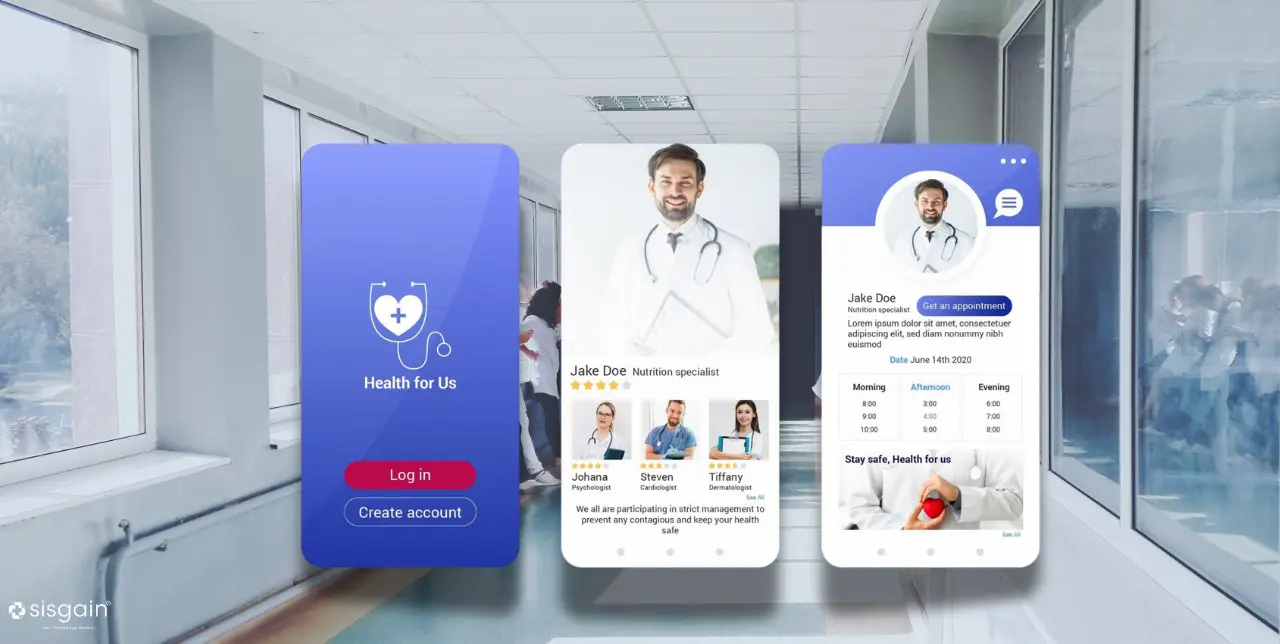
The healthcare industry is experiencing a fundamental shift driven by digital transformation, with mobile health (mHealth) applications playing a central role in how care is delivered, managed, and accessed. As we move into 2025, patients and providers alike are demanding healthcare solutions that are more personalized, secure, and accessible—without compromising compliance or data privacy.For healthcare startups, this evolving landscape presents both opportunity and complexity. Building a successful healthcare app today requires more than just clean design and basic functionality. It involves navigating regulatory requirements, integrating emerging technologies, ensuring data security, and delivering real clinical and operational value to users.This guide is created specifically for startups planning healthcare app development in 2025. It breaks down current industry trends, emerging technologies, compliance considerations, and practical monetization models—providing a clear roadmap to help you design, launch, and scale a healthcare app that meets market expectations and earns long-term user trust. The Growing Importance of Healthcare App Development in 2025 The global mHealth apps market is projected to reach USD 86.37 billion by 2030, growing at a compound annual growth rate (CAGR) of 14.8% from 2025 to 2030 (Grandview Research). This growth is particularly pronounced in regions like the Middle East and North Africa (MENA), including the UAE, where digital health adoption is accelerating. Key drivers include: Remote Care and Telemedicine: The shift to virtual consultations and remote patient monitoring has made telemedicine apps indispensable, reducing the need for in-person visits. On-Demand Access: Patients expect seamless access to healthcare services, such as booking appointments or viewing medical records, directly from their smartphones. Personalized Healthcare: Advances in technology enable apps to deliver tailored health recommendations, improving patient outcomes and satisfaction. The rise of health care app development reflects the growing need for solutions that bridge the gap between patients and providers, making it a prime opportunity for startups to innovate. Role of IoT, AI, and Wearables in Medical App Development In 2025, technologies like the Internet of Things (IoT), Artificial Intelligence (AI), and wearables are reshaping medical app development. As a custom healthcare software development company, SISGAIN leverages these technologies to create innovative, patient-centric solutions. IoT for Real-Time Monitoring: IoT devices, such as continuous glucose monitors (CGMs) and wearable ECG devices, enable real-time health tracking. These devices reduce hospital readmissions by 15% and boost patient compliance by 25% (Tateeda). AI for Predictive Analytics: AI algorithms analyze health data to predict disease risks, recommend treatments, and enhance patient engagement. For example, AI-powered virtual assistants handle routine inquiries with 94% accuracy. Wearables for Engagement: Wearables like smartwatches and fitness trackers encourage patients to monitor their health metrics, fostering healthier lifestyles and better communication with providers. SISGAIN’s expertise in integrating these technologies ensures that your app is equipped with features like AI-driven diagnostics and IoT-enabled monitoring, setting it apart in the competitive healthcare market. Step-by-Step Process for Mobile Health App Development Building a successful mobile health app requires a structured approach that balances innovation with compliance. Here’s a detailed process: Step 1: Market & Compliance Research Understand Your Audience: Identify your target users—patients, doctors, or administrators—and define clear objectives, such as improving patient engagement or streamlining operations. Compliance Requirements: Ensure compliance with regulations like HIPAA (US), GDPR (Europe), NPHIES (UAE), and CBAHI (Saudi Arabia) to protect patient data and avoid legal issues. Step 2: Platform & Technology Stack Platform Selection: Choose between android healthcare app development, healthcare app development iOS, or cross-platform solutions based on your target market and budget. Cross-platform frameworks like Flutter and React Native offer cost-effective scalability. Technology Stack: Use Swift for iOS, Kotlin for Android, or Flutter/React Native for cross-platform apps. Backend solutions like Firebase or AWS ensure robust data management. Step 3: UI/UX and MVP Development Healthcare-Specific Design: Create intuitive, compliance-ready interfaces tailored to healthcare users, ensuring ease of use for patients and providers. Minimum Viable Product (MVP): Develop an MVP to test core features and gather user feedback, allowing for iterative improvements before full-scale development. Step 4: Testing & Security Audits Comprehensive Testing: Conduct unit, API, load, and penetration testing to ensure reliability and security. Data Protection: Implement encryption, secure authentication, and regular audits to safeguard sensitive patient data. Step 5: Launch & Continuous Support App Store Submission: Prepare your app for submission to the Apple App Store and Google Play Store, adhering to all guidelines. Ongoing Support: Use analytics to monitor performance and plan updates based on user feedback and technological advancements. Also Read - SaaS or On-Premise: What’s Best for Healthcare Software Development? Monetization Models for Medical Apps Monetizing a medical app requires a strategy that aligns with its purpose and audience. Here are effective models for medical app development services: Model Description Best For Freemium Offer basic features for free and charge for premium features. Apps with broad appeal, like fitness trackers Subscription Charge recurring fees for access to advanced features or services. Telemedicine or coaching apps Contextual Ads Display relevant ads, such as pharma offers, based on user location or behavior. Apps with high user engagement Premium Content Sell educational content or CME courses within the app. Apps targeting professionals or patients seeking education Choosing the right model depends on your app’s goals and target market. For example, a telemedicine app might benefit from a subscription model, while a fitness app could leverage freemium. Key Features to Include in a Healthcare App To ensure your app meets user needs and provides value, include these essential features: Feature Benefit Appointment Booking Simplifies scheduling for patients and providers EMR/EHR Integration Enables seamless access to patient records Medication Tracker Improves compliance and reduces errors Teleconsultation Facilitates remote healthcare access Health Analytics Provides insights for better diagnosis These features, developed by expert health app developers, ensure your app is functional, user-friendly, and compliant with healthcare standards. Why SISGAIN is the Right Partner for Medical App Development With over 18 years of experience, SISGAIN is a trusted medical app development company serving clients in the UAE, Saudi Arabia, USA, and India. Our strengths include: Compliance Expertise: Specializing in standards like HIPAA, HL7, FHIR, and regional regulations like NPHIES and CBAHI. Advanced Technology: Integrating IoT, AI, and blockchain to create cutting-edge solutions. Proven Success: Delivering award-winning apps and success stories across diverse markets. Also Read - How to Find the Right Healthcare Software Development Company Conclusion As we move into 2025, mobile health apps are set to redefine healthcare delivery, offering unparalleled opportunities for startups to innovate. With trends like AI-powered diagnostics, IoT-enabled monitoring, and blockchain for data security, the potential for impact is immense. By partnering with SISGAIN’s expert team of medical app developers, you can transform your healthcare vision into a secure, scalable, and user-centric mobile solution.
In today’s fast-paced digital world, on-demand applications have become a necessity rather than a luxury. Dubai, a vibrant hub of technology and innovation, has witnessed a massive rise in businesses turning towards on-demand app development solutions. Whether it's a startup looking to disrupt the market or an enterprise aiming to optimize service delivery, everyone is exploring reliable partners for creating tailored, feature-rich apps. From remote monitoring apps for healthcare to real-time food delivery platforms, the demand for specialized app development has soared in the UAE. In this article, we will explore who provides the best on-demand app development solutions in Dubai, what you should look for in a development partner, and why SISGAIN stands out as your ultimate choice. The Growing Need for On-Demand App Development in Dubai Dubai is globally recognized for its futuristic approach and adaptability to digital transformation. The emirate’s strategic investments in smart cities, healthcare technology, and e-commerce platforms have fueled an unprecedented demand for customized app development. Businesses today are no longer competing solely on product quality but on user experience, speed of delivery, and service convenience. This is where on-demand app development solutions in Dubai play a critical role. The UAE consumer is tech-savvy and expects services at their fingertips. Whether it’s booking a cab, ordering groceries, scheduling medical consultations, or managing home repairs, users demand seamless, intuitive, and fast mobile app experiences. Businesses must respond by developing powerful, scalable applications tailored to local market needs. This trend has particularly elevated the demand for specialized apps like remote monitoring apps, healthcare applications, logistics solutions, and fintech platforms. Choosing the right app development company thus becomes a strategic decision for any business aiming to thrive in Dubai’s competitive environment. Also Read - SaaS or On-Premise: What’s Best for Healthcare Software Development? Key Factors to Consider When Choosing an App Development Company in Dubai When it comes to selecting a reliable development partner, it’s important to recognize that not all service providers are created equal. With a saturated market filled with countless vendors, identifying a trustworthy firm can be challenging. Here are the essential factors every business must consider when selecting a company offering on-demand app development solutions in Dubai. First, customization capabilities are non-negotiable. Businesses must partner with developers who can offer highly personalized apps rather than off-the-shelf templates. Apps need to align perfectly with business goals, customer expectations, and industry-specific regulations. Second, expertise across various industry verticals is critical. Whether your project involves healthcare, food delivery, transportation, or e-commerce, the developers must have demonstrable experience in the field. Particularly, having expertise in creating remote monitoring apps is a sign of technological maturity and trustworthiness. Third, familiarity with Dubai's legal, cultural, and language nuances ensures that the app is truly market-ready. Understanding local preferences, payment methods, and compliance issues can make a huge difference in your app’s success. Lastly, post-deployment support, scalability for future growth, transparent communication, and agile development practices are must-have attributes when choosing the best partner. Industries Where On-Demand App Development Is Transforming Business The impact of on-demand apps is visible across multiple industries. Let’s explore how specific sectors are capitalizing on these powerful solutions to enhance customer engagement and operational efficiency in Dubai and beyond. Transportation: Revolutionizing Urban Mobility Dubai's transportation sector has been transformed with apps similar to Uber and Careem. On-demand taxi booking applications enable users to hail rides within seconds, offering convenience, safety, and transparent pricing. Developing such apps requires sophisticated features like live GPS tracking, driver ratings, seamless payment integration, and customer support chatbots. Companies offering top-tier on-demand app development solutions in Dubai must possess a strong command over building real-time geolocation services and secure transaction modules to satisfy modern transportation needs. Food and Grocery Delivery: Serving Convenience on a Plate The UAE’s food delivery market is booming, driven by busy lifestyles and a preference for convenience. Restaurants and cloud kitchens are leveraging on-demand app development to provide customers with online ordering, real-time tracking, and cashless transactions. Moreover, the rise of iPad POS systems and cloud kitchen models further emphasizes the need for integrated, scalable, and multi-channel apps. With features like menu management, delivery tracking, and inventory updates, on-demand apps enable restaurants to serve customers better while optimizing internal operations. Hence, businesses looking for food delivery solutions must partner with firms that understand the nuances of iPad POS system integration and cloud kitchen management. Healthcare: Bridging the Gap Between Patients and Doctors Healthcare services have undergone a digital transformation with the advent of remote monitoring apps, telemedicine platforms, and on-demand doctor appointment booking apps. These innovations empower patients to consult doctors virtually, manage prescriptions, and monitor chronic conditions remotely. Healthcare applications must be HIPAA-compliant, secure, and user-friendly. Businesses seeking to enter the healthcare sector should ideally collaborate with firms recognized among the best healthcare app development company lists. Such companies must have prior experience in creating solutions that protect patient data, streamline hospital workflows, and provide real-time medical monitoring features. Home Services: Making Everyday Life Easier Home service apps have gained massive traction, connecting consumers with electricians, plumbers, cleaners, and other skilled professionals. Platforms like TaskRabbit have inspired a wave of on-demand home services applications that allow users to book services, track professionals, and make secure payments through a single mobile interface. Creating such apps requires a deep understanding of real-time job scheduling, GPS tracking, ratings and review systems, and mobile payments. Providers who specialize in on-demand solutions must also consider offering multi-language support, including Arabic, to serve Dubai’s diverse population. How Smart Systems Are Enhancing On-Demand App Solutions Modern businesses are no longer satisfied with basic app functionalities. They demand smart, integrated systems that enhance customer experience and internal workflows. This includes the implementation of sophisticated tools such as iPad POS systems for seamless restaurant operations and cloud kitchen management platforms to optimize food delivery services. An iPad POS system simplifies transactions, inventory management, and order tracking for restaurants, thereby improving operational efficiency. With the flexibility and mobility of an iPad POS, businesses can deliver faster service, manage multiple outlets, and even accept various payment methods, all from a portable device. Similarly, cloud kitchen models depend heavily on technology. Without the overheads of physical dine-in locations, these businesses rely on robust, app-based order management systems. Cloud kitchens require multi-brand management, consolidated reporting, dynamic menu updates, and real-time delivery tracking, all made possible through powerful on-demand apps. Therefore, when selecting an app development company, it’s essential to ensure they have experience integrating such smart systems into your on-demand app solution. Top Providers for On-Demand App Development Solutions in Dubai While several firms in Dubai offer app development services, only a few truly excel in delivering customized, scalable, and industry-specific on-demand solutions. Companies like Dev Technosys have made their mark by offering a wide range of app solutions across different sectors. They focus on building taxi booking apps, food delivery platforms, doctor appointment systems, and home service apps. However, businesses must look beyond generalized services and seek firms that offer deep domain expertise, localized solutions, and post-launch support. Companies like SISGAIN go beyond basic service offerings to provide customized, technologically advanced, and market-specific applications that truly meet the unique needs of Dubai businesses. SISGAIN's track record in developing healthcare apps, food delivery platforms, and service-based applications gives it a clear edge. Furthermore, its focus on integrating remote monitoring apps, iPad POS system features, and cloud kitchen management capabilities ensures businesses get a complete, future-ready solution. Why SISGAIN Is the Best Choice for On-Demand App Development in Dubai When it comes to choosing the best partner for on-demand app development solutions in Dubai, SISGAIN stands out for several reasons. First, SISGAIN offers complete customization, ensuring that each app is tailored specifically to the client’s industry, audience, and growth ambitions. Whether it’s a basic MVP (Minimum Viable Product) or a fully scaled enterprise solution, SISGAIN ensures the app is future-proof. Second, SISGAIN has extensive experience in multiple verticals, including healthcare, food and beverage, logistics, and home services. The company’s specialization in developing remote monitoring apps for healthcare has earned it recognition among the top healthcare software development companies. Third, SISGAIN has an in-depth understanding of the UAE’s market dynamics. From supporting Arabic language options to integrating locally preferred payment gateways like PayTabs and Telr, SISGAIN ensures that your app resonates with Dubai’s diverse consumer base. Moreover, SISGAIN’s post-launch support, agile methodology, commitment to data security, and ability to integrate smart solutions like iPad POS systems and cloud kitchen management tools, make it the best choice for businesses serious about succeeding in the UAE digital landscape. Why Choosing Software Companies in Dubai Matters for Your App's Success Choosing local software companies in Dubai can significantly influence the success of your on-demand application. Working with a local partner provides distinct advantages that international firms often cannot match. Local companies understand the unique regulatory environment of the UAE, ensuring that your app complies with laws concerning data privacy, e-commerce, healthcare, and financial transactions. Furthermore, they are more attuned to cultural nuances, preferred service standards, and emerging consumer trends. Another advantage is improved collaboration. Face-to-face meetings, real-time updates, and faster response times ensure smoother communication and quicker project iterations. Whether it's resolving technical challenges or pivoting strategies based on market feedback, local companies offer better agility. Additionally, the reputation of software companies in Dubai is often built upon strong customer relationships, local testimonials, and a commitment to long-term service excellence. By partnering with a Dubai-based firm like SISGAIN, businesses can benefit from comprehensive local support, expert consultation, and world-class development expertise tailored to the unique needs of the UAE market. Conclusion: Partner with SISGAIN for the Best On-Demand App Development Solutions in Dubai The future of business in Dubai and the broader UAE is undeniably digital. Companies that embrace innovative, user-centric, and scalable app solutions will dominate their industries. Whether you are envisioning a new ride-hailing app, a healthcare platform with remote monitoring apps, a restaurant app integrated with an iPad POS system, or a cloud kitchen delivery solution, choosing the right app development partner is critical. SISGAIN has consistently proven itself as a leader among the top healthcare software development companies and across various other industries. Our commitment to innovation, quality, and client success sets us apart as the premier choice for businesses seeking on-demand app development solutions in Dubai. Ready to transform your vision into reality? Contact SISGAIN today for a free consultation and let us build the future of your business together.






































































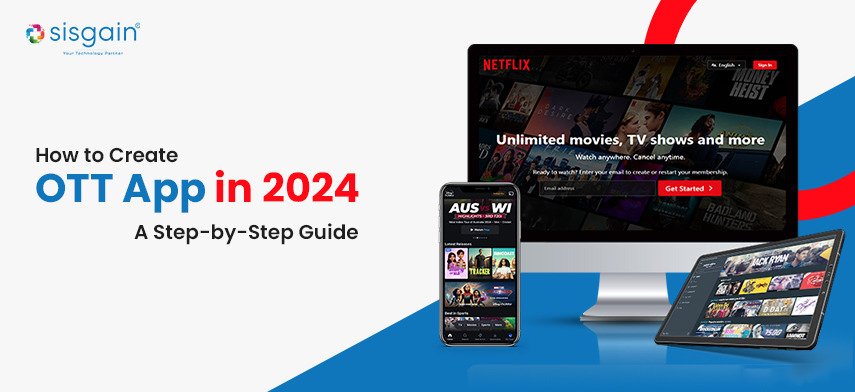

Smoothly transition your vision into reality by setting clear goals, taking actionable steps, and staying adaptable—turning ideas into tangible outcomes with persistence and a focused approach.


Book a Free Consultation Call with Our Experts Today
Project quotes, partnerships, implementation
Open roles, referrals, campus hiring
