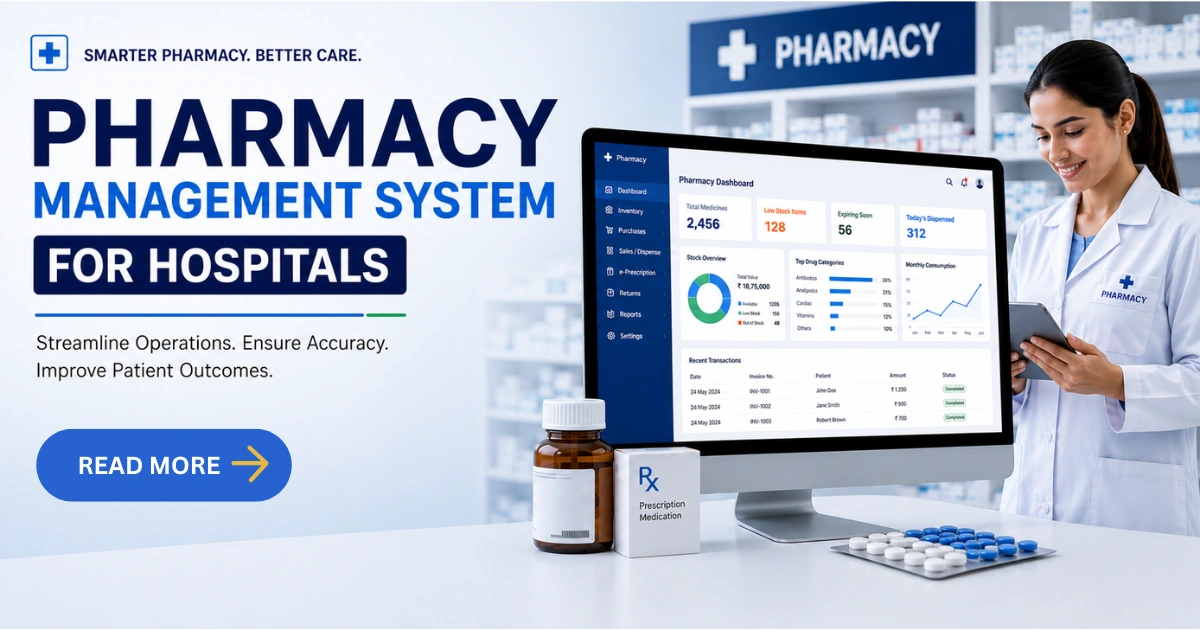

The healthcare industry is undergoing a seismic shift, with technology at the forefront of transforming hospital operations. According to recent projections, the global healthcare IT market is expected to reach $104.1 billion by 2030, driven by innovative hospital software solutions that streamline processes and enhance patient care. For hospital management professionals and B2B healthcare stakeholders, choosing the right software is critical to staying competitive in 2025. This article explores the best hospital software, focusing on healthcare administration, clinical workflow, and patient-centric technologies like electronic health records (EHR) and clinical decision support systems (CDSS). By leveraging end-to-end healthcare technology, hospitals can optimize operations, reduce costs, and deliver superior care. Let’s dive into how these solutions are reshaping the future of healthcare, starting with their role in administration.Explore more about hospital management to understand the broader context of these technologies.
The Role of Hospital Software in Modern Healthcare Administration
Healthcare administration is the backbone of hospital operations, encompassing everything from patient scheduling to regulatory compliance. In 2025, the complexity of managing large healthcare facilities demands robust software that can handle multifaceted administrative tasks efficiently. Effective hospital management software significantly reduces administrative workload, enabling healthcare professionals to dedicate more time to patient care instead of paperwork. As hospitals face growing challenges like staff shortages and stricter regulatory demands, adopting smart digital solutions becomes essential. Modern software can automate time-consuming tasks, deliver real-time performance insights, and integrate smoothly with existing healthcare systems. For example, automating billing workflows not only saves valuable staff hours but also ensures compliance with critical healthcare regulations such as HIPAA. Additionally, advanced analytics tools empower hospital administrators to track key metrics like patient wait times and resource allocation in real time. By tackling these operational challenges, hospital software enhances both efficiency and the overall patient experience. To further strengthen digital infrastructure, many healthcare providers are now collaborating with a Healthcare Mobile App Development Company to extend the benefits of seamless management and patient engagement through mobile platforms.
Streamlining Clinical Workflow for Better Patient Outcomes
Clinical workflow is the heartbeat of any hospital, dictating how efficiently healthcare providers deliver care. In 2025, optimizing clinical workflow is more critical than ever, as hospitals face pressure to reduce errors, improve patient outcomes, and manage rising patient volumes. End-to-end healthcare technology plays a pivotal role by automating processes like patient triage, appointment scheduling, and staff coordination. For example, interoperable systems allow seamless communication between departments, such as radiology and surgery, ensuring that critical patient data is accessible when needed. Real-time access to patient information empowers clinicians to make informed decisions quickly, reducing delays in treatment. A case study of Cerner Millennium, a leading hospital software, demonstrates its impact: a large hospital network reported a 20% reduction in patient wait times after implementing its workflow tools. By streamlining clinical workflow, hospitals can enhance care delivery, boost staff productivity, and ultimately improve patient satisfaction. Learn more about Best hospital software to see how these tools drive efficiency.
Powering Hospitals with Medical Records Software and EHR
At the core of modern healthcare lies the management of patient data, and medical records software, particularly electronic health records (EHR), is revolutionizing this process. In 2025, EHR systems are more than just digital repositories; they are dynamic platforms that enable secure data sharing, compliance with regulations, and enhanced patient engagement. These systems offer features like cloud-based storage, e-prescribing, and patient portals, which allow patients to access their records and communicate with providers. For instance, Epic Systems’ MyChart portal has transformed patient-provider interactions by offering real-time access to test results and appointment scheduling. The benefits of medical records software are profound: reduced documentation errors, improved care coordination across specialties, and streamlined billing processes. Additionally, EHR systems ensure compliance with stringent regulations like GDPR and HIPAA, protecting patient data while enabling interoperability. By digitizing and centralizing patient information, these solutions empower hospitals to deliver personalized, efficient care, making them indispensable in the modern healthcare landscape.
Best Hospital Software for End-to-End Healthcare Management
Choosing the best hospital software in 2025 requires a deep understanding of hospital needs, from scalability to integration capabilities. Several solutions stand out for their ability to address the diverse demands of hospital management. Epic Systems leads the pack with its comprehensive EHR platform, known for its robust interoperability and ability to handle large-scale hospital networks. Cerner Millennium excels in analytics, offering real-time insights that help administrators optimize resource allocation. Healthray, with its user-friendly interface, is ideal for hospitals seeking intuitive tools for both clinical and administrative tasks. Athenahealth, a cloud-based solution, caters to multi-specialty practices with its flexible, scalable architecture. Each of these platforms offers unique strengths, such as customization, HIPAA compliance, and seamless integration with third-party systems. For example, Epic’s interoperability allows it to connect with diagnostic tools, while Cerner’s analytics dashboard provides actionable insights. To explore patient data management further, visit our patient information management system page.
Advancing Care with Medical Software Solutions and CDSS
The future of healthcare is being shaped by medical software solutions and clinical decision support systems (CDSS), which leverage AI and machine learning to enhance clinical outcomes. In 2025, these technologies are transforming how hospitals approach diagnostics and treatment planning. CDSS, such as VisualDx, provides clinicians with real-time recommendations, from drug interaction alerts to diagnostic suggestions, reducing errors and improving patient safety. Medical software solutions, powered by predictive analytics, enable hospitals to anticipate patient needs, such as identifying at-risk patients for chronic conditions. The medical software market is projected to grow at a 10.9% CAGR by 2030, reflecting the increasing adoption of AI-driven tools. These systems not only enhance clinical decision-making but also support administrative tasks like resource forecasting. By integrating CDSS with EHR platforms, hospitals can create a cohesive ecosystem that supports both clinicians and administrators, paving the way for smarter, more efficient healthcare delivery.
Read Also:- Why Do Hospitals Need Hospital Management System Software?
How to Choose and Implement the Best Hospital Software
Selecting and implementing hospital software is a strategic decision that requires careful planning to ensure alignment with hospital goals. In 2025, hospital management professionals must evaluate software based on key criteria: interoperability, scalability, and compliance with regulations like HIPAA. Start by assessing the hospital’s specific needs, such as the number of beds, specialties served, or budget constraints. Prioritize solutions that integrate seamlessly with existing systems, such as diagnostic tools or billing platforms, to avoid workflow disruptions. Staff training is equally critical; comprehensive onboarding programs can mitigate resistance to change and ensure smooth adoption. When evaluating vendors, compare pricing, customer support, and user reviews to make an informed choice. For example, DaySmart Appointments offers robust support and customizable features, making it a popular choice for mid-sized hospitals. By following a structured implementation plan—needs assessment, vendor selection, training, and ongoing evaluation—hospitals can maximize the value of their software investments.
Conclusion
The landscape of hospital management is evolving rapidly, and the best hospital software in 2025 is at the forefront of this transformation. By optimizing healthcare administration, streamlining clinical workflow, and leveraging advanced technologies like medical records software and clinical decision support systems, hospitals can achieve operational excellence and deliver superior patient care. Solutions like Epic Systems, Cerner Millennium, and Healthray offer powerful tools to address the unique challenges of modern healthcare, from regulatory compliance to patient engagement. As the healthcare IT market continues to grow, now is the time for hospital management professionals to invest in end-to-end healthcare technology. Explore top software options, request demos from vendors like DaySmart Appointments, and take the first step toward a more efficient, patient-centric future. For more insights, revisit our pages on hospital management, patient information management system, and Best hospital software.