
The digital revolution in healthcare is not just a global phenomenon—it's transforming the medical landscape in the United Arab Emirates (UAE) at an unprecedented pace. As one of the most forward-thinking regions in the world, the UAE has been quick to adopt advanced technologies across hospitals, clinics, and diagnostic centers. One of the most crucial areas of transformation lies in healthcare software. From managing patient records to real-time monitoring and automated billing, modern software solutions are optimizing how care is delivered, managed, and scaled across the region.
Did you know that the UAE digital health market is projected to grow by over 13% CAGR through 2030? As demand grows, so does the need to understand what types of healthcare software exist, how they function, and which ones are most suited for your healthcare facility. In this article, we'll explore 16 of the most essential healthcare software types that are helping medical businesses in the UAE stay compliant, efficient, and technologically advanced.
Whether you're a private clinic in Dubai, a specialty hospital in Abu Dhabi, or a diagnostic lab in Sharjah, this guide will help you navigate the complex world of healthcare software. We’ll also show you how SISGAIN, a leading Custom Healthcare Software Development Company, can tailor solutions for your business needs.
Why Healthcare Software Is Crucial for UAE Providers
Healthcare software is more than just a technological upgrade—it’s a necessity for modern healthcare delivery. In the UAE, where regulatory compliance and patient satisfaction are paramount, digital systems provide transparency, data security, and efficiency. Traditional paper-based systems are slow, error-prone, and not scalable. Meanwhile, advanced software platforms help bridge the gap between patients and providers through automation, remote access, and real-time analytics.
Hospitals and clinics in the UAE are increasingly integrating Hospital Information Systems (HIS) and Electronic Medical Records (EMR) to improve patient care, streamline workflows, and stay compliant with local regulations. Moreover, the push for remote healthcare options has brought Remote Patient Monitoring Software into the spotlight, making continuous care more accessible.
Implementing the right combination of software not only modernizes your facility but ensures better outcomes, improved diagnostics, and higher patient trust—crucial elements in a competitive healthcare market like the UAE.
Also Read - Why AI in Remote Patient Monitoring is the Future of Health
Explore 16 Types of Healthcare Software in 2025
1. Electronic Medical Records (EMR)
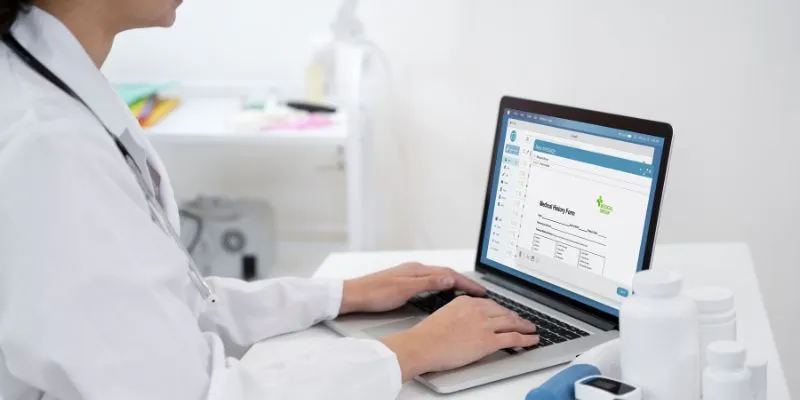
Electronic Medical Records (EMR) software is designed to digitally store a patient's medical history, treatment plans, medications, and lab results within a single healthcare facility. In the UAE, where multilingual and multicultural patient populations are common, EMRs help bridge communication gaps while ensuring consistency in patient care. With regulatory compliance becoming stricter under DHA and MOH, adopting an EMR system is not optional—it's essential.
An EMR allows providers to track patient data over time, schedule follow-ups, and maintain accurate, real-time medical documentation. The centralized nature of EMRs ensures that healthcare professionals can make quicker, more informed decisions, thereby improving treatment outcomes and reducing medical errors.
2. Hospital Information System (HIS)
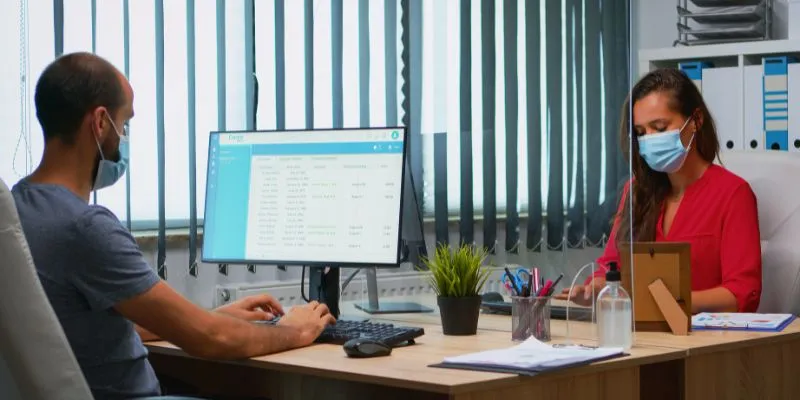
Hospital Information Systems (HIS) are all-in-one platforms that integrate various departments within a hospital, such as admissions, billing, pharmacy, laboratory, and administration. In the UAE, where both public and private hospitals aim for world-class standards, HIS platforms help ensure operational excellence.
A robust HIS improves coordination between departments, eliminates redundant tasks, and reduces administrative burdens. It also ensures that medical records are updated instantly across departments, which is crucial in emergency situations. This system significantly contributes to the hospital’s ability to provide seamless, efficient, and high-quality patient care.
3. Practice Management Software

Practice Management Software simplifies the day-to-day operations of medical clinics and small healthcare facilities. This includes appointment scheduling, patient check-ins, billing, insurance verification, and administrative workflows. It’s especially useful for multi-specialty clinics in the UAE that deal with high patient turnover and complex service offerings.
Such software ensures minimal waiting times, reduces appointment conflicts, and boosts patient satisfaction. With customizable modules, UAE clinics can manage different specialties, languages, and healthcare plans, all within a single platform.
4. Telemedicine Software

Telemedicine Software is essential for healthcare delivery in remote or underserved areas. With UAE's diverse geographical distribution and the growing need for convenience, telemedicine enables healthcare providers to consult patients via video calls, chat, or secure messaging systems.
This software supports secure data exchange, prescription handling, and patient monitoring. Especially during COVID-19, telemedicine saw exponential growth in the UAE and continues to be a favored option for follow-up consultations, mental health services, and chronic care management.
5. Remote Patient Monitoring Software

Remote Patient Monitoring Software enables continuous tracking of a patient’s health outside the traditional clinical environment. This includes devices and apps that monitor vital signs, glucose levels, heart rate, and more.
For the UAE healthcare sector, this software is becoming a cornerstone for managing chronic diseases and elderly care. It reduces hospital readmissions, lowers operational costs, and improves patient satisfaction by allowing individuals to be cared for in their own homes.
Hospitals are also integrating RPM with their Hospital Information Systems for seamless data synchronization and quicker response times.
6. Medical Billing Software
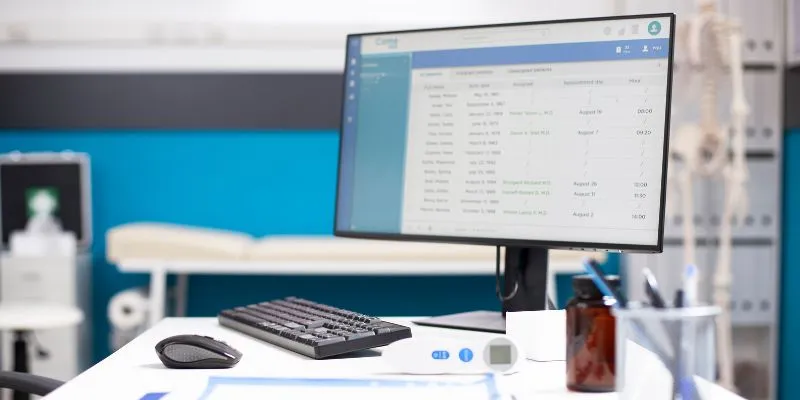
Medical Billing Software automates the invoicing and payment collection processes, ensuring that hospitals and clinics in the UAE get paid accurately and on time. Given the complexities of insurance regulations and multi-currency billing in the UAE, this software is indispensable.
It ensures error-free claims submissions, quick reimbursements, and reduced denials. Some advanced platforms even include predictive analytics to forecast revenue and identify potential payment bottlenecks.
7. Electronic Health Records (EHR)
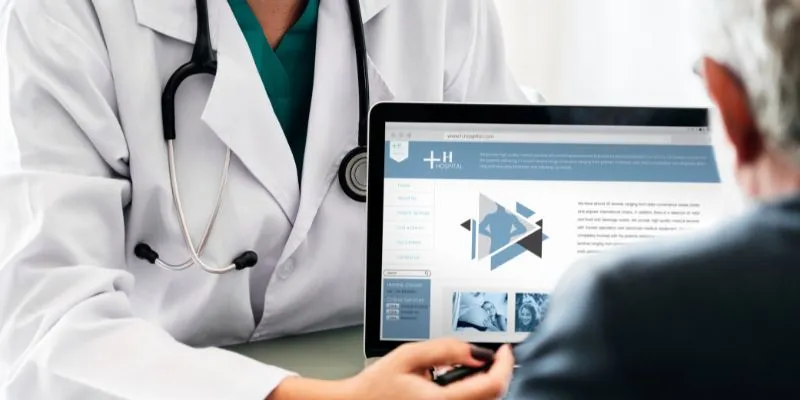
While similar to EMRs, Electronic Health Records (EHR) extend beyond individual practices and provide a comprehensive view of a patient’s health data across multiple healthcare settings. In the UAE, this is particularly important due to the diverse and often transient population.
EHRs facilitate better coordination between different healthcare providers and enable smoother transitions in patient care. This kind of interoperability is vital for emergency services, specialty referrals, and managing long-term treatment plans.
8. Healthcare CRM
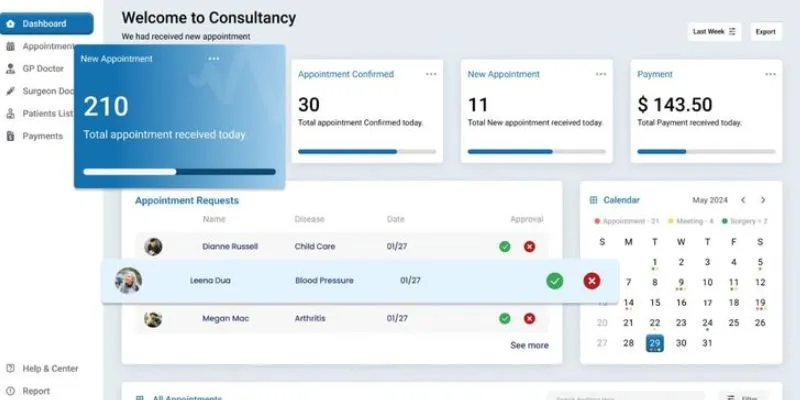
A Healthcare Customer Relationship Management (CRM) system is tailored to manage patient relationships and communication. In the UAE, where healthcare facilities are in fierce competition, CRM tools help retain patients and improve satisfaction.
They manage appointment reminders, feedback collection, patient engagement campaigns, and loyalty programs. A good CRM helps healthcare providers anticipate patient needs and personalize the care experience, building long-term trust.
9. e-Prescription Software
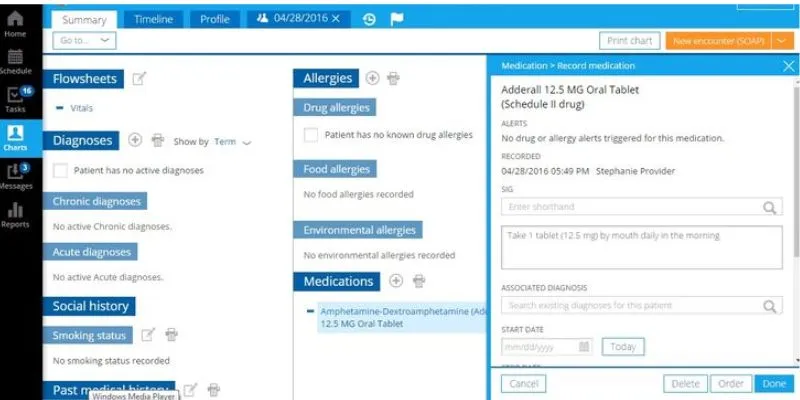
E-Prescription Software allows healthcare providers to send prescriptions directly to pharmacies in a digital format. This eliminates issues related to handwriting errors, prescription fraud, and loss of physical copies.
In the UAE, where speed and efficiency are critical in healthcare delivery, e-prescribing saves time, reduces medication errors, and improves overall workflow efficiency. Integration with HIS and EMR systems further streamlines this process.
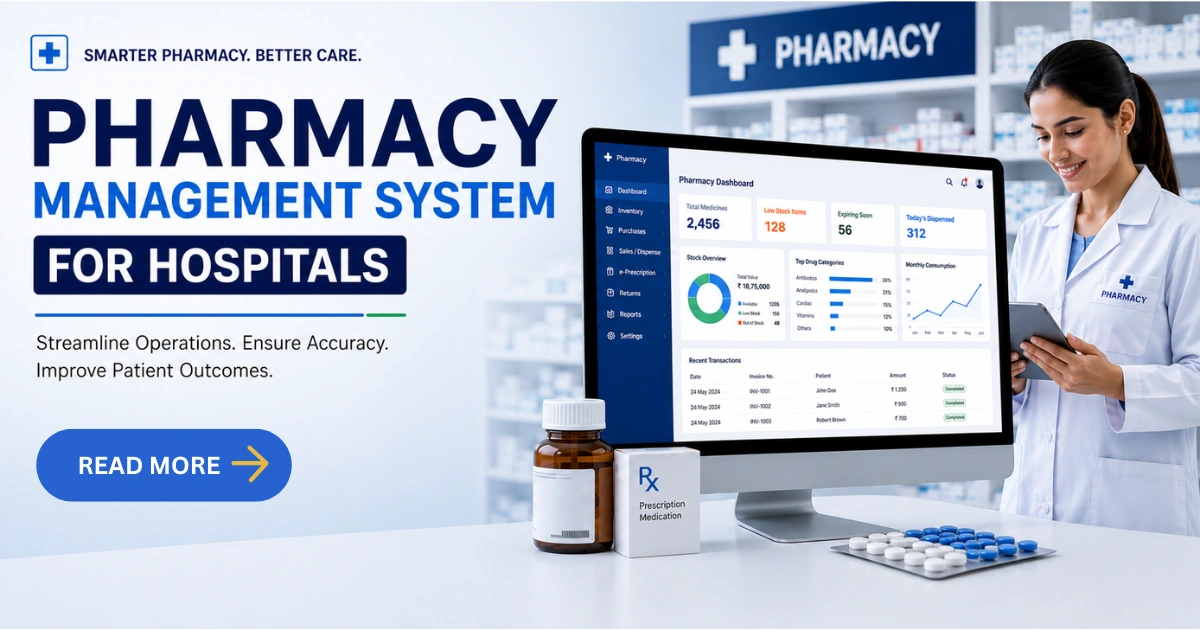
10. Pharmacy Management Software
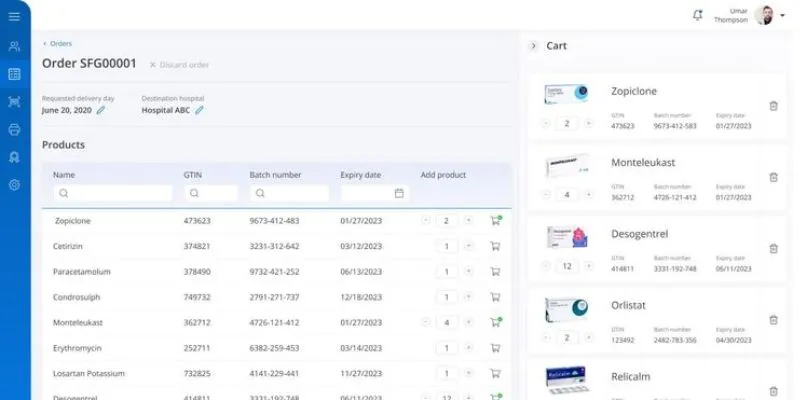
Pharmacy Management Software helps manage inventory, process prescriptions, track medication expiry dates, and automate billing within hospital or retail pharmacies. Given the strict pharmaceutical regulations in the UAE, having compliant and intelligent software is crucial.
The software ensures accurate dispensation, reduces stockouts, and improves patient safety by avoiding drug interactions and dosage errors. Real-time inventory tracking also allows pharmacies to replenish stock proactively.
11. Clinical Decision Support Systems (CDSS)
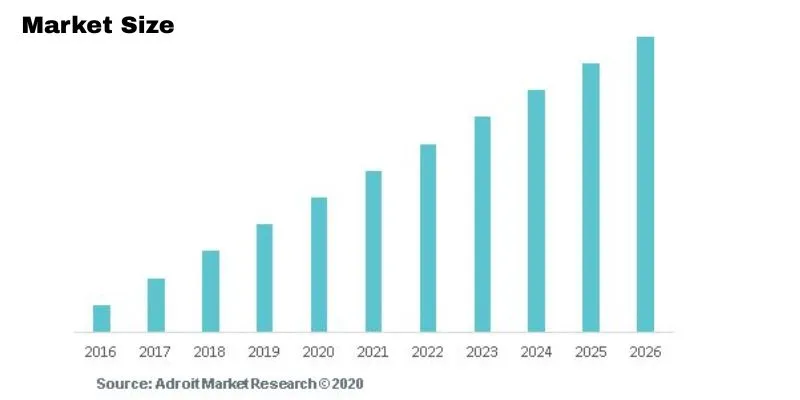
CDSS tools are advanced platforms that provide healthcare professionals with evidence-based clinical guidelines and decision-making support. These tools use AI and big data to recommend treatment protocols and alert providers to potential issues.
In the UAE, where quality assurance and innovation are key healthcare goals, CDSS solutions are being used in specialty hospitals and research institutions to enhance diagnosis and patient outcomes. They reduce errors and support the move toward personalized medicine.
12. Laboratory Information Management System (LIMS)

Laboratory Information Management Systems streamline lab operations such as sample tracking, test scheduling, and result reporting. In a UAE setting, where turnaround time and data accuracy are crucial, LIMS helps achieve both operational and clinical goals.
LIMS ensures that test samples are processed efficiently, results are shared quickly with physicians, and compliance with ISO standards is maintained. Integration with HIS systems ensures smooth interdepartmental collaboration.
13. Radiology Information System (RIS)
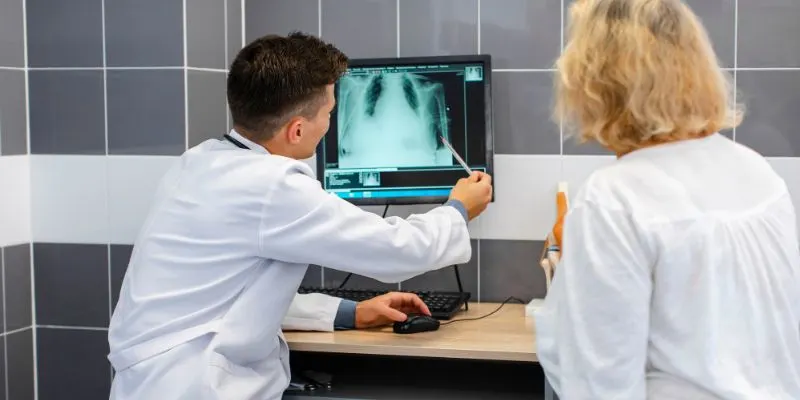
A Radiology Information System is a software solution that manages imaging records, reports, and workflows. UAE hospitals with imaging departments use RIS to coordinate radiology procedures, track images, and store reports securely.
RIS enhances the speed and accuracy of image sharing and reporting, ensuring timely diagnoses. It often integrates with PACS (Picture Archiving and Communication Systems) and HIS for streamlined care.
14. Medical Inventory Software
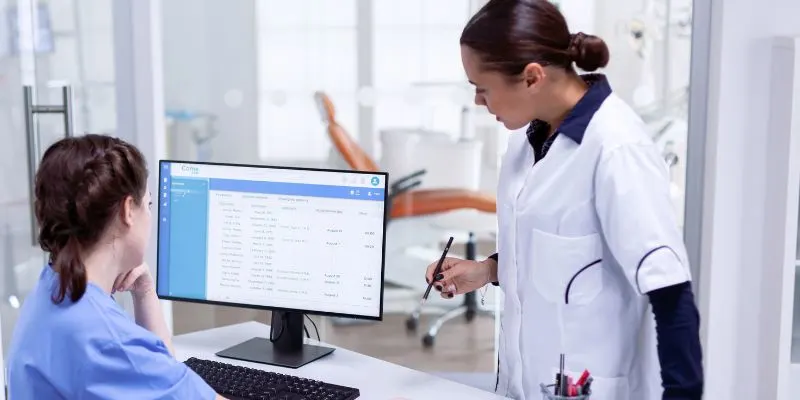
Medical Inventory Software helps healthcare facilities monitor medical equipment, consumables, and pharmaceuticals. For UAE-based facilities that must manage high patient turnover and regulatory compliance, this software ensures stock is always available and wastage is minimized.
It features automated alerts for low stock, expiry tracking, and vendor management. Keeping the right inventory levels ensures uninterrupted care and reduces overhead costs.
15. Healthcare Analytics Software
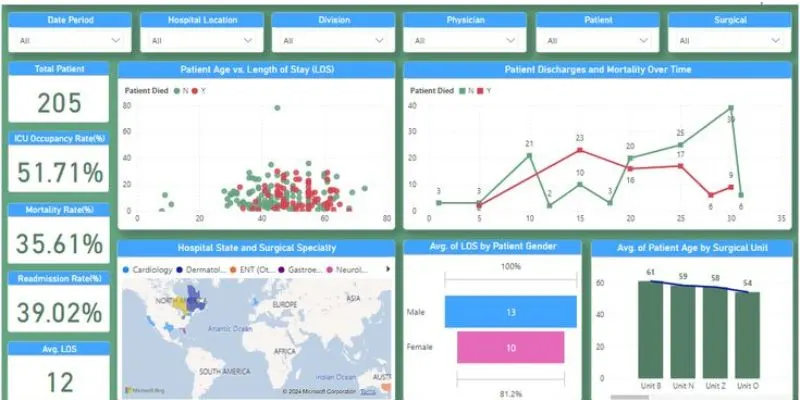
Healthcare Analytics Software transforms raw medical data into actionable insights. It is essential for administrators and decision-makers in the UAE to evaluate performance, resource utilization, patient outcomes, and revenue cycles.
By leveraging dashboards and predictive modeling, this software enables healthcare providers to optimize operations, reduce costs, and improve service delivery. It is especially useful in government reporting and strategy planning.
16. Custom Healthcare Software
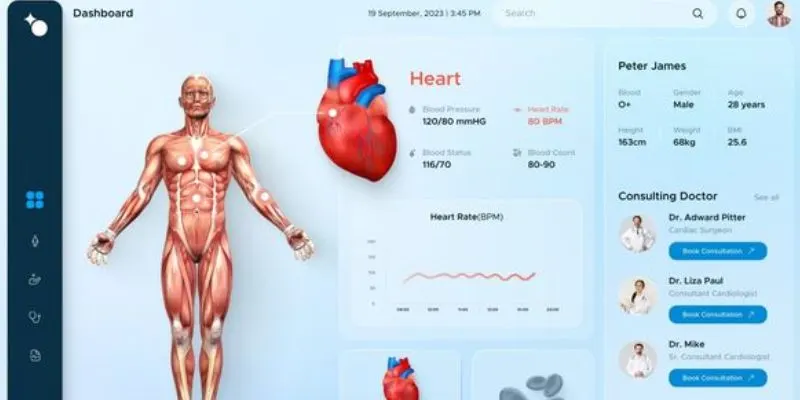
Custom Healthcare Software is designed to meet the specific needs of a healthcare provider. SISGAIN, a leading Custom Healthcare Software Development Company in the UAE, specializes in developing tailored solutions that address unique operational workflows, regulatory compliance, and integration needs.
Custom solutions offer flexibility, scalability, and a competitive edge, making them a preferred choice for large healthcare enterprises and specialized facilities. These systems can integrate EMR, HIS, RPM, and analytics tools into a unified platform, resulting in streamlined care delivery and enhanced patient satisfaction.
How to Choose the Right Software for Your Facility in UAE
Choosing the right healthcare software requires a detailed analysis of your organization’s size, specialties, regulatory obligations, and future growth plans. Start by evaluating your core operational pain points. Do you need to reduce appointment no-shows, improve chronic disease management, or enhance billing accuracy?
Consider whether you need an all-in-one solution like a Hospital Information System or specialized modules that can integrate with your current setup. Ensure the software complies with DHA and MOH standards, supports Arabic language, and is optimized for the UAE insurance ecosystem.
Always prioritize platforms that are scalable, cloud-based, and offer local support. Partnering with a trusted provider like SISGAIN ensures you get a solution customized to your goals and challenges.
Success Stories: UAE Facilities That Transformed with Tech
Several UAE-based hospitals and clinics have significantly improved their service delivery and operational efficiency by adopting modern healthcare software. For example, a multi-specialty hospital in Dubai integrated EMR and RPM software to streamline chronic disease management. As a result, they reduced readmissions by 25% and improved patient satisfaction scores.
Another example is a diagnostic lab in Abu Dhabi that implemented LIMS software, cutting down test reporting times by 40% while ensuring ISO compliance. These success stories underline the immense value of investing in the right technology.
Partnering with the Right Custom Healthcare Software Development Company
Finding the right technology partner is critical to your digital transformation. SISGAIN stands out as a trusted Custom Healthcare Software Development Company in the UAE. With experience across various medical domains and compliance requirements, we provide scalable, secure, and future-ready solutions.
Whether you need a full-fledged HIS or a lightweight telemedicine platform, our team works with you to understand your requirements and deliver solutions that drive real impact. We ensure complete customization, seamless integration, and post-launch support to guarantee long-term success.
Conclusion
Healthcare software is no longer optional for facilities aiming to thrive in the UAE's fast-evolving medical landscape. With 16 powerful types of software available, from EMRs and HIS to remote monitoring and custom solutions, the opportunities for innovation and growth are limitless.
By integrating these technologies, your facility can not only enhance care delivery and patient satisfaction but also achieve operational excellence. Now is the time to act. Partner with SISGAIN, your trusted Custom Healthcare Software Development Company, to explore tailored healthcare software solutions that meet your unique needs.
Book your free consultation today and transform your healthcare facility into a tech-powered success story.