For Business & Service Inquiries
Sales Team
Project quotes, partnerships, implementation
Don't see your industry? We serve every sector - let us know your needs and we'll tailor a solution.

Introduction to Cryptocurrency Development The global financial system is undergoing a structural shift, and at the center of this transformation is cryptocurrency development. What began as an experimental alternative to traditional banking has now evolved into a multi-trillion-dollar digital economy influencing payments, investments, supply chains, and enterprise systems. For founders, investors, and CTOs, the development of cryptocurrency is no longer a niche exploration—it is a strategic business decision. In 2026, cryptocurrency development is accelerating at an unprecedented pace. Several converging factors are driving this growth. Institutional adoption has moved beyond experimentation into active deployment. Governments are establishing clearer regulatory frameworks, particularly in innovation-forward regions like the UAE. At the same time, advancements in blockchain scalability, interoperability, and security have made it significantly easier to build robust, production-ready crypto solutions. From a market perspective, global cryptocurrency adoption continues to expand across both retail and enterprise segments. Businesses are integrating blockchain-based systems to reduce operational costs, improve transparency, and enable real-time transactions. In the UAE, initiatives around digital assets and regulatory bodies such as VARA have positioned the region as a global hub for crypto innovation. This creates a unique opportunity for companies looking to invest in cryptocurrency development with a forward-looking regulatory environment and access to high-value markets. The development of cryptocurrency is no longer limited to launching a coin. It now encompasses a broader ecosystem that includes wallets, exchanges, decentralized finance (DeFi) platforms, NFT marketplaces, and automated trading systems. This evolution has opened the door for new business models that were not possible within traditional financial systems. So, who should consider building a cryptocurrency? Startups aiming to disrupt financial services or create decentralized platforms Enterprises looking to integrate blockchain into existing operations Fintech companies expanding into digital assets and Web3 ecosystems Investors seeking to launch tokenized economies or community-driven platforms Governments and institutions exploring digital currencies and asset tokenization For these stakeholders, cryptocurrency development offers a combination of innovation, scalability, and long-term value creation. The business opportunities in crypto apps are equally compelling. Companies are building crypto wallet applications that manage digital assets securely, trading platforms powered by advanced algorithms, and decentralized applications that eliminate intermediaries. The rise of automated trading systems, AI-integrated crypto platforms, and cross-chain solutions further expands the potential for revenue generation and market differentiation. What makes this moment particularly significant is the convergence of technologies. Artificial intelligence, blockchain, and cloud computing are coming together to create highly intelligent, automated financial ecosystems. This not only reduces manual intervention but also enhances decision-making, security, and efficiency at scale. In this guide, we will take a deep dive into every aspect of cryptocurrency development—from foundational concepts to advanced implementation strategies. Whether you are planning to launch a new digital currency, build a crypto application, or integrate blockchain into your business, this comprehensive resource is designed to provide clarity, direction, and actionable insights. What is Cryptocurrency & How It Works To truly understand cryptocurrency development, it is essential to first grasp what cryptocurrency is and how it functions at a foundational level. While many view cryptocurrencies simply as digital money, the underlying systems represent a far more advanced technological and economic framework. Understanding this framework not only clarifies how cryptocurrencies operate but also reveals how cryptocurrencies are made and sustained over time. Definition of Cryptocurrency A cryptocurrency is a form of digital or virtual currency that uses cryptographic techniques to secure transactions, control the creation of new units, and verify asset transfers. Unlike traditional currencies issued by central banks, cryptocurrencies operate on decentralized networks, removing the need for intermediaries such as banks or financial institutions. At its core, cryptocurrency is built to enable peer-to-peer transactions in a secure, transparent, and immutable manner. Each transaction is recorded on a public ledger, ensuring accountability while maintaining user privacy through encrypted identities. The development of cryptocurrency involves designing this digital asset along with its governing rules—such as supply limits, transaction validation methods, and economic incentives. These elements collectively define how a cryptocurrency behaves within its ecosystem. Blockchain Technology Explained Blockchain is the foundational technology that powers cryptocurrencies. It is a distributed ledger system that records all transactions across a network of computers, known as nodes. Instead of storing data in a centralized database, blockchain distributes the data across multiple participants, ensuring transparency and security. Each transaction is grouped into a “block,” and these blocks are linked together in chronological order to form a “chain.” Once a block is added to the chain, it becomes nearly impossible to alter, creating a permanent and tamper-resistant record. This structure is critical to the cryptocurrency process because it ensures: Transparency: All transactions are publicly verifiable Security: Data is protected through cryptographic hashing Immutability: Records cannot be altered once confirmed Decentralization: No single entity controls the network In practical terms, blockchain eliminates the need for trust between parties. Instead of relying on intermediaries, users trust the system itself—validated by mathematics and distributed consensus. Key Components of Cryptocurrency Systems To understand how cryptocurrencies are made and how they function in real-world environments, it is important to break down the core components that define every cryptocurrency system. Decentralization Decentralization is the defining characteristic of cryptocurrency. Unlike traditional financial systems that rely on centralized authorities, cryptocurrencies operate on distributed networks where control is shared among participants. This means: No single entity can manipulate the system Transactions are verified by multiple nodes The network remains resilient even if parts of it fail From a development perspective, decentralization requires careful design of network architecture and governance models. It ensures that the cryptocurrency remains secure, censorship-resistant, and globally accessible. Cryptography Cryptography is the backbone of security in cryptocurrency systems. It ensures that transactions are safe, identities are protected, and data integrity is maintained. Key cryptographic elements include: Public and Private Keys:Users have a pair of keys—one public (shared) and one private (kept secret). The private key is used to sign transactions, proving ownership of assets. Hash Functions:These convert data into fixed-length strings, ensuring that even minor changes in input produce entirely different outputs. This is essential for securing blocks in the blockchain. Digital Signatures:These validate that a transaction has been authorized by the rightful owner. Without cryptography, the entire cryptocurrency process would be vulnerable to fraud and manipulation. Consensus Mechanisms Consensus mechanisms are protocols that ensure all participants in the network agree on the validity of transactions. They are critical to maintaining trust in a decentralized environment. Some of the most widely used mechanisms include: Proof of Work (PoW):Nodes (miners) solve complex mathematical problems to validate transactions and add new blocks. This method is highly secure but energy-intensive. Proof of Stake (PoS):Validators are chosen based on the number of coins they hold and are willing to “stake.” This approach is more energy-efficient and scalable. Delegated Proof of Stake (DPoS) and Hybrid Models:These offer improved performance and governance flexibility. In the development of cryptocurrency, choosing the right consensus mechanism is a strategic decision. It impacts scalability, security, transaction speed, and overall network efficiency. Bringing It All Together When combined, decentralization, cryptography, and consensus mechanisms form the backbone of every cryptocurrency system. These components define how cryptocurrencies are made, how transactions are validated, and how trust is maintained without central authority. For businesses and developers, understanding this structure is not just theoretical—it is foundational. Every decision in cryptocurrency development, from architecture to user experience, depends on how these elements are implemented. As we move forward, the next step is to explore the different types of cryptocurrencies that can be built, each with its own purpose, architecture, and business potential. Types of Cryptocurrencies You Can Build One of the most critical decisions in cryptocurrency development is choosing the type of digital asset you want to create. This decision shapes everything—from the underlying architecture and cost to scalability, regulatory exposure, and long-term business viability. Many founders make the mistake of jumping straight into development without understanding the structural differences between coins, tokens, and their specialized variants. In reality, the success of your project depends heavily on selecting the right model for your use case. Whether you are planning a full-scale crypto coin development initiative or launching a token within an existing ecosystem, each type of cryptocurrency serves a distinct purpose. Below is a detailed breakdown of the primary types of cryptocurrencies you can build and when to choose each. Coins (Bitcoin-like) Coins are native digital currencies that operate on their own independent blockchain. The most well-known example is Bitcoin, but many other cryptocurrencies such as Ethereum and Solana also fall into this category. In crypto coin development, building a coin means creating an entirely new blockchain from scratch or modifying an existing open-source blockchain protocol. This involves designing the network architecture, consensus mechanism, transaction validation rules, and economic model. Key characteristics of coins: Operate on their own blockchain Used primarily as a medium of exchange or store of value Require full network infrastructure (nodes, validators, miners) Offer maximum control over system design When to choose coin development: You want full control over the blockchain ecosystem You are building a large-scale platform or infrastructure project Your business model requires custom consensus mechanisms or performance tuning Challenges: High development cost and time Requires deep technical expertise Needs strong community and adoption strategy Coins are ideal for enterprises and startups aiming to build foundational blockchain ecosystems rather than just applications. Tokens (ERC-20, BEP-20) Tokens are digital assets built on top of existing blockchain platforms such as Ethereum or Binance Smart Chain. Unlike coins, tokens do not have their own blockchain; instead, they rely on the infrastructure of the host network. Standards like ERC-20 (Ethereum) and BEP-20 (Binance Smart Chain) define how these tokens function, ensuring compatibility with wallets, exchanges, and decentralized applications. Key characteristics of tokens: Built on existing blockchains Faster and more cost-effective to develop Easily integrated with existing ecosystems Highly flexible for various use cases When to choose token development: You want to launch quickly with lower investment Your project focuses on applications rather than infrastructure You need compatibility with DeFi platforms and exchanges Use cases: Fundraising (ICO, IDO) Reward systems Payment within platforms For many businesses, token-based cryptocurrency development is the most practical starting point due to its speed, scalability, and lower entry barrier. Stablecoins Stablecoins are cryptocurrencies designed to maintain a stable value by being pegged to a reserve asset such as fiat currency (USD, AED), commodities (gold), or algorithmic mechanisms. They play a crucial role in reducing volatility, making them highly suitable for payments, remittances, and financial applications. Types of stablecoins: Fiat-backed: Supported by reserves in banks Crypto-backed: Collateralized with other cryptocurrencies Algorithmic: Maintain stability through supply-demand algorithms Key characteristics: Price stability High usability in financial systems Strong regulatory considerations When to build a stablecoin: You are targeting fintech or payment solutions You want to reduce volatility risks for users Your business involves cross-border transactions Stablecoins are a major driver of real-world adoption and are increasingly used by enterprises and governments. Utility Tokens Utility tokens are designed to provide access to a product or service within a specific ecosystem. They are not primarily intended as investments but as functional assets that enable users to interact with a platform. Key characteristics: Provide access to services or features Often used within apps or platforms Can incentivize user engagement Examples of use cases: Paying transaction fees within a platform Unlocking premium features Rewarding user participation When to build utility tokens: You are developing a platform or application You want to create an internal economy You aim to incentivize user behavior From a business perspective, utility tokens are powerful tools for driving user adoption and retention. They are commonly used in SaaS platforms, gaming ecosystems, and decentralized applications. Governance Tokens Governance tokens empower users to participate in decision-making processes within a blockchain ecosystem. Holders of these tokens can vote on proposals, protocol upgrades, and changes to system parameters. This model is central to decentralized governance and is widely used in DeFi platforms. Key characteristics: Enable voting rights Promote decentralization Align incentives between users and platform When to build governance tokens: You are creating a decentralized platform You want community-driven decision-making You aim to build a DAO (Decentralized Autonomous Organization) Governance tokens are particularly valuable for projects that prioritize transparency, decentralization, and long-term community involvement. Choosing the Right Cryptocurrency Type Selecting the right type of cryptocurrency is not just a technical decision—it is a strategic one. It directly impacts your development timeline, cost, scalability, and market positioning. Choose coins if you want full ecosystem control and long-term infrastructure ownership Choose tokens for faster go-to-market and lower development complexity Choose stablecoins for financial applications requiring stability Choose utility tokens to power platform interactions Choose governance tokens to enable decentralized decision-making In many modern projects, these types are combined to create layered ecosystems. For example, a platform may use a utility token for transactions and a governance token for voting. Understanding these distinctions is essential before moving forward in cryptocurrency development. In the next section, we will break down the complete cryptocurrency process step-by-step, giving you a clear roadmap from concept to launch. Cryptocurrency Tech Stack Explained A well-architected technology stack is the backbone of successful cryptocurrency development. While many discussions around crypto focus on tokens and market dynamics, the real differentiation happens at the technology level. The performance, security, scalability, and long-term sustainability of any crypto product depend heavily on the tools, languages, and infrastructure chosen during development. For founders and CTOs, understanding the cryptocurrency tech stack is essential—not just for execution, but for making informed decisions about cost, timelines, and future scalability. Whether you are building a token, a full blockchain, or a crypto app, the underlying stack determines how efficiently your system will operate in real-world conditions. Programming Languages (Solidity, Rust, Go) The choice of programming language plays a critical role in defining how your cryptocurrency system is built and maintained. Each language serves a specific purpose depending on the blockchain platform and the type of application being developed. Solidity Solidity is the most widely used language for writing smart contracts, particularly on Ethereum and Ethereum-compatible blockchains. It is specifically designed for blockchain development and enables developers to create self-executing contracts that automate transactions and business logic. Best suited for: Token development, DeFi platforms, NFT marketplaces Key advantage: Strong ecosystem and community support Limitation: Requires careful auditing due to security risks in smart contracts Rust Rust is gaining significant traction in modern blockchain ecosystems such as Solana and Polkadot. It is known for its performance, memory safety, and ability to handle high-throughput systems. Best suited for: High-performance blockchain applications Key advantage: Speed and security at the system level Limitation: Steeper learning curve compared to Solidity Go (Golang) Go is widely used in blockchain infrastructure development. It powers several major blockchain clients, including parts of Ethereum’s implementation. Best suited for: Building blockchain nodes, backend systems, and APIs Key advantage: Simplicity, concurrency handling, and scalability Limitation: Not commonly used for smart contracts In practice, cryptocurrency development often involves a combination of these languages. For example, Solidity may be used for smart contracts, while Go or Rust handles backend services and network-level operations. Frameworks & Tools Beyond programming languages, frameworks and development tools significantly accelerate the cryptocurrency process. They provide pre-built modules, testing environments, and deployment pipelines that reduce development time and improve code reliability. Smart Contract Development Frameworks: Truffle: A popular framework for Ethereum development, offering testing, debugging, and deployment tools Hardhat: Advanced development environment for compiling, testing, and deploying smart contracts with greater flexibility Brownie: Python-based framework preferred by developers who want integration with Python ecosystems Blockchain Development Platforms: Substrate: A modular framework for building custom blockchains Cosmos SDK: Enables the creation of interoperable blockchain networks Hyperledger Fabric: Enterprise-grade blockchain framework designed for private networks Testing & Security Tools: Ganache (local blockchain testing) Mythril (smart contract security analysis) Slither (static analysis for vulnerabilities) These tools are essential for ensuring that your cryptocurrency system is secure, scalable, and production-ready. In enterprise environments, especially when implementing solutions aligned with blockchain for fintech or building scalable platforms through Blockchain App Development for Enterprises, selecting the right frameworks becomes even more critical. APIs & Integrations No cryptocurrency system operates in isolation. APIs and integrations connect your blockchain application with external systems, enabling real-world functionality and user interaction. Blockchain APIs: Enable interaction with blockchain networks Used for fetching transaction data, wallet balances, and smart contract execution Wallet Integrations: Integration with popular wallets allows users to store, send, and receive digital assets Examples include MetaMask, Trust Wallet, and hardware wallets Payment Gateways: Enable crypto payments within applications Support fiat-to-crypto and crypto-to-fiat conversions Exchange Integrations: Allow tokens to be listed and traded Provide liquidity and market access Oracles: Connect blockchain systems with real-world data Essential for DeFi applications, insurance platforms, and automated trading systems Cloud & Infrastructure Services: AWS, Google Cloud, and Azure for hosting nodes and backend systems Node providers like Infura and Alchemy for scalable blockchain access In modern cryptocurrency development, APIs play a crucial role in enhancing usability and scalability. They bridge the gap between decentralized systems and user-facing applications, making crypto solutions practical for everyday use. Strategic Importance of the Tech Stack Choosing the right tech stack is not just a technical decision—it is a business-critical one. A poorly chosen stack can lead to scalability issues, security vulnerabilities, and increased long-term costs. On the other hand, a well-optimized stack enables faster development, better performance, and easier integration with emerging technologies. For example, fintech platforms leveraging blockchain for fintech solutions require high security, compliance readiness, and seamless integration with financial systems. Similarly, enterprises investing in Blockchain App Development for Enterprises need scalable architectures that support high transaction volumes and multi-user environments. By aligning your tech stack with your business goals, you create a strong foundation for successful cryptocurrency development—one that can evolve with market demands and technological advancements. Building a Crypto Coin vs Token (Full Comparison) One of the most important strategic decisions in cryptocurrency development is choosing between building a crypto coin or a token. While both are forms of digital assets, they differ significantly in terms of architecture, cost, time-to-market, scalability, and long-term control. For founders and CTOs, this is not just a technical choice—it directly impacts your business model, investment requirements, and growth trajectory. Misalignment at this stage can lead to unnecessary costs, delays, or even project failure. This section provides a detailed comparison to help you make an informed decision. Understanding the Core Difference Before diving into cost and timelines, it is important to clarify the fundamental distinction: Crypto Coin:A coin operates on its own independent blockchain. Crypto coin development involves building or customizing a blockchain network, including its consensus mechanism, node infrastructure, and transaction validation system. Token:A token is built on top of an existing blockchain (such as Ethereum or Binance Smart Chain). It leverages the underlying infrastructure of that blockchain, eliminating the need to build a network from scratch. This difference is what drives all other variations in cost, complexity, and use cases. Cost Difference Cost is often the deciding factor for businesses entering cryptocurrency development. Crypto Coin Development Cost: Building a coin is significantly more expensive because it requires creating a full blockchain ecosystem. Key cost components: Blockchain architecture design Consensus mechanism development Node setup and network maintenance Security implementation and auditing Ongoing infrastructure costs Estimated range: High investment, typically suited for well-funded startups or enterprises. Token Development Cost: Tokens are far more cost-efficient because they utilize existing blockchain infrastructure. Key cost components: Smart contract development Token standard implementation (ERC-20, BEP-20) Basic security audits Deployment fees Estimated range: Moderate to low cost, depending on complexity. Key Insight: If budget is limited or speed is a priority, token development is the practical choice. Crypto coin development, on the other hand, is a long-term investment in infrastructure ownership. Time Required Time-to-market is critical, especially in fast-moving industries like crypto. Crypto Coin Development Timeline: Blockchain design and architecture: Weeks to months Development and testing: Several months Network deployment and stabilization: Additional time Total timeline: Typically 6–18 months, depending on complexity Token Development Timeline: Smart contract creation: Days to weeks Testing and deployment: 1–2 weeks Integration with wallets and platforms: Short cycle Total timeline: As fast as 2–6 weeks for a basic token Key Insight: If your goal is rapid market entry or testing a business idea (MVP), tokens provide a clear advantage. Use Cases Choosing between a coin and a token should align with your business objectives. Crypto Coin Use Cases: Building a new blockchain ecosystem Creating a decentralized payment network Developing infrastructure platforms (e.g., smart contract platforms) Projects requiring custom scalability or governance models Coins are best suited for projects that aim to become platforms themselves. Token Use Cases: Launching decentralized applications (dApps) Fundraising (ICO, IDO, STO) Reward and loyalty systems DeFi platforms and NFT ecosystems Tokens are ideal for applications that operate within existing blockchain ecosystems. When to Choose What Making the right choice requires aligning your technical requirements with your business strategy. Choose Crypto Coin Development If: You need full control over your blockchain Your project requires custom consensus mechanisms You are building a large-scale infrastructure or platform You have sufficient budget and long-term vision Crypto coin development is best for organizations aiming to create foundational technology rather than just applications. Choose Token Development If: You want faster time-to-market You are building an application or service You prefer lower development costs You want to leverage existing blockchain ecosystems Token development is the most efficient route for startups and businesses entering the crypto space. Strategic Perspective In modern cryptocurrency development, many successful projects combine both approaches. For example, a company may start with a token to validate its idea and later transition into full crypto coin development once it achieves scale and funding. This hybrid strategy reduces initial risk while preserving the option for long-term expansion. Final Takeaway There is no one-size-fits-all answer. The decision between a coin and a token depends on: Your business goals Budget and resources Timeline expectations Technical requirements Understanding these differences allows you to approach cryptocurrency development with clarity and precision. Making the right choice at this stage sets the foundation for scalability, adoption, and long-term success. Cryptocurrency Wallet Development Cryptocurrency wallet development is a foundational component of any successful crypto ecosystem. While blockchain networks enable transactions, it is wallets that provide users with access, control, and usability. Without a well-designed wallet, even the most advanced cryptocurrency infrastructure fails to achieve real-world adoption. From a business perspective, wallets are more than just storage tools—they are user interfaces for financial interaction. Whether you are building a standalone product or integrating wallet functionality into a larger crypto app, developing the best crypto wallet app requires a balance of security, performance, and user experience. Types of Wallets Understanding wallet types is critical before starting development. Each type serves different use cases and comes with its own trade-offs in terms of security, accessibility, and control. Hot Wallets Hot wallets are connected to the internet and are designed for convenience and frequent transactions. They are commonly used in mobile apps, web platforms, and exchange-based wallets. Key characteristics: Always online Fast and easy access to funds Ideal for daily transactions Use cases: Trading platforms Payment applications User-facing crypto apps Advantages: High usability Real-time transactions Seamless integration with apps Risks: More vulnerable to hacking Requires strong security layers Hot wallets are essential for businesses building scalable crypto applications where user interaction is frequent. Cold Wallets Cold wallets are offline storage solutions designed for maximum security. They are not connected to the internet, which significantly reduces the risk of cyberattacks. Key characteristics: Offline storage High security Limited accessibility Types include: Hardware wallets Paper wallets Air-gapped systems Use cases: Long-term asset storage Institutional holdings High-value transactions Advantages: Protection against online threats Ideal for safeguarding large funds Limitations: Less convenient for daily use Slower transaction process Cold wallets are critical for enterprises and high-net-worth users who prioritize security over convenience. Custodial vs Non-Custodial Wallets This distinction is one of the most important in cryptocurrency wallet development, as it defines who controls the user’s funds. Custodial Wallets: Managed by a third party (such as exchanges) Private keys are held by the service provider Easier for beginners Advantages: Simplified user experience Account recovery options Integrated services Risks: Users do not have full control Vulnerable to centralized breaches Non-Custodial Wallets: Users control their private keys Full ownership of assets No reliance on third parties Advantages: Complete control and privacy Higher security if managed properly Challenges: No recovery if keys are lost Requires user education For businesses, the choice between custodial and non-custodial models depends on the target audience and regulatory requirements. Many modern platforms adopt hybrid approaches to balance usability and control. Features of the Best Crypto Wallet App Building the best crypto wallet app requires more than basic functionality. It demands a user-centric approach combined with enterprise-grade security and scalability. Below are the essential features that define a high-performing wallet. Security Security is the most critical aspect of any wallet. A single vulnerability can lead to significant financial loss and reputational damage. Core security features: End-to-end encryption Multi-factor authentication (MFA) Biometric authentication (fingerprint, facial recognition) Secure private key storage Backup and recovery mechanisms Advanced security measures: Multi-signature wallets Hardware wallet integration Real-time threat detection For businesses working with a bitcoin app development company, security architecture should be a top priority from the initial design phase. Multi-Currency Support Modern users expect wallets to support multiple cryptocurrencies rather than being limited to a single asset. Key capabilities: Support for major coins and tokens Cross-chain compatibility Real-time portfolio tracking This feature enhances user retention and expands the usability of the wallet across different ecosystems. UI/UX (User Experience) Even the most secure wallet will fail if it is difficult to use. UI/UX plays a crucial role in adoption, especially for non-technical users. Essential UX elements: Simple onboarding process Clean and intuitive interface Easy transaction flows Clear balance and transaction history display Advanced UX features: One-click transactions QR code payments Integrated support and tutorials A well-designed user experience is what differentiates an average wallet from the best crypto wallet app in a competitive market. Strategic Importance of Wallet Development Cryptocurrency wallet development is not just a technical requirement—it is a strategic asset. It directly impacts user acquisition, retention, and trust. In many cases, the wallet becomes the primary touchpoint between the user and the entire crypto ecosystem. Businesses investing in cryptocurrency development must treat wallet development as a core product, not an add-on feature. Whether you are building a standalone wallet or integrating it into a broader crypto platform, the goal should be to deliver a secure, scalable, and user-friendly experience. As the market evolves, wallets are also becoming gateways to advanced features such as decentralized finance, NFT management, and automated trading. This makes them central to the future of digital finance and a key driver of innovation in the crypto space. Crypto App Development (Full Ecosystem) Crypto app development has evolved far beyond simple wallet or exchange solutions. Today, it represents a complete digital ecosystem where users can store assets, trade in real time, invest through automated systems, and interact with decentralized platforms—all within a single interface. For businesses, building a crypto app is no longer just about entering the blockchain space. It is about creating a scalable digital product that integrates finance, technology, and user experience into one unified system. This is why modern cryptocurrency development strategies focus on ecosystem-driven applications rather than isolated tools. A well-designed crypto app acts as a gateway to multiple services, including trading, asset management, decentralized finance (DeFi), and digital ownership through NFTs. As competition increases, companies must build feature-rich platforms that deliver both performance and usability. Types of Crypto Apps Each category of crypto app serves a specific purpose within the ecosystem. Understanding these types helps businesses define their product strategy and identify revenue opportunities. Exchange Apps Exchange applications are the backbone of the cryptocurrency economy. They allow users to buy, sell, and trade digital assets in a secure and efficient environment. Key features: Real-time trading engine Order book management Liquidity integration Fiat-to-crypto and crypto-to-crypto trading Advanced charting tools Types of exchanges: Centralized exchanges (CEX) Decentralized exchanges (DEX) Business value: High revenue potential through trading fees Strong user engagement Scalable business model Exchange apps are ideal for businesses aiming to build high-volume platforms with recurring revenue streams. Wallet Apps Wallet applications are essential for storing, managing, and transferring digital assets. They often serve as the entry point for users into the crypto ecosystem. Key features: Secure storage of private keys Multi-currency support Transaction history and tracking Integration with other crypto services Business value: High user retention Opportunity to integrate additional services (staking, trading, payments) Strong foundation for ecosystem expansion Wallet apps are often combined with other functionalities to create all-in-one crypto platforms. Trading Apps Trading applications focus on enabling users to actively trade cryptocurrencies with advanced tools and automation capabilities. These apps are designed for both beginner and professional traders. Key features: Live market data and analytics Technical indicators and charting tools Portfolio management Risk management features A major advancement in this category is the rise of the automated crypto trading app. These platforms use algorithms and artificial intelligence to execute trades based on predefined strategies, market signals, and predictive analytics. Business value: Appeals to active traders and investors Generates revenue through subscriptions or trading fees High scalability with AI-driven features The integration of AI Apps into trading platforms is transforming how users interact with financial markets, enabling faster and more accurate decision-making. NFT Apps NFT (Non-Fungible Token) applications enable users to create, buy, sell, and manage unique digital assets. These apps have expanded beyond art into gaming, real estate, and digital identity. Key features: NFT minting and listing Marketplace functionality Ownership verification Integration with wallets and blockchains Use cases: Digital art and collectibles Gaming assets Tokenized real-world assets Business value: New revenue streams through commissions and minting fees High engagement in niche communities Opportunities for brand partnerships NFT apps are particularly valuable for businesses looking to enter creative, gaming, or asset-tokenization markets. Building a Complete Crypto Ecosystem Modern crypto app development is moving toward integrated ecosystems where multiple functionalities coexist within a single platform. Instead of building separate applications, companies are combining exchange, wallet, trading, and NFT capabilities into unified solutions. Advantages of an ecosystem approach: Increased user retention Cross-selling opportunities Higher lifetime value per user Competitive differentiation For example, a user may: Store assets in a wallet Trade them on an exchange Use an automated crypto trading app for passive income Purchase NFTs within the same platform This level of integration creates a seamless user journey and significantly enhances platform value. Technology Integration and Business Impact Crypto apps are increasingly integrating advanced technologies to improve functionality and scalability. Artificial intelligence, in particular, is playing a major role in transforming trading, fraud detection, and user personalization. Businesses investing in AI Apps can build smarter platforms that adapt to user behavior and market conditions in real time. Additionally, the overlap between crypto and financial technology is becoming more pronounced. Many platforms now function as full-scale financial systems, offering services such as lending, payments, and asset management. This is where fintech app development solutions come into play, enabling businesses to build compliant, scalable, and feature-rich financial applications powered by blockchain. Strategic Takeaway Crypto app development is no longer about building a single feature—it is about designing a comprehensive ecosystem that delivers value across multiple user touchpoints. Whether you are launching an exchange, a wallet, or an automated trading platform, the goal should be to create an integrated experience that drives engagement, scalability, and long-term growth. As the market continues to mature, businesses that invest in ecosystem-driven crypto apps will be better positioned to capture market share and establish authority in the digital asset space. Best Crypto Mining App Development Guide Crypto mining remains one of the most fundamental pillars of the blockchain ecosystem. While the mechanics behind mining are highly technical, the rise of user-friendly applications has made it accessible to a much broader audience. Today, businesses are investing in mining platforms not just as infrastructure tools, but as scalable digital products that generate continuous revenue. Developing the best crypto mining app requires a deep understanding of blockchain validation processes, resource optimization, and user-centric design. Whether targeting individual miners or enterprise-level operations, a well-built mining application must balance performance, transparency, and profitability. How Mining Apps Work At its core, crypto mining is the process of validating transactions and adding them to the blockchain. Mining apps act as an interface between users and the underlying mining infrastructure, enabling them to participate in this process without needing to manage complex systems manually. Here’s how mining apps function: Transaction Collection:The blockchain network groups pending transactions into blocks. Validation Process:Miners compete to solve complex mathematical problems (in Proof of Work systems) to validate these transactions. Block Creation:Once a problem is solved, the block is added to the blockchain. Reward Distribution:The miner (or mining pool) receives rewards in the form of cryptocurrency. A mining app simplifies this entire cryptocurrency process by providing: A dashboard to monitor mining activity Performance tracking tools Reward distribution insights Integration with wallets for payouts For users, this removes the need to directly interact with blockchain protocols, making mining more accessible and scalable. Hardware vs Cloud Mining One of the most important considerations in crypto mining app development is deciding whether to support hardware-based mining, cloud mining, or both. Each model has its own advantages and business implications. Hardware Mining Hardware mining involves using physical devices such as GPUs (Graphics Processing Units) or ASICs (Application-Specific Integrated Circuits) to perform mining operations. Key characteristics: Requires dedicated hardware High computational power Direct participation in mining Advantages: Higher control over mining operations Potentially greater profitability No reliance on third-party providers Challenges: High upfront investment Energy consumption and maintenance Technical complexity Mining apps designed for hardware users typically include advanced configuration options, performance monitoring, and hardware optimization tools. Cloud Mining Cloud mining eliminates the need for physical hardware by allowing users to rent mining power from remote data centers. The mining app acts as a platform where users can purchase contracts and monitor returns. Key characteristics: No hardware required Subscription or contract-based model Accessible to non-technical users Advantages: Low entry barrier No maintenance or energy costs Scalable business model Challenges: Lower control over operations Dependency on service providers Potential trust and transparency concerns Cloud mining is particularly attractive for businesses aiming to build user-friendly platforms with recurring revenue models. Features of the Best Mining Apps To build the best crypto mining app, it is essential to go beyond basic functionality and focus on performance, transparency, and user experience. Below are the core features that define a high-quality mining platform. Real-Time Monitoring Dashboard Users should be able to track: Hash rate performance Mining efficiency Earnings in real time A clear and data-driven dashboard enhances trust and engagement. Multi-Currency Mining Support Modern mining apps should support multiple cryptocurrencies, allowing users to switch between assets based on profitability. Benefits: Flexibility for users Increased engagement Better revenue optimization Mining Pool Integration Mining pools allow multiple users to combine computational power and share rewards. Integration with mining pools is essential for improving success rates and ensuring consistent earnings. Automated Profitability Optimization Advanced mining apps include algorithms that automatically switch mining operations to the most profitable cryptocurrency based on market conditions. This is a key differentiator for the best crypto mining app, as it maximizes user returns without manual intervention. Secure Wallet Integration Seamless integration with crypto wallets ensures: Safe storage of mined rewards Easy withdrawals and transfers Transparent transaction tracking Cloud Mining Management System For cloud-based platforms, features should include: Contract management ROI tracking Payment processing User subscription management Security and Transparency Given the financial nature of mining, security is non-negotiable. Essential measures: Encrypted user data Secure payment gateways Transparent reward calculation Anti-fraud systems Strategic Business Perspective Crypto mining app development is not just about enabling mining—it is about creating a sustainable business model. Companies can generate revenue through: Subscription-based cloud mining services Commission from mining pools Premium features and analytics Transaction and withdrawal fees As the blockchain ecosystem evolves, mining apps are also integrating advanced technologies such as AI-driven optimization and predictive analytics. This allows platforms to improve efficiency, reduce costs, and enhance user profitability. Final Takeaway Building the best crypto mining app requires a combination of technical expertise, strategic planning, and user-focused design. Whether you choose hardware-based mining, cloud mining, or a hybrid model, the goal should be to deliver a platform that is secure, scalable, and easy to use. For businesses entering cryptocurrency development, mining applications offer a strong opportunity to tap into continuous revenue streams while contributing to the backbone of blockchain networks. Automated Crypto Trading App Development The evolution of cryptocurrency markets has created a demand for speed, precision, and data-driven decision-making that far exceeds human capabilities. This is where automated crypto trading app development becomes a strategic advantage. Instead of relying on manual trading, businesses and investors are now leveraging intelligent systems that can analyze market conditions, execute trades instantly, and optimize returns with minimal human intervention. An automated crypto trading app is not just a feature—it is a high-value product that combines financial engineering, artificial intelligence, and real-time data processing. For companies investing in cryptocurrency development, building such platforms opens up new revenue streams while positioning them at the forefront of financial innovation. AI in Crypto Trading Artificial intelligence is transforming how trading decisions are made in the crypto market. Unlike traditional systems that rely on static rules, AI-powered trading platforms continuously learn from market data, adapt to changing conditions, and improve performance over time. Key applications of AI in crypto trading: Predictive analytics:AI models analyze historical data, price patterns, and market indicators to forecast future price movements. Sentiment analysis:Algorithms scan news, social media, and global events to understand market sentiment and its potential impact on prices. Risk management:AI systems dynamically adjust trading strategies to minimize losses and protect capital. Pattern recognition:Machine learning identifies trading opportunities that are difficult for humans to detect. For businesses, integrating AI development into crypto trading apps significantly enhances performance and competitiveness. It enables platforms to offer smarter, faster, and more reliable trading experiences. Algorithmic Trading Systems Algorithmic trading forms the backbone of any automated crypto trading app. These systems execute trades based on predefined rules and mathematical models, eliminating emotional decision-making and ensuring consistency. How algorithmic trading works: Define trading strategies (e.g., arbitrage, trend following, mean reversion) Set parameters such as entry/exit points, stop-loss, and profit targets Monitor market data in real time Execute trades automatically when conditions are met Advantages of algorithmic trading: High-speed execution Reduced human error Ability to handle large volumes of data Consistent strategy implementation Common strategies used: Arbitrage trading (price differences across exchanges) Market making (providing liquidity) Momentum trading (following trends) High-frequency trading (HFT) In modern cryptocurrency development, algorithmic systems are often combined with AI models to create hybrid solutions that are both rule-based and adaptive. Bots and Automation Trading bots are the operational engines of automated crypto platforms. They are designed to execute trades continuously, 24/7, without fatigue or delay—something human traders cannot achieve. Types of trading bots: Arbitrage bots: Exploit price differences across platforms Trend-following bots: Identify and act on market trends Scalping bots: Execute multiple small trades for quick profits Portfolio management bots: Automatically rebalance assets Key features of advanced trading bots: Real-time market monitoring Multi-exchange integration Customizable trading strategies Backtesting capabilities Automated risk controls Automation extends beyond trading execution. Modern platforms also automate: Portfolio tracking Performance analytics Risk assessment Notifications and alerts This level of automation significantly enhances user experience while improving efficiency and profitability. Building a High-Performance Automated Trading Platform To develop a successful automated crypto trading app, businesses must focus on both technical architecture and user-centric design. Core components include: High-speed trading engine Secure API integrations with exchanges AI and machine learning modules Real-time data processing systems Scalable cloud infrastructure Security considerations: Encrypted API keys Secure authentication mechanisms Protection against market manipulation and bot abuse User-focused features: Strategy customization Performance dashboards Risk management tools Easy onboarding for non-technical users Business Value and Market Opportunity Automated trading platforms offer strong monetization potential through: Subscription-based access Commission on trades Premium AI-driven strategies Institutional trading solutions As the crypto market operates 24/7, automation becomes not just an advantage but a necessity. Businesses that invest in automated crypto trading app development can tap into a global user base seeking efficiency, speed, and intelligent decision-making. Strategic Takeaway The future of cryptocurrency trading lies in automation and intelligence. By combining AI, algorithmic trading, and advanced bots, businesses can build platforms that outperform traditional systems and deliver consistent value to users. For companies already involved in cryptocurrency development, integrating automated trading capabilities is a natural progression toward building a complete and competitive ecosystem. Legal & Compliance for Cryptocurrency (UAE Focus) Regulation is no longer a barrier to cryptocurrency innovation—it is a defining factor for long-term success. In 2026, the development of cryptocurrency is closely tied to compliance, especially in forward-thinking markets like the UAE. For founders, investors, and CTOs, understanding the legal landscape is essential not only to avoid risk but to build scalable, enterprise-grade crypto solutions. The UAE has positioned itself as one of the most progressive jurisdictions for digital assets. With clear frameworks, dedicated regulatory bodies, and a pro-innovation approach, it offers a structured environment for businesses involved in cryptocurrency development. However, operating in this ecosystem requires strict adherence to compliance standards, licensing requirements, and governance protocols. UAE Crypto Regulations The UAE has developed a multi-layered regulatory framework that governs cryptocurrency activities across different emirates and financial zones. Unlike many regions where regulations remain uncertain, the UAE provides clarity, making it an attractive destination for crypto businesses. Key regulatory characteristics: Pro-innovation and business-friendly policies Clear classification of digital assets Strong emphasis on investor protection Alignment with global financial standards Different jurisdictions within the UAE have their own regulatory authorities: Dubai (VARA): Focused on virtual asset regulation and innovation Abu Dhabi (ADGM): Early adopter of crypto regulations with a comprehensive framework DIFC: Focused on financial services and fintech innovation These frameworks collectively support the growth of cryptocurrency development while ensuring that businesses operate within a secure and compliant environment. VARA Compliance Dubai’s Virtual Assets Regulatory Authority (VARA) is one of the most significant developments in global crypto regulation. It was established to oversee and regulate all virtual asset activities within Dubai (excluding DIFC), making it a central authority for crypto businesses. What VARA regulates: Crypto exchanges Wallet providers Token issuance Trading platforms Custody services Key compliance requirements under VARA: Registration and approval:Businesses must register and obtain approval before operating. KYC (Know Your Customer):Mandatory identity verification for users to prevent fraud and illicit activities. AML (Anti-Money Laundering):Systems must be in place to monitor and report suspicious transactions. Risk management frameworks:Companies must implement internal controls to manage operational and financial risks. Cybersecurity standards:Strong security infrastructure is required to protect user data and assets. For businesses involved in cryptocurrency development, VARA compliance is not optional—it is a prerequisite for entering the Dubai market. However, it also acts as a credibility signal, increasing trust among investors and users. Licensing Requirements To legally operate a crypto-related business in the UAE, obtaining the appropriate license is mandatory. The type of license depends on the nature of your activities. Common license categories: Virtual asset service provider (VASP) license Crypto trading and exchange license Wallet and custody service license Token issuance and fundraising approval Licensing process typically involves: Business registration in the relevant jurisdiction Submission of detailed business plans Compliance framework documentation (KYC, AML, risk management) Technical architecture review Security audits Final regulatory approval Key considerations: Licensing timelines can vary depending on complexity Regulatory scrutiny is higher for financial and trading platforms Ongoing compliance and reporting are required even after approval Strategic Importance of Compliance Many startups view compliance as a cost center, but in reality, it is a competitive advantage. In markets like the UAE, regulatory alignment enables businesses to: Attract institutional investors Build long-term trust with users Expand operations globally Avoid legal and financial penalties For enterprises, compliance also ensures seamless integration with traditional financial systems, which is critical for scaling operations. UAE as a Global Crypto Hub The UAE’s approach to regulation has positioned it as a global leader in the crypto space. By balancing innovation with oversight, it provides a stable environment for businesses to build and scale. This creates a significant opportunity for companies investing in cryptocurrency development: Access to a high-value market Supportive regulatory ecosystem Strong government backing for digital transformation Final Takeaway Legal and compliance frameworks are no longer secondary considerations in cryptocurrency development—they are foundational. In the UAE, clear regulations and structured licensing processes provide a roadmap for building secure, scalable, and globally competitive crypto solutions. For businesses aiming to enter or expand in this market, aligning with UAE regulations and VARA compliance from the early stages is essential. It not only ensures legal operation but also strengthens credibility, positioning your platform for long-term success in the evolving digital asset economy. Cost of Cryptocurrency Development in 2026 Understanding the cost of cryptocurrency development is essential for founders, CTOs, and investors planning to enter the digital asset space. In 2026, the cost structure has become more nuanced due to advancements in blockchain technology, increased regulatory requirements, and the growing demand for scalable, secure applications. There is no fixed price for building a cryptocurrency solution. Costs vary significantly based on the type of project, the complexity of features, the technology stack, and compliance requirements. Whether you are building a simple token or a full-scale crypto ecosystem, a clear cost breakdown helps in budgeting, planning, and avoiding unexpected expenses. For businesses evaluating overall investment, it is also important to align crypto budgets with broader benchmarks like App development cost in 2026 and software development cost in 2026, especially when integrating mobile apps, backend systems, and enterprise-grade infrastructure. Cost Breakdown A well-structured cryptocurrency project typically involves multiple cost layers. Each component contributes to the overall investment and must be planned strategically. Blockchain Development This is the most technically intensive and expensive part of cryptocurrency development, especially if you are building a custom blockchain. Cost factors: Blockchain architecture design Consensus mechanism implementation Node infrastructure setup Scalability and performance optimization Estimated cost range: Custom blockchain: High investment (enterprise-level budgets) Using existing blockchain (e.g., Ethereum): Significantly lower Insight: If your project does not require full control over the network, leveraging existing blockchains can reduce costs drastically. Wallet Development Wallets are essential for storing, sending, and receiving cryptocurrencies. Their complexity depends on features, security layers, and supported assets. Cost factors: Hot vs cold wallet architecture Multi-currency support UI/UX design Integration with blockchain networks Estimated cost range: Basic wallet: Moderate investment Advanced wallet with enterprise features: Higher cost Insight: Wallet development is a critical user-facing component, so cutting costs here can negatively impact adoption and trust. Security Security is one of the most crucial—and often underestimated—cost components in cryptocurrency development. Cost factors: Smart contract auditing Penetration testing Encryption protocols Multi-signature and authentication systems Estimated cost range: Moderate to high, depending on project complexity Insight: Security should never be treated as optional. A single vulnerability can lead to financial losses far exceeding the development cost. Deployment Deployment involves launching your cryptocurrency or application into a live environment and ensuring it operates smoothly. Cost factors: Cloud infrastructure (AWS, Azure, etc.) Node hosting and maintenance API integrations Ongoing monitoring and updates Estimated cost range: Ongoing operational expense rather than one-time cost Insight: Deployment costs continue beyond launch, making it important to plan for long-term scalability and maintenance. Cost by Project Type The total cost of cryptocurrency development varies significantly depending on the type of project you choose to build. Token Development Token development is the most cost-effective way to enter the crypto market. What it includes: Smart contract creation (ERC-20, BEP-20) Basic deployment on an existing blockchain Initial testing and integration Estimated cost range: Low to moderate Best for: Startups MVP launches Fundraising projects Insight: Tokens offer the fastest and most affordable route to market, making them ideal for validating business ideas. Coin Development Coin development involves building a new blockchain, making it significantly more expensive and time-consuming. What it includes: Full blockchain development Consensus mechanism design Network infrastructure Ongoing maintenance Estimated cost range: High (enterprise-level investment) Best for: Large-scale platforms Infrastructure-focused projects Long-term ecosystem development Insight: Coin development is a strategic investment that provides full control but requires substantial resources. Crypto App Development Crypto apps combine multiple functionalities such as wallets, trading platforms, and analytics tools. Costs vary widely based on features and integrations. What it includes: Frontend and backend development Blockchain integration API and third-party integrations Security and compliance features Estimated cost range: Moderate to high Best for: Exchanges Trading platforms NFT marketplaces Fintech solutions Insight: Crypto apps often deliver the highest ROI due to their direct interaction with users and multiple monetization opportunities. Key Factors Influencing Cost Beyond the basic breakdown, several external factors influence the overall cost: Complexity of features Choice of blockchain platform Regulatory compliance requirements Development team expertise Integration with AI or advanced technologies Strategic Cost Planning For businesses, the goal is not to minimize cost but to optimize investment. A well-planned cryptocurrency development strategy ensures that resources are allocated efficiently while maintaining quality and scalability. Aligning your budget with industry benchmarks such as App development cost in 2026 and software development cost in 2026 helps in making informed decisions, especially when building integrated platforms that combine mobile apps, backend systems, and blockchain infrastructure. Final Takeaway The cost of cryptocurrency development in 2026 varies widely depending on the scope and complexity of the project. From affordable token launches to high-investment blockchain ecosystems, each approach comes with its own financial considerations. For founders and enterprises, the key is to align cost with business goals. Investing strategically in the right components—blockchain, wallet, security, and deployment—ensures not only a successful launch but also long-term scalability and profitability. Timeline to Build a Cryptocurrency The timeline for cryptocurrency development depends heavily on the scope, complexity, and type of product being built. A simple token can be launched within weeks, while a full-scale blockchain ecosystem or crypto app may take several months to over a year. Understanding realistic timelines is critical for founders and CTOs to plan budgets, align teams, and set go-to-market strategies. MVP Timeline An MVP (Minimum Viable Product) focuses on launching quickly with essential features to validate the idea and capture early users. Typical MVP timeline: 4 to 12 weeks What an MVP includes: Basic token or smart contract deployment Simple wallet integration Core functionality (send/receive, basic transactions) Minimal UI/UX for user interaction Initial security checks Breakdown: Planning & architecture: 1–2 weeks Development: 2–6 weeks Testing & deployment: 1–2 weeks Best for: Startups validating a concept Fundraising (ICO/IDO) Early market entry Insight: Launching an MVP allows businesses to test the cryptocurrency process in real market conditions, gather feedback, and iterate before making large-scale investments. Full-Scale Product Timeline A full-scale cryptocurrency product involves advanced features, enterprise-grade security, scalability, and regulatory compliance. Typical timeline: 4 to 12 months (or more) What a full product includes: Advanced blockchain or token architecture Scalable infrastructure Multi-platform apps (web + mobile) High-level security (audits, encryption, compliance) Integration with exchanges, APIs, and third-party services Breakdown: Research & planning: 3–6 weeks Design & architecture: 4–8 weeks Development: 3–6 months Testing, security audits & compliance: 1–3 months Deployment & scaling: ongoing Best for: Enterprises Large fintech platforms Long-term crypto ecosystems Insight:The development of cryptocurrency at this level requires a strategic roadmap, experienced development teams, and continuous iteration even after launch. Key Factors That Impact Timeline Complexity of features Type of cryptocurrency (coin vs token vs app) Security and compliance requirements Team size and expertise Integration with AI, trading systems, or external APIs Strategic Takeaway Speed to market is important, but in cryptocurrency development, quality and security cannot be compromised. Businesses should aim for a phased approach—starting with an MVP and scaling into a full ecosystem. Challenges in Cryptocurrency Development While the opportunities in cryptocurrency development are vast, the journey is not without challenges. From technical limitations to regulatory complexities, businesses must navigate multiple obstacles to build successful and scalable crypto solutions. Understanding these challenges early helps in risk mitigation and better decision-making. Scalability Scalability remains one of the biggest challenges in the cryptocurrency process. As user adoption grows, systems must handle increased transaction volumes without compromising speed or cost. Key issues: Limited transactions per second (TPS) Network congestion High transaction fees during peak usage Solutions: Layer 2 scaling solutions Sharding and sidechains High-performance blockchain protocols Insight:Without proper scalability planning, even the most innovative cryptocurrency can fail under user demand. Security Risks Security is a critical concern in cryptocurrency development due to the high value of digital assets and the irreversible nature of blockchain transactions. Common risks: Smart contract vulnerabilities Exchange hacks Phishing attacks Private key breaches Preventive measures: Regular smart contract audits Multi-signature authentication End-to-end encryption Secure key management systems Insight: Security is not a one-time task—it is an ongoing process that must evolve with emerging threats. Adoption Barriers Despite growing popularity, mainstream adoption of cryptocurrencies still faces several hurdles. Challenges include: Lack of user awareness Complex user interfaces Trust issues among new users Volatility of crypto assets Solutions: User-friendly app design Educational onboarding experiences Transparent operations Stablecoin integration for reduced volatility Insight: User experience plays a crucial role in adoption. Even technically strong platforms can fail if they are not easy to use. Regulatory Issues Regulation is both an opportunity and a challenge in the development of cryptocurrency. While clear frameworks (like in the UAE) support growth, navigating compliance can be complex. Key challenges: Varying regulations across countries Licensing requirements KYC and AML compliance Taxation policies Solutions: Early legal consultation Compliance-first development approach Integration of regulatory frameworks into system design Insight: Ignoring regulatory requirements can lead to legal complications, fines, or even shutdown of operations. Final Takeaway Cryptocurrency development is a high-reward but complex domain. Scalability, security, adoption, and regulation are the four pillars that determine success or failure. Businesses that proactively address these challenges during the cryptocurrency process are better positioned to build resilient, scalable, and future-ready crypto platforms. Future Trends in Cryptocurrency Development The next phase of cryptocurrency development is being shaped by the convergence of emerging technologies, regulatory maturity, and evolving user expectations. As we move deeper into 2026 and beyond, the development of cryptocurrency is no longer just about creating digital assets—it is about building intelligent, decentralized, and interoperable ecosystems that redefine how value is created and exchanged. For founders, CTOs, and investors, understanding these future trends is essential to staying competitive and identifying high-growth opportunities. AI + Blockchain The integration of artificial intelligence with blockchain is one of the most transformative trends in cryptocurrency development. While blockchain provides transparency, immutability, and decentralization, AI adds intelligence, automation, and predictive capabilities. Key use cases: Smart trading systems powered by machine learning Fraud detection and anomaly identification Automated portfolio management Predictive analytics for market trends AI also enhances blockchain efficiency by optimizing consensus mechanisms, reducing energy consumption, and improving scalability. For businesses building next-generation platforms, combining blockchain with AI Apps is becoming a strategic necessity rather than an optional enhancement. This convergence enables the creation of self-learning financial systems that adapt in real time to market conditions. Web3 Evolution Web3 represents the decentralized internet, where users have control over their data, identity, and digital assets. Cryptocurrency development plays a foundational role in this ecosystem by enabling trustless transactions and decentralized ownership. Key characteristics of Web3: Decentralized applications (dApps) Token-based economies Self-sovereign identity systems Peer-to-peer interactions without intermediaries As Web3 matures, we are seeing the rise of: Decentralized social platforms Blockchain-based gaming ecosystems Tokenized digital economies Impact on businesses: New revenue models through tokenization Direct user engagement without intermediaries Greater transparency and trust Insight: The development of cryptocurrency within Web3 is shifting power from centralized platforms to users, creating a more open and equitable digital economy. Central Bank Digital Currencies (CBDCs) Governments and central banks worldwide are actively exploring or launching Central Bank Digital Currencies (CBDCs). Unlike decentralized cryptocurrencies, CBDCs are state-backed digital currencies designed to modernize financial systems. Key objectives of CBDCs: Enhance payment efficiency Reduce transaction costs Improve financial inclusion Strengthen monetary control Countries in the Middle East, including the UAE, are investing heavily in digital currency initiatives, signaling strong future demand for blockchain expertise. Impact on cryptocurrency development: Increased regulatory clarity Greater institutional adoption Hybrid financial ecosystems combining centralized and decentralized systems Insight: CBDCs will not replace cryptocurrencies but will coexist, creating a more diverse and robust financial landscape. DeFi 2.0 Decentralized Finance (DeFi) is entering its next phase—often referred to as DeFi 2.0. While early DeFi platforms focused on basic lending, borrowing, and trading, the new generation is addressing key limitations such as scalability, security, and sustainability. Key advancements in DeFi 2.0: Improved liquidity management Protocol-owned liquidity models Enhanced security frameworks Cross-chain interoperability Emerging opportunities: Decentralized insurance platforms Advanced yield optimization strategies Tokenized real-world assets Impact on businesses: Creation of new financial products Reduced reliance on traditional banking systems Increased accessibility to global financial services Insight: DeFi 2.0 is making decentralized finance more stable, secure, and scalable—paving the way for mainstream adoption. Strategic Takeaway The future of cryptocurrency development lies in integration, intelligence, and decentralization. AI-powered systems, Web3 ecosystems, government-backed digital currencies, and next-generation DeFi platforms are collectively shaping a new digital economy. For businesses, the opportunity is clear: those who align early with these trends will not only stay relevant but lead the next wave of innovation. By investing in advanced technologies and forward-thinking strategies, companies can build future-ready platforms that deliver long-term value in an increasingly decentralized world. Why Businesses Are Investing in Crypto Apps The surge in cryptocurrency development is not driven by hype alone—it is fueled by tangible business outcomes. From startups to large enterprises, organizations are increasingly investing in crypto app ecosystems to unlock new revenue streams, enhance operational efficiency, and future-proof their digital strategy. In 2026, crypto apps are no longer experimental products. They are strategic assets that enable businesses to participate in a rapidly evolving digital economy. ROI Potential One of the primary reasons businesses are investing in crypto apps is the strong return on investment potential. Unlike traditional applications, crypto platforms often generate revenue through multiple channels simultaneously. Key revenue streams: Transaction fees on exchanges and wallets Trading commissions and spreads Subscription-based premium features Token issuance and ecosystem monetization Staking and yield-based services Why ROI is higher in crypto: Global market access (no geographical limitations) 24/7 operational capability High user engagement in financial activities Scalable infrastructure with lower marginal costs Insight: A well-executed crypto app can achieve profitability faster than traditional fintech platforms due to its decentralized and automated nature. Market Demand The demand for crypto apps continues to grow across both retail and institutional segments. Users are no longer limited to trading—they are actively engaging with wallets, DeFi platforms, NFT marketplaces, and automated trading systems. Demand drivers: Increasing adoption of digital assets globally Growth of Web3 ecosystems Rising interest in decentralized finance Institutional entry into crypto markets Regional advantage (UAE): Strong government support for blockchain innovation Clear regulatory frameworks High concentration of fintech startups and investors Insight: Market demand is shifting from basic crypto usage to advanced, feature-rich platforms, creating opportunities for businesses to differentiate through innovation. Case-Based Reasoning Real-world use cases demonstrate why businesses are aggressively investing in crypto apps. Example scenarios: Fintech startup launching a trading platform:By integrating an automated crypto trading app, the company increases user retention and transaction volume. Enterprise integrating blockchain payments:Reduces transaction costs and eliminates intermediaries, improving operational efficiency. Investment firm launching a tokenized ecosystem:Enables fractional ownership and new fundraising models. E-commerce platform adopting crypto payments:Expands global reach and attracts tech-savvy users. Insight: The development of cryptocurrency-based applications is no longer theoretical—it is delivering measurable business outcomes across industries. Strategic Takeaway Crypto apps are becoming a core component of digital transformation strategies. Businesses investing early in cryptocurrency development are not only capturing immediate opportunities but also positioning themselves for long-term dominance in the decentralized economy. Choosing the Right Cryptocurrency Development Company Selecting the right development partner is one of the most critical decisions in your cryptocurrency journey. The success of your project depends heavily on the expertise, technical capability, and strategic approach of the company you choose. A reliable IT software development company with proven blockchain expertise can significantly reduce risks, accelerate timelines, and ensure a high-quality product. What to Look For Experience Experience in cryptocurrency development is non-negotiable. The company should have a deep understanding of blockchain protocols, token standards, and crypto ecosystems. What to evaluate: Years of experience in blockchain development Number of crypto projects delivered Expertise in different blockchain platforms (Ethereum, BNB Chain, etc.) Insight: An experienced team can anticipate challenges and provide solutions proactively, saving time and cost. Security Expertise Security is the backbone of any crypto platform. A single vulnerability can lead to significant financial and reputational damage. Key capabilities to look for: Smart contract auditing Secure architecture design Data encryption and key management Compliance with global security standards Insight: Choose a company that prioritizes security at every stage of development, not just as a final step. Tech Stack The technology stack determines the scalability, performance, and future readiness of your crypto solution. What to assess: Programming languages (Solidity, Rust, Go) Frameworks and development tools Integration capabilities (APIs, third-party services) Ability to incorporate AI and advanced technologies Working with skilled mobile app developers ensures that your crypto application delivers a seamless user experience across devices. Insight: A modern, flexible tech stack enables faster innovation and easier scalability. Portfolio A strong portfolio is a clear indicator of a company’s capabilities and reliability. What to review: Past crypto projects (wallets, exchanges, tokens) Case studies with measurable outcomes Client testimonials and reviews You should also evaluate whether the company has experience in building solutions similar to your requirements. Strategic Fit and Regional Expertise For businesses targeting markets like the UAE, it is essential to partner with a company that understands local regulations and market dynamics. In addition, Choose the Best Mobile App Development Company in UAE that can help in identifying the right partner with regional expertise and proven delivery capabilities. Final Takeaway Choosing the right cryptocurrency development company is not just about technical execution—it is about finding a strategic partner who understands your business goals and can translate them into a scalable, secure, and high-performing solution. By evaluating experience, security expertise, tech stack, and portfolio, businesses can make informed decisions and significantly increase their chances of success in the competitive world of cryptocurrency development. Cryptocurrency Creation Service In today’s competitive digital economy, launching a successful crypto product requires more than just technical execution—it demands strategic planning, deep industry expertise, and a full-spectrum approach. This is where a professional cryptocurrency creation service becomes critical. Businesses are no longer looking for isolated development tasks. They need end-to-end solutions that cover the entire lifecycle of cryptocurrency development—from idea validation to post-launch scaling. A comprehensive service ensures faster time-to-market, reduced risks, and a product that is both secure and scalable. End-to-End Cryptocurrency Development Services A robust cryptocurrency creation service typically includes the following stages: Consulting Every successful crypto project begins with a strong foundation. Consulting focuses on transforming your idea into a viable, scalable business model. Key activities: Market research and competitor analysis Tokenomics and business model design Blockchain selection (Ethereum, BNB Chain, etc.) Regulatory and compliance guidance Outcome: A clear roadmap aligned with your business goals and market opportunities. Development This is the core phase where your cryptocurrency or crypto app is built using advanced technologies and best practices. Key services: Token or coin development Smart contract creation and auditing Wallet and exchange development Integration of advanced features like DeFi or trading systems Outcome: A secure, high-performance product tailored to your requirements. Deployment Once development is complete, the product is deployed into a live environment with full operational readiness. Key activities: Blockchain deployment and configuration Cloud infrastructure setup API integrations and exchange listings Performance testing and optimization Outcome: A fully functional cryptocurrency platform ready for users. Maintenance Post-launch support is essential to ensure long-term success and scalability. Key services: Continuous monitoring and updates Security patches and upgrades Feature enhancements Technical support and performance optimization Outcome: A stable, evolving platform that adapts to market changes. Why Choose a Full-Service Approach Faster development cycles Reduced technical and operational risks Seamless integration across components Long-term scalability and support Final Takeaway A reliable cryptocurrency creation service acts as a strategic partner, guiding you through every stage of the development of cryptocurrency. For businesses aiming to build impactful, future-ready crypto solutions, choosing an end-to-end service provider is the most efficient and scalable approach. Real-World Use Cases of Cryptocurrency The true value of cryptocurrency development lies in its real-world applications. Beyond trading and speculation, cryptocurrencies and blockchain technology are transforming multiple industries by improving transparency, efficiency, and security. Finance The financial sector is the most mature and widely adopted use case for cryptocurrency. Applications: Cross-border payments with reduced fees and instant settlement Decentralized finance (DeFi) platforms for lending and borrowing Tokenized assets and digital investments Automated trading systems Impact: Eliminates intermediaries Reduces transaction costs Increases financial inclusion Healthcare Cryptocurrency and blockchain are solving critical challenges in healthcare, particularly in data management and security. Applications: Secure patient data sharing Blockchain-based medical records Transparent billing and insurance processing Tokenized healthcare ecosystems Impact: Enhanced data privacy Improved interoperability Reduced fraud and errors Logistics In logistics and supply chain management, cryptocurrency development enables greater transparency and efficiency. Applications: Real-time shipment tracking Smart contracts for automated payments Inventory and supply chain visibility Fraud prevention and verification Impact: Improved operational efficiency Reduced delays and disputes Enhanced trust among stakeholders Gaming The gaming industry is rapidly adopting cryptocurrency to create decentralized and player-driven economies. Applications: Play-to-earn (P2E) models In-game asset ownership via tokens and NFTs Decentralized gaming platforms Cross-game asset interoperability Impact: New revenue streams for players and developers True ownership of digital assets Increased user engagement Strategic Takeaway Cryptocurrency is no longer limited to financial use cases. Its integration across industries like healthcare, logistics, and gaming demonstrates its transformative potential. For businesses investing in cryptocurrency development, these real-world applications provide clear direction on where to innovate, differentiate, and capture long-term value. Conclusion Cryptocurrency development has evolved from a disruptive concept into a foundational pillar of the modern digital economy. Throughout this guide, we have explored every critical aspect—from understanding how cryptocurrencies are made and the complete cryptocurrency process, to selecting the right tech stack, managing costs, ensuring compliance, and building scalable applications. The key takeaway is clear: the development of cryptocurrency is no longer optional for forward-thinking businesses. It is a strategic investment that enables organizations to unlock new revenue streams, improve operational efficiency, and gain a competitive edge in a rapidly transforming market. From crypto coin development and wallet ecosystems to automated trading platforms and full-scale crypto apps, the opportunities are vast. At the same time, success depends on making the right decisions—choosing the appropriate architecture, prioritizing security, aligning with regulations, and partnering with the right development team. Why Now is the Best Time to Invest The timing for entering the crypto space has never been more favorable. Market maturity: Cryptocurrency adoption is at an all-time high across both retail and institutional segments Regulatory clarity: Regions like the UAE are providing structured frameworks that support innovation Technological advancements: AI, blockchain scalability, and Web3 are enabling more powerful and efficient solutions Growing demand: Users are actively seeking secure, user-friendly crypto platforms Businesses that act now are positioning themselves ahead of the curve, while those who delay risk falling behind in an increasingly decentralized economy. Build Your Cryptocurrency Product with Confidence If you are planning to launch a crypto coin, develop a crypto app, or build a complete blockchain ecosystem, the right execution strategy makes all the difference. A professional cryptocurrency creation service can help you: Validate your idea and define a scalable roadmap Develop secure, high-performance blockchain solutions Ensure compliance with evolving regulations Launch faster with reduced risk Scale your platform for long-term growth Build Cryptocurrency Applications The future of digital finance is being built today—and cryptocurrency development is at its core. If you are serious about entering this space, now is the time to act. Whether you are a startup exploring new opportunities or an enterprise looking to transform your business model, investing in cryptocurrency development today can define your success tomorrow. Partner with experts who understand both technology and business strategy, and take the first step toward building a powerful, future-ready crypto solution.

The Digital Dirham is no longer a theoretical innovation or a limited regulatory experiment. It is rapidly evolving into a foundational pillar of the UAE’s next-generation financial infrastructure. For banks, financial institutions, and government vendors, the Digital Dirham represents far more than a digital currency—it signals a structural transformation in how value is issued, transferred, settled, audited, and governed. Under the leadership of the Central Bank of the United Arab Emirates, the UAE has moved beyond conceptual exploration into active pilots and cross-border integrations. With blockchain-based settlement initiatives and wholesale CBDC experimentation progressing, the Digital Dirham is positioning the country as a serious global contender in central bank digital currency deployment. For enterprise institutions, the strategic implications are immediate: Real-time settlement infrastructure will compress transaction cycles. Liquidity management models will evolve. Treasury operations will become programmable. Compliance and reporting will shift toward automated frameworks. Cross-border financial flows will gain efficiency and transparency. Banks that view the Digital Dirham merely as a compliance requirement risk falling behind more agile competitors. Financial institutions that proactively modernize their architecture will instead gain advantages in transaction speed, risk visibility, and customer trust. Government vendors and system integrators face an equally critical moment. As ministries, regulatory bodies, and public-sector entities integrate blockchain-backed disbursement systems, payroll modernization, and smart contract-based procurement, vendors must ensure their platforms are CBDC-compatible. Enterprise-grade readiness will determine who participates in the next wave of public infrastructure contracts. The Digital Dirham introduces programmable monetary capabilities—conditional payments, automated compliance triggers, tokenized asset settlement—that traditional fiat rails cannot support natively. This transforms it from a digital alternative into a strategic infrastructure layer for financial modernization. Institutions that prepare early will shape standards, influence integration frameworks, and position themselves at the core of the UAE’s digital financial ecosystem. Those who delay will face integration costs, regulatory pressure, and competitive disadvantages. The question is no longer whether the Digital Dirham will redefine financial operations in the UAE. The question is whether your institution is architecturally prepared for its rollout. Understanding the Digital Dirham: Architecture, Models & Deployment Strategy The Digital Dirham is being designed as a dual-layered, enterprise-ready monetary system that supports both retail and wholesale financial ecosystems. Its architecture is built to integrate with existing banking infrastructure while enabling programmable and real-time financial operations. For banks, financial institutions, and government vendors, understanding its structural models is essential for strategic readiness. Retail vs Wholesale Digital Dirham Retail Digital Dirham (B2C Use Cases) The retail model focuses on consumer and business transactions. It enables individuals and enterprises to hold and transact Digital Dirham through secure digital wallets regulated by the central bank. Key use cases include: Peer-to-peer transfers Merchant payments Government subsidy disbursements Utility and service payments E-commerce settlements For financial institutions, retail CBDC introduces programmable payments, conditional transfers, and enhanced transaction traceability. It can reduce settlement delays while improving compliance automation. Wholesale Digital Dirham (Interbank Settlements) The wholesale model targets interbank transfers, large-value settlements, and cross-border liquidity management. This version operates within a permissioned environment, allowing licensed institutions to transact directly on a distributed ledger. Key advantages include: Real-time interbank settlement Reduced correspondent banking reliance Improved cross-border efficiency Liquidity optimization Wholesale deployment is especially relevant for treasury modernization and high-value settlements, where traditional clearing systems create latency and operational cost. Tokenization Layer A significant innovation within the Digital Dirham framework is its tokenization capability. Tokenized deposits, trade finance instruments, securities, and other real-world assets can be represented digitally and settled instantly on blockchain rails. This programmable layer opens opportunities for structured finance automation and smart contract-driven compliance. Institutions exploring Blockchain for Cross-Border Payments will find the Digital Dirham ecosystem aligned with global interoperability goals and next-generation settlement standards. Blockchain Infrastructure & mBridge Integration The UAE’s Digital Dirham strategy includes cross-border experimentation through initiatives such as mBridge, a multi-central bank collaboration designed to facilitate real-time cross-border CBDC settlements. The mBridge pilot demonstrated: Multi-currency interoperability Direct central bank-to-central bank settlement Reduced reliance on traditional correspondent banking networks Faster cross-border transaction finality Government transactions have already begun leveraging blockchain-based rails to test efficiency improvements and transparency mechanisms. These developments highlight the Digital Dirham’s role in enabling sovereign-grade distributed ledger systems. The real-time settlement architecture ensures that transactions are validated, recorded, and finalized almost instantly. This reduces counterparty risk, improves liquidity forecasting, and enhances financial stability at the systemic level. How It Differs from Stablecoins & Crypto Assets It is critical for enterprise stakeholders to distinguish the Digital Dirham from privately issued stablecoins or decentralized cryptocurrencies. Regulatory Backing Unlike stablecoins, the Digital Dirham is issued and regulated by the Central Bank of the United Arab Emirates. This ensures sovereign backing, monetary policy alignment, and financial system integration. Centralized Issuance with Programmable Features While operating on blockchain infrastructure, issuance remains centrally controlled. However, programmable features—such as conditional disbursements and compliance triggers—are embedded at the protocol level. Compliance-First Architecture AML, KYC, transaction monitoring, and reporting mechanisms are integrated by design. This makes the Digital Dirham enterprise-compatible and regulatory-ready, unlike decentralized crypto systems that often operate outside formal compliance frameworks. For banks and government vendors, this distinction is crucial: the Digital Dirham is a regulated infrastructure layer, not a speculative asset class. Why Banks Must Act Now: Competitive & Regulatory Pressures The Digital Dirham introduces structural shifts that demand immediate institutional attention. Waiting for full-scale rollout before upgrading systems will create operational strain, compliance risk, and competitive disadvantage. Liquidity Transformation Risks Real-time settlement compresses liquidity cycles. Traditional treasury strategies built around delayed clearing windows may no longer be viable. Banks must modernize liquidity forecasting, collateral management, and reserve allocation frameworks to adapt. Commercial Banks vs Fintech Challengers Fintech firms operating on agile digital architectures can integrate CBDC rails faster than legacy banks. If established institutions delay infrastructure upgrades, they risk losing transaction volume and enterprise clients to fintech competitors offering faster, programmable financial services. Treasury Modernization The Digital Dirham demands integration with next-generation treasury management systems. Automated reconciliation, real-time balance visibility, and smart contract-triggered payments will become standard expectations in enterprise finance. ISO 20022 and Interoperability Global financial messaging standards such as ISO 20022 are already reshaping cross-border communication. CBDC integration must align with these standards to ensure interoperability across domestic and international systems. AML/KYC Automation Compliance requirements will intensify under programmable digital currency environments. Automated AML/KYC frameworks must be embedded within transaction flows to maintain regulatory integrity without slowing operations. Pain Points Institutions Must Address Core Banking Integration: Legacy systems may not support real-time ledger synchronization. Risk Modeling Gaps: Existing credit and liquidity models may not account for instant settlement dynamics. Fraud Monitoring: New transaction channels introduce new threat vectors requiring AI-enhanced detection. Transaction Scalability: Enterprise infrastructure must support high transaction volumes without latency. The global regulatory environment is also evolving rapidly. The Bank for International Settlements has emphasized the need for robust governance, interoperability, and systemic risk controls in CBDC frameworks. Institutions that proactively align with these principles will be better positioned for regulatory approval and operational resilience. For banks operating in the UAE, the Digital Dirham is not simply an innovation—it is a structural transformation. The institutions that invest early in modernization, integration, and compliance automation will define the next phase of financial leadership in the region. Financial Institutions & Fintechs: New Revenue Streams in a CBDC Economy The Digital Dirham is not merely a regulatory shift—it is a commercial opportunity. For financial institutions and fintech firms, CBDC integration unlocks entirely new revenue streams built on programmability, tokenization, and infrastructure innovation. Tokenized Asset Custody With the Digital Dirham operating on blockchain rails, institutions can expand into tokenized asset custody. Real estate shares, sukuk instruments, trade assets, commodities, and even carbon credits can be tokenized and settled instantly. Banks can generate revenue through secure custody services, digital asset management platforms, and enterprise-grade wallet solutions designed for institutional investors. Tokenization also reduces settlement risk and enhances transparency, positioning financial institutions as trusted digital asset custodians in a regulated ecosystem. Programmable Payments Programmable payments represent a major monetization avenue. Conditional transfers—such as milestone-based project payments, escrow automation, and compliance-triggered releases—can be embedded directly into transaction logic. This creates opportunities for: Smart escrow services Automated corporate disbursement platforms Conditional lending models Subscription-based programmable payment APIs Banks that build programmable capabilities early will attract enterprise clients seeking automation and operational efficiency. Embedded Finance Models The Digital Dirham enables seamless integration of financial services into non-banking platforms. Fintech firms can embed CBDC-based payment rails into e-commerce systems, supply chain platforms, and B2B marketplaces. Revenue can be generated through transaction fees, API access models, and value-added compliance services. Institutions already investing in Blockchain for Fintech infrastructure will find themselves well-positioned to capitalize on these embedded finance ecosystems. Smart Contract-Based Trade Finance Trade finance is traditionally paperwork-heavy and slow. Smart contract-based trade finance solutions powered by the Digital Dirham can automate verification, release of funds, and compliance checks. This reduces fraud, accelerates settlement, and creates fee-based revenue streams for banks offering digital trade services. Digital Wallet Infrastructure Enterprise-grade digital wallets—secured, compliant, and interoperable—will become essential. Financial institutions can offer white-labeled wallet solutions for corporates, SMEs, and public-sector entities, generating revenue through custody, transaction processing, and value-added analytics services. For fintech firms, wallet-as-a-service models create scalable, recurring income opportunities within a regulated CBDC environment. Government Vendors & System Integrators: A Multi-Billion Dirham Opportunity As the Digital Dirham transitions from pilot programs to national infrastructure, government vendors and system integrators are entering a significant growth phase. The shift toward blockchain-based monetary rails demands modernization across public-sector systems. Infrastructure Modernization Legacy government payment systems will require upgrades to integrate with CBDC networks. Vendors specializing in secure APIs, blockchain integration, and cloud-based compliance platforms will be critical to ensuring seamless interoperability between ministries, financial institutions, and regulatory bodies. Enterprise-grade blockchain frameworks will underpin procurement systems, public finance tracking, and national audit mechanisms. CBDC Wallet Ecosystems Government-backed wallet ecosystems for citizens, businesses, and public employees will require secure development, identity verification layers, and integration with banking infrastructure. Vendors capable of building scalable wallet platforms aligned with central bank specifications will play a key role in nationwide rollout. Public Sector Payroll & Benefits Disbursement The Digital Dirham enables programmable payroll, social benefits distribution, and targeted subsidy disbursement. Funds can be released conditionally, reducing misuse and enhancing transparency. Vendors providing automation platforms for public disbursement systems will find expanding demand as CBDC adoption increases. Vendor Compliance Technology CBDC integration introduces strict reporting and compliance requirements. Government vendors must deliver systems capable of real-time audit trails, AML monitoring, and automated regulatory reporting. Compliance-as-a-service models will become increasingly valuable in public-sector partnerships. National Identity Integration Integration with digital identity systems will be essential for secure wallet onboarding and transaction authorization. System integrators that align solutions with national frameworks and public digital infrastructure will secure long-term strategic contracts. These initiatives align closely with the modernization objectives of the UAE Government, which continues to prioritize digital transformation, financial innovation, and secure blockchain deployment across ministries. For government vendors and technology partners, the Digital Dirham represents more than a currency shift—it is a foundational infrastructure upgrade that will shape public-sector technology investments for the next decade. Enterprise-Grade CBDC Technology Stack: What You Actually Need Adopting the Digital Dirham is not a front-end upgrade—it is an architectural transformation. Enterprise institutions must build a secure, scalable, and compliance-ready technology stack capable of handling real-time programmable money. Below is the foundational framework banks, financial institutions, and government vendors should prioritize. Secure Blockchain Layer Permissioned Architecture Unlike public blockchain networks, the Digital Dirham operates within a permissioned ecosystem. Only authorized institutions can validate, process, or access transactional data. This ensures regulatory control, transaction integrity, and institutional trust. Banks must deploy infrastructure capable of interfacing with permissioned distributed ledgers without exposing internal systems to security risks. Smart Contract Logic Programmability is the defining feature of CBDCs. Smart contracts enable conditional payments, escrow automation, milestone-based settlements, and automated compliance triggers. Institutions must develop secure smart contract frameworks that are audited, upgradeable, and aligned with regulatory policies. API Interoperability Enterprise systems must expose secure APIs to communicate with CBDC nodes. API gateways should support real-time data synchronization, transaction validation, and reporting. Interoperability with domestic and cross-border payment rails will be critical to avoid operational silos. AI-Powered Risk & Fraud Detection Real-time programmable currency increases transaction velocity. With faster settlement comes increased exposure to fraud risks unless detection systems evolve accordingly. AML Automation Traditional batch-based AML processes will not suffice. Automated AML engines must analyze transactions in real time, flag anomalies, and generate compliance reports instantly. This reduces operational overhead while maintaining regulatory adherence. Behavioral Analytics Advanced fraud detection requires behavioral modeling across wallets, accounts, and transaction histories. Institutions integrating AI application frameworks into CBDC monitoring systems will gain enhanced threat detection, reduced false positives, and predictive risk scoring capabilities. AI-driven monitoring ensures compliance does not become a bottleneck in a high-speed settlement environment. Enterprise Integration Framework CBDC adoption cannot operate in isolation. Seamless integration across enterprise platforms is mandatory. Core Banking Systems Digital Dirham transactions must synchronize with customer accounts, liquidity management modules, and reporting dashboards. Legacy systems may require middleware layers or modernization strategies to support real-time ledger updates. ERP & Treasury Platforms Corporate treasury operations depend on real-time balance visibility and reconciliation. CBDC integration should enable automated posting to ERP systems and treasury dashboards, eliminating manual reconciliation delays. Payment Gateways Payment processors must support Digital Dirham settlement alongside existing rails. Unified payment orchestration platforms will become critical for institutions handling multi-channel transactions. SWIFT Connectivity Although CBDCs may reduce reliance on correspondent banking, integration with SWIFT messaging systems remains essential for global interoperability. Hybrid models will likely coexist during transition phases. Cloud & Cybersecurity Requirements Zero-Trust Architecture CBDC infrastructure must assume no implicit trust within networks. Zero-trust frameworks enforce continuous verification, identity authentication, and access control across all layers. Encryption Standards End-to-end encryption, secure key management, and hardware security modules are fundamental to protecting wallet credentials and transaction data. Regulatory Hosting Compliance in UAE Data residency requirements demand that hosting environments comply with UAE regulations. Institutions must ensure secure cloud deployments within approved jurisdictions, maintaining both performance and legal compliance. Risk, Compliance & Governance in the Digital Dirham Era The Digital Dirham introduces unprecedented transparency and traceability into financial systems. While this enhances regulatory oversight, it also raises governance and compliance complexities. Data Localization UAE regulations increasingly emphasize data sovereignty. Financial institutions must ensure that transactional data, identity records, and audit logs remain within compliant jurisdictions while maintaining secure cross-border interoperability. Regulatory Reporting Real-time programmable money requires automated reporting pipelines. Regulatory dashboards must generate instant transaction summaries, AML alerts, and liquidity metrics to meet evolving central bank requirements. Privacy vs Transparency Balance CBDCs create a delicate balance between transactional transparency and user privacy. Institutions must design systems that protect customer confidentiality while enabling lawful oversight. Privacy-preserving cryptographic techniques may become integral to maintaining this equilibrium. Smart Contract Auditability Smart contracts must undergo rigorous security audits and maintain clear version control. Governance policies should define upgrade procedures, rollback protocols, and compliance checkpoints to prevent operational or legal vulnerabilities. Governance Dashboards Enterprise-grade governance dashboards will be critical for board-level oversight. These platforms should provide: Real-time transaction analytics Risk exposure metrics Compliance status updates Liquidity tracking Global institutions, including the International Monetary Fund, have emphasized the importance of strong governance frameworks, interoperability standards, and systemic risk management in CBDC implementations. UAE institutions aligning with these global benchmarks will strengthen regulatory confidence and international credibility. In the Digital Dirham era, governance is not optional—it is foundational. Institutions that embed compliance and oversight directly into their architecture will be positioned for sustainable, large-scale adoption. Enterprise CBDC Implementation Roadmap (Actionable Framework) For banks, financial institutions, and government vendors, Digital Dirham readiness requires a structured execution plan. Institutions that approach CBDC adoption strategically—rather than reactively—will reduce integration risk and accelerate time to operational readiness. 1. Infrastructure Assessment Begin with a comprehensive audit of existing core banking systems, treasury platforms, payment gateways, and compliance frameworks. Identify latency gaps, API limitations, security vulnerabilities, and interoperability constraints. This assessment defines the modernization roadmap and budget allocation. 2. Sandbox Participation Engage in regulatory or central bank sandbox environments where available. Controlled testing enables institutions to evaluate transaction flows, smart contract behavior, and reporting mechanisms without production risk. Sandbox participation also strengthens regulatory alignment and demonstrates proactive compliance. 3. API Modernization CBDC systems rely on secure, real-time API communication. Modernize middleware layers to ensure seamless synchronization between Digital Dirham rails and internal systems. RESTful APIs, secure authentication protocols, and real-time data exchange standards should be prioritized. 4. Cybersecurity Audit Conduct a zero-trust security review covering identity management, encryption standards, endpoint security, and key management. CBDC infrastructure introduces new attack vectors; proactive cybersecurity hardening reduces operational and reputational risk. 5. Pilot Wallet Testing Develop or integrate enterprise-grade digital wallets and run controlled pilot programs. Test transaction speed, reconciliation accuracy, AML triggers, fraud detection, and scalability under simulated load conditions. 6. Regulatory Reporting Integration Automate compliance dashboards and reporting pipelines. Real-time transaction analytics, AML alerts, and audit logs must integrate seamlessly with regulatory frameworks to avoid bottlenecks post-deployment. 7. Enterprise Rollout Strategy Define phased deployment: internal operations first, followed by corporate clients, then broader customer segments. Establish governance oversight committees and contingency frameworks to manage adoption risk. This roadmap not only ensures readiness but also serves as a qualification filter. Institutions seeking structured guidance, architectural audits, and enterprise-level deployment strategies are ideal candidates for strategic consultation partnerships. How SISGAIN Enables Enterprise-Ready Digital Dirham Solutions Successfully integrating the Digital Dirham requires more than software development—it demands regulatory understanding, blockchain expertise, and enterprise architecture mastery. SISGAIN operates as a strategic technology partner for banks, financial institutions, and government vendors preparing for CBDC adoption. As a Custom Software Development company in UAE, SISGAIN combines domain knowledge with advanced engineering capabilities to deliver enterprise-grade solutions aligned with national financial modernization goals. Strategic Technology Partnership SISGAIN works closely with institutional stakeholders to assess infrastructure readiness, define integration strategies, and build scalable CBDC-compatible ecosystems. The approach is consultative, compliance-focused, and enterprise-oriented. Regulatory-Aligned Development Every solution is designed with UAE regulatory standards in mind. From AML automation to real-time reporting frameworks, compliance is embedded into the architecture rather than added as an afterthought. Blockchain Expertise SISGAIN develops secure, permissioned blockchain frameworks that support: Custom CBDC wallet solutions Smart contract deployment Tokenization modules Cross-border transaction capabilities Enterprise Integration Capabilities Legacy core banking systems, ERP platforms, treasury modules, and payment gateways are integrated through secure API frameworks. SISGAIN ensures seamless interoperability without disrupting existing operations. AI-Powered Compliance Tools Advanced AI-driven monitoring systems enable real-time fraud detection, behavioral analytics, and automated AML checks. This reduces risk exposure while maintaining operational efficiency. For institutions aiming to move from strategy to execution, SISGAIN provides the technical depth and regulatory alignment required to deploy Digital Dirham solutions confidently and securely. Future Outlook: UAE as a Global CBDC Innovation Hub The Digital Dirham positions the UAE at the forefront of global CBDC innovation. By combining sovereign-backed digital currency with blockchain infrastructure, the country is building a financial ecosystem designed for speed, transparency, and scalability. Regional fintech dominance is likely to accelerate as banks and startups leverage programmable currency for embedded finance and tokenized asset platforms. GCC-wide interoperability initiatives may further strengthen cross-border trade and liquidity flows. Institutional tokenization—covering real estate, trade assets, and financial instruments—will expand as programmable settlement reduces counterparty risk and enhances transparency. Real-time trade settlements can significantly reduce friction in international commerce. As adoption scales, the Digital Dirham will serve as the foundation of next-generation financial infrastructure in the region. Institutions that invest early in secure integration, compliance automation, and enterprise modernization will not only adapt to change—they will define the UAE’s leadership in the global digital finance landscape. Is Your Institution Ready for Digital Dirham Integration? The Digital Dirham is moving from pilot experimentation to enterprise-level infrastructure. Banks, financial institutions, and government vendors that prepare early will gain regulatory confidence, operational efficiency, and competitive advantage. Those that delay risk integration bottlenecks, compliance exposure, and market displacement. Now is the time to evaluate your architecture, security posture, compliance readiness, and interoperability strategy. Schedule a CBDC Infrastructure Assessment Today A structured assessment can help your institution: Identify gaps in core banking and treasury systems Evaluate API and blockchain readiness Strengthen AML/KYC automation frameworks Test scalability for high-volume Digital Dirham transactions Align with UAE regulatory and data localization standards Our enterprise-focused CBDC readiness audit is designed specifically for decision-makers seeking clarity before committing to large-scale transformation. Partner With Experts in Enterprise Blockchain & AI Digital currency infrastructure demands more than theoretical knowledge. It requires secure blockchain engineering, AI-powered compliance automation, and enterprise-grade system integration expertise. Whether you are: A bank modernizing treasury and settlement operations A financial institution exploring programmable payment models A government vendor upgrading public-sector disbursement systems A strategic consultation can define your roadmap and reduce deployment risk.Book Now Take the Next Step Request: A one-on-one executive consultation A comprehensive enterprise CBDC audit A strategic whitepaper outlining Digital Dirham integration frameworks The Digital Dirham is not just a regulatory evolution—it is a structural transformation of financial infrastructure in the UAE. The institutions that act today will shape tomorrow’s financial ecosystem.
Enterprises across the UAE and global markets are moving beyond blockchain experiments and into full-scale production systems. Banks are tokenizing assets. Logistics firms are tracking cargo on-chain. Real estate developers are fractionalizing property. Governments are piloting digital identity platforms. What once felt speculative is now operational. For C-suite leaders and innovation heads, the conversation has shifted from “Should we explore blockchain?” to: How do we build secure, compliant, revenue-generating blockchain systems that integrate with our enterprise stack? That is where blockchain app development becomes a strategic capability—not a side project. At SISGAIN, we work with organizations that want more than prototypes. They come to us to build production-grade platforms, navigate regulatory realities, and extract real ROI from distributed ledger systems. This guide is written for enterprise decision-makers who are evaluating or already building blockchain applications at scale. You’ll learn: Why corporations are investing in blockchain now Which industries are gaining the most value How to develop blockchain applications the right way Cost, ROI, and governance models UAE and global regulatory considerations Mobile-first blockchain strategies How to select a long-term technology partner Why Enterprises Are Investing in Blockchain Applications Enterprise adoption is driven by practical business outcomes—not hype. Organizations pursuing blockchain applications development typically aim to: 1. Eliminate Intermediaries and Friction Smart contracts automate settlements, approvals, escrow, and reconciliation. Processes that once took days can complete in minutes. 2. Increase Transparency and Trust Shared ledgers give multiple parties—suppliers, banks, regulators—real-time access to the same immutable data. 3. Strengthen Data Security Cryptographic signatures and distributed validation dramatically reduce tampering, fraud, and single-point failures. 4. Enable New Revenue Models Tokenization, decentralized finance platforms, digital marketplaces, and NFT-based licensing open revenue streams that didn’t previously exist. 5. Modernize Mobile Experiences Enterprises increasingly embed blockchain into consumer and workforce apps through blockchain in mobile app development, powering wallets, loyalty systems, digital IDs, and payments. When executed correctly, developing blockchain software becomes a competitive differentiator—not just a technical upgrade. When Blockchain Is (and Isn’t) the Right Choice Not every system benefits from decentralization. A credible blockchain application development company should say so upfront. Blockchain is usually justified when: Multiple organizations need a shared system of record Trust between participants is limited Auditability is mandatory Digital assets or tokens are involved Automated settlement is valuable Regulatory reporting is complex It may not be ideal when: Only one party controls all data Transaction volume is extremely high and latency must be minimal Data privacy rules prohibit replication A traditional database can solve the problem cheaper Enterprises in the UAE often favor hybrid architectures—combining permissioned blockchains with off-chain systems—to meet data residency and compliance requirements. Enterprise Blockchain Adoption in UAE & Global Markets The Middle East is emerging as a blockchain innovation hub. In the UAE, regulatory sandboxes in DIFC and ADGM allow companies to test tokenization, digital asset custody, and payment systems under structured oversight. Saudi Arabia’s Vision 2030 programs similarly promote distributed ledger adoption across trade, logistics, and energy. Globally: EU: MiCA regulations govern crypto assets and service providers US: evolving SEC and FinCEN guidance affects token issuance and DeFi Asia: Singapore and Hong Kong lead enterprise pilots For multinational organizations, building blockchain applications means designing governance, hosting, and identity frameworks that satisfy multiple jurisdictions simultaneously. Types of Blockchain Applications Enterprises Are Building Financial Infrastructure & DEX Platforms Banks and fintech firms deploy blockchain for cross-border settlements, treasury systems, stablecoins, and on-chain liquidity pools. Many explore decentralized trading environments through Decentralized Exchange (DEX) platforms—often in partnership with regulated Fintech Software Makers and advisors focused on blockchain for fintech. Supply Chain & Logistics Networks Manufacturers and logistics groups track goods from factory to shelf using immutable ledgers, IoT sensors, and smart contracts. This is a fast-growing area for enterprises working with Logistics and transportation application development companies to create tamper-proof provenance systems. Real Estate Tokenization Platforms Property developers tokenize commercial assets to enable fractional ownership, faster transfers, and cross-border investment—often supported by specialist Real Estate App Development teams. Intellectual Property Protection Media houses and R&D firms secure patents, copyrights, and royalty agreements using blockchain-based registries and licensing systems—an expanding category within Blockchain in Intellectual Property solutions. Enterprise Mobile Wallets & Web3 Apps Organizations increasingly create a blockchain app for: digital identity loyalty tokens in-app payments credential verification This drives demand for secure blockchain mobile app development programs with biometric authentication, MPC key custody, and offline signing. Why Enterprises Are Investing in Blockchain Applications Enterprise adoption of blockchain is no longer driven by experimentation or speculative use cases. Today’s investments are rooted in measurable business outcomes—operational efficiency, regulatory resilience, new revenue generation, and ecosystem-level collaboration. Across banking, logistics, energy, healthcare, and real estate, executive teams are funding blockchain applications development because traditional centralized systems are struggling to keep up with increasingly complex global operations, regulatory scrutiny, and digital-first customer expectations. Organizations pursuing blockchain initiatives typically focus on five core value drivers: 1. Eliminating Intermediaries and Operational Friction In many industries, transactions still rely on clearing houses, escrow agents, auditors, reconciliation teams, and manual approval chains. Each layer adds: processing delays operational costs data inconsistencies counterparty risk By embedding business logic directly into smart contracts, enterprises can automate settlement, verification, royalty distribution, customs clearance, and compliance reporting. For example: a logistics consortium can release payments automatically once IoT sensors confirm delivery conditions a real-estate platform can transfer ownership the moment escrow terms are met a bank can settle cross-border trades without multiple correspondent institutions What previously took days—or even weeks—can often be compressed into minutes or hours, freeing working capital and improving cash flow forecasting at scale. 2. Increasing Transparency, Auditability, and Partner Trust Modern enterprises operate inside multi-party ecosystems involving suppliers, distributors, insurers, regulators, and financial institutions. Maintaining a single source of truth across these stakeholders is notoriously difficult. Blockchain replaces fragmented databases with shared, immutable ledgers that record: asset ownership transaction histories compliance events document timestamps supply-chain movements This transparency reduces disputes, simplifies audits, and strengthens regulatory reporting—particularly valuable in jurisdictions like the UAE where financial services, logistics, and real estate operate under strict governance frameworks. For executive teams, this translates into: fewer reconciliation cycles lower audit fees faster regulatory approvals improved investor confidence Trust becomes embedded in infrastructure rather than enforced through paperwork. 3. Strengthening Security and Reducing Systemic Risk Cybersecurity threats, insider fraud, data manipulation, and infrastructure outages cost enterprises billions annually. Traditional centralized systems remain vulnerable to single-point failures and unauthorized database access. Blockchain-based systems distribute validation across multiple nodes and secure records through cryptographic signatures, making unauthorized alterations extraordinarily difficult. When designed properly, enterprise blockchain architectures can: prevent retroactive data tampering detect anomalies instantly limit insider access through role-based permissions create immutable forensic trails for investigations improve disaster recovery through distributed hosting This is one of the primary reasons regulated sectors—banking, healthcare, energy, government—are increasingly prioritizing developing blockchain software within mission-critical workflows rather than limiting it to innovation labs. 4. Enabling New Digital Revenue Streams Beyond efficiency, blockchain is unlocking entirely new business models. Enterprises are monetizing digital infrastructure through: asset tokenization for fractional investment decentralized trading platforms blockchain-based loyalty ecosystems NFT licensing for intellectual property programmable subscription models digital escrow and settlement services Real-estate groups are converting properties into liquid investment instruments. Media firms are automating royalty flows. Logistics providers are selling verified provenance data to insurers and retailers. Banks are launching tokenized funds and settlement rails. These initiatives shift blockchain from a cost-center to a growth engine, which is why boards increasingly view blockchain investments through strategic-expansion lenses rather than purely IT budgets. 5. Modernizing Mobile-First Enterprise Experiences As enterprises digitize frontline operations and customer engagement, mobile platforms have become the primary interface for blockchain systems. Through blockchain in mobile app development, organizations deploy: corporate digital wallets on-site logistics scanning apps biometric identity platforms field-service verification tools token-based loyalty programs decentralized authentication systems These mobile experiences allow employees, partners, and customers to interact with blockchain networks securely—without needing technical knowledge of wallets, nodes, or cryptography. When paired with intuitive UX, offline signing capabilities, and enterprise authentication systems, blockchain mobile app development transforms distributed ledgers from back-office infrastructure into everyday operational tools. From Experimental Technology to Strategic Advantage When approached with governance, compliance, and long-term architecture in mind, developing blockchain software is no longer about chasing innovation headlines. It becomes about: shortening financial cycles reducing compliance overhead protecting digital assets monetizing data future-proofing platforms building cross-industry ecosystems For enterprises operating in competitive, regulation-heavy markets like the UAE, blockchain adoption is increasingly a board-level decision tied directly to growth strategy, digital transformation roadmaps, and shareholder value creation—not simply a technical upgrade. Blockchain Architecture for Enterprise Systems Modern enterprises do not run mission-critical operations entirely on public blockchains. Corporate IT environments are built around decades of ERP platforms, CRM systems, regulatory controls, and data-governance frameworks. As a result, most successful enterprise blockchain implementations follow layered, hybrid architectures that integrate decentralized networks with existing enterprise infrastructure. Rather than replacing legacy systems, blockchain platforms typically act as a trusted coordination layer—synchronizing transactions, enforcing shared rules through smart contracts, and providing immutable audit trails across multiple organizations. These enterprise-grade architectures are designed around five interconnected layers: Public Networks for Settlement, Liquidity, and Token Issuance Public blockchains are often used for functions that benefit from global accessibility and liquidity, such as: asset tokenization cross-border settlements stablecoin payments decentralized trading rails NFT licensing public auditability for regulators and investors Because public chains provide strong security guarantees through large validator networks, enterprises frequently anchor final transaction states—or cryptographic proofs—on these networks while keeping sensitive business logic elsewhere. This approach delivers transparency and settlement finality without exposing proprietary operational data. Private and Consortium Chains for Confidential Operations For workflows involving sensitive pricing models, supplier contracts, or regulated data, enterprises deploy permissioned blockchain networks operated by a known set of participants—such as banks, shipping companies, or government agencies. These networks enable: confidential transaction channels role-based data visibility faster throughput predictable transaction costs regulatory oversight nodes governance voting frameworks Consortium models are particularly effective in industries like trade finance, healthcare, energy trading, and real estate registries, where multiple organizations must collaborate without surrendering control to a single intermediary. Off-Chain Data Stores for Scale, Privacy, and Compliance Not all enterprise data belongs on a blockchain. High-volume records, personal information, medical files, engineering drawings, and internal financial reports typically remain in traditional databases or encrypted storage systems. Blockchain is then used to store: cryptographic hashes of documents timestamp proofs ownership references transaction metadata access logs This design keeps systems compliant with data-residency laws and privacy regulations while ensuring that off-chain records cannot be altered without detection—an essential requirement for regulated jurisdictions. Middleware and Integration Layers for Enterprise Platforms A blockchain system delivers real value only when it connects seamlessly to core corporate software. Middleware APIs and event-driven integration layers allow blockchain networks to communicate with: SAP and Oracle ERP modules Salesforce and CRM systems supply-chain management platforms payment gateways banking rails customs and compliance portals These connectors translate blockchain events into enterprise workflows—triggering invoice creation, inventory updates, compliance checks, or settlement postings inside systems finance and operations teams already use daily. This integration-first mindset is what transforms blockchain from an isolated innovation project into a production-grade enterprise platform. Identity, Access Control, and Regulatory Governance Layers Identity is central to enterprise adoption. Blockchain architectures increasingly include decentralized identity frameworks, enterprise key-management systems, hardware security modules, and compliance engines that enforce: Know-Your-Customer (KYC) and AML checks role-based permissions audit trails for regulators revocable credentials multi-signature transaction approvals corporate wallet custody policies These identity layers ensure that blockchain networks meet internal security standards while aligning with regulatory requirements across jurisdictions such as the UAE, Europe, and Asia-Pacific. Why Hybrid Architectures Dominate Enterprise Deployments Hybrid blockchain models—combining public, private, and off-chain components—have become the default choice for enterprises because they balance three competing demands: decentralization and trust data privacy and compliance performance and cost control They allow organizations to operate within regional regulations, protect proprietary information, and still benefit from distributed verification and shared infrastructure. When architected correctly, these systems support scalability, governance, disaster recovery, and cross-border interoperability—making blockchain a sustainable long-term foundation rather than a siloed experiment. Blockchain Mobile App Development for Enterprise Users Mobile has become the primary interaction layer for enterprise blockchain platforms. Executives approve transactions on phones, field workers scan shipments in ports, brokers verify property deeds on tablets, and customers manage digital assets through secure wallets. As a result, blockchain mobile app development is no longer consumer-centric experimentation—it is mission-critical enterprise infrastructure. For global corporations and UAE-based organizations alike, blockchain in mobile app development enables real-time decision-making at the edge of operations while maintaining cryptographic security and regulatory oversight. Where Enterprises Deploy Blockchain-Powered Mobile Apps In large organizations, mobile blockchain interfaces are increasingly embedded into core workflows: Digital Wallets and Treasury Tools Corporate wallets allow finance teams to manage tokenized assets, stablecoins, escrow accounts, and settlement rails. Advanced implementations include multi-signature approvals, daily spending limits, and automated reconciliation with ERP systems. Employee Identity and Credential Systems Mobile apps store verifiable credentials for access control, certifications, visas, and training records—reducing paperwork while enabling instant compliance checks at physical and digital entry points. Logistics and Field Operations Apps Drivers, inspectors, and warehouse teams scan QR codes or IoT sensors that write shipment milestones to a blockchain ledger. This creates tamper-proof delivery records, reduces disputes, and accelerates insurance claims. Property and Asset Dashboards In real estate and infrastructure projects, mobile dashboards show tokenized ownership stakes, construction milestones, lease agreements, and regulatory filings—allowing stakeholders to track high-value assets from anywhere. Loyalty and Customer Engagement Platforms Retailers and airlines are adopting tokenized reward systems managed through mobile apps, where customers can earn, trade, or redeem points across partner ecosystems with transparent settlement logic. What Makes Enterprise Blockchain Mobile Apps Different Building consumer wallets is not the same as building blockchain applications for enterprise environments. Enterprise-grade mobile platforms must satisfy security teams, compliance officers, auditors, and regulators—often simultaneously across multiple jurisdictions. At SISGAIN-level delivery standards, developing blockchain applications for mobile requires rigorous engineering across several layers: Advanced Authentication and Biometric Security Enterprise apps rely heavily on: fingerprint and facial recognition device-level secure enclaves trusted execution environments multi-factor authentication conditional access policies based on location or role Private keys are never exposed to the application layer, and signing operations are isolated inside hardware-backed security modules wherever possible. Key Management Through MPC and Hardware Wallets Rather than storing keys on devices, enterprises increasingly deploy: multi-party computation (MPC) custody systems hardware wallets for executives and treasury staff enterprise key-rotation policies disaster-recovery signing shards approval hierarchies for high-value transactions These models reduce insider risk while meeting institutional custody requirements for regulated financial operations. Transaction Governance and Approval Workflows Enterprise mobile apps embed configurable approval chains: dual or triple sign-off for payments compliance review stages spending thresholds real-time risk scoring automated sanctions screening Smart contracts enforce these workflows before transactions are broadcast—ensuring governance is coded directly into operational processes. Offline Signing and Intermittent Connectivity In logistics yards, construction sites, and maritime ports, connectivity cannot be assumed. Enterprise blockchain mobile apps therefore support: offline transaction signing queued broadcasts cryptographic timestamping sync-on-reconnect models tamper-resistant event logs This enables field teams to continue operations even in low-connectivity environments while preserving data integrity. Audit Trails, Monitoring, and Regulatory Reporting Every action performed inside an enterprise mobile app—logins, approvals, document signatures, wallet transfers—is logged immutably. Integrated analytics layers generate: regulatory compliance reports SOC and ISO audit packages transaction provenance records dispute-resolution evidence AML and KYC dashboards For UAE enterprises operating under evolving digital-asset frameworks, these built-in controls are essential for production deployment rather than pilot projects. Why Enterprises Partner with Specialist Mobile Development Firms Because of the complexity involved, most organizations collaborate with experienced Mobile Application development companies that understand both cryptography and enterprise UX. Successful blockchain mobile platforms demand: secure mobile SDKs hardened API gateways penetration-tested architectures accessibility-compliant interfaces performance optimization for cryptographic workloads regulatory-aware user flows The difference between a prototype and a globally scalable product lies in disciplined mobile engineering, governance-first design, and continuous security validation. Security, Governance & Compliance Framework Security is not optional—it is existential. Production-ready blockchain programs require: formal smart-contract audits penetration testing SOC 2 and ISO alignment encryption at rest and in transit role-based access AML/KYC integrations node monitoring disaster recovery In regulated sectors, governance councils and legal oversight become just as important as technical architecture. Cost of Blockchain App Development for Enterprises Enterprise blockchain initiatives vary dramatically in scope—from internal pilots validating process automation to multi-country production platforms involving banks, regulators, mobile workforces, and consumer applications. While proof-of-concept systems may be delivered for tens of thousands of dollars, enterprise-scale deployments that include multi-party networks, security audits, compliance tooling, and mobile interfaces frequently exceed six-figure budgets and can grow further as ecosystems expand. For procurement teams and CTOs, the key is understanding where investment is concentrated and how costs evolve from experimentation to full production rollout. Primary Cost Drivers in Enterprise Blockchain Programs Smart Contract Complexity and Formal Verification Advanced logic for escrow, asset tokenization, automated settlements, or regulatory enforcement requires specialized engineering, simulation environments, and formal audits—significantly increasing development timelines and budgets. Network Selection and Governance Models Public blockchains involve gas-optimization engineering and treasury planning, while private or consortium networks require infrastructure provisioning, validator coordination, governance tooling, and disaster-recovery setups. Mobile and Front-End Integration Enterprise-grade mobile applications—especially those supporting wallets, biometrics, offline signing, and approval chains—often represent a major portion of overall spend, particularly when supporting both iOS and Android with hardened security layers. Third-Party Systems and API Connectivity Integration with banking rails, KYC providers, ERP platforms, IoT devices, payment gateways, and compliance engines adds both licensing costs and engineering effort. Security Audits and Regulatory Certifications Penetration testing, smart-contract audits, SOC 2 readiness, ISO compliance, and regional regulatory reviews are essential for production deployment and must be budgeted as recurring—not one-time—expenses. Cloud Hosting and Node Operations Running validator nodes, monitoring systems, backup infrastructure, log aggregation, and analytics pipelines across multiple geographies generates ongoing operational costs that increase with transaction volume. Why Enterprises Treat Blockchain as a Strategic Program Organizations pursuing long-term adoption rarely frame blockchain as a single IT project. Instead, developing blockchain software becomes part of a broader digital-transformation roadmap—similar to ERP rollouts or cloud migration initiatives. These programs typically involve: multi-year funding horizons phased rollouts across departments ecosystem onboarding strategies governance councils and steering committees vendor-management frameworks internal capability development This strategic framing allows enterprises to scale responsibly while aligning innovation with regulatory readiness and business priorities. ROI Modeling: How Enterprises Measure Blockchain Success The most successful blockchain initiatives begin with financial and operational KPIs defined before development starts. CFOs and strategy teams increasingly require quantified business cases that demonstrate how building blockchain applications improves margins, reduces risk, or unlocks new revenue streams. Operational Efficiency Metrics Enterprises track improvements such as: reduction in settlement and reconciliation cycles faster invoice processing automated compliance workflows lower manual intervention rates reduced cross-border payment delays improved data-sharing between partners Risk Mitigation and Fraud Prevention Distributed ledgers and cryptographic verification are measured against: fraud losses prevented duplicate payment elimination counterfeit-goods detection dispute-resolution time reductions insurance claim accuracy cybersecurity incident frequency Compliance and Audit Cost Savings In regulated sectors, blockchain platforms can materially reduce audit overhead by providing immutable transaction trails and real-time reporting. Typical metrics include: external audit hours reduced regulatory reporting cycle compression compliance staffing efficiencies documentation retrieval time fines and penalty avoidance Supply Chain and Asset Utilization Improvements Logistics, manufacturing, and real-estate enterprises monitor: inventory turnover ratios shrinkage reduction port dwell-time improvements asset-tracking accuracy equipment utilization rates faster ownership transfers Digital Revenue and Platform Growth Forward-looking organizations also track new commercial outcomes: transaction-fee revenue from marketplaces tokenized-asset trading volumes loyalty-platform engagement secondary-market participation new partner onboarding rates customer lifetime value Trust and Brand Metrics Because blockchain impacts ecosystem confidence, enterprises increasingly measure: customer trust scores partner satisfaction indices regulator feedback cycles dispute frequency onboarding friction reduction Executive Dashboards and Data-Driven Governance Leading enterprises consolidate these KPIs into executive dashboards that correlate blockchain adoption directly with business performance. These dashboards typically integrate: on-chain analytics ERP financial reports compliance systems operational telemetry customer engagement platforms This data-driven governance approach ensures blockchain programs remain accountable, scalable, and aligned with corporate strategy—rather than remaining isolated innovation labs. Technology Stack Powering Modern Blockchain Systems Blockchain becomes exponentially more valuable when integrated with: AI for fraud detection and forecasting IoT for supply-chain sensors Cloud platforms for scalability Big data analytics for insights 5G for real-time logistics Edge computing for factory systems These convergences are redefining what enterprises can achieve with distributed systems. Common Enterprise Pitfalls—and How SISGAIN Avoids Them Many early blockchain programs failed because of: unclear governance regulatory blind spots vendor lock-in scalability limits poor mobile UX under-audited contracts As an experienced IT Software development company, SISGAIN emphasizes long-term maintainability, compliance-first design, and modular architectures that grow with your business. Organizations evaluating any blockhain application development company should look for these qualities. How to Choose the Right Blockchain Partner Enterprise buyers should assess: regulated-industry experience security certifications regional compliance knowledge mobile development maturity scalability references post-launch support Many global firms work with multiple Mobile Application development companies and Fintech Software Makers, but long-term success usually comes from consolidating around a strategic partner who understands both technology and business transformation. The SISGAIN Perspective: Building Production-Grade Blockchain At SISGAIN, we don’t just code distributed ledgers—we help enterprises design future-ready digital ecosystems. Our teams work across finance, logistics, real estate, healthcare, and public-sector transformation to build blockchain applications that integrate seamlessly with enterprise systems, comply with regional regulations, and scale globally. If your organization is exploring blockchain applications development, planning to build a blockchain app, or preparing to modernize operations through decentralized systems, our consultants are ready to help you turn strategy into execution.

Decentralized finance has moved far beyond experimentation. Enterprises, fintech startups, and Web3 ventures are now launching full-scale decentralized trading platforms that rival centralized exchanges in liquidity, performance, and user experience. At the center of this transformation sits the DEX website—a decentralized interface that connects users directly to on-chain liquidity and enables trustless trading. Whether you are a founder exploring how to create a decentralized cryptocurrency exchange, a product leader designing a dex exchange app, or a CTO planning an easy dex MVP for rapid market entry, understanding the architecture, security requirements, regulatory realities, and cost structure is critical. This guide explains—at enterprise depth—how modern dex web platforms are built, how dex swap mechanisms function under the hood, and how to future-proof your platform for scale, compliance, and institutional adoption. What Is a DEX Website and How Does It Work? A DEX website is the user-facing interface that allows traders to interact directly with decentralized smart contracts deployed on a blockchain network. Instead of holding customer funds in centralized wallets, the platform connects to non-custodial wallets like MetaMask, Coinbase Wallet, or hardware devices. Behind the interface, smart contracts manage: • Liquidity pools • Pricing formulas • Token swaps • Fee distribution • Governance rights The dex web frontend simply orchestrates transactions and displays real-time blockchain data. Once a user initiates a dex swap, the transaction is signed locally in their wallet and executed on-chain. This model eliminates custodial risk, reduces single points of failure, and enables open, permissionless markets—one of the main reasons decentralized exchanges now handle billions in daily volume. Why Enterprises Are Building DEX Exchange Apps in 2026 Large organizations are no longer experimenting casually with decentralized finance. In 2026, banks, fintech leaders, hedge funds, and payment providers are launching production-grade dex exchange apps as core components of their digital asset strategies. What once began as developer-driven DeFi protocols has evolved into enterprise-ready infrastructure capable of powering global liquidity, regulated token markets, and programmable financial products. For many organizations, a dedicated DEX website is no longer viewed as a speculative innovation—it is becoming a strategic trading venue, distribution channel, and settlement layer embedded within broader financial ecosystems. The ability to deploy a scalable dex web interface, integrate compliance tooling, and orchestrate secure dex swap flows across multiple blockchains is now seen as a competitive advantage rather than an experimental initiative. Several structural forces are accelerating this shift. Institutional DeFi Adoption Traditional financial institutions are steadily integrating decentralized liquidity rails into their core operations. Asset managers use DEX infrastructure for portfolio rebalancing, treasury optimization, and on-chain yield strategies. Banks explore decentralized pools for foreign-exchange settlement and collateralized lending. Payment platforms incorporate on-chain swap routing to reduce dependence on legacy correspondent networks. The appeal lies in transparency, programmability, and real-time settlement. A modern dex exchange app allows institutions to access deep liquidity without relinquishing custody of funds, while smart contracts enforce execution rules automatically. As regulatory frameworks mature, these platforms increasingly resemble digital financial market infrastructure rather than experimental protocols. Tokenized Real-World Assets and Regulated Markets Another powerful driver is the rapid growth of tokenized real-world assets. Equities, bonds, commodities, real estate interests, and private credit funds are being issued as blockchain-native instruments. Once assets move on-chain, organizations require compliant marketplaces where they can be traded efficiently. This demand is pushing enterprises to build specialized DEX websites that include permissioned pools, investor whitelisting, reporting layers, and jurisdiction-specific controls. Unlike early DeFi platforms that focused purely on crypto-to-crypto trading, the new generation of dex web products must support regulatory oversight, settlement finality, and institutional-grade custody integrations. For fintech innovators, this evolution highlights how blockchain for fintech is shifting from experimentation toward full-scale capital-markets infrastructure. Cross-Border Settlement and Treasury Optimization Global enterprises manage billions in daily cross-border transactions. Traditional settlement systems rely on multiple intermediaries, delayed reconciliation, and expensive FX conversions. Decentralized exchanges offer an alternative. By using on-chain liquidity pools and automated dex swap routing, organizations can move value across currencies and jurisdictions in minutes rather than days. Stablecoins and tokenized deposits can be exchanged instantly, while smart contracts automate compliance checks and reconciliation processes. Treasury teams increasingly view a private or consortium-based dex exchange app as a way to streamline global cash management, hedge exposure, and reduce operational friction—especially in regions with fragmented banking systems. Embedded Finance and Super-App Strategies Consumer platforms and digital ecosystems are also driving enterprise DEX adoption. Ride-hailing apps, marketplaces, neobanks, and payment super-apps now embed financial services directly into their interfaces. Adding a native dex swap module enables users to convert tokens, stablecoins, loyalty points, or digital assets without leaving the host application. In this context, a white-labeled DEX website or API-driven dex web layer becomes part of a larger digital experience rather than a standalone trading terminal. Enterprises design these systems to integrate with identity services, rewards programs, lending protocols, and custody solutions—creating seamless financial journeys for millions of users. Strategic Shift From Experiments to Core Infrastructure What unites these trends is a fundamental change in mindset. Enterprises no longer build decentralized exchanges as proof-of-concept projects. They treat them as regulated market infrastructure, engineered for uptime, compliance, liquidity depth, and long-term scalability. This is where blockchain for fintech becomes a strategic capability rather than a research initiative. Companies increasingly partner with seasoned Fintech App developers and blockchain engineering teams to: • Architect multi-chain trading systems • Design regulatory-aware frontends • Implement institutional custody integrations • Coordinate third-party security audits • Build analytics and reporting layers • Launch staged MVPs before full-scale rollout Instead of assembling experimental prototypes, enterprises demand production-ready dex exchange apps that can serve thousands of concurrent users, handle complex asset classes, and withstand regulatory scrutiny across multiple jurisdictions. How to Create a Decentralized Cryptocurrency Exchange: Step by Step Anyone serious about learning how to create a decentralized cryptocurrency exchange must begin with business design—not code. 1. Define the Trading Model Choose between: • AMM-based pools (Uniswap-style) • Order-book hybrids • RFQ systems • Aggregators routing liquidity across protocols Each impacts UX, liquidity strategy, and regulatory exposure. 2. Select Blockchain Networks Most modern dex website deployments support: • Ethereum mainnet • Layer-2s like Arbitrum and Base • Optimistic and ZK rollups • Solana or Move-based chains Multi-chain support increases reach but complicates infrastructure. 3. Design Tokenomics and Governance Consider: • Fee structures • Liquidity incentives • Governance tokens • DAO voting • Treasury management 4. Liquidity Bootstrapping A dex exchange app is useless without depth. Early strategies include: • Liquidity mining • Partner market makers • Protocol-owned liquidity • Incentivized pools 5. Compliance and Jurisdiction Strategy Even decentralized platforms must consider: • AML tooling • Geo-blocking • DAO wrappers • Licensing pathways Professional legal review is no longer optional. DEX Architecture Explained: From Smart Contracts to Dex Web UI A modern dex exchange app is not a single smart contract or a simple trading screen—it is a layered, distributed system that blends on-chain execution with off-chain infrastructure, analytics engines, compliance tooling, and enterprise-grade security frameworks. The most successful dex web platforms are engineered around modular architectures that can evolve as networks, regulations, and user expectations change. At scale, a production-ready DEX website resembles financial market infrastructure rather than a hobbyist protocol. Each architectural layer is independently auditable, upgradeable under strict governance controls, and resilient to network congestion, oracle failures, and attack vectors. Below is how leading platforms design decentralized exchange systems in 2026. Smart Contract Layer: The Trading Engine The smart contract layer forms the core of every decentralized exchange. These contracts hold liquidity, calculate prices, execute dex swap transactions, and enforce protocol rules without human intervention. Core modules typically include: Liquidity Pool Factories Contracts that deploy and configure new pools, set fee tiers, and define supported token pairs. Swap Routers Routing contracts that determine optimal paths across multiple pools or chains to provide the best execution price. Liquidity Position Managers Systems that mint LP tokens or NFT-based positions, track deposited capital, and calculate yield. Fee Distribution Engines Logic that allocates trading fees between liquidity providers, protocol treasuries, and governance programs. Governance Contracts DAO modules that manage parameter changes, upgrades, emissions schedules, and treasury control. Because these components directly custody assets, gas efficiency and correctness are paramount. Enterprise-grade teams employ: • Optimized math libraries • Storage packing strategies • Minimal proxy patterns • Formal verification • Extensive fuzz testing Upgradeability is handled through proxy architectures governed by multisig wallets and timelocks, ensuring that changes to the dex exchange app cannot be pushed instantly without community or board oversight. Indexing and Data Services: The Intelligence Layer While smart contracts execute trades, most real-time data displayed on a DEX website is delivered through off-chain indexing systems. These services ingest blockchain events and transform raw transactions into user-friendly dashboards, charts, and portfolio views. Typical components include: Subgraphs and Indexers Protocols like The Graph—or custom indexing pipelines—track pool activity, liquidity depth, historical prices, and governance proposals. RPC Providers and Node Infrastructure Dedicated blockchain nodes ensure fast transaction simulation, wallet connections, and state queries even during network congestion. Event Streaming Systems Message queues and data pipelines push live updates to the dex web frontend for order confirmations, balance refreshes, and analytics. Oracle Networks External price feeds from providers such as Chainlink or Pyth protect pools from manipulation and enable advanced routing logic. Together, these systems form the analytical backbone of the dex exchange app, powering everything from slippage estimation to regulatory reporting and institutional dashboards. Frontend Dex Web Layer: Where Users Interact The DEX website is the primary touchpoint for traders, liquidity providers, and governance participants. In competitive markets, UX quality often determines whether a platform succeeds or disappears. Most modern dex web interfaces are built with: • React or Next.js frameworks • Web3 wallet adapters • State management libraries • Data-visualization components • Real-time charting engines Key modules typically include: Trading Terminals Swap widgets, advanced routing previews, limit-style order simulations, and gas breakdowns. Portfolio Dashboards Token balances, LP positions, yield projections, and historical performance. Liquidity Management Panels Deposit and withdrawal flows, fee earnings, impermanent-loss modeling. Governance Portals Proposal creation, voting dashboards, and treasury analytics. For enterprise adoption, frontends increasingly integrate compliance overlays, identity verification tools, jurisdiction-based access rules, and institutional custody APIs—transforming the dex web layer into a regulated financial interface rather than a purely permissionless portal. Cross-Chain Infrastructure: Liquidity Without Borders As users demand access to assets across multiple blockchains, cross-chain functionality has become central to every major dex exchange app. Bridges, routers, and liquidity aggregators enable: • Token transfers between networks • Unified liquidity across chains • Cross-chain arbitrage • Best-price routing • Atomic settlement workflows Instead of fragmenting liquidity on separate networks, advanced platforms build orchestration layers that abstract complexity away from users. A single dex swap request might traverse multiple pools across different chains while appearing instantaneous on the DEX website. Because bridges remain one of the highest-risk components in DeFi, enterprise teams invest heavily in: • Validator decentralization • Light-client verification • Circuit breakers • Insurance mechanisms • Real-time anomaly detection Security Controls: The Non-Negotiable Foundation Security architecture distinguishes experimental platforms from institutional-grade dex web systems. Production deployments include multiple layers of defense: Multisignature Admin Wallets Prevent unilateral upgrades or emergency actions. Timelock Controllers Force delays before critical changes, giving auditors and the community time to review. Emergency Pause Mechanisms Allow protocols to halt trading during active exploits or oracle failures. Monitoring Bots and Alerting Systems Detect abnormal volumes, price deviations, flash-loan patterns, or governance attacks in real time. Audit Pipelines Continuous static analysis, third-party reviews, and post-deployment monitoring. These measures transform the DEX website into a resilient trading venue capable of protecting institutional capital and maintaining uptime during market volatility. What Makes an Easy DEX for Users and Liquidity Providers An easy dex does not mean simplistic infrastructure—it means frictionless user experience. Key design principles include: • One-click wallet connection • Gas estimation previews • Slippage sliders • Transaction simulation • Mobile-optimized layouts • Clear pool APY dashboards • Risk disclosures Institutional liquidity providers demand analytics, risk modeling, and transparency before depositing funds into a dex exchange app. How Dex Swap Actually Works Behind the Scenes At the heart of every dex swap is a sophisticated pricing and routing engine designed to execute trades without intermediaries while preserving market integrity and minimizing slippage. What appears to users as a simple “Swap” button on a DEX website actually triggers a multi-stage process involving smart contracts, liquidity algorithms, oracle systems, and cross-chain infrastructure. Understanding how this machinery works is essential for anyone serious about building a production-ready dex exchange app or learning how to create a decentralized cryptocurrency exchange that can compete with established platforms. Automated Market Makers and the Constant-Product Model Most decentralized exchanges rely on Automated Market Makers (AMMs) rather than traditional order books. Instead of matching buyers and sellers directly, AMMs maintain pools of two or more assets supplied by liquidity providers. The simplest model follows the constant-product equation: x × y = k Here, x and y represent the quantities of two tokens in a pool, and k is a constant. When a trader swaps one asset for another, the pool’s balances shift in such a way that the product remains stable—causing the price to adjust automatically. In a dex web environment, this mechanism allows continuous trading without relying on centralized market makers. However, naive implementations suffer from capital inefficiency and high slippage for large trades. That is why modern dex exchange apps incorporate several enhancements. Concentrated Liquidity and Capital Efficiency Advanced AMMs allow liquidity providers to allocate capital within specific price ranges rather than across the entire curve. This approach dramatically improves depth around the current market price, reduces slippage, and increases fee generation. For a DEX website, this means: • Better execution for traders • Higher yields for liquidity providers • More competitive pricing against centralized exchanges From an engineering standpoint, concentrated liquidity introduces NFT-style positions, range management tools, and sophisticated accounting logic—raising both the complexity and the security requirements of the platform. Multiple Fee Tiers and Dynamic Pricing Enterprise-grade dex web platforms no longer rely on a single trading fee for every pool. Instead, they support multiple tiers optimized for different risk profiles and asset volatilities. Stablecoin pools may charge minimal fees, while exotic or illiquid assets require higher compensation for liquidity providers. Some protocols experiment with dynamic fees that adjust automatically based on: • Volatility • Trade size • Liquidity depth • Market conditions A well-designed dex exchange app exposes these parameters transparently through its interface, allowing traders to choose optimal routes and understand execution costs before signing a transaction. Dynamic Routing Across Pools and Chains Large trades are rarely executed against a single pool. Instead, routing engines break a dex swap into multiple segments across several pools—or even multiple blockchains—to minimize price impact. Behind the scenes, the DEX website queries: • On-chain liquidity levels • Historical pricing curves • Fee tiers • Gas costs • Bridge latency (for cross-chain swaps) Algorithms then compute the optimal combination of routes to deliver the best net execution price. This capability has become a competitive differentiator, particularly for institutional users trading at scale. Oracle-Based Price Checks and Slippage Protection To prevent manipulation and protect traders from abnormal price movements, most serious dex exchange apps integrate oracle systems. External price feeds provide reference values that smart contracts use to: • Reject trades that deviate too far from market rates • Enforce slippage limits • Detect flash-loan attacks • Trigger circuit breakers On the dex web frontend, these protections are surfaced as warnings, price-impact indicators, and confirmation screens—critical trust-building features for enterprise adoption. MEV Resistance and Fair Execution Miner Extractable Value (MEV) remains one of the biggest challenges in decentralized trading. Sophisticated bots can reorder transactions to extract profit, often at the expense of ordinary users. To counter this, modern dex website designs increasingly rely on: • Private transaction relays • Batch auctions • Time-weighted execution • Intent-based trading systems • Fair-ordering protocols These mechanisms reduce front-running and sandwich attacks, making the dex swap experience safer and more predictable—an essential requirement for institutional-grade platforms. RFQ Systems and Hybrid Execution Models For large trades or illiquid assets, some dex exchange apps incorporate Request-for-Quote (RFQ) systems alongside AMMs. In these models, professional market makers submit signed price quotes off-chain, which users can execute on-chain if they find the terms acceptable. This hybrid approach: • Improves execution for block trades • Reduces price impact • Attracts institutional liquidity • Enables structured products From the perspective of a DEX website, RFQ functionality appears seamless—yet it dramatically expands the platform’s addressable market. Why Routing Excellence Defines Competitive Dex Websites Ultimately, the quality of a decentralized exchange is measured by execution outcomes: price, speed, and reliability. Users gravitate toward platforms where dex swap transactions consistently outperform competitors, especially during periods of volatility. For builders, this means investing heavily in: • Routing algorithms • Liquidity aggregation • Oracle integration • MEV protection • Cross-chain orchestration Any team seeking to launch a leading dex web product or scalable dex exchange app must treat swap mechanics as a core differentiator rather than a commodity feature. Tech Stack for a Production-Ready Dex Exchange App Launching a scalable dex exchange app demands far more than writing Solidity contracts and deploying a frontend interface. Enterprise platforms operate as distributed financial systems that combine blockchain engineering, data infrastructure, security operations, regulatory tooling, and performance optimization across multiple networks. Teams designing a production-grade DEX website typically build around a layered technology stack that can evolve with new chains, regulatory frameworks, and liquidity strategies. Smart Contract Frameworks and Languages At the protocol layer, contracts define pool logic, routing algorithms, governance rules, and treasury management. Most enterprises rely on: Solidity for EVM networks due to its maturity and tooling ecosystem. Vyper for reduced attack surface and auditability in specialized modules. Rust for Solana-based deployments and high-performance environments. Contracts are modularized into factories, routers, position managers, vaults, and governance modules so upgrades can be deployed selectively without disrupting the entire dex web platform. Testing, Simulation, and DevOps Pipelines Before any dex swap logic touches mainnet, it must survive exhaustive testing. Professional teams deploy automated pipelines that include: Foundry and Hardhat for unit testing, fork simulations, and deployment automation. Slither and MythX for static analysis and vulnerability detection. Echidna and fuzzing engines to stress contracts with adversarial inputs. Mainnet-fork testing to simulate real-world liquidity and attack scenarios. Continuous integration systems run these suites on every code change, preventing regressions and enforcing audit-ready discipline across the dex exchange app lifecycle. Frontend Engineering for the Dex Web Interface The DEX website is built to handle volatile markets, rapid state changes, and thousands of concurrent wallet interactions. Common frontend frameworks include: Next.js for server-side rendering, SEO optimization, and routing. Wagmi and ethers.js for wallet interactions and transaction signing. WalletConnect and institutional custody SDKs for enterprise access. Beyond visuals, production frontends include: • Transaction simulators • Gas-fee forecasting • Slippage visualizations • Compliance prompts • Portfolio analytics • Governance dashboards These components transform the dex web interface into a professional trading terminal rather than a simple token-swap widget. Indexing, Analytics, and Data Pipelines Raw blockchain data is not user-friendly. Dex exchange apps rely on indexing layers to provide responsive interfaces and institutional-grade reporting. Most systems combine: The Graph for real-time pool indexing and queryable APIs. Custom ETL pipelines that stream blockchain events into data warehouses. Analytics engines that power dashboards, historical charts, and regulatory exports. These services underpin routing algorithms, risk management tools, and liquidity-provider portals—making them critical to the performance of any DEX website. Oracle Networks and Market Integrity Price feeds are among the most sensitive dependencies in a dex web platform. Protocols integrate: Chainlink for decentralized reference pricing. Pyth for high-frequency market feeds. Custom TWAP oracles derived from internal liquidity. Oracles are often combined with fallback mechanisms and sanity checks to prevent manipulation during volatile market conditions—protecting both traders and liquidity providers. Infrastructure, Hosting, and Monitoring Behind every reliable dex exchange app sits hardened infrastructure. Key components include: • Dedicated RPC nodes across regions • Load-balanced gateway services • IPFS or Arweave for decentralized hosting • Observability stacks for performance metrics • Incident-response dashboards • Alerting systems for abnormal behavior High-availability design is non-negotiable for institutional adoption. Because of this complexity, many organizations work with experienced blockchain development companies to design early architectures and launch secure MVP Apps before expanding into multi-chain enterprise platforms. Security First: Audit Checklist for Any DEX Website Security failures have drained billions from DeFi ecosystems, making security architecture the defining factor for trust in any DEX website. Before public launch, enterprise platforms implement layered defensive strategies across code, infrastructure, and governance. Core Smart Contract Protections Professional dex exchange apps enforce: Reentrancy guards and checks-effects-interactions patterns. Flash-loan simulations to stress pricing curves and oracle dependencies. Slippage bounds enforced at the contract level. Rate limits and circuit breakers for abnormal volume spikes. Oracle and Routing Defense Testing focuses heavily on: • Oracle manipulation attacks • Stale data scenarios • Liquidity-draining routes • Cross-chain failure modes These systems protect the dex swap engine from cascading failures. Upgrade Safety and Governance Controls Because most protocols evolve, upgrades must be carefully controlled. Production systems rely on: • Multisignature approval flows • Timelocked execution • Governance proposals • Emergency rollback procedures This ensures no single operator can unilaterally modify the dex web platform. Formal Verification and Bug Bounties High-value components often undergo: • Mathematical proofs of correctness • Third-party security audits • Continuous bounty programs • Post-deployment monitoring Institutional capital simply will not enter unaudited ecosystems. Regulatory and Compliance Considerations for Dex Web Platforms Despite their decentralized architecture, dex web platforms operate within real legal systems. Enterprises building decentralized exchanges must align technology with jurisdictional requirements, especially when targeting financial institutions. Governance Wrappers and Legal Entities Many projects establish: • Foundations or DAO LLC structures • Regulated operating subsidiaries • Licensing partnerships These entities manage IP rights, compliance tooling, and service agreements. On-Chain Identity and KYC Systems Regulated dex exchange apps integrate: • Wallet screening tools • Credential-based access controls • Zero-knowledge KYC proofs • Investor whitelisting contracts This allows institutions to trade without compromising regulatory obligations. Travel Rule and Transaction Monitoring For cross-border settlement, platforms implement: • Counterparty data sharing • Transaction-screening engines • Risk scoring • Audit trails Geo-Fencing and Frontend Compliance Layers The DEX website itself often restricts access based on jurisdiction, asset class, or investor type. Frontend compliance modules enforce: • IP filtering • Wallet sanctions screening • Disclosure acknowledgments • Regulatory notices Compliance as a Pillar of Blockchain for Fintech For fintech operators, aligning decentralized infrastructure with regulatory frameworks is central to responsible blockchain for fintech adoption. Forward-thinking teams treat compliance as a core product feature—not a post-launch patch—embedding regulatory logic into both smart contracts and dex web interfaces from day one. Cost to Build a Dex Exchange App and Development Timeline Launching a dex exchange app is a strategic investment, not just a coding exercise. Costs vary widely depending on the platform’s ambition, target audience, and regulatory environment. Enterprise-grade dex web platforms require careful planning across smart contracts, front-end interfaces, liquidity engineering, compliance tooling, and cross-chain infrastructure. MVP Dex Website: Testing the Waters For organizations looking to validate demand before committing significant capital, a staged Minimum Viable Product (MVP) is often the first step. Typical investment ranges: MVP Scope Estimated Cost Development Timeline Single-chain DEX website with basic swap functionality, wallet integration, and analytics dashboard $80,000 – $200,000 3–5 months Key cost drivers include: Smart Contract Development – Core dex swap logic, token pools, and routing algorithms. Security Audits – Professional auditing firms ensure contracts are resistant to reentrancy, oracle attacks, and flash-loan exploits. Frontend UI/UX – User-friendly DEX website with swap components, balances, and portfolio views. Infrastructure – Dedicated RPC nodes, monitoring systems, and hosting for frontend and indexing services. Liquidity Bootstrapping – Initial incentives to attract early liquidity providers. An MVP allows enterprises to gauge user adoption, gather feedback, and iterate on both functionality and tokenomics before investing in a multi-chain or feature-rich rollout. Enterprise Multi-Chain Dex Platforms: Full-Scale Production For institutional-grade deployments, costs escalate due to complexity, scale, and regulatory requirements. Typical ranges: Enterprise Scope Estimated Cost Development Timeline Multi-chain dex exchange app with advanced routing, concentrated liquidity, governance, analytics dashboards, compliance modules, and cross-chain bridging $300,000 – $1,000,000+ 6–12 months Major cost drivers: Smart Contract Complexity – Multi-chain liquidity management, modular router design, upgradeable contracts, and tokenomics implementation. Audits & Security Testing – Multiple rounds of static analysis, formal verification, bug bounties, and penetration testing across smart contracts, oracles, and frontend layers. Liquidity Incentives & Tokenomics – Launch incentives, staking programs, and LP reward mechanics. Infrastructure Scaling – Redundant RPC nodes, cross-chain relays, IPFS hosting, monitoring dashboards, and alerting systems. Frontend & UX – Advanced trading dashboards, portfolio tracking, governance modules, and regulatory overlays. Compliance Tooling – KYC/AML integration, travel-rule reporting, geo-fencing, and sanctions screening. Marketing & Community Development – Educating users, building token adoption, and securing early liquidity. Launching in stages with an MVP first and then expanding to a full-scale DEX website reduces financial risk and allows teams to optimize routing engines, dex swap execution, and UI/UX before handling large capital inflows. Development Timeline Considerations A production-grade dex web platform’s timeline depends on the following factors: Scope Definition – Single-chain MVP vs. multi-chain enterprise-grade system. Smart Contract Development & Audit Cycles – Core dex swap functionality, routing logic, and governance contracts. Each layer often requires 2–3 audit iterations. Frontend & UX Design – Crafting trading dashboards, portfolio views, and governance portals that are intuitive and responsive. Infrastructure Setup – Dedicated nodes, indexers, monitoring systems, and cross-chain bridges. Compliance & Regulatory Alignment – KYC integration, jurisdictional geofencing, and reporting modules. Liquidity Bootstrapping – Early-stage incentives, pool testing, and market-making simulations. By managing these stages carefully, development teams can minimize delays and ensure the dex exchange app is enterprise-ready upon launch. Why Work With Professional Fintech App Developers for DEX Projects Building a secure dex exchange app is far more complex than spinning up a wallet-to-wallet swap. Weekend hackathon prototypes cannot meet the technical, regulatory, and operational standards required for production deployments. Professional Fintech App developers bring a combination of blockchain expertise, UX research, and regulatory knowledge that mitigates risks and accelerates time-to-market. Core advantages of partnering with experienced developers: Regulatory Coordination – Understanding local and international compliance requirements, embedding KYC/AML, sanctions screening, and reporting. Audit Relationships – Pre-established connections with top smart contract auditors for fast, reliable security reviews. Tokenomics Modeling – Designing incentive programs that attract liquidity, reward early adopters, and sustain long-term growth. Liquidity Strategy – Planning initial pool deployment, staking mechanisms, and cross-chain liquidity routing. UX Research & Interface Design – Building intuitive dex web platforms that retain users and optimize swap efficiency. Infrastructure Hardening – Deploying high-availability RPC nodes, monitoring pipelines, cross-chain bridges, and data indexing systems. Go-to-Market Planning – Advising on staged launches, MVP rollouts, and liquidity bootstrapping strategies. By partnering with specialist blockchain teams and Fintech App developers, enterprises reduce launch risk, safeguard institutional capital, and accelerate adoption of their DEX website or dex web platform. Common Mistakes When Launching a Dex Website Many promising platforms fail due to avoidable errors: • Skipping audits • Thin liquidity • Poor routing • Clunky UX • No compliance roadmap • Over-complex tokenomics • Centralized admin keys • Weak monitoring Avoiding these pitfalls is as important as smart contract correctness. Future-Proofing Your Dex Web Platform The next generation of dex web systems will incorporate: • ZK-rollups • Intent-based trading • AI-driven routing • Modular blockchains • Account abstraction • On-chain identity layers • Tokenized securities Planning for these capabilities early ensures longevity. Build Your Dex Website With Enterprise-Grade Blockchain Experts Launching a scalable DEX website today requires far more than smart contracts—it demands security engineering, regulatory planning, liquidity strategy, and future-ready architecture. Organizations serious about how to create a decentralized cryptocurrency exchange work with proven blockchain development companies that understand fintech realities, audit processes, and global deployment. If you’re exploring decentralized trading platforms, blockchain for fintech solutions, or early-stage MVP Apps, partnering with expert Fintech App developers can accelerate launch timelines while protecting your reputation.
Traditional financial systems often grapple with inefficiencies like prolonged settlement times, high intermediary costs, and vulnerability to fraud, which can hinder global economic growth. Research indicates that blockchain technology addresses these issues by enabling secure, transparent, and rapid transactions, potentially saving banks up to $27 billion annually in cross-border settlements by 2030. However, while adoption is accelerating, challenges such as regulatory hurdles and scalability concerns persist, requiring careful implementation. Key Points: Blockchain enhances transaction speed and security, but its integration demands addressing interoperability and compliance issues. Market projections show the fintech blockchain sector growing from $2.1 billion in 2023 to $49.2 billion by 2030, at a CAGR of 56.4%. Benefits include reduced fraud and costs, though debates around energy consumption and privacy highlight the need for balanced approaches. Evidence suggests blockchain promotes financial inclusion, yet its success depends on collaboration between stakeholders. Why Blockchain Addresses Fintech Challenges Fintech innovations have democratized access to financial services, but legacy systems still impose delays and risks. Blockchain offers a decentralized alternative, minimizing intermediaries and automating verifications. Real-World Transformations Major players like JPMorgan and Ripple illustrate blockchain's practical impact in payments and beyond. While environmental concerns exist, proof-of-stake models are mitigating these, fostering sustainable growth. For in-depth analysis, explore the detailed sections below. Introduction In the fast-evolving world of financial technology, traditional infrastructures often fall short in delivering the speed, trust, and seamless reconciliation demanded by modern global markets. Legacy systems, reliant on centralized databases and multiple intermediaries, frequently result in delayed settlements—sometimes taking days—escalating costs, and heightened risks of fraud or errors. For instance, cross-border payments alone can incur fees up to 7% and involve cumbersome compliance checks, stifling liquidity for businesses and individuals alike. Blockchain technology emerges as a pragmatic solution to these operational bottlenecks, offering a decentralized ledger that ensures immutable records, real-time transparency, and automated processes via smart contracts. Unlike the hype surrounding cryptocurrencies, blockchain in fintech focuses on tangible efficiencies: reducing settlement times to minutes, cutting costs by up to 80% in certain transactions, and enhancing security against fraud. The global fintech blockchain market, valued at $2.1 billion in 2023, is projected to surge to $49.2 billion by 2030, growing at a CAGR of 56.4%, driven by increasing regulatory support and scalable enterprise solutions. This article delves into real-world implementations, steering clear of speculation. We examine how blockchain solves specific fintech pain points, from fraud prevention to compliance, backed by data and examples from industry leaders like JPMorgan and Ripple. Whether you're a decision-maker in banking or a fintech innovator, understanding these applications can guide strategic adoption for enhanced operational resilience and competitive edge. Why Blockchain Matters in Modern Fintech Systems Centralized fintech systems, while innovative, are plagued by limitations in settlements, audits, and compliance. Traditional cross-border transactions, for example, can take 3-5 days due to intermediary banks and varying regulations, leading to trapped liquidity and increased costs estimated at $120 billion annually in inefficiencies. Audits often rely on manual verification, prone to errors, and compliance burdens escalate with fragmented data silos. Blockchain adoption is surging due to maturing regulations—like the EU's MiCA framework—and scalable protocols that address early limitations. The technology's market in finance is expected to grow at a CAGR of 87.7% through 2030, reflecting its role in enabling compliant, efficient operations. Blockchain functions as: Infrastructure Layer: Providing a decentralized network for building scalable fintech apps, reducing reliance on single points of failure. Settlement Layer: Enabling instant, atomic settlements, as seen in JPMorgan's Onyx platform, which processes over $1 billion daily. Trust Layer: Offering immutable audit trails that enhance transparency, crucial for regulatory reporting and stakeholder confidence. In essence, blockchain shifts fintech from reactive to proactive systems, fostering innovation while mitigating risks in an increasingly digital economy. 9 Practical Use Cases of Blockchain in Fintech Blockchain's value lies in solving real problems, not abstract concepts. Below, we explore nine use cases, emphasizing the "why" behind each, with contextual examples from leading implementations. 1. Cross-Border Payments & Settlement Finality Traditional cross-border payments are slowed by correspondent banks, manual reconciliation, and high intermediary fees. Blockchain for fintech platforms are changing this model by enabling near-instant settlements using distributed ledgers and digital assets as currency bridges. Solutions like Ripple’s On-Demand Liquidity reduce settlement times from days to minutes, helping businesses manage liquidity more efficiently and avoid cash flow bottlenecks. A key advantage is settlement finality. Once a transaction is confirmed on the blockchain, it becomes irreversible. This eliminates disputes, reduces reconciliation costs, and builds trust, especially in volatile or high-risk markets. JPMorgan’s Onyx platform demonstrates this impact by enabling 24/7 institutional settlements while cutting operational costs by up to 11%. For SMEs in emerging economies, faster settlements directly improve access to capital and help address the $1.5 trillion global trade finance gap. 2. Fraud Prevention Through Immutable Transaction Records Fraud remains one of the most expensive challenges in fintech, with billions lost annually to manipulation, chargebacks, and system breaches. Blockchain in fintech introduces immutable transaction records, ensuring that once data is written, it cannot be altered or deleted. This tamper-proof structure significantly reduces internal fraud and external exploitation. In real-world applications, platforms like Provenance use blockchain analytics to detect anomalies in real time, addressing blind spots in legacy systems where nearly half of fraudulent activity goes unnoticed. This is particularly impactful for card-not-present transactions, where transparent and verifiable records can reduce fraud-related losses by up to 50%, according to industry studies. 3. Smart Contracts for Automated Financial Workflows Manual financial workflows such as loan approvals, escrow management, and revenue sharing are prone to delays and human error. Smart contracts automate these processes by executing predefined actions once conditions are met, without the need for intermediaries. Built on platforms like Ethereum, smart contracts are already being used by financial institutions such as Barclays to streamline derivative settlements and trade finance operations. In joint ventures or partnership-based revenue models, automated distribution ensures accuracy and fairness while reducing administrative overhead by 30–50%, making blockchain and fintech integrations highly cost-efficient. 4. Blockchain-Based Digital Identity & KYC Customer onboarding and compliance are major cost centers for fintech companies, with traditional KYC processes averaging around $60 per customer. Blockchain-based digital identity systems enable decentralized, reusable verification while preserving user privacy. Platforms like Civic allow users to verify their identity once and securely share credentials across multiple financial services. This reduces onboarding time by up to 80%, lowers compliance costs, and minimizes data breach risks. Such systems also align with privacy regulations like GDPR, helping fintech companies maintain regulatory compliance without sacrificing user experience. 5. Tokenized Assets & Investment Platforms Many valuable assets, such as real estate, commodities, or fine art, remain illiquid and inaccessible to retail investors. Tokenization solves this by converting asset ownership into digital tokens on a blockchain, allowing fractional ownership and easier secondary trading. Fintech blockchain solutions are cautiously expanding in this space. Paxos Gold (PAXG), for example, tokenizes physical gold, giving investors a more liquid and transparent way to gain exposure. As regulatory clarity improves, the tokenized asset market is projected to reach $10 trillion by 2030, fundamentally reshaping investment accessibility. 6. Supply Chain Finance & Invoice Financing Trust gaps in B2B supply chains often delay financing approvals, especially for MSMEs. Blockchain introduces end-to-end traceability by immutably recording invoices, shipment data, and payment histories, making financing decisions faster and more reliable. Finastra’s blockchain-based platforms enable deep-tier supply chain financing by tokenizing invoices and assets. This allows smaller suppliers to access working capital more quickly, while reports from Deloitte indicate that blockchain adoption can reduce supply chain fraud by up to 40%. 7. Regulatory Reporting & Audit Trails Manual regulatory reporting is time-consuming and error-prone, increasing compliance risks for fintech firms. Blockchain creates immutable audit trails that automatically record financial activities in real time, making them easily accessible to auditors and regulators. According to McKinsey, blockchain-enabled compliance frameworks can reduce audit timelines by nearly 50%, while improving transparency and accuracy in financial reporting. This is especially valuable for fintech companies operating across multiple jurisdictions. 8. eWallets & Digital Payment Infrastructure Blockchain also strengthens digital payment infrastructure by improving wallet security and transaction transparency. While it may not be necessary for low-value, everyday payments, blockchain-based architectures are particularly effective for high-risk or cross-border transactions. Modern fintech platforms increasingly combine blockchain with ewallet app development to enhance security without adding user complexity. PayPal’s stablecoin integration is a strong example, delivering faster settlements and stronger trust while maintaining a seamless user experience. 9. Intellectual Property & Financial Rights Management Managing intellectual property rights and royalty payments is complex, fragmented, and often opaque. Blockchain enables transparent ownership records, automated licensing, and real-time royalty distribution, reducing disputes and revenue leakage. Platforms like IPwe tokenize patents, allowing them to be licensed, financed, or traded more efficiently. This approach highlights how blockchain in IP management fits naturally within fintech ecosystems, enabling creators and businesses to monetize intellectual assets with greater confidence and accuracy. Key Benefits of Blockchain for Fintech Businesses Blockchain delivers measurable advantages, supported by data rather than rhetoric. Security & Tamper Resistance: Cryptographic hashing protects against breaches, reducing fraud by 50% (PwC). Operational Transparency: Shared ledgers provide real-time visibility, improving audit efficiency (Deloitte). Cost Efficiency: Cuts fees by 80% in cross-border payments. Faster Reconciliation & Settlements: Reduces times from days to minutes. Trust in Multi-Party Ecosystems: Decentralization builds confidence in collaborative networks (McKinsey). Benefit Impact Data Source Security Reduces fraud by 50% PwC Report Transparency Improves audit efficiency Deloitte Insights Cost Savings Up to $27B in settlements Jupiter Research Speed Minutes vs. days Ripple Case Studies Trust Enhances multi-party collaboration McKinsey Analysis Types of Blockchain Used in Fintech (And When to Use Each) Public Blockchain Public blockchains are open, permissionless networks where anyone can participate. Platforms such as Ethereum are commonly used for transparent financial applications, including decentralized payments and DeFi products. Their strength lies in openness and immutability, but they can introduce compliance and privacy challenges due to user anonymity. Public blockchains are best suited for fintech use cases that prioritize transparency and decentralization over strict regulatory control. Private Blockchain Private blockchains operate within a closed network and are typically controlled by a single organization. Enterprise frameworks like Hyperledger Fabric are designed for internal fintech operations, offering greater control over access, data visibility, and performance. These networks are ideal for use cases such as internal settlements, reconciliation, and compliance-driven financial workflows where privacy and governance are essential. Consortium Blockchain Consortium blockchains are governed by a group of trusted organizations rather than a single entity. Solutions like R3 Corda are widely adopted in banking and institutional finance, enabling secure collaboration between multiple stakeholders. This model works best for interbank settlements, trade finance, and shared financial infrastructure where participants require both trust and controlled access. Hybrid Blockchain Hybrid blockchains combine elements of public and private networks, allowing sensitive data to remain private while maintaining transparency for selected transactions. Enterprise solutions from providers like IBM use hybrid models to meet regulatory requirements without sacrificing interoperability. This approach is well suited for regulated fintech environments that need flexibility, compliance, and selective transparency. Challenges of Implementing Blockchain in Fintech (Honest View) Scalability limits throughput to 15-30 TPS on some networks; regulatory uncertainty varies globally; legacy integration costs average $1-5 million; privacy-transparency conflicts arise under GDPR; talent shortages inflate development expenses by 20-30%. Energy concerns persist, though proof-of-stake reduces consumption by 99%. How Fintech Companies Successfully Adopt Blockchain Successful blockchain adoption in fintech starts with a clear focus on real business problems. Instead of implementing blockchain for novelty, organizations should identify inefficiencies such as slow settlements, fragmented data, high reconciliation costs, or lack of transparency. When blockchain is applied directly to these pain points, it delivers measurable value rather than technical complexity. A practical way to reduce risk is by launching with a Minimum Viable Product (MVP). Piloting small, controlled use cases allows fintech companies to validate performance, user adoption, and ROI before scaling. MVP-driven development also helps teams refine architecture, optimize costs, and ensure that blockchain integrates smoothly with existing systems. Equally important is adopting a regulatory-first approach from day one. Fintech solutions must align with financial regulations, data privacy laws, and compliance standards across regions. Designing with compliance in mind avoids costly rework and accelerates approvals, especially for products operating in multiple markets. This is why partnering with experienced providers of fintech software development services is critical for building secure, scalable, and regulation-ready blockchain solutions. Choosing the Right Blockchain Development Partner Choosing the right technology partner is critical to the success of any blockchain fintech initiative. Businesses should prioritize teams with deep fintech expertise, as understanding financial workflows, risk models, and user expectations is essential for building practical solutions rather than experimental platforms. Equally important is strong compliance knowledge. A reliable partner should be well-versed in financial regulations, data protection laws, and regional requirements, ensuring the product is audit-ready and aligned with regulatory expectations from the outset. This is especially relevant when working with a trusted blockchain development company in UAE, where regulatory clarity and enterprise standards play a key role. Finally, scalability must be built into the design from day one. Blockchain solutions should support future growth, high transaction volumes, and seamless integration with existing systems. Leading software development companies in Dubai focus on modular architectures and performance-optimized frameworks, allowing fintech platforms to scale confidently without compromising security or compliance. Future of Blockchain and Fintech (2025–2030 Outlook) Institutional adoption surges; regulated DeFi expands; interoperability standards emerge; AI-blockchain convergence optimizes analytics. Market to reach $1.43 trillion by 2030. No hype—focus on practical scaling. Final Thoughts: Is Blockchain the Right Fit for Your Fintech Product? Blockchain is most effective in fintech scenarios where trust, transparency, and operational efficiency are critical. It delivers clear advantages in areas such as secure transactions, automated settlements, auditability, and fraud prevention. However, it is not a universal solution, and adopting it without a clear use case can add unnecessary complexity. The key to success lies in strategic adoption. Fintech products should evaluate whether blockchain genuinely improves speed, security, or cost efficiency compared to traditional systems. When aligned with real business objectives and regulatory requirements, blockchain can become a powerful enabler of scalable and future-ready financial solutions.


























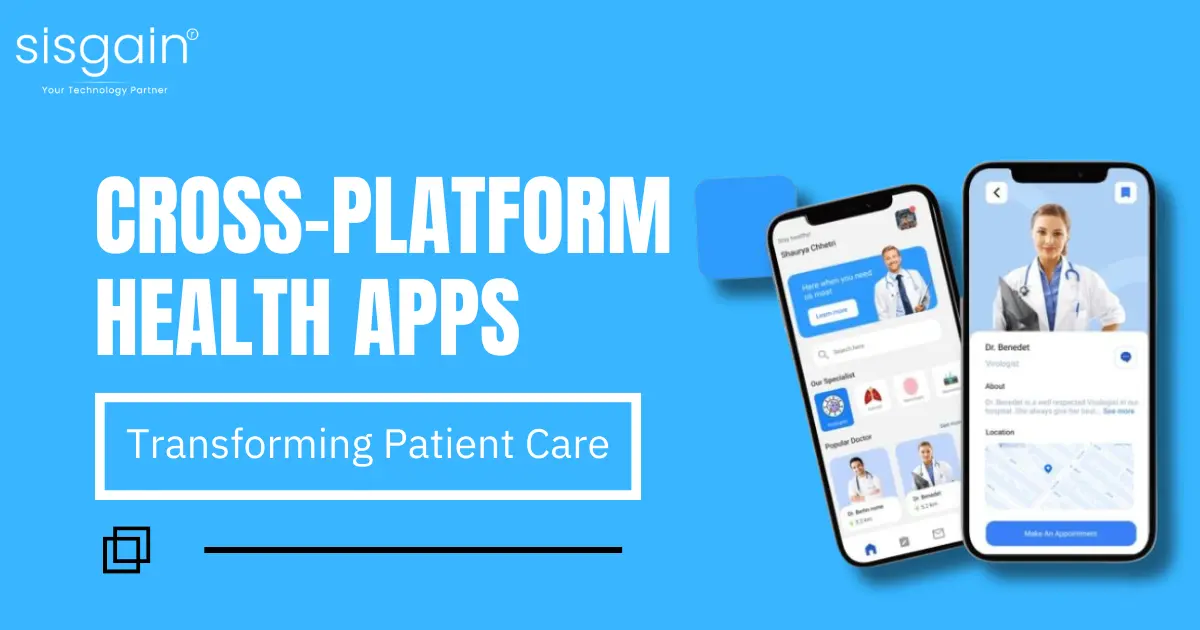

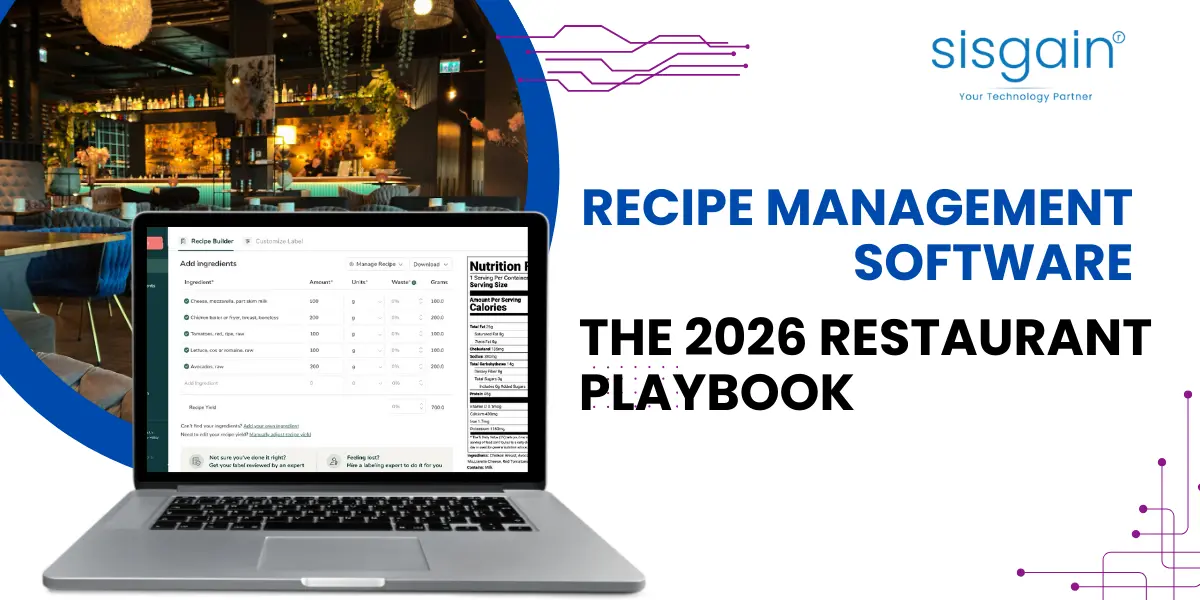



















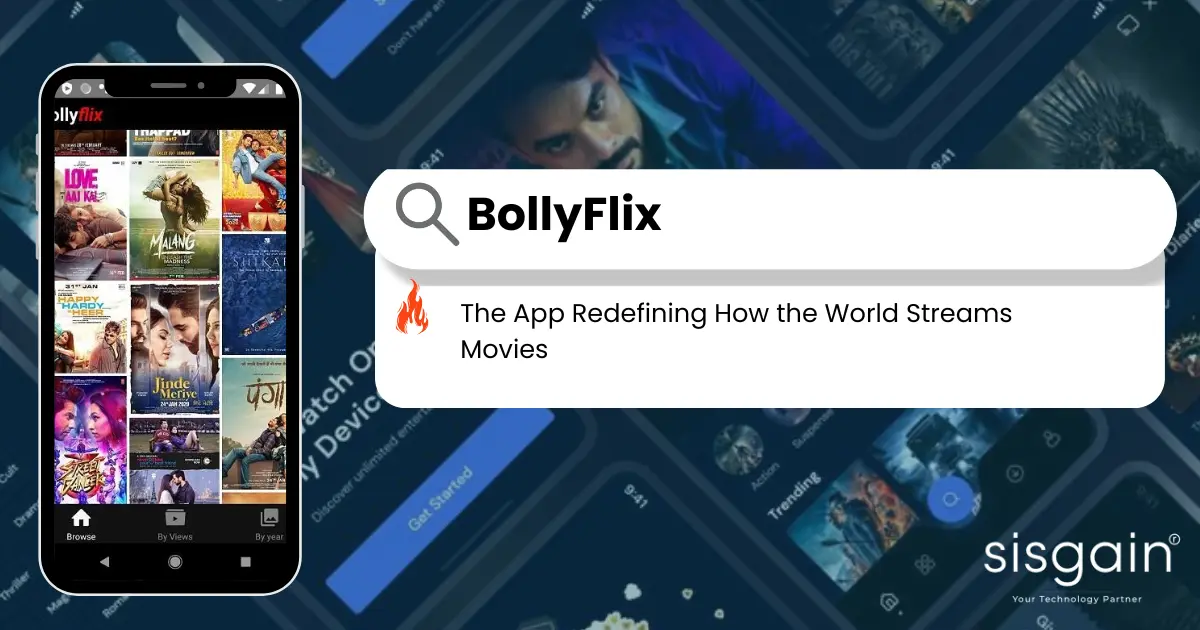







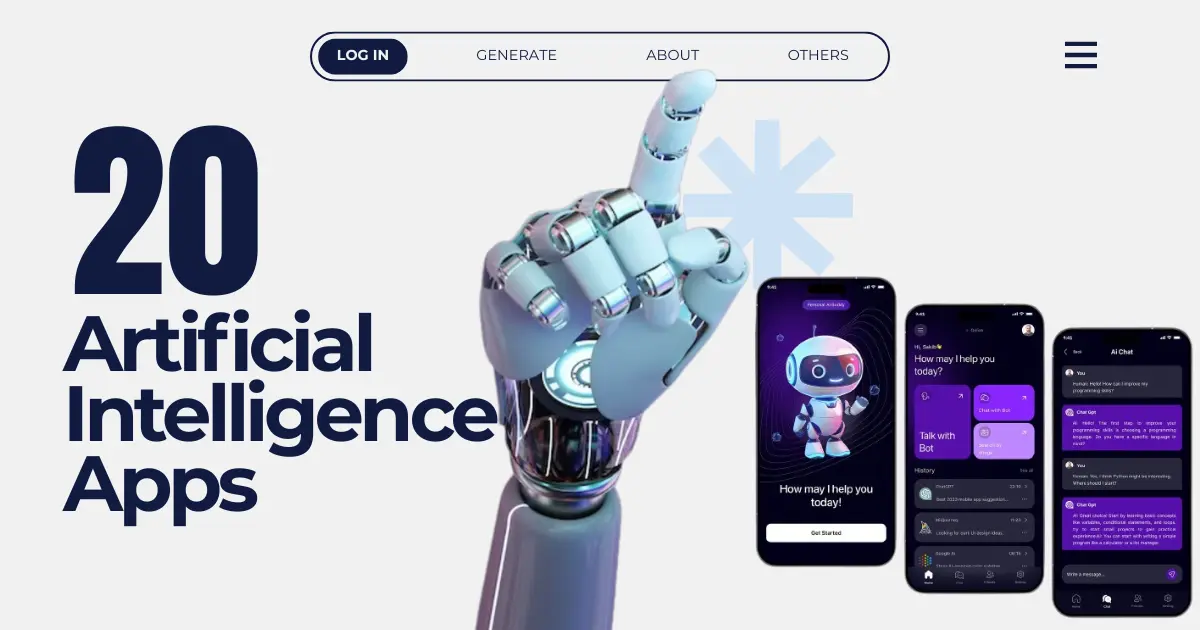





































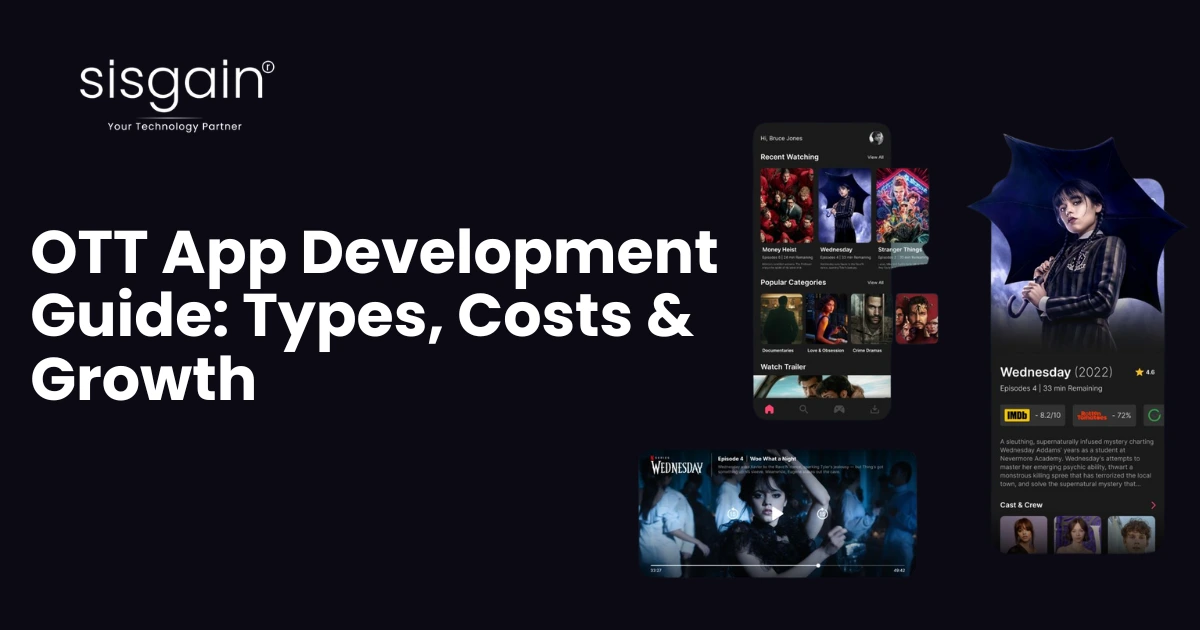



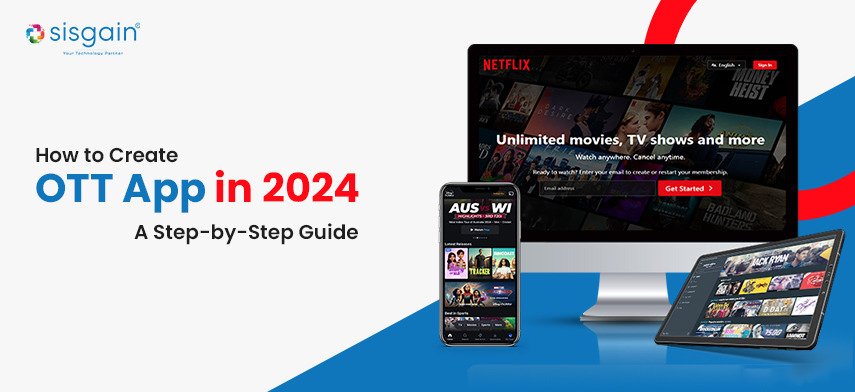

Smoothly transition your vision into reality by setting clear goals, taking actionable steps, and staying adaptable—turning ideas into tangible outcomes with persistence and a focused approach.


Book a Free Consultation Call with Our Experts Today
Project quotes, partnerships, implementation
Open roles, referrals, campus hiring
