
Exploring a country through its cuisine is one of the most immersive ways to experience its culture and the UAE is no exception. Rich with tradition, flavor, and heritage, the traditional food of UAE offers more than just nourishment; it's a reflection of the Emirati way of life. From family feasts to cultural festivals and street vendors to high-end restaurants, UAE food tells the story of its desert origins, Bedouin hospitality, and global influences through centuries of trade. If you're planning a trip or already reside in Dubai, discovering local food of UAE is a flavorful must. Let's explore the famous food in UAE, a vibrant culinary heritage presented in 10 iconic dishes every visitor and food lover should try. We’ll highlight each one with background, preparation methods, taste profiles, and where to find them, with a special focus on authenticity, cultural value, and accessibility.
Why Traditional Food Matters in UAE Culture
The traditional food of UAE is deeply connected to the country's history, climate, and cultural evolution. Before the oil boom, the UAE was largely a desert land with fishing villages and Bedouin tribes. This shaped the Emirati cuisine, favoring ingredients like dates, fish, rice, camel meat, and spices like saffron, cardamom, turmeric, and cinnamon. These dishes were designed to nourish, hydrate, and energize in harsh climates.
Understanding UAE culture food helps you appreciate how meals are more than just food—they are moments of connection. Traditional meals are often shared, with large platters at the center of the table, signifying unity. During Ramadan and Eid, specific dishes like Harees and Tharid are prepared with ceremonial importance, making them essential parts of cultural food traditions.
The 10 Must-Try Traditional Dishes of the UAE
1. Al Harees
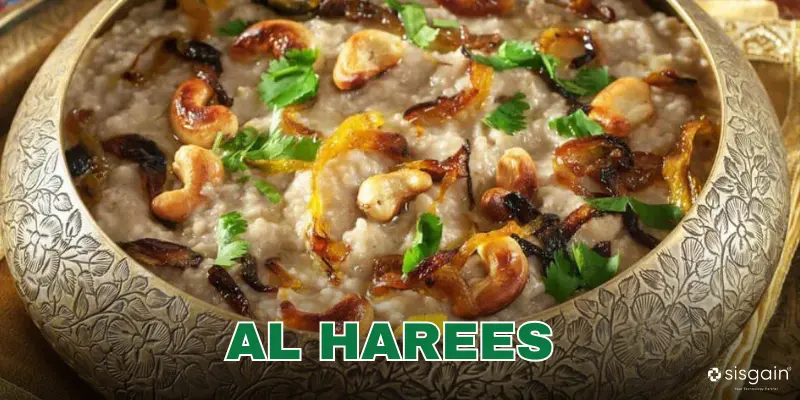
Al Harees is the traditional of UAE which is deeply rooted in the culture and history of the UAE, making it not just a dish but a reflection of the values of patience, community, and tradition. It is considered a symbol of hospitality and is often shared among families and friends during special occasions. The dish requires meticulous preparation and slow cooking, which highlights the importance of time and care in Emirati culinary practices.
Typically prepared in large quantities, Al Harees is a staple at celebratory events like weddings and the holy month of Ramadan, where it's served to break the fast. The simplicity of its ingredients like wheat, meat (usually lamb or chicken), and salt belies its rich, comforting taste. Its slow cooking process ensures that the wheat and meat meld into a silky, almost creamy consistency, making it a nourishing and satisfying dish.
The communal nature of Al Harees is important, as it is often served in large, shared pots, encouraging togetherness. Historically, this dish is associated with Bedouin nomadic life, where meals needed to be hearty, simple, and able to feed a large group of people. Al Harees represents the soul of Emirati hospitality, where food is not just sustenance but an expression of generosity and cultural pride. 4o mini Select 99 more word Click Here For Al Harees Recipe
Source: Safaraq – Traditional Emirati Cuisine Guide
2. Al Majboos (or Machboos)
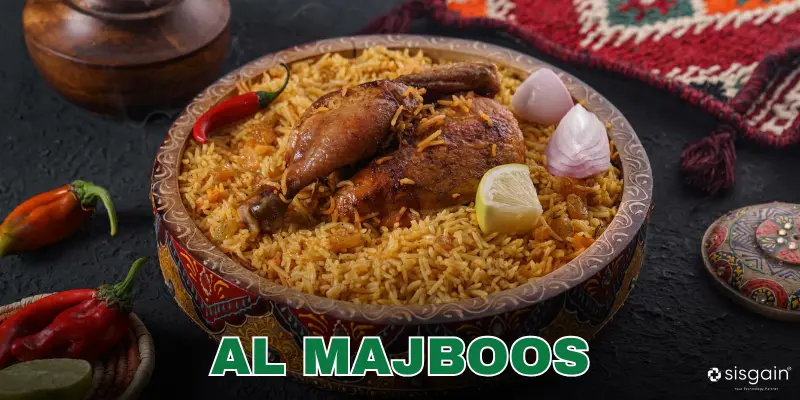
Majboos also known as Machboos, a beloved dish in the UAE, is a staple in Emirati cuisine, deeply intertwined with the region's cultural identity. Also known as Kabsa, it is similar to biryani but with a unique Gulf touch. This flavorful dish is typically made with basmati rice and various types of meat, including chicken, lamb, goat, or sheep. On occasion, seafood like fish or shrimp is used, adding variety to the dish. The magic of Machboos lies in its rich blend of spices.
One of the key ingredients is Loomi, a dried lime powder that imparts a citrusy flavor. The dish is further elevated with an aromatic mix of spices such as bay leaves, nutmeg, saffron, cloves, cardamom, cinnamon, cumin, chili powder, turmeric, coriander powder, and garlic. Additionally, fried chopped onions are often added to enhance its taste and aroma, creating a complex and tantalizing flavor profile. The preparation of Machboos involves slow cooking, allowing the ingredients to meld together perfectly. The meat is first cooked until tender, then removed. Rice is added to the pot and cooked until almost done, after which the meat is reintroduced to the pot to cook for an additional two hours on low heat.
The result is a dish that is both rich in flavor and aroma. The finishing touch typically includes garnishing with fresh coriander leaves and green chilies, making it visually appealing as well. Traditionally served at weddings, Eid, and Ramadan celebrations, Machboos holds a special place in the hearts of the Emirati people. Its origins trace back to Saudi Arabia, but it has become a cherished dish in many Gulf countries, including Kuwait, Bahrain, Qatar, Oman, and Yemen.
The dish is not only a meal but a symbol of hospitality, often served to guests as part of communal gatherings, signifying the warmth and generosity of the host. In addition to its festive significance, Machboos is a fragrant rice dish, sometimes garnished with roasted nuts and raisins, which add a delightful contrast to the savory flavors. This dish exemplifies the culinary tradition of the UAE, with its hearty, comforting elements and vibrant flavors. Click Here For Al Majboos Recipe
3. Al Jabab Bread
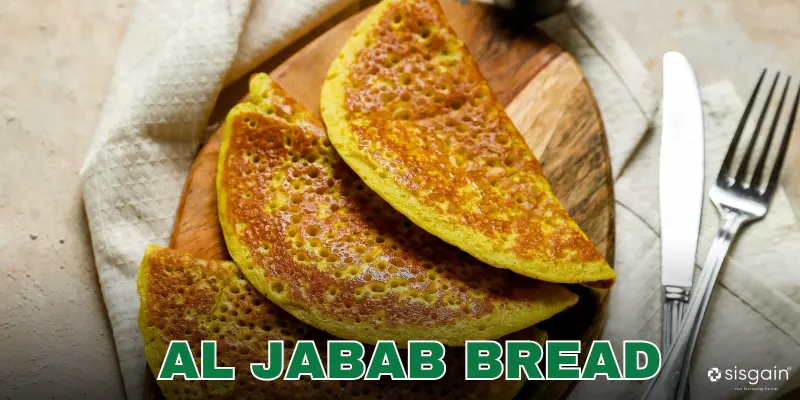
Al Jabab Bread, also referred to as Chabab or Chebab, is a beloved traditional Emirati food in UAE that holds a prominent place in UAE cuisine. This traditional bread resembles a thin pancake or crepe and is typically prepared with flour, eggs, saffron, and sugar, giving it a soft and spongy texture. Often served as a breakfast item, it is commonly enjoyed with toppings like soft cheese, honey, or date syrup, adding a sweet or savory touch to the dish. This delicious flatbread is similar to the American pancake but with distinctive ingredients like saffron, which imparts a unique flavor and color to the bread.
It is cooked until it achieves a golden yellow or light brown hue, giving it a slight crispness on the outside while remaining tender inside. The addition of aromatic spices such as turmeric, fennel, and cardamom makes Al Jabab Bread even more flavorful and fragrant. Chabab bread is typically garnished with sesame seeds, enhancing its visual appeal and adding a slight crunch. It is commonly served hot and is particularly popular at street food stalls and cultural markets in Dubai, where it is a favorite snack among locals and tourists alike.
One of the key accompaniments to this dish is Chami cheese, a traditional Emirati cheese made from buttermilk. This cheese has a salty flavor that complements the sweetness of the bread, providing a satisfying balance of tastes. Another popular topping is date syrup, a staple in Emirati cuisine, which adds richness and a natural sweetness to the bread. In the UAE, Al Jabab Bread is more than just a breakfast food; it is an essential part of Emirati culture and an expression of the country's rich culinary traditions. Click Here For Al Jabab Bread Recipe
4. Samak Mashwi (Grilled Fish)
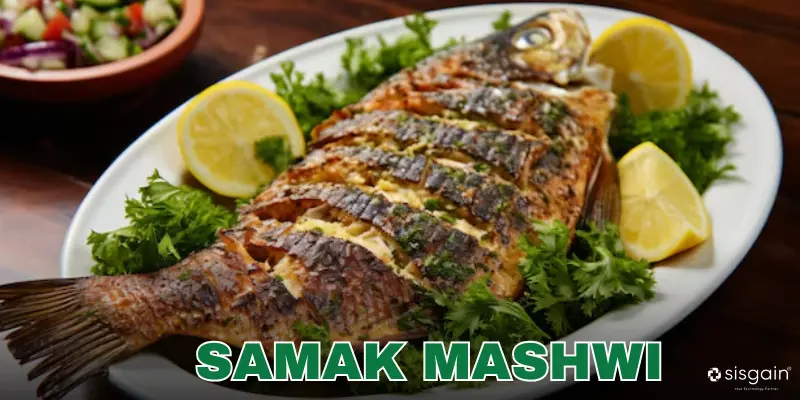
Samak Mashwi, or grilled fish, highlights the UAE's deep connection to its coastal roots. This UAE dish is marinated in garlic, lemon, and traditional spices, then grilled to perfection. It’s a common offering at traditional restaurants in Dubai and a must for seafood lovers searching for meals in Dubai that reflect heritage. With its bold seasoning and charred finish, Samak Mashwi is a vital part of the traditional food of UAE, especially for those interested in the sea’s bounty.
- Regional Variations: While Samak Mashwi is commonly associated with the UAE, similar grilled fish preparations can be found across the Arabian Gulf, but each emirate or region may use slightly different spice blends or fish types based on local availability.
- Popular Fish Types Used: The most commonly used fish for Samak Mashwi in the UAE include hamour (grouper), shari (emperor fish), and sultan ibrahim (red mullet). These are locally sourced from the Arabian Gulf and prized for their flavor and texture.
- Traditional Cooking Method: Traditionally, the fish is grilled over open flames or hot coals, often wrapped in banana leaves or placed directly on a wire rack. This method enhances the smokiness and brings out the natural oils of the fish.
- Cultural Significance: In Emirati coastal communities, grilled fish is more than just a meal—it represents a legacy of pearl divers and fishermen who relied on the sea for sustenance. Samak Mashwi is often served during family gatherings, festive events, and national celebrations.
- Common Accompaniments: It is typically served with saffron rice, roasted vegetables, or khubz (Arabic bread), along with a side of date chutney or tahini-based sauce for added flavor.
- Modern Interpretations: Some contemporary Emirati restaurants may use modern grilling techniques or introduce fusion marinades (like harissa or soy-ginger blends) while maintaining the traditional essence of the dish.
Click Here For Samak Mashwi Recipe
5. Tharid
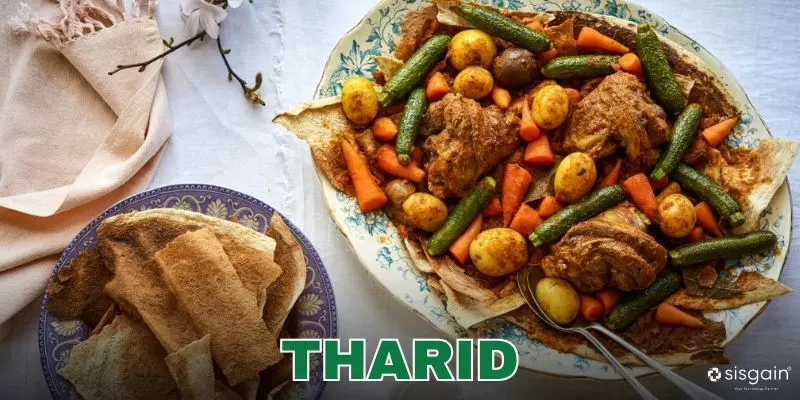
Tharid is more than just a dish, it's a culinary symbol deeply embedded in Emirati culture and Islamic tradition. Known as the Prophet Muhammad’s (PBUH) favorite meal, it carries a spiritual weight that makes it especially meaningful during Ramadan and other religious occasions. While traditionally made with tender meat and vegetables poured over crispy Regag bread, variations of Tharid can be found across the Arab world, each with a unique regional twist.
In the UAE, it is often enjoyed communally, served in large dishes that encourage sharing, reflecting the values of hospitality and unity. The Regag bread at the base not only soaks up the stew’s rich flavors but also adds a delightful crunch, creating a perfect textural balance. In modern kitchens, chefs sometimes experiment by incorporating chickpeas or using plant-based alternatives, making the dish suitable for contemporary diets without losing its essence.
Nutritiously rich in protein, fiber, and essential vitamins, Tharid is a wholesome meal that restores energy after a long day of fasting. It continues to be a beloved part of Iftar tables, not just for its taste but for the cultural and historical stories it carries with every bite. Click Here For Tharid Recipe
6. Luqaimat
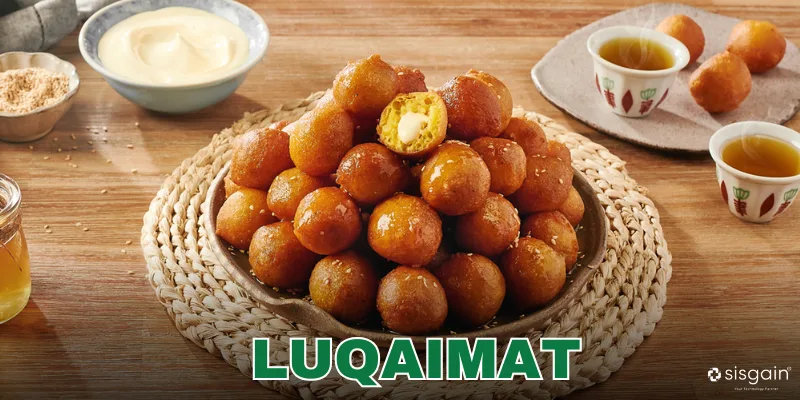
Luqaimat are golden, crispy dough balls deep-fried and then coated with date syrup or honey, topped with sesame seeds. A festival favorite and street snack, these sweet bites reflect the UAE’s generosity and hospitality. A beloved choice in Emirati food names, Luqaimat appears frequently in UAE traditional food images, especially during Ramadan. Their popularity among tourists makes them a highlight in traditional food of UAE pictures with names, often representing Emirati desserts. Click Here For Luqaimat Recipe
7. Balaleet
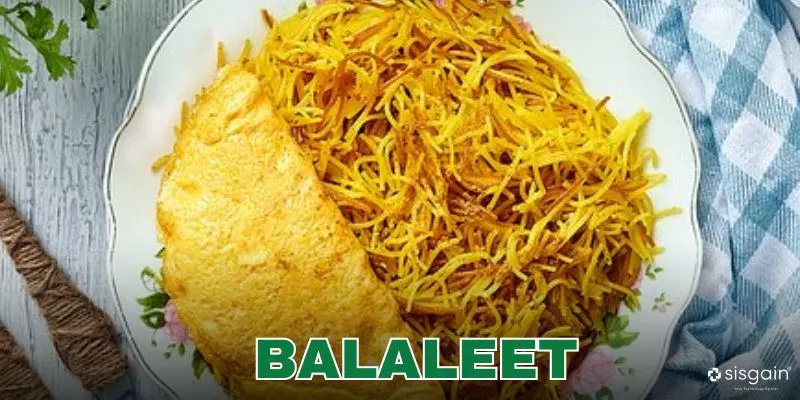
Balaleet is a flavorful breakfast dish that marries sweetened vermicelli with an omelet infused with saffron and cardamom. This sweet-savory combination is unique to the UAE food palette and is commonly served at Emirati food Dubai style brunches. Balaleet is one of the most iconic UAE food names, embodying the cross-cultural influences that shaped the region. It’s also a top pick for anyone exploring authentic Emirati food beyond the typical fare. Click Here For Balaleet Recipe
8. Madrouba
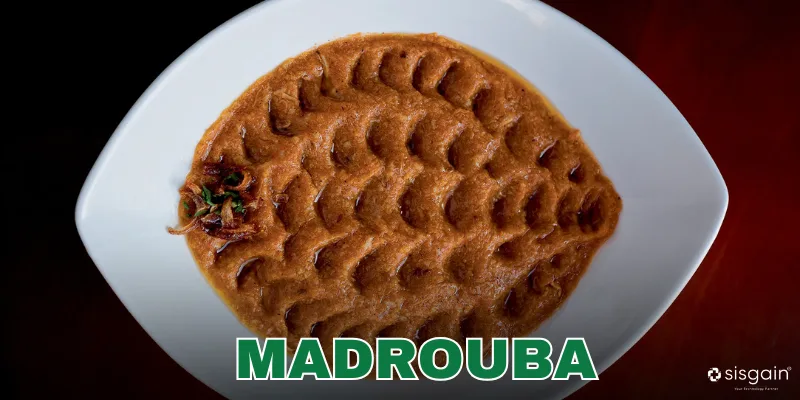
Madrouba is a soft, savory porridge made by slow-cooking rice with chicken or fish, garlic, onions, and local spices. It’s a staple among local Emirati food offerings, especially beloved for its creamy, comforting texture. Often featured in UAE traditional food images, this dish is easy to digest and suitable for all ages. For cultural explorers, Madrouba is a must-try when diving into traditional Emirati food. Click Here For Madrouba Recipe
9. Khuzi (Ghuzi)
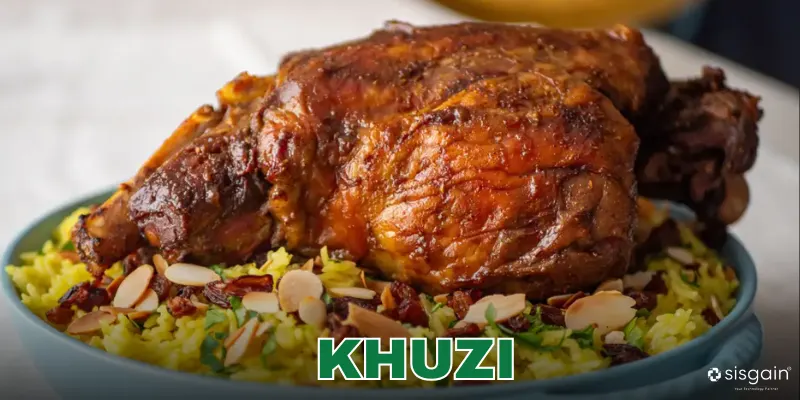
Khuzi is one of the most prestigious and famous food in UAE, made from roasted lamb served atop spiced rice with vegetables, raisins, and nuts. Frequently served at large gatherings and special events, Khuzi is symbolic of Emirati hospitality. This visually striking dish is often seen in traditional food of UAE pictures and on menus of fine dining establishments using restaurant pos software that cater to authentic Arabic cuisine. A staple of UAE local food, Khuzi also represents grandeur in Emirati dishes. Click Here For Khuzi Recipe
10. Khameer – A Delicious Emirati Bread
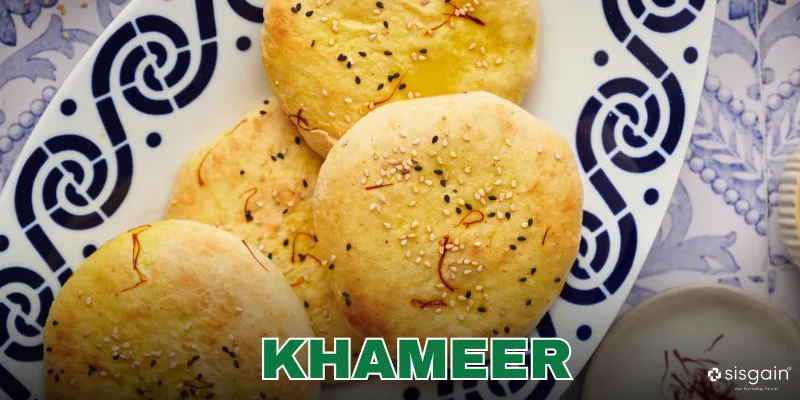
Khameer is another staple in Emirati cuisine, often served with a variety of dishes, including stews, soups, and salads. It is a yeast-based bread that has a slightly sweet taste. Khameer is commonly eaten for breakfast or as a snack, paired with cheese, honey, or dates. It’s an ideal accompaniment to many traditional foods of the UAE, including Machboos and Samak Mashwi.
Khameer can be found in bakeries across the UAE, especially in the mornings. Its unique flavor and texture make it a perfect complement to the rich and savory dishes of Emirati cuisine. Click Here For Khameer Recipe
What is the Traditional Food of UAE?
If you're wondering what is the traditional food of UAE, think hearty dishes that use minimal yet powerful ingredients. From wheat and rice to dates, milk, and fish, the cuisine is rooted in practicality, flavor, and community. Traditional cooking methods like clay pots and slow-roasting bring out rich, deep flavors that modern kitchens struggle to replicate. The influence of Indian, Persian, and African trade routes has also brought a fusion of spices and techniques to the Emirati plate.
Also Read - 20 Emirati Cuisine Dishes You Need to Try Now
Where to Experience Authentic Traditional Food
Dubai and Abu Dhabi offer numerous spots to explore traditional food of UAE pictures with names, particularly in heritage villages, desert safaris, and curated culinary tours. For a more immersive experience, visit:
-
Al Fanar Restaurant & Café (Dubai) – Famous for its nostalgic setup and authentic dishes
-
SMCCU (Sheikh Mohammed Centre for Cultural Understanding) – Offers cultural meals with guided explanations
-
Arabian Tea House (Al Fahidi) – Popular for UAE breakfast and tea pairings
-
Traditional restaurants in Dubai – Many serve dishes like Harees, Tharid, and Machboos in local style
These locations often showcase dishes alongside stories, traditional food of UAE pictures, and names to enhance understanding and appreciation.
Traditional Food During UAE Festivals and Events
Cultural food in the UAE is closely tied to religious and national celebrations. During Ramadan, homes and mosques prepare dishes like Harees and Tharid as iftar staples. Eid celebrations often include feasts of Majboos, Khuzi, and sweets like Luqaimat. National Day events highlight UAE culture food by hosting traditional food fairs and showcasing UAE traditional food images in exhibitions.
Weddings, too, are marked by lavish meals featuring camel meat, rice dishes, and various breads. These traditions preserve culinary practices passed through generations, honoring traditional Emirati names and values.
Final Thoughts: Why You Should Try Traditional Food of UAE
Trying traditional food of UAE is more than just a dining experience, it’s a gateway into the heart of Emirati identity. Whether you’re a food enthusiast, cultural explorer, or just hungry in Dubai, these dishes are integral to understanding the country's soul. From street food to high-end dining, the flavors of the UAE will leave you with a deeper appreciation for its rich culture.
Explore more authentic cuisine and local favorites through platforms that also highlight services such as restaurant POS systems that make these dining experiences smoother and more accessible for tourists.
Ready to taste the UAE? Don’t just read about it—book a cultural food tour or visit a traditional restaurant and discover these iconic dishes yourself.
For more tech solutions in the F&B sector, check out our blog on - How POS For Small Businesses Drives Sales in the UAE