
The global IoT in healthcare market is poised for explosive growth over the next decade, signaling a fundamental transformation in how healthcare is delivered worldwide.
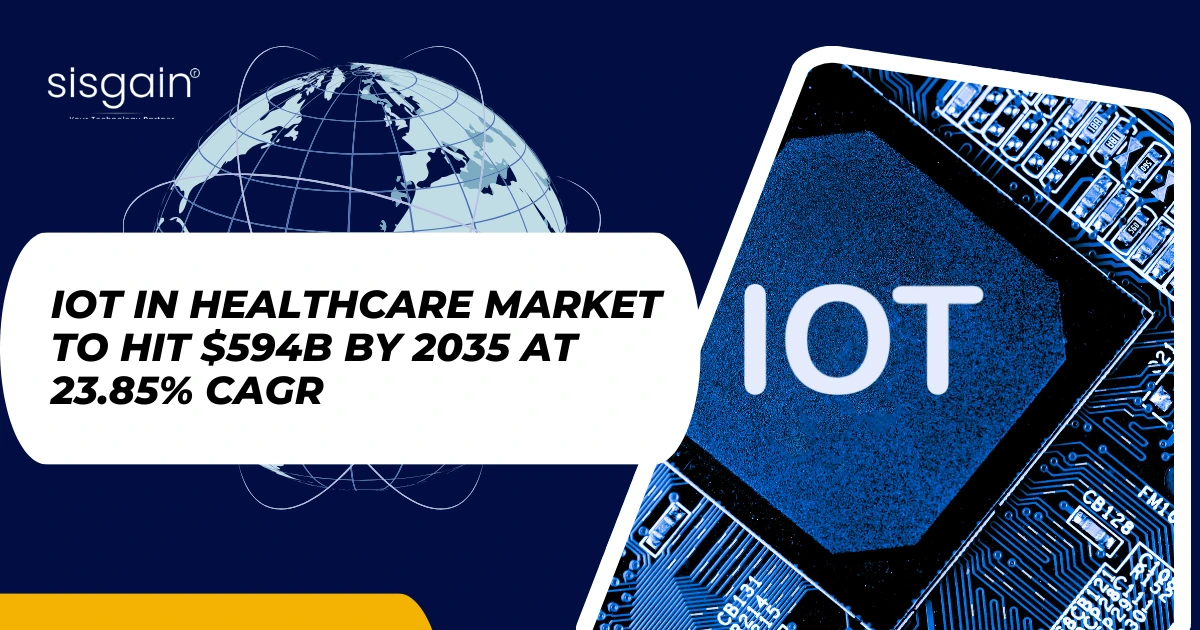
According to a new report by Vantage Market Research, the market is projected to surge from USD 56.73 billion in 2024 to USD 594.5 billion by 2035, expanding at a robust compound annual growth rate (CAGR) of 23.85% between 2025 and 2035.
A Shift Toward Connected, Predictive Healthcare
The rapid expansion reflects an industry-wide shift from reactive care models to continuous, data-driven, and preventive healthcare delivery. Connected medical devices, cloud-based platforms, and real-time analytics are increasingly embedded into clinical and operational workflows across hospitals, clinics, home healthcare settings, research institutions, and government health systems.
Healthcare providers are leveraging IoT-enabled systems to enable remote patient monitoring, optimize hospital operations, and improve clinical decision-making. Rising chronic disease prevalence, aging populations, and mounting pressure to control healthcare costs are further accelerating adoption.
“IoT is no longer an optional layer in healthcare — it is becoming the digital backbone of modern care delivery,” said Neha Godbule, CEO of Vantage Market Research. “Connectivity, data intelligence, and security will define competitive leadership.”
Key Drivers Powering Market Growth
Several structural forces are driving the market’s expansion:
-
Increased adoption of telemedicine and remote patient monitoring
-
Growing demand for real-time clinical data and predictive analytics
-
Expansion of connected medical devices and wearable technologies
-
Government-led smart hospital and digital health initiatives
-
Heightened focus on reducing hospital readmissions and operational inefficiencies
IoT platforms are also enabling decentralized and home-based care models, improving patient engagement and adherence while reducing strain on hospital infrastructure.
Technology Innovation at the Core
Advancements in artificial intelligence, edge computing, and secure cloud platforms are reshaping connected healthcare delivery. As healthcare organizations accelerate digital transformation, many are partnering with leading advisory firms for strategic implementation and scalable execution. Explore the Top 10 Technology Consulting Firms in the Middle East that are helping enterprises navigate complex technology adoption across industries.
Vendors are focusing heavily on interoperability, cybersecurity, and scalable architectures to meet complex regulatory and clinical requirements. Emerging trends include AI-driven clinical alerts, predictive maintenance of medical equipment, integration with electronic health records (EHRs), and real-time asset tracking within hospital ecosystems.
Expanding Applications Across the Ecosystem
IoT adoption is extending beyond hospital walls into multiple high-impact areas:
-
Telemedicine and virtual consultations
-
In-patient and ICU monitoring systems
-
Connected imaging and diagnostics
-
Medication management and adherence tracking
-
Clinical workflow and asset optimization
-
Population health monitoring
These applications are helping providers transition toward value-based care models centered on outcomes and efficiency.
Regional Outlook
North America currently leads the global market, driven by advanced digital health infrastructure and early adoption of smart hospital programs. Europe follows closely with strong regulatory frameworks and public-sector digital health investments.
However, Asia Pacific is expected to witness the fastest growth through 2035, fueled by rapid healthcare digitization, expanding telemedicine access, and increasing investment in smart healthcare infrastructure. Emerging opportunities are also developing across Latin America and the Middle East & Africa as healthcare systems modernize.
Competitive Landscape
The market features participation from major global technology and healthcare companies, including:
-
Cisco
-
IBM
-
GE Healthcare
-
Microsoft
-
SAP
-
Medtronic
-
Royal Philips
-
Oracle
-
Bosch
These companies are investing in device portfolios, AI-enabled analytics platforms, cybersecurity frameworks, and enterprise-scale IoT ecosystems to strengthen market positioning.
Long-Term Market Momentum
Industry analysts note that IoT is evolving from pilot deployments to enterprise-wide integration. Healthcare organizations are prioritizing scalable, cloud-native platforms that support secure data exchange, regulatory compliance, and long-term flexibility.
As healthcare systems globally seek to improve outcomes while reducing costs, IoT technologies are emerging as foundational infrastructure for next-generation care delivery.
With sustained double-digit growth projected through 2035, IoT in healthcare is set to redefine clinical intelligence, operational efficiency, and patient engagement on a global scale.