
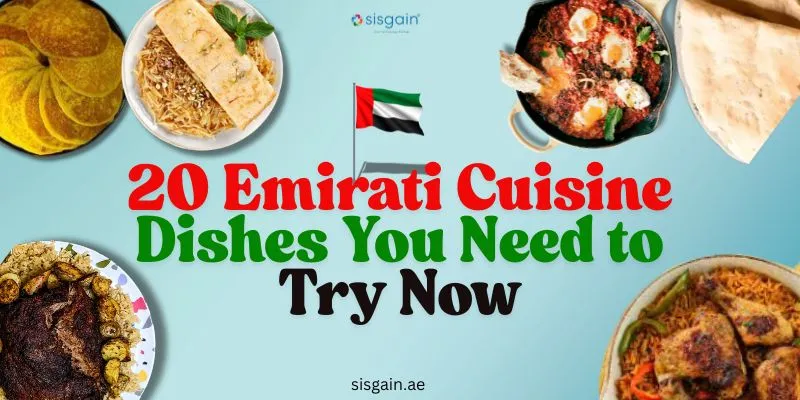
Emirati cuisine is a vibrant tapestry of flavors, weaving together Arabian, Persian, Indian, and African influences from the UAE’s historic trade routes. Did you know that the UAE’s culinary scene is as diverse as its population, with over 80% expatriates contributing to its global flair? From the national food of UAE like khuzi to street food favorites like samboosa, emirati cuisine offers a sensory journey through tradition and innovation. Whether you’re exploring the best restaurants in Dubai/UAE or seeking local food near me, this guide to 20 must-try food in Dubai dishes provides recipes, histories, and dining recommendations to satisfy your cravings. Dive into Dubai traditional food and discover why Emiratis cherish their culinary heritage!
Emirati Breakfast Delights
Breakfast in the UAE is a delightful start, blending sweet and savory flavors. These emirati breakfast dishes are perfect for experiencing UAE local food at its finest.
1. Chebab

Chebab, a staple of emirati breakfast, are thin, crispy pancakes infused with cardamom and turmeric, offering a sweet-savory balance. Served with date syrup, sour cheese, or eggs, they’re a morning favorite across the UAE. Their golden hue and fluffy texture make them a comforting choice for locals and visitors alike.
History and Cultural Significance: Rooted in Bedouin traditions, Chebab reflects the UAE’s resourcefulness, using simple ingredients to create hearty meals. The name “Chebab” derives from the Arabic for “cooked bread,” highlighting its traditional preparation on a curved hot plate. Often enjoyed during Ramadan’s suhoor, Chebab symbolizes hospitality, served to guests with warm Gahwa (Arabic coffee).
Ingredients:
- 2 cups flour
- 1 tsp yeast
- 1 tbsp sugar
- 1 tsp cardamom
- Pinch of turmeric
- 1 cup milk
- 1 egg
- Butter or oil for cooking
- Date syrup or cheese for serving
Recipe:
- Mix flour, yeast, sugar, cardamom, turmeric, and a pinch of salt in a bowl.
- Add milk and egg, stirring until smooth. Let the batter rest for 30 minutes.
- Heat a non-stick pan over medium heat and add a small amount of butter.
- Pour small amounts of batter to form thin pancakes, cooking until golden on both sides.
- Serve warm with date syrup, sour cheese, or a fried egg.
Where to Eat:
- Arabian Tea House, Dubai: A cozy spot for authentic emirati breakfast with Chebab.
- Al Fanar Restaurant, Dubai: Known for its rustic setting and traditional dubai local food.
- Mezlai, Abu Dhabi: Offers a luxurious take on Chebab at Emirates Palace.
Tip: Source date syrup at local food mart like Spinneys for an authentic taste.
2. Balaleet

Balaleet is a unique emirati breakfast dish combining sweet vermicelli noodles with a savory egg omelet. Flavored with cardamom, saffron, and rose water, it’s a delightful contrast of textures and tastes, making it a beloved Dubai famous food.
History and Cultural Significance: Influenced by Indian traders, Balaleet showcases the UAE’s trade history through its use of spices. It’s a staple during Eid and Ramadan, served warm for breakfast or cold as a dessert. Its versatility reflects Emiratis’ love for innovative flavor combinations.
Ingredients:
- 2 cups vermicelli noodles
- ½ cup sugar
- 1 tsp cardamom
- Pinch of saffron
- 1 tsp rose water
- 2 eggs
- 2 tbsp butter or ghee
- Salt to taste
Recipe:
- Roast vermicelli in butter until golden brown.
- Add water, sugar, cardamom, saffron, and rose water; cook until noodles are soft.
- Beat eggs with a pinch of salt and cook as a thin omelet in a separate pan.
- Serve the sweet vermicelli topped with the omelet.
Where to Eat:
- Logma, Boxpark, Dubai: Offers a modern take on Balaleet.
- Arabian Tea House, Dubai: A go-to for traditional emirati breakfast.
- Al Fanar Restaurant, Dubai: Serves Balaleet in a nostalgic setting.
Tip: Find rose water at Carrefour for home cooking.
3. Shakshuka

Shakshuka, a Middle Eastern favorite adopted in the UAE, features poached eggs in a spicy tomato and bell pepper sauce. Its bold flavors make it a popular emirati breakfast choice, perfect for those seeking best arabic food.
History and Cultural Significance: Originating in North Africa, Shakshuka has become a beloved breakfast dish in the UAE, reflecting its cosmopolitan culinary scene. It’s often served with flatbread, making it a hearty start to the day.
Ingredients:
- 4 eggs
- 4 tomatoes, chopped
- 1 bell pepper, diced
- 1 onion, chopped
- 2 cloves garlic, minced
- 1 tsp cumin
- 1 tsp paprika
- Pinch of chili powder
- Salt and pepper
- 2 tbsp olive oil
Recipe:
- Sauté onion, bell pepper, and garlic in olive oil until soft.
- Add tomatoes, cumin, paprika, chili powder, salt, and pepper; cook until thickened.
- Make wells in the sauce and crack eggs into them.
- Cover and cook until eggs are set but yolks are runny.
Where to Eat:
- Seven Sands Restaurant, Dubai: Known for its Middle Eastern dishes, including Shakshuka.
- Al Fanar Restaurant, Dubai: Offers an authentic version.
- Arabian Tea House, Dubai: A cozy spot for breakfast.
Tip: Pair with rigag bread for a true dubai traditional food experience.
Hearty Main Courses: Best Arabic Food

These best arabic food dishes are the heart of emirati cuisine, showcasing rich flavors and cultural significance, perfect for family gatherings and celebrations.
4. Harees

Harees is a creamy, porridge-like dish made from crushed wheat and meat, slow-cooked with cumin and onions. A Ramadan and wedding staple, it’s a comforting national food of UAE.
History and Cultural Significance: Harees have ancient roots across the Arabian Peninsula, symbolizing hospitality. Its long cooking process reflects Bedouin patience, making it a dish of love and tradition.
Ingredients:
- 1 cup crushed wheat
- 500g chicken or lamb
- 1 onion, chopped
- 1 tsp cumin
- Salt
- Water
- Ghee for serving
Recipe:
- Soak wheat overnight.
- Combine wheat, meat, onion, cumin, salt, and water in a pot.
- Cook on low heat for 3-4 hours, stirring until thick.
- Serve hot with a dollop of ghee.
Where to Eat:
- Mezlai, Abu Dhabi: Luxurious setting for Harees.
- Al Fanar Restaurant, Dubai: Authentic Dubai traditional food.
- Cultural Events: Common during Ramadan iftar.
5. Madrouba

Madrouba, a rice-based porridge with chicken or fish, is mashed to a smooth texture, flavored with turmeric and ginger. It’s a hearty best arabic food option.
History and Cultural Significance: Named for its “beaten” preparation, Madrouba is popular in the UAE, Bahrain, and Oman. It’s a family favorite, often served at gatherings.
Ingredients:
- 1 cup rice
- 500g chicken or fish
- 1 onion, chopped
- 2 cloves garlic
- 1 tsp turmeric
- 1 tsp cumin
- Ghee
- Water
Recipe:
- Cook chicken or fish with onion, garlic, and spices until tender.
- Add rice and water, cook until soft.
- Mash into a porridge-like consistency.
- Serve hot with bread.
Where to Eat:
- Al Bait Al Baghdadi, Sharjah: Known for traditional emirati cuisine.
- Local Restaurants: Common during Ramadan.
6. Tharid

Tharid, a stew of meat and vegetables over flatbread, is a Ramadan favorite. Its rich broth and soft bread make it a comforting national food of UAE.
History and Cultural Significance: Tharid’s roots trace back to ancient Arabia, mentioned in historical texts. It symbolizes generosity, often served to guests.
Ingredients:
- 500g lamb or chicken
- 2 potatoes, diced
- 2 tomatoes, chopped
- 1 onion, chopped
- Spices (cumin, coriander, turmeric)
- Rigag or khubz bread
- Water
Recipe:
- Cook meat with onion and spices until tender.
- Add vegetables and cook until soft.
- Serve over flatbread, letting it soak up the broth.
Where to Eat:
- Seven Sands Restaurant, Dubai: Offers authentic Tharid.
- Al Fanar Restaurant, Dubai: A rustic setting for Dubai local food.
- Ramadan Iftar: Widely available during the holy month.
7. Ghuzi (Khuzi)

Khuzi food, the national dish of UAE, is a show-stopping roasted lamb or goat stuffed with spiced rice, nuts, and dried fruits, served on a rice bed.
History and Cultural Significance: Ghuzi is a centerpiece at weddings and Eid, symbolizing abundance. Its preparation is a labor of love, reflecting Emirati hospitality.
Ingredients:
- Whole lamb or goat
- 2 cups rice
- Spices (cardamom, cinnamon, saffron)
- Nuts (almonds, cashews)
- Dried fruits (raisins, dates)
- Ghee
- Yogurt sauce
Recipe:
- Marinate meat with spices and ghee for 6-8 hours.
- Roast until tender and golden.
- Cook rice with spices and meat broth.
- Serve meat on rice, garnished with nuts and fruits.
Where to Eat:
- Bu Qtair, Dubai: Famous for khuzi food.
- Mezlai, Abu Dhabi: Luxurious dining experience.
- Traditional Weddings: A common dish at celebrations.
8. Machboos

Machboos, also known as al machboos and khuzi, is a fragrant rice dish with meat or fish, spiced with cardamom and dried lime. It’s a national dish of Dubai.
History and Cultural Significance: A staple across the Gulf, Machboos reflects the UAE’s love for rice-based dishes. It’s a favorite at family gatherings.
Ingredients:
- 2 cups rice
- 500g chicken or fish
- 1 onion, chopped
- 2 tomatoes, chopped
- Spices (cardamom, cinnamon, turmeric)
- Ghee
- Water
Recipe:
- Cook meat with onion, tomatoes, and spices until tender.
- Add rice and water, cook until fluffy.
- Serve hot, garnished with fried onions.
Where to Eat:
- Al Fanar Restaurant, Dubai: Authentic Machboos.
- Logma, Boxpark, Dubai: Modern twist on dubai famous food.
- Local Eateries: Common across the UAE.
9. Maqluba

Maqluba, meaning “upside-down,” is a layered dish of rice, meat, and vegetables, flipped for serving. It’s a flavorful Arabic dish in Dubai.
History and Cultural Significance: Popular across the Middle East, Maqluba is a festive dish in the UAE, often served at gatherings to impress guests.
Ingredients:
- 2 cups rice
- 500g chicken or lamb
- 1 eggplant, sliced
- 1 potato, sliced
- Spices (cumin, allspice, turmeric)
- Oil
Recipe:
- Fry eggplant and potato slices.
- Layer meat, vegetables, and rice in a pot.
- Cook until rice is tender, then flip onto a plate.
- Serve with yogurt.
Where to Eat:
- Bait Al Maryam, Dubai: Known for Middle Eastern dishes.
- Al Fanar Restaurant, Dubai: Offers Maqluba.
10. Samak Mashwi

Samak Mashwi is grilled fish marinated with herbs and spices, reflecting the UAE’s coastal heritage. It’s a top best arabic food choice.
History and Cultural Significance: Seafood is a mainstay in Emirati cuisine, with Samak Mashwi showcasing the UAE’s maritime traditions.
Ingredients:
- Whole fish (e.g., hammour)
- Spices (cumin, coriander, turmeric)
- Lemon juice
- Olive oil
- Garlic
Recipe:
- Marinate fish with spices, lemon juice, and oil.
- Grill until cooked through.
- Serve with rice or salad.
Where to Eat:
- Bu Qtair, Dubai: Famous for seafood.
- Al Fanar Restaurant, Dubai: Authentic dubai local food.
11. Salona

Salona is a mildly spiced stew with meat or fish and vegetables, a versatile dubai traditional food for home cooking.
History and Cultural Significance: A daily staple in Emirati households, Salona reflects the UAE’s love for simple, nutritious meals.
Ingredients:
- 500g chicken or fish
- 2 potatoes, diced
- 1 onion, chopped
- 2 tomatoes, chopped
- Spices (turmeric, coriander, cumin)
- Water
Recipe:
- Cook meat with onion and spices.
- Add vegetables and water, simmer until tender.
- Serve with rice or bread.
Where to Eat:
- Al Khayma Heritage Restaurant, Dubai: Authentic Salona.
- Seven Sands Restaurant, Dubai: Traditional emirati cuisine.
12. Margoogat

Margoogat is a tomato-based stew with meat and spices, often layered with bread. It’s a hearty best arabic food option.
History and Cultural Significance: Popular across the Gulf, Margoogat showcases regional spice blends like bezar, reflecting Emirati culinary creativity.
Ingredients:
- 500g chicken or lamb
- 2 tomatoes, chopped
- 1 onion, chopped
- Spices (bezar, cumin, turmeric)
- Arabic bread
Recipe:
- Cook meat with onion and spices.
- Add tomatoes and simmer until thick.
- Serve over Arabic bread.
Where to Eat:
- Seven Sands Restaurant, Dubai: Offers Margoogat.
- Al Fanar Restaurant, Dubai: Authentic setting.
Sweet Endings: Dubai Famous Food
These desserts are perfect for satisfying your sweet tooth, showcasing Dubai famous food.
13. Luqaimat

Luqaimat are deep-fried dough balls drizzled with date syrup and sesame seeds, a Ramadan street food favorite.
History and Cultural Significance: A symbol of generosity, Luqaimat is often served at iftar, reflecting Emirati hospitality.
Ingredients:
- 2 cups flour
- 1 tsp yeast
- 1 tbsp sugar
- Pinch of saffron
- 1 tsp cardamom
- 1 cup milk
- Date syrup
- Sesame seeds
Recipe:
- Mix flour, yeast, sugar, saffron, and cardamom.
- Add milk, stir, and let rest for 1 hour.
- Fry small dough balls until golden.
- Drizzle with date syrup and sprinkle sesame seeds.
Where to Eat:
- Arabian Tea House, Dubai: Famous for Luqaimat.
- Local Markets: Available at food mart during Ramadan.
14. Kunafa

Kunafa is a cheese-filled pastry soaked in sugar syrup, topped with pistachios. It’s a beloved arabic dish in Dubai dessert.
History and Cultural Significance: Originating in the Levant, Kunafa is a festive treat in the UAE, enjoyed during celebrations.
Ingredients:
- Kunafa dough
- Sweet cheese
- Sugar syrup
- Pistachios
- Butter
Recipe:
- Layer kunafa dough with cheese in a pan.
- Bake until golden.
- Pour sugar syrup over and top with pistachios.
Where to Eat:
- Milas Restaurant, Dubai: Known for Kunafa.
- Al Fanar Restaurant, Dubai: Offers traditional desserts.
Snacks and Staples: Street Food Favorites
These street food and staples are perfect for quick bites, available at food mart or local eateries.
15. Regag

Regag is thin, crispy bread served with stews or toppings like cheese, a versatile dubai local food.
History and Cultural Significance: A Bedouin staple, Regag is a simple yet essential part of Emirati meals.
Ingredients:
- Flour
- Water
- Salt
- Oil
Recipe:
- Mix flour, water, and salt to form a dough.
- Roll thin and cook on a hot griddle.
- Serve with cheese or stew.
Where to Eat:
- Souk Madinat Jumeirah, Dubai: Offers Regag at food stalls.
- Local Eateries: Common in traditional markets.
16. Khobz Al Khameer

Khobz Al Khameer is leavened bread, sometimes filled with dates, a popular emirati cuisine snack.
History and Cultural Significance: This bread reflects the UAE’s love for dates, often served with Gahwa.
Ingredients:
- Flour
- Yeast
- Sugar
- Dates
- Ghee
Recipe:
- Mix flour, yeast, and sugar to form a dough.
- Add dates and knead.
- Bake until golden.
Where to Eat:
- Spinneys, Dubai: Available at local food mart.
- Local Bakeries: Common across the UAE.
17. Samboosa

Samboosa are crispy pastries filled with spiced meat or vegetables, a beloved street food.
History and Cultural Significance: Originating from Central Asia, Samboosa is a popular snack in the UAE.
Ingredients:
- Flour
- Meat or vegetables
- Spices (cumin, coriander)
- Oil
Recipe:
- Make dough and roll into thin circles.
- Fill with spiced meat or vegetables.
- Fry until crispy.
Where to Eat:
- Al Mallah, Dubai: Famous for street food like Samboosa.
- Local Stalls: Common in markets.
18. Dates

Dates are a cultural staple, often paired with Gahwa, available at food mart.
History and Cultural Significance: Dates have been cultivated in the UAE since ancient times, symbolizing hospitality.
Where to Eat:
- Bateel, Dubai: Premium dates.
- Local Markets: Widely available.
Traditional Beverages
These drinks complement Emirati cuisine and are part of Dubai traditional food.
19. Gahwa

Gahwa is Arabic coffee infused with cardamom, served with dates. It’s a symbol of hospitality.
History and Cultural Significance: A ritual in Emirati culture, Gahwa is served to guests to foster conversation.
Ingredients:
- Coffee beans
- Cardamom
- Saffron
- Water
Recipe:
- Roast coffee beans and grind.
- Boil with cardamom and saffron.
- Serve in small cups with dates.
Where to Eat:
- Sheikh Mohammed Centre for Cultural Understanding, Dubai: Offers Gahwa experiences.
- Local Cafes: Common across the UAE.
20. Camel Milk

Camel milk is a nutritious, slightly salty drink, a unique emirati cuisine offering.
History and Cultural Significance: A Bedouin staple, camel milk is gaining popularity for its health benefits.
Where to Have:
- Camelicious, Dubai: Offers fresh camel milk.
- Local Supermarkets: Available at food mart.
Where to Try These Dishes: Best Restaurants in UAE
Explore these dishes at top best restaurants in UAE or food mart locations:
|
City |
Restaurant |
Must-Try Dish |
Location |
|
Dubai |
Al Fanar Restaurant |
Machboos, Khuzi |
|
|
Dubai |
Arabian Tea House |
Chebab, Balaleet |
|
|
Abu Dhabi |
Mezlai |
Harees, Ghuzi |
|
|
Sharjah |
Al Bait Al Baghdadi |
Salona, Madrouba |
|
|
Dubai |
Seven Sands Restaurant |
Tharid, Margoogat |
Note: Fast food chains in UAE like Chowking UAE focus on Asian cuisine, so prioritize traditional restaurants for arabic dishes in Dubai. Cooked food not allowed in Dubai refers to specific regulations in some areas, so check local guidelines.
Modern Twists on Emirati Cuisine
The UAE’s food scene in 2025 embraces innovation, blending tradition with global trends.
21. Vegan Machboos

A plant-based version of Machboos using lentils or jackfruit, catering to sustainable dining trends.
History and Cultural Significance: Reflects the UAE’s growing vegan movement, adapting the national dish of Dubai for modern diets.
Ingredients:
- 2 cups rice
- 1 cup lentils
- Onions, tomatoes
- Spices (cardamom, turmeric)
Recipe:
- Cook lentils with spices and vegetables.
- Add rice and cook until fluffy.
- Serve with nuts.
Where to Eat:
- Wild & The Moon, Dubai: Offers vegan emirati cuisine.
22. Miso Hummus

A fusion of hummus with Japanese miso, offering a unique umami flavor.
History and Cultural Significance: Showcases Dubai’s cosmopolitan culinary scene, blending Middle Eastern and Asian flavors.
Ingredients:
- Chickpeas
- Tahini
- Miso paste
- Lemon
- Oli2e oil
Recipe:
- Blend chickpeas, tahini, miso, lemon, and oil.
- Serve with flatbread.
Where to Eat:
- Trendy cafes in Dubai like Tom & Serg.
Conclusion
From emirati breakfast staples like Chebab to the national dish of UAE, khuzi, these 20 dishes offer a taste of emirati cuisine’s rich heritage and modern flair. Whether dining at best restaurants in UAE or cooking at home, explore dubai famous food and share your experiences on X with #EmiratiCuisine. For more on traditional food of UAE or Restaurant POS systems, check our related guides.