For Business & Service Inquiries
Sales Team
Project quotes, partnerships, implementation
Don't see your industry? We serve every sector - let us know your needs and we'll tailor a solution.

Aviation has always been defined by its uncompromising commitment to safety. Yet today’s operating environment is more complex than ever before. Airlines and airports must manage dense traffic flows, global fleets, multi-vendor ground operations, evolving airspace regulations, cyber threats, and rising passenger expectations—all while maintaining absolute compliance with international safety standards. This is where Aviation safety management software has become indispensable. Traditionally, safety programs relied heavily on manual reporting, spreadsheets, email trails, and disconnected audit records. While these approaches once sufficed, they struggle to keep pace with modern regulatory scrutiny from bodies such as ICAO, FAA, EASA, and regional authorities across the Middle East and Asia. Investigations take longer. Trends remain hidden inside siloed systems. Audit preparation becomes reactive rather than continuous. Digital safety platforms now serve as the operational nerve center for aviation risk governance. They centralize hazard reporting, automate corrective-action workflows, analyze safety performance indicators, and provide executives with real-time visibility into emerging threats—before they escalate into incidents. In this comprehensive guide, we explore what aviation safety management software is, how it works, why airlines and airports depend on it, and how to evaluate the right platform for long-term operational resilience. We will also examine regulatory requirements, AI-driven innovations, integration with airline IT ecosystems, implementation costs, and the future of safety technology in global aviation. What Is Aviation Safety Management Software? At its core, aviation safety management software is a digital platform designed to operationalize an organization’s Safety Management System (SMS). While an SMS is a formal framework mandated by aviation regulators—covering policies, processes, accountability structures, and performance monitoring—the software provides the technological backbone that makes these processes scalable, auditable, and proactive. Most international authorities, including the International Civil Aviation Organization (ICAO), define an SMS around four fundamental pillars: Safety Policy and Objectives – leadership commitment, governance models, and documented procedures. Safety Risk Management – identifying hazards, assessing risk severity and probability, and implementing mitigations. Safety Assurance – monitoring performance through audits, investigations, and safety indicators. Safety Promotion – training, communication, and cultivating a reporting culture across frontline teams. Aviation safety management software embeds these pillars into daily operations. Instead of pilots, engineers, cabin crew, or ramp agents submitting paper forms or emailing safety reports, digital portals and mobile apps capture occurrences in real time. Automated workflows route reports to safety officers, trigger risk assessments, assign corrective actions, and log evidence for regulatory audits. Modern platforms go far beyond basic compliance tracking. They incorporate analytics engines that detect recurring patterns, dashboards that visualize risk exposure across fleets or airports, and configurable rule sets that align with local regulatory requirements. Some systems integrate artificial intelligence to classify incident narratives, predict high-risk scenarios, or prioritize investigations based on historical trends. For airlines, this means moving from a reactive posture—responding after an event occurs—to a predictive model that surfaces weak signals early. For airports, it enables coordinated oversight across terminals, airside operations, contractors, wildlife control, and emergency services. In essence, aviation safety management software transforms safety from a static compliance exercise into a living, data-driven operational discipline—one that supports regulators, executives, and frontline teams alike. Why Airlines & Airports Need Dedicated Safety Platforms Today The aviation industry operates under one of the most demanding regulatory environments in the world—and that pressure continues to intensify. Regulators now expect continuous compliance rather than periodic audit readiness, requiring airlines and airports to maintain detailed records of hazards, investigations, mitigations, and safety performance indicators at all times. Manual systems struggle to keep pace with this rising audit complexity, especially when evidence must be produced quickly and consistently across departments and locations. At the same time, aviation operations have become highly interconnected. A single flight involves flight crews, maintenance engineers, dispatchers, air traffic services, airport operators, fueling vendors, catering teams, and ground-handling contractors. Without a centralized platform, safety data remains fragmented across multiple stakeholders, making it difficult to see the full risk picture. Data silos are particularly dangerous when flight operations systems, maintenance records, and ramp-safety logs operate in isolation. Trends that emerge across departments—such as recurring equipment failures or procedural deviations—can remain invisible until they escalate into serious incidents. There is also a growing commercial dimension to safety management. Insurers increasingly evaluate an airline’s digital maturity when setting premiums, while legal exposure rises when investigations are slow or documentation is incomplete. Beyond financial impact, reputational damage from safety lapses can erode passenger trust and shareholder confidence almost overnight. Dedicated safety platforms enable a shift from reactive reporting to predictive risk management. By aggregating enterprise-wide data and applying analytics, airlines and airports can detect weak signals early, strengthen operational resilience, and intervene before small hazards become systemic threats. In an industry where margins are tight and scrutiny is constant, this proactive posture is no longer optional—it is strategic. Core Modules & Capabilities in Aviation Safety Management Software Modern Aviation safety management software is built as a modular platform that mirrors the operational reality of airlines and airports while aligning tightly with ICAO’s four SMS pillars. Each core capability contributes to continuous hazard control, regulatory compliance, and data-driven decision-making. ▪ Incident & Occurrence Reporting Digital reporting modules allow pilots, cabin crew, engineers, and ramp agents to submit safety events through web portals or mobile devices. Structured forms ensure consistent data capture, while anonymity options encourage a just reporting culture—both key ICAO expectations. Automated routing ensures that reports reach safety managers quickly, accelerating initial risk assessment and response. ▪ Hazard Identification & Risk Registers This module centralizes known and emerging hazards across departments and locations. Risk matrices score probability and severity, enabling standardized prioritization in line with ICAO Safety Risk Management processes. Historical records demonstrate to regulators that hazards are systematically identified, assessed, and monitored over time. ▪ Corrective Action Tracking Once risks are identified, corrective actions must be assigned, tracked, and verified. Workflow engines create accountability by linking actions to owners, deadlines, and evidence uploads. This supports ICAO’s Safety Assurance pillar by proving that mitigations are implemented and effective—not merely documented. ▪ Safety Performance Indicators (SPIs) SPIs translate raw safety data into measurable metrics, such as unstable approach rates, ramp incidents, or bird strikes per movement. Dashboards monitor trends and thresholds, enabling management review and continuous improvement as required under ICAO oversight frameworks. ▪ Audit & Compliance Management Audit modules manage internal audits, IOSA preparation, regulatory inspections, and document repositories. Version-controlled procedures, findings registers, and compliance maps ensure that airlines and airports can demonstrate ongoing conformity with ICAO Annex 19 and local authority regulations at any time. ▪ Investigation & Root-Cause Analysis When serious events occur, investigation tools structure evidence collection, interviews, causal-factor mapping, and safety recommendations. Integrated methodologies—such as HFACS or bow-tie analysis—help organizations meet ICAO expectations for systematic occurrence investigation and learning. ▪ Mobile & Offline Reporting Airside and remote operations often lack reliable connectivity. Offline-capable mobile apps allow crews to capture photos, voice notes, and incident details on the spot, synchronizing automatically when networks are restored—strengthening frontline participation in safety promotion. ▪ Analytics Dashboards Advanced dashboards consolidate data across fleets, bases, and airports into executive-level risk views. Trend analysis, heat maps, and predictive indicators help leadership anticipate emerging threats, reinforcing ICAO’s emphasis on proactive, data-led safety management rather than retrospective compliance alone. AI, Automation & Predictive Analytics in Safety Systems As aviation operations grow more complex, traditional rule-based safety systems are giving way to intelligent platforms powered by artificial intelligence and advanced analytics. Modern Aviation safety management software increasingly embeds machine learning models that analyze years of historical incidents, maintenance events, flight data, and operational disruptions to uncover patterns humans might miss. These systems can flag emerging risk clusters—such as repeated unstable approaches at specific airports or equipment failures tied to particular weather conditions—long before they trigger serious occurrences. Predictive risk scoring takes this a step further by assigning dynamic risk levels to routes, fleets, airports, or operational contexts. By combining real-time inputs from flight operations, weather systems, crew rosters, and maintenance logs, the software helps safety teams prioritize oversight where it matters most, shifting the organization from reactive response to forward-looking risk management. Natural language processing (NLP) plays a crucial role in extracting insight from unstructured safety narratives. Thousands of free-text reports submitted by crews can be automatically categorized, tagged for severity, and correlated with existing hazard registers. This accelerates trend analysis and ensures that no weak signal is buried inside narrative data. Automation is also transforming investigation workflows. Digital assistants can prepopulate occurrence files, suggest causal factors based on similar historical cases, schedule interviews, and track recommendation closures—freeing safety professionals to focus on analysis rather than administration. Looking ahead, digital twins and scenario-modeling engines are beginning to simulate airport layouts, ramp movements, and flight-deck procedures, allowing operators to test “what-if” scenarios before operational changes go live. These capabilities depend on cloud-native, API-driven architectures that integrate data across the enterprise, scale globally, and support continuous model improvement. For airlines and airports planning long-term resilience, AI-enabled safety platforms are rapidly becoming a strategic investment rather than an experimental upgrade. Regulatory Compliance & Global Standards Regulatory compliance sits at the heart of every aviation safety program, and it is one of the strongest drivers behind the adoption of modern Aviation safety management software. Airlines and airports must align with a complex web of international, regional, and national requirements—each demanding rigorous documentation, traceability, and continuous oversight. At the global level, ICAO Annex 19 defines the framework for Safety Management Systems, mandating structured processes for hazard identification, risk mitigation, performance monitoring, and safety promotion. Aviation authorities translate these principles into enforceable regulations. In the United States, the FAA’s SMS mandates require certificated operators, repair stations, and airports to maintain digital records of safety performance and demonstrate proactive risk control. Across Europe, EASA regulations impose similarly strict obligations, particularly around occurrence reporting, safety assurance, and data analysis. In the Middle East, regulators such as the UAE’s General Civil Aviation Authority (GCAA) emphasize continuous compliance, electronic recordkeeping, and robust investigation processes for both airlines and airport operators. Globally recognized industry audits—most notably IATA’s IOSA program—further raise the bar by scrutinizing how effectively safety systems are embedded into daily operations rather than existing only on paper. Alongside these frameworks come increasingly stringent data retention policies. Safety records, investigation files, and corrective-action evidence often must be preserved for years, protected from tampering, and retrievable at short notice—placing heavy demands on legacy systems. Aviation safety management software simplifies this regulatory burden by centralizing documentation, automating audit trails, and mapping operational processes directly to regulatory clauses. Audit-readiness dashboards show outstanding findings and expiring approvals in real time, while secure document repositories ensure that procedures, manuals, and evidence remain version-controlled. Automated regulatory reporting reduces manual effort and errors, and continuous monitoring transforms compliance from a last-minute scramble into an ongoing, embedded discipline—one that regulators increasingly expect from modern aviation enterprises. Airline vs Airport Use Cases Although airlines and airports share regulatory foundations, their operational realities differ significantly. Aviation safety management software is therefore designed to support distinct use cases across flight operations, maintenance environments, and complex airport ecosystems. Airlines For airlines, safety platforms sit at the intersection of multiple high-risk operational domains. In flight operations, digital systems aggregate unstable approach reports, weather-related disruptions, runway events, and crew observations to highlight route- or airport-specific risk patterns. Maintenance safety modules correlate technical log entries, deferred defects, and component removals with hazard registers, helping engineering teams spot systemic issues before they affect dispatch reliability. Cabin safety reporting tools allow inflight crews to document turbulence injuries, equipment malfunctions, or passenger disruptions directly from mobile devices, feeding data into enterprise-wide investigations. Over time, analytics drawn from these reports strengthen training programs and procedural updates. A strong crew reporting culture is equally critical. Anonymous reporting channels, mobile accessibility, and rapid feedback loops encourage frontline participation—an expectation closely examined during audits and IOSA reviews. Within the airline control environment, safety platforms increasingly integrate with operational control centers, supporting real-time risk visibility for dispatchers and safety officers. Many UAE Airlines on OCC initiatives rely on centralized dashboards that surface emerging threats across fleets and bases, enabling proactive interventions during irregular operations. Airports Airports deploy safety systems across equally diverse domains. Ramp safety modules track ground-handling incidents, FOD events, and equipment damage, while wildlife hazard logs feed trend analysis around bird strikes or perimeter breaches. Terminal operations teams use the software to manage slips, trips, fire risks, and passenger-flow disruptions. With dozens of third-party vendors operating airside, contractor oversight becomes a major focus—ensuring training records, audits, and corrective actions remain visible and enforceable. Finally, during disruptions, digital platforms coordinate emergency response reporting and post-event investigations, creating a single, authoritative record for regulators and insurers alike. Key Benefits & ROI for Aviation Enterprises Investing in modern Aviation safety management software delivers measurable operational and financial returns for both airlines and airports. One of the most immediate impacts is incident reduction. By aggregating safety data across departments and applying predictive analytics, organizations can identify recurring risk patterns early—whether tied to specific airports, aircraft types, or operational conditions—and intervene before minor hazards escalate into costly events. Faster investigations represent another major advantage. Digital workflows, automated evidence collection, and centralized documentation dramatically shorten the time required to close occurrences and issue safety recommendations. This efficiency not only satisfies regulatory expectations but also returns operational teams to normal service more quickly. Audit preparation becomes far less resource-intensive as well. Continuous monitoring, pre-mapped compliance controls, and real-time findings registers translate into significant audit cost savings, reducing reliance on last-minute manual data gathering. Over time, a strong digital safety posture can also drive insurance benefits, as underwriters increasingly reward proactive risk management and transparent reporting frameworks. From an operational standpoint, better hazard control supports higher aircraft availability and on-time performance, minimizing disruptions tied to safety events or regulatory interventions. Equally important is the maturation of organizational safety culture. Easy-to-use reporting tools, rapid feedback loops, and visible leadership engagement reinforce trust and accountability across frontline teams. Finally, executive-level dashboards bring these benefits into focus. Real-time views of enterprise risk exposure, safety performance indicators, and mitigation status enable leadership to make informed strategic decisions—positioning safety not just as a regulatory requirement, but as a core driver of resilience and long-term competitiveness. How Aviation Safety Platforms Integrate with Airline IT Ecosystems Modern Aviation safety management software does not operate in isolation. To deliver real predictive value, it must integrate seamlessly with the wider airline and airport IT landscape—drawing data from operational systems and feeding insights back into decision-making workflows. One of the most critical connections is with MRO systems, where technical defects, deferred items, component removals, and reliability trends originate. When maintenance data flows directly into the safety platform, engineering hazards can be correlated with operational events and environmental conditions. Flight operations software provides another essential feed, supplying information on dispatch decisions, weather impacts, runway configurations, and crew duty times—context that strengthens risk assessments and scenario modeling. Enterprise platforms such as ERP systems and HR & crew management tools also play a role by linking safety actions to training records, qualifications, rostering, and procurement workflows. This ensures that corrective actions—such as revised procedures or additional simulator sessions—are implemented and verified across the organization. Increasingly, safety platforms ingest streams from IoT sensors deployed on aircraft, ground equipment, and airport infrastructure, enabling near real-time monitoring of conditions that could trigger hazards. Integration with OCC platforms allows operational control centers to visualize safety risk alongside disruptions, weather, and fleet status, supporting faster, more informed decisions during irregular operations. At the enterprise level, consolidated data lakes store historical safety and operational data for advanced analytics and machine-learning models. Building and maintaining these complex integration layers requires deep domain expertise in Aviation Software Development, ensuring that safety systems remain interoperable, secure, and scalable as digital ecosystems evolve. Cybersecurity, Data Privacy & System Architecture Because safety platforms store highly sensitive operational and investigative data, cybersecurity and architectural resilience are non-negotiable in modern Aviation safety management software deployments. Airlines and airports typically evaluate cloud vs on-prem models based on regulatory obligations, data-sovereignty rules, latency requirements, and internal IT strategies. While cloud-native systems offer rapid scalability and advanced analytics, some operators retain hybrid or private environments to satisfy local authority mandates. A zero-trust security approach is now considered best practice—verifying every user, device, and API call regardless of network location. This is reinforced by strong identity management, multi-factor authentication, and role-based access controls that limit who can view investigations or regulatory submissions. Compliance with international security frameworks, including SOC certifications, provides assurance around operational controls, auditability, and incident response readiness. Data sovereignty features ensure that safety records remain within approved geographic regions, a growing requirement in jurisdictions such as the Middle East and Europe. Operational continuity is equally critical. Built-in disaster-recovery capabilities—such as geo-replicated backups, failover environments, and recovery-time objectives aligned to regulatory expectations—protect safety oversight during outages or cyber incidents. From an integration standpoint, strict API governance prevents unauthorized access and ensures that data exchanges with MRO, OCC, or IoT systems remain controlled and traceable. End-to-end encryption standards, applied both in transit and at rest, safeguard investigative files, crew reports, and compliance records—preserving trust with regulators, employees, and insurers alike. Implementation Timeline & Cost Considerations Deploying enterprise-grade Aviation safety management software is a structured, multi-phase program rather than a simple IT installation. Successful initiatives typically begin with a discovery phase, during which stakeholders from safety, flight operations, engineering, compliance, IT, and legal teams map regulatory obligations, operational workflows, and reporting requirements. This groundwork ensures that the platform reflects real-world processes rather than forcing teams into generic templates. Next comes configuration, where hazard taxonomies, risk matrices, approval chains, audit libraries, and dashboards are tailored to the operator’s fleet mix, airport network, and regulatory landscape. Data migration follows—often one of the most complex steps—bringing historical incident records, audit findings, and corrective-action logs into the new system so trend analysis and compliance continuity are preserved. Comprehensive user training is essential to drive adoption among frontline crews and managers alike, supported by role-based interfaces and mobile access. In regulated environments, deployments frequently involve regulatory review or approval, particularly when digital records replace legacy paper processes or become part of formal SMS oversight. Large operators typically adopt phased rollout strategies, starting with pilot bases or single airports before expanding network-wide. Cost structures vary depending on scale, hosting models, customization depth, integrations, and analytics maturity. For a broader view of budgeting drivers and enterprise IT investments, organizations often benchmark against wider industry studies such as Software Development Costs in 2026, which highlight how architecture choices, security requirements, and regulatory complexity influence total program expenditure. How to Choose the Right Aviation Safety Management Software Vendor Selecting the right partner for Aviation safety management software is a strategic decision that affects regulatory standing, operational resilience, and long-term digital transformation. Airlines and airports should evaluate vendors against a rigorous, aviation-specific checklist rather than generic enterprise software criteria. ICAO expertise is foundational. Providers must demonstrate deep familiarity with Annex 19 requirements, audit frameworks, and global SMS best practices—not merely claim compliance. Closely related is proven aviation domain knowledge, including experience with flight operations, maintenance environments, airport ecosystems, and OCC integrations. The ability to configure custom workflows is equally important. Every operator has unique reporting chains, investigation methodologies, and regulatory obligations; rigid platforms often force inefficient workarounds. Scalability should be assessed in terms of fleet growth, route expansion, multi-airport deployments, and rising data volumes driven by IoT and analytics. In regions such as the Middle East, local regulatory experience matters. Vendors familiar with GCAA expectations and regional audit practices can significantly reduce implementation risk. Day-to-day usability also deserves scrutiny—intuitive UX for frontline crews encourages reporting participation, a cornerstone of safety culture maturity. Advanced reporting sophistication enables executives and regulators to view trends, risk exposure, and mitigation effectiveness in real time, while strong API maturity ensures seamless integration with MRO systems, OCC platforms, and enterprise data lakes. Finally, evaluate operational reliability through clearly defined support SLAs, cybersecurity incident-response procedures, and long-term roadmap commitments. Many airlines shortlist partners by reviewing regional specialists and global vendors alike, including experienced software development companies in dubai or a dedicated Aviation Software development company with a proven track record in regulated, mission-critical environments. Relationship Between Safety Systems & Inventory / MRO Platforms Safety performance in aviation is inseparable from maintenance quality and parts integrity, which is why modern Aviation safety management software is tightly linked to inventory and MRO platforms. When these systems operate in silos, early warning signs—such as repeated component removals or delayed defect rectifications—can remain hidden until they contribute to operational disruptions or regulatory findings. Spare-part traceability is a prime example. By synchronizing serialized component records, life-limited part data, and supplier histories with safety hazard registers, organizations can identify whether specific batches or vendors correlate with higher incident rates. Maintenance hazards, including tooling errors, procedural deviations, or human-factor risks during overnight checks, can likewise be flagged and tracked through integrated reporting workflows. Digital connections also strengthen MEL tracking, ensuring that recurring deferred defects feed directly into risk assessments and trend analysis. When combined with reliability data, this helps engineering and safety teams determine whether operational mitigations remain appropriate. Beyond technical reliability, safety platforms increasingly monitor component failures tied to logistics disruptions or quality escapes upstream in the supply chain. This broader visibility supports proactive supply-chain risk management—especially during periods of global parts shortages. For a deeper view into how aviation inventory systems support safety-critical operations, many operators align these integrations with the key elements of aviation inventory management software, creating a unified, enterprise-wide approach to maintenance oversight and regulatory assurance. Future of Aviation Safety Software (2026–2030) Between 2026 and 2030, Aviation safety management software is expected to evolve from decision-support systems into continuously operating digital guardians embedded across airline and airport ecosystems. One of the most transformative developments will be agentic AI—autonomous software agents capable of monitoring live operational data, initiating investigations, recommending mitigations, and escalating risks to safety leaders without manual prompting. Autonomous audits are also emerging, with platforms continuously scanning operational records, training logs, and maintenance events against regulatory frameworks to surface non-compliances in near real time—well before inspectors arrive. These capabilities will rely heavily on real-time sensor fusion, combining aircraft telemetry, weather feeds, airfield sensors, CCTV analytics, and ground-equipment data to build a holistic, dynamic risk picture. On the ramp, wearables for ground staff—such as smart helmets or proximity sensors—will feed location and motion data into safety systems, helping prevent collisions, fatigue-related errors, and airside incursions. Distributed-ledger technologies, including blockchain for compliance, may underpin tamper-proof recordkeeping for inspections, part traceability, and regulatory submissions. Perhaps most ambitious will be the rise of cross-airline data networks, where anonymized safety intelligence is shared securely across operators, airports, and authorities to identify systemic threats at an industry level. Together, these innovations signal a shift toward predictive, networked, and largely autonomous safety ecosystems—reshaping how aviation enterprises manage risk in the next decade. Conclusion — Building a Safer, Smarter Aviation Operation Safety has always been aviation’s defining principle, but the tools used to uphold it are rapidly changing. Digital platforms now sit at the center of how airlines and airports govern risk, demonstrate compliance, and sustain operational resilience in an environment shaped by rising regulatory scrutiny and growing operational complexity. Modern safety systems are no longer limited to recording incidents after the fact—they enable continuous oversight, data-driven decision-making, and early intervention before hazards escalate. By consolidating enterprise-wide data, automating investigations and audits, and embedding advanced analytics into daily workflows, these platforms strengthen regulatory readiness while unlocking predictive risk management capabilities that protect passengers, crews, and assets alike. Over time, the business case becomes equally compelling: reduced disruptions, lower audit costs, improved insurance positioning, and a stronger organizational safety culture all contribute to a durable return on investment. For aviation enterprises planning their next phase of digital transformation, now is the moment to assess whether legacy processes can keep pace with future demands. Modernizing safety infrastructure is not simply an IT upgrade—it is a strategic commitment to resilience, performance, and trust. At the heart of this transformation lies Aviation safety management software, redefining how the industry safeguards its operations in an increasingly complex global airspace.

The aviation industry is built on precision, safety, and efficiency. Every flight depends on accurate coordination between aircraft systems, maintenance teams, inventory managers, schedulers, and regulatory authorities. As aviation operations become more complex and data-driven, digital transformation is no longer optional. This is where aviation software development becomes a critical enabler of operational success.Modern airlines, airports, fleet operators, and MRO providers rely on intelligent aviation software solutions to manage aircraft maintenance, spare parts, scheduling, and fleet performance. This SEO-friendly guide explains aviation software in depth, its types, benefits, development process, challenges, and future trends—making it valuable for both industry professionals and decision-makers.What Is Aviation Software Development?Aviation software development is the process of designing and building specialized software systems that support aviation-specific operations. Unlike generic enterprise software, aviation software must meet strict safety standards, handle real-time data, and comply with global aviation regulations.These systems are developed to manage complex workflows such as aircraft maintenance tracking, inventory control, flight scheduling, and fleet monitoring. Well-designed aviation software improves operational visibility, minimizes errors, and ensures regulatory compliance across all aviation activities.Why Aviation Software Is Essential for Modern Aviation Operations?The aviation industry operates in a high-risk, high-cost environment where inefficiencies directly impact safety and profitability. Aviation software addresses these challenges by automating manual processes and enabling data-driven decision-making.One of the biggest advantages of aviation software is improved safety. Real-time monitoring and predictive analytics help detect potential issues before they become critical. Additionally, automation reduces human error in maintenance logging, inventory tracking, and scheduling.From a business perspective, aviation software reduces operational costs by minimizing aircraft downtime, optimizing resource usage, and improving fleet utilization. It also ensures compliance with aviation authorities by maintaining accurate records and audit trails.Aviation Inventory Software for Aircraft Parts ManagementAircraft rely on thousands of components, each with strict certification and traceability requirements. Aviation inventory software helps aviation organizations manage spare parts, tools, and consumables efficiently.This software provides real-time visibility into inventory levels across multiple locations, ensuring critical parts are always available when needed. It tracks part numbers, serial numbers, shelf life, warranties, and usage history. By integrating inventory data with maintenance systems, aviation organizations can avoid aircraft-on-ground situations and reduce excess stock.Aviation inventory software also supports regulatory compliance by maintaining complete documentation for audits and inspections, ensuring only approved parts are used in aircraft maintenance.Aviation Maintenance Software for Safety and ComplianceAircraft maintenance is one of the most regulated aspects of aviation. Aviation maintenance software is designed to manage inspections, repairs, servicing schedules, and compliance documentation.This software enables maintenance teams to plan tasks, assign work orders, record findings, and track corrective actions digitally. Predictive maintenance features use historical and real-time data to identify potential failures before they occur, reducing unexpected breakdowns.By digitizing maintenance records, aviation maintenance software improves accuracy, reduces paperwork, and ensures continuous airworthiness. It also shortens maintenance turnaround times, allowing aircraft to return to service faster without compromising safety.Aviation Fleet Management Software for Operational EfficiencyManaging an aircraft fleet requires constant monitoring of utilization, performance, and maintenance status. Aviation fleet management software provides centralized control over all fleet-related activities.Fleet managers use this software to track flight hours, fuel consumption, aircraft availability, and operational costs. With access to real-time data, organizations can optimize fleet deployment, plan routes more efficiently, and extend aircraft lifespan.When integrated with maintenance and scheduling systems, aviation fleet management software ensures aircraft assignments align with maintenance requirements and regulatory limits, reducing operational disruptions.Aviation MRO Software for Maintenance, Repair, and OverhaulMaintenance, Repair, and Overhaul operations involve complex workflows, strict compliance requirements, and coordination between multiple teams. Aviation MRO software is specifically built to support these operations.This software manages work orders, labor scheduling, parts procurement, quality inspections, and certification records. It provides complete visibility into MRO activities, helping service providers improve turnaround times and maintain high-quality standards.Aviation MRO software also ensures regulatory readiness by maintaining detailed digital records required for audits, making compliance simpler and more reliable.Aviation Scheduling Software for Flight and Crew PlanningScheduling is one of the most challenging tasks in aviation due to constantly changing variables. Aviation scheduling software automates the planning of aircraft assignments, crew rosters, and operational timelines.This software considers multiple constraints such as crew duty limits, aircraft availability, maintenance schedules, and airport slot availability. Real-time updates allow operators to manage delays, weather disruptions, and unexpected technical issues effectively.By improving coordination and reducing manual planning errors, aviation scheduling software enhances on-time performance and passenger satisfaction while ensuring regulatory compliance.Integrated Aviation Software Solutions for Unified OperationsMany aviation organizations struggle with disconnected systems that create data silos. Integrated aviation software solutions bring inventory, maintenance, fleet management, and scheduling into a single ecosystem.This integration allows seamless data sharing across departments, improving collaboration and decision-making. Managers gain access to unified dashboards that provide real-time insights into operational performance, costs, and risks. As a result, aviation businesses can respond faster to challenges and plan more strategically.Aviation Software Development Process ExplainedThe aviation software development lifecycle begins with requirement analysis, where developers work closely with aviation experts to understand operational workflows and compliance needs. This step is crucial to ensure the software aligns with real-world aviation operations.System architecture is then designed with a focus on scalability, reliability, and security. Development follows strict coding standards to minimize errors and ensure system stability. Testing is extensive and includes functional, performance, security, and compliance testing to ensure the software performs reliably in real operational environments.Once deployed, user training and continuous support ensure successful adoption and long-term performance.Technologies Used in Modern Aviation Software DevelopmentAdvanced technologies power today’s aviation systems. Artificial intelligence and machine learning enable predictive maintenance, operational forecasting, and optimization. Internet of Things (IoT) sensors provide real-time aircraft health data, improving monitoring and safety.Cloud computing allows aviation software to scale easily and support remote access while maintaining strong security. Mobile solutions empower technicians and crew with instant access to critical information. Emerging technologies like blockchain improve parts traceability and data integrity across aviation supply chains.Challenges in Aviation Software DevelopmentDespite its benefits, aviation software development faces several challenges. Regulatory requirements vary across regions, requiring flexible and adaptable systems. Integration with legacy systems can be complex, as many aviation organizations still use outdated infrastructure.Cybersecurity is another major concern, as aviation software handles sensitive operational and passenger data. Developers must implement robust security measures to protect against cyber threats. Additionally, the high cost of development and maintenance can be a challenge, especially for smaller operators.Future Trends in Aviation Software DevelopmentThe future of aviation software is driven by automation, intelligence, and sustainability. Predictive analytics will continue to evolve, enabling proactive decision-making and reduced downtime. Augmented reality will assist technicians with interactive maintenance guidance, improving accuracy and training efficiency.Sustainability will also play a major role, with aviation software helping organizations reduce fuel consumption, emissions, and environmental impact through optimized operations.Why Choose SISGAIN for Aviation Software DevelopmentSISGAIN is a trusted aviation software development company delivering advanced, scalable, and secure digital solutions for airlines, MRO providers, fleet operators, and aviation service businesses. With deep industry understanding and a technology-driven approach, SISGAIN builds customized aviation systems that streamline maintenance operations, optimize inventory management, enhance fleet visibility, and ensure regulatory compliance. Our solutions are designed to integrate seamlessly with existing aviation workflows while supporting long-term scalability, performance, and operational efficiency.Conclusion: Aviation software has become the backbone of modern aviation operations, enabling organizations to manage complexity with accuracy, efficiency, and compliance. From aviation inventory software and aviation maintenance software to aviation fleet management software, aviation MRO software, and aviation scheduling software, each solution plays a vital role in ensuring safe, reliable, and cost-effective aviation operations.As aviation continues to evolve, the demand for scalable, secure, and intelligent aviation software solutions will only grow. Investing in well-planned aviation software development helps aviation businesses reduce operational risks, improve asset utilization, and stay compliant with global regulatory standards.At SISGAIN, we specialize in delivering custom aviation software solutions tailored to the unique needs of airlines, MRO providers, and aviation enterprises. With a strong focus on innovation, reliability, and industry compliance, SISGAIN helps aviation organizations build future-ready digital systems that drive operational excellence and long-term growth.

Dubai, UAE — November 17, 2025: On the opening day of the Dubai Airshow 2025, Emirates made headlines with a landmark deal: the airline confirmed an order for 65 more Boeing 777-9 aircraft, valued at $38 billion (nearly Dh 139.5 billion), according to Khaleej Times. This move marks a major commitment by Emirates to its long-term growth strategy. The 777-9 is part of Boeing’s 777X family, a next-generation wide-body aircraft that Emirates has already ordered in large numbers. What the Deal Means for Emirates With this new order, Emirates boosts its 777X backlog to 270 aircraft. According to the company, its total wide-body order book with Boeing now includes 270 777X jets, 10 Boeing 777 freighters, and 35 Boeing 787s. This expansion shows Emirates is not only preparing for future growth but also reinforcing its status as one of the world’s biggest long-haul airlines. The aircraft will be powered by GE 9X engines — 130 additional units of these engines were ordered as part of the same deal. In total, Emirates’ order for GE9X engines now stands at 540 units, signaling a deep and long-term partnership with GE Aerospace. According to Sheikh Ahmed bin Saeed Al Maktoum, Chairman and CEO of Emirates, the deal “is a long-term commitment … testament to our partnership with Boeing and GE, and to U.S. aerospace.” Emirates has secured options to convert some of its 777-9 orders into either the 777-10 (a larger variant) or the 777-8 (a slightly different version). This gives Emirates flexibility to adapt its fleet as market demand evolves — it could grow with larger aircraft if demand surges, or choose a variant that better fits its route structure. Emirates expects to begin receiving its first 777-9 aircraft from the second quarter of 2027. The relatively long lead time reflects how major manufacturers plan deliveries for high-volume orders and also accounts for production capacity and testing timelines. Why This Order Is Important Supporting Boeing’s Future By placing another large order, Emirates is showing its strong vote of confidence in Boeing’s 777X program. The airline’s commitment supports Boeing’s long-term production goals and helps give Boeing more stability — especially important given the development challenges that big new aircraft often face. Modernizing the Fleet Emirates is known for operating a modern, efficient, and youthful fleet. The 777-9 is one of the most advanced twin-aisle aircraft — combining high capacity with relatively low fuel burn per seat. This aligns with Emirates’ strategy of running a young and very efficient wide-body fleet. Backing U.S. Aerospace The combined Boeing/GE deal is not just a commercial purchase — it underlines a strategic partnership with the U.S. aerospace industry. Sheikh Ahmed called it a strong reaffirmation of Emirates’ long-standing relationship with both Boeing and GE. Context of the Dubai Airshow 2025 The Dubai Airshow 2025 is being held from November 17 to 21 at Dubai World Central. This edition is particularly significant, with over 200 aircraft expected on display, including commercial jets, private aircraft, military systems, and next-gen electric air taxis. For Emirates, this is the perfect platform to unveil its bold strategy for growth and reaffirm its global position. Challenges and Risks Delivery Risks While the order is huge, long-term aircraft orders always carry risk. Delays in production or certification could push back delivery dates. Emirates is relying on Boeing and GE to deliver as promised, and it will need to manage its capacity planning carefully in the meantime. Market Dynamics The aviation market is competitive. While Emirates bets big on the 777X, it also needs to make sure demand for long-haul travel remains strong. Fuel costs, geopolitical risks, and economic slowdowns could all impact how profitable such a large-order strategy turns out to be. Flexibility vs. Certainty Having options to convert aircraft orders is smart, but converting options doesn’t guarantee favorable pricing or timelines. If Emirates converts to the 777-10, it could face a longer wait or higher costs depending on how that model’s development progresses. Emirates’ Financial Strength Emirates has been performing strongly. Earlier in 2025, it announced a record profit of Dh 22.7 billion (US$6.2 billion). The strong financial position gives the airline room to make big, long-term investments like the Boeing 777-9 order. This order is also consistent with Emirates’ broader strategy of scaling its fleet responsibly while continuing to offer very high standards of service. Long-Term Strategic Impact Fleet Renewal and Network Growth By adding more 777-9s, Emirates ensures that it has modern, fuel-efficient aircraft to support its long-haul network. These jets could be used on existing routes or help Emirates open new ones, especially as global demand recovers more strongly and sustainably. Growth in Capacity A larger, more modern wide-body fleet gives Emirates more flexibility to increase capacity without relying only on existing older aircraft. The availability of more 777-9s could also help Emirates compete even more aggressively on major long-haul routes. Future-Proofing The option to switch to 777-10 or 777-8 gives Emirates an opportunity to adapt its fleet to future market needs. This adaptability is critical in a fast-changing aviation landscape — especially as sustainability concerns and new technologies shape the industry. Broader Industry Context The Emirates order is one of the biggest deals announced so far at Dubai Airshow 2025. The airshow itself is noteworthy for showcasing not just traditional aircraft, but also electric air taxis (eVTOLs) for the first time, signaling how aviation is evolving. Experts believe this edition of the airshow will emphasize strategic fleet planning more than just headline-grabbing orders, in part because airlines are navigating supply-chain constraints and balancing growth with operational risk. Environmental and Technology Considerations Although the 777-9 is not a fully electric or hydrogen aircraft, it represents a more fuel-efficient generation of wide-body twin-aisle jets. This helps Emirates reduce emissions per seat on long-haul flights. As Emirates modernizes its fleet, it may also rely on advanced aviation software solutions, predictive maintenance tools, and optimized flight planning systems to maximize efficiency, reduce costs, and keep its operations running smoothly. Conclusion The Dubai Airshow 2025 has begun with a headline-making moment: Emirates placing a $38 billion order for 65 Boeing 777-9s. This deal represents not just a massive investment in new aircraft — it’s a strategic bet on the future of long-haul aviation, Boeing’s 777X program, and Emirates’ own growth ambitions. With its fleet renewal plan, deep partnership with GE, and flexible options for future aircraft variants, Emirates is setting itself up both for strong growth and long-term adaptability. The airline is clearly preparing for more passengers, more routes, and more efficient operations — while still keeping one eye on innovation. If Boeing delivers as planned, and if Emirates executes its strategy well, this order could reshape its fleet and reinforce its leadership in global aviation for decades to come.

What makes an airline run smoothly even when unexpected maintenance issues arise? The answer often lies in a strong, well-structured Aviation Inventory Management system. In an industry where every second counts and aircraft downtime can cost thousands of dollars per hour, managing parts, supplies, equipment, and inventory with precision is absolutely essential. A single missing component can delay flights, disrupt schedules, affect safety compliance, and impact overall operational efficiency.To avoid these challenges, aviation companies rely on intelligent processes, advanced technologies, and strategic planning that enhance visibility, accuracy, and speed. From predicting stock requirements to automating replenishment and minimizing overhead costs, modern aviation inventory practices are transforming the way airlines and MROs operate. In this blog, we will explore the key elements of strong Aviation Inventory Management, the technologies powering these systems, and how airlines can improve performance with smarter strategies.Understanding Aviation Inventory ManagementAviation Inventory Management is the strategic process of tracking, controlling, and maintaining every component used in aircraft operations—from small nuts and bolts to engines, rotables, expendables, and safety equipment. Because aviation runs on tight schedules and strict regulations, inventory management must ensure:Parts are always available when neededComponents meet regulatory standardsInventory is stored and handled properlyStock levels remain optimizedMaintenance teams receive the right parts at the right timeOperational disruptions are minimizedIn aviation, inventory is not just “stock” - it is a direct contributor to flight safety, turnaround efficiency, and financial performance. This is why airlines utilize well-structured airline inventory management workflows and advanced digital tools to maintain accuracy and control.Why Strong Aviation Inventory Management Is Essential?A well-managed inventory system provides several advantages which are mentioned below:1. Prevents AOG (Aircraft on Ground) SituationsAircraft downtime is extremely costly and directly affects airline operations. Strong inventory practices ensure quick access to required parts, minimizing delays and preventing unexpected grounding of aircraft.2. Enhances Safety and ComplianceAviation safety relies heavily on certified and approved components. When every part is documented, traceable, and verified throughout its entire lifecycle, airlines can maintain strict regulatory compliance, ensuring safer and more reliable operations.3. Supports Efficient MaintenanceMaintenance teams require timely access to tools and components to keep aircraft airworthy. With well-organized inventory workflows, technicians can locate parts instantly, reducing turnaround time and improving overall maintenance productivity.4. Reduces CostsOptimized inventory prevents unnecessary storage expenses, minimizes wastage, and helps avoid emergency procurement. Smart inventory decisions lead to better budget control and improved financial efficiency across operations.5. Improves Operational ReliabilityAccurate stock data ensures all essential components are available across hangars, warehouses, and line stations. This consistency enhances planning, reduces operational risks, and ensures uninterrupted airline performance.These benefits make Aviation Inventory Management a strategic necessity rather than just an operational function.1. Advanced Parts Forecasting & Demand PlanningForecasting is the backbone of aviation inventory control, as it determines how efficiently airlines can manage parts availability and maintenance planning. Since aviation components are costly, highly specialized, and often have long procurement cycles, poor forecasting can result in costly overstocking, storage challenges, or dangerous part shortages that disrupt operations. Strong forecasting ensures that inventory levels remain balanced, maintenance schedules remain uninterrupted, and operational risks stay minimal.What strong forecasting includes:Predictive maintenance analysis: Historical maintenance logs and failure patterns help identify which components require frequent replacement. This allows airlines to prepare adequate stock in advance and avoid unexpected AOG events.Consumption patterns: Analyzing past part usage reveals operational trends, seasonal fluctuations, and fleet-specific requirements, helping optimize stock levels throughout the year.AI-driven predictions: Modern aviation technologies incorporate artificial intelligence and predictive analytics to generate highly accurate demand forecasts, improving decision-making and reducing waste.Replacement cycles: Many aircraft components have fixed lifespans. Forecasting helps schedule stock availability based on usage cycles, operational hours, and manufacturer guidelines.Forecasting tools integrated within an airline inventory management system significantly reduce supply chain uncertainties and help maximize fleet readiness and operational efficiency.2. Real-Time Inventory Visibility Across All LocationsOne of the biggest challenges in aviation is managing inventory spread across multiple locations such as line stations, maintenance bases, airport warehouses, and central stores. With parts moving constantly between these facilities, maintaining accuracy becomes difficult. Any delay in locating a required component can slow down maintenance workflows and potentially impact flight schedules. To overcome these challenges, airlines rely on centralized, real-time tracking systems that unify all inventory data and provide instant visibility across the network.How real-time tracking strengthens operations:RFID and barcode scanning for instant part identification: These technologies allow technicians to quickly scan, track, and verify components, ensuring every part is accurately logged and traceable.Cloud-based databases connecting all stockrooms: Unified digital platforms keep every location updated with accurate inventory levels, preventing duplication or misplacement.Automated alerts for low stock or expiring parts: Systems notify teams before shortages occur, ensuring timely replenishment and preventing maintenance delays.Accurate digital audit trails: Every part movement is recorded, supporting compliance, safety checks, and regulatory audits.Faster part searches, reducing technician idle time: Technicians can instantly locate the required part, improving productivity and minimizing aircraft downtime.Real-time visibility eliminates blind spots, enhances decision-making, and ensures smooth aircraft inventory management and services across all aviation operations.3. Optimized Storage, Warehousing & LogisticsAviation components have strict storage requirements, and even a minor lapse in warehouse management can lead to serious consequences. Poor handling conditions can damage costly aircraft parts, compromise safety, and disrupt maintenance schedules. Since many aviation components are sensitive, regulated, and built with precision, efficient warehousing is essential to maintain their integrity and ensure quick accessibility during maintenance operations. Strong warehouse management not only protects valuable inventory but also enhances operational efficiency across airline and MRO environments.Strong warehouse management includes:Zoned storage systems: Organizing parts into dedicated zones based on category, size, or maintenance priority improves accessibility and significantly reduces retrieval time.Environmental controls: Maintaining proper temperature and humidity is crucial for preserving sensitive components like avionics, rubber seals, and electronic modules.Serialized tracking: Every part receives a unique identification code, ensuring full traceability from storage to installation and removal.FIFO/FEFO handling: Following First-In-First-Out or First-Expired-First-Out ensures the proper usage of older or time-sensitive components.Hazardous materials management: Compliance with IATA and ICAO regulations ensures safe handling, storage, and transportation of hazardous aviation materials.With optimized warehousing workflows, airlines improve stock accuracy, enhance maintenance efficiency, and reduce overall operational costs.4. Compliance, Documentation & TraceabilityAviation is one of the most strictly regulated industries in the world, where every component must adhere to stringent safety and quality standards. Regulatory bodies such as the FAA, EASA, DGCA, and ICAO enforce detailed guidelines to ensure that all aircraft parts, tools, and materials used in operations are fully certified and traceable. Because even the smallest component plays a critical role in flight safety, maintaining compliance is a core function of strong Aviation Inventory Management. Airlines and MROs must follow rigorous procedures to verify part authenticity, manage documentation, and ensure continuous oversight throughout the component’s lifecycle.Key compliance requirements:Proper documentation (8130-3, EASA Form 1, CoC): Each part must carry approved certification to validate its airworthiness.Traceability from manufacturer to installation: Every movement, repair, and installation must be logged to maintain transparency and safety.Strict counterfeit-part prevention: Sourcing only from approved vendors helps prevent the use of unauthorized or fake components.Secure procurement channels: Ensures reliable sourcing and reduces risks associated with unverified suppliers.Component lifecycle tracking: Parts are monitored from purchase to disposal to ensure compliance with replacement rules.Compliance-ready maintenance logs: Accurate digital records support audits and regulatory inspections.Effective Aviation Inventory Management ensures every part remains compliant throughout its lifecycle, promoting safer, more reliable flight operations.5. Seamless Integration with MRO & Maintenance ProcessesInventory plays a critical role in ensuring smooth and efficient maintenance operations in the aviation industry. When aircraft inventory management is seamlessly integrated with maintenance systems, technicians gain instant access to all required parts, reducing delays and improving operational efficiency. A well-connected system enhances accuracy, reduces workload, and ensures every maintenance activity is supported by real-time data.Integration benefits include:Faster aircraft servicing and turnaround timesAutomatic part issuance linked to specific work ordersReal-time updates whenever components are installed, removed, or replacedImproved forecasting accuracy for future parts demandSignificant reduction in manual data entry errors and inconsistenciesStrong aviation inventory management and services demand robust integration between inventory systems, MRO platforms, maintenance workflows, and scheduling tools. This alignment ensures that maintenance teams always know part availability, condition, and location, enabling smoother operations. Integrated aviation maintenance software also boosts regulatory compliance, enhances traceability, and supports cost-efficient planning.By combining aviation inventory management with modern MRO and maintenance tools, airlines and operators achieve higher reliability, optimized stock levels, and greater operational readiness. This seamless integration ultimately leads to safer flights, improved uptime, and more efficient aircraft maintenance cycles.6. Efficient Procurement & Vendor CoordinationProcurement is a critical function in aviation inventory management, ensuring the timely availability of essential aircraft parts. Any delay, incorrect order, or unreliable vendor can disrupt operations, extend maintenance timelines, and increase overall operational costs. A smart and efficient procurement process strengthens supply chain stability, improves stock accuracy, and ensures that maintenance teams always have the right parts when needed.Key elements of smart procurement:Automated purchase orders for faster and error-free orderingPreferred vendor lists to maintain consistent quality and reliabilityVendor lead-time monitoring to avoid stockouts and delaysNegotiated pricing and structured contract management for cost efficiencyEmergency sourcing options for urgent and unexpected part requirementsGlobal supply chain tracking for real-time visibility and delivery updatesIntegrated procurement within aviation inventory software significantly boosts operational efficiency. When procurement, inventory, and maintenance systems work together, organizations can automate replenishment, reduce manual workload, and improve purchasing accuracy. This seamless integration helps reduce costs, prevents overstocking or shortages, and ensures consistent availability of certified aircraft parts.By adopting smart procurement strategies and digital tools, aviation companies can create a more resilient supply chain, improve reliability, and enhance overall inventory performance.7. Using Advanced Aviation Software & Digital ToolsTechnology is now the core driver of efficient Aviation Inventory Management. Modern airlines rely on advanced aviation software solutions to automate processes, track components in real time, and maintain absolute accuracy across their entire supply chain. With rising aircraft traffic and strict regulatory demands, digital transformation has become essential for reducing downtime, improving visibility, and ensuring operational safety.Digital tools include:IOT-enabled sensors for accurate, real-time part location trackingCloud-based data synchronization to unify global stockroomsAI-driven demand forecasting to prevent shortages and overstockingMobile apps that streamline technician workflowsERP integration for end-to-end operational transparencyRFID-enabled parts management for faster identificationAutomated reorder systems to maintain optimal stock levelsNext-generation aviation software solutions bring all departments—inventory, maintenance, warehouse operations, and procurement—onto one centralized platform. This improves decision-making, reduces delays, and enhances supply chain efficiency.Because generic stock systems cannot handle aviation-specific complexities, forward-thinking organizations invest in specialized aviation software built for compliance, traceability, and lifecycle management. With the right technology in place, airlines achieve greater accuracy, lower costs, and more reliable aircraft operations.8. Data Integration & Cross-Functional ConnectivityAviation operations are complex and involve multiple teams, including operations control, procurement, warehouse management, engineering, and maintenance. Each of these departments relies on accurate inventory data to perform their functions efficiently. Without proper integration, miscommunication and delays can occur, impacting aircraft availability, maintenance schedules, and overall operational efficiency. That is why a robust inventory system must connect seamlessly with all relevant departments, creating a single source of truth for the organization.What integration helps achieve:Unified operational visibility: All teams can view accurate inventory and stock levels in real time, reducing errors and mismanagement.Precise maintenance scheduling: Technicians and planners can align part availability with maintenance tasks to minimize downtime.Cost tracking and financial planning: Integration allows finance teams to monitor inventory value, optimize spending, and plan budgets effectively.Real-time fleet status updates: Operations teams stay informed about aircraft readiness and parts availability.Accurate forecasting: Data from multiple departments improves predictive planning and ensures stock levels meet operational demands.Streamlined procurement: Integrated systems allow automatic replenishment and improved vendor management.This is where software in aviation becomes a powerful enabler, creating a connected ecosystem that improves decision-making, boosts efficiency, and ensures smooth and reliable aviation operations.9. Process Automation for Higher EfficiencyAutomation has become a critical component of modern Aviation Inventory Management, as it improves accuracy, reduces manual workloads, and strengthens regulatory compliance. By automating repetitive tasks, airlines and MROs can minimize human errors, speed up maintenance processes, and ensure that inventory data remains accurate and up to date. Automation also helps organizations adhere to strict aviation standards and ensures traceability throughout the lifecycle of every part.Essential automation features include:Auto-generated reports: Generate real-time inventory and maintenance reports without manual intervention, supporting better decision-making.Automated replenishment alerts: Receive notifications when stock reaches predefined thresholds, ensuring timely procurement and avoiding shortages.Intelligent part assignment to work orders: Automatically allocate the right components to specific maintenance tasks, reducing delays.Auto-updated digital logs: Maintain accurate and up-to-date records for compliance and audit purposes.Barcode-based part issue and return: Streamline stock movement tracking while reducing errors during issuance and return.Auto verification of part certifications: Confirm component authenticity automatically, preventing counterfeit or uncertified parts from entering the inventory.By incorporating these automation features into an airline inventory management system, organizations achieve faster workflows, improved efficiency, reduced downtime, and enhanced operational reliability, making aviation operations safer and more cost-effective.10. Advanced Reporting, Dashboards & Data AnalyticsAnalytics play a vital role in modern Aviation Inventory Management, empowering airlines to make smarter decisions, reduce operational costs, and optimize resource utilization. With complex supply chains, multiple storage locations, and critical maintenance schedules, data-driven insights help identify inefficiencies, prevent overstocking, and avoid shortages. Advanced reporting enables airlines to monitor trends, improve forecasting accuracy, and support strategic planning across inventory, maintenance, and procurement departments.Key reports include:Inventory aging reports: Track how long each part has been in stock to prevent expiration or obsolescence.Slow-moving and non-moving stock trackers: Identify parts that are rarely used, helping reduce unnecessary storage costs.Stock valuation reports: Monitor the financial value of inventory, ensuring cost-effective stock management.Vendor performance reports: Evaluate supplier reliability, delivery times, and quality to maintain efficient procurement.Return and repair cycle analytics: Track the lifecycle of components, including repairs and replacements, for better planning.Forecast accuracy reports: Compare predicted demand versus actual consumption to improve future inventory planning.Maintenance consumption trends: Analyze part usage across maintenance activities to optimize stock levels and prevent delays.By leveraging these analytics, airlines can refine long-term inventory strategies, reduce costs, enhance operational efficiency, and maintain high reliability across their fleets, ensuring smooth and compliant aviation operations.11. Integration with Aviation Operation Control SystemsInventory management in aviation cannot operate in isolation. For airlines and MRO organizations to maintain efficient operations, inventory systems must be fully aligned with operational control, maintenance schedules, and real-time aircraft status. Integrating inventory platforms with aviation operation control systems ensures that both flight operations and maintenance teams have access to synchronized data, enabling faster, smarter, and more informed decision-making across the organization.Benefits include:Better response to aircraft defects: Integrated systems allow maintenance teams to quickly identify, locate, and dispatch required parts, minimizing downtime caused by technical issues.Timely part availability during unexpected repairs: Real-time visibility of inventory ensures that replacement components are available immediately when unplanned repairs arise, reducing delays and operational disruptions.Faster turnaround times: Coordinated information flow between operations control and maintenance helps streamline workflows, enabling aircraft to return to service more quickly.Enhanced communication between departments: Seamless integration ensures all teams—from inventory and procurement to maintenance and operations—stay informed, reducing miscommunication and errors.By connecting inventory with Aviation Operation Control Systems, airlines achieve higher operational continuity, improved efficiency, and better fleet reliability. This integration not only supports proactive maintenance planning but also ensures that inventory management becomes a strategic enabler of safe and smooth aviation operations.12. Leveraging Aviation Inventory Management SoftwareTo achieve maximum efficiency in aviation operations, airlines and MRO organizations increasingly adopt specialized aviation inventory management software. Unlike generic inventory systems, these platforms are designed specifically for the aviation industry, combining automation, integration, accuracy, and compliance in a single digital solution. By streamlining workflows, providing real-time visibility, and ensuring regulatory adherence, these systems enable airlines to manage their stock more effectively, reduce operational risks, and enhance fleet readiness.Key strengths:Faster part searches: Technicians can locate and issue required components quickly, reducing aircraft downtime and improving maintenance turnaround.Improved stock visibility: Centralized digital systems provide real-time inventory information across multiple warehouses, line stations, and maintenance hubs.Enhanced MRO integration: Maintenance workflows are synchronized with inventory data, ensuring parts are available exactly when needed.Regulatory compliance automation: Automated tracking and certification management reduce risks of non-compliance and ensure audit readiness.Real-time reporting: Managers gain instant insights into stock levels, consumption trends, and procurement needs.Better forecasting accuracy: Data-driven predictive tools help plan stock requirements, reducing overstocking or shortages.With these capabilities, inventory management software helps airlines reduce downtime, optimize operations, lower costs, and maintain high levels of operational reliability, making it a critical asset in modern aviation management.ConclusionStrong Aviation Inventory Management is essential for ensuring airline efficiency, safety, compliance, and cost control. With accurate forecasting, real-time tracking, optimized warehousing, connected MRO workflows, and advanced technology, airlines can streamline their maintenance operations and enhance aircraft reliability. Today, digital innovation—powered by modern aviation technology and advanced aviation software development—is redefining inventory management for global airlines.If your organization is aiming to modernize or extend its aviation systems, SISGAIN delivers innovative, robust, and scalable digital solutions tailored to the aviation industry. With intelligent tools, advanced automation, and deep technical expertise, SISGAIN empowers aviation companies to achieve higher efficiency, better compliance, and operational excellence.

Flying smoothly from one city to another might seem effortless to passengers, but behind every on-time flight lies a complex network of planning, monitoring, and coordination. For UAE airlines, the Operations Control Center is the central hub that ensures flights operate safely, efficiently, and punctually. Also referred to as OCC in aviation, these centers manage real-time flight data, coordinate airline teams, and make crucial operational decisions that keep the airline running smoothly. In this blog, we explore the role of Operations Control Center in airline operations, the benefits of centralized coordination, and how UAE airlines leverage advanced technologies and software to enhance their airline operations. What is an Airline Operations Control Center? An Airline Operations Control Center is the command hub where all airline operations converge. It is the heart of aviation operations management, overseeing every flight, aircraft, crew member, and schedule. The OCC provides real-time visibility of flight operations and serves as the central decision-making unit for airlines, ensuring safety, efficiency, and customer satisfaction. The OCC is responsible for flight operations monitoring, ensuring that every flight follows the planned route, maintains correct speed and altitude, and adheres to schedules. With continuous oversight, the OCC can respond immediately to operational disruptions, such as weather delays, technical issues, or unexpected emergencies. Key Functions of OCC in Aviation The OCC in aviation serves as the central hub for coordinating airline operations, overseeing flights, crew, maintenance, and schedules, ensuring safety, efficiency, real-time monitoring, and seamless decision-making across all departments. Its key functions include: 1. Flight Operations Monitoring Flight operations monitoring is the core responsibility of an OCC. Every aircraft is tracked from departure to arrival, monitoring flight paths, fuel levels, engine performance, and estimated times of arrival. Continuous monitoring ensures flight safety management and enables rapid responses to deviations or emergencies. 2. Airline Operations Coordination Efficient airline operations coordination is essential for smooth operations. The OCC ensures pilots, cabin crew, ground staff, and maintenance teams are all synchronized. This coordination reduces errors, avoids delays, and maintains operational efficiency, which is central to a successful airline. 3. Real-time Flight Tracking With real-time flight tracking, OCC teams have live updates on aircraft positions, allowing airlines to adjust routes, communicate changes, and anticipate potential disruptions. The importance of real-time monitoring in aviation lies in its ability to prevent delays and optimize operations. 4. Aviation Decision-making Effective aviation decision-making requires rapid analysis of multiple factors, including weather, aircraft status, air traffic, and crew availability. OCC teams make informed decisions that ensure operational continuity, passenger safety, and adherence to schedules. This is a core aspect of decision-making in airline operations control. How OCC Ensures Airline Safety and Efficiency UAE airlines are known for their punctuality and safety, largely thanks to the Operations Control Center. How OCC ensures airline safety and efficiency are mentioned below: Managing Weather-related Flight Delays Adverse weather conditions such as sandstorms, heavy rainfall, or strong winds can cause flight disruptions. How OCC manages weather-related flight delays is by analyzing weather forecasts, monitoring real-time conditions, and adjusting flight paths or schedules as needed. This proactive approach ensures minimal disruption for passengers. Centralized Coordination in Airline Operations A key benefit of an OCC is centralized coordination in airline operations. The OCC oversees all activities, including crew schedules, aircraft maintenance, and airport ground handling. Centralization reduces errors, ensures smooth communication, and enhances operational efficiency. Communication Between Pilots and Ground Staff Through OCC Reliable communication between pilots and ground staff through OCC is essential. The OCC facilitates seamless information exchange, ensuring that all teams are aware of flight updates, gate changes, and maintenance requirements. This improves safety and efficiency. Flight Safety Management Ensuring flight safety management is the top priority of the OCC. Continuous monitoring of aircraft systems, fuel levels, and crew performance allows the OCC to prevent accidents and maintain compliance with aviation regulations. Role of Operations Control Center in Airline Operations The role of Operations Control Center in airline operations extends beyond monitoring flights. It is a strategic hub where airlines manage resources, optimize schedules, and make operational decisions. The OCC ensures that every flight adheres to safety protocols, maintains efficiency, and meets passenger expectations. Key responsibilities include: Overseeing airline operational efficiency Ensuring flight operations monitoring is accurate and continuous Managing crew, aircraft, and maintenance coordination Making data-driven decisions through aviation decision-making Technology Behind Modern OCCs Modern OCCs use advanced technology to make airline operations smoother. This includes real-time flight tracking, predictive tools, automated decisions, combined data systems, and airline communication systems for easy coordination. Key technological tools include: Airline communication systems for smooth coordination between pilots, ground staff, and control centers. Data integration platforms combining flight, maintenance, and weather information. Automation and predictive analytics for flight scheduling, route optimization, and proactive problem-solving. Real-time flight tracking systems to monitor aircraft positions globally. UAE airlines often collaborate with Aviation Software Development Company to build customized OCC solutions. These solutions provide real-time insights, improve operational efficiency, and ensure the airline remains compliant with global safety standards. Benefits of Centralized Operations Control A centralized Operations Control Center enhances airline operations by monitoring flights in real-time, coordinating teams efficiently, improving safety, optimizing schedules, and ensuring a smooth, reliable, and satisfying experience for passengers. The benefits of centralized operations control are mentioned below: Enhanced Flight Safety Management – Risks are detected early and mitigated promptly. Optimized Airline Operational Efficiency – Scheduling, crew management, and aircraft utilization are streamlined. Improved Passenger Experience – Timely updates, fewer delays, and smooth travel enhance customer satisfaction. Seamless Airline Operations Coordination – Pilots, ground staff, and maintenance teams work together efficiently. Partnering with Software Development Companies in UAE allows airlines to implement OCC systems tailored to their specific operational requirements, improving overall performance. How OCC Supports Decision-making in Airline Operations The decision-making in airline operations control is crucial for handling emergencies, optimizing resources, and maintaining on-time performance. OCC teams are responsible for: Managing aircraft maintenance emergencies Adjusting flight routes due to airspace restrictions Reassigning crews due to unforeseen absences Implementing contingency plans for delays or cancellations With access to real-time flight tracking and predictive analytics, the OCC ensures decisions are made efficiently and accurately, preventing operational disruptions. Real-world Applications of OCC A well-managed Operations Control Center (OCC) plays a vital role in ensuring smooth airline operations. It monitors flights, coordinates teams, and makes real-time decisions to maintain safety and efficiency. OCCs have a direct impact on daily airline operations, including: Optimizing flight paths to save fuel and reduce travel time Reassigning aircraft promptly to avoid flight cancellations Coordinating crew schedules efficiently across multiple time zones Anticipating and mitigating flight delays before passengers are affected These functions ensure smoother airline operations, improve airline operational efficiency, and maintain high standards of flight safety management, allowing airlines to deliver timely, reliable, and seamless travel experiences to passengers. OCC and Flight Planning Authorization An important function of the OCC is flight planning authorization. Before each flight, the OCC verifies: Compliance with aviation regulations Aircraft readiness and fuel requirements Crew availability and schedule adherence Weather conditions and airspace constraints By centralizing these approvals, the OCC reduces operational risks and ensures flights depart on time, maintaining airline operational efficiency. Future of Operations Control Centers in UAE Aviation The future of OCCs in UAE aviation is promising. Airlines are leveraging technology to enhance aviation operations management: AI-powered predictive analytics for flight scheduling and maintenance Enhanced real-time flight tracking for global fleet management Integration with passenger apps for improved communication Cloud-based platforms for scalable and flexible airline operations By investing in OCC technologies and collaborating with Software Development Companies in UAE, UAE airlines continue to maintain their competitive edge, ensuring safe, efficient, and seamless travel experiences for passengers. Conclusion UAE airlines rely heavily on Operations Control Centers to maintain safety, efficiency, and punctuality. From flight operations monitoring and airline operations coordination to aviation decision-making and real-time flight tracking, the OCC serves as the backbone of modern airline operations. With advanced technology, centralized decision-making, and continuous oversight, OCCs ensure that UAE airlines provide passengers with reliable and smooth flights every day. Partnering with Aviation Software Development Companies enables airlines to build tailored OCC solutions that optimize airline operational efficiency, enhance safety, and streamline operations. By understanding how OCC ensures airline safety and efficiency and its critical role in airline operations, it becomes clear why UAE airlines continue to invest in these advanced control centers. For passengers, this translates into safer, more reliable, and seamless air travel experiences.









































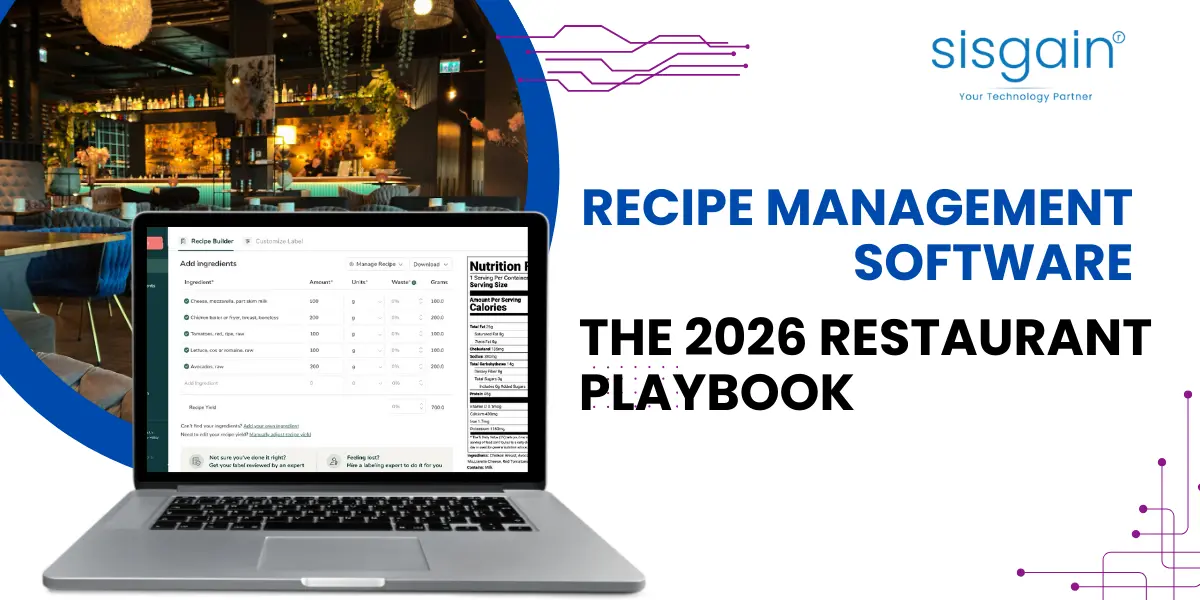








































































Smoothly transition your vision into reality by setting clear goals, taking actionable steps, and staying adaptable—turning ideas into tangible outcomes with persistence and a focused approach.


Book a Free Consultation Call with Our Experts Today
Project quotes, partnerships, implementation
Open roles, referrals, campus hiring
