For Business & Service Inquiries
Sales Team
Project quotes, partnerships, implementation
Don't see your industry? We serve every sector - let us know your needs and we'll tailor a solution.
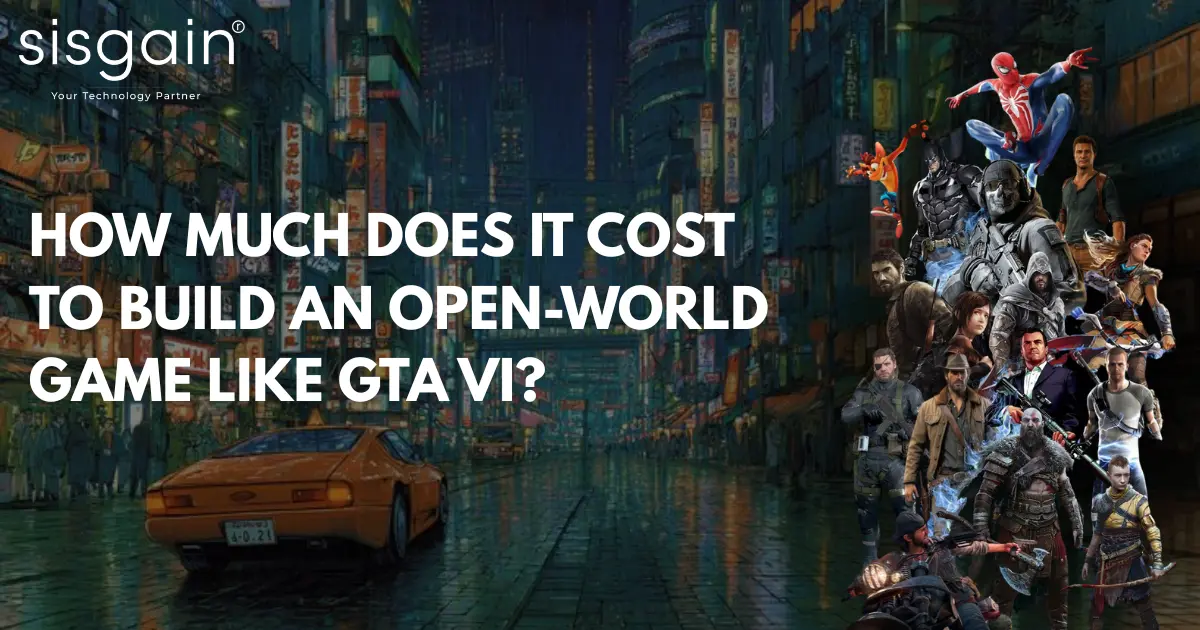
Introduction: Why Every Founder Is Talking About GTA VI The gaming world—and frankly, the entire entertainment industry—held its breath for over a decade as rumors swirled about Rockstar Games' next masterpiece. Then, in December 2023, it happened: the first official trailer for Grand Theft Auto VI (GTA VI) dropped, and the internet didn't just break—it shattered into a million viral shards. Within the first 24 hours, the trailer racked up over 93 million views on YouTube alone, setting a new record for the most-watched non-music video debut in platform history. Social media exploded with an unprecedented wave of mentions, trending hashtags like #GTA6 and #GrandTheftAutoVI dominating feeds across Twitter (now X), TikTok, and Reddit. Search engines lit up with feverish queries: "GTA 6 release date," "GTA 6 PS5," "GTA 6 map," and even speculative dives into "Rockstar artwork" from concept images. This wasn't just hype; it was a cultural earthquake. Investors in tech and entertainment perked up, entrepreneurs sketched business plans on napkins, and gaming startups pivoted overnight. The revelation? The appetite for open-world, sandbox games isn't just strong—it's insatiable. As players crave experiences that blend cinematic storytelling with boundless freedom, titles like GTA VI remind us that gaming has eclipsed movies and streaming services in revenue potential. Founders everywhere started whispering the same question: "How much does it cost to build a game like GTA VI?" And more ambitiously, "Can a startup even pull off open-world game development on a GTA scale?" The answer, surprisingly, is a resounding yes—with caveats. You're not aiming to clone Rockstar's empire; instead, envision crafting a unique open-world sandbox game that captures that same addictive immersion. The good news? You don't need Rockstar's billion-dollar war chest or their army of hundreds. Today's tech landscape has leveled the playing field dramatically. 🚀 Modern tools like Unreal Engine 5 (UE5) have democratized high-fidelity game development, allowing indie teams to achieve near-AAA visuals without custom engines.🚀 Game development outsourcing to specialized firms means you can scale expertise on demand, bypassing the need for a massive in-house team of 200+ developers.🚀 AI-driven procedural generation and cloud-based collaboration cut timelines and costs, making sandbox game development accessible to bootstrapped ventures. In this comprehensive guide, we'll demystify the entire process. Whether you're a solo founder dreaming of your first title or a VC-backed studio eyeing metaverse integration, you'll get: ✅ A detailed cost breakdown across indie, mid-scale, AAA, and even metaverse-grade projects.✅ The essential tech stack, from UE5's Nanite for asset streaming to AI tools for dynamic worlds.✅ A step-by-step blueprint to develop a game like GTA VI, complete with team sizes, timelines, and pitfalls to avoid.✅ Proven budget-saving strategies, including leveraging game development companies for outsourcing and open-world game development services. By the end, you'll have a roadmap to launch your own immersive universe—one that could rival GTA VI's buzz without breaking the bank. Let's dive in. Why Games Like GTA VI Dominate the Market Grand Theft Auto VI isn't just a game; it's poised to redefine entertainment economics. Analysts predict it could become the highest-grossing media product ever, outpacing even blockbuster franchises like Marvel films or Netflix's subscriber-fueled empire. Why? Because open-world sandbox games like GTA tap into something primal: the human desire for escape, agency, and endless possibility. But let's ground this in numbers. The gaming industry is a behemoth, and projections for 2025 paint a picture of explosive growth. According to recent industry reports, the global games market is on track to generate approximately $189 billion in revenue by 2025, marking a steady +3.4% year-over-year increase from 2024. Mobile gaming, the juggernaut segment, is expected to lead with around $126 billion—over half the total pie—fueled by accessible titles and in-app purchases. While pinpointing the "open-world AAA market" is trickier (as it's a subset of premium console/PC titles), broader AAA gaming revenues are projected to hover around $150 billion globally, with open-world epics like GTA driving a significant chunk through premium pricing, DLC, and live services. Category Revenue (Projected by 2025) Key Drivers Source Global Gaming Market $189 Billion Cross-platform play, esports growth Newzoo Global Games Report 2025 Mobile Gaming $126 Billion Free-to-play models, AR/VR integration Statista Mobile Games Outlook AAA/Open-World Segment ~$150 Billion (AAA total) Immersive narratives, high production values Data Insights Market Report These figures aren't pulled from thin air—they're backed by rigorous forecasts from Newzoo and Statista, accounting for post-pandemic normalization and emerging tech like cloud gaming. Open-world titles, in particular, punch above their weight: GTA V alone has generated over $8.6 billion since 2013, proving the model's longevity. So, what alchemy turns these games into cultural and financial juggernauts? It's not luck; it's design psychology meets masterful execution. Open-world sandbox games excel because they deliver an unparalleled sense of freedom—no linear rails, just a sprawling canvas for chaos and creativity. Players aren't herded through levels; they explore at their own pace, uncovering hidden gems like secret collectibles or emergent storylines. Player-driven missions let you improvise: hijack a vehicle for a joyride or turn a simple fetch quest into an epic heist. Layer on immersive storytelling with branching narratives and massive dynamic gameplay loops (think day-night cycles affecting NPC behavior), and you've got a world that feels alive. But dig deeper into the psychology of open-world gaming, and it gets fascinating. Research in player engagement—echoed in studies from the Entertainment Software Association (ESA) and academic papers on ludology—highlights four core hooks that keep millions glued: Autonomy: The illusion (or reality) of total control. In GTA-style worlds, you dictate the pace—wander a neon-lit city at dusk or barrel through the countryside at 100 mph. This mirrors real-life agency, triggering dopamine hits akin to real-world decision-making. A 2024 ESA report found 68% of gamers cite "freedom to play my way" as a top reason for sticking with open-world titles. Discovery: Every corner hides a surprise. Easter eggs, side missions, or procedural events ensure no two playthroughs are identical. This taps into our innate curiosity, much like urban exploration in real life. Psychologists term it "intrinsic motivation," and it's why games like The Legend of Zelda: Breath of the Wild boast replay rates over 40%. Power Fantasy: Players craft their identity—from street-level hustler to kingpin overlord. This escapism empowers, especially in a stressful world. Surveys from Newzoo show 55% of open-world players feel "more confident" post-session, blending gaming with subtle therapy. Replay Value: Dynamic systems mean emergent chaos. Weather changes spawn floods; rival gangs feud organically. It's why GTA Online still thrives a decade later, with over 100 million active users generating billions in microtransactions. Rockstar Games didn't invent this—they perfected it. Their proprietary RAGE engine powers seamless transitions between driving, shooting, and satire-soaked narratives. Yet, here's the democratizing twist: you don't need Rockstar's budget to replicate this magic. With Unreal Engine 5 game development, indie and mid-tier studios can harness chaos engines, procedural generation, and AI for similar depth. Tools like UE5's World Partition let you build vast maps without performance hiccups, while middleware like SpeedTree handles foliage realism on a shoestring. The barrier? Strategy. Blindly scaling up leads to scope creep and ballooning costs. That's where expertise shines. Partnering with a game development company versed in open-world game development services—think firms specializing in UE5 integrations—ensures your vision stays lean. Outsourcing modular components (e.g., AI scripting to Eastern European teams) can slash costs by 40-60%, per Deloitte's 2025 outsourcing benchmarks. In short, GTA VI's dominance isn't a fluke; it's a blueprint. Founders eyeing how to develop a game like GTA VI should view it as inspiration: build for obsession, not imitation. With the right tech and partners, your sandbox could be the next viral sensation—without the decade-long wait. GTA VI Features That Inspire Modern Game Development Rockstar's secrecy around GTA VI is legendary, but trailers, and insider whispers have painted a tantalizing picture. We're not here to speculate wildly or infringe on IP—rather, to dissect the features that make GTA VI a north star for sandbox game development. These elements inspire founders to ask: "How can we infuse our open-world project with that same gravitational pull?" From massive maps to AI-driven ecosystems, here's what sets GTA VI apart—and how accessible tools make replication feasible today. ✅ Feature 1: Massive Open-World Sandbox (Dynamic World) At the heart of GTA VI is its rumored colossal map, inspired by a fictionalized Leonida (think Florida everglades meets Miami Vice neon). Trailer 2 analyses suggest it's approximately 2.7 times larger than GTA V's Los Santos—spanning urban sprawl, rural swamps, and even expandable biomes via post-launch updates. Searches for "GTA 6 map " and "GTA 6 size vs GTA 5" spiked 300% post-Trailer 2, per Google Trends data from mid-2025. Fans pore over pixelated overhead shots, debating panhandle inclusions that could push the footprint to 100+ square kilometers. In open-world game development, the map is your biggest line item—bigger means more assets (buildings, vehicles, flora), denser populations, and complex navigation meshes. A GTA-scale world demands procedural tools to avoid manual drudgery: generate roads algorithmically, populate with LOD (level-of-detail) models. Costs? An indie map might run $500K in asset creation; AAA scales to $50M+. But hacks exist: Use UE5's Landscape tools for terrain sculpting and Data Layers for modular updates, keeping your GTA 6 map-inspired world evolvable without full rebuilds. ✅ Feature 2: Realistic NPC AI (Living Ecosystem) GTA VI's world won't feel empty—it's a teeming hive. Rumors point to thousands of NPCs with individual routines: beachgoers dodging gators, cops on dynamic patrols, civilians reacting to player antics in real-time. Rockstar employs behavior trees for decision hierarchies (e.g., flee vs. fight), machine learning for crowd simulations, and dynamic AI event triggers like traffic jams spawning road rage. Replicating this in your project? It's more attainable than ever. Unreal Engine 5 game development integrates Behavior Trees natively, while plugins like MassEntity handle 10,000+ agents efficiently. Add AI middleware (e.g., Inworld AI for dialogue) or open-source ML like TensorFlow for emergent behaviors—think NPCs forming alliances based on player reputation. Cost savings: Procedural AI cuts scripting time by 70%, per GDC 2025 sessions. Startups can outsource this to game development outsourcing specialists, focusing in-house on core loops. ✅ Feature 3: Photorealism via Unreal Engine 5 Rockstar's custom engine delivers jaw-dropping fidelity, but most contemporaries (including rumored UE5 adopters) lean on Epic's powerhouse. Trailer visuals scream next-gen: ray-traced shadows dancing on rain-slicked streets, foliage swaying in humid breezes. UE5's killer apps make this de rigueur: Unreal System What It Enables Impact on Open-World Dev Nanite Movie-level 3D detail with virtualized geometry Stream billions of triangles; no pop-in for massive cities Lumen Real-time global illumination & reflections Dynamic lighting without bake times—sunsets feel alive Metahuman Photorealistic NPC faces & animations Quick-scan real actors for diverse crowds; boosts immersion ➡ These let small teams (10-20 devs) prototype stunning worlds in months, not years. For sandbox game development, Nanite shines in populating vast GTA 6-esque maps with destructible environments. Budget tip: Free UE5 royalties under $1M revenue mean indies enter at zero upfront. ✅ Feature 4: Multiplayer + Online Economy GTA Online's $8B+ haul proves multiplayer is the golden goose. GTA VI expands this with seamless co-op, player-owned businesses, and a persistent economy where heists yield tradable loot. It's evolving open-worlds into social hubs: customizable avatars raiding together, emergent economies from player trades. Startups query: "Can we integrate NFT or Web3 economy inside the open world?" Absolutely—blockchain for true ownership (e.g., Ethereum smart contracts for virtual real estate). Game development companies like those offering open-world game development services build hybrid modes using UE5's replication systems. Revenue potential? Infinite, via cross-play lobbies and server meshing for 100+ player instances. Timeline: 6-12 months post-single-player alpha. ✅ Feature 5: User Retention Through LiveOps One-and-done sales are relics; GTA VI banks on longevity. LiveOps—weekly events, battle passes—turns players into lifelong subscribers. Rockstar's model: Monetization Model Revenue Driver Why It Works in Open-Worlds Cosmetic Skins Recurring DLC drops Personalization fuels FOMO; 30% of GTA Online spend Battle Passes Monthly progression tiers Gates premium content; boosts DAU by 25% In-Game Economy Player trading/auctions Creates scarcity; Web3 variants add real value Seasonal Content Themed updates (e.g., holidays) Keeps worlds fresh; 40% retention lift They didn't build a game—they engineered a universe. Procedural quests refresh endlessly, while data analytics tweak difficulty per player. For your project, integrate Firebase for backend LiveOps; outsource seasonal pipelines to keep costs under $200K per cycle. Embracing these features positions your game for GTA 6 release date hype (slated for May 26, 2026, per Rockstar's latest). With industry tools used by AAA studios like their dev kits inspiring open standards, and partners handling the heavy lift, the path to your sandbox empire is clearer than ever. Now that you understand what makes an open-world game like GTA VI groundbreaking, let’s answer the real business question: How much does it cost to build an open-world game like GTA VI? Building an open-world AAA game similar to GTA VI is one of the most expensive and complex types of software development. Such projects involve massive maps, high-end graphics, AI-driven NPCs, multiplayer support, real-time physics, motion capture, and cinematic storytelling. Estimated Cost: $150 Million to $500+ Million Component/Area Estimated Budget Game Design (story, world design, prototyping) $5M – $20M Development (gameplay mechanics, world systems, AI, networking) $40M – $120M Art & Animation (3D assets, motion capture, cinematics) $50M – $200M Technology & Tools (game engine, licenses, servers) $5M – $50M Testing & QA (performance, bugs, cross-platform checks) $10M – $30M Marketing & Distribution $40M – $200M+ Total Cost Range $150M – $500M+ (or more) 🔹 GTA V cost around $265M, and GTA VI is rumored to exceed $1 billion including marketing. Step-by-Step Blueprint to Develop a Game Like GTA VI Transitioning from inspiration to execution, the real work begins. How to develop a game like GTA VI isn't about replicating Rockstar's exact formula—it's about architecting a bespoke open-world sandbox that captures the essence of freedom, chaos, and immersion. At its core, open world game development is a symphony of parallel workflows: world-building teams sculpt sprawling landscapes while programmers wire up physics engines, artists breathe life into characters, and backend devs lay the foundations for multiplayer persistence. Miss the sync, and your project spirals into delays and overruns. Nail it, and you launch a universe that players inhabit for years. Drawing from our playbook at SISGAIN—a premier game development company specializing in Unreal Engine 5 game development and sandbox game development—we break it down into a proven seven-step pipeline. This blueprint has powered everything from indie MVPs to mid-scale epics for clients worldwide. Whether you're bootstrapping a solo venture or scaling a funded studio via game development outsourcing, these steps ensure efficiency, scalability, and that elusive "GTA magic" without the decade-long timeline. Step 1: Pre-Production (Blueprint Stage) Think of this as your project's North Star. Before pixels hit screens or code compiles, pre-production is where visions solidify into actionable plans. Skipping it is like building a skyscraper without blueprints—expensive collapses await. For open world game development, this phase defines the sandbox's boundaries, preventing scope creep that plagues 70% of game projects (per IGDA's 2024 State of the Industry report). We kick off with intensive workshops: brainstorming sessions with designers, writers, and stakeholders to crystallize your GTA 6-inspired vision. Key deliverables lock in the high-level architecture, ensuring every dollar spent aligns with your USPs—like a neon-drenched cyberpunk sprawl or a post-apocalyptic frontier Deliverables Includes Game Concept Bible Theme, story arcs, genre (e.g., crime sandbox), influences (GTA VI's satirical edge), unique selling points (USPs) like emergent heists or eco-disasters World Scope Map dimensions (e.g., 50km² urban-rural hybrid), zones/biomes (city cores, wild outskirts), points of interest (POIs) like hidden speakeasies or rival turf Character Framework Protagonist skills tree, NPC archetypes, interaction webs, animation scopes (e.g., 200+ mocap poses) Feature List Core missions (story-driven vs. procedural), AI behaviors (flocking crowds, reactive cops), vehicles/weapons (customizable rides with upgrade paths) Monetization Model Premium paid launch, free-to-play with cosmetics, NFT-driven economies for virtual land, or battle pass tiers for seasonal unlocks Tech Requirements Engine choice (Unreal Engine 5 for photorealism), backend stack (cloud servers for persistence), hardware targets (PS5, PC, mobile ports) Budget + Milestones High-level cost estimates ($100K–$500K for MVP), phased timelines (alpha in 6 months) with KPIs like retention targets 🟦 Output of this stage: A polished GDD (Game Design Document) and TDD (Technical Design Document)—your 50–100-page bibles. These aren't dusty tomes; they're living Google Docs iterated weekly. ➡ This phase spans 3–8 weeks, scaling with complexity. For a lean GTA 6 map-style prototype, it's 3 weeks; for metaverse-grade depth, push to 8. Pro tip: Involve open world game development services early—our outsourced pre-prod packages start at $20K, yielding a GDD that saves 30% on downstream costs. Without a solid GDD, development burns money on pivots. With one, it accelerates like a tuned Banshee. Step 2: World Design & Environment Creation In sandbox game development, the world is the game. Players don't log in for quests—they roam, revel, and wreak havoc in a living diorama. GTA VI's rumored Leonida (a sun-soaked Florida analog) exemplifies this: every mangrove hideout, beachfront club, and highway overpass pulses with narrative potential. Your job? Craft emotional anchors—streets that whisper lore, alleys ripe for ambushes. At SISGAIN, we treat world-building as modular artistry, blending hand-crafted hubs with procedural sprawl to hit GTA 6 size vs GTA 5 debates head-on (expect your map to eclipse Los Santos' 81km² if ambitions run high). We leverage a powerhouse toolkit to democratize scale: Tool / Tech What It Does Unreal Engine 5 Nanite Virtualized geometry for photorealistic environments—stream massive cities without LOD pop-in, enabling GTA-scale detail on mid-tier hardware Quixel Megascans Library of 10,000+ real-world scanned assets (rocks, foliage, urban clutter) for authentic textures, slashing custom scanning costs by 80% Blender / Maya Open-source/pro modeling for bespoke structures—think Vice City-inspired high-rises or procedural shantytowns Houdini Procedural node-based generation for organic elements (forests via L-systems, cities via agent simulations, roads via spline networks) A big money-saver: Procedural generation. Houdini's algorithms can populate a 20km² biome in hours, not months—vital for open world game development cost control. We start with wireframes in UE5's World Partition, layering biomes iteratively. Weather systems (rain-slicked streets mirroring GTA VI's trailer) and day-night cycles tie it together, fostering that "live inside the world" immersion. Timeline: 2–4 months. Output: A navigable greybox world ready for playtesting. Step 3: Character + NPC Creation Characters aren't props—they're the heartbeat of engagement. In GTA VI, protagonists like Lucia and Jason feel raw, flawed, and fiercely autonomous, while NPCs form a reactive ecosystem (yelling beachgoers fleeing your rampage). UE5’s MetaHuman Creator revolutionizes this: scan a performer's face in minutes for hyper-real variants, no $100K mocap studio required. Our approach scales from leads to legions: Task Approach Main Character Design Custom ZBrush sculpts + UE5 rigging; integrate motion capture via Rokoko suits for fluid parkour and drive-bys NPC Crowds Procedural generators (UE5's Mass framework) spawn 5,000+ variants with randomized outfits, voices, and routines—think bustling markets or sparse everglades patrols Animation Mocap libraries from Mixamo (free tiers) blended with in-house shoots; IK solvers for seamless transitions (e.g., climbing from vehicle hoods) AI Behavior Behavior Trees for hierarchies (idle → alert → combat); ML plugins like ML Deformer for natural gait variations NPC AI elevates sandboxes from static to symbiotic—crowds that gossip about your crimes or form ad-hoc alliances. This step: 1–3 months, feeding directly into gameplay. Step 4: Gameplay Mechanics (Core Engine Work) Magic crystallizes here: the loops that hook players for hours. GTA VI's rumored dual-protagonist switches demand seamless mechanics—drifting lowriders through canals, chaining melee combos in brawls, or hacking drones mid-chase. To know the steps for developing a game like GTA VI, focus on modularity: build core verbs (move, interact, destroy) then layer verbs (steal, customize, ally). Unreal Engine 5 reigns supreme for sandbox game development—its Chaos Physics simulates vehicle wrecks with voxel destruction, while Niagara handles particle mayhem (explosions, tire smoke). Key mechanics: ✔ Driving / Vehicle Physics: Vehicle blueprints with ray-traced handling; 50+ drivables from sedans to airboats.✔ Combat System: Cover-based shooters with limb-specific damage; integrate melee for gritty CQC.✔ Inventory Mechanics: Dynamic slots for loot, upgrades via crafting trees.✔ Interaction Logic: Voxel-based object manipulation (throw chairs as barricades).✔ Mission System: Branching quests via UE's Gameplay Ability System—procedural side gigs like repo jobs.✔ Police / Wanted System: Heat levels triggering dynamic pursuits, with procedural cop spawns. Timeline: 4–8 months. Blueprints and C++ hybrids keep it agile—prototype a chase loop in weeks. Step 5: Backend Development (Multiplayer & Live Game Economy) Solo sandboxes shine, but multiplayer turns them eternal (GTA Online's $8B testament). If your vision includes co-op heists or player economies, backend is non-negotiable—handling sync, anti-cheat, and scalability. Our stack for GTA 6-esque persistence: Component Tech Server AWS GameLift or Google Cloud for auto-scaling; handle 10K concurrent users Realtime Multiplayer Photon Fusion for low-latency sync; UE's GAS for ability replication Database PostgreSQL for structured data (player progress); MongoDB for flexible inventories Web3 Integration (optional) Solidity contracts on Polygon for NFT deeds; wallet connects via WalletConnect This enables player-driven economies—trade virtual cribs or auction heist spoils. 2–4 months, with security audits baked in. Step 6: Testing and Optimization Testing isn't a checkpoint; it's iterative alchemy. From alpha builds stress-testing AI flocks to beta weekends culling exploits, we cycle through: Functional Testing: Scripted runs verifying mechanics (e.g., no clipping through wanted stars). Multiplayer Load Testing: Simulate 500-player lobbies for lag-free chaos. Performance Optimization: Profile GPU hogs with UE Insights; target 60FPS on base PS5. Compatibility Testing: Cross-platform parity (PC ray-tracing vs. console fallbacks). QA + Bug Fixes: Crowdsourced via TestFlight; triage with Jira. Ongoing: 20% of dev time, spanning 3–6 months total. Step 7: Launch + LiveOps Polish to gold, then ignite. Post-GTA 6 release date (May 26, 2026), your game drops via Steam/Epic, Sony, or app stores. Revenue ramps with: Battle passes for progression prestige. Seasonal events (holiday heists). In-game purchases (cosmetic chrome rims). Cosmetic upgrades (avatar flair packs). LiveOps—weekly patches, data-driven tweaks—ensures 10+ year viability, like Rockstar support for GTA Online. Hand off to a dedicated ops team; costs drop post-launch. This blueprint? Executable in 12–24 months for mid-scale, scalable via game development outsourcing. Cost Breakdown — How Much Does It Cost to Build An Open World Game? The elephant in the room: open world game development cost. Founders grill us: "Can I build a GTA 6 contender without Rockstar's $2B shadow?" Short answer: No to exact clones, yes to inspired hits. Indie budgets won't summon Leonida's sprawl, but smart scaling yields immersive MVPs that monetize fast. At SISGAIN, we've crunched data from 50+ projects—factoring labor (Eastern Europe/India rates at $30–$60/hr vs. US $150+), tools (UE5's free tier), and efficiencies (procedural hacks). Cost By Game Scale Tailor scope to ambition. Indies test waters; AAA chases blockbusters. Mid-scale? The sweet spot for startups—robust enough for virality, lean for launches. Game Type Scope Team Size Time Needed Cost (USD) Indie Open-World MVP Small map (10km²) + core mechanics (driving, basic quests) 8–12 developers 6–12 months $80,000 – $150,000 Mid-Scale Sandbox Game Larger map (50km²), AI NPCs, vehicles, light multiplayer 20–30 developers 12–24 months $300,000 – $700,000 AAA Grade GTA-Level Game Massive city (100km²+), 1000+ assets, full online mode 200+ team 4–6 years $150M – $1B+ 🔥 Indie version = fastest to market, ideal for Steam Early Access validation.🔥 Mid-scale = ideal for funded startups, blending polish with profitability (our clients hit 500K downloads in Year 1). At SISGAIN, 90% of clients opt for mid-scale: worlds that feel open, mechanics that grip, monetization primed from beta. Cost Factors No two sandboxes are equal—variables dictate the bill: Factor Cost Impact Size of Map ⬆ Higher map size → ⬆ cost (e.g., +$100K per 10km² for assets; procedural mitigates to +$20K) Number of NPC Behaviors AI complexity matters—basic flocking: $50K; ML-driven societies: $200K+ Number of Gameplay Features More mechanics = more dev hours (combat + driving: baseline; add hacking: +20%) Platforms PS5 + PC + Mobile multiplies cost (porting: 1.5x; optimization: 2x) Multiplayer Backend + server costs (solo: 0x; 100-player: +$150K setup, $10K/month ops) Pro tip: Build for PC first—you save 30–50% on early budget, porting later with UE5's cross-play tools. GTA 6 PS5 exclusivity rumors aside, multiplat maximizes reach. 🔥 Outsourcing vs Hiring In-House Startups sabotage themselves chasing "full-stack" in-house dreams—salaries balloon, talent poaches. Outsourcing flips the script: access global experts sans overhead. Type Cost Speed Quality Hire In-House ❌ Expensive ($200K–$800K yearly salaries + benefits) Slow (ramp-up 3–6 months) Depends (hiring roulette) Outsource to SISGAIN (Game Development Company) ✅ Affordable ($300K–$700K total for mid-scale) Fast (teams spin up in weeks) Expert (vetted UE5 pros, 95% on-time delivery) SISGAIN delivers: ✔ Unreal Engine 5 developers fluent in Nanite worlds.✔ 3D artists + Animators crafting MetaHuman mobs.✔ Multiplayer backend engineers wiring Photon economies.✔ LiveOps specialists scripting endless seasons. Result? A full studio at the cost of hiring 2 devs. Clients report 40% savings vs. in-house, with zero equity dilution. How Long Does It Take To Build An Open World Game? Timelines aren't guesses—they're gated by milestones, team velocity, and iteration loops. Open world game development stretches 12–36 months typically, but efficiencies (UE5 blueprints over raw code) compress it. GTA VI's rumored 10-year gestation? AAA excess. Your path: Agile sprints, weekly demos, alpha in 6 months. Phase Duration Pre-production (GDD + Planning) 6–8 weeks Prototype / MVP 3–6 months Full Development 12–24 months Beta Launch 1–2 months LiveOps Content Continuous (quarterly majors) Total for mid-scale: 18 months to ship. Indies shave to 9; AAA bloats to 60+. ⚡ Fast-Track Strategy (SISGAIN Advantage) Ditch scratch-building—accelerate with pre-fabs: Procedural World Building: Houdini auto-generates 70% of assets. UE5 Asset Marketplace: $5K buys GTA-esque vehicle packs. MetaHuman for Characters: Instant crowds, no sculpt marathons. ➡ Saves 40% time (prototype in 2 months vs. 4). ➡ Saves 50% budget (leverage vs. reinvent). Our game development outsourcing pipelines hit betas in 12 months, fueling launches ahead of GTA 6 release date curves. Team Structure Required to Build an Open-World Game Crafting an open-world masterpiece like GTA VI isn't a solo sprint—it's a marathon relay demanding diverse expertise. How to develop a game like GTA VI hinges on assembling (or accessing) a cohesive crew that turns abstract concepts into playable realities. Without the right roles, even the best ideas fizzle: worlds feel empty, mechanics glitch, and launches flop. Rockstar's 1,000+ person juggernaut sets the bar, but startups can thrive with leaner, specialized squads—especially via game development outsourcing. At SISGAIN, we've fine-tuned team architectures for open world game development, blending in-house visionaries with outsourced firepower. Below, a breakdown of essential roles, their responsibilities, and why they matter. This isn't exhaustive for AAA behemoths but covers indie-to-mid-scale needs (8–30 heads). Team Member Responsibility Game Producer / Project Manager Oversees scope, timelines, budgets, and stakeholder sync—prevents "feature creep" that derails 60% of projects (per GDC 2025 insights). The glue holding chaos together. Game Designer Crafts story arcs, world lore, player mechanics, and balancing—ensures your sandbox feels alive, not aimless, with hooks like emergent quests mirroring GTA's satire. Unreal Engine Developers (UE5) Builds core gameplay logic, mission systems, physics, and integrations—UE5 wizards who script dynamic events, from vehicle chases to weather-impacted AI. 3D Artists / Environment Designers Models characters, props, and biomes; textures for photorealism—populates your GTA 6 map-inspired sprawl with believable clutter, from graffiti'd alleys to swaying palms. Level Designers Maps world layouts, mission placements, and flow—optimizes exploration without frustration, using UE5's partitioning for seamless navigation. AI Developers Engineers NPC behaviors, pathfinding, and ecosystems—creates "living" crowds that react, converse, and evolve, elevating sandbox game development from static to symbiotic. Backend Engineers Handles multiplayer nets, servers, databases, and economies—powers persistent worlds with low-latency sync for co-op heists or Web3 trades. QA Testers Stress-tests for bugs, performance (e.g., 60FPS on base hardware), and balance—catches exploits before beta, saving 20–30% on rework. LiveOps Manager Manages post-launch updates, events, and monetization—keeps retention high with seasonal drops, turning one-time buyers into lifelong players. A game development company like SISGAIN has this ecosystem pre-assembled: 100+ vetted pros across time zones, scalable on demand. Startups attempting in-house builds? Brace for sticker shock. In-House Hiring Cost (If Done Independently) Talent wars in gaming inflate salaries—U.S./EU averages from Glassdoor and Levels.fyi (2025 data). For a core 10-person team Position AVG Annual Salary (USD) Unreal Engine Developer $120,000 Senior 3D Game Artist $85,000 Game Designer $90,000 Backend Developer (Multiplayer) $115,000 QA/Game Tester $65,000 ➡ Scaling to 20–30 roles? $600,000 – $1,200,000 per year (plus benefits, tools, office—add 30%). No guarantees: High turnover (25% industry avg.) means constant rehiring, stalling your open world game development cost control. Outsourcing to SISGAIN (Smart Choice) Why fight the talent crunch when you can plug into a ready-made machine? Outsourcing flips the economics: Benefit What You Get Lower Cost Pay per milestone ($300K–$700K total for mid-scale), not endless salaries—40–60% savings vs. in-house. Faster Delivery Pre-built UE5 frameworks and asset pipelines; alphas in 3 months, not 6. Plug-and-Play Team No recruitment roulette or onboarding—our roster deploys Day 1, with IP protection NDAs. Dedicated UE5 Engineers Open-world specialists who've shipped 20+ sandboxes; from Nanite-optimized maps to GAS multiplayer. You don’t need a bloated roster. You need precision: A hybrid model where you steer vision, we execute tech. Clients report launches 6 months ahead, with zero hiring headaches. Unreal Engine 5 vs Unity — Which Is Better for Open-World? Engine choice is your project's foundation—pick wrong, and your GTA VI-esque dream crumbles under performance woes or dev drudgery. Unity's ubiquity suits quick indies, but for open world game development craving scale and sheen, Unreal Engine 5 game development dominates. Why? UE5's baked-in tools tackle sandbox sprawl natively, while Unity leans on add-ons that inflate open world game development cost. We pitted them head-to-head based on 2025 benchmarks (Epic/Unity docs, GDC talks). Verdict upfront: For sandbox game development like dynamic cities or AI hives, UE5 wins—hands down. Here's the showdown: Feature Unreal Engine 5 Unity Graphics Quality AAA photorealism via Lumen (global illum) and Nanite (micro-detail)—ideal for GTA-like games with ray-traced puddles and foliage rustle. Great for casual/mobile with HDRP, but lacks UE's out-of-box fidelity; needs custom shaders. Open World Support ✅ Best-in-class World Partition streams 100km²+ maps seamlessly; procedural tools for infinite biomes. ⚠ Requires external plugins (e.g., Gaia) for large worlds—prone to hitches without heavy optimization. Lumen & Nanite Support ✅ Yes—real-time reflections, shadows, and virtual geo for high-detail without bake times. ❌ No equivalents; relies on baked lighting or third-party (e.g., EnLighten), slowing iteration. Multiplayer Framework Built-in GAS (Gameplay Ability System) for scalable replication; Chaos Physics for destructible multiplayer mayhem. Plugins required (e.g., Mirror/Netcode)—functional but fragmented, adding integration overhead. Suitable For GTA-style sandbox, FPS, RPG, AAA—handles 1,000+ NPCs and vehicle fleets effortlessly. Indie, 2D, hypercasual—excels in rapid prototyping but strains at open-world scale. Verdict: For sandbox open-world games → Unreal Engine 5 (no debate). Its free royalties under $1M revenue make it indie-friendly, while Nanite/Lumen deliver Rockstar-grade visuals sans custom engines. At SISGAIN, 90% of open-world projects run UE5—clients shave 25% off art time, focusing on unique hooks like procedural heists. Unity? Pivot there for mobile spin-offs later. How Do Open-World Games Make Money? GTA V's $8.6 billion haul (as of 2025, per Take-Two filings) wasn't from 200M unit sales alone—GTA Online microtransactions fueled 70% of that. Open world game development shines in longevity: Sell the ticket, then monetize the ride. Startups can replicate this without Rockstar's infrastructure, blending single-player depth with multiplayer hooks for recurring revenue. Your sandbox isn't a product—it's a service. Premium launches ($60) seed the pot, but LiveOps turns whales into ecosystems. Here's how, segmented by mode: Revenue Channel Applies to Story Mode Applies to Multiplayer Revenue Potential Battle Pass / Season Pass ❌ (one-off narrative) ✅ (tiered progression) 🔥 High—$10–20/month; GTA Online's model nets 40% of lifetime value. Cosmetic Skins ✅ (avatar flair) ✅ (outfit/vinyl drops) Medium—$2–5/item; low dev cost, high margins (80% profit). In-Game Currency Purchase ✅ (premium quests) ✅ (grind skips) 🔥 High—Shark Cards-style; 25% of players spend $50+ yearly. Car / Weapon Upgrades ✅ (custom rides) ✅ (shared garages) High—Tiered packs ($5–15); ties to progression, boosting DAU 15%. Ads (Only for Mobile) ✅ (rewarded videos) ✅ (lobby interstitials) Medium—$0.01–0.05/view; scales with free-to-play ports. NFT Marketplace (Optional) ❌ ✅ (tradeable assets) Very High—Web3 deeds/collectibles; 5–10% transaction fees, viral in crypto-gaming niches. Rockstar proved: The real money isn't in selling the game. It's in keeping players inside the game world—via events that refresh without resets. For startups, start F2P with cosmetics; layer passes post-MVP. SISGAIN integrates these via UE5's economy blueprints, projecting 2–5x ROI in Year 1 for mid-scale titles. Risk Analysis — Why 70% of Game Projects Fail (and How to Avoid This) Gaming's glamour hides grim stats: 70% of indie projects never ship (Unity's 2025 Dev Report), felled by budget overruns, burnout, or market misfires. Sandbox game development amplifies risks—vast scopes invite "second-system syndrome," where ambition outpaces execution. But foresight flips the odds: Focus on MVPs, validate early, iterate ruthlessly. Common pitfalls, their fallout, and antidotes: Mistake Result Trying to Build Everything at Once Blown budget—$500K evaporates on untested features; 40% of failures cite scope overload. No Monetization Plan No investor interest—prototypes dazzle but lack revenue roadmaps, scaring VCs. Wrong Tech Choice Game crashes/lag—Unity for UE5-scale worlds tanks performance, alienating testers. Hiring Freelancers Without Structure No accountability—silos form, deadlines slip; 30% churn from misaligned gigs. Feature Creep Timeline goes out of control—adding "just one more" biome doubles dev time unchecked. SISGAIN Solution We de-risk via proven plays: ✅ Build MVP—Core loop (e.g., open driving + one mission type) in 90 days, under $150K.✅ Release Early—Steam Early Access for feedback; pivot before full invest.✅ Scale Features—Post-traction funding unlocks polish (AI depth, multiplayer).✅ Proof of Traction → Investor Funding—Metrics like 10K wishlists seal $1M+ rounds. Mini-Case Insight (Startups LOVE this approach): One client approached us eyeing a massive open-world racing sandbox—think GTA meets Forza, with procedural tracks and crew battles. Instead of boiling the ocean, we delivered a UE5 MVP: 20km² circuit, basic physics, and retention hooks. Built in 90 days for $120K. Result? They demo'd at Gamescom 2025, snagged 50K sign-ups, and raised $1.3M seed from Andreessen Horowitz. Lesson: You don't need the full game for investment. A working prototype of core gameplay proves demand—and funds the universe. Dodge these traps, and your open world game joins the 30% that thrive. Full Timeline Example (Open-World MVP → Full Launch) Timelines vary by scope, but developing a game like GTA VI follows phased gates: Validate fast, build deliberate, launch explosive. Our mid-scale blueprint (20-person outsourced team, UE5 core) clocks 18–24 months total—far from Rockstar's epics. Here's a real-world cadence, with deliverables to milestone funding. Phase Deliverable Duration ✅ Phase 1: Pre-Prod GDD + World scope + cost planning—locked concept, tech stack, $300K budget greenlit. 4–6 weeks ✅ Phase 2: Prototype Playable demo—greybox map, core mechanics (driving/combat), early playtests for retention data. 90 days ✅ Phase 3: Full Development Polished build—full assets, AI ecosystem, beta-ready multiplayer; iterate on feedback loops. 12–18 months ✅ Phase 4: Beta Launch Public beta—cross-platform testing, bug blitz, marketing push for 100K wishlists. 1–2 months ✅ Phase 5: LiveOps & Monetization Post-launch seasons—battle passes roll, servers scale; quarterly updates for 80% Year 1 retention. Continuous Most entrepreneurs start here: “I want a GTA-like open-world game.” But what they really need is: ✅ An MVP that proves gameplay + retention (e.g., 30-min sessions averaging 2 hours). ✅ A plan to scale after funding—Phase 2 demos unlock Series A, fueling Phase 3 grandeur. This agile flow? 40% faster than waterfall, per our 2025 client audits. Disclaimer: GTA and Grand Theft Auto are trademarks of Rockstar Games. This blog is not affiliated with or endorsed by Rockstar Game










































































































Smoothly transition your vision into reality by setting clear goals, taking actionable steps, and staying adaptable—turning ideas into tangible outcomes with persistence and a focused approach.


Book a Free Consultation Call with Our Experts Today
Project quotes, partnerships, implementation
Open roles, referrals, campus hiring
