For Business & Service Inquiries
Sales Team
Project quotes, partnerships, implementation
Don't see your industry? We serve every sector - let us know your needs and we'll tailor a solution.

The hospitality industry is undergoing a rapid digital transformation. Hotels, resorts, and restaurants are increasingly relying on software solutions to streamline operations, enhance guest experiences, and maintain a competitive edge. From small boutique hotels to global luxury chains, the need for technology that integrates front-office, back-office, and guest-facing operations has never been greater. According to market projections, the global hospitality software market is set to grow at a robust CAGR through 2031, driven by cloud adoption, artificial intelligence (AI), and the push for personalized guest experiences. Property Management System (PMS) software, in particular, is emerging as a cornerstone of operational efficiency, enabling hotel operators to manage reservations, check-ins, housekeeping, and billing from a single platform. For enterprise decision-makers, IT managers, and operations executives, understanding these trends is critical. Investing strategically in hospitality software can lead to measurable ROI through reduced operational costs, higher guest satisfaction, and improved staff productivity. This article provides a comprehensive guide to market trends, technology innovations, regional opportunities, and actionable insights for executives considering digital transformation in the hospitality sector. Explore how a modern Property Management System can become the central pillar of operational excellence and guest delight. Hospitality Software Market Overview The global hospitality software market is experiencing significant growth. Analysts predict that by 2031, the market will reach unprecedented levels, propelled by the widespread adoption of cloud-based solutions, mobile apps, and AI-powered platforms. From hotels to resorts and restaurants, hospitality operators are investing in software that enhances efficiency, ensures regulatory compliance, and delivers personalized guest experiences. Key categories within the hospitality software ecosystem include: Property Management Systems (PMS): Centralized platforms for reservations, check-ins, housekeeping, billing, and reporting. Point-of-Sale (POS) Software: Restaurant and bar operations, payment processing, and inventory management. Reservation & Channel Management Software: Online booking engines, channel distribution, and real-time availability updates. Customer Relationship Management (CRM) Solutions: Personalized marketing, guest profiling, and loyalty management. Restaurant Management Software: Menu management, order tracking, and integrated POS features for F&B operations. The market’s growth is driven by digitization, rising cloud adoption, AI integration, and increasing expectations for seamless guest experiences. Operators are seeking platforms that reduce manual workloads, optimize pricing strategies, and allow real-time operational oversight. However, challenges persist. Legacy systems, integration complexity, cybersecurity risks, and regulatory compliance remain significant barriers. Choosing the right software and development partner is therefore crucial. Partnering with a reliable hospitality software development firm can help organizations navigate these challenges while maximizing ROI. Key Technology Trends The hospitality software landscape is evolving rapidly, with new technologies driving efficiency, personalization, and operational excellence. Executives need to understand these trends to make strategic investments. 1. Cloud-Based Platforms Cloud adoption is redefining PMS, POS, and CRS software. SaaS-based platforms provide scalability, seamless updates, and cost-effective deployment without the need for on-premise infrastructure. Cloud solutions also enable real-time data sharing across departments and multiple properties, critical for multi-location hotel chains. 2. AI & Automation AI-driven capabilities are transforming guest interactions and operational processes. Predictive analytics help optimize revenue management, forecast demand, and improve pricing strategies. AI chatbots provide instant customer support, while machine learning algorithms enable personalized guest experiences based on past behavior and preferences. Automated maintenance alerts reduce equipment downtime and operational costs. 3. Mobile & Self-Service Solutions Mobile apps and self-service portals are now essential. Contactless check-in/check-out, digital room keys, mobile food ordering, and concierge services enhance guest convenience while reducing staffing needs. These tools also generate actionable data for management, improving decision-making. 4. IoT & Smart Hotel Integration IoT devices are increasingly integrated into hotel operations. Smart thermostats, occupancy sensors, lighting controls, and energy-efficient HVAC systems contribute to sustainability and operational efficiency. IoT also enables predictive maintenance, reducing downtime and repair costs. 5. Cybersecurity & Compliance Guest data protection is critical. Platforms now comply with GDPR, PCI-DSS, and local hospitality regulations to ensure secure payments and data privacy. Cybersecurity measures such as encryption, access controls, and threat monitoring are integral to modern PMS and POS systems. Investing in a modern Property Management System allows hotels to leverage these trends while enhancing efficiency, improving guest satisfaction, and reducing operational risks. Segment Analysis: Software Types & Applications Understanding the various types of hospitality software and their applications helps executives make informed decisions. By Type: Hotel Software: Covers PMS, housekeeping, reservations, billing, and reporting. Essential for large-scale operations. Reservation Software: Online booking engines for direct and third-party channel management. Restaurant Software: POS, inventory management, and staff scheduling for F&B operations. Niche Solutions: Spa management, event planning, loyalty programs, and analytics dashboards. By Application: Large Enterprises: Require integrated platforms connecting multiple properties, centralized reporting, and advanced analytics. SMEs & Independent Hotels: Focus on cost-effective, modular solutions with essential features for daily operations. Franchise vs Independent: Franchise hotels benefit from standardized systems for brand consistency, while independent properties may prioritize flexibility and customization. ROI Examples: Automated PMS reduces manual data entry, saving up to 30% in labor hours. Integrated POS software minimizes errors, streamlines inventory, and improves profit margins. AI-based revenue management platforms can increase occupancy rates and optimize pricing in real-time. Fastest-Growing Segments: Cloud-based PMS, mobile apps, and AI-driven CRM solutions are experiencing the highest adoption rates due to their scalability, cost-effectiveness, and ability to enhance guest experience. Regional Insights & Opportunities The hospitality software market is highly global, with regional nuances shaping adoption patterns and investment opportunities. North America: Early adopters of AI-driven PMS, mobile solutions, and predictive analytics. The U.S. market, in particular, emphasizes data-driven decision-making and personalization. Europe: Innovation is driven by sustainability initiatives and regulatory compliance. Energy-efficient solutions and eco-certifications are becoming key differentiators. Asia-Pacific: Rapid tourism growth fuels adoption of cloud-based PMS, POS, and reservation systems. Countries like India, China, and Thailand are investing heavily in digital transformation. Middle East & Africa: Luxury hotels and resorts are digital-first, integrating smart room technologies, IoT devices, and advanced POS systems. The UAE represents a high-value market due to international tourism and high-tech hospitality investments. Global expansion requires understanding local market dynamics, regulations, and customer expectations. Enterprises looking to modernize should partner with a trusted hospitality software development firm to adapt solutions for regional compliance and guest preferences. Competitive Landscape & Key Players The hospitality software ecosystem features a mix of global and regional players. Major vendors include Oracle Hospitality, NCR Aloha, Toast, Upserve, and Amadeus, among others. Key Differentiators: AI & Analytics: Platforms offering predictive insights and personalized guest experiences outperform traditional systems. Cloud Services: Multi-property support, remote monitoring, and SaaS-based updates enhance scalability. Integration Capabilities: Seamless integration with POS, CRM, IoT devices, and payment gateways improves efficiency. Evaluating a Hospitality Software Development Firm: Decision-makers should assess vendor expertise in PMS, POS, CRM, cloud, and AI integration. Key considerations include: Track record of successful deployments. Customization and scalability options. Security and compliance standards. Post-deployment support and maintenance. Strategic Moves: Organizations may pursue vendor partnerships, M&A opportunities, or custom development to differentiate services. Choosing the right hospitality software development firm ensures technology aligns with business goals while reducing operational risks. Sustainability & Compliance-Driven Innovation Sustainability and compliance are emerging as critical drivers of innovation in hospitality software. Eco-Friendly Solutions: Energy-efficient hardware, smart lighting, and HVAC integrations reduce operational costs and carbon footprint. Regulatory Compliance: GDPR, PCI-DSS, and local hospitality regulations ensure secure guest data handling. Compliance also reduces liability risks and protects brand reputation. Green Certifications: Certifications and eco-friendly practices enhance brand value, attracting environmentally conscious travelers. Innovation Drivers: Compliance and sustainability considerations are shaping product development, from energy monitoring modules in PMS to secure, cloud-based guest management platforms. Hotels and resorts investing in sustainable, compliant software solutions gain a dual advantage: operational efficiency and elevated guest trust. Future Outlook & Emerging Opportunities Looking ahead, hospitality software adoption will accelerate, with PMS, POS, CRM, and integrated platforms seeing widespread deployment. Key emerging opportunities include: AI & Machine Learning: Predictive analytics, personalized recommendations, and dynamic pricing will redefine guest engagement. Big Data Analytics: Insights into guest behavior, preferences, and operational efficiency will drive revenue optimization. Remote Monitoring & Predictive Maintenance: IoT integration enables early detection of equipment issues, reducing downtime. Revenue Optimization: Advanced analytics for occupancy forecasting, upselling, and cross-selling opportunities. Executives planning digital transformation should prioritize scalable, flexible solutions that integrate emerging technologies while enhancing guest satisfaction. Leveraging a modern Property Management System ensures the organization is future-ready. Implementation & Strategic Guidance Implementing hospitality software requires careful planning and strategic guidance. Key steps include: Needs Assessment: Define operational pain points, required functionalities, and desired outcomes. Vendor Evaluation: Assess potential hospitality software development firms for expertise, reliability, and track record. ROI Analysis: Evaluate labor savings, operational efficiency, revenue uplift, and guest satisfaction improvements. Scalability & Integration: Ensure the platform supports future expansion and integrates with existing systems (POS, CRM, IoT). Modernization Roadmap: Implement changes in phases to minimize operational disruption while enabling staff training and process optimization. Strategic implementation ensures the software investment translates into measurable business outcomes while fostering operational resilience and guest satisfaction. Conclusion The hospitality software market is entering a period of rapid growth and technological innovation. From cloud-based PMS to AI-driven analytics and mobile self-service solutions, the opportunities for operational efficiency and enhanced guest experiences are immense. Regional dynamics, sustainability considerations, and compliance requirements further shape the adoption landscape. For executives and IT decision-makers, the focus should be on strategic investments that deliver ROI, scalability, and flexibility. Modern Property Management Systems serve as the backbone of digital transformation, enabling hotels and resorts to optimize operations while delighting guests. Connect with experts or explore tailored software solutions to future-proof your hospitality operations.
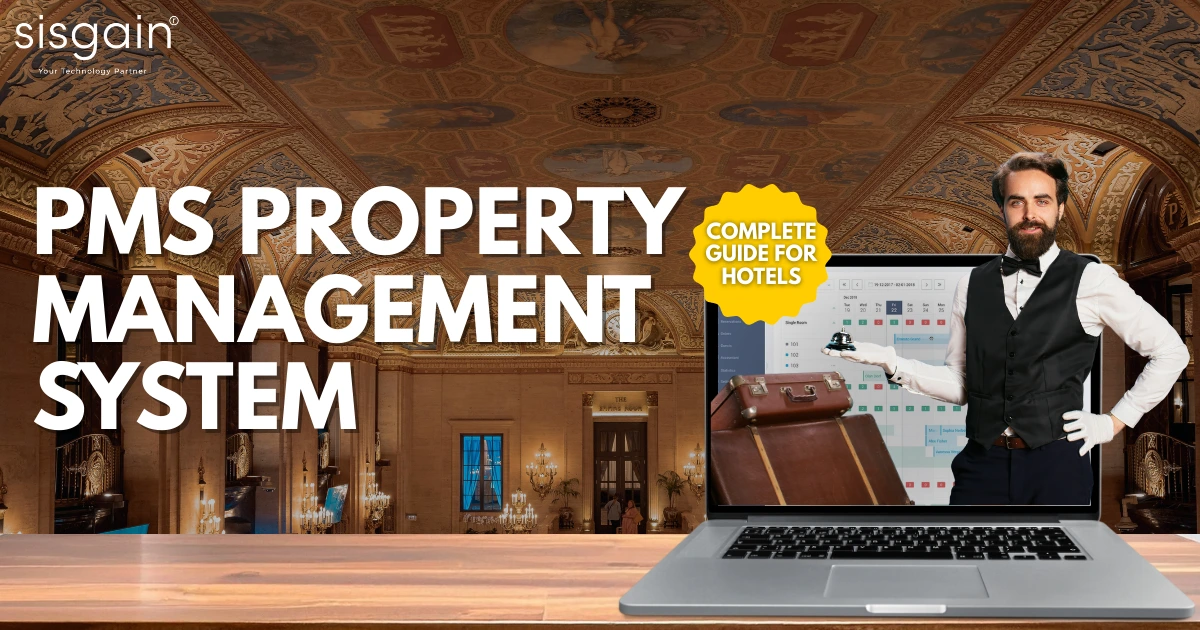
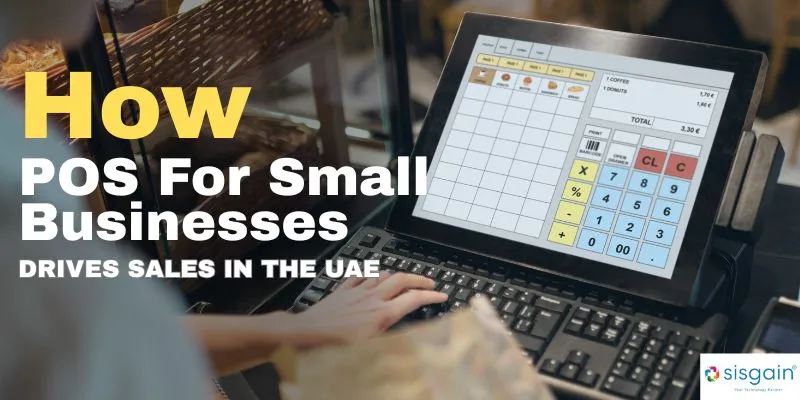
Key Points on PMS Property Management Systems Essential for Modern Hospitality: Research suggests that hotels without a PMS property management system face significant operational challenges, such as manual errors in bookings and billing, leading to reduced efficiency and guest satisfaction. It seems likely that adopting one can boost revenue by up to 27% through better management. Definition and Meaning: PMS stands for Property Management System in hospitality, a software platform that streamlines tasks like reservations and guest data management, differentiating it from general terms by its focus on lodging operations. Benefits and Trends: Evidence leans toward cloud-based systems for scalability and cost savings, with emerging trends like AI personalization set to transform the industry in 2025 and beyond. However, choices depend on property size, with on-premises options suiting those needing high customization. Controversy and Considerations: While PMS systems enhance data security, debates around cloud vs. on-premises highlight trade-offs in control and accessibility, emphasizing the need for balanced views when selecting one. What is a PMS System? A PMS property management system is a comprehensive software tool used in hotels to handle daily operations, from booking rooms to managing guest profiles. In hospitality, PMS meaning refers to the centralized hub that automates tasks traditionally done manually, improving accuracy and speed. For instance, it integrates front office functions like check-ins with back-end processes such as billing. Why Hotels Need It Without a PMS, hotels risk inefficiencies like overbookings or delayed maintenance. Benefits include enhanced guest experiences through personalization and operational cost reductions, making it indispensable for competitive properties. Types and Selection Tips Cloud-based PMS offer remote access and scalability, while on-premises provide more control but higher upfront costs. When choosing, consider integrations with other software, ease of use, and support from vendors like Oracle or Cloudbeds. Future Outlook Looking ahead, AI and contactless tech will likely dominate, but adoption varies by region and property type, acknowledging the ongoing shift toward digital solutions. Guide to PMS Property Management Systems in Hospitality In the fast-paced world of hospitality, where guest expectations evolve rapidly and operational demands intensify, a PMS property management system has become the backbone of successful hotel operations. This comprehensive guide explores every facet of PMS systems, from their fundamental definitions to emerging trends in 2025 and beyond. Drawing on industry insights, we'll delve into why these systems are indispensable, their core features, integration capabilities, and practical advice for implementation. Whether you're a boutique hotel owner or managing a luxury chain, understanding the PMS meaning in hospitality can transform your business efficiency and guest satisfaction. PMS Property Management System in Simple Words Imagine a hotel lobby buzzing with check-ins, a front desk clerk juggling phone calls for reservations, and housekeeping teams scrambling to update room statuses—all while trying to avoid double bookings or billing errors. This chaos was once the norm, but today, hotels can't survive without a robust PMS property management system. In an era where guests demand seamless experiences, from mobile check-ins to personalized recommendations, manual processes simply fall short. According to industry reports, properties using advanced PMS see up to 42% improvements in operational efficiency, highlighting why adoption is no longer optional but essential. So, what is the PMS system? At its core, a PMS property management system is a software platform designed to automate and streamline the day-to-day operations of hotels, resorts, and other lodging establishments. It serves as a centralized hub, managing everything from reservations to billing, ensuring that all departments work in harmony. The PMS meaning extends beyond mere automation; it's about creating data-driven insights that enhance guest experiences and boost revenue. In hospitality, PMS stands for Property Management System, a term that encapsulates its role in overseeing property-specific tasks. Unlike generic management tools, a hotel PMS system is tailored to the unique needs of the industry, handling guest interactions, inventory, and compliance with precision. This introduction sets the stage for a deeper dive into how these systems revolutionize lodging management, making them a must-have for any forward-thinking hotelier. PMS Meaning in Hospitality: Breaking It Down To fully appreciate the impact of a PMS property management system, it's crucial to break down its meaning in the hospitality context. PMS stands for Property Management System in hospitality, referring to specialized software that coordinates the multifaceted operations of accommodation providers. This isn't to be confused with general PMS terms in other industries, such as project management software; in hospitality, it's laser-focused on lodging-specific challenges like room allocation and guest profiling. Differentiating between PMS as a general term and hotel PMS systems is key. A broad PMS might apply to residential rentals, but hotel PMS systems are engineered for high-volume, dynamic environments where guest turnover is frequent and demands are diverse. For instance, while a general PMS handles basic tenant tracking, a hotel variant integrates real-time booking engines and point-of-sale (POS) systems to manage on-site dining or spa services. The importance of these systems spans across hotels, resorts, hostels, and lodges, often referred to as a lodging management system. In resorts, it might prioritize activity scheduling; in hostels, budget-friendly inventory management. Regardless of the property type, a property management system ensures compliance with regulations, optimizes occupancy rates, and fosters loyalty through data insights. As hospitality evolves, understanding PMS meaning becomes foundational for operational success, enabling properties to adapt to guest preferences and market shifts. Why Hotels Need a Property Management System Running a hotel without a PMS property management system is akin to navigating a ship without a compass—possible, but fraught with risks. Challenges abound in manual operations: imagine painstakingly tracking bookings via spreadsheets, leading to overbookings, or manually assigning rooms, resulting in delays and dissatisfied guests. Billing errors from handwritten folios can erode trust, while uncoordinated housekeeping might leave rooms unprepared, impacting reviews and revenue. The benefits of a property management system used in hotels are profound. It automates routine tasks, reducing human error and freeing staff for guest-focused interactions. For example, real-time data access prevents overbookings and optimizes pricing, potentially increasing revenue by 27% as seen in some implementations. Enhanced efficiency translates to faster check-ins, accurate billing, and insightful reporting, all contributing to higher occupancy and guest satisfaction. A key aspect is the property management system in front office operations. This includes managing reservations through integrated channels, streamlining check-in/check-out processes with digital kiosks, and handling billing seamlessly. By centralizing these functions, hotels can respond swiftly to guest needs, turning potential pain points into opportunities for excellence. In essence, a PMS isn't just software—it's a strategic asset that propels hotels toward sustainability and growth in a competitive landscape. Core Features of a Modern Hotel PMS System A modern hotel PMS system is packed with features that address every operational layer, making it indispensable for efficient management. Let's explore the core components: Front Office Management: This handles reservations, guest check-in/out, and folio management. Advanced systems allow for mobile check-ins, reducing wait times and enhancing convenience. For reservations, it integrates with online travel agencies (OTAs) to sync availability in real-time. Housekeeping & Maintenance Automation: PMS tracks room status, assigns tasks to staff via mobile apps, and schedules maintenance. Sensors can even automate updates, ensuring rooms are ready promptly. Billing & Payments: With seamless integration to payment gateways, hotels can process transactions securely while leveraging POS For Small Businesses for handling on-site charges, from room service to spa treatments, minimizing errors and speeding up settlements. Room & Inventory Management: Monitors room availability, rates, and inventory like linens or amenities. Dynamic pricing tools adjust rates based on demand, maximizing revenue. Guest Data Management: Stores profiles for loyalty programs and personalization, such as preferred room types or dietary needs. This data drives targeted marketing and repeat visits, fostering long-term relationships. These features collectively transform a PMS into a powerhouse, with modular options allowing customization for property size and type. Types of PMS Systems: On-Premises vs. Cloud-Based When evaluating PMS options, the choice often boils down to on-premises vs. cloud-based systems, each with distinct attributes. On-premises PMS are installed locally on hotel servers, offering full control and customization. They're ideal for large properties with specific needs but require significant upfront investment in hardware and IT support. Cloud-based PMS, hosted remotely, provide accessibility from any device with internet, automatic updates, and scalability. They're cost-effective for smaller operations but depend on reliable connectivity. Here's a comparison table: Aspect On-Premises PMS Cloud-Based PMS Installation Local servers, hardware required Remote hosting, no on-site hardware Cost High upfront, ongoing maintenance Subscription-based, lower initial cost Accessibility Limited to on-site network Anywhere with internet Updates Manual, potentially disruptive Automatic, seamless Scalability Requires hardware upgrades Easily scales with business growth Security Controlled internally, but vulnerable to local threats Provider-managed, with advanced encryption Pros High customization, data ownership Cost savings, mobility, quick deployment Cons Expensive maintenance, less flexible Internet dependency, potential data privacy concerns Pros of on-premises include robust integration with legacy systems, while cons involve higher costs—up to 80% more in hardware alone. Cloud pros emphasize flexibility, with cons like reliance on vendors. Ultimately, the choice hinges on property needs, with many shifting to cloud for future-proofing. How PMS Integrates with Other Hotel Software A PMS property management system's true value shines through integrations, creating a unified ecosystem. PMS + Hospitality Software allows seamless data flow across departments, from front desk to kitchens. PMS + POS systems enhance billing by syncing charges; for deeper insights, explore POS Software. This integration ensures real-time updates, preventing discrepancies. PMS also connects with CRM for guest relationship management, booking engines for direct reservations, and channel managers for OTA synchronization. These links automate workflows, reducing manual entry. Real-life example: A guest books via an OTA—the channel manager updates the PMS instantly. Upon arrival, CRM pulls preferences for a personalized check-in. During stay, POS charges for dining sync to the folio, and at checkout, billing is automated. If maintenance is needed, IoT integration alerts housekeeping. This journey illustrates how integrations elevate efficiency, with studies showing reduced overbookings by up to 50%. Benefits of Cloud-Based Hotel PMS Systems Cloud-based hotel PMS systems offer transformative advantages, starting with personalized guest experiences. By leveraging data analytics, they suggest tailored amenities, boosting satisfaction scores. Faster check-in/out via mobile-first designs cuts wait times, with contactless options appealing to post-pandemic travelers. Cost savings are significant—up to 80% on manual processes—through automation and no hardware needs. Scalability allows easy expansion, ideal for growing chains. Data security and compliance are enhanced with provider-managed encryption and regular backups, meeting standards like GDPR. Finally, higher occupancy and revenue stem from dynamic pricing and real-time insights, with some properties reporting 27% revenue lifts. These benefits position cloud PMS as the future of hospitality. How to Select the Best PMS Property Management System Selecting the best PMS property management system requires a structured approach. Start with this checklist for hoteliers: Assess property size and needs (e.g., multi-property support). Evaluate integrations with existing tools like POS or CRM. Prioritize ease of use with intuitive interfaces and mobile access. Ensure robust customer support, including 24/7 availability. Check scalability for future growth. Review pricing models—subscription vs. one-time fees. Test data security features and compliance certifications. Read user reviews and request demos. Factors like property size influence choices; small hotels might favor affordable cloud options, while luxury resorts need advanced customization. The role of software development firms is vital for tailoring PMS to unique requirements, such as custom APIs. Avoid common pitfalls like overlooking training needs or integration compatibility. Top Use Cases of PMS in Hospitality PMS systems adapt to various hospitality segments: Small Boutique Hotels: Automate reservations and guest data for personalized touches, boosting reviews without large staffs. Luxury Chains & Resorts: Manage complex operations like spa bookings and events, integrating with CRM for VIP experiences. Hostels & Lodges: As a lodging management system, it handles high-volume, low-cost bookings with inventory tracking to maximize occupancy. Vacation Rentals: Syncs with platforms like Airbnb, automating check-ins and maintenance for remote management. These use cases demonstrate PMS versatility, from efficiency in small setups to scalability in large ones. Future of Hotel PMS: Trends in 2025 & Beyond As we enter 2025, hotel PMS trends emphasize innovation. AI-driven personalization will predict guest needs, like room preferences, enhancing loyalty. Contactless check-in and smart keys, via apps and biometrics, prioritize safety and convenience. Cloud-first solutions dominate, offering modular features for agility. PMS + IoT integrates smart rooms with voice assistants, automating lighting or temperature based on occupancy. Sustainability tracking, like energy usage, aligns with eco-trends. Overall, these advancements promise hyper-efficient, guest-centric operations. Conclusion In summary, a PMS property management system is critical for modern hotels, automating operations, enhancing guest experiences, and driving revenue in a competitive industry. From core features to future AI integrations, it empowers properties to thrive. Looking to build or integrate a custom PMS? Explore our expertise in Hospitality Software and connect with top Software Development Firms for tailored hotel technology solutions.







































































Smoothly transition your vision into reality by setting clear goals, taking actionable steps, and staying adaptable—turning ideas into tangible outcomes with persistence and a focused approach.


Book a Free Consultation Call with Our Experts Today
Project quotes, partnerships, implementation
Open roles, referrals, campus hiring
