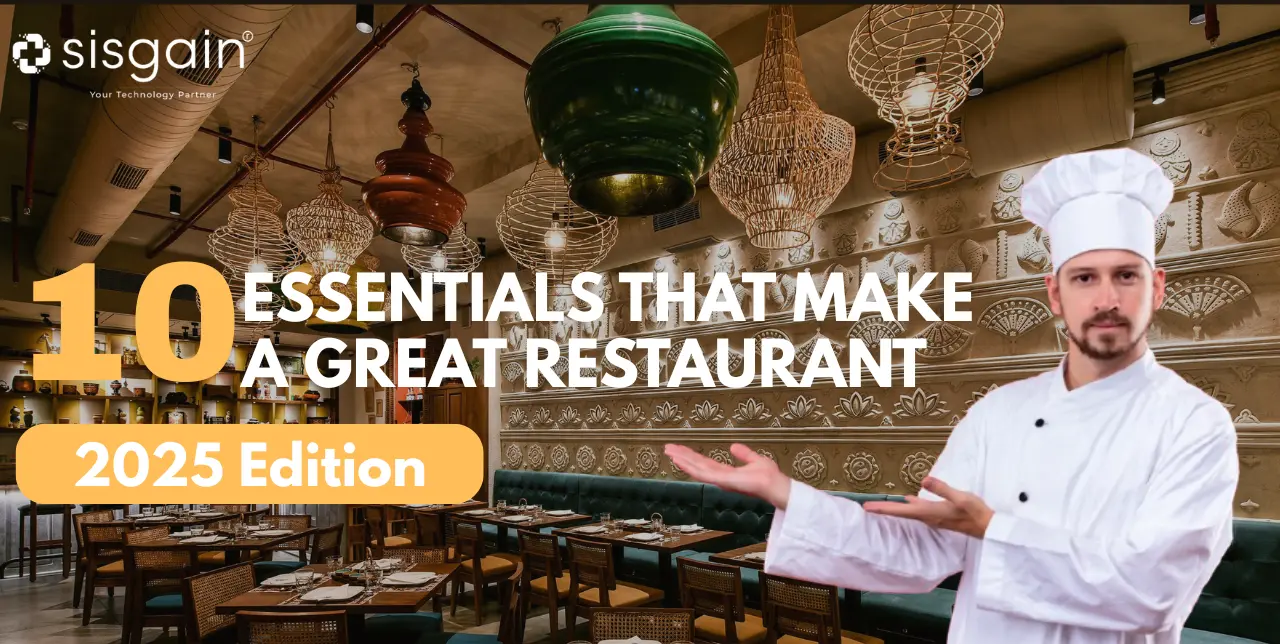

The restaurant industry has transformed dramatically since the early 2020s, shaped by evolving consumer preferences, technological advancements, and global shifts. In 2025, a good restaurant is no longer enough—diners demand exceptional experiences that blend quality, authenticity, and innovation. According to the National Restaurant Association, the industry is expected to reach $1.5 trillion in sales in 2025, driven by resilient consumer demand for experience-driven dining. Customers now prioritize sustainability, personalization, and convenience, influenced by social media and heightened awareness of health and environmental concerns. This blog outlines the 10 essentials that define a great restaurant in 2025, offering actionable insights for aspiring and current restaurant owners, hospitality entrepreneurs, consultants, tech adopters, food bloggers, and culinary enthusiasts to elevate their operations.
1. High-Quality Food with Local & Cultural Influence

High-quality food remains the cornerstone of a great restaurant, but in 2025, it’s about more than just taste. Diners increasingly value locally sourced, sustainable ingredients that reflect regional culture and heritage. Restaurants like those featured in the MICHELIN Guide are blending traditional recipes with global influences, creating fusion dishes that resonate with diverse audiences. For example, a restaurant might offer a signature dish like a Southeast Asian-inspired taco using locally grown produce, appealing to both local pride and global curiosity. A standout signature dish not only showcases culinary creativity but also becomes a social media magnet, driving customer engagement.
Key Strategies:
- Source fresh, seasonal ingredients from local farmers to reduce environmental impact and support the community.
- Incorporate cultural food trends, such as plant-based proteins or regional spices, to create unique offerings.
- Develop a signature dish that tells a story, blending local heritage with modern flair.
Table: Benefits of Local and Cultural Food Integration
| Benefit | Description |
|---|---|
| Sustainability | Reduces carbon footprint through local sourcing. |
| Customer Appeal | Attracts eco-conscious and culturally curious diners. |
| Brand Differentiation | Creates a unique identity through signature dishes and fusion cuisine. |
| Community Support | Strengthens ties with local producers, enhancing brand reputation. |
2. Strategic & Accessible Location

Location is a make-or-break factor for restaurants in 2025. A strategic location with high visibility and foot traffic can significantly boost customer visits. For instance, cheap restaurants in busy urban districts thrive by catering to office workers and commuters with quick, affordable meals. Accessibility—via public transport, parking, or pedestrian-friendly areas—is equally critical. Restaurants are also using geomarketing strategies to target nearby customers, leveraging data to optimize location choices.
Case Example: Fast-casual chains like Chipotle in urban centers succeed by positioning themselves in high-traffic areas with easy access, offering value-driven meals that attract a diverse clientele. Their efficiency in operations allows them to maintain low prices while ensuring quality, as noted in CloudKitchens.
Key Strategies:
- Choose locations with high foot traffic and visibility, such as near business districts or tourist attractions.
- Ensure accessibility through parking, public transport, or walkability.
- Align the location with your target demographic, such as young professionals or families.
3. Well-Crafted Menu That Balances Creativity & Profit
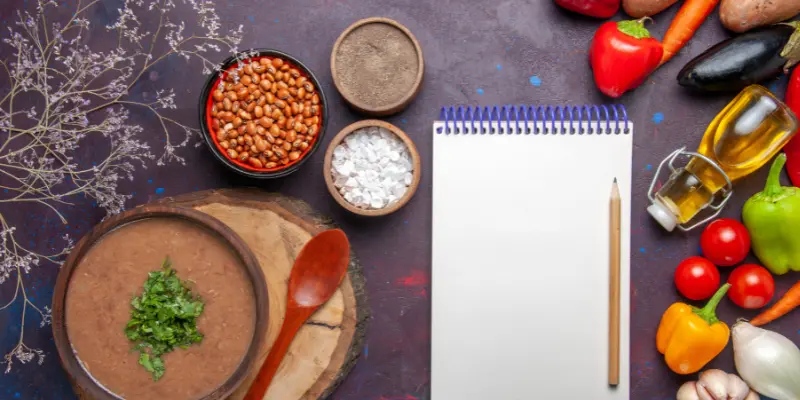
A well-crafted menu is both a culinary showcase and a financial tool. In 2025, restaurants are using menu engineering to strategically price and position high-margin items while incorporating dietary trends like plant-based options and health-conscious dishes. Menus also reflect local culture, balancing heritage with innovation. For example, a traditional restaurant might modernize a classic dish like lasagna with local, organic ingredients to appeal to modern diners.
Key Strategies:
- Use menu psychology, such as the "golden triangle" rule, to highlight profitable items.
- Offer 5-7 menu categories to avoid overwhelming customers, per Miller’s Law.
- Adapt to trends like veganism or smaller portions influenced by health-conscious dining.
Table: Menu Engineering Techniques
| Technique | Description |
|---|---|
| Golden Triangle | Place high-margin items in prime visual areas to attract attention. |
| Limited Categories | Keep menu concise (5-7 categories) for easier decision-making. |
| Dietary Trends | Include plant-based, gluten-free, or allergen-friendly options. |
| Visual Appeal | Use high-quality photos and strategic colors to enhance customer choices. |
4. Stellar Customer Service with Emotional Intelligence
Customer service is a defining factor in 2025, with diners valuing personalized, empathetic interactions. Restaurants are investing in staff training to foster emotional intelligence, enabling employees to anticipate needs and handle feedback effectively. Technology, such as AI-powered chatbots, enhances service by offering personalized recommendations, but human connection remains key. Metrics like customer satisfaction scores and repeat visit rates are used to gauge service quality.
Key Strategies:
- Train staff in emotional intelligence to create genuine connections with guests.
- Implement feedback loops through digital surveys or direct conversations.
- Use technology to complement, not replace, human interaction for a seamless experience.
5. Ambience, Aesthetics & Decor That Matches the Concept
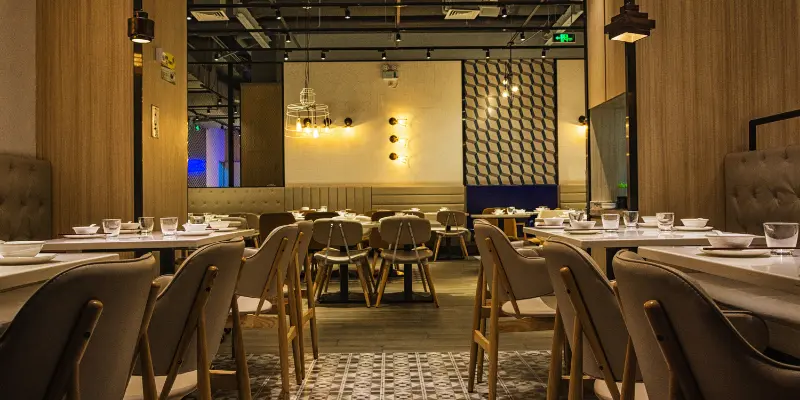
In 2025, restaurant design is about creating immersive experiences that align with the brand’s concept. Trends include eco-friendly materials, biophilic elements like living walls, and minimalist aesthetics. Lighting, music, and scent are carefully curated to enhance the guest experience. For example, a coastal-themed restaurant might use nautical decor and ocean-inspired scents to create a cohesive atmosphere, as seen in Toast.
Key Strategies:
- Use sustainable materials like reclaimed wood or recycled metals.
- Incorporate biophilic design with plants and natural light to promote well-being.
- Align decor with the restaurant’s theme, ensuring consistency across all elements.
6. Hygiene & Safety: Non-Negotiable Foundations
Hygiene and safety are non-negotiable in 2025, with heightened consumer expectations post-pandemic. Restaurants are adopting digital tools like automated temperature monitoring and UV sanitizers to ensure compliance with health codes. Staff training on proper food handling and grooming standards is critical, and transparency about safety practices builds customer trust.
Key Strategies:
- Implement rigorous cleaning protocols and use technology for compliance tracking.
- Train staff on food safety and hygiene best practices.
- Display certifications or hygiene ratings to reassure customers.
Table: Hygiene and Safety Technologies
| Technology | Benefit |
|---|---|
| Digital Temperature Monitoring | Ensures food is stored at safe temperatures, reducing risks. |
| UV Sanitizers | Enhances cleanliness in kitchens and dining areas. |
| HACCP Compliance Tools | Automates safety checks, minimizing human error. |
| Traceability Systems | Tracks food origins for quick response to safety issues. |
7. Pricing Strategy: Balance Value with Experience
Pricing in 2025 is about delivering value without compromising brand perception. Dynamic pricing, where prices adjust based on demand or time of day, is gaining traction, as seen in CloudKitchens. Cheap restaurants excel by focusing on efficiency, offering high-volume, low-cost items while maintaining quality. For example, fast-casual chains use streamlined operations to keep prices low, attracting price-sensitive customers without cheapening their brand.
Key Strategies:
- Use dynamic pricing to maximize revenue during peak times.
- Offer value-driven bundles or loyalty discounts to enhance perceived value.
- Monitor competitor pricing to stay competitive without sacrificing quality.
8. Smart Technology Integration: From POS to Tabletop Tablets
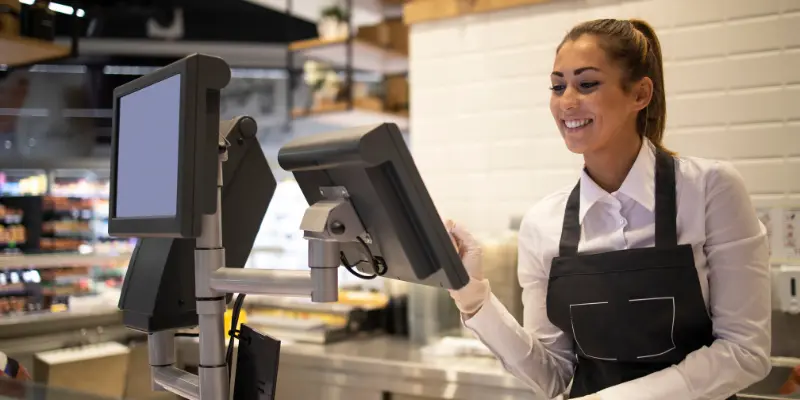
Technology is reshaping restaurants in 2025, with advanced Restaurant POS systems serving as the backbone of operations. These systems integrate with inventory management, online ordering, and CRM tools, providing real-time insights. Digital menus via QR codes or tabletop tablets enhance convenience, while AI-driven analytics personalize customer experiences. According to NetSuite, restaurants using integrated tech see up to 25% improvements in efficiency.
Key Strategies:
- Invest in cloud-based POS systems for seamless integration and mobility.
- Implement digital menus and contactless payments for safety and convenience.
- Use AI for personalized marketing and inventory optimization.
9. Strong Brand Identity & Marketing Presence
A strong brand identity is essential for standing out in 2025’s competitive market. Restaurants are crafting compelling stories through their logos, names, and mission statements, reinforced by consistent marketing across platforms. Social media, particularly short-form videos on Instagram and TikTok, is a key driver, with influencer partnerships and user-generated content boosting visibility. Offline strategies like loyalty cards and community events foster local connections, as highlighted in Paytronix.
Key Strategies:
- Develop a unique brand story that resonates with your target audience.
- Leverage social media for authentic engagement and influencer collaborations.
- Host community events or offer loyalty programs to build customer loyalty.
10. Innovation, Consistency, and the Ability to Evolve
What separates a good restaurant from a great one in 2025 is the ability to innovate while maintaining consistency. Great restaurants introduce new menu items, adopt cutting-edge technologies, and adapt to consumer trends like sustainability and health-conscious dining. Consistency in food quality, service, and ambiance ensures repeat visits, while adaptability keeps the restaurant relevant in a dynamic market.
Key Strategies:
- Experiment with innovative menu items or dining concepts to stay ahead of trends.
- Maintain consistent quality across all touchpoints to build trust.
- Stay agile, adapting to economic, technological, and consumer shifts.
Bonus: What Separates a “Good Restaurant” from a Great One
A great restaurant in 2025 is defined by its ability to deliver exceptional, personalized experiences while staying true to its core values. Innovation—whether through unique menu offerings, immersive design, or technology—sets the stage, but consistency ensures customers return. Great restaurants also evolve with the times, embracing sustainability, health trends, and digital tools to meet modern demands. They foster community connections, prioritize transparency, and create a sense of belonging, making every visit memorable.
Table: Good vs. Great Restaurants
| Aspect | Good Restaurant | Great Restaurant |
|---|---|---|
| Food Quality | Offers tasty food. | Offers high-quality, innovative dishes with local and cultural flair. |
| Service | Provides basic service. | Delivers personalized, emotionally intelligent service. |
| Ambiance | Functional decor. | Immersive, concept-aligned design with sustainable elements. |
| Technology | Basic POS and ordering systems. | Advanced, integrated tech for efficiency and personalization. |
| Adaptability | Follows trends reactively. | Proactively evolves with consumer and market shifts. |
Conclusion: Ready to Build or Upgrade Your Good Restaurant?
To thrive in 2025, restaurants must master these 10 essentials: high-quality food, strategic location, well-crafted menus, stellar service, immersive ambiance, rigorous hygiene, smart pricing, advanced technology, strong branding, and continuous innovation. These elements work together to create a dining experience that exceeds customer expectations, fostering loyalty and driving profitability. Assess your restaurant against these standards, identify areas for improvement, and consider investing in tools like advanced POS systems or digital marketing platforms to stay competitive. By embracing these essentials, you can transform your good restaurant into a great one, ready to lead in the dynamic dining landscape of 2025.
Schedule a free consultation with our team to explore how technology solutions can elevate your restaurant.