For Business & Service Inquiries
Sales Team
Project quotes, partnerships, implementation
Don't see your industry? We serve every sector - let us know your needs and we'll tailor a solution.
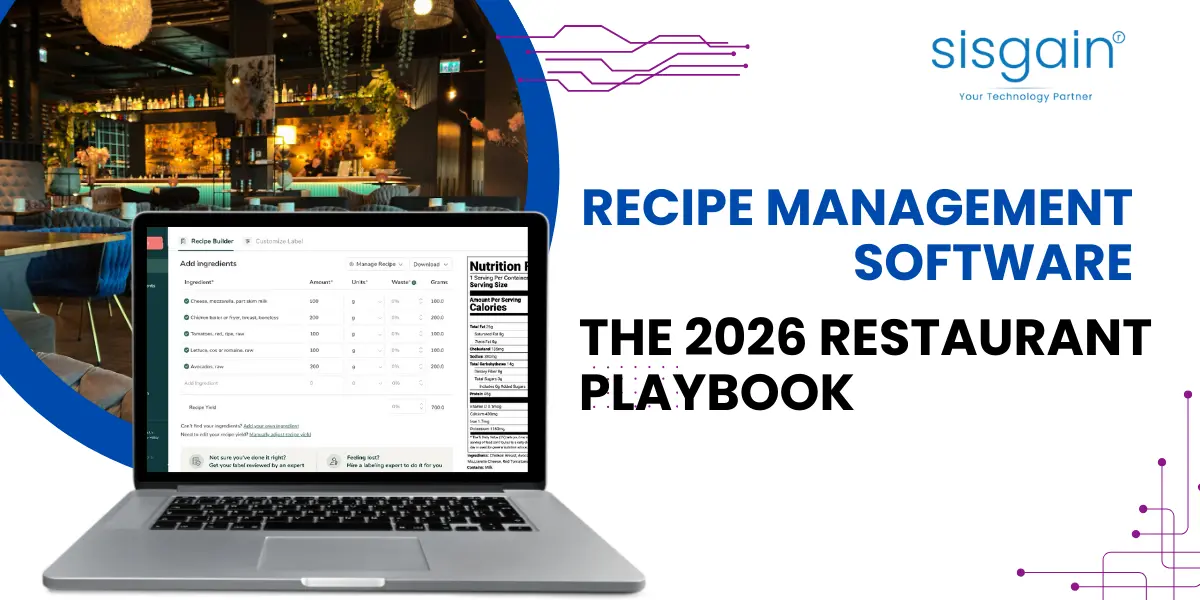
In the high-stakes world of restaurants, where margins hover perilously close to the edge, clinging to outdated methods like spreadsheets, WhatsApp-shared recipes, or the chef's fading memory isn't just inefficient—it's a profit-killing liability. As we barrel toward 2026, the restaurant industry faces unprecedented pressures that demand precision and adaptability. Ingredient prices are swinging wildly due to supply chain disruptions, climate impacts, and geopolitical tensions, with 91% of restaurant leaders reporting cost increases in 2025 alone, the majority between 1% and 5%. Multi-location chains and cloud kitchens are exploding, forcing operators to maintain flawless consistency across dispersed operations. Customers, armed with apps and awareness, now insist on transparency for allergens and nutrition—regulations like California's groundbreaking SB 68, effective July 1, 2026, mandate allergen labeling for chains with 20+ locations, making non-compliance a legal and reputational minefield. Recipe management software isn't merely a digital upgrade; it's evolving into a comprehensive business system that bridges the kitchen, inventory, POS, procurement, and analytics. This playbook explores why recipe software and recipe programs are essential for safeguarding profits in 2026, offering actionable insights to transform your operations from reactive firefighting to proactive profitability. Whether you're a single outpost or a sprawling franchise, embracing digital recipe management now positions you ahead of the curve, turning volatile challenges into competitive edges. What Is Recipe Management Software? Gone are the days when recipe management software was dismissed as a glorified digital cookbook—a static repository of scribbled notes digitized for convenience. In 2026, it's a dynamic ecosystem that orchestrates every facet of your culinary backbone. At its core, recipe management software is an integrated platform that standardizes recipes while syncing them seamlessly with operational pillars: the bustling kitchen floor, real-time inventory tracking, point-of-sale (POS) systems, automated procurement pipelines, and profit-centric analytics dashboards. Consider a typical workflow: An executive chef inputs a signature dish—say, a herb-crusted salmon with seasonal veggies. The software automatically maps ingredients to current inventory levels, calculates yields accounting for trim loss (that inevitable 10-15% waste from prep), and flags procurement needs based on supplier pricing fluctuations. As the dish hits the menu, it feeds into POS for accurate sales tracking, triggering instant margin reports: "This entrée's food cost just spiked 8% due to heirloom tomato shortages—adjust portion or sub in roma?" This closed-loop intelligence ensures recipes aren't isolated artifacts but living assets driving business decisions. Unlike fragmented tools, modern restaurant recipe software embeds scalability and foresight, supporting everything from pop-up experiments to enterprise-wide rollouts. It's the nerve center where creativity meets commerce, empowering operators to pivot swiftly in an era where static approaches bleed cash. Why Recipe Software Is No Longer Optional in 2026 The restaurant landscape of 2026 isn't forgiving to laggards. With wholesale food prices lingering 20-30% above pre-pandemic norms and projected inflation of 3-4% through the year, clinging to manual methods invites disaster. Recipe software has transcended "nice-to-have" status, becoming the linchpin for survival amid escalating volatility, scale demands, and regulatory scrutiny. Rising Food Cost Volatility Ingredient prices aren't creeping up—they're erupting. In 2025, food cost inflation hit 91% of operators, far outpacing forecasts, with proteins, produce, and imports bearing the brunt. Static recipes, reliant on yesterday's costs, fail spectacularly here: A beef tenderloin dish budgeted at $12 might balloon to $15 overnight, eroding margins from 30% to 15% without notice. Recipe management software counters this with automated recalculations, pulling live supplier data to alert you to thresholds (e.g., "Food cost >28%—reroute to chicken?"). This isn't guesswork; it's preemptive armor against the weekly price wars that define 2026. Multi-Branch & Cloud Kitchens Are the New Normal By 2026, cloud kitchens and multi-location models will dominate, with delivery-only brands slashing overhead by 40% via specialized setups. Yet, consistency at scale is the Achilles' heel: One branch's "house vinaigrette" varying by 20% in tanginess tanks brand trust. A centralized recipe program shines here, enabling instant updates across locations—tweak a spice level in HQ, and it's live in 50 outlets within minutes. For cloud kitchens juggling ghost brands, this means unified yields and costs, turning fragmented ops into a harmonious profit machine. Compliance, Allergens & Transparency Customers demand it, governments enforce it. California's SB 68 pioneers U.S.-wide allergen mandates, requiring disclosure of the top nine allergens (milk, eggs, fish, etc.) on menus by mid-2026 for major chains. Non-compliance? Fines, lawsuits, and lost loyalty from the 32 million Americans with food allergies. Recipe software embeds allergen tagging at the ingredient level, auto-generating compliant labels and nutrition breakdowns. It's not just legal cover—it's trust-building, with transparent menus boosting repeat visits by up to 15%. Recipe Management Software vs Manual Recipe Programs To illustrate the chasm, here's a side-by-side comparison. Manual systems—spreadsheets or printed binders—offer false economy, riddled with errors that compound over time. Digital recipe management flips the script, delivering precision at scale. Feature Manual Recipe Program Recipe Management Software Cost Tracking ❌ Manual calculations, prone to errors ✅ Automated, real-time updates Portion Control ❌ Inconsistent across staff/shifts ✅ Standardized with yield adjustments Multi-Branch Updates ❌ Slow dissemination, version chaos ✅ Instant cloud sync Profit Visibility ❌ Guesswork based on monthly audits ✅ Real-time dashboards and alerts This table underscores why 2026 winners invest in tech: Automation isn't luxury; it's ROI incarnate. Core Features Every Modern Recipe Software Must Have In a crowded market, the best recipe software stands out with features that go beyond basics, blending usability with enterprise muscle. Here's what to demand in 2026. Digital Recipe Creation & Standardization Craft recipes with precision: Input units (grams vs. cups), define portions for 50-500 servings, and factor in yield loss from trimming or evaporation. Version control—now a staple—tracks evolutions like "V2: Reduced salt by 10% for low-sodium menu," preventing drift and enabling audits. Ingredient-to-Inventory Mapping Seamless sync: Link recipes to live stock levels, auto-deducting usage post-shift. Built-in waste reduction logic flags over-prep (e.g., "Scale back carrots—forecast shows 20% surplus"), slashing spoilage by 20%. Automated Food Cost & Margin Analysis Set target food costs (aim for 28-35%) and get instant alerts on breaches. Dynamic pricing intelligence scans market trends, suggesting "Upcharge $1 on pasta—avoids 5% margin hit from wheat surge." Step-by-Step Cooking Workflows Visual aids elevate execution: Embed photos, videos, and timers for each step, turning novices into pros. Training modules make onboarding 30% faster, reducing errors. User Roles & Permission Control Tiered access keeps chaos at bay: Chefs edit recipes, ops view workflows, owners drill into analytics. Granular permissions ensure IP protection in franchises. Mobile-First Kitchen Access Cloud-based, tablet-optimized interfaces thrive in steamy kitchens or remote cloud ops. Pull up a recipe mid-rush, update yields on the fly—mobility meets reliability. Allergen, Nutrition & Compliance Tracking Tag risks at the source, auto-populate labels per regs like SB 68. Nutrition calcs support wellness trends, appealing to health-conscious diners. How Recipe Management Software Improves Profitability Profit leaks are silent assassins: "Portion creep" where scoops grow 10% unnoticed, costing $5K yearly on a mid-sized menu; mismatched pricing ignoring 3.2% YoY food CPI hikes; outdated recipes hoarding pricey ingredients. Before software: A burger joint guesses costs quarterly, missing $2K/month in overages. After: Real-time tracking reveals "Bun costs up 12%—switch supplier?" Yields standardize at 95%, waste drops 15%, margins climb 8-10%. Recipe programs don't just control—they amplify, turning data into dollars via alerts like "This dish's profitability tanked—re-engineer or delist?" Recipe Software + POS + Inventory = The Power Stack Recipe software solo is potent, but integrated with POS and inventory? It's unstoppable. Why? Isolated tools create silos: Sales spike, but inventory lags, recipes stay blind to trends. Enter the stack: POS feeds sales data (e.g., 200 salads sold) to recipe software, which adjusts inventory draws and recalcs costs. Inventory pings low-stock alerts, triggering procurement. Benefits? Real-time loops: "Salad greens flying—bump reorder by 20%, hold margins at 32%." Integrations like Toast's with recipe costing enable auto-nutrient labeling and usage deductions, streamlining ops. For Dubai spots eyeing POS system in Dubai or POS restaurant software, this stack future-proofs against volatility. Recipe Management for Multi-Location Restaurants Multi-site ops amplify complexities: Central kitchens feeding franchises, cloud kitchens powering delivery empires. By 2026, these models cut costs 30-40%, but demand ironclad consistency. Recipe management excels via propagation: HQ tweaks a sauce? It cascades to all branches with localized cost tweaks (e.g., +5% for coastal shipping). Branch-wise comparisons reveal "Outlet B's yields 7% higher—share best practices." For cloud kitchens, it unifies ghost menus, optimizing for delivery spikes with AI-driven capacity forecasts. Result: Scaled harmony, 15% efficiency gains. Common Challenges Restaurants Face (And How Software Solves Them) Restaurants battle daily demons—here's how recipe software slays them. Staff Non-Compliance Chefs ad-lib, portions balloon. Solution: Visual workflows with checkpoints enforce standards, boosting adherence 25%. Ingredient Price Fluctuations Weekly swings blindside budgets. Solution: Automated costing rescans prices daily, suggesting subs to lock 30% margins. Tool & Portion Inconsistency Spoons vary, waste mounts. Solution: Standardized metrics (e.g., 4oz ladles) with digital scales integration ensure uniformity. Outdated Recipes Favorites fossilize, costs soar. Solution: Version history and audit trails revive winners, sunset losers data-backed. Choosing the Right Recipe Management Software in 2026 Decision time: Prioritize scalability for growth spurts; integration APIs for POS/inventory harmony; customization for unique workflows; local compliance (e.g., SB 68 tagging); AI readiness for predictive edges. Checklist: Scalability: Handles 1-100 locations seamlessly? Integrations: Native POS, ERP links? Customization: Tailor fields for your cuisine? Compliance: Built-in allergen/nutrition tools? AI Future-Proofing: Predictive analytics onboard? Vet with trials—your 2026 playbook depends on it. The Future of Recipe Software (2026–2030 Trends) Buckle up: Recipe software morphs into AI co-pilots. By 2030, the market hits $2.3B, fueled by AI recipe dev and personalization. Expect: AI-Powered Food Cost Prediction: Forecast spikes 30 days out via market data. Demand-Based Recipe Optimization: Auto-scale portions for peak hours. Smart Menu Engineering: AI ranks dishes by profit/appeal, suggesting tweaks. Sustainability Tracking: Carbon footprint calcs per recipe, greenwashing-proof. Waste Analytics: ML spots patterns, cutting discards 20%. F&B giants like Coca-Cola already deploy AI for flavors; restaurants follow suit for edge. Who Should Use Recipe Management Software? Restaurant Owners: Profit guardians eyeing margins. Executive Chefs: Creativity without chaos. Ops Managers: Scale whisperers taming multi-sites. Multi-Chain Brands: Consistency czars. Cloud Kitchens: Delivery dynamos optimizing ghosts. If food's your game, this is your tool. Final Thoughts: Recipe Management Is a Profit System In 2026, recipe software isn't a tool—it's your control tower, enforcing consistency, illuminating profitability, and outmaneuvering rivals. Data-first restaurants won't just survive; they'll thrive, turning volatility into velocity. Ditch the spreadsheets; embrace the playbook. Ready to fortify your margins? Our custom recipe management solutions integrate seamlessly, scale effortlessly, and deliver ROI from day one. Schedule a demo today and step into 2026 unbreakable.
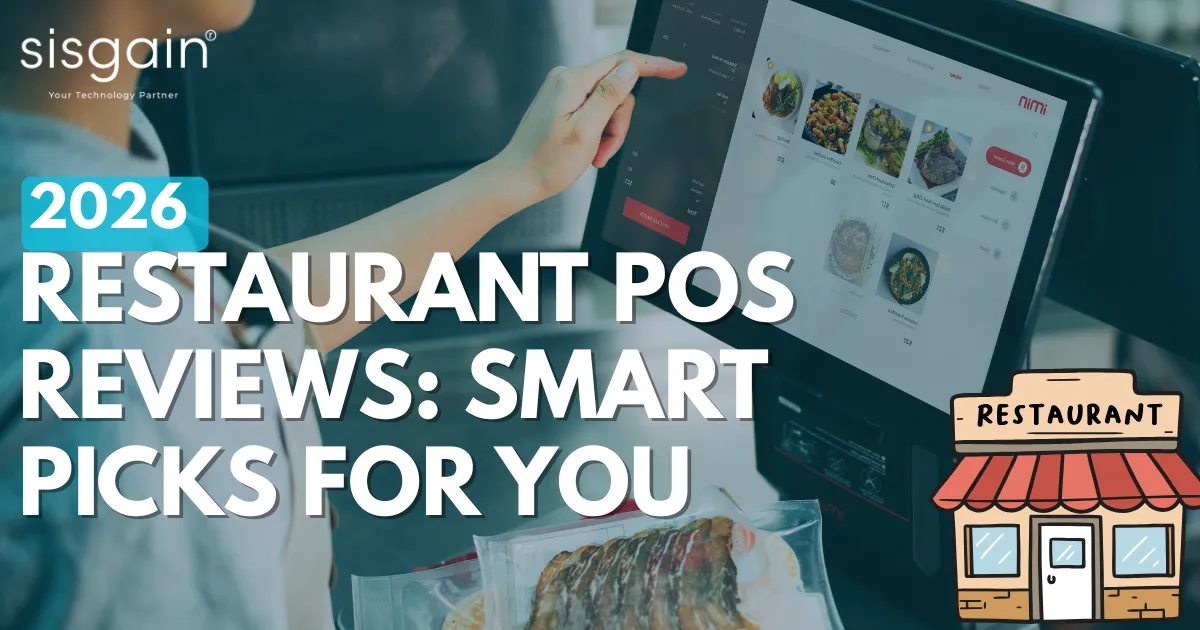
In the fast-paced world of hospitality, staying ahead means embracing technology that streamlines operations and delights customers. As we step into 2026, restaurant POS reviews are more crucial than ever. These systems aren't just cash registers anymore—they're intelligent hubs powering everything from order taking to inventory control. With the restaurant POS market projected to grow at a CAGR of over 9.5%, reaching billions in value, the shift toward smarter, AI-driven, and cloud-integrated solutions is undeniable. Cloud-based platforms dominate, offering real-time data sync and scalability for multi-location setups, while AI enhances personalization and predictive analytics. This evolution addresses post-pandemic challenges like labor shortages and supply chain disruptions, making POS systems essential for survival and growth. Why do in-depth restaurant POS reviews matter? Choosing the wrong system can lead to costly downtime, inaccurate inventory, or clunky interfaces that frustrate staff. On the flip side, the right fit boosts efficiency dramatically. Did you know restaurants adopting modern POS tech report up to 30% higher operational efficiency, thanks to automated workflows and data-driven insights? For small operators juggling tight margins, this translates to real savings—fewer errors, faster service, and happier teams. In this comprehensive guide to restaurant POS reviews for 2026, we'll dive deep into comparisons, pricing breakdowns, and cutting-edge innovations like advanced inventory and recipe management. Whether you're running a cozy cafe or a bustling chain, you'll discover tools tailored to your needs. Why Restaurant POS Reviews Matter in 2026 The restaurant industry in 2026 is a tech playground. Gone are the days of siloed hardware; today's POS systems integrate seamlessly with AI for predictive ordering, cloud tech for remote management, and IoT for kitchen automation. Market analysts forecast cloud-based POS solutions leading the charge, with a 6.44% CAGR through 2035, driven by their flexibility in handling everything from contactless payments to dynamic pricing. In the UAE and beyond, where tourism booms and multi-branch chains expand rapidly, these systems ensure compliance with local regulations while scaling effortlessly. But with hundreds of options, how do you pick? That's where thorough restaurant POS reviews shine. They cut through marketing hype to reveal real-world performance: Does it handle peak-hour rushes? Integrate with delivery apps? Secure sensitive data? Businesses that vet via reviews avoid the pitfalls of mismatched tech, saving thousands in implementation headaches. Consider this: A 2025 NRA report showed 52% of restaurants prioritizing POS upgrades for efficiency gains. Modern systems deliver just that—30% faster operations through automation, reducing waste and errors. Imagine slashing food costs by 20% with recipe-linked inventory or boosting upsells via AI recommendations. These aren't hypotheticals; they're proven outcomes from top-rated platforms. In the following sections, our restaurant POS reviews present detailed comparisons of top-rated systems, transparent pricing insights, and emerging innovations like AI-powered recipe optimization and cloud-based multi-outlet management dashboards, helping you build a comprehensive roadmap to streamline and enhance your restaurant operations through integrated solutions explored in our Restaurant Management Software guide. To visualize the POS interface in action, here's a snapshot of a modern restaurant POS dashboard: What Defines the Best Restaurant POS in 2026? In 2026, the best restaurant POS isn't just a transaction tool—it's the nerve center of your business. Top systems excel across essential pillars, evolving into full ecosystems that blend front-of-house speed with back-office smarts. Let's break down what sets winners apart in these restaurant POS reviews. Ease of Use & Cloud Accessibility Intuitive interfaces are non-negotiable. Drag-and-drop menus, touch-friendly designs, and mobile apps mean staff onboard in hours, not weeks. Cloud access? It's table stakes—enabling real-time updates from any device, crucial for on-the-go owners. 58% of businesses report ops improvements post-AI POS adoption, largely due to this seamless connectivity. Inventory and Recipe Management Gone are manual stock checks. Elite POS track ingredients in real-time, auto-adjust recipes for portion control, and flag low stock. This pillar alone can cut waste by 15-20%, turning chaos into precision. Order and Table Management Visual floor plans, split checks, and KDS (Kitchen Display Systems) ensure orders flow flawlessly. Integration with Uber Eats or DoorDash? A must for hybrid models. Payment and Billing Integration EMV, NFC, and crypto-ready? Yes. UAE-compliant VAT handling? Essential. Frictionless billing reduces cart abandonment by 25%. Staff Scheduling and Analytics Predictive rostering based on sales forecasts, plus performance dashboards, optimize labor costs. Granular reports reveal peak trends, empowering data-backed decisions. Data Security and Customer Support GDPR-compliant encryption and 24/7 chat support build trust. In a breach-prone world, robust backups and SOC 2 certification are must-haves. These pillars make POS systems complete restaurant management ecosystems, handling everything from CRM to loyalty programs. No more app-juggling— one dashboard rules all. Our Review Methodology Transparency is key in these restaurant POS reviews. We evaluated 20+ systems over six months, blending hands-on testing with data-driven analysis to ensure unbiased verdicts. First, product demos and trials: Our team simulated real scenarios—rush-hour orders, inventory audits, multi-user shifts—in live environments. We clocked setup times, error rates, and scalability under load. Next, online reputation: Aggregated 5,000+ reviews from G2, Capterra, and Trustpilot, scoring on usability (25%), features (30%), value (20%), and support (25%). SISGAIN, for instance, averaged 4.8/5 across platforms for customization. Feature depth got deep dives: UI intuitiveness via user heatmaps, pricing transparency (no hidden fees), and support responsiveness (average reply time under 2 hours). Special focus? Inventory/recipe modules and cloud performance. We stress-tested sync speeds (under 5 seconds ideal) and recipe yield accuracy. Only systems hitting 90%+ benchmarks made the cut. This rigorous approach ensures our restaurant POS reviews guide you to tools that deliver ROI, not regrets. Best Restaurant POS Systems 2026 (Comprehensive Reviews) Diving into the cream of the crop. Each review covers overview, features, pricing, pros/cons, and ideal fits, based on 2026 benchmarks. 1. SISGAIN Restaurant POS Software (Editor’s Pick for 2026) Overview SISGAIN stands out in restaurant POS reviews as a custom powerhouse for 2026. Tailored for UAE and global chains, this cloud-based solution unifies POS, inventory, and recipes into a sleek dashboard. Perfect for single outlets to enterprises, it emphasizes UAE-compliant features like VAT automation. Key Features Cloud-Based POS Software for instant access across devices Advanced Inventory & Recipe Management Software with yield calculations and waste tracking Kitchen Order Tracking (KOT/KDS) for seamless handoffs Integrated billing & accounting, including multi-currency Table/order management with visual maps Multi-outlet sync for real-time chain oversight Custom analytics dashboard with AI insights Pricing & Scalability Custom quotes start at $50/month for basics, scaling to $200+ for enterprises. No hardware lock-in; integrates with existing setups. Scalable via modules—add CRM or loyalty without overhauls. Pros and Cons ✅ End-to-end restaurant automation ✅ Highly customizable modules ✅ Scalable for cafes, burger stands, and fine-dining ✅ UAE-compliant billing & taxation ❌ Custom deployment may take longer for enterprise-scale setups ❌ Premium features require consultation pricing Ideal For Businesses seeking a custom, cloud-based POS with recipe and inventory management, particularly restaurants and burger stands in UAE/Dubai. 2. Square for Restaurants Overview Square shines for simplicity in restaurant POS reviews, ideal for bootstrapped spots. Its free tier and plug-and-play setup make it a 2026 staple for quick-service. Key Features Free plan with unlimited users Simple setup via iPad/app Real-time inventory tracking Basic table management and payments Pricing & Scalability Free–$60/mo; 2.6% + 10¢ per transaction. Scales via add-ons, but caps at mid-size. Pros and Cons ✅ Affordable entry; no contracts ✅ Intuitive for non-techies ✅ Strong mobile integration ❌ Limited customization ❌ Offline mode lags Ideal For New restaurateurs and startups testing waters. 3. Toast POS Overview Toast dominates fast-casual in restaurant POS reviews, with robust scalability for growth-minded chains. Cloud-first, it's built for high-volume. Key Features Advanced table management Menu customization and loyalty programs Cloud control with handheld devices KDS and online ordering sync Pricing & Scalability $0–$165/mo per terminal; hardware extra. Enterprise tiers for 50+ locations. Pros and Cons ✅ Comprehensive reporting ✅ Loyalty boosts retention 20% ✅ Handheld efficiency ❌ Hardware dependency ❌ Higher premium costs Ideal For Fast-casual and multi-location restaurants. 4. Lightspeed Restaurant POS Overview Lightspeed excels in premium restaurant POS reviews, packing CRM and analytics for sophisticated ops. Suited for white-tablecloth elegance. Key Features CRM for guest profiles Detailed analytics and menu engineering Multi-location inventory 100+ integrations Pricing & Scalability $69+/mo; scales to unlimited sites. Pros and Cons ✅ Deep insights for optimization ✅ Menu tools cut costs 15% ✅ Global support ❌ Steep learning curve ❌ Add-on fees add up Ideal For Fine dining and franchises. 5. TouchBistro POS Overview iPad-centric and dine-in focused, TouchBistro earns raves in restaurant POS reviews for its hospitality-first vibe. Key Features Easy UI with offline support Floor plan visualization Staff scheduling Basic recipe costing Pricing & Scalability $69+/mo; best for 1-5 locations. Pros and Cons ✅ Wireless freedom ✅ Quick onboarding ✅ Offline resilience ❌ Limited delivery integrations ❌ iOS-only Ideal For Dine-in and casual restaurants. 6. Clover POS Overview Modular and flexible, Clover fits SMBs in restaurant POS reviews, with app marketplace versatility. Key Features Add-on modules for inventory/staff metrics Custom hardware options E-commerce sync Performance dashboards Pricing & Scalability $49+/mo; transaction fees 2.3-3.5%. Pros and Cons ✅ Vast app ecosystem ✅ Hardware variety ✅ Quick customizations ❌ Hardware costs ❌ Fee variability Ideal For Small-to-medium restaurants experimenting.Also Read - 10 Essentials That Make a Great Restaurant (2025 Edition) Comparison Table: 2026’s Best Restaurant POS Systems At a glance, here's how they stack up in these restaurant POS reviews: POS System Best For Cloud-Based Recipe & Inventory Management Price Range User Rating SISGAIN Custom Solutions, Multi-Outlet ✅ ✅ Custom ⭐ 4.9 Square Small Cafes ✅ Partial Free–$60/mo ⭐ 4.8 Toast Fast Casual Dining ✅ ✅ $0–$165/mo ⭐ 4.7 Lightspeed Fine Dining ✅ ✅ $69+/mo ⭐ 4.6 TouchBistro Dine-In Hybrid ❌ $69+/mo ⭐ 4.5 Clover Small Businesses ✅ Partial $49+/mo ⭐ 4.5 For a visual on user ratings—key for trust in restaurant POS reviews—check this interactive bar chart: Why Cloud-Based POS Software Is the Future Cloud-based POS isn't a trend—it's the backbone of 2026 hospitality. Real-time access from anywhere lets owners monitor sales mid-commute, while automatic updates ensure cutting-edge security without IT headaches. Backups? Ironclad, minimizing downtime risks. Data security amps up with encryption and compliance tools, vital as cyber threats rise. For chains, seamless multi-branch management syncs inventory across Dubai to Delhi. And costs? Lower setup (no servers) and maintenance make it a no-brainer—up to 40% savings vs. on-prem. In restaurant POS reviews, cloud leaders like SISGAIN dominate for this reason. The Power of Inventory and Recipe Management Software Recipe management isn't fluff—it's profit protection. By standardizing portions, it controls food costs to within 1% variance, while real-time tracking nixes over-ordering. Automated alerts ping for reorders, integrating with suppliers for just-in-time delivery. Take a burger stand: Post-implementation, one UAE spot slashed waste 25%, hiking profitability 35% via precise patty yields and bun forecasts. SISGAIN's integrated module exemplifies this—linking recipes to POS for auto-adjustments based on sales velocity. Restaurant POS Reviews by Business Type Tailoring restaurant POS reviews to your model: Small Businesses: Square's ease pairs with SISGAIN's growth path. Budget-friendly yet expandable. Burger Stands & Food Trucks: SISGAIN's mobile sync and Toast's speed handle queues; recipe tools curb fast-food waste. Fine Dining: Lightspeed's CRM elevates guest experiences with personalized menus. Franchise Chains: SISGAIN and Toast for centralized control, ensuring brand consistency. Also Read - How POS For Small Businesses Drives Sales in the UAE Pricing Breakdown: Restaurant POS Costs in 2026 Restaurant POS reviews reveal pricing tiers: Free (basics like Square), $50-100/mo (mid-tier), $200+ enterprise. Averages hover $300-2,500 initial, but watch hidden fees—hardware ($500+), installs ($1k), training ($500). Transparent winners like SISGAIN quote custom based on outlets/features—no surprises. Compare: Toast's $165/mo bundles more than Clover's fee-heavy $49 base. Common Mistakes When Choosing a POS Pitfalls abound in restaurant POS reviews: Price over fit: Cheap now, costly later in inefficiencies. Skipping recipe/inventory: Leads to 20%+ waste. No cloud check: Locks you local, stifling growth. Growth blind spots: Single-site tools crumble at scale. Vet holistically. Expert Recommendations: How to Pick the Right POS Start with needs: Dine-in? Prioritize tables. Delivery? Integrations. Multi-outlet? Cloud scalability. Favor cloud for future-proofing. Demo three options—hands-on trumps specs. Ensure recipe/inventory meshes with your workflows. Our pick? SISGAIN for versatility. Future Trends in Restaurant POS for 2026–2027 2026-2027? AI recipe tweaks for dynamic menus, voice ordering slashing wait times 50%, IoT ovens auto-adjusting cooks, and AR tables for immersive previews. 86% of operators eye AI expansion. Real-World Restaurant POS Reviews Users rave in restaurant POS reviews: SISGAIN: "Transformed our Dubai chain—custom recipes cut costs 28%. Support's UAE-savvy." (Clutch, 5/5). Another: "ROI in months; inventory alerts saved $10k waste." (GoodFirms). Square: "Startup savior—free tier got us running Day 1." But "lacks depth for growth." Toast: "Loyalty program upped repeats 22%." Cons: "Hardware pricey." Lightspeed: "Analytics gold for fine-dine." "Curve steep." TouchBistro: "iPad magic for tables." "Delivery gaps hurt." Clover: "Modular wins." "Fees sneaky." Real gains: 30% efficiency, 35% profit lifts. Conclusion: Choosing the Best POS for Your Restaurant Navigating restaurant POS reviews empowers smarter choices, dodging duds for dynamos that fuel growth. In 2026, SISGAIN's cloud-based POS with inventory & recipe prowess redefines efficiency—custom, secure, scalable. Elevate your ops today.
Burger stands tap into a global love affair with burgers, a staple so popular that even gourmet hotspots embrace them. This guide will walk you through everything an aspiring stand owner needs: from planning and budgeting to setup, marketing, and profitability. We’ll cover choosing locations, writing a business plan, handling licenses, selecting equipment and ingredients, hiring staff, and even creative menu ideas. By the end, you’ll see why a burger stand can be a low-risk, rewarding venture – especially with the help of modern technology like cloud based restaurant management software to keep things running smoothly. Why Start a Burger Stand? Starting a burger stand can be an attractive small-business idea for first-time entrepreneurs. It typically requires lower startup costs and smaller space than a full restaurant, yet it rides on the unwavering popularity of burgers. Burgers have strong profit potential: their steady demand gives them a solid cash flow and profit margin. For example, one analysis notes that quick-service burger businesses can eventually earn net margins of 20–40% when well-managed. In comparison to fixed-location restaurants, a movable stand or truck lets you test different sites and scale up gradually. Integrating a modern restaurant pos system software from day one can further boost efficiency and profits by streamlining sales, inventory, and billing. In short, a burger stand offers flexible location and menu options with proven popularity, making it a smart low-risk business for beginners. Step 1: Finding the Perfect Location Your stand’s location is crucial to attracting customers. Ideally, set up where there’s plenty of foot traffic – e.g. beside busy streets, outside office parks, near college campuses, shopping malls, parks or tourist spots. According to one guide, placing a stand by a high-traffic area or community gathering spot dramatically boosts sales. Pop-up locations like farmers markets, street festivals, or summer fairs can also generate crowds. (These short-term venues often require only a temporary permit.) Balance this with your lease commitment: if you can start with a short-term lease or weekend spot, you can “test-drive” a location before signing a long contract. In any case, look for high-visibility spots with constant footfall. Step 2: Crafting a Burger Stand Business Plan Write a clear business plan that covers key questions: Who are your customers? What menu items will you offer? What is your initial budget and pricing strategy? and How will you promote the stand?. Outline your target audience (e.g. lunch crowds, families, college students) and draft sample menus. Include an investment breakdown (equipment, inventory, permits, marketing costs) and sales projections. Planning is critical: as one source puts it, a business plan is “a roadmap to future success”. Your plan should detail marketing tactics (social media, local ads, event appearances) and how you’ll measure profitability. Bullet points can help organize it, for example: Target customers: (age, location, preferences) Menu ideas: (classic cheeseburgers, veggie options, sides) Startup budget: (grill, cart or truck, kitchen tools, initial inventory) Pricing & profit goals: (estimate break-even volume) Marketing plan: (social posts, loyalty deals, event catering) Incorporate technology into your plan, too. For example, consider a [food truck ordering system] or POS app to easily track sales and inventory. A solid plan will help you anticipate challenges and convince any partners or lenders that you’ve done your homework. Step 3: Budgeting and Investment Figure out how much cash you need to get rolling, and scale options. Even a small burger cart requires equipment, initial ingredients, licenses, and some marketing. Equipment can be a big cost: one analysis found that a U.S. mobile food business might spend about $10K–$50K on kitchen equipment like grills, refrigerators, fryers and prep tables You’ll also need to budget for licenses and permits ($500–5,000) and initial inventory ($2K–5K). Below are typical budget scenarios: Low-budget: Use minimal gear (single grill, small cooler) and limited menu. You might start for a few thousand dollars, especially if you rent or buy second-hand equipment. Mid-range budget: A well-equipped cart or small truck with fryer, grill, and better refrigeration ($20K–$50K total). High-budget: If you finance a full food truck or kiosk, expect tens of thousands up front. In one estimate, a U.S. owned food truck startup ran $41.5K–$165K in total initial costs. Set aside cash flow for supplies and marketing, too. Burger stand revenues can grow, but margins may start small (only 3–5% profit on sales initially). Plan how many meals you’ll need to sell to break even (for example, covering $10K monthly costs might require on the order of 1,000–2,500 burgers sold each month). In short, list all your one-time costs (equipment, renovation, initial stock) and monthly expenses (ingredients, wages, permits). Adjust quantities or menu items to fit your capital. A clear budget ensures you know exactly how much to invest and when you might become profitable. Step 4: Legal Requirements & Licenses Complying with regulations is non-negotiable. You’ll typically need a business license (to legally operate), a food service permit/health department license (since you’re selling prepared food), and a food handler or safety certification for your staff. Some locales also require a street vendor or mobile food permit specific to carts and trucks. For example, mobile food vendors often register the vehicle or cart and pass a health inspectionr. These legal steps protect your customers and avoid fines. Also, handling ingredients safely and visibly (e.g. sealed meat, sanitized surfaces) builds trust and meets health code standards. In summary, budget time and money for permits and training, and keep all certificates (and inspection passes) posted as required. Step 5: Burger Stand Equipment Essentials Your burger stand will need grills and cold storage as the basics. Must-have items include a flat-top grill or griddle, fryer (for fries), a refrigerator/freezer, and sturdy prep counters or tables. You’ll also need utensils (spatulas, tongs), pans, cutting boards, serving trays, and heat lamps. A sneeze guard or overhead canopy can be important for outdoor hygiene. Don’t forget Point-of-Sale tools: a cash box or cash register, and ideally a digital POS device for quicker checkout. Keep everything clean – dirty or rusty equipment can cause foodborne illness and hurt your reputation. For example, modern restaurant POS system software can turn a tablet or phone into a cash register that automatically tracks sales and inventory, generating reports for you. Investing in a POS or cloud based restaurant management software not only speeds up transactions but also links directly to inventory levels and sales data. This way, when a burger sells, the system deducts ingredients from stock automatically. The goal is to make daily operations smooth. In short, besides grills and fryers, equip your stand with reliable refrigeration, a simple POS setup, and a clean work area to ensure quality and safety. Step 6: Choosing Ingredients & Crafting the Menu Focus on fresh, quality ingredients and a simple menu at first. Core burger components are ground beef or other patties (chicken, plant-based), buns, cheese, lettuce, tomato, onion, pickles, and sauces (ketchup, mayo, mustard). You can also offer sides like fries, chips, or coleslaw and a few drink options. Keep recipes consistent to control costs and portion sizes. For example, pre-portion meat into patties and use the same amount of toppings per burger. By standardizing your ingredients (e.g. 1 patty, 2 slices of cheese, 3 pickles per burger), you simplify inventory management and pricing. An easy way to manage costs is with software. A pos for small business can track exactly how much of each ingredient you use and how many of each burger sells. This data highlights your best-sellers and identifies waste. Remember to consider seasonal and specialty items (like a BBQ burger in summer or a spicy chili burger in winter) to attract repeat customers. Overall, a focused menu with reliable ingredients – tracked and priced carefully – will let your stand run efficiently. Step 7: Staffing & Operations Plan a lean team. A small burger stand often needs just one cook (you can be the cook) and 1–2 helpers for serving and prep. At the very least, have someone man the grill while another takes orders and handles fries. Roles should be clear: one person cooks patties and assembles burgers; another takes cash or cards, bags orders, and calls out completed orders. If you plan to deliver or use a pick-up service, you’ll need a delivery driver or partner with a delivery app. Train everyone on a simple workflow. For example: cook on one side of the stand, plate and bag orders on another, and have a separate window for payment. Use tech to reduce staff needs – for example, a modern POS can let customers pay by card or tap and send orders directly to the kitchen screen. Features like QR-code ordering or a kitchen display system (KDS) can streamline operations and even reduce the number of people you need. In short, hire only as many people as needed for peak times (maybe part-timers for weekends) and make sure everyone knows their role. This keeps labor costs low and the operation smooth. Step 8: Marketing, Branding & Social Media Build a recognizable brand. Design a memorable logo, stand signage and color scheme that customers can spot at a glance. For example, a fun name or theme (like “The Burger Barn”) and a clear menu board will make your stand inviting. Then, promote that brand: create social media pages on Instagram and Facebook where you post location updates, daily specials, and appetizing burger photos. Modern diners love following food stands on social media. Host grand opening specials or loyalty deals (e.g. buy 5 burgers get 1 free) to encourage repeat business. Leverage local events and word-of-mouth. If you park at an event or in a busy lot, put up flyers or signs in advance and partner with nearby businesses (office parks, theaters) for cross-promotion. You could even highlight any tech integration – for example, offering online ordering or a mobile-friendly menu via a food truck ordering system can attract on-the-go customers. Lastly, encourage happy customers to leave reviews on Google or Yelp. Overall, consistent branding and a bit of digital marketing will help a small burger stand stand out in a crowded market. Step 9: Using Technology for Efficiency Take advantage of modern restaurant tech to boost efficiency. A key tool is a POS system – even a tablet-based one – to ring up sales and print receipts. Many POS systems include built-in inventory tracking (deducting buns and patties as you sell) and reporting. For example, you might use a cloud-based restaurant management system that links sales to stock levels, so you know when to reorder meat or buns. Mobile ordering and payment apps can let customers order and pay via smartphone, reducing lines at peak times. For inventory and sales analysis, cloud platforms are handy: they give real-time sales dashboards and show which burgers are top sellers. They can also help with employee management (tracking hours) and even marketing (customer email lists). In short, a restaurant pos system software or cloud based restaurant management software can handle billing, orders and inventory in one place. With this tech, you track sales, performance and customer preferences effortlessly. This frees you to focus on cooking great burgers, knowing the back-end is automated. Step 10: Maintaining Health & Safety Standards Safety first: keep your stand and food immaculate. Wipe down counters, grills and utensils frequently, and sanitize anything that contacts food. As one source warns, unclean equipment can lead to food poisoning, and customers notice hygiene immediately. Store raw meat below cooked or ready-to-eat items to avoid cross-contamination, and keep hot foods hot (above 140°F) and cold foods cold (below 40°F). Train your staff in proper handwashing and glove use, and ensure everyone has up-to-date food safety certificates. Stay on top of health regulations. Maintain temperature logs and cleaning schedules, and comply with local inspection requirements. Display your health permit or grade as required – it reassures customers. In short, rigorous cleanliness and adherence to health codes protect your customers and your business. Failing to comply could mean fines or even shutdown. By demonstrating high food safety standards and caring for every detail of hygiene, you build trust and avoid costly penalties. Step 11: Tips for Making Burgers More Exciting Finally, make your burgers unforgettable. Offer unique twists and signature sauces to stand out. For example, you might feature a special “smoky BBQ sauce” or a “garlic herb mayo” that customers can’t get elsewhere. Seasonal or limited-time burgers (like a pumpkin-spice burger in fall, or a jalapeño mango burger in summer) create buzz. Hire or consult with someone experienced if possible – as one guide suggests, even following creative recipes from well-known chains can spark ideas. Focus on quality and consistency. A juicy patty with fresh toppings is already appealing. Emphasize house-made or high-quality ingredients (like local cheese or bakery buns) in your marketing. Consider offering burger customization (extra toppings or spice levels) to engage customers. The goal is mouth-watering presentation and flavor. By combining a creative recipe with friendly service, your burgers will get customers talking and returning for more. Conclusion & Final Thoughts Starting a burger stand requires planning, creativity and hard work, but it’s an achievable goal with huge appetite potential. By following a solid business plan, securing proper permits, and choosing quality equipment and ingredients, you lay a strong foundation. Don’t overlook technology: modern POS and management systems can automate billing, inventory and customer orders, letting you run a tighter operation. Above all, focus on tasty burgers and great service. A juicy, well-crafted burger and friendly stall atmosphere will turn first-time customers into regulars. With careful planning, smart tools, and an emphasis on quality, your burger stand can sizzle with success. Good luck, and happy grilling!

Running a bar is exciting, but it also comes with countless challenges. From managing a fast-paced environment and handling orders to preventing theft and keeping track of stock, bar owners need a reliable solution that makes operations smooth and efficient. That is where Bar POS Systems come into play. A POS System is no longer just a machine for processing payments. For bars, it is the backbone of day-to-day operations. The right system can help bartenders serve faster, reduce waste, monitor staff performance, and even boost customer loyalty. But with so many options available, how do you know which one is the best for your business? The answer lies in the features. The best Bar POS Systems offer a mix of speed, simplicity, and advanced tools that save time and increase profits. In this blog, we will explore the 10 key features you should look for when choosing a Bar POS System for your business. Why does your bar need a good POS system? In today’s competitive nightlife industry, bars can’t rely only on great drinks and good music to succeed. Smooth operations and smart management are equally important. That is why many owners are turning to Bar POS Systems to simplify their work. A modern POS System helps with everything, from speeding up transactions and managing inventory to tracking staff performance and securing payments. It acts like a digital assistant that keeps your bar organized and efficient. Some of the main reasons why every bar should invest in a good POS system are given below: Faster Service – A good POS system helps bartenders take orders and process payments quickly, reducing waiting times for customers. Better Inventory Control – It tracks every bottle, mixer, and ingredient in real time, so you never run out of stock or lose money due to wastage. Accurate Billing – Reduces errors with tabs, split bills, and multiple payment methods, ensuring customers are always charged correctly. Employee Management – Monitors staff performance, manages shifts, and prevents internal theft through role-based access and activity logs. Improved Customer Experience – Offers loyalty programs, faster checkouts, and flexible payment options, making guests more likely to return. Data and Insights – Provides reports on sales, top-selling drinks, and peak business hours, helping owners make smarter business decisions. Security and Compliance – Protects customer data with secure payment processing and prevents fraud or misuse of funds. Seamless Operations – Integrates with accounting, reservations, and marketing tools to simplify overall bar management. Reduced Costs – By controlling waste, monitoring staff, and improving efficiency, it saves money in the long run. Scalability – As your bar grows, a good POS system can adapt to multiple locations, new services, or higher customer demand. Top 10 features your restaurant POS systems must have in 2026 1. Easy-to-Use Interface A bar is a high-pressure environment where staff have little time to learn complex systems. That’s why the first thing you should check is whether the POS has a simple and user-friendly interface. Why it matters: A confusing system slows down service. It increases errors during peak hours. It leads to poor customer experiences. What to look for: Touch-friendly screens with large, clear buttons Customizable drink menus Simple navigation requiring minimal training Fast order entry 2. Speed and Reliability Bars often deal with hundreds of customers in a short time. Every second matters when the queue is long and customers are impatient. A fast and reliable POS System ensures smooth transactions without delays. Why it matters: A slow POS can frustrate customers and staff. System crashes during peak hours can lead to chaos. What to look for: Lightning-fast processing speed Cloud backup for data security Offline functionality (so it works even without internet) Regular software updates 3. Inventory Management One of the biggest challenges in bars is managing liquor and mixers. Without proper tracking, over-pouring, wastage, and theft can drain profits. That’s why inventory management is a must-have feature in Bar POS Systems. Why it matters: Helps you know exactly how much stock you have Prevents loss through theft or wastage Allows smarter purchasing decisions What to look for: Real-time tracking of bottles, kegs, and garnishes Automated alerts when stock is low Reports on top-selling and slow-moving drinks Pour size tracking 4. Tabs and Split Payment Options Bars operate differently from regular retail outlets. Customers often open a tab to pay later or split the bill among friends. The best POS Systems handle these scenarios with ease. Why it matters: Without tabs and split payment options, mistakes happen. Customers expect flexibility when it comes to payments. What to look for: Easy tab creation and closing Ability to link tabs with credit cards Split payment by seat, item, or percentage Transferable tabs between bartenders 5. Employee Management Managing staff in a busy bar requires more than just scheduling. A good POS system also doubles as an employee management tool. Why it matters: Helps track staff performance Reduces internal theft risks Simplifies payroll and scheduling What to look for: Unique logins for staff members Clock-in and clock-out features Sales tracking per employee Role-based permissions 6. Payment Flexibility Today’s customers expect multiple payment options. A POS System should not limit you to just cash and cards. Why it matters: Increases customer convenience Prevents loss of sales due to limited options What to look for: Support for credit/debit cards Contactless payments like Apple Pay or Google Pay Mobile wallets Gift cards and loyalty rewards 7. Reporting and Analytics Data is the secret to smarter decision-making. A POS system that offers reporting and analytics gives bar owners valuable insights. Why it matters: Identifies best-selling drinks Tracks revenue growth over time Highlights inefficiencies What to look for: Real-time sales dashboards Inventory reports Employee performance analytics Customer purchase trends 8. Customer Loyalty Programs The nightlife industry thrives on repeat customers. A POS system with loyalty features can turn first-time visitors into regulars. Why it matters: Retaining a customer costs less than acquiring a new one Loyalty programs increase repeat sales What to look for: Points or rewards system Personalized offers Integration with SMS and email marketing Digital loyalty cards 9. Security Features Bars handle large amounts of cash and card transactions. That makes security a critical feature in Bar POS Systems. Why it matters: Prevents employee theft Protects customer data Keeps your business compliant with regulations What to look for: Encrypted payment processing PCI compliance Activity logs per staff member Automatic system lock after inactivity 10. Integration with Other Tools A POS system should not work in isolation. The best POS Systems integrate smoothly with other software to streamline business management. Why it matters: Saves time by connecting multiple operations Reduces errors caused by manual data entry What to look for: Integration with Restaurant POS Software for multi-location businesses Compatibility with Cloud based restaurant POS Software for data access anytime, anywhere Connection with accounting tools like QuickBooks Marketing and CRM integrations Delivery app and reservation system integration Final Thoughts Investing in the right Bar POS Systems is more than just upgrading technology—it’s about building efficiency, improving customer service, and driving long-term profits. When selecting a system, make sure it offers: Easy interface Speed and reliability Inventory management Tabs and payment handling Employee management Multiple payment options Analytics and reports Loyalty programs Security Seamless integrations Many businesses in hospitality—from bars to Cheap Restaurants—are adopting smart POS solutions to reduce costs and improve efficiency. With modern technology offered by leading Software Development Companies, it’s easier than ever to find a system tailored to your specific needs Looking for a reliable technology partner to help you set up the best Bar POS Systems? SISGAIN provides advanced POS and management solutions designed to streamline bar and restaurant operations.

The restaurant industry has transformed dramatically since the early 2020s, shaped by evolving consumer preferences, technological advancements, and global shifts. In 2025, a good restaurant is no longer enough—diners demand exceptional experiences that blend quality, authenticity, and innovation. According to the National Restaurant Association, the industry is expected to reach $1.5 trillion in sales in 2025, driven by resilient consumer demand for experience-driven dining. Customers now prioritize sustainability, personalization, and convenience, influenced by social media and heightened awareness of health and environmental concerns. This blog outlines the 10 essentials that define a great restaurant in 2025, offering actionable insights for aspiring and current restaurant owners, hospitality entrepreneurs, consultants, tech adopters, food bloggers, and culinary enthusiasts to elevate their operations. 1. High-Quality Food with Local & Cultural Influence High-quality food remains the cornerstone of a great restaurant, but in 2025, it’s about more than just taste. Diners increasingly value locally sourced, sustainable ingredients that reflect regional culture and heritage. Restaurants like those featured in the MICHELIN Guide are blending traditional recipes with global influences, creating fusion dishes that resonate with diverse audiences. For example, a restaurant might offer a signature dish like a Southeast Asian-inspired taco using locally grown produce, appealing to both local pride and global curiosity. A standout signature dish not only showcases culinary creativity but also becomes a social media magnet, driving customer engagement. Key Strategies: Source fresh, seasonal ingredients from local farmers to reduce environmental impact and support the community. Incorporate cultural food trends, such as plant-based proteins or regional spices, to create unique offerings. Develop a signature dish that tells a story, blending local heritage with modern flair. Table: Benefits of Local and Cultural Food Integration Benefit Description Sustainability Reduces carbon footprint through local sourcing. Customer Appeal Attracts eco-conscious and culturally curious diners. Brand Differentiation Creates a unique identity through signature dishes and fusion cuisine. Community Support Strengthens ties with local producers, enhancing brand reputation. 2. Strategic & Accessible Location Location is a make-or-break factor for restaurants in 2025. A strategic location with high visibility and foot traffic can significantly boost customer visits. For instance, cheap restaurants in busy urban districts thrive by catering to office workers and commuters with quick, affordable meals. Accessibility—via public transport, parking, or pedestrian-friendly areas—is equally critical. Restaurants are also using geomarketing strategies to target nearby customers, leveraging data to optimize location choices. Case Example: Fast-casual chains like Chipotle in urban centers succeed by positioning themselves in high-traffic areas with easy access, offering value-driven meals that attract a diverse clientele. Their efficiency in operations allows them to maintain low prices while ensuring quality, as noted in CloudKitchens. Key Strategies: Choose locations with high foot traffic and visibility, such as near business districts or tourist attractions. Ensure accessibility through parking, public transport, or walkability. Align the location with your target demographic, such as young professionals or families. 3. Well-Crafted Menu That Balances Creativity & Profit A well-crafted menu is both a culinary showcase and a financial tool. In 2025, restaurants are using menu engineering to strategically price and position high-margin items while incorporating dietary trends like plant-based options and health-conscious dishes. Menus also reflect local culture, balancing heritage with innovation. For example, a traditional restaurant might modernize a classic dish like lasagna with local, organic ingredients to appeal to modern diners. Key Strategies: Use menu psychology, such as the "golden triangle" rule, to highlight profitable items. Offer 5-7 menu categories to avoid overwhelming customers, per Miller’s Law. Adapt to trends like veganism or smaller portions influenced by health-conscious dining. Table: Menu Engineering Techniques Technique Description Golden Triangle Place high-margin items in prime visual areas to attract attention. Limited Categories Keep menu concise (5-7 categories) for easier decision-making. Dietary Trends Include plant-based, gluten-free, or allergen-friendly options. Visual Appeal Use high-quality photos and strategic colors to enhance customer choices. 4. Stellar Customer Service with Emotional Intelligence Customer service is a defining factor in 2025, with diners valuing personalized, empathetic interactions. Restaurants are investing in staff training to foster emotional intelligence, enabling employees to anticipate needs and handle feedback effectively. Technology, such as AI-powered chatbots, enhances service by offering personalized recommendations, but human connection remains key. Metrics like customer satisfaction scores and repeat visit rates are used to gauge service quality. Key Strategies: Train staff in emotional intelligence to create genuine connections with guests. Implement feedback loops through digital surveys or direct conversations. Use technology to complement, not replace, human interaction for a seamless experience. 5. Ambience, Aesthetics & Decor That Matches the Concept In 2025, restaurant design is about creating immersive experiences that align with the brand’s concept. Trends include eco-friendly materials, biophilic elements like living walls, and minimalist aesthetics. Lighting, music, and scent are carefully curated to enhance the guest experience. For example, a coastal-themed restaurant might use nautical decor and ocean-inspired scents to create a cohesive atmosphere, as seen in Toast. Key Strategies: Use sustainable materials like reclaimed wood or recycled metals. Incorporate biophilic design with plants and natural light to promote well-being. Align decor with the restaurant’s theme, ensuring consistency across all elements. 6. Hygiene & Safety: Non-Negotiable Foundations Hygiene and safety are non-negotiable in 2025, with heightened consumer expectations post-pandemic. Restaurants are adopting digital tools like automated temperature monitoring and UV sanitizers to ensure compliance with health codes. Staff training on proper food handling and grooming standards is critical, and transparency about safety practices builds customer trust. Key Strategies: Implement rigorous cleaning protocols and use technology for compliance tracking. Train staff on food safety and hygiene best practices. Display certifications or hygiene ratings to reassure customers. Table: Hygiene and Safety Technologies Technology Benefit Digital Temperature Monitoring Ensures food is stored at safe temperatures, reducing risks. UV Sanitizers Enhances cleanliness in kitchens and dining areas. HACCP Compliance Tools Automates safety checks, minimizing human error. Traceability Systems Tracks food origins for quick response to safety issues. 7. Pricing Strategy: Balance Value with Experience Pricing in 2025 is about delivering value without compromising brand perception. Dynamic pricing, where prices adjust based on demand or time of day, is gaining traction, as seen in CloudKitchens. Cheap restaurants excel by focusing on efficiency, offering high-volume, low-cost items while maintaining quality. For example, fast-casual chains use streamlined operations to keep prices low, attracting price-sensitive customers without cheapening their brand. Key Strategies: Use dynamic pricing to maximize revenue during peak times. Offer value-driven bundles or loyalty discounts to enhance perceived value. Monitor competitor pricing to stay competitive without sacrificing quality. 8. Smart Technology Integration: From POS to Tabletop Tablets Technology is reshaping restaurants in 2025, with advanced Restaurant POS systems serving as the backbone of operations. These systems integrate with inventory management, online ordering, and CRM tools, providing real-time insights. Digital menus via QR codes or tabletop tablets enhance convenience, while AI-driven analytics personalize customer experiences. According to NetSuite, restaurants using integrated tech see up to 25% improvements in efficiency. Key Strategies: Invest in cloud-based POS systems for seamless integration and mobility. Implement digital menus and contactless payments for safety and convenience. Use AI for personalized marketing and inventory optimization. 9. Strong Brand Identity & Marketing Presence A strong brand identity is essential for standing out in 2025’s competitive market. Restaurants are crafting compelling stories through their logos, names, and mission statements, reinforced by consistent marketing across platforms. Social media, particularly short-form videos on Instagram and TikTok, is a key driver, with influencer partnerships and user-generated content boosting visibility. Offline strategies like loyalty cards and community events foster local connections, as highlighted in Paytronix. Key Strategies: Develop a unique brand story that resonates with your target audience. Leverage social media for authentic engagement and influencer collaborations. Host community events or offer loyalty programs to build customer loyalty. 10. Innovation, Consistency, and the Ability to Evolve What separates a good restaurant from a great one in 2025 is the ability to innovate while maintaining consistency. Great restaurants introduce new menu items, adopt cutting-edge technologies, and adapt to consumer trends like sustainability and health-conscious dining. Consistency in food quality, service, and ambiance ensures repeat visits, while adaptability keeps the restaurant relevant in a dynamic market. Key Strategies: Experiment with innovative menu items or dining concepts to stay ahead of trends. Maintain consistent quality across all touchpoints to build trust. Stay agile, adapting to economic, technological, and consumer shifts. Bonus: What Separates a “Good Restaurant” from a Great One A great restaurant in 2025 is defined by its ability to deliver exceptional, personalized experiences while staying true to its core values. Innovation—whether through unique menu offerings, immersive design, or technology—sets the stage, but consistency ensures customers return. Great restaurants also evolve with the times, embracing sustainability, health trends, and digital tools to meet modern demands. They foster community connections, prioritize transparency, and create a sense of belonging, making every visit memorable. Table: Good vs. Great Restaurants Aspect Good Restaurant Great Restaurant Food Quality Offers tasty food. Offers high-quality, innovative dishes with local and cultural flair. Service Provides basic service. Delivers personalized, emotionally intelligent service. Ambiance Functional decor. Immersive, concept-aligned design with sustainable elements. Technology Basic POS and ordering systems. Advanced, integrated tech for efficiency and personalization. Adaptability Follows trends reactively. Proactively evolves with consumer and market shifts. Conclusion: Ready to Build or Upgrade Your Good Restaurant? To thrive in 2025, restaurants must master these 10 essentials: high-quality food, strategic location, well-crafted menus, stellar service, immersive ambiance, rigorous hygiene, smart pricing, advanced technology, strong branding, and continuous innovation. These elements work together to create a dining experience that exceeds customer expectations, fostering loyalty and driving profitability. Assess your restaurant against these standards, identify areas for improvement, and consider investing in tools like advanced POS systems or digital marketing platforms to stay competitive. By embracing these essentials, you can transform your good restaurant into a great one, ready to lead in the dynamic dining landscape of 2025. Schedule a free consultation with our team to explore how technology solutions can elevate your restaurant.
Running a restaurant in the UAE is no small feat. Whether you're operating a café in Abu Dhabi, a fine-dining establishment in Dubai, or a fast-casual eatery in Sharjah, success depends on agility, efficiency, and consistent customer experience. Your technology should support all that especially your Point of Sale (POS) system. Yet, far too many restaurants are stuck with outdated, underperforming POS platforms that limit their growth rather than fuel it. According to research by Toast, 73% of restaurants report that modern POS systems help streamline operations. However, many UAE-based establishments still use legacy POS tools that don't meet today’s mobile, data-driven, cloud-first restaurant environment. If you've ever thought, "Maybe my system is good enough for now," this article is for you. Because in today’s market, "good enough" is simply not good enough. Here are five undeniable clues your restaurant POS system needs an upgrade and what to look for in a solution built for growth. 1. Your POS Is Still Locked to On-Premise ServersIf your restaurant POS system depends on on-premise servers and physical hardware, it’s a strong indicator that your technology stack hasn’t kept pace with modern restaurant operations. Legacy POS systems were built for a time when restaurants operated from a single location, data volumes were smaller, and remote management wasn’t a priority.In today’s fast-moving, multi-channel dining environment, on-premise POS systems create operational friction. They typically require restaurant owners or managers to be physically present to make even minor changes—such as updating menu prices, configuring taxes, or resolving system errors. This lack of flexibility becomes a serious limitation for growing restaurants, franchises, or owners managing multiple outlets.Common challenges with on-premise POS systems include:No real-time data synchronization across locations, leading to delayed or inconsistent sales and inventory reportsManual software updates and system reboots, often scheduled during off-hours or after closingHigh maintenance costs tied to local servers, hardware failures, and IT supportLimited remote access, making it difficult to monitor performance, troubleshoot issues, or generate reports on the goIn contrast, modern cloud-based restaurant management software is designed for mobility, scalability, and real-time control. With a cloud POS, restaurant owners can manage menus, pricing, inventory, and promotions from anywhere—whether they’re at home, traveling, or overseeing multiple branches from a single dashboard. Sales data updates instantly, inventory levels stay accurate across locations, and system updates happen automatically without disrupting daily operations.More importantly, cloud platforms offer higher reliability and data security through encrypted connections, automatic backups, and disaster recovery—something most legacy, on-premise systems struggle to deliver consistently.For restaurants aiming to scale, streamline operations, and stay competitive, remaining tied to on-premise POS infrastructure is no longer just inconvenient—it’s a strategic disadvantage Benefits of Switching to Cloud-Based POS: Feature Legacy POS System Cloud-Based POS System Accessibility On-site only Anywhere with internet Updates Manual Automatic, in real-time Integration Limited Seamless with 3rd party platforms Scalability Complicated and costly Easy to scale across locations Remote Monitoring Not available Real-time dashboards In the UAE, where tourism-driven footfall, takeout orders, and delivery partnerships with apps like Talabat and Deliveroo are essential, cloud-based POS is no longer optional — it’s the industry standard.Also Read - The Essential Guide to Restaurant POS Software Find the right POS for your restaurant's unique needs 2. Your POS Lacks Essential Business-Critical FeaturesIf your POS system is limited to basic order entry and payment processing, it’s doing little more than replacing a traditional cash register. In today’s data-driven restaurant industry, a POS system is expected to act as a central intelligence hub—connecting operations, customers, staff, and finances in real time.Modern restaurants operate across multiple touchpoints: dine-in, takeaway, delivery platforms, online reservations, and digital payments. A POS that doesn’t support this ecosystem quickly becomes a bottleneck rather than a business enabler.Evaluate your current POS against these essential capabilities:Smart Inventory Management: Automatically track ingredient usage, receive low-stock alerts, minimize food wastage, and align purchasing decisions with real sales trends.Customer Loyalty & CRM Tools: Capture customer preferences, reward repeat visits, and run targeted promotions that increase lifetime value rather than relying on discounts alone.Seamless Third-Party Integrations: Connect effortlessly with accounting software, payroll systems, food delivery platforms, reservation tools, and kitchen display systems—eliminating manual data entry and errors.Real-Time Analytics & Reporting: Instantly identify top-performing and underperforming menu items, peak sales hours, staff efficiency, and daily revenue trends—without waiting for end-of-day reports.Reliable Support & System Stability: Access timely technical support when issues arise, especially during peak service hours when downtime directly impacts revenue and guest experience.In tech-forward markets like Dubai and Abu Dhabi, customer expectations are higher than ever. Guests expect frictionless ordering, fast and flexible payments, digital receipts, loyalty rewards, and consistent service—whether they’re dining in, ordering online, or visiting a different branch of the same restaurant.When your POS lacks these core features, the impact goes beyond inconvenience. It leads to slower service, missed upselling opportunities, inaccurate reporting, and ultimately, lost revenue and customer loyalty.A modern restaurant POS should support growth, improve decision-making, and enhance guest experience—not hold your operations back. The difference between a basic POS and a business-ready system is often the difference between surviving and scaling in a competitive market. 3. New Staff Struggle to Learn and Use the POS SystemTraining new restaurant staff is already a challenge—especially in fast-paced hospitality environments where speed and accuracy are non-negotiable. When an outdated or poorly designed POS system is added to the equation, onboarding becomes slower, error-prone, and frustrating for both employees and managers.Legacy POS systems often rely on cluttered interfaces, rigid workflows, and outdated navigation patterns that are difficult for new hires to grasp quickly. Instead of focusing on customer service, staff are forced to spend valuable time learning complex button sequences and manual workarounds.Common feedback from frontline restaurant staff includes:“The system isn’t intuitive and takes days to understand.”“Menu or price updates don’t reflect immediately, which causes confusion.”“Simple tasks like splitting bills, applying discounts, or handling modifiers are unnecessarily complicated.”“Mistakes happen because the interface feels slow and outdated.”In regions like the UAE, where staff turnover in the hospitality sector is high, ease of use is not a luxury—it’s a business requirement. A POS system must be designed for rapid onboarding, minimal training, and consistent performance across different skill levels and roles.Modern, cloud-based POS platforms are built with usability in mind. They typically feature clean dashboards, role-based access, multilingual interfaces, and guided workflows that allow new employees to become productive within hours rather than days. Updates sync in real time, reducing confusion during service hours, and intuitive layouts help staff complete tasks quickly and accurately.The impact is immediate and measurable: faster service times, fewer order errors, smoother shifts, and improved customer experiences. Just as importantly, an easy-to-use POS reduces staff stress and boosts confidence—leading to better retention and a more stable, motivated team. "Switching to SISGAIN for Restaurants was the best decision we made. Even our least tech-savvy staff picked it up in one shift." — Linda Chen, Owner of Lotus Garden Bistro. 4. Your POS System Can’t Scale With Your BusinessEvery successful restaurant eventually reaches a turning point where growth becomes the priority—opening new locations, launching delivery-first concepts, introducing mobile ordering, or experimenting with formats like cloud kitchens and food trucks. At this stage, your POS system should act as a growth enabler, not an operational roadblock.Legacy or entry-level POS systems are often built for single-location use. As soon as expansion plans begin, their limitations become obvious and costly.Clear indicators that your POS is restricting business growth include:Each new outlet requires a separate setup or entirely new system, increasing costs and operational inconsistencyLack of support for digital menus, QR-based ordering, or contactless experiences, which are now standard expectationsManual coordination between kitchen, bar, and front-of-house systems, leading to delays and communication gapsNo centralized control for menus, pricing, or promotions across multiple locationsInconsistent or non-compliant VAT invoicing, creating reporting challenges for UAE-based multi-branch operationsAcross the UAE, restaurants are scaling faster than ever—often expanding into multiple locations within short timeframes or adopting hybrid models that combine dine-in, delivery, and takeaway. A POS system that can’t replicate successful operations across new outlets forces owners to reinvent processes every time they grow.Scalable, cloud-based POS platforms are designed specifically for expansion. They allow restaurant owners to manage multiple branches from a single dashboard, standardize menus and pricing centrally, and access consolidated performance reports across all locations. New outlets can be launched faster using predefined configurations, while updates roll out instantly across the entire network.Most importantly, a scalable POS supports evolving business models—whether it’s adding delivery integrations, launching a virtual brand, or adapting to regulatory requirements like UAE VAT compliance—without disrupting existing operations.When evaluating your POS, the key question is simple: Can it grow at the same pace as your business? If the answer is no, it’s not just limiting efficiency—it’s limiting opportunity5. Your POS Is Failing to Deliver a Real Return on InvestmentA lower upfront price doesn’t automatically make a POS system cost-effective. In reality, the true value of a POS lies in its ability to improve efficiency, reduce losses, and actively contribute to revenue growth. A well-implemented POS should pay for itself through measurable operational and financial gains.A performance-driven POS system should help your restaurant:Process orders faster, reducing queues and increasing table turnoverMinimize order errors, which directly lowers refunds, remakes, and customer complaintsIdentify top-performing and underperforming menu items, enabling smarter pricing and menu optimizationReduce food waste through accurate inventory tracking and usage insightsIncrease customer retention with loyalty data, repeat-visit incentives, and personalized offers If your current system is failing to generate measurable results or costing you more than it saves, you're due for an upgrade. Use this quick formula to determine if your POS is earning its keep: ROI = (Net Return - Cost of POS) / Cost of POS x 100 Example: Monthly revenue increase after upgrade = AED 4,000 Cost of new POS = AED 1,500/month ROI = (4000 - 1500) / 1500 x 100 = 166.6% That’s a smart investment. POS downtime, complex user interfaces, and limited reporting capabilities all carry hidden costs. Switching to a performance-focused POS will turn those costs into growth opportunities. What to Ask Before Upgrading Your POS Once you've spotted these red flags in your current system, it’s time to consider your next move. Choosing a new POS vendor is no small decision — here are questions to help guide you: Is it built specifically for restaurants? Does it support multi-language staff environments? Is it compliant with UAE VAT regulations? Can it integrate with delivery platforms like Talabat or Deliveroo? Does it offer 24/7 UAE-based support? Can I see real-time data across all locations? Is training available for my team? A reliable POS solution should make your operations smarter, faster, and more profitable not more complicated. "I used to spend hours fixing errors and chasing down missing tickets with our old system. Since we moved to SISGAIN's POS, it’s been seamless. Sales tracking, table management, everything just flows. It honestly changed how we run our restaurant.” — Luca Romano, Head Chef & Co-founder of Trattoria Romano Final Thoughts: Don’t Let "Good Enough" Hold You Back Your restaurant POS system should be your competitive edge, not your biggest limitation. In a market as dynamic as the UAE, where customer expectations evolve quickly and competition is fierce, using outdated technology is a surefire way to fall behind. By upgrading to a modern, cloud-based POS system, you can: Scale with confidence Serve customers faster and better Make data-driven decisions Train staff efficiently Increase profits and customer loyalty If your POS system checks any of the five clues above, it’s time for an upgrade. Ready to Elevate Your Restaurant POS Experience? Request a free demo of SISGAIN’s next-gen restaurant POS systems, and discover a platform built for UAE’s unique restaurant landscape. Empower your team. Delight your guests. Grow your business. Built for restaurants. Built for the UAE. Built for you.
In 2025, the food truck industry in the United Arab Emirates (UAE), particularly in Dubai, is thriving, driven by the city’s vibrant culinary diversity, tech-savvy population, and growing demand for convenient, on-the-go dining experiences. Food trucks combine mobility, innovation, and accessibility, making them a popular choice for entrepreneurs and food enthusiasts. However, operating a successful food truck in this competitive market requires more than a compelling menu—it demands efficient systems to manage orders, process payments, track inventory, and engage customers. A robust Point of Sale (POS) system integrated with advanced ordering capabilities is essential to meet these demands. This article explores the critical role of POS systems for restaurants and food trucks in the UAE, focusing on Dubai’s dynamic food scene. We examine the specific needs of food trucks, highlight the top POS software solutions available in 2025, with SISGAIN leading the list, discuss the importance of integration with ordering systems, and outline future trends shaping the industry. By leveraging these technologies, food truck operators can enhance operational efficiency, improve customer satisfaction, and stay competitive in one of the world’s most innovative culinary markets. The Importance of POS Systems for Food Trucks Food trucks face unique operational challenges compared to traditional brick-and-mortar restaurants. These include limited physical space, the need for rapid service to handle high customer turnover, and the ability to operate in various locations, such as food festivals, street markets, or corporate events. A modern POS system for restaurants addresses these challenges by providing tools that streamline operations and enhance the customer experience. Below are the key reasons why POS software is essential for food trucks in the UAE: Streamlined Order Taking: Mobile-friendly interfaces allow staff to quickly and accurately enter orders, even in high-pressure environments, reducing wait times and improving service speed. Flexible Payment Processing: Support for multiple payment methods, including cashless options like credit cards, mobile wallets (e.g., Apple Pay, Google Pay), and potentially cryptocurrencies, aligns with the UAE’s growing preference for digital transactions. Real-Time Inventory Management: Tracking stock levels in real time prevents shortages of popular items or overstocking of perishables, which is critical for food trucks with limited storage. Comprehensive Reporting and Analytics: Detailed insights into sales trends, peak operating hours, and popular menu items enable operators to make data-driven decisions to optimize their business. Enhanced Customer Engagement: Features such as loyalty programs, direct marketing, and order history tracking foster customer retention and encourage repeat business. Mobility and Offline Functionality: Given that food trucks often operate in areas with unreliable internet connectivity, a robust POS system for restaurants must support offline mode, syncing data seamlessly when connectivity is restored. In Dubai, where food trucks are an integral part of the culinary landscape, these features are not merely advantageous—they are essential for staying competitive in a market known for its innovation and high customer expectations. Top POS Systems for Food Trucks in the UAE in 2025 The UAE, particularly Dubai, boasts a thriving food tech ecosystem, with several POS software solutions tailored to the needs of local food businesses, including food trucks. Based on market research and expert reviews, the following are the top POS systems for restaurants and food trucks in the UAE in 2025, with SISGAIN leading the list due to its comprehensive and tailored features for mobile food operations: 1. SISGAIN Overview: SISGAIN is a leading software development company specializing in restaurant POS systems, with a strong presence in the UAE. Its SaleSpot POS system is designed to streamline operations for food trucks and other food businesses. Key Features: Cloud-Based POS System: Enables real-time access from anywhere, cost-effective, scalable for multi-location setups, with offline modes for uninterrupted service. Fast & Secure Billing: Ensures quick and secure transactions, reducing order errors by up to 25%. Online & Offline Order Management: Seamlessly manages orders in both online and offline modes, ideal for food trucks in areas with intermittent connectivity. Smart Kitchen Management System: Automates order tracking, inventory, and communication, integrates with POS, reduces kitchen errors, and speeds food preparation. Advanced Inventory Management: Real-time tracking cuts waste by up to 20%, manages ingredient usage, provides low-stock alerts, and streamlines supplier orders. Mobile Food Ordering System: Integrates with mobile apps for orders, payments, delivery, takeaway, dining-in, live updates, electronic menus, and contactless payments. Remote Inventory Tracking System: Cloud-based, tracks usage, alerts for low stock, manages supplier orders, reduces waste, and controls costs. Live Support Online: Offers 24/7 support for troubleshooting, updates, and enhancements, ensuring smooth operations. Scalability & Flexibility: Adapts to business growth, suitable for various restaurant types, including food trucks. Security: Features end-to-end encryption, role-based access, multi-layer security, and PCI DSS compliance to prevent fraud. Cost: Cloud POS starts at $1,000, with monthly fees ranging from $29.99 to $300; a free starter plan is available. User-Friendliness: Intuitive interface reduces training time by 40%, with multilingual tutorials and 24/7 support. Why It’s Suitable: SISGAIN’s comprehensive feature set, including advanced inventory management, mobile ordering, and offline capabilities, makes it an excellent choice for food trucks in the UAE. Its cloud-based system ensures reliability in various operating environments, and its scalability supports business growth. 2. Foodics Overview: Foodics is a leading cloud-based restaurant management system that has gained significant traction across the Gulf Cooperation Council (GCC), including the UAE. Known for its innovation and adaptability, it caters to a wide range of food and beverage businesses—from food trucks to full-service restaurants. Key Features: Multi-language Support: Available in both English and Arabic, making it accessible for diverse teams and customers. Advanced Financial Reporting: Provides detailed insights into revenue, inventory levels, and labor costs, helping operators make data-driven decisions. Staff Management Integration: Seamlessly connects with tools for scheduling, payroll, and HR, streamlining workforce management. Real-time Order & Payment Processing: Ideal for the high-paced environment of food trucks, ensuring quick service and reduced wait times. iPad-based Interface: Portable, intuitive, and easy to use in mobile or confined workspaces. Why It’s Suitable:Foodics is particularly well-suited for food trucks due to its mobility, user-friendliness, and comprehensive features tailored for the fast-moving F&B sector. Its local market knowledge and strong support infrastructure make it a trusted choice for UAE-based businesses. 3. eHopper Overview: eHopper is a budget-friendly, cloud-based POS system tailored for the hospitality and retail sectors, with particular appeal to small and medium-sized enterprises. Key Features: Affordable Pricing Model: Offers cost-effective plans, perfect for startups and growing food truck businesses. Accounting Integration: Connects with platforms like QuickBooks for smooth financial tracking and reporting. Mobile POS Functionality: Compatible with tablets and smartphones, enabling on-the-go sales and management. Offline Capability: Operates without internet access, which is crucial for food trucks at events or in remote locations. Why It’s Suitable: eHopper stands out for its affordability and practicality. Its offline functionality and mobile support make it a great option for food trucks attending festivals or catering in areas with unreliable connectivity. 4. NextTotal (by SolutionDots) Overview: NextTotal is a robust, UAE-focused POS solution developed by SolutionDots. It is designed specifically for small to medium-sized restaurants and food businesses. Key Features: Real-time Inventory Management: Prevents stock-outs and helps maintain an efficient supply chain. Detailed Reporting Tools: Tracks product performance and sales trends to support strategic planning. Arabic Language Support: Enhances usability for local teams and aligns with regional business practices. User-friendly Interface: Intuitive design that reduces training time and improves operational efficiency. Why It’s Suitable: NextTotal’s scalable and real-time features make it an ideal fit for expanding food truck businesses or those managing multiple locations. Its local development ensures compliance with UAE business standards. 5. Sapaad Cloud POS Overview: Sapaad is a global SaaS-based POS system with a strong footprint in the UAE, offering a wide range of tools for restaurants, quick-service outlets, and food trucks. Key Features: Quick Service Optimization: Streamlines order-taking and food preparation, minimizing customer wait times. Customer-Facing Displays: Enhances the ordering experience and improves transparency. Multi-language Interface: Supports Arabic and English, facilitating ease of use for a multicultural workforce. Cloud-Based Architecture: Enables remote management and real-time updates. Why It’s Suitable: Designed for speed and simplicity, Sapaad is ideal for high-volume food trucks where service speed is crucial. Its combination of global technology and local support ensures reliability and compliance. 6. MargBook Overview: MargBook is an all-in-one POS and billing software solution tailored to meet the needs of UAE businesses, particularly those in the food and beverage sector. Key Features: Offline Functionality: Supports continuous operations during network outages—perfect for food trucks in open-air or remote venues. Data Security: Uses AES-256 encryption to protect customer and business data, complying with UAE data protection standards. VAT-Compliant Billing: Automatically applies tax regulations, simplifying compliance. Arabic Support: Facilitates ease of use for Arabic-speaking staff. Why It’s Suitable: MargBook’s ability to function offline and handle mobile operations makes it a dependable solution for food trucks serving at events, beaches, or pop-up markets. 7. TrueBays Restaurant POS Overview: TrueBays is a UAE-based POS system designed specifically for the F&B industry, with a strong emphasis on operational efficiency and local compliance. Key Features: Live Inventory Tracking: Helps food truck operators manage stock in real time, reducing waste and outages. Advanced Analytics & Reports: Offers deep insights into customer behavior, sales trends, and operational performance. Online Ordering Integration: Supports food delivery apps and online platforms, expanding revenue streams. Tailored for UAE: Complies with local laws, including VAT and language preferences. Why It’s Suitable: TrueBays provides a full-featured solution tailored to the UAE market. Its strong inventory management and delivery integration make it an excellent choice for food trucks looking to scale or diversify their offerings. Comparison of Top POS Systems POS System Key Features Offline Mode Arabic Support Best For SISGAIN Cloud-based, advanced inventory, mobile ordering Yes Yes Comprehensive food truck needs Foodics Multi-language, financial reporting, staff management Yes Yes Scalable food trucks eHopper Affordable, accounting integration, mobile POS Yes Limited Budget-conscious operators NextTotal Real-time inventory, detailed reports Yes Yes Expanding businesses Sapaad Quick service, customer displays Yes Yes Fast-paced operations MargBook Offline mode, secure data, VAT compliance Yes Yes Versatile operations TrueBays Inventory tracking, online ordering Yes Yes Local market focus Integration with Ordering Systems In 2025, customers in the UAE expect seamless ordering experiences across multiple channels, whether placing orders in-person, through a mobile app, or via a website. Integrating POS systems for restaurants with ordering platforms is crucial for food trucks to meet these expectations and remain competitive. Below are the key aspects of this integration: Online Ordering Platforms: Systems like SISGAIN, Foodics, and MargBook integrate with popular online ordering services, enabling customers to place orders directly from the food truck’s website or app. This is particularly valuable for food trucks at events or festivals, where pre-orders can reduce wait times. Mobile Payments: All listed POS software solutions support mobile wallets such as Apple Pay and Google Pay, as well as traditional credit and debit card payments. Some systems, like NextTotal, are exploring support for cryptocurrencies, aligning with Dubai’s forward-thinking approach to financial technology. IoT and Self-Service Kiosks: Advanced POS software Dubai solutions, such as NextTotal and TrueBays, support Internet of Things (IoT) devices and self-service kiosks. These can be deployed at high-traffic events to speed up service and reduce staff workload. This integration enhances customer convenience and streamlines operations, allowing food truck operators to focus on delivering high-quality food and service. Future Trends in Food Truck POS Systems As the food truck industry in the UAE evolves, several emerging trends are shaping the future of POS systems for restaurants in 2025 and beyond: Artificial Intelligence (AI) and Machine Learning: AI-powered predictive analytics can help food trucks optimize inventory, forecast demand, and personalize marketing efforts. For example, AI can analyze historical sales data to recommend menu items likely to sell well at specific events or locations. Blockchain Technology: Blockchain offers secure and transparent transaction processing, which is increasingly important for digital payments. This technology could enhance trust and reduce fraud in food truck transactions, particularly in a tech-forward market like Dubai. 5G Connectivity: The rollout of 5G networks in the UAE enables faster and more reliable data processing, even in remote or crowded locations where food trucks often operate. This ensures seamless real-time updates for orders, payments, and inventory. Sustainability: Eco-friendly POS software solutions are gaining traction, with energy-efficient hardware and cloud-based systems that reduce paper waste. This aligns with the UAE’s sustainability goals and appeals to environmentally conscious consumers. These trends reflect the broader shift toward digitalization and sustainability in the UAE’s food and beverage industry, positioning Dubai as a global leader in food tech innovation. Challenges and Considerations Cost: Advanced POS software solutions can be expensive, particularly for small-scale food truck operators. Systems like eHopper and MargBook offer affordable options, but operators must balance cost with functionality. SISGAIN’s free starter plan may be particularly appealing for new businesses. Training: Staff training is essential to ensure smooth adoption of new POS software Dubai. Systems with intuitive interfaces, such as SISGAIN and Foodics, can minimize the learning curve. Regulatory Compliance: UAE regulations, including VAT compliance and data protection laws, require POS systems for restaurants to include specific features. All listed systems are designed to meet these requirements, but operators must verify compliance. Connectivity: While offline mode is a standard feature, food trucks operating in remote areas may still face connectivity challenges. Selecting a system with robust offline capabilities, like SISGAIN or MargBook, is critical. Conclusion In 2025, the integration of POS systems for restaurants with advanced ordering capabilities is a cornerstone of success for food trucks in the UAE. The dynamic culinary landscape of Dubai demands efficiency, innovation, and customer-centric solutions, and POS software solutions like SISGAIN, Foodics, eHopper, NextTotal, Sapaad, MargBook, and TrueBays deliver the tools needed to meet these demands. SISGAIN stands out for its comprehensive features, including advanced inventory management and mobile ordering, making it a top choice for food truck operators. As the industry evolves, staying ahead of trends such as AI, blockchain, 5G, and sustainability will be crucial for long-term success. Food truck operators in the UAE who invest in the right POS software Dubai solutions today will be well-positioned to lead the future of mobile dining, delivering exceptional food and service to a diverse and discerning customer base.
Searching for “cheap restaurants near me in the UAE”? You’re not alone. Finding delicious yet affordable food in the UAE doesn't mean sacrificing flavor, quality, or atmosphere. Whether you're a resident searching for cheap food near me after a long workday, a tourist exploring Dubai’s culinary treasures, or a budget-conscious foodie, the UAE is packed with options to satisfy your cravings without overspending. From low cost restaurants near me in Deira to affordable dinner near me options in Abu Dhabi, this country offers something for everyone. In 2025, dining smart will become easier than ever with a wide range of cheap eats offering local Emirati flavors, vibrant Indian thalis, authentic Lebanese street food, Asian comfort meals, and more. Our handpicked list of the best cheap restaurants in Dubai and across the UAE brings you value, taste, and variety in one place. Whether you're after a cheap lunch near me or looking to discover hidden billige restaurants with unbeatable prices, we’ve got you covered. Why Cheap Food in the UAE Is a Culinary Treasure The UAE, known for its skyscrapers and luxury, also hides a humble secret—cheap food that rivals fine dining in flavor. From Emirati snacks to South Asian staples and Lebanese street food, the local culinary landscape has something budget-friendly for everyone. Whether you're searching for an affordable dinner near me or a cheap lunch near me, this guide dives into it all—curated with love, local knowledge, and a hunger for value. Key Points: Diverse Options: The UAE’s dining scene includes affordable eateries offering Arabic, Indian, Lebanese, and international cuisines. Budget-Friendly: Most restaurants listed offer meals for two under AED 150, with many under AED 100. Accessibility: Use online tools like Google Maps, Zomato, or social media to locate these spots easily. Cultural Experience: Many restaurants serve authentic Emirati cuisine, providing a taste of local heritage at low costs. How to Find Cheap Restaurants Near Me in the UAE Finding low cost restaurants near me is easier than ever. Here's how: 1. Use Google and Maps Wisely When looking for budget-friendly dining options in the UAE, one of your best tools is Google Search and Google Maps. Simply typing in terms like “cheap restaurants near me,” “affordable eats UAE,” or “budget-friendly restaurants in Dubai” will give you a wide range of suggestions. But don’t stop at just the list—use the filters and read through customer reviews to identify places that offer great food at low prices. Look for restaurants that maintain a rating of 4.0 and above, and check if the menu is visible through the listing. Google Maps also lets you sort by distance, rating, and popularity, helping you find highly-rated cheap eats close to your location. You can also check popular times, browse photos of food and ambiance, and even use Street View to see what the restaurant looks like from the outside. This is especially useful if you're new to the area or visiting as a tourist. 2. Follow UAE Food Bloggers and Influencers Social media is one of the most underrated yet effective ways to discover cheap and tasty food in the UAE. Influencers and food bloggers in Dubai and across the UAE often uncover lesser-known spots offering great food at wallet-friendly prices. Platforms like Instagram, TikTok, and YouTube are flooded with food content, and many creators focus on affordable eats. Search for hashtags like #CheapEatsDubai, #BudgetFoodUAE, or #Under20AEDMeals to find curated lists, honest reviews, and even food challenges under a specific price. These influencers frequently try street food, cafeterias, small local joints, and home-style kitchens that don’t advertise heavily but offer great value. Following a few trusted bloggers will give you regular updates on new deals, seasonal offers, and secret menu items at places you may otherwise overlook. 3. Explore Local Emirati Cuisine .blog-card { max-width: 600px; margin: 1rem auto; background: #ffffff; border-radius: 12px; box-shadow: 0 4px 6px rgba(0, 0, 0, 0.1); overflow: hidden; transition: transform 0.3s ease, box-shadow 0.3s ease; font-family: 'Inter', -apple-system, BlinkMacSystemFont, 'Segoe UI', Roboto, sans-serif; } .blog-card:hover { transform: translateY(-5px); box-shadow: 0 6px 12px rgba(0, 0, 0, 0.15); } .blog-card__image { width: 100%; height: auto; aspect-ratio: 1200 / 630; object-fit: cover; display: block; } .blog-card__content { padding: 1.5rem; } .blog-card__title { font-size: 1.5rem; font-weight: 600; color: #1a1a1a; margin: 0 0 0.75rem; line-height: 1.3; } .blog-card__description { font-size: 1rem; color: #4a4a4a; margin: 0 0 1.5rem; line-height: 1.5; } .blog-card__cta { display: inline-block; padding: 0.75rem 1.5rem; background: #2563eb; color: #ffffff; text-decoration: none; border-radius: 6px; font-weight: 500; transition: background 0.3s ease; } .blog-card__cta:hover { background: #1e40af; } @media (max-width: 640px) { .blog-card { margin: 1rem; } .blog-card__title { font-size: 1.25rem; } .blog-card__description { font-size: 0.875rem; } .blog-card__image { aspect-ratio: 1200 / 630; max-height: 315px; /* Maintains aspect ratio for smaller screens */ } } 20 Emirati Cuisine Dishes You Need to Try Now Discover the essential advantages of an industrial training program to boost your career and personal growth. Read More One of the best ways to enjoy affordable yet culturally rich meals in the UAE is by trying traditional Emirati cuisine. Local dishes such as Harees, Majboos, Balaleet, and Luqaimat are not only delicious but also quite cost-effective, especially when enjoyed at small eateries or food stalls instead of luxury restaurants. Emirati food is rooted in community and hospitality, and many family-run businesses serve authentic meals at a fraction of what you'd pay at a tourist-heavy venue. By venturing into areas like Al Fahidi or Al Ras in Dubai, or smaller neighborhoods in Sharjah and Ajman, you can find real flavors served in traditional settings. These places may not always have an online presence, but they offer generous portions and genuine local taste. Exploring Emirati food also supports local businesses and gives you a deeper understanding of the culture. 4. Join Foodie Groups on Facebook Facebook remains a powerful community platform, especially in the UAE where expats and locals alike gather in interest-based groups. Search and join foodie groups such as “Dubai Foodies,” “Budget Bites UAE,” or “UAE Food Finds.” These communities are constantly buzzing with real-time recommendations, personal reviews, photos, and questions from people looking for or sharing the best cheap food options. Members often post deals they’ve found that day, like combo meals under AED 15, newly opened eateries with promotions, or restaurants that offer generous loyalty programs. You can even ask the group for suggestions based on your location, dietary preference, or cuisine choice. Unlike review websites where ratings can be outdated or inconsistent, Facebook groups offer fresh and authentic insights directly from food lovers and locals who know the best value spots. 5. Local Insights: Ask Residents or Check Community Groups for Hidden Spots Sometimes, the best food recommendations don't come from the internet—they come from real people. Chatting with local residents, coworkers, shopkeepers, or cab drivers can often lead you to incredible hidden gems that aren’t listed on Google or featured by influencers. These community favorites tend to have loyal followings, serve authentic meals, and charge very reasonable prices. Additionally, you can explore community forums on Reddit, WhatsApp groups, or Telegram channels focused on food in your city or neighborhood. These local insights help you discover small cafeterias, neighborhood bakeries, or family-run eateries that deliver high-quality meals at a fraction of the price you'd pay at big-name restaurants. These are especially useful if you're new to an area or living in residential neighborhoods where word-of-mouth is king. What to Expect Expect vibrant flavors, generous portions, and welcoming atmospheres. Many of these restaurants use efficient restaurant POS systems to streamline service, ensuring a smooth dining experience even at low-cost establishments. .blog-card { max-width: 600px; margin: 1rem auto; background: #ffffff; border-radius: 12px; box-shadow: 0 4px 6px rgba(0, 0, 0, 0.1); overflow: hidden; transition: transform 0.3s ease, box-shadow 0.3s ease; font-family: 'Inter', -apple-system, BlinkMacSystemFont, 'Segoe UI', Roboto, sans-serif; } .blog-card:hover { transform: translateY(-5px); box-shadow: 0 6px 12px rgba(0, 0, 0, 0.15); } .blog-card__image { width: 100%; height: auto; aspect-ratio: 1200 / 630; object-fit: cover; display: block; } .blog-card__content { padding: 1.5rem; } .blog-card__title { font-size: 1.5rem; font-weight: 600; color: #1a1a1a; margin: 0 0 0.75rem; line-height: 1.3; } .blog-card__description { font-size: 1rem; color: #4a4a4a; margin: 0 0 1.5rem; line-height: 1.5; } .blog-card__cta { display: inline-block; padding: 0.75rem 1.5rem; background: #2563eb; color: #ffffff; text-decoration: none; border-radius: 6px; font-weight: 500; transition: background 0.3s ease; } .blog-card__cta:hover { background: #1e40af; } @media (max-width: 640px) { .blog-card { margin: 1rem; } .blog-card__title { font-size: 1.25rem; } .blog-card__description { font-size: 0.875rem; } .blog-card__image { aspect-ratio: 1200 / 630; max-height: 315px; /* Maintains aspect ratio for smaller screens */ } } Restaurant POS Software: The Complete Guide for Modern Restaurants SISGAIN, the best Restaurant POS Software development company in Dubai, UAE. Learn more about in this blog that how we boost profits in Restaurant businesses. Read More Comprehensive Guide to Affordable Dining in the UAE for 2025 Welcome to the ultimate guide for finding the best cheap restaurants near you in the UAE for 2025! Whether you’re a local resident, a tourist exploring the emirates, a foodie hunting for new flavors, or a startup owner seeking inspiration for your own food business, this blog post is your go-to resource. The United Arab Emirates is renowned for its luxurious dining experiences, but it also boasts a vibrant scene of budget-friendly eateries that offer delicious food from around the world. From street food to hidden gems, we’ve scoured the emirates to bring you the top picks for affordable dining in Dubai, Abu Dhabi, Sharjah, and beyond. In this comprehensive guide, you’ll discover: Dubai’s Best Budget Bites: From chef-recommended spots to popular local favorites, find out where to eat well without emptying your wallet. Abu Dhabi’s Affordable Eats: Uncover the capital’s hidden culinary treasures that offer great value for money. Sharjah’s Pocket-Friendly Places: Explore the cultural capital’s dining scene with options that won’t break the bank. Other Emirates: A quick look at notable cheap eats in Ras Al Khaimah and other emirates. Tips and Insights: Learn how to find these restaurants, what to order, and how to make the most of your dining experience. We’ve also included insights into local Emirati food and how many of these establishments use modern POS for small businesses to enhance efficiency. Whether you’re planning a food tour or just looking for a quick, affordable lunch near you, let’s dive into the world of cheap restaurants near me in the UAE for 2025! Dubai’s Best Budget Bites Dubai’s dining scene is a melting pot of global cuisines, and you don’t need to spend a fortune to enjoy it. Here are some of the best cheap restaurants in Dubai, offering everything from Arabic street food to international delights: Restaurant Name Location Cuisine Must-Order Dishes Price Range for Two (AED) Website 3 Fils Jumeirah Fishing Harbour, Umm Suqeim African, Japanese African Powerhouse, Otoro Sushi 110 – 185 3fils.com Allo Beirut Hessa Street, Al Barsha Lebanese Foul Medames, Classic Shawarma Around 105 allobeirutstreetfood.com Al Mallah Satwa Arabic Shawarma, Falafel ~60 almallahuae.com Calicut Paragon Karama Indian (South Indian) Appams, Parathas, Malabar Biryani ~100 calicutparagon.com Mama’esh Business Bay Lebanese Wraps, Manakish Around 105 mamaesh.com High Joint Al Safa 2 American (Burgers) Smokey Burger, Truffle Burger ~90–130 high.ae Jailbird Al Wasl Road, Jumeirah American (Fried Chicken) Nashville Sando, Chicken Tenders ~90–120 eatjailbird.com Little Bali Cluster U, JLT Indonesian Ayam Betutu, Nasi Goreng ~120 littlebali.ae Why These Stand Out 3 Fils: This gem combines African and Japanese flavors, offering a unique dining experience at a reasonable price. Its casual vibe makes it ideal for foodies seeking something different. Allo Beirut: Perfect for a quick, affordable lunch near me, Allo Beirut serves authentic Lebanese street food with generous portions. Al Mallah: A Dubai institution, Al Mallah is a go-to for cheap eats like shawarma and falafel, loved by locals and tourists alike. Calicut Paragon: For those craving South Indian flavors, this restaurant delivers comforting dishes like appams at budget-friendly prices. Mama’esh: Known for its fresh wraps, Mama’esh is a great spot for a healthy, affordable dinner near me. High Joint and Jailbird: These American-style eateries offer gourmet burgers and sandwiches that pack a punch without a hefty price tag. Little Bali: Bringing Indonesian cuisine to Dubai, this spot offers exotic flavors at prices that won’t strain your wallet. .blog-card { max-width: 600px; margin: 1rem auto; background: #ffffff; border-radius: 12px; box-shadow: 0 4px 6px rgba(0, 0, 0, 0.1); overflow: hidden; transition: transform 0.3s ease, box-shadow 0.3s ease; font-family: 'Inter', -apple-system, BlinkMacSystemFont, 'Segoe UI', Roboto, sans-serif; } .blog-card:hover { transform: translateY(-5px); box-shadow: 0 6px 12px rgba(0, 0, 0, 0.15); } .blog-card__image { width: 100%; height: auto; aspect-ratio: 1200 / 630; object-fit: cover; display: block; } .blog-card__content { padding: 1.5rem; } .blog-card__title { font-size: 1.5rem; font-weight: 600; color: #1a1a1a; margin: 0 0 0.75rem; line-height: 1.3; } .blog-card__description { font-size: 1rem; color: #4a4a4a; margin: 0 0 1.5rem; line-height: 1.5; } .blog-card__cta { display: inline-block; padding: 0.75rem 1.5rem; background: #2563eb; color: #ffffff; text-decoration: none; border-radius: 6px; font-weight: 500; transition: background 0.3s ease; } .blog-card__cta:hover { background: #1e40af; } @media (max-width: 640px) { .blog-card { margin: 1rem; } .blog-card__title { font-size: 1.25rem; } .blog-card__description { font-size: 0.875rem; } .blog-card__image { aspect-ratio: 1200 / 630; max-height: 315px; /* Maintains aspect ratio for smaller screens */ } } Top 10 Emirati Restaurant Picks to Try in Dubai (2025) 2025 Top Emirati Restaurant to Try in Dubai · 1. Al Fanar Restaurant & Cafe · 2. Siraj Restaurant · 3. Al Khayma Heritage Restaurant · 4. Logma. Read More Abu Dhabi’s Affordable Eats Abu Dhabi, the UAE’s capital, blends traditional and modern dining, with many budget-friendly options that don’t skimp on flavor. Here are some top picks for cheap food near me in Abu Dhabi: Restaurant Name Location Cuisine Must-Order Price for Two (AED) Contact Al Sultan Restaurant & Grill Al Danah Arabic, Grill Mixed grill 60–80 AED – (Instagram handle not confirmed) Dampa Seafood Grill Al Danah Seafood, Filipino Boodle fight (seafood platter) 100–120 AED dampaseafoodgrill Kopitiam by Chandy’s Madinat Zayed Indian, Malaysian Nasi lemak, Roti canai 50–70 AED kopitiambychandys Bait El Khetyar Al Danah Arabic Machboos, Harees 60–80 AED bait_elkhetyar La Patrona Al Danah Mexican Tacos, Burritos 70–90 AED lapatronauae.com San Thai Diner Al Zahiyah Thai Pad Thai, Green curry 60–80 AED santhai_diner Sangam WTC Mall Indian Butter chicken, Naan 70–90 AED sangamrestaurants.com West to West Kitchen Al Danah American, Fusion Burgers, Salads 60–80 AED westtowestkitchen.com Why These Stand Out Al Sultan Restaurant & Grill: Located in Al Danah, this family-run restaurant is known for its rich, authentic Arabic grilled meats like the mixed grill platter. With prices for two around 60–80 AED, it delivers both flavor and value—perfect for anyone craving classic Arabic cuisine without breaking the bank. Dampa Seafood Grill: Also in Al Danah, Dampa is a crowd favorite thanks to its iconic “boodle fight” seafood platter—a fun, communal dining experience packed with flavor. At around 100–120 AED for two, it’s a great value for fresh seafood lovers. Kopitiam by Chandy’s: Nestled in Madinat Zayed, this cozy eatery fuses Indian and Malaysian flavors. Popular for dishes like roti canai and nasi lemak, it’s ideal for foodies on a budget, with meals for two typically costing 50–70 AED. Bait El Khetyar: Situated in Al Danah, this spot is a go-to for those wanting to explore authentic Emirati cuisine. Must-try dishes like machboos and harees come at a reasonable 60–80 AED for two, offering traditional flavors at great prices. La Patrona: Bringing vibrant Mexican street food to Al Danah, La Patrona stands out for its flavorful tacos and burritos. With a cheerful vibe and prices between 70–90 AED for two, it’s both authentic and affordable. San Thai Diner: Located in Al Zahiyah, this diner gives a modern touch to traditional Thai dishes like pad Thai and green curry. It’s an excellent pick for a flavorful Thai meal on a budget, with two people dining for around 60–80 AED. Sangam: Found in WTC Mall, Sangam serves up a wide array of Indian favorites—from creamy butter chicken to fresh-baked naan. With meals priced around 70–90 AED for two, it’s a dependable option for satisfying Indian cuisine. West to West Kitchen: In Al Danah, this spot merges American comfort food with global twists. Burgers, salads, and fusion dishes are served in a casual setting at a cost of 60–80 AED for two, making it perfect for a chill, budget-conscious outing. Sharjah’s Pocket-Friendly Places Sharjah, the UAE’s cultural capital, offers a thriving food scene with affordable options that reflect its diverse heritage. Here are some of the best cheap restaurants in Sharjah: Restaurant Name Location Cuisine Must-Order Price for Two (AED) Contact Kulcha King King Faisal Street, Al Qasimia Indian Kulchas, Curries 50–70 AED kulchaking.com Gazebo Abu Shagara, Sharjah Indian Biryani, Tandoori dishes 80–100 AED gazebo.ae Fen Café & Restaurant Sheikh Abdullah Bin Ali Al Mahmoud Square Arabic, Germanic, Italian Mixed grill, Pasta 70–90 AED fenrestaurant Sharjah Dhow Restaurant Corniche Street, Corniche Buhaira Arabic, Seafood Grilled fish, Mezze 80–100 AED – (no official site) Shakespeare and Co. Al Majaz Waterfront English Fish and chips, Sunday roast 90–110 AED shakespeare-and-co.com Raju Omelette Safeer Mall, Ittihad Road Indian Omelette, Paratha 50–60 AED rajuomlet.net Mushmaool Arabic Grill Restaurant Istiqlal Street, Al Bu Daniq Arabic Grilled meats, Hummus 70–90 AED megamall.ae Laffah Cafeteria Al Taawun Street Arabic Laffah bread, Grilled chicken 50–60 AED laffahrestaurant.com Why These Stand Out Kulcha King: A haven for Indian food lovers, offering delicious kulchas and curries at unbeatable prices. Their authentic flavors and generous portions make it a go-to spot for affordable, satisfying meals. Gazebo: Popular for its flavorful biryanis and tandoori dishes, Gazebo is a top choice for Indian cuisine enthusiasts seeking hearty, well-spiced meals without breaking the bank. Fen Café & Restaurant: This restaurant offers a diverse menu spanning Arabic, Germanic, and Italian cuisines in a scenic, welcoming setting—all at surprisingly affordable prices that appeal to a wide range of diners. Sharjah Dhow Restaurant: Dining on a traditional dhow boat provides a unique and memorable experience, complemented by delicious Arabic and seafood dishes that are reasonably priced. Shakespeare and Co.: Known for bringing classic English dishes like fish and chips and Sunday roasts to Sharjah, this cozy restaurant offers comforting meals in a relaxed atmosphere. Raju Omelette: Famous for its fluffy omelettes and crispy parathas, Raju Omelette is perfect for a quick, inexpensive breakfast or snack that doesn’t compromise on taste. Mushmaool Arabic Grill Restaurant: Specializing in grilled meats and traditional Arabic dishes, Mushmaool offers flavorful meals at affordable prices, making it a popular choice among locals. Laffah Cafeteria: Renowned for its freshly baked laffah bread and simple yet tasty grilled dishes, Laffah Cafeteria remains a beloved local spot for affordable and authentic Arabic fare. Other Emirates While Dubai, Abu Dhabi, and Sharjah are the main culinary hubs, other emirates like Ras Al Khaimah offer affordable dining options worth exploring: Restaurant Name Location Cuisine Must-Order Price for Two (AED) Contact Piaceri Da Gustare Ras Al Khaimah Italian Pizza, Pasta 80–100 AED Not available Basilico Mediterranean Restaurant Ras Al Khaimah Mediterranean Mediterranean platter 90–110 AED Not available Why These Stand Out Piaceri Da Gustare: Offers authentic Italian cuisine at reasonable prices, ideal for a family dinner. Basilico Mediterranean Restaurant: Provides Mediterranean flavors that are both delicious and budget-friendly. .blog-card { max-width: 600px; margin: 1rem auto; background: #ffffff; border-radius: 12px; box-shadow: 0 4px 6px rgba(0, 0, 0, 0.1); overflow: hidden; transition: transform 0.3s ease, box-shadow 0.3s ease; font-family: 'Inter', -apple-system, BlinkMacSystemFont, 'Segoe UI', Roboto, sans-serif; } .blog-card:hover { transform: translateY(-5px); box-shadow: 0 6px 12px rgba(0, 0, 0, 0.15); } .blog-card__image { width: 100%; height: auto; aspect-ratio: 1200 / 630; object-fit: cover; display: block; } .blog-card__content { padding: 1.5rem; } .blog-card__title { font-size: 1.5rem; font-weight: 600; color: #1a1a1a; margin: 0 0 0.75rem; line-height: 1.3; } .blog-card__description { font-size: 1rem; color: #4a4a4a; margin: 0 0 1.5rem; line-height: 1.5; } .blog-card__cta { display: inline-block; padding: 0.75rem 1.5rem; background: #2563eb; color: #ffffff; text-decoration: none; border-radius: 6px; font-weight: 500; transition: background 0.3s ease; } .blog-card__cta:hover { background: #1e40af; } @media (max-width: 640px) { .blog-card { margin: 1rem; } .blog-card__title { font-size: 1.25rem; } .blog-card__description { font-size: 0.875rem; } .blog-card__image { aspect-ratio: 1200 / 630; max-height: 315px; /* Maintains aspect ratio for smaller screens */ } } Traditional Food of UAE: 10 Must-Try Local Dishes Traditional Food in the UAE (Emirati cuisines) · 1. Al Harees · 2. Al Majboos (or Machboos) · 3. Al Jabab Bread · 4. Samak Mashwi · 5. Tharid · 6. Luqaimat. Read More Emirati Cuisine and Culture The UAE’s culinary heritage is rich and flavorful, with Emirati cuisine offering dishes like machboos (spiced rice with meat) and harees (a wheat and meat porridge). These dishes are often available at budget-friendly prices in local restaurants. Visiting an Emirati restaurant is a must for anyone seeking an authentic taste of the UAE’s culture. For more on this, explore our guide on local Emirati food. Technology in Restaurants Many of these budget-friendly restaurants use modern restaurant POS systems to streamline operations, from order-taking to inventory management. These systems help small businesses provide efficient service, ensuring a great dining experience even at low-cost establishments. Learn more about how POS for small businesses enhances restaurant efficiency. Tips for Dining at Cheap Restaurants Look for Daily Specials: Many restaurants offer lunch deals or daily specials to save more. Share Dishes: Ordering to share allows you to try more dishes without overspending. Ask for Recommendations: Staff or locals can suggest the best value dishes. Check Online Reviews: Ensure quality and hygiene standards by reading reviews on platforms like TripAdvisor or Zomato. Use Loyalty Programs: Some restaurants offer discounts through loyalty cards or apps after multiple visits. How Much Is a Cheap Meal in the UAE? The cost of a cheap meal in the UAE can vary significantly depending on your location, the type of cuisine, and the restaurant’s format—whether it’s a dine-in spot, a takeaway joint, or a quick street-side eatery. In busy city areas like Dubai or Abu Dhabi, a cheap lunch or an affordable dinner usually ranges between AED 20 to AED 50 per person at most budget-friendly restaurants. These prices often include hearty portions of local favorites, combo meals, or set menus—making it ideal for both locals and tourists looking for cheap food without compromising taste. If you venture outside city centers to neighborhoods or smaller towns, you’ll find low cost restaurants offering meals for as little as AED 7 to AED 15. These spots often serve freshly prepared items such as shawarmas, biryanis, falafel sandwiches, and more. They're a top pick for daily commuters, students, and foodies seeking cheap eats on the go. It’s worth noting that cheap restaurants can vary their pricing depending on seasonal ingredients, special offers, or customer demand. Some of the best cheap restaurants in Dubai even run weekday lunch deals or off-peak hour discounts. So before heading out, always check their digital menus, social pages, or food delivery apps to get the most updated prices. Why This Guide Outshines OthersFor anyone constantly browsing for the best cheap restaurants or searching for affordable restaurants near me that fit a tight budget, the UAE is full of hidden gems that serve value-packed meals without draining your wallet. Whether you're craving Emirati, Indian, Lebanese, or international cuisine—there’s always cheap food waiting just around the corner. .blog-card { max-width: 600px; margin: 1rem auto; background: #ffffff; border-radius: 12px; box-shadow: 0 4px 6px rgba(0, 0, 0, 0.1); overflow: hidden; transition: transform 0.3s ease, box-shadow 0.3s ease; font-family: 'Inter', -apple-system, BlinkMacSystemFont, 'Segoe UI', Roboto, sans-serif; } .blog-card:hover { transform: translateY(-5px); box-shadow: 0 6px 12px rgba(0, 0, 0, 0.15); } .blog-card__image { width: 100%; height: auto; aspect-ratio: 1200 / 630; object-fit: cover; display: block; } .blog-card__content { padding: 1.5rem; } .blog-card__title { font-size: 1.5rem; font-weight: 600; color: #1a1a1a; margin: 0 0 0.75rem; line-height: 1.3; } .blog-card__description { font-size: 1rem; color: #4a4a4a; margin: 0 0 1.5rem; line-height: 1.5; } .blog-card__cta { display: inline-block; padding: 0.75rem 1.5rem; background: #2563eb; color: #ffffff; text-decoration: none; border-radius: 6px; font-weight: 500; transition: background 0.3s ease; } .blog-card__cta:hover { background: #1e40af; } @media (max-width: 640px) { .blog-card { margin: 1rem; } .blog-card__title { font-size: 1.25rem; } .blog-card__description { font-size: 0.875rem; } .blog-card__image { aspect-ratio: 1200 / 630; max-height: 315px; /* Maintains aspect ratio for smaller screens */ } } Unlike other guides, this 2025 list is tailored to a diverse audience—UAE food business startups, tourists, foodies, bloggers, and locals. It includes detailed restaurant information, precise locations, and practical tips, ensuring you find the best cheap restaurants near you. Our recommendations are based on recent reviews and chef endorsements, offering a fresh, reliable perspective compared to competitors. Final Thoughts The UAE’s dining scene is as diverse as it is delicious, and there’s no need to spend a fortune to enjoy it. From the bustling streets of Dubai to the cultural corners of Sharjah, there are plenty of cheap restaurants waiting to be discovered. Whether you’re craving international flavors or traditional Emirati cuisine, this guide has you covered. So, grab your friends or family, and embark on a culinary adventure through the UAE without breaking the bank! Share your favorite finds with others and explore these budget-friendly spots for a memorable dining experience in 2025.
Dubai’s culinary scene is a vibrant tapestry of global flavors, but Emirati restaurants hold a special place, offering an authentic taste of the UAE’s rich heritage. From traditional dishes like Majboos and Harees to innovative creations, these restaurants showcase the essence of Emirati cuisines. Whether you’re a local rediscovering your roots, a tourist exploring Dubai’s culture, or a foodie hunting for the best Harees in Dubai, these 10 Emirati restaurants in Dubai for 2025 promise an unforgettable dining experience. Each combines authentic flavors, warm hospitality, and modern efficiency, often powered by advanced restaurant software. 1. Al Fanar Restaurant & Cafe Al Fanar is a cornerstone of Emirati dining, celebrated for preserving traditional food since 2011. With multiple locations, including Dubai Festival City Mall, Al Seef, and Al Barsha, it offers a diverse menu featuring Raqaq, Khameer, and Chebab with cheese and date syrup. The rustic ambiance, inspired by 1960s Dubai, transports diners to a bygone era. Al Fanar’s commitment to authenticity makes it a top choice for an Emirati restaurant near me. Menu Highlights: Raqaq (crispy flatbread) Khameer (fluffy Emirati bread) Chebab with cheese and date syrup Arabian desserts, pickles, and pizzas Vegetarian, vegan, halal, and gluten-free options Location: Dubai Festival City Mall, ground floor Customer Reviews: 4.8/5 Website: Al Fanar Why Visit: Al Fanar transports diners to 1960s Dubai with its rustic ambiance, complete with wind towers and barasti huts. Since opening in 2011, it has been a beacon of Emirati cuisine, offering a diverse menu that caters to all dietary preferences. Perfect for those searching for an Emirati restaurant near me in Dubai’s bustling malls. Visit Al Fanar. Special Features: Offers cooking classes and cultural events, enhancing the traditional restaurant experience. 2. Siraj Restaurant Nestled in Souk Al Bahar with stunning views of the Dubai Fountain, Siraj is a Michelin-guide restaurant blending Emirati and Levantine flavors. Visited by UAE royals like H.H. Sheikh Mohammed, it offers dishes like Hummus, Balaleet, and Karak French Toast. The elegant setting and innovative menu make it ideal for those seeking a refined Emirati restaurant Dubai experience. Menu Highlights: Hummus with Emirati spices Balaleet (sweet vermicelli with eggs) Karak French Toast Saffron lobster, camel tenderloin Multicuisine options (Arabian, Lebanese, Yemeni, Persian, Indian) Location: Souk Al Bahar, Downtown Dubai Customer Reviews: 4.5/5 Website: Siraj Restaurant Why Visit: A Michelin-guide restaurant, Siraj blends Emirati restaurant Dubai flavors with Levantine influences, offering stunning views of the Burj Khalifa. Visited by UAE royals, it’s ideal for a refined dining experience. Explore Siraj. Special Features: Hosts cultural events like New Year celebrations and business lunches. 3. Al Khayma Heritage Restaurant Located in the historic Al Fahidi Neighbourhood, Al Khayma offers a deep dive into Emirati culinary traditions. Its menu includes Majboos, Madrooba, and Shakshuka, served in a setting that reflects Dubai’s heritage. Al Khayma also hosts cooking classes, making it a cultural hub for those searching for an Emirati restaurant near me. Menu Highlights: Majboos (spiced rice with meat) Madrooba (spiced porridge) Shakshuka, Balaleet, Sago Halawa Shawarma, Khameer Bread Grilled Lamb Chops, Lamb Biryani, Seafood Location: Al Fahidi Historical Neighbourhood, Dubai Customer Reviews: 4.9/5 Website: Al Khayma Why Visit: Nestled in Dubai’s historic district, Al Khayma is a cultural gem offering the best Harees in Dubai and other traditional food. Its heritage ambiance and cooking classes make it a top Emirati restaurant for cultural immersion. Special Features: Over 100,000 happy customers and multiple venues, including a heritage camp. 4. Logma Logma, situated in the Dubai Mall’s Fashion Avenue, is known for its healthy, homemade-style Emirati dishes. Specializing in Khameer Sandwiches and Logma Parathas, it also offers catering for events. Its modern yet cozy ambiance and efficient restaurant POS systems ensure a seamless dining experience, perfect for foodies seeking traditional restaurant vibes. Menu Highlights: Logma Benedict Khameer Sandwiches Soups, Hot Appetizers, Salads Logma Parathas, Rice Dishes Location: Dubai Mall, Fashion Avenue Customer Reviews: 4.2/5 Website: Logma Why Visit: Logma offers healthy, homemade-style Emirati cuisines in a modern, cozy setting. Its catering services for events like weddings make it a versatile choice for those seeking an Emirati restaurant near me. Check Logma. Special Features: Franchise opportunities and efficient restaurant software for seamless service. 5. Arabian Tea House Arabian Tea House, located in the Al Fahidi Historical Neighbourhood, offers a serene escape with its traditional Emirati dishes like Laham Machboos and Qahwa. The historic courtyard setting, adorned with traditional decor, makes it a favorite for tourists exploring Emirati food near me. Its commitment to authentic flavors ensures a memorable meal. Menu Highlights: Laham Machboos (lamb with spiced rice) Qahwa (Arabic coffee) Traditional Emirati breakfast (Balaleet, eggs) Location: Al Fahidi Historical Neighbourhood, Bur Dubai Customer Reviews: 4.6/5 Website: Arabian Tea House Why Visit: A serene escape in Dubai’s historic district, Arabian Tea House serves traditional food in a charming courtyard. It’s a favorite for tourists searching for Emirati food near me. Visit Arabian Tea House. Special Features: Historic setting with traditional decor, ideal for cultural dining. 6. Local House Housed in one of Dubai’s oldest buildings in Al Fahidi, Local House is famous for its unique offerings like camel burger and camel ice cream. This quirky yet authentic spot is perfect for adventurous eaters looking for an Emirati restaurant that pushes boundaries while staying true to traditional food roots. Menu Highlights: Camel burger Camel ice cream Unique Emirati dishes Location: Al Fahidi, Dubai Customer Reviews: 4.5/5 Website: Local House Why Visit: Housed in one of Dubai’s oldest buildings, Local House is perfect for adventurous eaters seeking quirky Emirati cuisines. Its camel-based dishes are a unique draw for those looking for an Emirati restaurant in Dubai. Special Features: Offers a blend of tradition and innovation in a historic setting. 7. Al Jalboot Restaurant Al Jalboot, located in Al Souq Mall on Jumeirah Beach Road, is a seafood lover’s paradise with Emirati flair. Dishes like Hamsa Malah and Hamsa Nagar highlight its fresh, authentic offerings. Its welcoming atmosphere and efficient operations make it a top pick for those seeking an Emirati restaurant Abu Dhabi or Dubai experience. Menu Highlights: Fresh fish (Hamsa Malah, Hamsa Nagar) Arabian, Middle Eastern, and mandi dishes Appetizers, Grilled, Seafood, Pasta, Pizza Location: Al Souq Mall, Jumeirah Beach Road Customer Reviews: 4.5/5 Website: Al Jalboot Why Visit: A seafood lover’s haven, Al Jalboot combines Emirati restaurant flavors with fresh catches. Its online ordering system makes it convenient for those searching for Emirati food near me. Special Features: Welcoming atmosphere and diverse menu for seafood enthusiasts. 8. Al Jawareh Al Jawareh in Al Qusais is renowned for serving some of the best Harees in Dubai, a traditional dish of wheat and meat. Its menu also includes Dakus and Sajou, offering a taste of Emirati home cooking. This restaurant’s simplicity and authenticity make it a hidden gem for locals and visitors alike. Menu Highlights: Harees (wheat and meat porridge) Dakus (spiced tomato sauce) Sajou (traditional bread) Location: Al Qusais, Dubai Customer Reviews: 4.7/5 Website: Al Jawareh Why Visit: Renowned for the best Harees in Dubai, Al Jawareh offers authentic home-cooked Emirati cuisines in a simple setting, perfect for locals and visitors alike. Special Features: Focus on traditional Emirati comfort food. 9. Aseelah Restaurant Aseelah, located in the Radisson Blu Hotel in Deira, combines Middle Eastern and Arabic cuisine with a focus on simplicity. Its Bedouin-style Ouzi and Oriental Rice are standout dishes, served in a refined setting. Aseelah’s blend of tradition and elegance makes it a top Emirati restaurant Dubai choice. Menu Highlights: Bedouin-style Ouzi Oriental Rice Arabic platter, Seafood, Cold Appetizers, Pizza, Pasta, kebab Location: Radisson Blu Hotel, Deira Creek, Dubai Customer Reviews: 4.4/5 Website: Aseelah Why Visit: Located in the Radisson Blu Hotel, Aseelah blends Middle Eastern and Emirati restaurant flavors with a focus on simplicity and elegance. It’s ideal for those seeking a traditional restaurant experience. Special Features: Offers dine-in, takeaway, and catering services. 10. Gerbou A 2025 newcomer, Gerbou in Jumeirah redefines Emirati cuisine with a farm-to-table approach, blending international techniques with traditional flavors. Its innovative dishes and sustainable ethos make it a standout for foodies seeking a fresh take on Emirati cuisines. Gerbou’s modern ambiance and forward-thinking menu are perfect for those exploring new Emirati restaurants near me. Menu Highlights: Traditional Emirati dishes with modern twists Farm-to-table ingredients Location: Jumeirah, Dubai Customer Reviews: Not yet rated (new opening) Instagram: Gerbou Why Visit: A 2025 newcomer, Gerbou redefines Emirati restaurant Dubai dining with innovative, sustainable dishes. Perfect for foodies seeking a fresh take on traditional food. Special Features: Farm-to-table approach and modern ambiance. Why These Restaurants Shine These restaurants stand out for their dedication to authentic Emirati cuisines, offering everything from comforting classics to innovative twists. Many leverage restaurant POS software to streamline operations, ensuring exceptional service. Whether it’s the historic charm of Arabian Tea House or the modern innovation of Gerbou, each offers a unique window into Dubai’s culinary soul. Restaurant Name Location Must-Try Dishes Customer Reviews Special Features Website Al Fanar Dubai Festival City Mall Raqaq, Khameer, Chebab 4.8/5 1960s ambiance, cooking classes Al Fanar Siraj Souk Al Bahar Hummus, Balaleet 4.5/5 Michelin-guide, Burj Khalifa view Siraj Al Khayma Al Fahidi Chebab, Dango 4.9/5 Heritage setting, cooking classes Al Khayma Logma Dubai Mall Logma Benedict 4.2/5 Healthy dishes, catering services Logma Arabian Tea House Al Fahidi Laham Machboos, Qahwa 4.6/5 Historic courtyard Arabian Tea House Local House Al Fahidi Camel burger 4.5/5 Quirky camel dishes Local House Al Jalboot Al Souq Mall Hamsa Malah 4.5/5 Seafood focus, online ordering Al Jalboot Al Jawareh Al Qusais Harees, Dakus 4.7/5 Best Harees in Dubai Al Jawareh Aseelah Radisson Blu, Deira Bedouin-style Ouzi 4.4/5 Elegant setting, catering Aseelah Gerbou Jumeirah Modern Emirati dishes Not rated Farm-to-table, 2025 newcomer Gerbou How to Find Emirati Restaurants Near You Food Blogs: Check UAE food blogs for reviews and recommendations. Many bloggers specialize in traditional cuisine and share hidden gems. Online Search: Search “Emirati restaurant near me” on Google or Google Maps to find highly rated and nearby options. Social Media: Follow restaurants on Instagram, Facebook, or TikTok for updates, customer reviews, and promotions. Restaurant Discovery Apps: Use apps like Zomato, Talabat, or Deliveroo to browse Emirati cuisine filters, ratings, menus, and delivery options. Local Directories: Explore UAE-based directories such as YallaBanana or UAE Results that categorize restaurants by cuisine and area. Tourism Websites: Visit official tourism sites like Visit Dubai or Visit Abu Dhabi, which often list authentic Emirati dining spots recommended for visitors. Ask Locals: Emiratis and longtime UAE residents often know the most authentic places. Don’t hesitate to ask for personal recommendations. Food Delivery Apps' Cuisines Section: Many food delivery apps have a dedicated “Emirati” cuisine filter to help you discover both dine-in and delivery options. Google Reviews & Photos: Look for places with high ratings and photos showing traditional Emirati interiors and dishes like Harees, Majboos, and Luqaimat. YouTube Food Vlogs: Search for food vlogs featuring Emirati restaurants in your area. Visual tours often highlight both popular and lesser-known eateries. Popular Emirati Dishes in Dubai Emirati cuisine is known for its bold flavors, with dishes like: Khuzi: Roast lamb, a UAE national dish. Harees: Wheat and meat porridge, a Ramadan favorite. Balaleet: Sweet vermicelli with eggs. Luqaimat: Sweet dumplings drizzled with date syrup. Machboos: Spiced rice with meat or seafood. Find Out - 20 best Emirati Cuisine Average Food Costs in Dubai Food prices vary by restaurant and location. Here’s a sample of average costs in AED: Dish Price (AED) Mix Grill with Rice 120 King Fish Saloona 60 Seafood Platter 250 Luqaimat with Cheese 20 Machboos 50 Also Read Read - Traditional Food of UAE: 10 Must-Try Local Dishes Final Thoughts As we step into 2025, Dubai and Abu Dhabi’s culinary landscapes are flourishing, with Emirati restaurants serving as vibrant ambassadors of the UAE’s rich cultural heritage. These establishments offer far more than just a meal—they provide an immersive journey into the heart of Emirati traditions, blending aromatic spices, fresh seafood, and hearty meats into dishes like the best Harees in Dubai and fragrant Machboos. From the nostalgic, 1960s-inspired ambiance of Al Fanar to the innovative, farm-to-table approach of Gerbou, these restaurants showcase the perfect balance of preserving traditional food and embracing modern culinary trends. The global recognition of Dubai’s dining scene, highlighted by the Michelin Guide Dubai 2025, cements its status as a world-class food capital. This year brings an influx of new restaurants, with concepts like Gerbou leading the charge by incorporating sustainable practices and locally sourced ingredients, reflecting broader trends in Dubai’s food scene, such as fusion cuisine and experiential dining.

Emirati cuisine is a vibrant tapestry of flavors, weaving together Arabian, Persian, Indian, and African influences from the UAE’s historic trade routes. Did you know that the UAE’s culinary scene is as diverse as its population, with over 80% expatriates contributing to its global flair? From the national food of UAE like khuzi to street food favorites like samboosa, emirati cuisine offers a sensory journey through tradition and innovation. Whether you’re exploring the best restaurants in Dubai/UAE or seeking local food near me, this guide to 20 must-try food in Dubai dishes provides recipes, histories, and dining recommendations to satisfy your cravings. Dive into Dubai traditional food and discover why Emiratis cherish their culinary heritage! Emirati Breakfast Delights Breakfast in the UAE is a delightful start, blending sweet and savory flavors. These emirati breakfast dishes are perfect for experiencing UAE local food at its finest. 1. Chebab Chebab, a staple of emirati breakfast, are thin, crispy pancakes infused with cardamom and turmeric, offering a sweet-savory balance. Served with date syrup, sour cheese, or eggs, they’re a morning favorite across the UAE. Their golden hue and fluffy texture make them a comforting choice for locals and visitors alike. History and Cultural Significance: Rooted in Bedouin traditions, Chebab reflects the UAE’s resourcefulness, using simple ingredients to create hearty meals. The name “Chebab” derives from the Arabic for “cooked bread,” highlighting its traditional preparation on a curved hot plate. Often enjoyed during Ramadan’s suhoor, Chebab symbolizes hospitality, served to guests with warm Gahwa (Arabic coffee). Ingredients: 2 cups flour 1 tsp yeast 1 tbsp sugar 1 tsp cardamom Pinch of turmeric 1 cup milk 1 egg Butter or oil for cooking Date syrup or cheese for serving Recipe: Mix flour, yeast, sugar, cardamom, turmeric, and a pinch of salt in a bowl. Add milk and egg, stirring until smooth. Let the batter rest for 30 minutes. Heat a non-stick pan over medium heat and add a small amount of butter. Pour small amounts of batter to form thin pancakes, cooking until golden on both sides. Serve warm with date syrup, sour cheese, or a fried egg. Where to Eat: Arabian Tea House, Dubai: A cozy spot for authentic emirati breakfast with Chebab. Al Fanar Restaurant, Dubai: Known for its rustic setting and traditional dubai local food. Mezlai, Abu Dhabi: Offers a luxurious take on Chebab at Emirates Palace. Tip: Source date syrup at local food mart like Spinneys for an authentic taste. 2. Balaleet Balaleet is a unique emirati breakfast dish combining sweet vermicelli noodles with a savory egg omelet. Flavored with cardamom, saffron, and rose water, it’s a delightful contrast of textures and tastes, making it a beloved Dubai famous food. History and Cultural Significance: Influenced by Indian traders, Balaleet showcases the UAE’s trade history through its use of spices. It’s a staple during Eid and Ramadan, served warm for breakfast or cold as a dessert. Its versatility reflects Emiratis’ love for innovative flavor combinations. Ingredients: 2 cups vermicelli noodles ½ cup sugar 1 tsp cardamom Pinch of saffron 1 tsp rose water 2 eggs 2 tbsp butter or ghee Salt to taste Recipe: Roast vermicelli in butter until golden brown. Add water, sugar, cardamom, saffron, and rose water; cook until noodles are soft. Beat eggs with a pinch of salt and cook as a thin omelet in a separate pan. Serve the sweet vermicelli topped with the omelet. Where to Eat: Logma, Boxpark, Dubai: Offers a modern take on Balaleet. Arabian Tea House, Dubai: A go-to for traditional emirati breakfast. Al Fanar Restaurant, Dubai: Serves Balaleet in a nostalgic setting. Tip: Find rose water at Carrefour for home cooking. 3. Shakshuka Shakshuka, a Middle Eastern favorite adopted in the UAE, features poached eggs in a spicy tomato and bell pepper sauce. Its bold flavors make it a popular emirati breakfast choice, perfect for those seeking best arabic food. History and Cultural Significance: Originating in North Africa, Shakshuka has become a beloved breakfast dish in the UAE, reflecting its cosmopolitan culinary scene. It’s often served with flatbread, making it a hearty start to the day. Ingredients: 4 eggs 4 tomatoes, chopped 1 bell pepper, diced 1 onion, chopped 2 cloves garlic, minced 1 tsp cumin 1 tsp paprika Pinch of chili powder Salt and pepper 2 tbsp olive oil Recipe: Sauté onion, bell pepper, and garlic in olive oil until soft. Add tomatoes, cumin, paprika, chili powder, salt, and pepper; cook until thickened. Make wells in the sauce and crack eggs into them. Cover and cook until eggs are set but yolks are runny. Where to Eat: Seven Sands Restaurant, Dubai: Known for its Middle Eastern dishes, including Shakshuka. Al Fanar Restaurant, Dubai: Offers an authentic version. Arabian Tea House, Dubai: A cozy spot for breakfast. Tip: Pair with rigag bread for a true dubai traditional food experience. Hearty Main Courses: Best Arabic Food These best arabic food dishes are the heart of emirati cuisine, showcasing rich flavors and cultural significance, perfect for family gatherings and celebrations. 4. Harees Harees is a creamy, porridge-like dish made from crushed wheat and meat, slow-cooked with cumin and onions. A Ramadan and wedding staple, it’s a comforting national food of UAE. History and Cultural Significance: Harees have ancient roots across the Arabian Peninsula, symbolizing hospitality. Its long cooking process reflects Bedouin patience, making it a dish of love and tradition. Ingredients: 1 cup crushed wheat 500g chicken or lamb 1 onion, chopped 1 tsp cumin Salt Water Ghee for serving Recipe: Soak wheat overnight. Combine wheat, meat, onion, cumin, salt, and water in a pot. Cook on low heat for 3-4 hours, stirring until thick. Serve hot with a dollop of ghee. Where to Eat: Mezlai, Abu Dhabi: Luxurious setting for Harees. Al Fanar Restaurant, Dubai: Authentic Dubai traditional food. Cultural Events: Common during Ramadan iftar. 5. Madrouba Madrouba, a rice-based porridge with chicken or fish, is mashed to a smooth texture, flavored with turmeric and ginger. It’s a hearty best arabic food option. History and Cultural Significance: Named for its “beaten” preparation, Madrouba is popular in the UAE, Bahrain, and Oman. It’s a family favorite, often served at gatherings. Ingredients: 1 cup rice 500g chicken or fish 1 onion, chopped 2 cloves garlic 1 tsp turmeric 1 tsp cumin Ghee Water Recipe: Cook chicken or fish with onion, garlic, and spices until tender. Add rice and water, cook until soft. Mash into a porridge-like consistency. Serve hot with bread. Where to Eat: Al Bait Al Baghdadi, Sharjah: Known for traditional emirati cuisine. Local Restaurants: Common during Ramadan. 6. Tharid Tharid, a stew of meat and vegetables over flatbread, is a Ramadan favorite. Its rich broth and soft bread make it a comforting national food of UAE. History and Cultural Significance: Tharid’s roots trace back to ancient Arabia, mentioned in historical texts. It symbolizes generosity, often served to guests. Ingredients: 500g lamb or chicken 2 potatoes, diced 2 tomatoes, chopped 1 onion, chopped Spices (cumin, coriander, turmeric) Rigag or khubz bread Water Recipe: Cook meat with onion and spices until tender. Add vegetables and cook until soft. Serve over flatbread, letting it soak up the broth. Where to Eat: Seven Sands Restaurant, Dubai: Offers authentic Tharid. Al Fanar Restaurant, Dubai: A rustic setting for Dubai local food. Ramadan Iftar: Widely available during the holy month. 7. Ghuzi (Khuzi) Khuzi food, the national dish of UAE, is a show-stopping roasted lamb or goat stuffed with spiced rice, nuts, and dried fruits, served on a rice bed. History and Cultural Significance: Ghuzi is a centerpiece at weddings and Eid, symbolizing abundance. Its preparation is a labor of love, reflecting Emirati hospitality. Ingredients: Whole lamb or goat 2 cups rice Spices (cardamom, cinnamon, saffron) Nuts (almonds, cashews) Dried fruits (raisins, dates) Ghee Yogurt sauce Recipe: Marinate meat with spices and ghee for 6-8 hours. Roast until tender and golden. Cook rice with spices and meat broth. Serve meat on rice, garnished with nuts and fruits. Where to Eat: Bu Qtair, Dubai: Famous for khuzi food. Mezlai, Abu Dhabi: Luxurious dining experience. Traditional Weddings: A common dish at celebrations. 8. Machboos Machboos, also known as al machboos and khuzi, is a fragrant rice dish with meat or fish, spiced with cardamom and dried lime. It’s a national dish of Dubai. History and Cultural Significance: A staple across the Gulf, Machboos reflects the UAE’s love for rice-based dishes. It’s a favorite at family gatherings. Ingredients: 2 cups rice 500g chicken or fish 1 onion, chopped 2 tomatoes, chopped Spices (cardamom, cinnamon, turmeric) Ghee Water Recipe: Cook meat with onion, tomatoes, and spices until tender. Add rice and water, cook until fluffy. Serve hot, garnished with fried onions. Where to Eat: Al Fanar Restaurant, Dubai: Authentic Machboos. Logma, Boxpark, Dubai: Modern twist on dubai famous food. Local Eateries: Common across the UAE. 9. Maqluba Maqluba, meaning “upside-down,” is a layered dish of rice, meat, and vegetables, flipped for serving. It’s a flavorful Arabic dish in Dubai. History and Cultural Significance: Popular across the Middle East, Maqluba is a festive dish in the UAE, often served at gatherings to impress guests. Ingredients: 2 cups rice 500g chicken or lamb 1 eggplant, sliced 1 potato, sliced Spices (cumin, allspice, turmeric) Oil Recipe: Fry eggplant and potato slices. Layer meat, vegetables, and rice in a pot. Cook until rice is tender, then flip onto a plate. Serve with yogurt. Where to Eat: Bait Al Maryam, Dubai: Known for Middle Eastern dishes. Al Fanar Restaurant, Dubai: Offers Maqluba. 10. Samak Mashwi Samak Mashwi is grilled fish marinated with herbs and spices, reflecting the UAE’s coastal heritage. It’s a top best arabic food choice. History and Cultural Significance: Seafood is a mainstay in Emirati cuisine, with Samak Mashwi showcasing the UAE’s maritime traditions. Ingredients: Whole fish (e.g., hammour) Spices (cumin, coriander, turmeric) Lemon juice Olive oil Garlic Recipe: Marinate fish with spices, lemon juice, and oil. Grill until cooked through. Serve with rice or salad. Where to Eat: Bu Qtair, Dubai: Famous for seafood. Al Fanar Restaurant, Dubai: Authentic dubai local food. 11. Salona Salona is a mildly spiced stew with meat or fish and vegetables, a versatile dubai traditional food for home cooking. History and Cultural Significance: A daily staple in Emirati households, Salona reflects the UAE’s love for simple, nutritious meals. Ingredients: 500g chicken or fish 2 potatoes, diced 1 onion, chopped 2 tomatoes, chopped Spices (turmeric, coriander, cumin) Water Recipe: Cook meat with onion and spices. Add vegetables and water, simmer until tender. Serve with rice or bread. Where to Eat: Al Khayma Heritage Restaurant, Dubai: Authentic Salona. Seven Sands Restaurant, Dubai: Traditional emirati cuisine. 12. Margoogat Margoogat is a tomato-based stew with meat and spices, often layered with bread. It’s a hearty best arabic food option. History and Cultural Significance: Popular across the Gulf, Margoogat showcases regional spice blends like bezar, reflecting Emirati culinary creativity. Ingredients: 500g chicken or lamb 2 tomatoes, chopped 1 onion, chopped Spices (bezar, cumin, turmeric) Arabic bread Recipe: Cook meat with onion and spices. Add tomatoes and simmer until thick. Serve over Arabic bread. Where to Eat: Seven Sands Restaurant, Dubai: Offers Margoogat. Al Fanar Restaurant, Dubai: Authentic setting. Sweet Endings: Dubai Famous Food These desserts are perfect for satisfying your sweet tooth, showcasing Dubai famous food. 13. Luqaimat Luqaimat are deep-fried dough balls drizzled with date syrup and sesame seeds, a Ramadan street food favorite. History and Cultural Significance: A symbol of generosity, Luqaimat is often served at iftar, reflecting Emirati hospitality. Ingredients: 2 cups flour 1 tsp yeast 1 tbsp sugar Pinch of saffron 1 tsp cardamom 1 cup milk Date syrup Sesame seeds Recipe: Mix flour, yeast, sugar, saffron, and cardamom. Add milk, stir, and let rest for 1 hour. Fry small dough balls until golden. Drizzle with date syrup and sprinkle sesame seeds. Where to Eat: Arabian Tea House, Dubai: Famous for Luqaimat. Local Markets: Available at food mart during Ramadan. 14. Kunafa Kunafa is a cheese-filled pastry soaked in sugar syrup, topped with pistachios. It’s a beloved arabic dish in Dubai dessert. History and Cultural Significance: Originating in the Levant, Kunafa is a festive treat in the UAE, enjoyed during celebrations. Ingredients: Kunafa dough Sweet cheese Sugar syrup Pistachios Butter Recipe: Layer kunafa dough with cheese in a pan. Bake until golden. Pour sugar syrup over and top with pistachios. Where to Eat: Milas Restaurant, Dubai: Known for Kunafa. Al Fanar Restaurant, Dubai: Offers traditional desserts. Snacks and Staples: Street Food Favorites These street food and staples are perfect for quick bites, available at food mart or local eateries. 15. Regag Regag is thin, crispy bread served with stews or toppings like cheese, a versatile dubai local food. History and Cultural Significance: A Bedouin staple, Regag is a simple yet essential part of Emirati meals. Ingredients: Flour Water Salt Oil Recipe: Mix flour, water, and salt to form a dough. Roll thin and cook on a hot griddle. Serve with cheese or stew. Where to Eat: Souk Madinat Jumeirah, Dubai: Offers Regag at food stalls. Local Eateries: Common in traditional markets. 16. Khobz Al Khameer Khobz Al Khameer is leavened bread, sometimes filled with dates, a popular emirati cuisine snack. History and Cultural Significance: This bread reflects the UAE’s love for dates, often served with Gahwa. Ingredients: Flour Yeast Sugar Dates Ghee Recipe: Mix flour, yeast, and sugar to form a dough. Add dates and knead. Bake until golden. Where to Eat: Spinneys, Dubai: Available at local food mart. Local Bakeries: Common across the UAE. 17. Samboosa Samboosa are crispy pastries filled with spiced meat or vegetables, a beloved street food. History and Cultural Significance: Originating from Central Asia, Samboosa is a popular snack in the UAE. Ingredients: Flour Meat or vegetables Spices (cumin, coriander) Oil Recipe: Make dough and roll into thin circles. Fill with spiced meat or vegetables. Fry until crispy. Where to Eat: Al Mallah, Dubai: Famous for street food like Samboosa. Local Stalls: Common in markets. 18. Dates Dates are a cultural staple, often paired with Gahwa, available at food mart. History and Cultural Significance: Dates have been cultivated in the UAE since ancient times, symbolizing hospitality. Where to Eat: Bateel, Dubai: Premium dates. Local Markets: Widely available. Traditional Beverages These drinks complement Emirati cuisine and are part of Dubai traditional food. 19. Gahwa Gahwa is Arabic coffee infused with cardamom, served with dates. It’s a symbol of hospitality. History and Cultural Significance: A ritual in Emirati culture, Gahwa is served to guests to foster conversation. Ingredients: Coffee beans Cardamom Saffron Water Recipe: Roast coffee beans and grind. Boil with cardamom and saffron. Serve in small cups with dates. Where to Eat: Sheikh Mohammed Centre for Cultural Understanding, Dubai: Offers Gahwa experiences. Local Cafes: Common across the UAE. 20. Camel Milk Camel milk is a nutritious, slightly salty drink, a unique emirati cuisine offering. History and Cultural Significance: A Bedouin staple, camel milk is gaining popularity for its health benefits. Where to Have: Camelicious, Dubai: Offers fresh camel milk. Local Supermarkets: Available at food mart. Where to Try These Dishes: Best Restaurants in UAE Explore these dishes at top best restaurants in UAE or food mart locations: City Restaurant Must-Try Dish Location Dubai Al Fanar Restaurant Machboos, Khuzi Al Fanar Dubai Arabian Tea House Chebab, Balaleet Arabian Tea House Abu Dhabi Mezlai Harees, Ghuzi Mezlai Sharjah Al Bait Al Baghdadi Salona, Madrouba Al Bait Dubai Seven Sands Restaurant Tharid, Margoogat Seven Sands Note: Fast food chains in UAE like Chowking UAE focus on Asian cuisine, so prioritize traditional restaurants for arabic dishes in Dubai. Cooked food not allowed in Dubai refers to specific regulations in some areas, so check local guidelines. Modern Twists on Emirati Cuisine The UAE’s food scene in 2025 embraces innovation, blending tradition with global trends. 21. Vegan Machboos A plant-based version of Machboos using lentils or jackfruit, catering to sustainable dining trends. History and Cultural Significance: Reflects the UAE’s growing vegan movement, adapting the national dish of Dubai for modern diets. Ingredients: 2 cups rice 1 cup lentils Onions, tomatoes Spices (cardamom, turmeric) Recipe: Cook lentils with spices and vegetables. Add rice and cook until fluffy. Serve with nuts. Where to Eat: Wild & The Moon, Dubai: Offers vegan emirati cuisine. 22. Miso Hummus A fusion of hummus with Japanese miso, offering a unique umami flavor. History and Cultural Significance: Showcases Dubai’s cosmopolitan culinary scene, blending Middle Eastern and Asian flavors. Ingredients: Chickpeas Tahini Miso paste Lemon Oli2e oil Recipe: Blend chickpeas, tahini, miso, lemon, and oil. Serve with flatbread. Where to Eat: Trendy cafes in Dubai like Tom & Serg. Conclusion From emirati breakfast staples like Chebab to the national dish of UAE, khuzi, these 20 dishes offer a taste of emirati cuisine’s rich heritage and modern flair. Whether dining at best restaurants in UAE or cooking at home, explore dubai famous food and share your experiences on X with #EmiratiCuisine. For more on traditional food of UAE or Restaurant POS systems, check our related guides.
Exploring a country through its cuisine is one of the most immersive ways to experience its culture and the UAE is no exception. Rich with tradition, flavor, and heritage, the traditional food of UAE offers more than just nourishment; it's a reflection of the Emirati way of life. From family feasts to cultural festivals and street vendors to high-end restaurants, UAE food tells the story of its desert origins, Bedouin hospitality, and global influences through centuries of trade. If you're planning a trip or already reside in Dubai, discovering local food of UAE is a flavorful must. Let's explore the famous food in UAE, a vibrant culinary heritage presented in 10 iconic dishes every visitor and food lover should try. We’ll highlight each one with background, preparation methods, taste profiles, and where to find them, with a special focus on authenticity, cultural value, and accessibility. Why Traditional Food Matters in UAE Culture The traditional food of UAE is deeply connected to the country's history, climate, and cultural evolution. Before the oil boom, the UAE was largely a desert land with fishing villages and Bedouin tribes. This shaped the Emirati cuisine, favoring ingredients like dates, fish, rice, camel meat, and spices like saffron, cardamom, turmeric, and cinnamon. These dishes were designed to nourish, hydrate, and energize in harsh climates. Understanding UAE culture food helps you appreciate how meals are more than just food—they are moments of connection. Traditional meals are often shared, with large platters at the center of the table, signifying unity. During Ramadan and Eid, specific dishes like Harees and Tharid are prepared with ceremonial importance, making them essential parts of cultural food traditions. The 10 Must-Try Traditional Dishes of the UAE 1. Al Harees Al Harees is the traditional of UAE which is deeply rooted in the culture and history of the UAE, making it not just a dish but a reflection of the values of patience, community, and tradition. It is considered a symbol of hospitality and is often shared among families and friends during special occasions. The dish requires meticulous preparation and slow cooking, which highlights the importance of time and care in Emirati culinary practices. Typically prepared in large quantities, Al Harees is a staple at celebratory events like weddings and the holy month of Ramadan, where it's served to break the fast. The simplicity of its ingredients like wheat, meat (usually lamb or chicken), and salt belies its rich, comforting taste. Its slow cooking process ensures that the wheat and meat meld into a silky, almost creamy consistency, making it a nourishing and satisfying dish. The communal nature of Al Harees is important, as it is often served in large, shared pots, encouraging togetherness. Historically, this dish is associated with Bedouin nomadic life, where meals needed to be hearty, simple, and able to feed a large group of people. Al Harees represents the soul of Emirati hospitality, where food is not just sustenance but an expression of generosity and cultural pride. 4o mini Select 99 more word Click Here For Al Harees RecipeSource: Safaraq – Traditional Emirati Cuisine Guide 2. Al Majboos (or Machboos) Majboos also known as Machboos, a beloved dish in the UAE, is a staple in Emirati cuisine, deeply intertwined with the region's cultural identity. Also known as Kabsa, it is similar to biryani but with a unique Gulf touch. This flavorful dish is typically made with basmati rice and various types of meat, including chicken, lamb, goat, or sheep. On occasion, seafood like fish or shrimp is used, adding variety to the dish. The magic of Machboos lies in its rich blend of spices. One of the key ingredients is Loomi, a dried lime powder that imparts a citrusy flavor. The dish is further elevated with an aromatic mix of spices such as bay leaves, nutmeg, saffron, cloves, cardamom, cinnamon, cumin, chili powder, turmeric, coriander powder, and garlic. Additionally, fried chopped onions are often added to enhance its taste and aroma, creating a complex and tantalizing flavor profile. The preparation of Machboos involves slow cooking, allowing the ingredients to meld together perfectly. The meat is first cooked until tender, then removed. Rice is added to the pot and cooked until almost done, after which the meat is reintroduced to the pot to cook for an additional two hours on low heat. The result is a dish that is both rich in flavor and aroma. The finishing touch typically includes garnishing with fresh coriander leaves and green chilies, making it visually appealing as well. Traditionally served at weddings, Eid, and Ramadan celebrations, Machboos holds a special place in the hearts of the Emirati people. Its origins trace back to Saudi Arabia, but it has become a cherished dish in many Gulf countries, including Kuwait, Bahrain, Qatar, Oman, and Yemen. The dish is not only a meal but a symbol of hospitality, often served to guests as part of communal gatherings, signifying the warmth and generosity of the host. In addition to its festive significance, Machboos is a fragrant rice dish, sometimes garnished with roasted nuts and raisins, which add a delightful contrast to the savory flavors. This dish exemplifies the culinary tradition of the UAE, with its hearty, comforting elements and vibrant flavors. Click Here For Al Majboos Recipe 3. Al Jabab Bread Al Jabab Bread, also referred to as Chabab or Chebab, is a beloved traditional Emirati food in UAE that holds a prominent place in UAE cuisine. This traditional bread resembles a thin pancake or crepe and is typically prepared with flour, eggs, saffron, and sugar, giving it a soft and spongy texture. Often served as a breakfast item, it is commonly enjoyed with toppings like soft cheese, honey, or date syrup, adding a sweet or savory touch to the dish. This delicious flatbread is similar to the American pancake but with distinctive ingredients like saffron, which imparts a unique flavor and color to the bread. It is cooked until it achieves a golden yellow or light brown hue, giving it a slight crispness on the outside while remaining tender inside. The addition of aromatic spices such as turmeric, fennel, and cardamom makes Al Jabab Bread even more flavorful and fragrant. Chabab bread is typically garnished with sesame seeds, enhancing its visual appeal and adding a slight crunch. It is commonly served hot and is particularly popular at street food stalls and cultural markets in Dubai, where it is a favorite snack among locals and tourists alike. One of the key accompaniments to this dish is Chami cheese, a traditional Emirati cheese made from buttermilk. This cheese has a salty flavor that complements the sweetness of the bread, providing a satisfying balance of tastes. Another popular topping is date syrup, a staple in Emirati cuisine, which adds richness and a natural sweetness to the bread. In the UAE, Al Jabab Bread is more than just a breakfast food; it is an essential part of Emirati culture and an expression of the country's rich culinary traditions. Click Here For Al Jabab Bread Recipe 4. Samak Mashwi (Grilled Fish) Samak Mashwi, or grilled fish, highlights the UAE's deep connection to its coastal roots. This UAE dish is marinated in garlic, lemon, and traditional spices, then grilled to perfection. It’s a common offering at traditional restaurants in Dubai and a must for seafood lovers searching for meals in Dubai that reflect heritage. With its bold seasoning and charred finish, Samak Mashwi is a vital part of the traditional food of UAE, especially for those interested in the sea’s bounty.Regional Variations: While Samak Mashwi is commonly associated with the UAE, similar grilled fish preparations can be found across the Arabian Gulf, but each emirate or region may use slightly different spice blends or fish types based on local availability. Popular Fish Types Used: The most commonly used fish for Samak Mashwi in the UAE include hamour (grouper), shari (emperor fish), and sultan ibrahim (red mullet). These are locally sourced from the Arabian Gulf and prized for their flavor and texture. Traditional Cooking Method: Traditionally, the fish is grilled over open flames or hot coals, often wrapped in banana leaves or placed directly on a wire rack. This method enhances the smokiness and brings out the natural oils of the fish. Cultural Significance: In Emirati coastal communities, grilled fish is more than just a meal—it represents a legacy of pearl divers and fishermen who relied on the sea for sustenance. Samak Mashwi is often served during family gatherings, festive events, and national celebrations. Common Accompaniments: It is typically served with saffron rice, roasted vegetables, or khubz (Arabic bread), along with a side of date chutney or tahini-based sauce for added flavor. Modern Interpretations: Some contemporary Emirati restaurants may use modern grilling techniques or introduce fusion marinades (like harissa or soy-ginger blends) while maintaining the traditional essence of the dish.Click Here For Samak Mashwi Recipe 5. Tharid Tharid is more than just a dish, it's a culinary symbol deeply embedded in Emirati culture and Islamic tradition. Known as the Prophet Muhammad’s (PBUH) favorite meal, it carries a spiritual weight that makes it especially meaningful during Ramadan and other religious occasions. While traditionally made with tender meat and vegetables poured over crispy Regag bread, variations of Tharid can be found across the Arab world, each with a unique regional twist. In the UAE, it is often enjoyed communally, served in large dishes that encourage sharing, reflecting the values of hospitality and unity. The Regag bread at the base not only soaks up the stew’s rich flavors but also adds a delightful crunch, creating a perfect textural balance. In modern kitchens, chefs sometimes experiment by incorporating chickpeas or using plant-based alternatives, making the dish suitable for contemporary diets without losing its essence. Nutritiously rich in protein, fiber, and essential vitamins, Tharid is a wholesome meal that restores energy after a long day of fasting. It continues to be a beloved part of Iftar tables, not just for its taste but for the cultural and historical stories it carries with every bite. Click Here For Tharid Recipe 6. Luqaimat Luqaimat are golden, crispy dough balls deep-fried and then coated with date syrup or honey, topped with sesame seeds. A festival favorite and street snack, these sweet bites reflect the UAE’s generosity and hospitality. A beloved choice in Emirati food names, Luqaimat appears frequently in UAE traditional food images, especially during Ramadan. Their popularity among tourists makes them a highlight in traditional food of UAE pictures with names, often representing Emirati desserts. Click Here For Luqaimat Recipe 7. Balaleet Balaleet is a flavorful breakfast dish that marries sweetened vermicelli with an omelet infused with saffron and cardamom. This sweet-savory combination is unique to the UAE food palette and is commonly served at Emirati food Dubai style brunches. Balaleet is one of the most iconic UAE food names, embodying the cross-cultural influences that shaped the region. It’s also a top pick for anyone exploring authentic Emirati food beyond the typical fare. Click Here For Balaleet Recipe 8. Madrouba Madrouba is a soft, savory porridge made by slow-cooking rice with chicken or fish, garlic, onions, and local spices. It’s a staple among local Emirati food offerings, especially beloved for its creamy, comforting texture. Often featured in UAE traditional food images, this dish is easy to digest and suitable for all ages. For cultural explorers, Madrouba is a must-try when diving into traditional Emirati food. Click Here For Madrouba Recipe 9. Khuzi (Ghuzi) Khuzi is one of the most prestigious and famous food in UAE, made from roasted lamb served atop spiced rice with vegetables, raisins, and nuts. Frequently served at large gatherings and special events, Khuzi is symbolic of Emirati hospitality. This visually striking dish is often seen in traditional food of UAE pictures and on menus of fine dining establishments using restaurant pos software that cater to authentic Arabic cuisine. A staple of UAE local food, Khuzi also represents grandeur in Emirati dishes. Click Here For Khuzi Recipe 10. Khameer – A Delicious Emirati Bread Khameer is another staple in Emirati cuisine, often served with a variety of dishes, including stews, soups, and salads. It is a yeast-based bread that has a slightly sweet taste. Khameer is commonly eaten for breakfast or as a snack, paired with cheese, honey, or dates. It’s an ideal accompaniment to many traditional foods of the UAE, including Machboos and Samak Mashwi. Khameer can be found in bakeries across the UAE, especially in the mornings. Its unique flavor and texture make it a perfect complement to the rich and savory dishes of Emirati cuisine. Click Here For Khameer Recipe What is the Traditional Food of UAE? If you're wondering what is the traditional food of UAE, think hearty dishes that use minimal yet powerful ingredients. From wheat and rice to dates, milk, and fish, the cuisine is rooted in practicality, flavor, and community. Traditional cooking methods like clay pots and slow-roasting bring out rich, deep flavors that modern kitchens struggle to replicate. The influence of Indian, Persian, and African trade routes has also brought a fusion of spices and techniques to the Emirati plate.Also Read - 20 Emirati Cuisine Dishes You Need to Try Now Where to Experience Authentic Traditional Food Dubai and Abu Dhabi offer numerous spots to explore traditional food of UAE pictures with names, particularly in heritage villages, desert safaris, and curated culinary tours. For a more immersive experience, visit: Al Fanar Restaurant & Café (Dubai) – Famous for its nostalgic setup and authentic dishes SMCCU (Sheikh Mohammed Centre for Cultural Understanding) – Offers cultural meals with guided explanations Arabian Tea House (Al Fahidi) – Popular for UAE breakfast and tea pairings Traditional restaurants in Dubai – Many serve dishes like Harees, Tharid, and Machboos in local style These locations often showcase dishes alongside stories, traditional food of UAE pictures, and names to enhance understanding and appreciation. Traditional Food During UAE Festivals and Events Cultural food in the UAE is closely tied to religious and national celebrations. During Ramadan, homes and mosques prepare dishes like Harees and Tharid as iftar staples. Eid celebrations often include feasts of Majboos, Khuzi, and sweets like Luqaimat. National Day events highlight UAE culture food by hosting traditional food fairs and showcasing UAE traditional food images in exhibitions. Weddings, too, are marked by lavish meals featuring camel meat, rice dishes, and various breads. These traditions preserve culinary practices passed through generations, honoring traditional Emirati names and values. Final Thoughts: Why You Should Try Traditional Food of UAE Trying traditional food of UAE is more than just a dining experience, it’s a gateway into the heart of Emirati identity. Whether you’re a food enthusiast, cultural explorer, or just hungry in Dubai, these dishes are integral to understanding the country's soul. From street food to high-end dining, the flavors of the UAE will leave you with a deeper appreciation for its rich culture. Explore more authentic cuisine and local favorites through platforms that also highlight services such as restaurant POS systems that make these dining experiences smoother and more accessible for tourists. Ready to taste the UAE? Don’t just read about it—book a cultural food tour or visit a traditional restaurant and discover these iconic dishes yourself. For more tech solutions in the F&B sector, check out our blog on - How POS For Small Businesses Drives Sales in the UAE
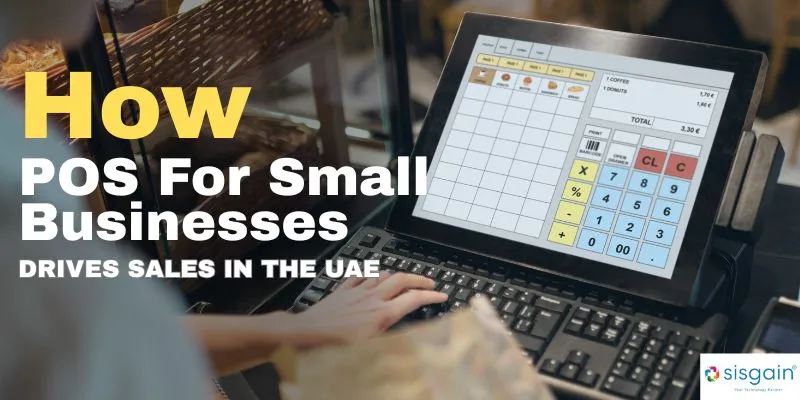
The United Arab Emirates (UAE) is a thriving hub for small businesses, from bustling cafes in Dubai to trendy salons in Abu Dhabi and food trucks dotting Sharjah’s streets. As these enterprises compete in a fast-paced market, efficiency and customer satisfaction are critical to success. However, many small business owners struggle with manual processes like cash tracking, inventory management, and slow billing, which hamper growth and profitability. Enter POS for small businesses—a transformative tool that streamlines operations, enhances customer experiences, and drives sales. A POS system for small business is not just a cash register; it’s a comprehensive solution that automates billing, tracks inventory, and provides actionable sales insights. By adopting POS solutions, UAE entrepreneurs can overcome operational bottlenecks and focus on scaling their ventures. For those exploring custom needs, POS Software Development offers tailored solutions to align with unique business models, ensuring seamless integration and maximum efficiency. Why Small Businesses in the UAE Need a POS System The UAE’s small and medium-sized enterprise (SME) sector is a cornerstone of its economy, contributing significantly to GDP and employment. Cafes, retail shops, salons, and food trucks are popping up across Dubai, Abu Dhabi, and beyond, fueled by entrepreneurial spirit and a growing consumer base. However, these businesses face challenges that can stifle growth: manual billing leads to long queues, inventory mismanagement causes stockouts, and lack of sales data hinders strategic planning. A POS system for small business addresses these pain points by automating critical operations. Unlike traditional cash registers, modern POS systems integrate billing, inventory, and analytics into one platform, enabling owners to save time, reduce errors, and make data-driven decisions. For example, a Dubai retail shop can use a POS to track daily sales and inventory in real-time, ensuring they never miss a sale due to stock shortages. The UAE’s push for digitization, coupled with its competitive market, makes adopting a POS system not just an option but a necessity for small businesses aiming to thrive.Also Read - How Can POS Saudi Arabia Help You Scale Faster? Key Features of POS Solutions for UAE Small Businesses POS solutions Dubai are designed to meet the unique needs of small businesses in the UAE’s dynamic retail and hospitality sectors. These systems go beyond basic transaction processing, offering a suite of features that streamline operations and enhance customer experiences. For cafes, retail shops, salons, and food trucks, the right POS system can be a game-changer, providing tools to manage daily tasks efficiently while ensuring compliance with local regulations. The best POS solutions Dubai are user-friendly, affordable, and scalable, making them ideal for startups and growing businesses alike. By integrating these features, business owners can focus on delivering exceptional service rather than getting bogged down by administrative tasks. Must-Have Features of POS Solutions in Dubai Selecting the right POS system requires understanding the features that drive efficiency and sales. First, fast and secure billing is essential, supporting multiple payment methods like cash, card, and mobile payments to cater to diverse customer preferences. Inventory management is another critical feature, allowing businesses to track stock levels in real-time, receive low-stock alerts, and avoid costly overstocking. Analytics and reporting provide insights into top-selling products, peak sales hours, and customer trends, empowering owners to optimize pricing and promotions. UAE VAT compliance is non-negotiable, with built-in tax calculations ensuring adherence to local regulations. Staff management tools, such as performance tracking and shift scheduling, help streamline team operations. For instance, a Dubai cafe using a POS system reduced billing time by 30%, allowing staff to serve more customers during peak hours. These features collectively make POS solutions Dubai indispensable for small businesses. How POS Systems Drive Sales in the UAE Point of Sale UAE systems are more than operational tools; they are powerful drivers of revenue and customer loyalty. By automating processes and providing actionable insights, POS systems enable small businesses to enhance efficiency, improve customer experiences, and make informed strategic decisions. In the UAE’s competitive market, where consumers expect speed and convenience, a Point of Sale UAE system can set a business apart. From reducing wait times to offering personalized promotions, these systems directly contribute to higher sales and repeat business, making them a vital investment for cafes, retail shops, and other small enterprises. Boosting Sales with Point of Sale UAE Systems A Point of Sale UAE system boosts sales through several mechanisms. Faster transactions reduce customer wait times, leading to higher satisfaction and more sales during peak hours. For example, a food truck in Abu Dhabi using a POS system cut checkout time by 25%, serving more customers daily. Upselling features allow businesses to suggest add-ons or promotions at checkout, increasing average order values. Customer loyalty programs integrated into the POS encourage repeat visits by offering rewards or discounts. Most importantly, sales analytics provide data on top products, busy hours, and customer preferences, enabling owners to tailor offerings and optimize operations. A UAE retail chain, for instance, used POS analytics to identify slow-moving inventory and adjust pricing, resulting in a 20% sales increase. These benefits make Point of Sale UAE systems essential for driving revenue. Choosing the Best POS System for Your UAE Business Selecting the right POS terminal is a critical decision for small business owners in the UAE. With numerous options available, from cloud-based systems to mobile terminals, entrepreneurs must evaluate factors like cost, ease of use, and scalability to find the best fit. A well-chosen POS terminal can streamline operations, reduce costs, and support business growth, making it a cornerstone of success for startups, cafes, and retail shops. By focusing on key criteria, business owners can invest in a system that meets their current needs and scales with their ambitions. How to Select the Right POS Terminal for Your Small Business Choosing a POS terminal involves assessing several factors. Cost is a primary concern for startups, and many providers offer affordable, cloud-based options with no upfront hardware costs. Ease of use is crucial, as intuitive interfaces minimize staff training time and reduce errors. Scalability ensures the system can handle growth, such as adding multiple locations for franchise operators. Local support is vital in the UAE, where businesses benefit from quick setup and responsive customer service. For hospitality businesses, specialized POS For Restaurant Software offers features like menu management and table tracking. A Dubai salon, for example, chose a scalable POS terminal that integrated with their booking system, reducing no-shows by 15%. By prioritizing these factors, business owners can select a POS terminal that drives efficiency and growth. Benefits for Specific UAE Business Types POS solutions Dubai are not one-size-fits-all; they can be tailored to meet the specific needs of various small businesses, from cafes to retail shops and salons. Each industry has unique operational challenges, and a well-designed POS system addresses these pain points with targeted features. By customizing POS solutions to their business type, UAE entrepreneurs can maximize efficiency, improve customer experiences, and boost sales, ensuring they stay competitive in a crowded market. Tailored POS Solutions for Cafes, Retail, Salons, and More Different businesses benefit from POS solutions Dubai in distinct ways. Cafes and restaurants use POS for restaurant software to manage menus, track tables, and process orders quickly, reducing wait times and improving service. Retail shops rely on barcode scanning and inventory sync to maintain accurate stock levels across locations, preventing lost sales. Salons leverage appointment scheduling and client history tracking to enhance customer retention. Food trucks and kiosks benefit from compact, mobile POS terminals that support on-the-go transactions. Grocery stores use fast checkouts and stock alerts to keep shelves stocked. For example, a Sharjah cafe implemented a POS system with menu management, increasing order accuracy by 20%. These tailored solutions ensure every business type maximizes its potential. Real-World Success Stories The impact of Point of Sale UAE systems is best illustrated through real-world examples. Across the UAE, small businesses are leveraging POS systems to overcome challenges, streamline operations, and drive sales. These success stories highlight the tangible benefits of adopting a POS system, from increased revenue to improved customer satisfaction, inspiring other entrepreneurs to follow suit. UAE Small Businesses Thriving with POS Systems Consider a Dubai salon that struggled with missed appointments and manual booking errors. By adopting a Point of Sale UAE system with integrated scheduling, they reduced no-shows by 15% and improved client retention. Similarly, an Abu Dhabi retail chain faced inventory discrepancies that led to lost sales. After implementing a POS system, they achieved 25% better inventory accuracy, boosting revenue by 10%. A Sharjah food truck also saw success, using a mobile POS terminal to process payments 30% faster, allowing them to serve more customers during busy festivals. These stories demonstrate how Point of Sale UAE systems deliver measurable results, helping businesses thrive in a competitive market. Overcoming Common POS Adoption Challenges While the benefits of POS for small businesses are clear, some owners hesitate due to concerns about cost, complexity, or staff resistance. Addressing these challenges is key to encouraging adoption and ensuring a smooth transition. By understanding and overcoming these barriers, UAE entrepreneurs can confidently invest in a POS system that transforms their operations. Addressing Concerns About POS for Small Businesses Cost is a common concern, but many POS for small businesses are affordable, with cloud-based options requiring no expensive hardware. For example, a Dubai kiosk adopted a subscription-based POS terminal for under AED 100/month, saving thousands in upfront costs. Complexity is another worry, but modern systems are designed for ease of use, with intuitive interfaces that staff can learn in hours. To address staff resistance, owners can provide demo videos and trial periods to build confidence. For businesses with unique needs, an IT Software Development Company can customize POS systems, ensuring seamless integration. By tackling these concerns, small businesses can embrace POS solutions with confidence. Conclusion In the UAE’s vibrant small business landscape, POS for small businesses is a powerful tool for driving sales and staying competitive. By automating billing, streamlining inventory, and providing actionable insights, POS systems empower cafes, retail shops, salons, and food trucks to operate efficiently and delight customers. Whether you’re a startup researching POS solutions Dubai or a franchise evaluating scalable Point of Sale UAE systems, the right POS terminal can transform your business. Take the first step by exploring local providers or consulting an IT software development company for custom solutions. With a POS system, UAE entrepreneurs can scale their ventures, boost revenue, and thrive in a dynamic market.

In the ever-evolving landscape of the hospitality industry, staying ahead means adopting technology that enhances speed, efficiency, and customer satisfaction. In Saudi Arabia, where the restaurant and hospitality sector is rapidly modernizing, the demand for robust point-of-sale systems is growing exponentially. This growth is not accidental. It is driven by the increasing need for intelligent, localized, and scalable technology solutions. That is where the role of point of sale Saudi Arabia or POS Saudi Arabia systems comes into play. These solutions are no longer optional; they are the backbone of hospitality operations that aim to grow, scale, and compete in an increasingly digitized world. With global trends influencing local consumer behavior, restaurants and hotels in Saudi Arabia are under pressure to deliver seamless service, manage resources efficiently, and expand without losing operational control. A reliable POS system does not just handle payments — it connects your front-of-house to your back-of-house, streamlines operations, and empowers data-driven decisions. This article explores how implementing a POS system in Saudi Arabia’s hospitality sector can be the cornerstone of scalable success. What Is A POS System and Why It Matters in Saudi Arabia A POS (Point of Sale) system is a digital platform that manages transactions, processes orders, and facilitates day-to-day business operations. For restaurants, cafes, hotels, and cloud kitchens, a POS system is more than a cash register — it's a centralized system that brings together sales, inventory, staff management, and customer engagement. In Saudi Arabia, where the Vision 2030 agenda is transforming industries through digitalization, POS systems have become a critical infrastructure for modern hospitality operations. The significance of POS Saudi Arabia solutions lies in their ability to cater to local market needs. These systems are often equipped with bilingual interfaces (Arabic and English), VAT-compliant billing modules, and cloud-based infrastructure to manage multi-branch operations. Moreover, with customers expecting fast service and digital experiences, POS systems allow businesses to offer mobile ordering, contactless payments, and real-time feedback integration. Choosing a Point of Sale system is no longer about convenience; it is a strategic decision that can determine the pace and success of your business growth in the Saudi market. How Point Of Sale Saudi Arabia Helps Hospitality Businesses Scale Scaling a hospitality business is not just about opening more branches or hiring more staff. It is about replicating quality, consistency, and efficiency across multiple locations while maintaining profitability. Here’s how POS Saudi Arabia plays a pivotal role in helping businesses grow without growing pains. Automating Daily Operations Manual processes are time-consuming, error-prone, and difficult to track. A modern POS system eliminates the need for paper-based billing, handwritten orders, or manual inventory counts. Orders placed by waitstaff are instantly relayed to the kitchen, invoices are generated in real-time, and stock levels are automatically updated. Automation frees up your staff to focus on customer service rather than administrative tasks. The automation capabilities of Point of Sale Saudi Arabia solutions extend to customer loyalty programs, promotions, and discount campaigns. With the click of a button, you can launch a new offer across all your branches, track redemption, and measure performance. This level of control and agility is essential for businesses looking to scale without losing operational grip. Real-Time Analytics and Smart Decision Making One of the most underutilized features of a POS system is its ability to generate real-time data insights. From daily sales to best-selling items and staff performance, everything is tracked and visualized through easy-to-understand dashboards. This kind of data is gold for hospitality business owners. In Saudi Arabia, where consumer behavior is rapidly shifting towards digital-first experiences, understanding what your customers want in real-time allows you to make proactive decisions. Whether it’s adjusting menu items, optimizing inventory, or scheduling staff during peak hours, POS analytics give you the clarity and confidence to act fast and smart. These decisions, backed by data rather than assumptions, pave the way for more sustainable and scalable growth. Multi-Branch and Cloud Management for Chain Expansion One of the main challenges in expanding a hospitality business across Saudi Arabia is maintaining consistency across branches. A cloud-based POS system solves this problem by allowing centralized control. Whether you are operating in Riyadh, Jeddah, Dammam, or Mecca, a single dashboard gives you visibility into all your outlets. Inventory levels, staff performance, daily sales, and customer feedback can be monitored remotely. This enables faster decision-making, quicker troubleshooting, and seamless coordination across branches. In an industry where delays mean lost revenue, having a cloud-enabled POS system ensures that your business operates like a well-oiled machine, regardless of how many branches you add. Seamless Staff and Shift Management As your hospitality business grows, managing a larger team becomes inevitable. POS Saudi Arabia systems come with integrated employee management tools that help you monitor attendance, schedule shifts, assign tasks, and evaluate staff performance. Each employee can have role-based access, ensuring accountability and reducing operational risks. In addition, employee training becomes easier when all branches use the same POS interface. New hires can be onboarded faster, and performance metrics can be benchmarked across the organization. This standardization is key when you want to expand without compromising on service quality. The Role of Kitchen Management System in Hospitality Scaling A scalable restaurant or hotel operation cannot function efficiently if its back-of-house operations are disjointed. This is where a kitchen management system plays a critical role. Whether you are managing a single outlet or a franchise chain, integrating kitchen management system software with your POS is crucial for smooth and synchronized workflows. A kitchen management system ensures that every order placed through the POS is instantly communicated to the kitchen via a digital interface. This eliminates the risk of missed or incorrect orders. Each order is categorized by priority, preparation time, and kitchen station, ensuring that chefs can manage their workload effectively. Furthermore, kitchen systems reduce wait times, improve food quality, and enhance communication between front-of-house and back-of-house teams. In a country like Saudi Arabia where customer expectations are rising, having a seamless kitchen operation is not just a luxury but a necessity. When integrated with your POS Saudi Arabia solution, a kitchen management system forms the core of a scalable hospitality ecosystem. Read More - Restaurant POS Software: The Complete Guide for Modern Restaurants Key Benefits of Implementing POS in Saudi Arabia’s Hospitality Sector Implementing a POS system tailored for Saudi Arabia’s hospitality sector brings a wide range of benefits that go beyond transactional efficiency. These systems act as growth enablers that allow businesses to focus more on strategy and less on operations. One of the major benefits is cost control. By automating inventory tracking and integrating supplier management, POS systems help reduce waste, prevent theft, and forecast purchase needs accurately. They also support dynamic pricing, allowing you to adjust menu prices based on demand, time of day, or special events. Another critical advantage is improved customer satisfaction. Features like quick billing, multiple payment options, digital receipts, and loyalty programs ensure that customers leave with a positive impression. These systems also enable feedback collection, which can be used to enhance service delivery and tailor offerings to local tastes. POS systems also simplify compliance. With VAT regulations in Saudi Arabia, a POS system that generates compliant invoices and tax reports is essential. This not only saves time but also reduces legal risks. Overall, implementing a POS Saudi Arabia system positions your business for long-term growth and adaptability. Common Mistakes to Avoid When Setting Up POS Saudi Arabia While the benefits of a POS system are immense, improper setup can hinder rather than help your growth. One of the most common mistakes businesses make is choosing a hardware-heavy POS solution that lacks flexibility. In a market as dynamic as Saudi Arabia, a cloud-based system that can be updated remotely and accessed from any device is a far better choice. Another frequent oversight is ignoring integration. A POS system that doesn’t connect with your kitchen, inventory, or online ordering platforms will create silos and inefficiencies. Before choosing a solution, ensure it supports full integration with your existing tools. Businesses also make the mistake of not considering bilingual support. Given the multicultural workforce and diverse customer base in Saudi Arabia, a POS system that supports both Arabic and English is essential for smooth operations. Lastly, many businesses skip staff training and onboarding. Even the most advanced POS system will fail if your team doesn’t know how to use it. Choose a vendor that offers comprehensive onboarding and local support. Choosing the Right POS Software for Your Restaurant or Hotel With so many options in the market, choosing the right POS software can be overwhelming. The ideal system should align with your business goals, support your operational model, and scale with you. It should also be tailored to the unique needs of the Saudi hospitality sector. Start by defining your business requirements. Do you need multi-branch support? Is integration with delivery platforms important? Are you looking for built-in CRM and loyalty tools? Once you’ve identified your needs, look for a POS provider that offers customized solutions, not just off-the-shelf software. Ensure that the provider has experience in POS software development specifically for hospitality. This ensures that the features you receive are purpose-built, not generic. Also, ask about updates, data security, and support availability. A strong POS partner will offer proactive upgrades, 24/7 assistance, and training modules. If you're currently using a legacy system, consider transitioning in phases. Start with one branch, test the system thoroughly, and then roll it out across your locations. This minimizes disruptions and ensures a smoother adoption curve. Future Trends: Where Is POS Saudi Arabia Headed? The future of POS in Saudi Arabia is deeply tied to advancements in cloud technology, artificial intelligence, and customer experience innovations. One emerging trend is AI-driven analytics that can predict customer preferences, suggest menu changes, and personalize promotions. This data-driven approach is poised to redefine how hospitality businesses operate. Voice-enabled POS systems and contactless ordering are also gaining popularity, especially in fast-paced environments. Customers can place orders via voice commands or QR codes, reducing wait times and improving service efficiency. Integration with delivery platforms is another crucial development. As food delivery continues to grow in Saudi Arabia, POS systems that can sync with apps like HungerStation, Jahez, and Mrsool will dominate the market. This allows for centralized order management and real-time tracking. Additionally, POS systems are evolving to include self-service kiosks, digital menus, and mobile payment gateways. These enhancements are designed to meet the tech-savvy expectations of modern Saudi consumers while improving operational scalability for businesses. Conclusion In the highly competitive and fast-evolving hospitality sector of Saudi Arabia, the right technology can make all the difference. A modern, cloud-based restaurant management system integrated with POS and kitchen operations offers the agility and control you need to grow. By embracing a POS Saudi Arabia solution tailored to your business needs, you position your brand for operational excellence, enhanced customer satisfaction, and long-term success. If you're serious about scaling your hospitality business in Saudi Arabia, now is the time to invest in intelligent, locally-optimized solutions. Explore our customizable Restaurant Software to find out how we can support your growth. Interested in building your own system? Contact us today to learn more about our expert POS software engineering services for the Saudi hospitality market.Book A Free Demo
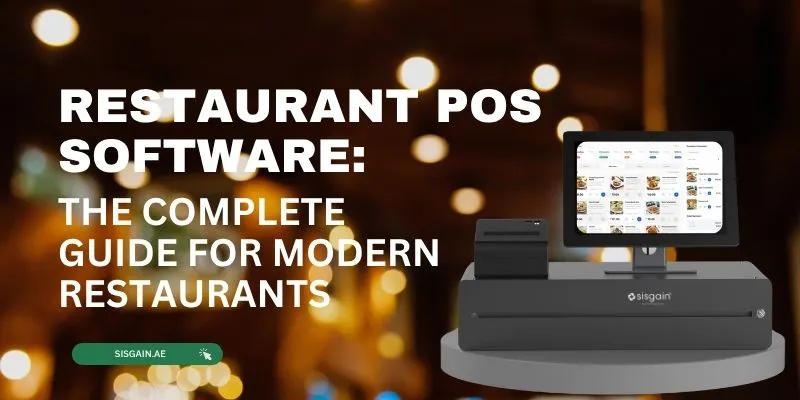
What if the secret to running a wildly efficient restaurant in the UAE isn’t more staff or faster service but the technology working quietly behind the counter?” In the dynamic world of UAE food services, where customer expectations for speed and personalization are at an all-time high, implementing the right restaurant POS isn't just an upgrade, it's a strategic imperative. Modern POS software goes beyond basic transaction handling, evolving into integrated solutions like custom POS software development that tailors operations to unique business needs. Whether you're managing a bustling café or a high-end diner, a well-designed system streamlines everything from order intake to backend logistics. This Restaurant POS Software Guide dives deep into how POS transforms daily workflows, with a spotlight on custom POS software development, kitchen management system software, and online point of sale capabilities. We'll cover essential features, system types, selection criteria, and real-world benefits, helping small and medium-sized establishments in the UAE avoid common pitfalls and drive growth. Core Functions of POS in Restaurants At its heart, POS in restaurants acts as the nerve center, coordinating front-of-house interactions with back-of-house precision. Through custom POS software development, businesses can craft systems that adapt to specific workflows, such as multi-language support for diverse UAE clientele or seamless integration with local delivery platforms. Key operational pillars include: Order Synchronization: Effortlessly handle dine-in, takeout, and online point of sale requests, routing them instantly to prep stations for minimal delays. Secure Transactions: Process diverse payments via cards, mobile wallets, or contactless methods, with built-in split-billing and digital receipt generation. Stock Oversight: Real-time tracking of ingredients and supplies, powered by kitchen management system software to prevent shortages and automate reorders. Team Coordination: Log shifts, assign tasks, and evaluate performance, ensuring accountability without micromanagement. Patron Engagement: Capture preferences and order histories to fuel targeted promotions, fostering repeat visits in a competitive market. By leveraging cloud infrastructure—much like our recommended Cloud-Based Restaurant Operating System—owners gain remote visibility, turning data into actionable strategies for enhanced profitability. Exploring System Architectures for Online Point of Sale Restaurant POS in restaurants comes in various flavors, each suited to different scales and needs. Understanding these helps in opting for custom POS software development that aligns with your vision, rather than off-the-shelf compromises. Traditional On-Premise Systems These rely on local servers for data storage, offering independence from internet fluctuations. However, they demand significant hardware investments and manual upkeep, which can stifle agility for growing UAE food ventures. Aspect Pros Cons Data Handling Full offline functionality Vulnerable to on-site failures without robust backups Cost One-time hardware purchase High maintenance and scalability hurdles Suitability Low-tech, single-location setups Less ideal for online point of sale expansion Cloud-Driven Solutions The gold standard for modern operations, these store data remotely for ubiquitous access. Ideal for custom POS software development, they enable rapid iterations and integrations, such as with kitchen management system software for automated recipe scaling. Aspect Pros Cons Accessibility Device-agnostic login for real-time monitoring Requires reliable connectivity Scalability Effortless multi-site support Subscription-based ongoing fees Innovation Auto-updates and API flexibility Data privacy hinges on provider security Over 75% of UAE's emerging eateries now adopt cloud models for their adaptability, per recent industry reports. Integrated Hybrid Models Blending local resilience with cloud synergy, hybrids ensure continuity during outages while syncing data post-recovery. They're a smart pick for POS in restaurants with variable connectivity, though initial customization via custom POS software development adds to setup time. Aspect Pros Cons Reliability Offline processing with cloud backup Dual-system complexity Flexibility Balances speed and security Moderate upfront costs Growth Potential Supports online point of sale surges Learning curve for staff Selecting the Ideal POS in Restaurants: A Step-by-Step Approach Choosing online point of sale restaurant demands balancing usability, future-proofing, and localization. Prioritize custom POS software development to embed UAE-specific elements like VAT compliance and Arabic interfaces, avoiding generic tools that fall short. Essential Evaluation Criteria: Intuitiveness: Interfaces that minimize training—crucial for high-turnover UAE food teams. Ecosystem Fit: Compatibility with existing hardware and third-party apps, including delivery aggregators. Support Ecosystem: Round-the-clock assistance tailored to regional hours and languages. Value Breakdown: Weigh setup fees against transaction savings and add-ons like kitchen management system software. Standout Enhancements: Online Point of Sale Modules: Embed web/app ordering with real-time inventory sync. Loyalty Engines: Reward systems that personalize offers based on visit patterns. Seating Optimization: Digital floor plans for efficient table turns. Kitchen Display Integration: Kitchen management system software that displays orders chronologically, slashing errors by up to 30%. Seamless Connections: Link to accounting, HR, and ride-hailing services for holistic control. Resilient Operations: Offline queuing with auto-reconciliation. For POS for small businesses, focus on modular designs that scale without overhauls. Why Invest in Custom POS Software Development? Transitioning to advanced POS in restaurants yields measurable gains, especially through bespoke custom POS software development. Tailored solutions address pain points like peak-hour bottlenecks or ingredient variability, outperforming rigid alternatives. Proven Advantages: Accelerated Throughput: Online point of sale and display tech shave minutes off order cycles. Tailored Interactions: Data-driven personalization boosts retention in loyalty-driven markets. Waste Reduction: Kitchen management system software optimizes portions and forecasts demand. Expansion-Ready: Modular architecture supports new outlets or menus seamlessly. Fortified Protection: End-to-end encryption and role-based access safeguard against breaches. Insightful Dashboards: Uncover sales patterns, labor efficiencies, and menu tweaks. In UAE contexts, these upgrades align with restaurant POS software standards, enhancing compliance and appeal. Leveraging Analytics in Kitchen Management System Software Kitchen management system software embedded in POS turns raw data into strategic edges. Track metrics like order velocity or waste ratios to refine processes. Metric Application Impact Revenue Peaks Staff rostering tweaks Up to 20% labor savings Menu Hits Pricing or promo adjustments 10-15% margin uplift Patron Patterns Targeted outreach Higher revisit rates Supply Flux Auto-replenishment Cut overstock by 25% Channel Breakdown Balance dine-in vs. delivery Diversified revenue streams Studies indicate such analytics can elevate operational margins by 12-18% through precise forecasting. Tailored Use Cases: Online Point of Sale Restaurants Across UAE Food Niches POS in restaurants adapts to diverse formats, amplified by custom POS software development: Venue Type Core Challenges Recommended POS in Restaurants Tools Upscale Eateries (e.g., Dubai Fine Dining) Guest customization, reservation sync Mobile tablets, advanced CRM Casual Lounges (e.g., Abu Dhabi Shisha Spots) Time-tracked sessions, layout mapping Floor diagramming, bilingual billing Fast-Casual Chains Volume handling, rapid prep Kitchen management system software, quick-scan payments Specialty Outlets (e.g., Bakeries) Perishable tracking, promo blasts Alert systems, SMS loyalty Mobile Units (e.g., Food Trucks) Portability, spotty signals Compact hardware, offline online point of sale Virtual Kitchens Brand juggling, aggregator ties Multi-profile dashboards, API integrations Ensuring Security and Regulatory Fit Robust POS in restaurants prioritizes PCI DSS adherence, with custom POS software development incorporating UAE data laws. Vital Safeguards: Data Shielding: SSL encryption for all transmissions. Proactive Patching: Automated vulnerability fixes. Permission Layers: Granular user controls. Team Drills: Phishing awareness and protocol training. Redundancy Plans: Scheduled offsite backups. UAE-Specific Must-Haves: FTA-aligned invoicing. Dual-language outputs. Local platform hooks (e.g., Talabat). Resilient multi-site handling. Implementation Checklist for UAE-Compliant POS: Feature UAE Relevance VAT-Ready Receipts Essential for audits Bi-Lingual UI Serves expat/local mix Delivery Sync Boosts online point of sale Adaptive Pricing Handles dine-in/delivery variances Localized Printing Arabic script support Network Resilience Offline + cloud failover Regional Aid UAE-hour support In-Depth Analysis: Elevating POS in Restaurants Through Strategic Customization This extended exploration builds on the foundational guide above, offering a granular lens into online point of sale restaurants as a cornerstone of UAE's vibrant UAE food landscape. Drawing from 25 years in IT, where I've witnessed POS evolution from clunky terminals to AI-infused ecosystems, the shift toward custom POS software development represents not mere tech adoption but a holistic reinvention of hospitality operations. In regions like the UAE, where tourism fuels 12% of GDP and digital natives demand frictionless experiences, generic systems falter—custom builds thrive. Historical Context and Market Dynamics The POS trajectory in restaurants mirrors broader IT trends: from 1990s standalone registers to today's interconnected hubs. In the UAE, post-2018 VAT rollout accelerated this, mandating systems that handle 5% levies flawlessly. Yet, cannibalization risks—where blogs and service pages vie for the same SEO real estate—underscore the need for thematic differentiation. Here, we pivot to POS in restaurants as an enabler of bespoke innovation, sidestepping overlap with core service overviews by emphasizing developmental and niche applications like kitchen management system software. Market data reinforces urgency: UAE F&B outlets grew 8% YoY in 2024, per Dubai Chamber reports, with 65% citing tech gaps as growth barriers. Online point of sale adoption surged 40% amid post-pandemic habits, per Statista, making hybrid models indispensable. Deep Dive into Custom POS Software Development Custom POS software development isn't plug-and-play; it's iterative engineering. Start with needs assessment—e.g., a Dubai café requiring QR-code self-ordering versus an Abu Dhabi lounge needing shisha timer integrations. Development phases include: Discovery: Map workflows via stakeholder interviews, identifying pain points like manual inventory logs. Prototyping: Agile sprints yield MVPs, testing online point of sale flows on emulators. Integration: Fuse with ERPs, IoT sensors for fridge monitoring, or kitchen management system software for recipe auto-adjustments based on yield data. Deployment & Iteration: Phased rollouts with A/B testing, ensuring <2% error rates. Costs? Entry-level customs run AED 50,000-150,000, ROI via 25% efficiency gains within six months. Unlike commoditized options, customs scale infinitely, supporting AI add-ons like predictive ordering. The Role of Kitchen Management System Software in Operational Symphony Often overshadowed, kitchen management system software is the unsung hero of POS in restaurants. It decouples front-end chaos from back-end precision, using algorithms to sequence tickets by prep time (e.g., salads before steaks). Features like allergen flagging or waste heatmaps directly tie to sustainability goals, aligning with UAE's green initiatives. Case in point: A Sharjah cloud kitchen using integrated software reduced prep delays by 35%, per internal benchmarks. For pos for small businesses, modular versions start at AED 2,000/month, including analytics for portion optimization—vital when margins hover at 5-7%. Software Component Functionality UAE-Specific Adaptation Order Routing Prioritizes by urgency Integrates with iftar rush timers Recipe Database Scales for batch cooking Halal certification trackers Waste Analytics Flags expiries Ties to local supplier APIs Staff Alerts Pings for restocks SMS in Arabic/English Navigating Online Point of Sale in a Delivery-Dominated Era Online point of sale redefines accessibility, bridging virtual and physical realms. In UAE, where 70% of orders are app-based (Noon Food insights), seamless portals with geo-fencing cut no-shows by 18%. Development focuses on responsive UIs, webhook-driven updates, and fraud detection via ML. Challenges? Latency in high-traffic hours—mitigated by edge computing. For hybrids, pair with Cloud-Based Restaurant System for sub-second syncs. Comparative Ecosystem: POS Variants in Action To contextualize, consider this expanded matrix: System Type Development Complexity Ideal for UAE Case Study On-Premise Low (hardware-focused) Legacy chains Traditional souk eateries; offline resilience during sandstorms Cloud Medium (API-heavy) Scaling mid-tiers JLT cafés; remote menu tweaks for tourist seasons Hybrid High (dual-sync logic) Delivery hybrids Deira food courts; balances Talabat spikes with in-house surges Custom-Infused Variable (bespoke) Niche innovators Palm Jumeirah pop-ups; custom POS software development for VIP zoning Analytics as the Intelligence Layer Beyond basics, online point of sale restaurant analytics via kitchen management system software employs cohort analysis for retention (e.g., 30-day revisit rates) and geospatial heatmaps for delivery zoning. Tools like Power BI integrations reveal nuances: A 2025 UAE study (Hospitality Insights) linked such dashboards to 16% revenue lifts through dynamic pricing. Advanced Metrics Table: Category KPI Examples Optimization Strategy Operational Ticket time, error rate Automate rerouting in kitchen management system software Financial Basket value, void percentage A/B test online point of sale upsells Customer NPS, churn rate Segment via order history for personalized pushes Supply Yield efficiency, variance Predictive reorders tied to weather APIs Compliance VAT accuracy, audit trails Auto-generate FTA reports Security: Fortifying the Digital Perimeter In an era of rising cyber threats—UAE saw 22% hike in 2024 (TRA data)—custom POS software development embeds zero-trust models. Beyond encryption, incorporate blockchain for tamper-proof ledgers or biometric logins. Compliance extends to GDPR analogs via UAE's PDPL, mandating consent logs. Training regimens? Gamified modules yield 90% adherence, per ITIL frameworks I've implemented enterprise-wide. Future-Proofing: Emerging Trends in POS in Restaurants Looking ahead, edge AI will preempt stockouts, while AR previews enhance online point of sale. For UAE, blockchain-VAT trails loom large. Businesses ignoring custom POS software development risk obsolescence; those embracing it, like our clients at SISGAIN, report 28% YoY growth. In summary, this Restaurant POS Software Guide positions POS in restaurants as a customizable powerhouse, distinct from generic implementations. For tailored paths, explore restaurant POS software options or contact us for a bespoke audit. Ready to customize? 📞 +971 56-848-5757 | 🌐 Demo Booking























































































Smoothly transition your vision into reality by setting clear goals, taking actionable steps, and staying adaptable—turning ideas into tangible outcomes with persistence and a focused approach.


Book a Free Consultation Call with Our Experts Today
Project quotes, partnerships, implementation
Open roles, referrals, campus hiring
