For Business & Service Inquiries
Sales Team
Project quotes, partnerships, implementation
Don't see your industry? We serve every sector - let us know your needs and we'll tailor a solution.

Introduction The healthcare sector in the UAE is undergoing a rapid digital transformation, driven by the nation’s ambition to become a global leader in smart healthcare. With initiatives aligned to futuristic national visions and heavy investments in advanced technologies, hospitals across Dubai and the wider UAE are rethinking how care is delivered, managed, and optimized. At the same time, the global rise of artificial intelligence in healthcare is reshaping clinical decision-making, operational workflows, and patient engagement at an unprecedented pace. Traditional hospital systems—often fragmented and heavily dependent on manual processes—are no longer sufficient to meet the expectations of today’s digitally aware patients. Issues such as data silos, inefficient workflows, delayed diagnoses, and lack of real-time insights continue to challenge healthcare providers. Patients now demand faster services, personalized care, and seamless digital experiences across every touchpoint. To overcome these challenges, UAE hospitals are shifting toward integrated, intelligent ecosystems powered by AI and advanced Hospital Management Systems (HMS). These platforms enable automation, data centralization, and predictive capabilities that transform both clinical and administrative operations. This is why UAE hospitals are rapidly adopting AI-powered HMS platforms. What Is AI-Powered Hospital Management System (HMS)? A Hospital Management System (HMS) is a centralized digital platform designed to manage the day-to-day operations of a hospital. It helps streamline key functions such as patient registration, appointment scheduling, billing, medical records, inventory, and staff management—all within a single system. In simple terms, HMS replaces manual paperwork and disconnected tools with a unified, efficient solution that improves hospital workflows. When artificial intelligence is integrated into HMS, it transforms from a basic management tool into an intelligent decision-making system. AI-powered HMS can automate repetitive administrative tasks, analyze large volumes of patient data, and provide predictive insights that help doctors and hospital administrators make faster and more accurate decisions. For example, AI can assist in predicting patient admission rates, identifying potential health risks, and optimizing staff allocation based on real-time demand. A key advancement in this space is the growing role of Generative AI in hospitals, which enhances capabilities such as automated medical documentation, virtual assistants for patient interaction, and intelligent report generation—reducing the burden on healthcare professionals while improving efficiency. The difference between traditional HMS and AI-powered HMS is significant. Traditional systems mainly focus on data storage and basic process automation, often operating in silos. In contrast, AI-powered HMS offers real-time data processing, predictive analytics, and intelligent automation, enabling hospitals to move from reactive care to proactive, patient-centric healthcare delivery. Why UAE Healthcare Sector Is Leading AI Adoption The UAE healthcare sector is at the forefront of AI adoption, driven by strong government vision, strategic investments, and a commitment to innovation. National initiatives such as UAE Vision 2030 and smart city programs in Dubai and Abu Dhabi are accelerating the integration of advanced technologies across industries, with healthcare being a top priority. Regulatory authorities like the Dubai Health Authority (DHA) and the Ministry of Health and Prevention (MOHAP) are actively promoting digital health transformation through policies, standards, and funding initiatives. These organizations are encouraging hospitals to adopt AI-driven solutions, electronic medical records, and integrated healthcare platforms to improve patient outcomes and operational efficiency. Another key factor is the rapidly increasing demand for high-quality healthcare services. With a growing population, rising medical tourism, and higher patient expectations, hospitals are under pressure to deliver faster, more accurate, and personalized care. Traditional systems are no longer sufficient to handle this scale and complexity. Additionally, the rise of private hospitals and healthcare providers in the UAE has intensified competition. To stay ahead, healthcare organizations are investing in AI-powered technologies and advanced HMS platforms that offer better patient experiences, improved efficiency, and data-driven insights. This combination of government support, market demand, and competitive pressure positions the UAE as a global leader in AI-driven healthcare innovation, making it a prime market for intelligent hospital ecosystems. Top Reasons UAE Hospitals Are Investing in AI + HMS 1. Enhancing Patient Care with AI One of the most significant drivers behind AI adoption in UAE hospitals is the ability to deliver superior patient care. AI-powered HMS platforms enable faster and more accurate diagnoses by analyzing vast amounts of medical data in seconds—something that would take human teams considerably longer. This not only reduces waiting times but also improves clinical outcomes. AI also supports personalized treatment plans by evaluating patient history, lifestyle data, and genetic factors. Instead of a one-size-fits-all approach, doctors can offer tailored care that aligns with each patient’s specific needs. Additionally, predictive healthcare is becoming a game-changer. AI systems can identify potential health risks before they become critical, allowing for early intervention and preventive care—an essential factor in improving long-term patient outcomes. 2. Automation of Hospital Operations Operational efficiency is another major reason UAE hospitals are investing in AI-powered HMS solutions. Hospitals deal with complex administrative tasks daily, from billing and scheduling to inventory and staff coordination. AI helps automate these repetitive processes, significantly reducing manual workload and human error. Billing automation ensures accurate and faster processing of patient invoices, minimizing disputes and delays. Appointment scheduling systems powered by AI can optimize doctor availability, reduce patient wait times, and manage cancellations efficiently. Inventory management becomes more intelligent, with systems tracking stock levels in real time and predicting future requirements to avoid shortages or overstocking. These capabilities are often delivered through advanced hospital management software services, which provide end-to-end solutions tailored to the operational needs of modern healthcare facilities. 3. Data-Driven Decision Making In today’s data-driven world, hospitals can no longer rely solely on intuition or outdated reports. AI-powered HMS platforms provide real-time dashboards and analytics that give hospital administrators complete visibility into operations. From patient flow and bed occupancy rates to financial performance and staff productivity, every critical metric is accessible in real time. This allows decision-makers to identify inefficiencies, optimize resources, and respond quickly to changing conditions. Advanced analytics also help in forecasting trends, such as patient admission rates or seasonal disease outbreaks, enabling better planning and preparedness. 4. Regulatory Compliance & Data Security Healthcare in the UAE is governed by strict regulations to ensure patient safety and data privacy. Compliance with standards set by authorities such as DHA and MOHAP is non-negotiable for hospitals operating in the region. AI-powered HMS platforms are designed with compliance in mind, ensuring that all patient data is securely stored, managed, and accessed according to regulatory requirements. Features such as role-based access control, data encryption, and audit trails help protect sensitive information from breaches. By automating compliance processes and maintaining accurate records, hospitals can reduce the risk of penalties while building trust with patients and stakeholders. 5. Cost Optimization & ROI While the initial investment in AI and HMS platforms may seem significant, the long-term return on investment is substantial. By reducing manual workload, minimizing errors, and improving operational efficiency, hospitals can significantly cut down on operational costs. AI-driven automation reduces the need for excessive administrative staff, while optimized workflows ensure better utilization of resources. Faster patient processing and improved service quality also contribute to higher patient satisfaction and increased revenue. When evaluating implementation, many organizations consider factors such as AI development cost, but the focus is increasingly shifting toward the long-term value these technologies deliver. In a competitive healthcare landscape like the UAE, investing in AI-powered HMS is no longer an expense—it’s a strategic advantage. Building Smart Healthcare Ecosystems with AI + HMS The concept of a “smart healthcare ecosystem” goes beyond individual hospital operations. It represents a fully connected network where all components of the healthcare system work together seamlessly to deliver efficient, patient-centric care. AI-powered HMS platforms act as the backbone of this ecosystem by integrating multiple entities, including hospitals, diagnostic labs, pharmacies, telemedicine platforms, and wearable devices. Instead of operating in isolation, these components are interconnected, enabling continuous data exchange and collaboration. For example, when a patient visits a hospital, their medical records can instantly be shared with diagnostic labs for testing, pharmacies for medication, and even remote doctors through telemedicine platforms. Wearable devices further enhance this ecosystem by providing real-time health data such as heart rate, activity levels, and vital signs, which can be monitored continuously. The integration of Cross-Platform Health Apps plays a crucial role in this transformation. These applications ensure that patients and healthcare providers can access critical information anytime, anywhere—whether through mobile devices, tablets, or desktops—creating a seamless digital experience. One of the most powerful aspects of a smart healthcare ecosystem is real-time data sharing. This eliminates delays, reduces duplication of tests, and ensures that every stakeholder has access to accurate and up-to-date information. As a result, the entire patient journey—from diagnosis to treatment and follow-up—becomes more connected, efficient, and personalized. In the UAE, where innovation and digital transformation are key priorities, building such ecosystems is becoming essential for hospitals aiming to deliver world-class healthcare services. Key Benefits of AI + HMS for UAE Hospitals The adoption of AI-powered HMS platforms offers a wide range of benefits for hospitals in the UAE, directly impacting both operational efficiency and patient satisfaction. One of the most noticeable advantages is improved patient experience. With faster diagnosis, reduced waiting times, and personalized treatment plans, patients receive a higher standard of care. Digital tools such as online appointment booking, automated updates, and virtual consultations further enhance convenience and accessibility. Operational speed is another critical benefit. Automated workflows and real-time data access enable hospitals to handle more patients efficiently without compromising quality. Tasks that once took hours can now be completed in minutes, allowing healthcare professionals to focus more on patient care rather than administrative duties. AI also plays a vital role in reducing errors. From accurate billing to precise diagnostics, automation minimizes the risk of human mistakes, ensuring better outcomes and improved trust in healthcare services. Scalability is equally important, especially in a rapidly growing healthcare market like the UAE. AI-powered HMS platforms can easily adapt to increasing patient volumes, new facilities, and evolving requirements without disrupting existing operations. These advantages are often delivered through advanced healthcare software services, which combine cutting-edge technology with industry expertise to create solutions tailored for modern healthcare challenges. In a competitive and innovation-driven environment, adopting AI + HMS is not just about keeping up—it’s about leading the future of healthcare. Real-World Use Cases of AI in UAE Hospitals AI is no longer a futuristic concept in the UAE—it is already transforming how hospitals operate and deliver care. One of the most impactful applications is AI-based diagnostics. Advanced algorithms can analyze medical images, lab results, and patient history to assist doctors in identifying diseases such as cancer, cardiovascular conditions, and neurological disorders with higher accuracy and speed. Smart ICUs are another powerful example. These units use AI to continuously monitor patient vitals, detect anomalies in real time, and alert medical staff before conditions become critical. This proactive approach significantly improves patient survival rates and reduces the burden on healthcare professionals. Virtual assistants are also gaining traction in UAE hospitals. These AI-powered tools handle patient queries, assist with appointment bookings, and provide medication reminders, ensuring a seamless patient experience. They also reduce administrative workload, allowing staff to focus on more critical tasks. Telemedicine platforms, powered by AI, are enabling remote consultations, diagnosis, and follow-ups—especially beneficial for patients in remote areas or those seeking convenience. The growing role of Generative AI in hospitals is further enhancing these use cases by enabling automated clinical documentation, intelligent chatbots, and real-time report generation, making healthcare delivery faster and more efficient. Challenges UAE Hospitals Face in AI + HMS Adoption Despite the numerous benefits, the adoption of AI-powered HMS platforms in UAE hospitals is not without challenges. One of the primary barriers is the high initial investment required for implementation. Advanced AI systems, infrastructure upgrades, and integration processes can involve significant upfront costs, which may deter smaller healthcare providers. Another critical challenge is staff training. Transitioning from traditional systems to AI-driven platforms requires healthcare professionals to adapt to new technologies. Without proper training and change management strategies, adoption can face resistance and inefficiencies. Data privacy and security concerns also play a major role. With sensitive patient information being processed and stored digitally, hospitals must ensure compliance with strict UAE healthcare regulations. Any breach or mishandling of data can lead to serious legal and reputational consequences. Additionally, integration complexity is a common issue. Many hospitals operate on legacy systems that are not easily compatible with modern AI solutions. Ensuring seamless integration without disrupting existing workflows requires careful planning and technical expertise. Addressing these challenges is essential for successful implementation and long-term sustainability, reinforcing the importance of choosing the right technology approach and partner. Future of AI + HMS in UAE Healthcare The future of healthcare in the UAE is set to be defined by intelligent, interconnected, and highly automated systems powered by AI and advanced HMS platforms. One of the most promising developments is the rise of predictive healthcare systems. These systems will use real-time data and advanced analytics to anticipate diseases, recommend preventive measures, and enable early intervention—shifting the focus from treatment to prevention. AI-powered robotic surgeries are also expected to become more widespread. These systems enhance precision, reduce recovery times, and minimize risks during complex procedures, setting new standards for surgical care in the region. Fully automated hospitals are no longer a distant vision. From patient registration and diagnostics to treatment and discharge, every step of the healthcare journey will be managed through intelligent systems with minimal human intervention. This will significantly improve efficiency, accuracy, and patient satisfaction. The UAE is also witnessing rapid growth in digital health startups, driving innovation in areas such as telemedicine, wearable health tech, and AI-driven diagnostics. These startups are contributing to a dynamic ecosystem that supports continuous advancement in healthcare technology. As the UAE continues to invest in smart infrastructure and digital transformation, AI-powered HMS platforms will play a central role in shaping a future where healthcare is more proactive, personalized, and accessible. Why Choosing the Right Technology Partner Matters Implementing AI-powered HMS is a complex process that goes beyond just adopting new software—it requires strategic planning, customization, and ongoing support. This is why choosing the right technology partner is critical for success. Every hospital has unique operational requirements, patient volumes, and service offerings. A reliable partner ensures that the solution is fully customized to meet these specific needs rather than offering a one-size-fits-all approach. Customization enables better alignment with workflows, resulting in higher efficiency and user adoption. Scalability is another key factor. As hospitals grow and expand their services, the technology must be able to adapt without requiring complete system overhauls. A strong technology partner builds solutions that can scale seamlessly with the organization’s future needs. Compliance with UAE healthcare laws and regulations is equally important. From data protection to system interoperability, the chosen solution must adhere to all legal requirements. Working with an experienced software development company in uae ensures that the platform is designed with local compliance standards in mind, reducing risks and ensuring smooth operations. Ultimately, the right partner not only delivers technology but also provides long-term value through innovation, support, and continuous improvement. Why SISGAIN Is the Ideal Partner for AI + HMS Solutions When it comes to building advanced AI-powered HMS platforms, SISGAIN stands out as a trusted technology partner with deep expertise in healthcare software development. With a strong understanding of the UAE healthcare landscape, SISGAIN delivers solutions that are not only innovative but also aligned with local regulatory requirements. SISGAIN specializes in integrating AI capabilities into hospital systems, enabling automation, predictive analytics, and intelligent decision-making. Their custom HMS solutions are designed to meet the specific needs of hospitals, clinics, and healthcare enterprises, ensuring seamless operations and enhanced patient care. With a focus on scalability and performance, SISGAIN ensures that its solutions grow alongside your organization. Whether it’s integrating telemedicine, enabling real-time data access, or optimizing hospital workflows, the company provides comprehensive hospital management software services tailored to modern healthcare demands. Most importantly, SISGAIN prioritizes compliance, data security, and user experience—key factors for success in the UAE healthcare sector. Their end-to-end approach, from consultation to deployment and support, ensures a smooth and efficient transformation journey. Conclusion The UAE healthcare sector is rapidly evolving from traditional, fragmented systems to intelligent, interconnected ecosystems powered by AI and advanced Hospital Management Systems. This transformation is not just about adopting new technology—it’s about redefining how care is delivered, improving patient outcomes, and achieving operational excellence at scale. From faster diagnostics and automated workflows to predictive analytics and real-time decision-making, AI + HMS platforms are enabling hospitals to meet the growing demands of modern healthcare. At the same time, increasing competition, regulatory expectations, and patient-centric care models are making digital transformation a necessity rather than an option. Hospitals that embrace AI-driven systems today are positioning themselves as leaders in innovation, efficiency, and quality care, while those that delay risk falling behind in an increasingly competitive landscape. The opportunity is clear: investing in AI-powered HMS is a strategic move that delivers long-term value, scalability, and a significant competitive edge.

What if AI could diagnose faster than doctors—and even replace parts of their job? This is no longer a hypothetical question. In 2026, generative AI is rapidly transforming the healthcare landscape, moving far beyond simple automation into areas once considered exclusively human. From drafting clinical notes in seconds to assisting in complex diagnoses, AI is no longer just a support tool—it is becoming a decision-making partner. Healthcare systems across the globe are under immense pressure. Rising patient volumes, overworked staff, and increasing operational costs have created a gap that traditional systems can no longer fill. This is where generative AI steps in—not as a luxury, but as a necessity. We are witnessing a clear shift: from AI assisting doctors to AI augmenting and, in some cases, outperforming them in specific tasks. Hospitals, clinics, and healthcare startups that ignore this shift risk falling behind in efficiency, patient care, and innovation. But with this rapid adoption comes critical questions. Is AI truly reliable in healthcare? What are the real-world use cases driving this transformation? What risks and ethical concerns should organizations be aware of? And most importantly, how can businesses strategically adopt generative AI without compromising patient safety? In this blog, we will break down everything you need to know—emerging trends, practical use cases, key benefits, potential risks, and what the future holds for AI-driven healthcare. What is Generative AI in Healthcare? Generative AI in healthcare refers to advanced artificial intelligence systems capable of creating new content, insights, and predictions based on vast amounts of medical data. Unlike traditional software that follows predefined rules, generative AI learns patterns and generates outputs such as clinical documentation, diagnostic suggestions, and personalized treatment plans. At its core, generative AI works by analyzing structured and unstructured healthcare data—ranging from electronic health records (EHRs) to medical imaging and patient histories—and transforming that data into actionable intelligence. For example, instead of a doctor manually writing detailed patient notes after every consultation, AI can automatically generate accurate clinical summaries within seconds. Similarly, AI models can analyze symptoms, medical history, and diagnostic reports to suggest possible conditions, assisting doctors in making faster and more informed decisions. Some of the most impactful applications include: Clinical documentation generation: Automating discharge summaries, prescriptions, and patient records AI-powered diagnosis support: Identifying patterns in medical data to assist in early detection of diseases Virtual healthcare assistants: Chatbots and voice assistants that guide patients, schedule appointments, and answer medical queries These capabilities are reshaping how healthcare services are delivered, making them faster, more efficient, and more scalable. For businesses looking to build such intelligent systems, partnering with a reliable healthcare mobile app development company becomes crucial. The right technology partner can help integrate generative AI into secure, compliant, and user-friendly healthcare applications tailored to real-world needs. In simple terms, generative AI is not replacing healthcare professionals—it is enhancing their ability to deliver better, faster, and more personalized care. Why Generative AI is Exploding in Healthcare in 2026 The rapid rise of generative AI in healthcare is not accidental. It is driven by a combination of urgent industry challenges and technological breakthroughs that have created the perfect environment for large-scale adoption. One of the biggest drivers is the explosion of healthcare data. Hospitals and clinics generate massive volumes of data every day—from electronic health records and lab results to wearable device data and remote monitoring systems. Traditional systems struggle to process this information efficiently, but generative AI thrives on it, turning raw data into meaningful insights in real time. Another critical factor is the global shortage of healthcare professionals. Doctors, nurses, and administrative staff are increasingly overwhelmed by workload and documentation tasks. Generative AI helps bridge this gap by automating repetitive processes, allowing medical professionals to focus more on patient care rather than paperwork. Cost pressure is also pushing organizations toward AI adoption. Healthcare systems are expensive to run, and inefficiencies can significantly impact profitability and patient outcomes. By automating operations such as scheduling, billing, and reporting, generative AI reduces operational costs while improving overall efficiency. At the same time, patient expectations are evolving. Modern patients demand personalized, fast, and accessible healthcare services. Generative AI enables this by analyzing individual patient data to deliver tailored recommendations, proactive care, and real-time support. Recent industry insights suggest that AI-driven healthcare solutions can reduce administrative workload by up to 40% while significantly improving diagnostic accuracy and treatment planning. These numbers highlight why AI is no longer optional—it is becoming a core component of modern healthcare infrastructure. For startups and enterprises planning to enter this space, understanding the app development cost in 2026 is essential. The complexity of AI integration, compliance requirements, and scalability considerations all play a role in determining the overall investment. In essence, generative AI is exploding in healthcare because it directly addresses the industry’s biggest pain points—data overload, workforce shortages, rising costs, and the demand for personalized care. Organizations that leverage this technology effectively are not just improving operations; they are redefining the future of healthcare. Top 7 Game-Changing Use Cases of Generative AI in Healthcare Generative AI is not just a technological upgrade—it is fundamentally changing how healthcare is delivered, experienced, and scaled. Below are seven high-impact use cases that are already reshaping the industry, backed by real-world style scenarios to make their impact tangible. AI-Powered Diagnostics Imagine a scenario where a patient walks into a clinic with early symptoms of a complex disease. Traditionally, diagnosis could take days, involving multiple tests and consultations. Now, generative AI can analyze patient history, symptoms, and lab reports within seconds to suggest potential conditions. In one practical scenario, a physician uses an AI-assisted platform that flags early-stage cancer risks based on subtle patterns in blood reports that might otherwise go unnoticed. The doctor still makes the final call—but faster, and with more confidence. This is not about replacing expertise; it’s about amplifying it. Automated Clinical Documentation Documentation is one of the biggest time drains in healthcare. Doctors often spend hours writing notes instead of interacting with patients. With generative AI, clinical documentation becomes almost invisible. During a consultation, AI listens, processes, and generates structured notes in real time. For example, a busy hospital in a metro city reduced its documentation time by nearly half after adopting AI-generated summaries. Doctors finished their shifts with complete records already prepared, allowing them to focus more on patient care rather than paperwork. Drug Discovery Acceleration Drug discovery traditionally takes years—sometimes over a decade. Generative AI is compressing this timeline dramatically. Consider a pharmaceutical company working on a rare disease. Instead of manually testing thousands of chemical combinations, AI models simulate molecular interactions and predict which compounds are most likely to succeed. In one scenario, a research team identified a viable drug candidate within months instead of years. This not only reduces cost but can also save lives by bringing treatments to market faster. Personalized Treatment Plans No two patients are the same, yet traditional treatment approaches often follow generalized protocols. Generative AI changes this by analyzing genetic data, lifestyle factors, and medical history to create highly personalized treatment plans. For instance, a diabetic patient receives a treatment plan that adjusts in real time based on diet, activity levels, and glucose monitoring data. The AI continuously refines recommendations, ensuring optimal outcomes. This level of personalization was nearly impossible at scale before AI. Virtual Health Assistants Healthcare accessibility has always been a challenge, especially in remote areas. Virtual health assistants powered by generative AI are bridging this gap. Picture a patient in a rural location interacting with an AI assistant through a mobile app. The assistant answers questions, schedules appointments, and even provides basic health guidance. Businesses investing in telemedicine app development services are increasingly integrating such AI-driven assistants to enhance patient engagement and reduce the burden on healthcare staff. Medical Imaging Analysis Radiology is one of the most data-intensive fields in healthcare. Interpreting X-rays, MRIs, and CT scans requires precision and time. Generative AI can analyze medical images with remarkable accuracy, identifying anomalies that might be missed during manual review. For example, an AI system flags a tiny irregularity in a lung scan that indicates early-stage disease. The radiologist reviews the flagged area and confirms the finding, enabling early intervention. This collaboration between human expertise and AI precision leads to better outcomes.Also Read - NVIDIA & HOPPR Transform Medical Imaging with Advanced AI Integration Hospital Workflow Automation Hospitals are complex ecosystems with multiple moving parts—appointments, billing, patient records, staff coordination, and more. Generative AI streamlines these workflows by automating repetitive tasks and optimizing operations. In one scenario, a hospital implemented AI-driven workflow automation to manage patient admissions, discharge processes, and scheduling. The result was shorter waiting times, fewer errors, and improved patient satisfaction. Behind these systems are skilled software developer teams who design and integrate AI into healthcare infrastructure, ensuring seamless performance and compliance. The Dark Side – Risks & Challenges of Generative AI in Healthcare While generative AI offers transformative benefits, it also introduces serious risks that cannot be ignored. This is where the conversation becomes critical—and somewhat uncomfortable. Data Privacy Risks Healthcare data is among the most sensitive information in the world. Generative AI systems rely on vast datasets, raising concerns about how patient data is stored, processed, and protected. A single breach can expose thousands of patient records, leading to legal consequences and loss of trust. Ensuring robust data security is not optional—it is mandatory. AI Hallucination in Diagnosis One of the most debated issues is AI hallucination—when AI generates incorrect or misleading information that appears convincing. In healthcare, this can be dangerous. Imagine an AI suggesting a diagnosis based on incomplete or misinterpreted data. If not carefully reviewed, such errors could lead to incorrect treatment decisions. This is why human oversight remains essential. Bias in Healthcare Data AI systems are only as good as the data they are trained on. If the data lacks diversity, the AI may produce biased outcomes. For example, an AI trained primarily on data from one demographic group may not perform accurately for others, leading to unequal healthcare outcomes. Addressing this requires continuous monitoring and diverse datasets. Regulatory Challenges Healthcare is one of the most regulated industries, and rightly so. Integrating AI into clinical workflows requires compliance with strict regulations and standards. The challenge lies in keeping up with evolving policies while ensuring that AI systems remain transparent, explainable, and auditable. Overdependence on AI Perhaps the most subtle yet dangerous risk is overdependence. As AI becomes more reliable, there is a temptation to rely on it too heavily. Healthcare professionals must strike a balance—leveraging AI for efficiency while retaining critical thinking and decision-making authority. A Possible Solution: Stronger Data Frameworks To address many of these challenges, technologies like Blockchain in Healthcare are gaining attention. Blockchain can enhance data security, ensure transparency, and provide tamper-proof records, making AI systems more trustworthy. Generative AI vs Doctors – Will AI Replace Healthcare Professionals? This is the question everyone is asking, and the answer is both simple and complex. AI will not replace doctors. But doctors who use AI will replace those who don’t. Generative AI excels at processing data, identifying patterns, and automating repetitive tasks. However, it lacks human intuition, empathy, and the ability to understand nuanced patient contexts. These are qualities that define great healthcare professionals. What we are moving toward is a hybrid healthcare model, where AI acts as a powerful co-pilot rather than a replacement. In this model, AI handles data-heavy tasks such as documentation, analysis, and initial diagnostics, while doctors focus on patient interaction, decision-making, and care delivery. This collaboration enhances efficiency without compromising the human touch. For example, a doctor using AI can review patient data in seconds, make faster decisions, and spend more time discussing treatment options with the patient. Meanwhile, another doctor without AI support may still be buried in paperwork and manual analysis. The difference is not just productivity—it is competitiveness. Healthcare organizations that adopt this hybrid approach will gain a significant advantage. They will deliver faster services, improve patient outcomes, and operate more efficiently. On the other hand, those who resist this shift risk becoming outdated in an increasingly technology-driven industry. The future of healthcare is not AI versus doctors. It is AI with doctors—and that combination is far more powerful than either alone. Benefits of Generative AI in Healthcare Generative AI is delivering measurable value across the healthcare ecosystem. Its impact goes beyond automation—it improves speed, accuracy, and scalability in ways traditional systems cannot. Faster diagnosis AI can process vast medical datasets within seconds, enabling quicker identification of diseases. This reduces diagnostic delays and allows early intervention, which is critical in conditions like cancer, cardiovascular diseases, and neurological disorders. Reduced administrative workload A significant portion of a healthcare professional’s time is spent on documentation and repetitive tasks. Generative AI automates clinical notes, patient records, and reporting, freeing up doctors and staff to focus more on patient care. Cost efficiency By streamlining operations and reducing manual processes, AI significantly lowers operational costs. Hospitals can optimize resource allocation, minimize errors, and reduce unnecessary procedures, leading to better financial management. Better patient outcomes With access to real-time insights and personalized treatment recommendations, healthcare providers can deliver more accurate and effective care. AI-driven systems help in early detection, continuous monitoring, and improved decision-making. Scalable healthcare systems Generative AI enables healthcare providers to scale services without proportionally increasing resources. From handling large patient volumes to expanding telehealth services, AI supports growth without compromising quality. Future of Generative AI in Healthcare (2026–2030 Predictions) The next five years will redefine healthcare as we know it. Generative AI is not just enhancing systems—it is laying the foundation for a completely new healthcare model. AI-driven hospitals will become the norm rather than the exception. These facilities will operate with minimal manual intervention, where everything from patient intake to discharge is optimized through intelligent systems. Administrative inefficiencies will be replaced by seamless, automated workflows. Real-time diagnostics will eliminate waiting periods that currently delay treatment. AI systems will continuously analyze patient data from multiple sources, providing instant insights during consultations. Doctors will no longer rely solely on periodic reports but will have dynamic, real-time visibility into patient health. Predictive healthcare will shift the focus from treatment to prevention. Instead of reacting to illnesses, AI will identify risk factors early and recommend preventive measures. This proactive approach will reduce hospital admissions and improve overall population health. Autonomous patient monitoring will become a standard part of care delivery. Wearable devices and remote monitoring tools, powered by AI, will track patient vitals continuously. Any abnormal patterns will trigger alerts, enabling immediate action without requiring hospital visits. The healthcare industry is moving toward a model where care is continuous, personalized, and data-driven. Organizations that invest in generative AI today will be the ones leading this transformation tomorrow. How to Build a Generative AI Healthcare Solution Building a generative AI healthcare solution requires a strategic approach that balances innovation with compliance and usability. It is not just about technology—it is about solving real healthcare problems effectively. The first step is identifying a clear use case. Whether it is clinical documentation, diagnostics, or patient engagement, defining the problem ensures that the solution delivers real value rather than becoming another unused system. Next comes selecting the right AI model. Different use cases require different models, from natural language processing for documentation to deep learning models for imaging analysis. Choosing the right architecture is critical for performance and accuracy. Compliance is a non-negotiable aspect of healthcare technology. Any AI solution must adhere to data protection regulations, ensure patient privacy, and maintain transparency in decision-making. This step often determines whether a solution can be deployed at scale. Integration with existing healthcare systems is equally important. AI solutions must work seamlessly with electronic health records, hospital management systems, and other digital tools. Poor integration can lead to inefficiencies rather than improvements. Finally, deployment and scaling require continuous monitoring and optimization. AI models need regular updates, performance checks, and feedback loops to remain effective over time. For organizations looking to implement such solutions, partnering with an experienced software development company in uae can significantly accelerate the process while ensuring compliance and scalability. Cost of Developing AI Healthcare Software in 2026 The cost of developing AI-powered healthcare software in 2026 varies widely depending on several key factors. Understanding these variables is essential for planning and budgeting effectively. The scope and features of the application play a major role. A basic AI-enabled app with limited functionality will cost significantly less than a full-scale hospital management system with advanced analytics and automation capabilities. AI complexity is another major cost driver. Solutions that involve advanced machine learning models, real-time data processing, or predictive analytics require higher investment in development, training, and infrastructure. Compliance requirements also add to the overall cost. Healthcare applications must meet strict regulatory standards, which involves additional development, testing, and security measures. Integrations with existing systems such as EHRs, payment gateways, and third-party tools further influence the budget. Seamless integration ensures better performance but requires additional effort and expertise. For a detailed breakdown, businesses should evaluate the app development cost in 2026 based on their specific requirements, scale, and long-term goals. Conclusion Generative AI is no longer a future concept—it is actively transforming healthcare today. From faster diagnostics to automated workflows and personalized treatment, its impact is both immediate and far-reaching. The real competitive advantage lies with early adopters. Healthcare organizations and startups that embrace AI now will lead the industry in efficiency, innovation, and patient care. Those who delay risk falling behind in a rapidly evolving landscape. However, successful adoption requires the right strategy, technology, and expertise. This is where partnering with an experienced healthcare mobile app development company becomes essential. With the right approach, businesses can build scalable, secure, and intelligent healthcare solutions tailored to modern demands. If you are planning to integrate AI into your healthcare systems, leveraging advanced telemedicine app development services can help you stay ahead of the curve while delivering seamless and accessible patient experiences. The future of healthcare belongs to those who act today.

Healthcare is generating more data than ever before — yet it remains one of the most vulnerable industries when it comes to securing that information. Nearly 30% of healthcare data breaches stem from insecure data sharing practices, exposing sensitive patient records to cybercriminals and unauthorized access. From ransomware attacks that paralyze hospital networks to phishing schemes targeting administrative staff, cyber threats in healthcare are escalating in both frequency and sophistication. At the same time, patient data is scattered across disconnected systems. A single patient’s medical history may reside in multiple hospitals, diagnostic labs, insurance databases, and teleconsultation platforms — none of which seamlessly communicate with one another. These fragmented records create dangerous gaps in care, delay critical decisions, and increase administrative burdens. The challenges go deeper. Healthcare providers struggle with interoperability issues between legacy systems. Data silos prevent real-time access to accurate medical information. Cross-border compliance requirements such as HIPAA, GDPR, and regional health regulations add complexity to international patient data exchange. Most concerning, the trust deficit in digital healthcare continues to widen as patients question who controls their medical information and how securely it is handled. The reality is clear: traditional centralized databases are no longer sufficient for modern healthcare ecosystems. Blockchain-based secured data sharing is emerging as a transformative solution — enabling tamper-proof records, seamless interoperability, and patient-centric control over medical information. By decentralizing trust and strengthening data integrity, blockchain is not just improving security; it is redefining the foundation of healthcare infrastructure. Why Healthcare Data Sharing Is Broken Healthcare’s data-sharing crisis did not happen overnight. It is the result of decades of fragmented digital adoption, vendor-driven ecosystems, and reactive cybersecurity strategies. While most hospitals have digitized records, true interoperability and secure collaboration remain elusive. The Interoperability Problem Electronic Medical Record (EMR) systems were designed to digitize patient charts — not to communicate across ecosystems. As a result, EMR platforms often operate in isolation. A patient treated at multiple facilities may have entirely separate medical histories stored in incompatible systems. Large hospital networks maintain multiple internal databases across departments — radiology, pharmacy, billing, pathology — each functioning as a silo. When these systems fail to integrate seamlessly, clinicians are forced to rely on manual coordination, delayed file transfers, or incomplete records. In critical care scenarios, this fragmentation can directly impact patient outcomes. Vendor lock-in compounds the problem. Many healthcare providers depend on proprietary systems that limit third-party integrations. Migrating data from one provider to another is costly, complex, and sometimes technically restrictive. Modern hospital management software must evolve beyond these traditional centralized models, enabling secure interoperability instead of reinforcing closed ecosystems. Security Vulnerabilities Centralized databases create attractive targets for cybercriminals. A single breach can expose millions of patient records. Ransomware attacks on hospitals have surged globally, forcing institutions to suspend operations, delay surgeries, and even divert emergency patients. Insider threats present another layer of risk. Unauthorized access by employees — whether intentional or accidental — continues to account for a significant portion of healthcare data breaches. Additionally, rapid cloud adoption without proper governance has led to misconfigured servers, exposing sensitive data to the public internet. The core issue is structural: centralized systems create single points of failure. Regulatory Complexities Healthcare operates under strict compliance frameworks such as HIPAA in the United States and GDPR in Europe. These regulations mandate stringent controls over how patient data is stored, accessed, and shared. When patient records cross borders — for medical tourism, international insurance claims, or global research collaboration — compliance requirements multiply. Organizations must navigate varying consent rules, encryption standards, and data localization laws. The result is a system where data exists everywhere, yet secure, compliant sharing remains extraordinarily difficult — highlighting the urgent need for a fundamentally different approach. What Is Blockchain in Healthcare? At its core, blockchain is a distributed digital ledger that records transactions across multiple computers in a way that makes data tamper-resistant and verifiable. Unlike traditional centralized databases, blockchain operates on Distributed Ledger Technology (DLT), where every participating node maintains a synchronized copy of the ledger. Once data is recorded and validated, it cannot be altered without consensus from the network. In healthcare, blockchain is not about cryptocurrencies — it is about secure, verifiable data exchange. A key component of blockchain systems is smart contracts. These are self-executing pieces of code stored on the blockchain that automatically enforce predefined rules. For example, a smart contract can grant a specialist temporary access to a patient’s diagnostic report only after explicit consent is recorded. There are two primary types of blockchain relevant to healthcare: Public blockchain – Open networks where anyone can participate (less common for sensitive healthcare data). Permissioned blockchain – Restricted networks where only authorized entities (hospitals, labs, insurers) can validate transactions. This model is typically preferred in healthcare due to regulatory and privacy requirements. Why Blockchain Fits Healthcare Healthcare demands trust, integrity, and accountability — precisely the characteristics blockchain is engineered to deliver. Immutability: Once patient data is recorded, it cannot be altered retroactively. Transparency: All authorized participants can verify transactions. Decentralized validation: No single authority controls the data. Patient ownership: Patients can control access permissions to their medical records. However, blockchain implementation in healthcare requires deep domain expertise. Specialized Healthcare software development companies play a critical role in designing compliant architectures, integrating legacy systems, and ensuring interoperability across complex hospital ecosystems. Without healthcare-specific knowledge, blockchain adoption risks becoming a technological experiment rather than a transformative infrastructure upgrade. How Blockchain Secures Healthcare Data Sharing Blockchain’s value in healthcare lies not in hype but in its architecture. It directly addresses the structural weaknesses of centralized data-sharing systems. Decentralized Architecture Traditional hospital databases operate on centralized servers. If that server is compromised, the entire system is at risk. Blockchain distributes data validation across multiple authorized nodes — hospitals, labs, insurers, and regulators. Because no single entity controls the ledger, there is no single point of failure. Even if one node is attacked, the network remains operational and the integrity of data remains intact. Enterprise Example: A multi-hospital network can run a permissioned blockchain where each facility operates a node. Patient record updates are validated across the network, ensuring real-time synchronization without relying on a central authority.Also Read - How to Build a Decentralized Exchange (DEX) That Scales Securely Encryption & Cryptographic Hashing Blockchain does not store raw medical files directly on-chain in most enterprise deployments. Instead, it stores encrypted hashes — unique cryptographic fingerprints of data stored securely off-chain. If a medical report is altered in any way, its hash changes immediately, signaling tampering. This ensures data integrity without exposing sensitive information publicly. For example: A radiology scan is stored in a secure cloud. Its cryptographic hash is recorded on the blockchain. Any unauthorized modification becomes instantly detectable. This mechanism makes silent data manipulation virtually impossible. Smart Contracts for Controlled Access In traditional systems, administrators manually manage permissions. Blockchain automates this process using smart contracts. A smart contract can: Grant a cardiologist access for 48 hours. Restrict insurance companies to billing data only. Revoke access automatically after treatment completion. Access becomes programmable, auditable, and consent-driven. Enterprise Example: In cross-border care scenarios, a patient traveling for surgery can authorize temporary access to their medical history through a blockchain-based consent mechanism — eliminating paperwork delays. Zero-Trust Framework Blockchain aligns naturally with a zero-trust security model — “never trust, always verify.” Every transaction must be validated by consensus rules before being added to the ledger. No implicit trust is granted based on network location or institutional affiliation. Each request is authenticated, encrypted, and recorded. This significantly reduces insider threats and unauthorized internal access. Audit Trails & Transparency Every interaction with patient data — access, modification request, validation — is recorded chronologically. These audit trails cannot be altered. For regulators and compliance officers, this creates unprecedented transparency. During audits, organizations can produce verifiable proof of who accessed what data and when. In large healthcare enterprises, this level of traceability reduces legal exposure, strengthens compliance posture, and builds patient trust. Blockchain does not merely add another security layer; it redefines how trust is established in healthcare data sharing. By combining decentralization, cryptographic security, automated access control, and immutable audit trails, it creates a foundation capable of supporting the next generation of digital healthcare ecosystems. Real-World Use Cases of Blockchain in Healthcare Blockchain in healthcare is no longer theoretical. Forward-thinking institutions are already piloting and deploying blockchain frameworks to solve real operational challenges. Cross-Hospital Patient Record Exchange One of the most pressing challenges in healthcare is fragmented patient records. When hospitals operate on disconnected EMR systems, data exchange becomes slow, manual, and error-prone. Blockchain enables seamless interoperability by acting as a shared trust layer between institutions. Instead of transferring full medical files through insecure channels, hospitals can share verified record hashes and grant controlled access permissions via smart contracts. Enterprise Scenario: A patient treated in Dubai seeks specialized oncology care in Germany. With blockchain, the receiving hospital gains instant, verified access to diagnostic history — without waiting for faxed reports or email attachments. The result is faster diagnosis, improved clinical decisions, and reduced administrative overhead. Clinical Trials Data Integrity Clinical trials demand absolute data accuracy. Even minor manipulation or unauthorized edits can invalidate years of research. Blockchain creates immutable logs of trial data submissions. Each patient entry, test result, and update is timestamped and cryptographically secured. Regulators can verify that trial results were not altered retroactively. This increases trust among pharmaceutical companies, research institutions, and oversight bodies while accelerating drug approval processes. Medical Supply Chain Tracking Counterfeit drugs remain a global problem. Traditional supply chains lack end-to-end transparency, making it difficult to verify the authenticity of pharmaceuticals. Blockchain provides a tamper-proof tracking system from manufacturer to pharmacy. Every handoff — production, shipping, warehousing, distribution — is recorded on the ledger. Hospitals can scan a medication batch and instantly verify its origin, transit history, and authenticity. This reduces fraud, protects patients, and enhances regulatory compliance. Insurance Claims Automation Healthcare insurance claims are often delayed due to manual verification processes and disputes over data accuracy. With blockchain-powered smart contracts, claim validation can be automated. Once predefined treatment criteria are met and verified on-chain, reimbursement can be triggered automatically. This reduces administrative costs, minimizes fraud, and shortens payout cycles — improving both provider cash flow and patient satisfaction. Cross-Border Medical Payments Medical tourism and international healthcare services are growing rapidly. However, cross-border transactions are often slow, expensive, and opaque. Blockchain simplifies international settlements by enabling secure, transparent, and near real-time financial transactions. This concept extends into broader applications such as Blockchain for Cross-Border Payments, where decentralized networks reduce intermediary costs and settlement delays. For healthcare providers serving global patients, blockchain enables faster billing reconciliation and enhanced financial transparency. Blockchain & Telemedicine: The Perfect Integration Telemedicine adoption has surged globally, but secure remote data exchange remains a critical concern. Virtual consultations generate sensitive health information that must be stored, transmitted, and accessed securely. Blockchain enhances telemedicine platforms by introducing: Secure remote consultations: Patient identity verification is validated cryptographically before access is granted. Encrypted medical data exchange: Consultation records are hashed and stored securely, ensuring tamper detection. Identity verification: Decentralized digital IDs reduce impersonation risks. Consent management: Smart contracts automate patient consent for sharing diagnostic results or specialist referrals. For telehealth providers, integrating blockchain requires architectural precision. A specialized telemedicine app development company can embed blockchain modules into remote care platforms without disrupting user experience or regulatory compliance. The result is a telemedicine ecosystem where trust is engineered into the infrastructure rather than assumed. Architecture of a Blockchain-Based Healthcare System Implementing blockchain in healthcare requires a carefully structured, enterprise-grade architecture. Identity Layer This layer manages decentralized digital identities for patients, doctors, insurers, and regulators. Identity authentication may include biometric verification, cryptographic keys, and multi-factor authentication. Permission Layer Access control rules are defined here. Smart contracts enforce who can view, edit, or share specific data sets — ensuring compliance with consent policies and regulatory frameworks. API Integration Layer Healthcare systems rarely operate in isolation. APIs connect blockchain networks with existing EMRs, lab systems, pharmacy databases, and billing platforms. This integration ensures minimal disruption during transition. Cloud + On-Prem Hybrid Infrastructure Sensitive medical data may remain stored off-chain in secure cloud or on-premise servers. Blockchain stores encrypted references and transaction logs, creating a hybrid model that balances scalability with compliance. Smart Contract Engine This engine automates workflows such as claims processing, access approvals, and clinical data validation. It reduces manual intervention and increases operational efficiency. Encryption Modules Advanced cryptographic algorithms secure data at rest and in transit. Hashing ensures integrity verification without exposing sensitive information publicly. Designing such systems requires both healthcare domain knowledge and blockchain engineering expertise. A qualified custom software development company structures scalable architectures that align with hospital workflows, regulatory requirements, and future expansion needs. Benefits for Hospitals, Governments & Enterprises Blockchain-based secured data sharing delivers measurable value across stakeholders. Hospitals Reduced fraud through tamper-proof audit trails Faster data exchange between departments and partner institutions Improved operational efficiency via automation Administrative burdens decrease while clinical decision-making improves due to reliable, real-time information access. Governments National health systems can leverage blockchain to build interoperable digital health records across regions. During pandemics, secure data coordination becomes critical for tracking infection trends, vaccine distribution, and resource allocation. Immutable ledgers enhance transparency and public trust. Enterprises Healthcare enterprises and technology providers can build scalable digital health platforms powered by blockchain infrastructure. When integrated into advanced healthcare software services, blockchain enhances system resilience, compliance posture, and competitive differentiation. For enterprise healthcare leaders, blockchain is not just a security upgrade — it is a strategic infrastructure investment. Challenges & Limitations Despite its promise, blockchain adoption in healthcare is not without challenges. Scalability Concerns: High transaction volumes can strain certain blockchain networks. Enterprise deployments must carefully select scalable, permissioned frameworks. Integration with Legacy Systems: Hospitals often operate decades-old systems. Integrating blockchain without disrupting operations requires phased implementation strategies. High Initial Development Cost: Infrastructure setup, compliance alignment, and system integration require significant upfront investment. Regulatory Gray Areas: Blockchain’s decentralized nature sometimes conflicts with existing data localization laws and evolving regulatory standards. An honest assessment is essential. Blockchain is not a plug-and-play solution; it demands strategic planning, technical expertise, and regulatory alignment. However, when implemented correctly, its long-term benefits far outweigh initial complexities — positioning healthcare organizations for a secure, interoperable future. Future of Blockchain-Based Secured Data Sharing Blockchain in healthcare is still in its early stages, but its trajectory is clear. The next wave of transformation will not come from blockchain alone — it will emerge from its convergence with artificial intelligence and advanced analytics. AI + Blockchain Convergence AI systems rely heavily on large volumes of accurate, trustworthy data. Blockchain ensures that the data feeding AI models is verifiable and tamper-proof. When combined, AI can analyze decentralized health records for predictive diagnostics, while blockchain guarantees data integrity and traceability. This convergence reduces bias, prevents data manipulation, and strengthens clinical decision support systems. Interoperable National Health Networks Governments worldwide are exploring blockchain-backed national health infrastructures. Instead of fragmented regional databases, interoperable national health networks can allow secure data exchange across hospitals, labs, and insurers under unified governance frameworks. Such systems can enhance pandemic response, improve resource allocation, and streamline public healthcare delivery at scale. Patient-Controlled Data Marketplaces The future of healthcare will likely shift toward patient-owned data ecosystems. Blockchain enables individuals to control who accesses their medical history and under what conditions. Patients may even choose to share anonymized data with research institutions in exchange for incentives — creating transparent, consent-driven data marketplaces. Web3 Healthcare Ecosystems In a Web3-enabled healthcare environment, trust is decentralized. Smart contracts automate insurance, identity verification, and clinical workflows. Cross-border medical services become seamless. Global health collaboration becomes faster and more secure. Healthcare leaders who embrace blockchain today position themselves at the forefront of this inevitable digital evolution. How to Implement Blockchain in Your Healthcare Organization Adopting blockchain requires strategic planning, not experimentation. A structured roadmap ensures successful implementation. Assess Infrastructure Begin with a comprehensive audit of existing IT systems, EMRs, data storage models, and security frameworks. Identify interoperability gaps and high-risk data-sharing processes. Define Compliance Scope Map regulatory obligations — HIPAA, GDPR, regional health authority requirements — and define how blockchain architecture will align with these standards. Choose the Right Blockchain Type Most healthcare organizations benefit from permissioned blockchain networks, where access is restricted to authorized participants. Evaluate scalability, governance models, and transaction throughput before selection. Integrate with Existing Systems Blockchain should enhance — not replace — your current infrastructure. Integration with existing hospital management software ensures operational continuity while strengthening security and interoperability. Partner with Experienced Healthcare Tech Experts Implementation requires both blockchain engineering and healthcare domain expertise. Collaborating with seasoned technology partners ensures scalable architecture, regulatory compliance, and seamless deployment. If your organization is evaluating blockchain adoption, the first step is a strategic consultation to assess feasibility, ROI, and phased implementation planning. Conclusion Healthcare stands at a defining crossroads. Data volumes are expanding, cyber threats are intensifying, and patient expectations are evolving. Traditional centralized systems are no longer sufficient to protect sensitive medical information or support seamless collaboration across providers. Blockchain introduces a new model of trust — one built on decentralization, immutability, transparency, and automated governance. It strengthens data security, accelerates interoperability, reduces fraud, and enhances patient confidence in digital healthcare systems. Organizations that invest in blockchain today gain more than a security upgrade; they gain a competitive advantage. They demonstrate commitment to innovation, compliance, and patient-first care. They future-proof their infrastructure against escalating cyber risks. Digital transformation in healthcare is not optional — it is inevitable. Healthcare data is the new lifeline — and blockchain is its security backbone.

Introduction Over the past few years, iherb has become one of the most searched health and wellness platforms in the UAE. From supplements and clean skincare to organic groceries and sports nutrition, consumers are increasingly turning to international platforms instead of relying solely on local pharmacies. But with that growth comes important questions: Is iherb actually safe to order from in the UAE? Are products authentic? Does customs clearance cause delays? Are there hidden charges? Many first-time buyers searching for i herbs uae are not just looking for discounts — they’re looking for clarity, safety, and reliability. As online supplement shopping continues to expand in the Middle East, understanding the credibility, logistics, and regulatory positioning of platforms like iherb llc becomes essential. This is especially true in a market like the UAE, where import regulations, VAT structures, and health compliance standards are strict. In this comprehensive 2026 review, we’ll go beyond promotional claims and examine: The company background and legitimacy UAE shipping timelines and customs process Pricing transparency Pros and cons Common complaints Whether iherb is actually worth it for UAE consumers This is not a promotional overview. This is a practical, research-based buying guide designed to help you make an informed decision. What Is iHerb? Company Background & Legitimacy When it comes to buying health products online — especially supplements and wellness items — understanding the company behind the platform is crucial. That’s why before making a purchase, many UAE consumers want to know: Who really runs iHerb, and can it be trusted? Origins & Corporate Structure iHerb traces its beginnings back to 1996, when it was founded in the United States as an online retailer focused on natural products and dietary supplements. Over nearly three decades, it expanded from a niche health store into one of the world’s largest wellness marketplaces. Legally, the business operates under the name iHerb LLC, which is incorporated in the U.S. and subject to American business laws and consumer regulations. As an LLC (Limited Liability Company), iHerb maintains separate legal status from its owners, and its corporate filings are publicly verifiable. This structural transparency is an important indicator of legitimacy — far beyond many generic online sellers. Headquartered in California, iHerb has developed a global logistics footprint, including multiple warehouses strategically placed to serve international markets. This infrastructure supports its broad shipping network and helps explain why customers in regions like the UAE often receive orders faster than expected. Warehouse Standards & Transparency One of the key trust signals cited by frequent buyers is iHerb’s emphasis on product handling. The company uses climate-controlled warehouses with stringent temperature and humidity monitoring — particularly important for sensitive products like vitamins, probiotics, and skincare. While this doesn’t guarantee perfection in every shipment, it significantly reduces the risk of expired or compromised items in transit. iHerb also publishes detailed product ingredient lists, supplier information, and third-party certifications when available. These transparency practices help consumers understand exactly what they are purchasing, which is especially valuable in the health and wellness space. Is iHerb Just an Online Seller? The short answer: No. iHerb is more than a basic e-commerce storefront. It is a structured global company with a longstanding operational history. That said, legitimacy does not equal perfection — there are occasional issues with customs, delivery times, and customer service responsiveness, especially in international markets. We’ll cover those in later sections so you can make an informed decision. Is iHerb Safe in UAE? Regulatory & Import Analysis Buying supplements internationally is not just about price — it’s about compliance, safety, and smooth delivery. For UAE consumers, understanding the regulatory framework is essential before ordering from iherb. The UAE has strict import standards for health-related products. Supplements, vitamins, and herbal formulations are regulated under municipal and health authorities, and certain ingredients may be restricted or require approval. Let’s break this down clearly. Shipping Time to UAE Most iherb orders to the UAE arrive within 3–7 business days, depending on courier selection and customs processing speed. Express options typically clear faster, while economy shipping may take longer. However, delivery timelines can vary during peak seasons or public holidays. Customs Charges Explained The UAE applies a 5% VAT on most imported goods, including supplements. In most cases: VAT is either prepaid at checkout Or collected during customs clearance For higher-value shipments, additional clearance handling fees may apply depending on the courier. While many small to medium-sized orders pass through without major delays, larger shipments or bulk quantities can trigger additional review. Are Supplements Approved in UAE? Not all international supplements are automatically approved for UAE sale. Certain ingredients — especially high-dosage herbal extracts or performance enhancers — may be restricted. This does not mean iherb products are unsafe. It means regulatory alignment differs by country. Consumers should: Avoid ordering unusually high dosages Refrain from bulk quantities Review ingredient lists carefully If in doubt, consult a licensed healthcare provider before purchasing. Can Orders Get Held? Yes — occasionally. Packages may be delayed if: Ingredients require inspection The value exceeds customs thresholds Documentation needs verification These cases are not common but do occur. Transparency about this is important. No international platform is immune to customs checks. Overall, iherb shipments to the UAE are generally processed smoothly — but understanding the regulatory environment helps you avoid surprises. Why Is iHerb So Popular in UAE? Search trends for i herbs uae have grown significantly in recent years. The reason is not just marketing — it’s market dynamics. Several structural factors explain its popularity. 1. Pricing Advantage Many supplements on iherb are priced 20–40% lower than local pharmacy equivalents. This difference becomes noticeable for families or long-term users. Local pharmacies in the UAE often carry limited brands with higher markups due to distribution layers. 2. Wider Product Availability One of iherb’s biggest advantages is selection. It stocks niche global brands that are often unavailable locally, including: Specialty probiotics Plant-based adaptogens Vegan collagen alternatives Functional mushrooms Clean-label beauty brands For health-conscious consumers seeking specific formulations, this broader catalog is compelling. 3. Localized Experience iherb supports: AED currency display Arabic language interface Multiple courier options This reduces friction and makes international ordering feel local. 4. Delivery Speed Comparison Here’s a simplified comparison: Feature iHerb Local Pharmacies Amazon UAE Price Range Often lower Higher Mixed Product Variety Very high Limited Moderate International Brands Extensive Limited Selective Delivery Speed 3–7 days Immediate (in-store) 1–3 days Niche Supplements Yes Rare Sometimes While Amazon UAE may deliver faster domestically, iherb often wins in depth of selection and pricing flexibility. Product Categories Breakdown (Value Section) Understanding what iherb actually sells helps determine whether it fits your needs. Supplements This is the platform’s strongest category. Products include: Multivitamins Probiotics Omega-3 Herbal extracts Immune support formulas Magnesium, zinc, vitamin D However, supplements should not replace medical advice. Over-supplementation can cause imbalances, especially with fat-soluble vitamins like A, D, E, and K. Skincare & Clean Beauty Many consumers prefer iherb for clean-label skincare products: Cruelty-free brands Paraben-free formulas Mineral sunscreens Natural serums This appeals to users seeking ingredient transparency not always found in mainstream brands. Fitness & Sports Nutrition Protein powders, BCAAs, electrolytes, and pre-workout formulas are widely available. For fitness-focused users, this category is particularly attractive due to brand diversity. That said, stimulant-heavy pre-workouts should be used cautiously and never combined without understanding ingredient interactions. Baby Care Organic baby food, gentle lotions, and non-toxic products are available. Parents should still review ingredient labels carefully and avoid assuming “natural” automatically means suitable. Organic Groceries This includes: Herbal teas Gluten-free baking products Natural sweeteners Superfoods For specialized diets (keto, vegan, gluten-free), iherb offers more variety than most physical stores. Expert Note on Supplement Safety Supplements are not harmless simply because they are available online. You should be cautious if: You are pregnant or breastfeeding You have underlying medical conditions You are taking prescription medication You are ordering high-dosage formulations Consulting a healthcare professional is always advisable before starting new supplements. Responsible consumption builds long-term health — impulsive buying does not. Pricing Analysis: Is iHerb Really Cheaper? Price is one of the most frequent reasons UAE shoppers search i herbs uae — but the reality of cost savings isn’t always as straightforward as seeing a lower number on the price tag. How iHerb Pricing Works iHerb operates as a global marketplace rather than a single regional store. This means: Products are often priced closer to U.S. wholesale rates Many international brands list standard global pricing Currency conversion (to AED) may occasionally benefit consumers So when you see a vitamin bottle for 30–40% less than a local pharmacy, that difference often reflects regional markups on local inventory — not necessarily an ultra-discount from iHerb. Shipping Costs & Thresholds Unlike local stores where delivery may be free or consolidated through loyalty programs, international shipping carries real costs. Free shipping thresholds vary by promotion Standard shipping is typically modest but not zero Express shipping to the UAE costs more When you include shipping and import VAT (5%), the total savings can shrink — especially on smaller orders. Promo Codes & Loyalty Credits iHerb regularly offers: Promo codes Seasonal discounts Loyalty credits (usually a small % back) These tools can enhance savings, especially on larger orders, but they are conditional — they change often, and not all products qualify. Item-by-Item Comparison Some categories like niche supplements and international essentials often remain cheaper on iHerb compared to local retail prices. But everyday items (e.g., mainstream multivitamins) may have similar pricing once shipping and taxes are factored in. Bottom Line: Is iHerb Cheaper? Often, but not always. On niche and hard-to-find brands → YES On bulk and repeat orders (with promo codes) → YES On standard vitamins after shipping & VAT → MAYBE This balanced pricing perspective helps you make smarter choices — not impulsive ones. Real Pros and Cons of iHerb (Critical Authority Section) To make an informed decision, you must see both sides of the coin. No online platform is perfect — and acknowledging weaknesses builds trust and authority. Pros of Using iHerb 1. Vast Product Selection Offers tens of thousands of items across global brands. Many are not available in UAE pharmacies. 2. Transparent Product Information Detailed labels, ingredient lists, and sometimes third-party certifications help informed buying decisions. 3. Competitive Pricing (in many cases) For certain categories, iHerb pricing can beat local retail once discounts and loyalty credits are applied. 4. Localized UX for UAE AED pricing, Arabic language support, and multiple delivery options reduce friction. 5. Global Logistics Network Multiple warehouses with climate control can help preserve sensitive products like probiotics and oils. Cons of Using iHerb 1. Customs & Import Delays Can Occur While most orders clear smoothly, occasional inspection holds do happen and are beyond iHerb’s control. 2. VAT & Shipping Adds Cost Without planning, the total landed cost may exceed local retail for basic items. 3. Quality Assurance Limitations Climate-controlled storage reduces risk — but it does not guarantee every product arrives in perfect condition. Occasional complaints about damaged or expired goods still surface. 4. Return & Refund Friction International returns are more complex than local store returns, and complete refunds may take time. 5. Safety & Ingredient Risks Products available abroad may contain ingredients not approved in UAE. This doesn’t make them unsafe per se, but regulatory alignment matters. Real Risk Analysis (Balanced) iHerb earns trust through transparency and sheer product depth. However, responsibility lies with the shopper to: Check ingredient compliance with UAE health standards Understand shipping and customs implicationsAvoid self-diagnosis or over-supplementation Supplements and wellness products can interact with medications or underlying conditions. They’re not substitutes for professional medical advice. Summary Comparison Factor iHerb Strength iHerb Limitation Product Variety Very High N/A Pricing Often Good Sometimes Negated by Shipping & VAT Ease of Returns Limited Local Stores Win Regulatory Alignment Available Info Needs Personal Verification Delivery Times Generally Fast Occasional Holdups Common Complaints & Risks No international e-commerce platform operates without occasional friction — and iherb is no exception. While millions of orders are processed successfully each year, certain recurring concerns appear in user discussions, particularly among UAE buyers. Understanding these risks helps you make an informed decision rather than relying on marketing claims. Shipping Delays Although most orders to the UAE arrive within a week, delays can occur due to: Customs inspections High seasonal demand Courier backlogs Public holidays These delays are not unique to iherb but are part of international logistics realities. Customs Holds & Ingredient Scrutiny Some supplements may contain ingredients that trigger additional review by UAE authorities. Orders with: High dosage formulations Large quantities Performance-enhancing compounds may experience temporary clearance delays. This is regulatory, not necessarily a product quality issue. Expiry or Packaging Concerns While iherb llc operates climate-controlled warehouses, occasional complaints include: Short shelf-life remaining Damaged packaging during transit Such cases are relatively rare compared to order volume, but they do appear in reviews. Refund & Return Complexity International returns are naturally more complicated than returning items to a local pharmacy. Refund timelines may vary depending on: Courier verification Product category Customer service response times This doesn’t make refunds impossible — but they are less frictionless than domestic returns. Supplement Misuse Risk This is the most important risk — and often ignored. Supplements purchased online can: Interact with medications Cause overdosing when stacked Trigger allergic reactions The risk is not specific to iherb — it applies to all supplement platforms globally. Responsible consumption matters more than price savings. Who Should Use iHerb? Not every consumer has the same needs. The value of iherb depends heavily on your goals and purchasing behavior. Here’s who benefits most. 1. Health-Conscious Buyers Seeking Variety If you’re looking for niche brands, plant-based supplements, or specialized formulations not easily available locally, iherb offers unmatched selection. 2. Fitness Enthusiasts Those regularly purchasing protein powders, magnesium, recovery supplements, or electrolytes may find broader options and better pricing online. For businesses targeting this audience, investing in Fitness App development can further strengthen community engagement and long-term brand loyalty in the wellness sector. 3. Price-Sensitive Shoppers (Who Plan Smartly) If you: Order in reasonable quantities Monitor promo cycles Factor in VAT and shipping You may achieve real cost savings. 4. Consumers Comfortable With International E-Commerce iherb works best for buyers who: Understand customs procedures Are patient with occasional delays Review ingredient lists carefully Who Should Be Cautious? Individuals with complex medical conditions Those on prescription medication Buyers expecting same-day or next-day delivery Anyone unwilling to review ingredient compliance For health-critical decisions, consulting a licensed professional is always safer than self-diagnosing through product reviews. Strategic Industry Insight As UAE consumers become more digitally confident, wellness purchasing increasingly overlaps with mobile commerce ecosystems. Many startups are now collaborating with Mobile App development companies in Abu Dhabi to create localized health marketplaces. Similarly, partnering with a reliable App development company for IOS and Android enables wellness brands to provide secure payment, subscription management, and personalized supplement recommendations — something global platforms like iherb already leverage at scale. iHerb vs Amazon UAE vs Local Stores (Full Comparison Section) Many UAE shoppers don’t just ask, “Is iherb safe?” They ask, “Is it better than Amazon or local pharmacies?” The answer depends on what you value most: speed, selection, or pricing. Let’s break it down objectively. Product Variety iherb offers tens of thousands of wellness products, including niche global supplement brands. Amazon UAE carries a mix of local and international products, but inventory depends on third-party sellers. Local pharmacies typically stock regulated, high-demand brands — but variety is limited. If you’re looking for specialty probiotics, adaptogens, vegan collagen, or functional mushrooms, iherb often wins in depth. Pricing iherb frequently offers competitive pricing due to global sourcing. Amazon UAE pricing varies by seller — sometimes competitive, sometimes inflated. Local pharmacies often include distribution markups. However, once VAT and shipping are factored in, the difference can narrow on basic products. Delivery Speed Amazon UAE: 1–3 days (sometimes same-day for Prime). Local pharmacy: Immediate if purchased in-store. iherb: Typically 3–7 business days. If urgency matters, local options win. If selection matters, iherb often wins. Authenticity & Quality Assurance iherb llc manages centralized warehouse operations with climate control. Amazon depends heavily on third-party sellers. Local pharmacies source through approved regional distributors. All three platforms can provide authentic products — but supply chain transparency differs. Return & Refund Convenience Local stores: Easiest returns. Amazon UAE: Structured return system. iherb: International return process — workable but slower. Quick Comparison Table Feature iHerb Amazon UAE Local Pharmacies Product Variety Very High Moderate–High Limited Niche Supplements Extensive Limited Rare Delivery Speed 3–7 Days 1–3 Days Immediate Price Advantage Often Competitive Variable Higher Return Ease Moderate Easy Easiest International Brands Strong Seller-Dependent Limited Verdict Choose iherb if: You want brand variety. You’re ordering specialty products. You’re comfortable with international shipping. Choose Amazon UAE or local stores if: You need urgent delivery. You prefer easier returns. You want immediate physical purchase. Balanced comparison builds trust — not hype. How to Order from iHerb in UAE (Step-by-Step Guide) For first-time buyers searching i herbs uae, the ordering process can feel unfamiliar. Here’s a simplified, practical guide. Step 1: Create an Account Visit the official iherb website and register with your email. Ensure your location is set to UAE so pricing displays in AED. Step 2: Search & Filter Products Use the search bar to find specific items. Apply filters for: Brand Price range Ratings Dietary preferences (vegan, gluten-free, etc.) Always review ingredient lists carefully before adding to cart. Step 3: Check Reviews & Expiry Information Read customer reviews — especially from UAE buyers when available. Check serving size, dosage, and expiration dates. Step 4: Apply Promo Codes (If Available) Before checkout, apply any active discount code or loyalty credit. Savings are more effective on larger consolidated orders. Step 5: Review Shipping Options Choose between: Standard shipping (cost-effective) Express shipping (faster clearance) Delivery typically ranges from 3–7 business days. Step 6: Understand VAT & Final Pricing Review your total cost carefully. Ensure VAT and shipping charges are clearly displayed before confirming payment. Step 7: Track Your Order After purchase, tracking details are provided. You can monitor progress and estimated delivery date in real time. Pro Tip for UAE Buyers Avoid unusually high supplement dosages. Do not order excessive quantities. If purchasing sensitive health products, consult a healthcare provider. Responsible buying reduces the likelihood of customs delays or health complications. About iHerb LLC: Corporate Structure & Operations (Deeper Trust Layer) Understanding the corporate structure behind a global e-commerce platform is critical when evaluating long-term reliability. iherb llc operates as a United States–registered Limited Liability Company (LLC), a legal structure that separates business liabilities from personal ownership. This corporate framework provides operational stability and regulatory accountability under U.S. commercial law. Headquartered in California, the company has grown from a niche supplement seller in 1996 into a global wellness marketplace serving more than 180 countries. Unlike drop-shipping marketplaces that rely entirely on third-party fulfillment, iherb maintains centralized warehouse control in multiple international locations. Operational Infrastructure A distinguishing operational feature is its climate-controlled warehousing system, designed to protect temperature-sensitive goods such as: Probiotics Fish oil Herbal extracts Skincare formulations Temperature monitoring and humidity regulation reduce degradation risks during storage, although they do not eliminate transit-related risks entirely. Global Distribution Model iherb’s international shipping network relies on partnerships with major logistics providers. Orders are processed through regionally optimized distribution centers to reduce delivery times and customs friction. While the company does not operate physical retail stores in the UAE, it has localized the user experience with: AED pricing Arabic interface support Regional shipping options From a corporate standpoint, iherb llc is not an anonymous seller or short-term marketplace operator. It is a structured international entity with nearly three decades of operational history. However, corporate legitimacy does not eliminate consumer responsibility. Buyers must still verify ingredient suitability and regulatory compliance within their own jurisdiction. Future of Online Supplement Shopping in UAE The UAE wellness market is evolving rapidly. Digital health adoption, preventive care awareness, and consumer education are reshaping how supplements and wellness products are purchased. Three trends are shaping the future: 1. Direct-to-Consumer Growth Consumers increasingly prefer ordering directly from international platforms rather than relying solely on local retail markups. 2. Personalized Supplement Ecosystems AI-driven recommendations, subscription models, and digital health tracking are becoming mainstream globally. As consumer expectations rise, regional businesses are partnering with Mobile App development companies in Abu Dhabi to build wellness marketplaces that rival global platforms. Similarly, working with an experienced App development company for IOS and Android enables secure payments, subscription tracking, and personalized supplement reminders — features that international players already leverage. 3. Regulatory Awareness UAE consumers are becoming more informed about ingredient compliance, dosage safety, and product sourcing transparency. This shift favors platforms that provide detailed product information rather than vague marketing claims. Over the next five years, the supplement industry in the UAE is likely to integrate: Subscription-based health models Fitness tracking integration Telehealth consultation support Cross-border e-commerce optimization Platforms like iherb represent one part of this broader digital health transformation. Final Verdict: Is iHerb Worth It in UAE? After analyzing corporate structure, regulatory considerations, pricing, logistics, and risks, the conclusion is balanced. iherb is a legitimate international wellness marketplace with strong global infrastructure and broad product selection. For UAE consumers seeking niche supplements, clean-label skincare, or international wellness brands, it offers clear advantages in variety and often in pricing. However, it is not universally superior. You should use iherb if: You want access to international brands unavailable locally You are comfortable with 3–7 day delivery timelines You understand VAT and customs implications You review ingredient lists carefully You should reconsider or proceed cautiously if: You require immediate delivery You have complex medical conditions You expect frictionless local returns You are ordering restricted or high-dose supplements The platform itself is legitimate. The key variable is how responsibly you purchase and use wellness products. Informed buying — not impulse buying — is what ultimately determines whether your experience is positive.

Dhahran, Saudi Arabia — Johns Hopkins Aramco Healthcare (JHAH) has announced the appointment of Dr. Russell Hales as the new leader of its Centers of Excellence, a strategic move aimed at accelerating the Kingdom’s push toward world-class, specialized medical services. The appointment reflects JHAH’s continued commitment to advancing complex clinical care, expanding multidisciplinary programs, and integrating digital health innovations that elevate patient outcomes across Saudi Arabia. Driving the Next Phase of Clinical Excellence In his new role, Dr. Hales will oversee the development and operational expansion of JHAH’s Centers of Excellence—highly specialized units designed to deliver advanced diagnosis, treatment, and research across priority medical domains such as cardiology, oncology, neurosciences, and transplant medicine. With decades of leadership experience in academic medicine and hospital transformation, Dr. Hales is expected to play a pivotal role in: Enhancing clinical quality and patient safety Expanding subspecialty programs Driving physician training and research initiatives Accelerating digital health adoption Aligning care models with Saudi Vision 2030 healthcare goals Speaking on the appointment, JHAH leadership emphasized that Dr. Hales’ background in building integrated specialty networks will help scale high-impact programs while maintaining the organization’s rigorous standards of clinical excellence. Strengthening Saudi Arabia’s Specialized Care Ecosystem Saudi Arabia has made substantial investments in advanced healthcare infrastructure, and JHAH remains one of the Kingdom’s most prominent providers of tertiary and quaternary care. The Centers of Excellence model is central to this transformation—bringing together expert clinicians, state-of-the-art facilities, and advanced clinical pathways under unified governance. Under Dr. Hales’ leadership, JHAH plans to deepen collaboration between specialties and deploy data-driven care delivery models that shorten treatment cycles, reduce complications, and improve long-term outcomes. Industry observers note that such initiatives increasingly rely on partnerships with a healthcare IT software company capable of supporting large-scale clinical operations, interoperability, and analytics-driven decision-making across hospital systems. Digital Health at the Core of Modern Care A major focus of the Centers of Excellence expansion will be the intelligent use of technology to support clinicians and patients alike. From AI-powered diagnostics to predictive analytics, digital platforms are becoming foundational to modern specialty care. Remote patient engagement is also expected to grow significantly as part of JHAH’s strategy—particularly for chronic disease management and post-procedure recovery. Advanced remote monitoring software development enables clinicians to track vital signs, medication adherence, and recovery metrics in real time, reducing readmissions while improving patient convenience. Healthcare leaders across the region increasingly view these technologies not as optional upgrades, but as core infrastructure for scaling quality care nationwide. Supporting Vision 2030 Through Innovation Dr. Hales’ appointment aligns closely with Saudi Arabia’s Vision 2030 objectives, which prioritize: Expanding access to specialized medical services Promoting research and medical education Digitizing healthcare delivery Attracting global clinical talent Improving population health outcomes By reinforcing its Centers of Excellence, JHAH is positioning itself as a cornerstone institution in the Kingdom’s evolving healthcare landscape—capable of handling complex cases domestically while reducing the need for overseas treatment. Looking Ahead As Dr. Russell Hales steps into his leadership role, stakeholders across Saudi Arabia’s healthcare ecosystem will be watching closely. His mandate is clear: elevate JHAH’s Centers of Excellence into globally recognized hubs of innovation, precision medicine, and patient-centric care. With strategic leadership, robust digital platforms, and growing collaboration with technology partners—from advanced analytics providers to remote care specialists—Johns Hopkins Aramco Healthcare appears poised to further strengthen its impact on the Kingdom’s rapidly advancing healthcare sector.
The United Arab Emirates has rapidly positioned itself as a global leader in digital healthcare, leveraging advanced technology to enhance accessibility, efficiency, and patient outcomes. From Dubai's bustling innovation hubs to Abu Dhabi's strategic health initiatives, the UAE's transformation is evident in its adoption of telemedicine, which has shifted from a temporary solution during the COVID-19 pandemic to a foundational element of everyday care. This evolution is supported by robust government frameworks, including the Dubai Health Authority (DHA) and Department of Health Abu Dhabi (DOH), which ensure compliance and interoperability through platforms like Nabidh (Dubai's health information exchange) and Malaffi (Abu Dhabi's equivalent). These systems facilitate seamless data sharing, aligning with federal efforts like Riayati for nationwide integration. Telemedicine's rise addresses key challenges in the UAE's diverse population, including expats, tourists, and residents across seven emirates. With a growing emphasis on preventive care and chronic disease management, virtual consultations now often include remote patient monitoring (RPM), electronic medical records (EMR), and e-prescribing (eRx). Insurance coverage has evolved significantly, with many providers reimbursing telehealth visits, reducing out-of-pocket costs and encouraging adoption. Government-backed programs, such as Emirates Health Services' (EHS) Innovation Strategy 2023-2026 and Vision 2031, aim to create a sustainable, AI-driven ecosystem that promotes wellbeing and positions the UAE as a digital health hub. This guide is designed for a wide audience: patients seeking convenient care options, clinics and hospitals looking to integrate telehealth for scalability, health startups exploring innovative solutions, and investors eyeing opportunities in a market projected to exceed USD 1.84 billion by 2030. Based on over 25 years of collective experience in the UAE's health-tech ecosystem including collaborations with leading developers and regulators we provide an authoritative overview. Whether you're managing diabetes remotely or building a virtual clinic, these insights will help navigate the landscape with confidence, ensuring choices align with regulatory standards and user needs. Telemedicine Landscape in UAE: 2026 Snapshot In 2026, the UAE's telemedicine sector reflects a mature, integrated digital health ecosystem, with adoption rates surpassing 70% for non-emergency consultations in urban areas like Dubai and Abu Dhabi. This growth is fueled by trends such as widespread smartphone penetration (over 90% of the population) and the integration of AI for diagnostics and personalized care. Virtual clinics have proliferated, particularly in Dubai's free zones and Abu Dhabi's healthcare cities, where telehealth reduces wait times by up to 50% and supports hybrid models combining in-person and remote services. Insurance coverage for teleconsultations has advanced, with mandatory health plans now including virtual visits as standard, driven by federal mandates and private insurers like Daman and Thiqa. This evolution stems from post-pandemic policies, where telemedicine proved cost-effective, cutting claims by promoting preventive care. Government initiatives, aligned with Vision 2031, include substantial investmentsthe federal healthcare budget reached AED 71.5 billion in 2025 focusing on interoperability and data security. Programs like EHS's Digital Care Center and SEHA Virtual Clinics exemplify this, offering 24/7 access and AI triage to streamline services. DHA vs DOH Telemedicine Regulations Explained Simply The DHA governs telemedicine in Dubai, requiring facilities to obtain specific telehealth licenses that mandate integration with Nabidh for real-time data exchange, patient consent protocols, and cybersecurity compliant with UAE's Federal Law No. 2 of 2019 on ICT in health. Key requirements include clinician licensing, encrypted platforms, and audits for quality assurance. Non-compliance can lead to fines or suspension, emphasizing patient safety and privacy. In contrast, DOH in Abu Dhabi focuses on a virtual care framework under its Health Information Exchange standards, integrating with Malaffi for seamless records. It mandates FHIR/HL7 interoperability, RPM guidelines, and insurance automation, with a stronger emphasis on AI ethics and population health analytics. Both regulators align with federal oversight from MOHAP, but DHA is more agile for free-zone innovations, while DOH prioritizes comprehensive audits. Compliance is crucial: It builds trust, enables insurance reimbursements, and protects against cyber risks in a market where data breaches could erode user confidence. For apps and clinics, adhering to these ensures scalability across emirates, with tools like Riayati bridging gaps for nationwide access. This regulatory depth sets the UAE apart, fostering innovation while safeguarding users. Evaluation Criteria Used in This Ranking To rank these 20 telemedicine apps, we applied a rigorous, multi-faceted framework drawing from UAE-specific standards and global best practices. Key factors include: Regulatory Approval: Full compliance with DHA and DOH licensing, including integration with Nabidh, Malaffi, or Riayati for data interoperability. Compatibility and Security: Adherence to UAE data hosting laws (e.g., local servers), encryption per Federal Decree-Law No. 5 of 2012 on cybercrimes, and FHIR/HL7 standards for seamless EMR sharing. Clinical Depth: Support for RPM, EMR, eRx, AI diagnostics, and multi-specialty consultations, ensuring comprehensive care beyond basic video calls. Patient Experience and Accessibility: User-friendly interfaces, multilingual support (Arabic/English), mobile optimization, and features like appointment reminders, accessible for diverse groups including expats and elderly users. Scalability for Providers: Modular architecture for clinics/hospitals, revenue cycle management, and analytics tools to handle growth in a market expanding at 23.3% CAGR. 20 Best Telemedicine Apps in UAE 1. SISGAIN – Complete Telemedicine & Digital Care Ecosystem (UAE Leader) SISGAIN stands at the forefront of telemedicine innovation in the UAE, offering far more than a video consultation tool. Designed specifically for the region’s regulatory, clinical, and operational realities, SISGAIN delivers a fully integrated digital healthcare ecosystem that enables clinics and hospitals to transition into scalable, future-ready virtual care models. Backed by decades of experience as a trusted software development company in UAE, SISGAIN focuses on long-term digital transformation, combining clinical excellence with operational efficiency. The platform supports everything from virtual outpatient consultations to advanced chronic disease management, making it a preferred choice for healthcare providers aiming to build compliant, patient-centric telehealth services. Best For Clinics, multi-specialty hospitals, healthcare startups, and enterprise providers seeking end-to-end digital healthcare transformation rather than isolated teleconsultation tools. Key Features Integrated EMR & EHR with real-time clinical documentation during virtual visits Remote Patient Monitoring (RPM) for chronic conditions such as diabetes, cardiac care, and post-operative recovery DHA & DOH–compliant e-prescribing, seamlessly connected with UAE pharmacies Cross-platform architecture supporting iOS, Android, and web-based access Nabidh & Malaffi interoperability, ensuring continuity of care across the UAE healthcare ecosystem Secure patient portals, appointment scheduling, billing integration, and analytics dashboards Pros Fully aligned with UAE healthcare regulations, reducing compliance risks Modular and scalable system that grows with clinics and hospital networks Developed by experts in Cross-Platform Health Apps, ensuring consistent UX across devices Strong patient engagement tools that improve adherence, follow-ups, and satisfaction Ideal foundation for organizations investing in telemedicine app development in UAE Cons Optimized for structured, long-term implementations, which may not suit providers seeking instant, one-time virtual consultations without setup Availability Available across all Emirates, with strong adoption among providers in Dubai and Abu Dhabi. 2. Cleveland Clinic Abu Dhabi – Specialist-Driven Virtual Excellence Cleveland Clinic Abu Dhabi’s telemedicine platform extends the institution’s global reputation into virtual care, focusing on complex and high-acuity medical cases. Rather than mass teleconsultations, the platform prioritizes specialist-led continuity of care, enabling patients to access expert opinions, second consultations, and structured follow-ups remotely. Best For Patients with complex conditions requiring tertiary or quaternary specialist expertise. Key Features Secure HD video consultations with sub-specialists Integrated access to diagnostic reports and longitudinal EMRs Remote monitoring programs for cardiology and neurology Malaffi-compliant data exchange Pros Access to world-class specialists Exceptional clinical governance and data security Strong continuity between virtual and in-person care Cons Premium pricing structure Limited availability for routine or low-acuity care Availability Primarily Abu Dhabi, with selective nationwide access. 3. Mediclinic UAE – Reliable Family & Specialty Telehealth Mediclinic UAE’s telehealth solution focuses on consistent, insurance-friendly virtual care for families and individuals. It integrates smoothly with Mediclinic’s physical facilities, making it ideal for patients who frequently alternate between virtual consultations and in-person visits. Best For Routine check-ups, pediatric care, and family medicine. Key Features Virtual appointments and follow-ups E-prescriptions and lab report access Integration with existing Mediclinic medical records Basic remote monitoring support Pros Trusted brand with a wide physical footprint Strong insurance partnerships Seamless transition between virtual and in-clinic care Cons Limited AI-driven insights and advanced RPM capabilities Availability All Emirates. 4. Aster myAster – Chronic Care & Pharmacy-Centric Telehealth myAster is a comprehensive digital health platform with a strong focus on chronic disease management and pharmacy integration. It is particularly popular among patients managing long-term conditions who require regular consultations and medication refills. Best For Diabetes management, lifestyle diseases, and recurring care needs. Key Features EMR-linked virtual consultations Chronic care RPM device support Multilingual UI Integrated pharmacy delivery Pros Affordable and accessible Strong pharmacy and diagnostics ecosystem User-friendly mobile experience Cons Occasional performance issues in remote regions Availability Dubai, Abu Dhabi, Sharjah. 5. NMC Telehealth – Broad Reach, Quick Access NMC Telehealth leverages one of the largest healthcare networks in the UAE to offer fast, multi-specialty virtual consultations, particularly suited for non-emergency scenarios. Best For Urgent but non-critical medical consultations. Key Features Video and audio consultations Basic EMR access DHA-compliant e-prescriptions Pros Wide geographic reach 24/7 availability Simple interface for all age groups Cons Limited advanced RPM and analytics Availability All Emirates. 6. TruDoc 24×7 – On-Demand Telemedicine at Scale TruDoc 24×7 is recognized for its round-the-clock virtual consultation model, offering instant access to licensed doctors across multiple specialties, including mental health. Best For Immediate consultations, mental health support, and insurance-covered care. Key Features AI-powered symptom triage Multilingual consultations E-prescriptions and RPM integrations Pros Fast access to doctors Strong insurance collaborations Consistent quality standards Cons Longer wait times during peak demand Availability Nationwide. 7. Okadoc – Smart Booking & Aggregated Telehealth Okadoc operates primarily as a healthcare discovery and appointment platform, enabling patients to book both virtual and in-person consultations across multiple providers. Best For Patients comparing doctors, availability, and pricing. Key Features Doctor search and instant booking Video consultations E-prescription support Pros Broad provider network Intuitive user interface Effective appointment reminders Cons Clinical experience depends on partner clinics Availability Dubai, Abu Dhabi. 8. Burjeel Health – Hybrid Care & Post-Surgical Monitoring Burjeel Health’s telemedicine app is built around hospital-led hybrid care, making it particularly effective for post-operative recovery and specialist follow-ups. Best For Post-surgical patients and specialty care follow-ups. Key Features EMR-linked consultations Advanced RPM for recovery monitoring AI-powered clinical insights Pros Strong hospital infrastructure Reliable specialist access Cons Premium pricing model Availability Abu Dhabi-focused, expanding nationally. 9. American Hospital Dubai – US-Standard Virtual Care for Expats American Hospital Dubai’s telehealth platform extends its internationally accredited clinical standards into the virtual care space. Designed primarily for expatriates and patients accustomed to US-style healthcare delivery, the app focuses on specialist-driven consultations, continuity of care, and high data security standards. Best For International patients and expats seeking US-standard virtual consultations and specialist opinions. Key Features High-definition video consultations with hospital specialists Integrated EMR access for lab reports, imaging, and treatment history DHA-compliant e-prescriptions Secure, encrypted communication channels Pros Internationally accredited clinical protocols Multilingual consultation support High-quality video and stable virtual sessions Cons Primarily limited to the American Hospital Dubai network Premium pricing if not covered by insurance Availability Dubai. 10. Thumbay Health – Affordable Telehealth for Preventive & Academic Care Thumbay Health’s telemedicine platform is built around accessibility and affordability, making virtual care available to a wide demographic across the Northern Emirates. Supported by an academic healthcare ecosystem, the app focuses on preventive medicine, general wellness, and routine consultations. Best For Preventive care, general wellness, and cost-conscious patients. Key Features Video consultations with general practitioners and specialists Basic remote patient monitoring support E-prescriptions with pharmacy integration Access to teaching hospital expertise Pros Highly cost-effective consultation packages Strong academic and training-driven clinical model Good coverage in underserved regions Cons Limited availability of super-specialty consultations Fewer advanced digital health features Availability Northern Emirates, including Ajman, Sharjah, and Fujairah. 11. Zulekha Hospital – Family-Centric & Women’s Health Telemedicine Zulekha Hospital’s telemedicine platform is designed around family-oriented care, with a strong emphasis on women’s health, pediatrics, and chronic condition follow-ups. The platform prioritizes continuity between virtual consultations and in-hospital visits. Best For Gynecology, pediatrics, and family medicine. Key Features Secure video consultations Integrated EMR access for existing patients DHA-compliant e-prescriptions Appointment scheduling and follow-ups Pros Empathetic, patient-first consultation approach Strong compliance with UAE healthcare regulations Reliable integration with physical hospital services Cons User interface requires modernization Limited advanced RPM and analytics tools Availability Dubai and Sharjah. 12. Novomed – Specialized Aesthetic & Wellness Teleconsultations Novomed’s virtual care offering focuses on aesthetic medicine, wellness, and elective procedures, allowing patients to consult specialists remotely before undergoing in-clinic treatments. The platform emphasizes pre-procedure education and post-treatment follow-ups. Best For Cosmetic consultations, wellness guidance, and elective care planning. Key Features Virtual aesthetic assessments E-prescriptions and post-procedure follow-ups Secure consultation environment Pros Deep niche expertise in aesthetics and wellness Structured pre- and post-procedure engagement Premium patient experience Cons Not suitable for acute or emergency care Limited scope outside elective treatments Availability Dubai. 13. Altibbi – AI-Assisted Arabic Telemedicine at Scale Altibbi is one of the region’s most widely used Arabic-first telemedicine platforms, combining AI-driven symptom assessment with affordable virtual consultations. The platform emphasizes accessibility and culturally aligned healthcare delivery. Best For Arabic-speaking users seeking fast, affordable medical advice. Key Features AI-powered symptom checker Chat, voice, and video consultations E-prescriptions Large multilingual physician network Pros Strong cultural and language alignment Affordable pricing model Fast response times for common conditions Cons Limited integration with UAE health data exchanges Not designed for long-term hospital record management Availability Nationwide across the UAE. 14. EHS Virtual Clinic – Government-Backed Digital Primary Care The EHS Virtual Clinic is part of the UAE’s federal healthcare initiative, providing accessible, low-cost, or free virtual primary care to citizens and eligible residents. It plays a key role in the national digital health strategy. Best For UAE citizens and residents covered under public healthcare plans. Key Features Video consultations with government physicians EMR integration through Riayati Remote patient monitoring programs Referral pathways to public hospitals Pros Highly accessible and affordable Government-backed data security and compliance Nationwide reach Cons Longer wait times during peak demand Limited personalization compared to private platforms Availability All Emirates. 15. Reem eConsult – Virtual Mental Health & Neurology Care Reem eConsult is a specialist-driven telemedicine platform focusing on mental health and neurological care, offering structured, secure virtual consultations for sensitive conditions. Best For Behavioral health, psychiatry, and neurology consultations. Key Features Secure, confidential virtual sessions E-prescriptions for ongoing treatment Monitoring and follow-up tools Pros Strong specialist focus High privacy and data protection standards Suitable for long-term mental health management Cons Limited physical hospital integration Narrow specialty scope Availability Abu Dhabi. 16. Valeo Health – Wearable-Driven Personalized Telehealth Valeo Health combines telemedicine with wearable technology and AI-powered coaching, delivering personalized care plans based on real-time health data. It is positioned at the intersection of fitness, wellness, and preventive healthcare. Best For Fitness-oriented users and data-driven preventive care. Key Features Wearable-integrated remote patient monitoring AI-driven health coaching Virtual consultations and e-prescriptions Pros Modern, tech-forward approach Strong focus on preventive and lifestyle medicine Actionable health insights Cons Requires compatible devices Less suited for acute medical needs Availability Dubai and Abu Dhabi. 17. Dawak – Pharmacy-Centric Telehealth & Medication Management Dawak focuses on medication continuity, connecting teleconsultations directly with pharmacy services to streamline prescription refills and drug delivery across the UAE. Best For Prescription renewals and ongoing medication management. Key Features E-prescription management Teleconsultations for medication reviews Integrated pharmacy delivery Pros Highly convenient for chronic treatments Simplified medication adherence Nationwide pharmacy reach Cons Limited clinical depth beyond prescriptions Not suitable for complex diagnoses Availability Nationwide. 18. Fakeeh FUH Care – Comprehensive Family Telehealth Platform Fakeeh University Hospital’s FUH Care app supports multi-generational and family-focused virtual care, integrating teleconsultations with hospital-based services for continuity. Best For Families and patients seeking holistic, long-term care. Key Features Video consultations across specialties Integrated EMR access Remote patient monitoring for chronic care Pros Holistic approach to family health Strong hospital integration Academic healthcare backing Cons Some digital features are still evolving Limited third-party integrations Availability Dubai. 19. Al Zahra Hospital Portal – Specialist-Led Virtual Hospital Care Al Zahra Hospital’s portal enables patients to access specialist-driven virtual consultations, particularly for complex conditions requiring ongoing monitoring and detailed clinical documentation. Best For Oncology, cardiology, and specialty follow-ups. Key Features Virtual consultations with specialists Access to medical records and reports DHA-compliant e-prescriptions Pros Strong specialist expertise Reliable continuity between virtual and in-person care High data security standards Cons User interface requires modernization Best suited for existing hospital patients Availability Dubai and Sharjah. 20. Medcare – Fast, Insurance-Integrated Virtual Primary Care Medcare’s telemedicine platform focuses on quick-access virtual consultations, making it easy for patients to connect with doctors without long wait times or complex booking processes. Best For Quick primary care consultations and follow-ups. Key Features On-demand video consultations E-prescriptions and basic RPM Insurance-integrated billing Pros Simple and user-friendly experience Strong insurance partnerships Wide availability across Emirates Cons Limited to Medcare’s provider network Fewer advanced digital health features Availability All Emirates. Telemedicine Apps Comparison – UAE 2026 The following table compares key apps based on essential features, highlighting their strengths for quick decision-making. App DHA Approved RPM E-Prescription Best For SISGAIN Yes Yes Yes Clinics/Hospitals Cleveland Clinic Yes Yes Yes Specialists Mediclinic UAE Yes Yes Yes Family Care Aster myAster Yes Yes Yes Chronic Management NMC Telehealth Yes No Yes Urgent Care TruDoc 24x7 Yes Yes Yes 24/7 Access Okadoc Yes No Yes Booking Burjeel Health Yes Yes Yes Post-Op American Hospital Yes Yes Yes Expats Thumbay Health Yes Yes Yes Preventive Zulekha Hospital Yes No Yes Women's Health Novomed Yes No Yes Aesthetics Altibbi Yes Yes Yes Arabic Users EHS Virtual Clinic Yes Yes Yes Public Access Reem eConsult Yes Yes Yes Mental Health Valeo Health Yes Yes Yes Wearables Dawak Yes No Yes Prescriptions Fakeeh FUH Care Yes Yes Yes Family Al Zahra Hospital Yes Yes Yes Oncology Medcare Yes Yes Yes Primary Care This table underscores compliance as a baseline, with RPM and eRx enhancing utility for chronic and remote care. Best Telemedicine Apps in UAE by Specific Needs Best for Families Apps like myAster and Mediclinic UAE excel for families, offering pediatric consultations, vaccination reminders, and family profiles. They integrate RPM for child monitoring, with insurance coverage making them cost-effective for expats. Best for Chronic Care SISGAIN and Burjeel Health lead here, with advanced RPM for diabetes/hypertension, AI predictive alerts, and Malaffi integration for seamless records. Research shows such tools reduce hospital visits by 30%. Best for Mental Health TruDoc 24x7 and Reem eConsult provide discreet, 24/7 therapy sessions, with eRx for medications. They address stigma in the region, aligning with DOH's focus on behavioral health. Best for 24/7 Consultations EHS Virtual Clinic and TruDoc offer instant access, ideal for shift workers or emergencies, with AI triage ensuring efficiency. Best for Clinics & Hospitals SISGAIN stands out with customizable modules, revenue management, and compliance tools, enabling providers to scale without disrupting operations. These segmentations cater to intent-based searches, helping users find tailored solutions in a diverse market. What Healthcare Providers Should Look for in Telemedicine Software Healthcare providers in the UAE must prioritize software that aligns with regulatory and operational demands. Here's a checklist: Regulatory Compliance: Ensure DHA/DOH approval, including telehealth licensing and data localization per UAE laws. Interoperability: Support for FHIR/HL7 to integrate with Nabidh/Malaffi/Riayati, enabling cross-emirate data flow. Revenue Cycle Management: Automated billing, insurance claims processing, and analytics to optimize reimbursements in a market with 11.5% medical inflation. Remote Patient Monitoring: IoT-compatible for wearables, with alerts for proactive care. Insurance Automation: Direct links to providers like Thiqa for seamless coverage verification. Platforms from top healthcare software development companies, like SISGAIN, offer these features, supporting mobile app developers in Dubai to create custom solutions. This ensures clinics enhance efficiency, reduce costs, and improve patient satisfaction. What’s Next for Telemedicine in the UAE? Beyond 2026, telemedicine in the UAE will integrate AI triage for faster diagnostics, reducing errors by 20-30% through machine learning. Wearables and RPM will evolve with IoT, enabling real-time health tracking linked to predictive models for preventive interventions. Digital twinsvirtual patient replicaswill personalize medicine, simulating treatments for optimal outcomes. Metaverse concepts may introduce immersive virtual clinics, enhancing remote therapy for mental health. With the market growing to USD 7.8 billion by 2035, focus will shift to ethical AI, equitable access for rural areas, and blockchain for data security. Government strategies like EHS 2023-2026 will drive this, positioning the UAE as a global pioneer in connected, sustainable care. Final Thoughts – Choosing the Right Telemedicine App in UAE For patients, prioritize user-friendly apps like TruDoc or myAster for everyday needs, ensuring insurance alignment for affordability. Providers should focus on scalable platforms like SISGAIN to integrate RPM and EMR, boosting efficiency in a competitive market. Platforms like SISGAIN are pivotal in shaping the future, offering modular solutions that adapt to evolving regulations and tech. Clinics and startups: Explore custom development to stay ahead contact experts for tailored consultations.
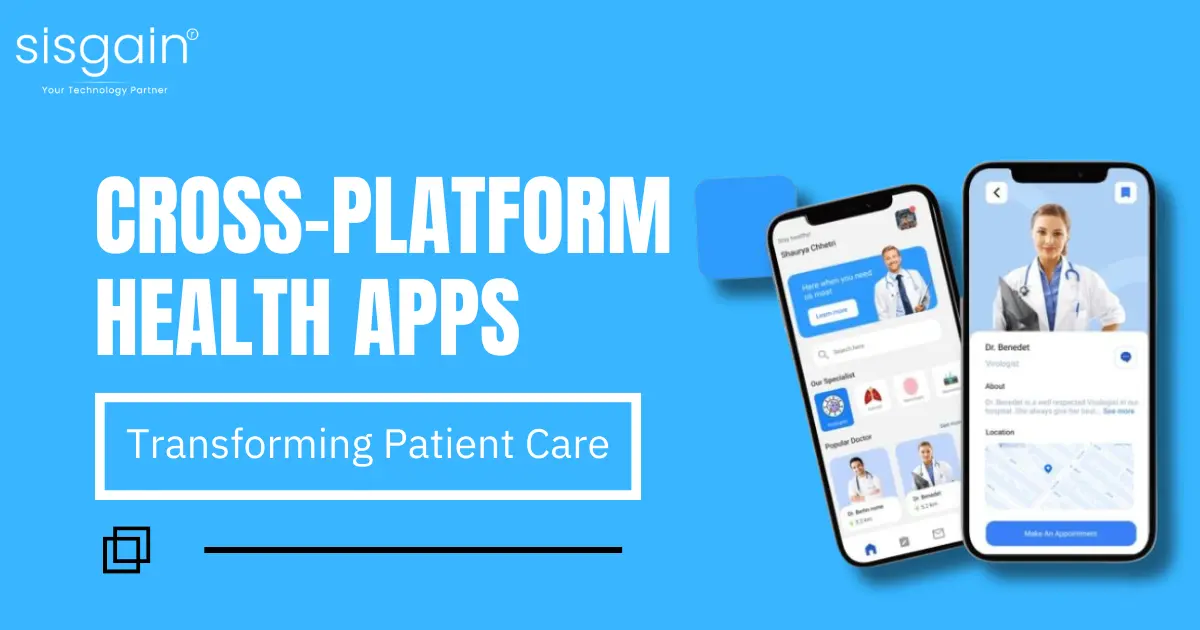
In the rapidly evolving landscape of digital health, mobile health apps have become indispensable tools for millions worldwide. As of 2025, the global mHealth apps market has surged to $82.45 billion, with projections showing continued exponential growth driven by increasing smartphone penetration and demand for accessible healthcare. Statistics indicate that total mobile app downloads reached a staggering 299 billion in 2025, a significant portion of which includes health-related applications that empower users to manage their wellness on the go. Adoption rates are soaring, particularly post-pandemic, with over 50% of health apps released between 2020 and 2025 leading in downloads and user ratings. This trend underscores a shift toward preventive care and remote monitoring, making healthcare more democratized than ever. Cross-platform health apps stand out by enabling seamless experiences across iOS, Android, and other devices, eliminating the barriers of platform-specific development. These apps ensure that patients in remote areas or with busy lifestyles can access vital services without compatibility issues. For instance, a single app can track fitness, schedule virtual consultations, and integrate with wearables, all while maintaining high performance. Choosing the right development approach—whether leveraging frameworks like React Native or Flutter—is crucial for scalability and user satisfaction. As we delve deeper, it's clear why cross-platform development is the future of healthcare software development. It not only reduces costs but also accelerates innovation in mobile healthcare apps. Read on to learn how the right partner can bring your health app to life. Why Cross-Platform Health Apps Are a Game-Changer Cross-platform health apps are reshaping the healthcare ecosystem by bridging gaps between patients and providers. For patients, the convenience is unparalleled: apps allow real-time remote monitoring of vital signs, fitness tracking, nutrition logging, and management of chronic conditions like diabetes or hypertension. Users can receive personalized alerts for medication adherence or exercise goals, fostering proactive health management and reducing emergency visits. Healthcare providers benefit immensely too. These apps streamline operations by cutting administrative overhead through automated data collection and better patient engagement. Electronic health records (EHR) integration enables seamless sharing of patient data, improving diagnosis accuracy and treatment plans. According to industry reports, mHealth adoption has led to a 33% reduction in inpatient admissions for users engaging with digital health platforms. Real-world examples include apps like Medisafe, which has helped millions avoid medication errors, boosting adherence rates by up to 20%. Industry-wide, adoption stats are compelling. The U.S. mHealth market alone is projected to grow from $12.33 billion in 2024 to $32.41 billion by 2033, reflecting widespread integration in clinical settings. For developers and organizations, partnering with medical software development companies ensures compliance and innovation, making these apps not just tools but transformative solutions. In essence, cross-platform apps democratize healthcare, enhancing accessibility and efficiency for all stakeholders. Types of Cross-Platform Health Apps Cross-platform health apps come in various forms, each tailored to specific user needs. Information apps provide educational content, such as healthy recipes, fitness guides, or symptom checkers. For example, apps like WebMD offer cross-platform access to medical information, helping users make informed decisions quickly. Trackers focus on monitoring daily activities, including calorie counters, step trackers, and medication reminders. MyFitnessPal, a popular cross-platform tool, integrates seamlessly across devices to log nutrition and exercise, with millions of users reporting improved habits. Telemedicine and remote patient monitoring apps enable virtual consultations and real-time data from wearables. Teladoc, a leading example, facilitates doctor-patient video calls and has seen massive adoption, handling over 50 million visits annually. These apps often integrate with devices like smartwatches for continuous monitoring. Sensor-enabled apps leverage device hardware for metrics like heart rate, blood pressure, or oxygen levels. Apps such as those developed by Glorium Tech for complex health monitoring combine AI suggestions with sensor data, offering personalized training and sleep tracking. A mini case study: Simform's scalable fitness platform uses cross-platform tech for real-time insights, resulting in enhanced user performance tracking. These types highlight the versatility of mobile healthcare apps in promoting wellness. Choosing the Right Cross-Platform Framework Selecting an appropriate framework is pivotal for successful healthcare software development. Cordova, an open-source option, excels in simple apps with its HTML, CSS, and JavaScript base. Pros include cost-effectiveness and fast development; cons are potential performance lags in complex scenarios and limited native access. It's ideal for information or basic tracker apps. Xamarin, now part of .NET MAUI, offers near-native performance with C# coding, making it suitable for sensor integration in health apps. Benefits include code sharing across platforms and robust UI components; drawbacks involve longer development times and steeper learning curves. It's perfect for telemedicine apps requiring high reliability. Modern frameworks like Flutter and React Native are gaining traction for their efficiency. Flutter, from Google, provides beautiful UIs with a single codebase, while React Native leverages JavaScript for rapid prototyping. Both support hot reloading and native-like experiences, ideal for scalable mobile health app development. Decision factors: App complexity (e.g., AI features need robust frameworks), budget (Cordova for low-cost), timeline (React Native for speed), and performance (Xamarin for sensors). Consulting a cross platform app development company can guide this choice, ensuring HIPAA compliance and optimal outcomes. Development Process of a Cross-Platform Health App (Expanded) Building a cross-platform health app involves a carefully structured approach, ensuring both performance and compliance with healthcare standards. Unlike typical apps, healthcare applications must balance user experience, data security, and technical complexity, especially when integrating sensors, EMRs, or telemedicine features. Step 1: Requirement Gathering The first step is understanding the problem your app solves and defining your target audience—patients, healthcare providers, or fitness enthusiasts. Key considerations include: App Type: Decide whether it’s a tracker, telemedicine app, fitness assistant, or sensor-enabled medical device companion. Feature Set: Identify essential features like EMR/EHR integration, appointment scheduling, notifications, wearable device syncing, and AI-powered analytics. Regulatory Compliance: Consider privacy laws (HIPAA, GDPR) and ensure early planning to meet data security standards. Collaborating with custom healthcare app development services at this stage can help ensure no critical features are missed and the app aligns with market needs. Step 2: UI/UX Design Design is more than aesthetics—it’s about creating intuitive, platform-agnostic interfaces that enhance usability for diverse users, including patients of all ages and abilities. Consider: Accessibility Features: Voice commands, high-contrast modes, and adjustable font sizes. Consistency Across Platforms: Ensure Android and iOS users have a similar yet native feel. Frameworks like Xamarin or Flutter can facilitate this. Interactive Prototypes: Before development, interactive mockups and wireframes help gather stakeholder feedback and refine user journeys. A well-designed app builds trust—patients are more likely to engage regularly if the interface is simple, responsive, and reassuring. Step 3: Development The development phase transforms designs into functional apps. Critical aspects include: Framework Choice: Select the right cross-platform framework (Xamarin, Cordova, React Native) based on app complexity. API Integration: Connect with wearable devices, cloud services, lab results, or telemedicine platforms. Backend Architecture: Implement a secure, scalable backend to handle patient data, analytics, and notifications efficiently. Modular Coding: Develop features as modular components to simplify updates, testing, and future enhancements. At this stage, partnering with a professional cross platform app development company ensures best practices in coding, security, and integration with medical devices. Step 4: Testing & Quality Assurance Testing is critical to ensure the app functions reliably across platforms while protecting sensitive health data. Key areas include: Multi-Platform Checks: Verify performance, responsiveness, and functionality on Android and iOS devices. Device & Sensor Compatibility: Test integration with wearables, Bluetooth-enabled devices, and medical sensors. Security & Compliance Testing: Perform encryption checks, vulnerability scans, and confirm HIPAA/GDPR compliance. Usability Testing: Engage real users or focus groups to evaluate navigation, readability, and feature accessibility. Quality assurance reduces errors, prevents costly post-launch issues, and enhances patient confidence in your app. Step 5: Deployment & Updates Launching your app is just the beginning. A successful deployment includes: App Store Submission: Follow platform-specific guidelines (Apple App Store, Google Play) to ensure approval. Continuous Monitoring: Track performance metrics, crash reports, and user engagement. Regular Updates: Introduce new features, bug fixes, and security patches based on user feedback and evolving healthcare standards. Scalability Planning: Ensure backend infrastructure can handle growing users, wearable integrations, and telemedicine traffic. Collaborating with custom healthcare app development providers ensures a smooth launch and ongoing support, transforming your app into a trusted tool for patients and healthcare providers. Step 6: Post-Launch Optimization While optional, post-launch optimization is key to long-term success: Analyze Engagement: Use analytics to see which features are most used. A/B Testing: Experiment with notifications, UI elements, and reminders for better patient adherence. Patient Feedback Loop: Collect feedback via in-app surveys to improve UX and functionality. Marketing & Education: Educate users on app features through tutorials, push notifications, and newsletters. This continuous improvement cycle ensures your cross-platform health app remains relevant, effective, and trusted, maximizing patient satisfaction and business ROI. Key Features That Make Health Apps Stand Out Standout cross-platform health apps boast core features like appointment scheduling, health tracking, EMR integration, and push notifications for reminders. Advanced elements include AI-powered recommendations for personalized care, wearable integrations for real-time data, and telemedicine video calls for remote consultations. Security is paramount: HIPAA/GDPR compliance, data encryption, and secure cloud storage build trust. Emphasizing seamless user experience differentiates these mobile healthcare apps. Benefits of Investing in a Cross-Platform Health App Investing in a cross-platform health app delivers measurable value for healthcare providers, startups, and enterprises alike. One of the most significant benefits is increased patient engagement and retention. Interactive features such as real-time health tracking, appointment reminders, teleconsultations, and personalized notifications encourage users to stay actively involved in their health journey. Higher engagement directly correlates with improved adherence to treatment plans and better long-term outcomes. From a financial perspective, cross-platform development offers substantial cost efficiency. Instead of building and maintaining separate applications for iOS and Android, organizations can rely on a single shared codebase, reducing development, testing, and maintenance costs by up to 30–40%. This approach also simplifies updates and feature rollouts, ensuring consistent performance across platforms. Another key advantage is wider market reach and scalability. Cross-platform apps allow healthcare solutions to reach a broader audience instantly, whether patients use Android devices, iPhones, or tablets. As user demand grows, these apps can scale efficiently by integrating additional features such as wearable support, AI-driven insights, or multi-language capabilities without a complete rebuild. Cross-platform health apps also enable a faster time-to-market, which is critical in a rapidly evolving healthcare ecosystem. Faster launches mean quicker validation of ideas, early user feedback, and the ability to adapt to regulatory or market changes. According to industry studies, healthcare organizations using mobile health solutions have reported reduced hospital admissions, improved remote monitoring outcomes, and higher patient satisfaction scores. Numerous success stories demonstrate improved health metrics, increased app downloads, and stronger brand trust—making cross-platform health apps a high-ROI investment for modern healthcare businesses. Common Challenges and How to Overcome Them Despite their advantages, cross-platform health apps come with unique challenges that must be addressed carefully. One common issue is performance optimization across multiple platforms, especially when handling real-time data, video consultations, or complex analytics. Without proper architecture, apps may experience latency or inconsistent behavior. Another major challenge is sensor and device compatibility. Integrating wearables, Bluetooth-enabled medical devices, or third-party health sensors requires extensive testing to ensure reliable data synchronization across different operating systems and hardware models. Security and regulatory compliance is perhaps the most critical challenge. Healthcare apps handle sensitive patient data, making compliance with standards such as HIPAA and GDPR non-negotiable. Any vulnerabilities can lead to legal risks and loss of user trust. These challenges can be effectively overcome by choosing the right cross-platform framework, implementing secure backend infrastructure, and conducting rigorous multi-device testing. Partnering with experienced medical software development companies ensures adherence to healthcare regulations, best coding practices, and proven testing methodologies. With the right expertise and planning, cross-platform health apps can deliver both performance and compliance at scale. Case Studies / Success Stories Consider Medisafe: This cross-platform medication reminder app has prevented errors for millions, increasing adherence by 20%. Another: Wellframe's remote monitoring reduced inpatient admissions by 33%. These highlight the impact of professional cross-platform expertise. Future of Cross-Platform Health Apps Trends include AI for predictive analytics, deeper wearable adoption, IoMT for connected devices, and telehealth expansion. Custom healthcare app development will drive these, urging innovators to act now. Conclusion In summary, cross-platform health apps offer immense benefits, from frameworks to features. Partner with our expert cross platform app development company to build your next health app. Schedule a consultation with top medical software development companies today. Share this article if you found it helpful.

Veterinary clinics today operate in a far more complex environment than they did a decade ago. Growing patient volumes, detailed treatment documentation, and rising expectations from pet owners have significantly increased the administrative workload inside clinics and animal hospitals. Many practices still rely on manual appointment logs, fragmented spreadsheets, or outdated software systems to manage daily operations. Over time, these disconnected tools create operational challenges such as scheduling conflicts, billing inaccuracies, medication inventory gaps, and delays in accessing patient records. As veterinary practices expand and handle more complex cases, traditional management approaches often struggle to keep pace with the speed and accuracy modern healthcare environments require. Staff members may spend excessive time on administrative work instead of focusing on patient care, while clinic managers face difficulty maintaining accurate financial and operational oversight. To address these challenges, many veterinary practices are transitioning to PIMS software, a centralized digital system designed to streamline clinical and administrative workflows. Modern veterinary PIMS software integrates patient medical records, appointment scheduling, billing, reporting, and communication tools into a single platform. This integrated approach helps clinics reduce operational inefficiencies while improving overall service quality. As the demand for efficient digital systems grows, clinics are increasingly adopting advanced veterinary practice management software solutions tailored specifically for animal healthcare environments. In many cases, practices collaborate with an experienced veterinary software development company to implement customized systems that align with their operational processes and long-term growth plans. What Is PIMS Software? Understanding the Core System To understand how modern veterinary practices operate efficiently, it is important to first explore what is PIMS software and why it plays such a critical role in clinical operations. PIMS software, short for Practice Information Management Software, is a comprehensive digital system designed to manage both the clinical and administrative functions of a veterinary practice. It acts as the central platform where patient information, operational workflows, and financial data are organized and accessed by veterinarians, technicians, and administrative staff. A well-implemented PIMS practice management software platform supports several core activities within a veterinary clinic. These include maintaining detailed patient health records, managing appointment schedules, processing billing and payments, tracking medication inventory, and generating operational reports for clinic administrators. By consolidating these tasks within a single system, veterinary teams can access critical information quickly and coordinate patient care more efficiently. Traditional clinic management often relies on multiple disconnected tools such as paper files, spreadsheets, or basic scheduling software. While these methods may work in smaller practices, they become difficult to manage as patient volumes grow. Information may be stored across different systems, increasing the risk of data duplication, billing mistakes, and delays in retrieving medical history during consultations. Modern veterinary PIMS software solves these challenges by integrating clinical records, financial systems, and operational tools into a unified environment. This integrated structure improves workflow coordination and allows veterinary teams to focus more on patient care rather than administrative tasks. To ensure that veterinary-specific requirements such as multi-species records and treatment workflows are properly supported, many clinics adopt systems developed through specialized veterinary software development services, designed specifically for the needs of animal healthcare providers. What Does PIMS Stand for in Veterinary Medicine? PIMS stands for Practice Information Management System. In veterinary medicine, a veterinary PIMS is a specialized digital platform designed to manage both clinical and operational workflows within animal healthcare practices. Unlike general medical management systems used in human healthcare, veterinary PIMS platforms must accommodate the unique requirements of treating multiple species and maintaining detailed animal health records. Veterinary clinics handle patients ranging from dogs and cats to exotic animals and livestock. Because of this diversity, a veterinary PIMS must support multi-species medical records, allowing veterinarians to store and access species-specific health information efficiently. These systems also include breed-specific medical templates, enabling clinicians to document conditions, treatments, and medical observations more accurately. Another critical capability is vaccination tracking, which helps veterinary practices maintain accurate immunization schedules and send timely reminders to pet owners. Veterinary PIMS systems also support surgical documentation and anesthesia monitoring, ensuring that procedures, medications, and recovery notes are recorded in a structured digital format. Because veterinary workflows are significantly different from human healthcare processes, these platforms are often built by specialists experienced in veterinary software development & pims practice management software and ensuring the system aligns with real clinical requirements and regulatory standards. How Veterinary PIMS Software Works in Daily Practice Modern veterinary clinics rely on veterinary PIMS software to streamline daily operations and maintain accurate patient records. A well-implemented veterinary PIMS acts as the central hub where clinical care, scheduling, billing, and inventory management are connected in one unified system. 1. Patient Registration & Digital Medical Records The workflow begins when a new patient is registered in the system. Veterinary PIMS software creates a comprehensive digital record that includes key information such as species, breed, age, vaccination history, previous diagnostics, and ongoing treatment notes. This centralized record allows veterinarians to quickly review medical history during consultations and make more informed clinical decisions. 2. Appointment Scheduling A veterinary PIMS platform also manages appointment scheduling. Clinics can organize consultations, surgeries, and follow-ups through an automated calendar system. Automated reminders sent via SMS or email help reduce no-shows and prevent overbooking, ensuring smoother daily operations. 3. Treatment Documentation During consultations or procedures, veterinarians document clinical activities directly in the system. The platform allows practitioners to record SOAP notes, digital prescriptions, laboratory results, and treatment updates in real time. This structured documentation improves collaboration among veterinary staff and ensures accurate medical records. 4. Billing and Veterinary POS System Financial management is another essential component of veterinary PIMS software. An integrated veterinary POS system connects treatments with billing, allowing clinics to generate invoices automatically and process digital payments efficiently. Many systems also support insurance documentation and payment tracking. 5. Inventory and Pharmacy Management Finally, veterinary PIMS platforms track medications, vaccines, and surgical supplies through integrated inventory tools. Clinics receive alerts when stock levels are low or products approach expiration, helping prevent treatment delays and inventory losses. By integrating these operational processes into a single platform, veterinary PIMS software & pims software improves efficiency, reduces administrative workload, and allows veterinary professionals to focus more on patient. Key Features of Modern Veterinary PIMS Practice Management Software Modern veterinary PIMS software has evolved far beyond simple patient record storage. Today’s platforms function as comprehensive PIMS practice management software, helping veterinary clinics manage medical, operational, and financial workflows from a single digital system. When evaluating veterinary practice management software, understanding the core features is essential to ensure the system supports both clinical efficiency and long-term scalability. Smart Patient Medical Records A reliable veterinary PIMS system maintains detailed digital medical records for every animal patient. These records include species information, breed details, vaccination schedules, treatment history, allergies, prescriptions, surgical notes, and diagnostic results. Because the system supports multi-species data, veterinarians can easily track health histories for companion animals, livestock, or exotic pets. This centralized record management reduces paperwork while improving clinical accuracy and continuity of care. Automated Appointment Scheduling Efficient scheduling is critical in busy veterinary clinics. Modern veterinary PIMS software offers automated appointment scheduling with online booking options, calendar synchronization, and reminder notifications through SMS or email. These tools help reduce missed appointments, improve client compliance, and allow clinic staff to manage daily workflows more efficiently. Integrated Veterinary POS System Financial management is another important component of PIMS practice management software. Many platforms include an integrated veterinary POS system that connects treatment records directly to billing and invoicing. Payments can be processed through multiple methods such as cards, digital wallets, or insurance claims. By linking clinical services with billing workflows, clinics reduce manual errors and ensure accurate financial tracking. Inventory and Pharmacy Management Veterinary clinics rely heavily on medications, vaccines, and surgical supplies. A robust veterinary practice management software solution includes inventory tracking that monitors stock levels in real time. Automated alerts help prevent shortages or expired medications, ensuring clinics maintain proper pharmaceutical control. Reporting and Business Analytics Data-driven insights are increasingly valuable for veterinary clinics. Advanced veterinary PIMS software provides reporting dashboards that analyze patient trends, treatment outcomes, clinic revenue, and operational performance. These insights help practice owners make informed decisions regarding staffing, pricing, and service expansion. Telemedicine Capabilities Many clinics now offer virtual consultations to improve accessibility for pet owners. Integrated telemedicine tools within veterinary PIMS software allow veterinarians to conduct remote consultations, review patient history, and issue digital prescriptions when appropriate. Multi-Location Practice Management Veterinary hospitals operating across multiple locations benefit from centralized management features. PIMS practice management software can synchronize patient records, appointments, billing, and inventory across different branches, ensuring consistent data access and operational coordination. Secure Cloud Infrastructure Security and accessibility are essential in modern veterinary healthcare systems. Cloud-based veterinary PIMS software allows authorized staff to access patient data from any device while maintaining secure data storage and regulatory compliance. As veterinary practices grow, many organizations adopt platforms developed through specialized veterinary software development services. Custom solutions designed by experienced development teams ensure the system can scale with expanding clinics, integrate with diagnostic tools, and adapt to evolving veterinary workflows. Benefits of Veterinary PIMS Software for Clinics Adopting veterinary PIMS software can significantly improve both clinical care and operational management in veterinary practices. By consolidating patient records, appointments, billing, and reporting into a single platform, PIMS software helps clinics operate more efficiently while improving the experience for veterinarians, staff, and pet owners. Benefits for Veterinarians For veterinarians, quick access to accurate medical data is essential for delivering quality care. A well-designed veterinary PIMS system allows practitioners to retrieve complete patient histories instantly, including past diagnoses, treatments, imaging results, and prescriptions. This streamlined access supports more informed clinical decisions and reduces time spent searching through paper files. Additionally, digital documentation tools reduce manual charting work, allowing veterinarians to focus more on patient care rather than administrative tasks. Benefits for Clinic Staff Front-desk staff and clinic administrators also benefit from the automation provided by PIMS software. Appointment scheduling becomes more organized with automated calendars, reminders, and real-time updates. Billing processes are simplified through integrated invoicing and payment management, reducing financial errors and improving transaction transparency. These improvements help staff manage daily operations more efficiently, even during busy clinic hours. Benefits for Pet Owners Pet owners increasingly expect convenient and transparent communication from veterinary clinics. Veterinary PIMS software supports automated appointment reminders, digital treatment summaries, and prescription updates. Many systems also allow online appointment requests and follow-up communication, making it easier for clients to stay engaged in their pet’s healthcare. Benefits for Veterinary Hospitals and Multi-Clinic Practices For larger veterinary hospitals or networks of clinics, veterinary PIMS systems provide centralized control over operations. Practice managers can monitor appointment volumes, revenue performance, treatment trends, and inventory usage across multiple locations. This centralized visibility improves strategic planning and operational efficiency. When implemented correctly, systems developed by an experienced veterinary software development company & veterinary pims software can transform clinic operations. Customized platforms designed specifically for veterinary workflows ensure better integration, scalability, and long-term reliability, helping practices maintain efficiency as they grow and adapt to new healthcare technologies. 7. PIMS Integration: Building a Connected Veterinary Ecosystem A modern veterinary clinic rarely operates with a single system. From diagnostic tools to payment processing, multiple technologies are used daily. This is where PIMS integration becomes essential. A well-integrated Practice Information Management System connects different clinical and administrative tools into one unified digital ecosystem, allowing veterinary teams to access and manage data without switching between disconnected platforms. For example, PIMS integration with diagnostic laboratories allows lab results to be automatically uploaded into a patient’s medical record. Instead of manually entering test outcomes, veterinarians receive real-time updates that improve the speed and accuracy of diagnosis. Similarly, integration with imaging systems such as X-ray or ultrasound machines enables medical images to be directly linked to patient records, giving clinicians a complete view of the animal’s health history. Another critical connection involves pharmacy suppliers and medication management tools. When the system is integrated with pharmacy databases, prescription details and medication inventory can be synchronized automatically. This reduces the risk of stock shortages, expired medications, or prescription errors. Telemedicine platforms also benefit from PIMS integration. Veterinarians can conduct virtual consultations while accessing the same patient records used during in-clinic visits. This ensures continuity of care and makes follow-ups easier for both pet owners and practitioners. Finally, integrating payment gateways and billing systems simplifies the financial side of veterinary operations. When invoices, treatment records, and payments are connected, clinics can process transactions faster and maintain accurate financial reports. Overall, effective PIMS integration creates a connected veterinary ecosystem where data flows smoothly between systems. This leads to faster diagnostics, fewer manual errors, and more informed treatment decisions—ultimately improving both operational efficiency and patient care. Cost of Veterinary PIMS Software The cost of implementing veterinary PIMS software can vary widely depending on the size of the clinic, the features required, and the level of customization needed. While some platforms offer affordable entry-level packages for smaller practices, larger veterinary hospitals often require more advanced systems with additional modules and integrations. A general pricing structure for veterinary clinics,veterinary pos system are typically looks like this: Clinic Type Monthly Cost Small Clinic $80 – $250 Mid-Size Clinic $250 – $700 Large Hospital $700 – $3500 Small veterinary clinics usually need basic functionality such as appointment scheduling, digital medical records, and billing management. These systems are relatively affordable and often cloud-based, allowing clinics to avoid expensive infrastructure costs. Mid-size practices typically require more advanced capabilities such as inventory management, telemedicine features, and deeper reporting tools, which increases the monthly subscription cost. For large veterinary hospitals or multi-location practices, the investment is higher because the system must support multiple users, advanced analytics, and complex PIMS integration with laboratory systems, imaging equipment, and external service providers. Several factors influence the final cost of veterinary PIMS software, including the number of users accessing the system, whether the platform is cloud-based or installed on-premise, the level of integrations required, and the availability of support and training services. Many veterinary practices also choose to work with a specialized veterinary software development company to create customized solutions tailored to their workflow. Custom development can increase the initial investment but often delivers better long-term value by aligning the software precisely with the clinic’s operational needs. Best Veterinary PIMS for Practice Management (Comparison) Selecting the best veterinary PIMS for practice management depends on several factors including clinic size, workflow complexity, integration needs, and scalability. Modern veterinary PIMS software platforms are designed to centralize patient records, billing, scheduling, and communication in one system, helping clinics reduce administrative workload while improving patient care. Below is a comparison of some widely used veterinary practice management software platforms available today. Software Best For Cloud POS Integration SISGAIN Growing clinics Yes Yes Advanced ezyVet Large hospitals Yes Yes Extensive Provet Cloud General clinics Yes Yes Moderate Shepherd Fast-paced clinics Yes Yes Moderate Hippo Manager Small clinics Yes Yes Limited SISGAIN is suitable for growing veterinary practices that require scalable veterinary PIMS software with advanced integrations and automation capabilities. Clinics looking for customized workflow support often prefer platforms developed by experienced veterinary software development teams, as these systems can adapt to specific clinical and operational requirements. ezyVet is commonly used by larger veterinary hospitals with complex operational needs. It offers extensive integrations and cloud infrastructure that supports multi-location veterinary facilities. Provet Cloud works well for general veterinary practices seeking balanced functionality, including scheduling, treatment records, and billing management. Shepherd is known for its modern interface and fast clinical workflows, making it suitable for clinics with high patient turnover. Hippo Manager is typically chosen by smaller veterinary clinics that need a basic but functional veterinary POS system, appointment scheduling, and record management. Ultimately, the best veterinary PIMS for practice management depends on how well the system aligns with a clinic’s operational needs, staff workflows, and long-term technology strategy. How to Choose the Right Veterinary PIMS Software Selecting the right veterinary PIMS software is a critical decision that can significantly impact clinic efficiency, patient care, and long-term operational growth. While many solutions exist in the market, veterinary clinics should carefully evaluate their requirements before adopting a veterinary practice management software platform,veterinary pims software,veterinary exam software,veterinary software news. Evaluate Clinic Size and Workflow Needs Every veterinary practice operates differently. Small clinics may prioritize appointment scheduling and billing automation, while larger hospitals often require multi-location support, detailed patient records, and advanced reporting tools. The chosen veterinary PIMS software should align with the clinic’s daily workflow. Assess Integration Requirements Modern veterinary clinics rely on multiple technologies such as diagnostic labs, imaging systems, and telemedicine platforms. Ensuring proper PIMS integration with these tools allows seamless data exchange and reduces manual data entry. Check POS and Billing Capabilities An integrated veterinary POS system simplifies payment processing, invoicing, and financial reporting. Clinics should confirm that the software supports multiple payment options and integrates smoothly with billing workflows. Consider Scalability for Future Growth Veterinary practices often expand over time by adding new staff members, services, or additional locations. Choosing scalable veterinary practice management software ensures that the system can grow alongside the clinic without requiring a complete replacement. Evaluate Vendor Expertise Working with experienced veterinary software development company professionals ensures that the system is built with a deep understanding of veterinary workflows. Specialized veterinary software development teams can also customize features, integrate external tools, and provide long-term technical support. By carefully evaluating these factors, veterinary clinics can implement a reliable veterinary PIMS software platform that improves operational efficiency while supporting high-quality patient care. Future of Veterinary PIMS Technology The next generation of PIMS software is evolving far beyond simple record-keeping systems. Modern veterinary clinics are beginning to adopt intelligent veterinary PIMS software that combines data management with advanced technologies such as artificial intelligence, predictive analytics, and connected medical devices. These innovations are gradually transforming how veterinary practices diagnose conditions, manage patients, and deliver long-term care. One of the most promising developments is AI-assisted diagnosis. Advanced algorithms can analyze medical histories, diagnostic results, and treatment patterns stored within a veterinary PIMS platform to help veterinarians identify potential health risks earlier. This does not replace professional judgment, but it can support faster and more informed clinical decisions. Another major advancement is predictive analytics. By analyzing historical patient data, vaccination schedules, and treatment outcomes, modern PIMS practice management software can predict health trends and recommend preventive care plans for animals. This helps clinics improve patient outcomes while strengthening long-term relationships with pet owners. Automation is also reshaping clinical workflows. Automated charting tools within veterinary PIMS software reduce the time spent on manual documentation by generating structured notes from consultations and treatments. This allows veterinarians to focus more on patient care rather than administrative tasks. In addition, IoT-enabled monitoring devices are beginning to integrate with PIMS integration systems. Smart collars, wearable sensors, and livestock monitoring devices can transmit real-time health data directly into the clinic’s platform, providing continuous insights into an animal’s health. Together with secure cloud-based veterinary ecosystems, these innovations are turning PIMS software into a comprehensive digital infrastructure that supports smarter, faster, and more connected veterinary healthcare. If your clinic is considering digital transformation, SISGAIN specializes in building tailored, scalable veterinary solutions: Explore our expertise as a custom healthcare software development company Learn more about our experience in Vet software development Partner with a trusted software development company for reliable deployment and lifelong support Conclusion: Why Veterinary Clinics Are Moving to PIMS Veterinary practices today operate in an increasingly complex healthcare environment where efficiency, accuracy, and client experience are critical to long-term success. Traditional management methods often struggle to handle growing patient volumes, detailed medical documentation, and modern client expectations. This is why many clinics are transitioning to advanced veterinary PIMS software to manage both clinical and operational workflows more effectively. A well-implemented PIMS software platform helps veterinary teams improve operational efficiency by automating appointment scheduling, billing processes, and inventory management. With centralized patient records and digital treatment histories, veterinarians can access important information quickly, leading to better patient care and more informed clinical decisions.
In a powerful stride toward equitable healthcare access, Fortuna Health has secured an impressive $18 million in funding to enhance its AI-driven Medicaid enrollment platform. This bold move is more than just a headline; it's a signal that the healthcare industry is entering a new phase of innovation where artificial intelligence bridges the gap between policy and people. As the U.S. healthcare system struggles with bureaucratic inefficiencies and under-enrollment in Medicaid programs, Fortuna’s solution stands out as a beacon of promise. Did you know that over 14 million Americans eligible for Medicaid are not enrolled due to barriers in access, complex documentation requirements, and lack of awareness? With AI-powered platforms like Fortuna's, those days might be numbered. The healthcare ecosystem is on the cusp of a transformation, where tech-first solutions are not just optional but essential. This development also sets a compelling precedent for healthcare app development companies, policy leaders, and investors aiming to solve systemic problems using cutting-edge technology. Who is Fortuna Health? A Company With a Mission Fortuna Health is a health tech startup with a vision to simplify one of the most convoluted aspects of the U.S. healthcare system: Medicaid enrollment. Their platform leverages artificial intelligence to automate and personalize the process of applying for and maintaining Medicaid coverage. Founded with a mission to make healthcare accessible for everyone, Fortuna Health is focused on transforming how public benefits are delivered, especially to underserved communities. The company combines natural language processing, smart workflows, and eligibility engines to remove friction from the enrollment process. Their value proposition lies in a simple truth: navigating Medicaid should not require a legal degree or hours of paperwork. Fortuna Health ensures that users get from intent to approval with minimal human intervention. With their latest funding, they're now positioned to expand this mission on a national scale—possibly transforming how state and federal programs work with citizens. Breaking Down the $18M Raise: Key Investors & Intentions The $18 million Series A round was led by GV (formerly Google Ventures), with participation from other high-profile investors including General Catalyst and Epsilon Health. This influx of capital is intended to scale Fortuna's technical team, refine its AI models, and expand across more states. Here’s a quick breakdown of where the funding is expected to go: Use of Funds Purpose AI Model Enhancement Improve prediction accuracy and automate decision-making Platform Expansion Reach more states and healthcare systems Team Growth Hire engineers, designers, and Medicaid policy experts Compliance and Security Enhance data privacy and HIPAA-compliant infrastructure The funding is more than a financial milestone—it's an endorsement of the belief that AI can solve public sector problems at scale. It also provides validation for other health tech startups solving critical access issues in healthcare. The Medicaid Enrollment Crisis: Why It Needs Disruption Despite Medicaid's availability, millions of eligible Americans remain uninsured due to the labyrinthine nature of the enrollment process. Complex eligibility rules, inconsistent state policies, and outdated systems create significant hurdles. Let’s consider a few troubling stats: Over 14 million eligible individuals are not enrolled. Manual enrollment processes can take up to 45 days. States often lack the tech infrastructure to handle renewals efficiently. These inefficiencies result in delayed care, worsened health outcomes, and increased strain on emergency services. Moreover, individuals with chronic conditions or low digital literacy suffer the most. Fortuna Health’s AI platform is purpose-built to address these pain points by guiding applicants through a simplified, intelligent process that minimizes human error and accelerates time to coverage. How Fortuna’s AI Works: A Smarter Way to Enroll Fortuna Health's platform isn't just another digital form; it's a smart assistant that transforms Medicaid enrollment into a guided experience. Here's how their AI-driven system functions: Automated Eligibility Checks: Instantly determines if the user qualifies based on real-time data inputs. Smart Document Uploads: Guides users on exactly which documents are needed and verifies them with optical character recognition (OCR). Chatbot-Driven Support: Provides real-time, multilingual support for questions and clarifications. Renewal Reminders: Sends automated alerts before Medicaid renewal deadlines to prevent lapses. This approach not only shortens enrollment times but also drastically reduces dropout rates. It aligns perfectly with the user-first philosophy seen in platforms built by leading healthcare app development companies, where seamless UX is critical. The Role of AI in Government Programs: A Broader Shift AI is no longer confined to private-sector healthcare tools; it's making a significant impact on government programs. From fraud detection in Medicare to predictive analytics in public health, the adoption curve is steepening. In Medicaid specifically, AI holds the promise of: Automating Redundant Processes: Reducing manual intervention across eligibility assessments. Enhancing Policy Compliance: Ensuring that changing rules are reflected in real-time logic flows. Improving User Trust: Offering consistent and transparent decision-making. However, the path isn’t without challenges. Concerns around data privacy, algorithmic bias, and system interoperability must be addressed. Fortuna Health's approach—rooted in human-centered design and regulatory compliance—sets a strong precedent for how AI can responsibly support public infrastructure. What This Means for the Future of Health Tech Startups The success of Fortuna Health's funding round is a strong signal for other startups in the healthcare domain. It suggests that venture capital is warming up to solutions targeting government inefficiencies—a space long avoided due to policy risks and slow adoption cycles. Key takeaways for emerging health tech founders: Focus on Real Problems: Fortuna solved a real user pain point, not just a theoretical inefficiency. Build for Scale from Day One: The platform is adaptable across different state systems. Data Responsibility is Non-Negotiable: Their HIPAA-compliant approach is a critical asset. Healthcare innovators building tools for public benefit can find inspiration in Fortuna’s model. This also creates an ecosystem where hospital management systems, insurers, and public health agencies can work in tandem through integrated APIs and shared data architectures. Expert Opinions & Industry Reactions Fortuna Health’s funding news has garnered attention across the healthcare industry. Policy experts, digital health investors, and IT leaders are weighing in on the implications. "Fortuna is tackling one of the most painful, bureaucratic processes in American healthcare. If they succeed, it could set the template for how AI integrates into public programs," says Dr. Linda Harper, Director of Health Innovation at Boston Medical Center. "We’re now looking at a future where Medicaid, SNAP, and even housing programs could be managed through AI systems. Fortuna is just the beginning," notes James Leung, Partner at a leading healthcare app development company in California. The consensus is clear: Fortuna’s model is scalable, responsible, and desperately needed. Its success could influence both tech regulation and public-private collaborations moving forward. Lessons for Healthcare Innovators: What Can You Learn? There are several strategic lessons from Fortuna Health's rise: Empathy-Driven Design Wins: They built for users with limited access, not power users. Government Collaboration is Key: Their platform is designed to integrate seamlessly with state systems. AI Must Be Explainable: Clear outputs and transparency in decisions enhance user trust. For those building hospital management systems or public-facing healthcare apps, these lessons are gold. The market is hungry for tools that blend utility with usability, especially in underserved populations. Companies that can embed AI into patient workflows, registration modules, and billing systems will not only improve operational efficiency but also meet rising expectations for digital accessibility. Conclusion: Transforming Access to Care, One Enrollment at a Time Fortuna Health's $18 million raise is more than just a financial headline—it's a rallying cry for the healthcare industry to embrace AI for social good. At a time when millions are still struggling to access basic care due to systemic inefficiencies, Fortuna is proving that the right technology can change lives. This marks a new direction for health tech, where automation, equity, and compliance intersect. As more healthcare app development companies and public institutions follow suit, we may finally close the gap between eligibility and enrollment. In a world of growing complexity, Fortuna Health is showing us how AI can make things beautifully simple—starting with something as vital as access to healthcare.
Key Points Practo’s UAE Launch: Practo, a leading Indian healthtech platform, launched its consumer-facing services in the UAE in May 2025, targeting Dubai, Abu Dhabi, and Sharjah. Financial Success: The company achieved profitability in FY24 with a 22% revenue increase to INR 2.4 billion, providing a strong foundation for global expansion. Market Opportunity: The UAE’s healthcare market is ripe for digital transformation, driven by government initiatives like the Dubai Health Strategy 2030. Localized Solutions: Practo offers online consultations, EMR systems, and insurance-linked features, tailored to UAE’s regulatory and cultural needs. Opportunities for Stakeholders: Healthcare business owners, investors, and startups can leverage Practo’s platform for partnerships and innovation. Challenges: Competition from local players like Okadoc and regulatory hurdles may pose challenges, but Practo’s experience positions it well. Why Practo’s Move Matters Practo’s entry into the UAE signals a growing demand for custom healthcare software in the GCC, particularly as the UAE accelerates its digital health adoption. With a proven track record in India, Practo’s expansion offers healthcare business owners, investors, ministers, and startup founders a chance to engage with cutting-edge technology that enhances patient care and operational efficiency. What to Expect This article explores Practo’s strategic move, its alignment with UAE’s healthcare goals, and the opportunities it creates for local stakeholders. It also highlights challenges and the role of medical app development companies in supporting this growth. Practo’s Bold Move into the UAE In a landmark move for the GCC’s healthcare sector, Practo, India’s leading digital healthcare platform, has launched its services in the United Arab Emirates (UAE) as of May 28, 2025. This expansion follows a stellar financial performance in FY24, where Practo achieved profitability and reported a 22% revenue increase to INR 2.4 billion (approximately $28 million). The UAE’s rapid embrace of digital health solutions, driven by initiatives like the Dubai Health Strategy 2030, makes this an opportune moment for Practo’s entry. The growing demand for custom healthcare software in the region positions Practo to transform how healthcare is accessed and delivered, offering seamless solutions for patients and providers alike. For healthcare business owners, investors, ministers, and startup founders in the UAE, Practo’s arrival is a call to action. It highlights the potential for collaboration, investment, and innovation in a market poised for digital transformation. With over 400 million users served in India and a decade-long presence in the UAE through its hospital management software, Practo brings unparalleled expertise to the table. This article delves into Practo’s strategy, the UAE’s healthcare market, and the opportunities and challenges ahead. Practo at a Glance: From India to the UAE A Legacy of Innovation Founded in 2008, Practo has grown from a startup to India’s largest integrated healthcare platform, connecting over 400 million patients with 500,000 doctors across 22 countries. Its services include online consultations, appointment booking, and hospital management software. In FY24, Practo achieved a significant milestone by reaching profitability, with revenue growing 22% to INR 2.4 billion and contribution margins rising to 40% from -1% in FY22. This financial success underscores Practo’s robust business model and operational efficiency, providing a strong foundation for its global ambitions. UAE Expansion Practo’s UAE launch extends its consumer-facing services to Dubai, Abu Dhabi, and Sharjah, building on a decade-long B2B presence through its hospital management software, Insta by Practo. The platform already lists over 31,000 doctors and 3,000 healthcare facilities in the UAE, with 50,000 monthly active users and a gross merchandise value (GMV) of INR 13 crores. Notably, Practo has captured 10% of Dubai’s population on an annual usage basis, demonstrating rapid market penetration. This move has caught the attention of global investors and UAE stakeholders, who see Practo as a catalyst for digital health innovation. Why UAE? Understanding the Healthcare Market Opportunity A Thriving Healthtech Ecosystem The UAE’s healthcare market is undergoing a digital revolution, with investments in healthtech and telemedicine on the rise. According to Grand View Research, the Middle East and Africa digital health market is projected to reach $5.6 billion by 2025, with the UAE as a key contributor. Factors driving this growth include increasing healthcare expenditure, a rising prevalence of chronic diseases, and a focus on preventive care. The UAE’s diverse population and high smartphone penetration further amplify the demand for digital solutions. Government Support Government initiatives like the Dubai Health Strategy 2030 and Abu Dhabi’s Department of Health programs are pivotal in promoting digital health. These initiatives aim to enhance patient outcomes, reduce costs, and position the UAE as a global healthcare leader. For instance, the Dubai Health Authority (DHA) encourages telemedicine adoption, while the Ministry of Health and Prevention (MOHAP) sets stringent standards for data privacy and compliance, creating a fertile ground for companies like Practo. Market Potential The demand for electronic medical records (EMRs), patient engagement apps, and telemedicine platforms is surging. Practo’s offerings align perfectly with these needs, providing scalable solutions that cater to both patients and healthcare providers. The UAE’s healthcare market is expected to grow at a CAGR of 12.7% from 2023 to 2030, making it an attractive destination for healthtech investments. Practo’s Strategy for Entering the UAE Market Comprehensive Service Rollouts Practo’s UAE strategy focuses on delivering a seamless healthcare experience through services like online consultations, EMR systems, and health records management. Its platform enables 24/7 access to verified doctors across specialties such as dentistry, dermatology, gynecology, and more. Features like verified patient reviews and instant appointment booking enhance user trust and convenience. Localization and Compliance To succeed in the UAE, Practo has tailored its platform to meet local needs. The platform is available in Arabic and English, ensuring accessibility for the UAE’s diverse population. Compliance with DHA and MOHAP regulations is a priority, particularly regarding patient data privacy. Practo’s plan to display insurance data at the doctor level by the end of 2025 addresses the UAE’s insurance-linked care model, empowering patients to make informed choices. Strategic Partnerships Practo has forged partnerships with local healthcare providers, including e-Kaya Skin Clinic, Sulaiman Habib Hospital, and Smile On Dental Clinic. Its B2B arm, Insta by Practo, already powers operations at prominent institutions like Emirates Hospital and Life Medical Center. These collaborations enhance Practo’s credibility and expand its network, offering patients a wider range of healthcare options. Target Audience Practo targets private hospitals, multispecialty clinics, and health startups in the UAE. Its scalable, secure SaaS solutions are designed to streamline operations and improve patient engagement, making it an attractive partner for healthcare providers looking to digitize their services. How Practo Aligns with Growing Demand for Healthcare Software Services Meeting Market Needs The UAE’s healthcare landscape is witnessing a surge in demand for robust healthcare software services. Practo’s entry is set to accelerate this trend, as clinics and hospitals seek to digitize operations. Its offerings, including appointment automation, electronic health records (EHR), and analytics, address critical pain points like operational inefficiency and patient satisfaction. Competitive Advantage Practo’s SaaS platform is scalable, secure, and integrates seamlessly with local healthcare systems. Its 98% retention rate for Insta by Practo and 15% market share in the UAE’s hospital management software market highlight its reliability. By setting new standards in patient engagement and hospital management, Practo is poised to lead the healthcare software services sector in the UAE. Future Potential Practo’s focus on AI-powered solutions, such as predictive analytics for health outcomes, positions it at the forefront of innovation. As the UAE embraces digital transformation, Practo’s ability to deliver tailored, data-driven solutions will drive its growth and influence in the region. Opportunities for UAE Businesses, Clinics, and Health Startups Benefits for Local Providers Practo’s platform offers local clinics and hospitals tools to enhance patient care and streamline operations. Features like appointment automation and EHR systems reduce administrative burdens, allowing providers to focus on delivering quality care. The platform’s extensive network also increases visibility for smaller clinics, attracting new patients. Partnership Potential Practo’s white-label services and platform APIs enable local businesses to develop branded healthcare solutions. This opens up opportunities for B2B2C and subscription-based healthcare models, fostering innovation and patient loyalty. Health startups can leverage Practo’s infrastructure to scale quickly and compete in a crowded market. Economic Impact Practo’s presence is expected to drive investment in digital infrastructure, creating jobs in software development, data analysis, and customer support. By reducing healthcare delivery costs through online consultations, Practo also benefits patients, particularly in remote areas. Opportunity Description Impact Enhanced Patient Care Tools like EMRs and online consultations improve patient experience. Higher patient satisfaction and retention. Partnership Models White-label services and APIs enable branded solutions. New revenue streams for clinics and startups. Economic Growth Increased investment in healthtech and job creation. Strengthened UAE’s position as a healthtech hub. What It Means for Custom Software & App Developers in UAE Driving Innovation Practo’s debut has sparked a wave of innovation in telemedicine and digital health. As more providers adopt digital solutions, the demand for custom healthcare software is expected to rise by 40% in the UAE, according to industry estimates. This creates opportunities for developers to create tailored platforms that meet local needs. Role of Medical App Development Companies Medical app development companies in the UAE are well-positioned to capitalize on this trend. By partnering with healthcare providers, these companies can develop apps for telemedicine, patient engagement, and EMR systems. Localization, including multilingual support and cultural alignment, will be key to success. Collaboration Opportunities Developers can collaborate with Practo to integrate their solutions with its platform, creating a robust ecosystem of healthtech innovations. This synergy will drive the development of patient-focused apps that enhance accessibility and care quality. Challenges Ahead: Market Competition and Local Adaptation Competitive Landscape Practo faces competition from local players like Okadoc and Altibbi, as well as established EMR vendors. To differentiate itself, Practo must emphasize superior user experience, robust security, and localized features. Its decade-long B2B presence in the UAE gives it an edge, but sustained innovation is crucial. Regulatory Hurdles The UAE’s strict regulations on patient data privacy pose a challenge. Practo must ensure compliance with DHA and MOHAP standards to build trust. Scalability across emirates, each with unique healthcare ecosystems, requires a nuanced approach to localization. Cultural and Linguistic Alignment The UAE’s diverse population demands multilingual and culturally sensitive solutions. Practo’s platform must cater to Arabic, English, and other languages to ensure accessibility. Failure to address these needs could hinder adoption. Final Thoughts: UAE’s HealthTech Ecosystem is Ready for Growth Practo’s profitable FY24 and its UAE expansion demonstrate that global healthtech models can succeed in diverse markets. The UAE, with its tech-savvy population and supportive government policies, is a sandbox for digital health innovation. Practo’s presence is likely to attract more investment and talent, fostering a vibrant healthtech ecosystem. The rise of medical app development companies in the UAE is a direct outcome of this growth. These companies, alongside Practo, will drive the next wave of healthcare innovation, making care more accessible and efficient. For UAE healthcare leaders, now is the time to invest in technology, form strategic alliances, and future-proof patient care. Join the Healthtech Revolution Looking to build a patient-focused app or enhance your healthcare services? Partner with SISGAIN, one of the UAE’s top medical app development companies. Our custom healthcare solutions are designed to meet your unique needs. Contact us today for a demo or consultation and take the first step toward revolutionizing healthcare in the UAE.
The United Arab Emirates (UAE) is a global leader in healthcare innovation, with facilities like Rashid Hospital, Dubai Hospital, and Emirates Hospital Jumeirah setting benchmarks for quality care. As the UAE advances towards its Vision 2031, integrating healthcare software has become a cornerstone for achieving seamless patient management. This in-depth guide explores the importance, components, national efforts, benefits, challenges, and future trends of healthcare software integration, tailored for UAE healthcare providers and patients seeking hospitals and clinics near them. Importance of Healthcare Software Integration Healthcare software integration is the process of linking various systems—such as Electronic Health Records (EHR), practice management tools, telehealth platforms, and patient portals—into a cohesive, interoperable ecosystem. In the UAE, where healthcare is a strategic priority, effective integration ensures that patient information flows accurately and securely across providers, minimizing errors and improving overall care delivery.For patients, integrated systems translate into seamless, user-friendly experiences. Custom medical apps enable features like appointment scheduling, real-time access to medical records, teleconsultations, and locating nearby healthcare facilities. Many of these applications also support Arabic and multilingual interfaces, ensuring accessibility for the UAE’s diverse population and enhancing patient engagement.By connecting all components of healthcare operations, integration not only improves clinical efficiency but also empowers providers to deliver personalized, timely, and compliant care. National Efforts: The Riayati Program The UAE has made remarkable progress in healthcare software integration through strategic national initiatives. A standout example is the Riayati program, a unified national medical record system spearheaded by the Ministry of Health and Prevention (MoHAP). Riayati connects key platforms, including Abu Dhabi’s Malaffi and Dubai’s Nabidh, establishing a centralized, interoperable repository of patient data across the country.By 2023, Riayati had successfully consolidated 1.9 billion medical records for 9.5 million patients, with access provided to over 90,000 healthcare professionals spanning 3,057 medical facilities (Zawya). This integration enables major hospitals, such as Rashid Hospital and Dubai Hospital, to exchange patient information seamlessly, ensuring consistent and coordinated care across different emirates.Beyond operational efficiency, initiatives like Riayati exemplify the UAE’s commitment to digital healthcare transformation, improving patient outcomes, reducing duplication of tests, and enhancing clinical decision-making through real-time access to accurate medical histories. Key Components of Integrated Healthcare Software To achieve seamless patient management, UAE healthcare providers should integrate the following components: Component Description Example Use Case Electronic Health Records (EHR/EMR) Stores patient health information digitally, enabling secure sharing. Specialists at Emirates Hospital Jumeirah access patient history instantly. Practice Management Software Manages administrative tasks like scheduling, billing, and registration. Streamlines appointment booking at Dubai Hospital. Telehealth Platforms Facilitates remote consultations, expanding access to care. Patients consult doctors remotely via secure video calls. Patient Portals Allows patients to access records, book appointments, and communicate securely. UAE residents use portals to find hospitals and clinics near them. Health Information Exchange (HIE) Enables data sharing between organizations for coordinated care. Riayati connects Rashid Hospital with private clinics. These components, when integrated, create a cohesive system that enhances both clinical and administrative efficiency. Benefits for UAE Hospitals and Patients Healthcare software integration offers transformative benefits for UAE hospitals and patients: Operational Efficiency: Automation of tasks like billing, scheduling, and record-keeping reduces manual workloads. For instance, integrated systems at facilities like Emirates Hospital Jumeirah can streamline patient check-ins, saving time for staff. Improved Patient Outcomes: Real-time access to comprehensive patient data enables faster, more accurate diagnoses. Specialists at Rashid Hospital can review a patient’s history from Dubai Hospital, ensuring informed treatment plans. Enhanced Patient Experience: Custom medical apps allow patients to manage their health conveniently. Features like online appointment scheduling, e-prescriptions, and location-based searches for hospitals and clinics near them make healthcare more accessible, especially with Arabic language support. Regulatory Compliance: Integrated software ensures adherence to UAE’s Personal Data Protection Law and international standards like HIPAA, safeguarding patient privacy. Cost Reduction: By minimizing errors and optimizing resources, integration lowers operational costs, aligning with the Dubai Health Authority’s (DHA) Value-Based Healthcare (VBHC) model, which targets 30 disease areas by 2025 (Zawya). Steps to Implement Healthcare Software Integration UAE healthcare providers can follow these steps to integrate software effectively: Assess Needs: Identify pain points, such as inefficient scheduling or fragmented patient records, to determine integration goals. Select Compatible Software: Choose solutions that support interoperability standards like HL7 or FHIR. Events like Arab Health 2025 showcase options from vendors like GE HealthCare and Siemens Healthineers. Engage Stakeholders: Involve clinicians, administrators, and IT teams to ensure the system meets diverse needs. Data Migration: Transfer existing data securely, ensuring accuracy and minimal disruption. Staff Training: Provide comprehensive training to overcome resistance and ensure proficiency, as offered by companies like SISGAIN (SISGAIN). Pilot Testing: Implement the system in a single department to identify and resolve issues before full deployment. Monitor and Optimize: Continuously evaluate performance and gather feedback to refine the system. Also Read - How to Find the Right Healthcare Software Development Company Custom Healthcare Software Development in the UAE The UAE’s diverse healthcare landscape requires tailored solutions to meet specific needs. Custom healthcare software development companies like SISGAIN and Dev Technosys UAE are at the forefront of delivering bespoke solutions: SISGAIN: Provides practice management software with EHR integration, e-prescriptions, and cloud-based access, ensuring cost efficiency and data security (SISGAIN). Appsinvo: Offers scalable healthcare apps with features like appointment scheduling, patient tracking, and HIPAA-compliant security. Their solutions integrate seamlessly with existing systems, enhancing workflow efficiency (Appsinvo). Dev Technosys UAE: Specializes in custom medical apps that support online registration, secure teleconsultations, and document sharing. Their apps are designed to comply with UAE regulations and support Arabic interfaces (Dev Technosys UAE). These companies enable hospitals to develop custom healthcare apps that cater to local needs, such as multilingual support and integration with insurance systems, streamlining processes like claims processing. Showcasing Innovations at Arab Health 2025 Arab Health 2025, held from January 27–30, 2025, at the Dubai World Trade Centre, is a pivotal event for UAE healthcare providers to explore software integration solutions. The event’s Digital Health & AI Forum highlighted transformative technologies: AI Integration: GE HealthCare showcased its Omni Legend system, which combines advanced visualization and AI-driven analytics to personalize care in oncology, neurology, and cardiology (GE HealthCare). Telemedicine: Solutions for remote consultations were demonstrated, enabling patients to access care without visiting facilities. Wearable Devices: The event addressed the $3.29 billion wearable medical device market, showcasing devices that integrate with EHR systems for real-time monitoring (Medhealth Outlook). Ambient Clinician Intelligence (ACI): ACI captures patient-clinician conversations and integrates them into EHRs, reducing documentation time (Zawya). Arab Health 2025 provides UAE hospitals with opportunities to partner with global vendors and local developers to adopt cutting-edge solutions. Challenges and Solutions Integrating healthcare software presents challenges, but solutions exist to address them: Challenge Description Solution Data Security Protecting patient data under UAE’s Personal Data Protection Law is critical. Use HIPAA-compliant software with encryption and regular audits, as offered by SISGAIN (SISGAIN). Interoperability Disparate systems may create data silos, hindering integration. Adopt HL7 or FHIR standards, supported by vendors like Appsinvo (Appsinvo). Staff Resistance Employees may resist new systems due to unfamiliarity. Provide comprehensive training and ongoing support, as implemented by Dev Technosys UAE (Dev Technosys UAE). Cost of Implementation Initial investment in software and training can be high. Opt for scalable, cloud-based solutions to reduce upfront costs, as provided by SISGAIN (SISGAIN). By proactively addressing these challenges, UAE healthcare providers can ensure successful integration. Future Trends in UAE Healthcare The UAE’s healthcare sector is poised for further transformation, driven by emerging technologies and strategic initiatives: Value-Based Healthcare (VBHC): The DHA is implementing VBHC across 30 disease areas by 2025, using AI-driven platforms like EJADAH to focus on preventive care and cost reduction (Zawya). Artificial Intelligence (AI): AI is enhancing diagnostics and personalizing treatment plans, with a 94% accuracy rate in identifying diseases from medical images (Zawya). Telemedicine and IoT: Platforms like Seha enable remote consultations, while IoT devices integrate with EHRs for real-time monitoring (DH Arab). Healthtech Ecosystem: The MENA healthtech startup ecosystem, valued at over $1.5 billion, is driving innovation in custom healthcare app development (Zawya). These trends align with the UAE’s leadership in digital health, ranking first in the Arab world and 20th globally in the Global Innovation Index 2022 (DH Arab). Conclusion Healthcare software integration has become a strategic necessity for hospitals and clinics aiming to deliver seamless, patient-centered care in the UAE. Initiatives like the Riayati program, alongside innovative solutions from companies such as SISGAIN, Appsinvo, and Dev Technosys UAE, are shaping a unified healthcare ecosystem. Events like Arab Health 2025 continue to showcase emerging technologies that make interoperability, real-time data access, and patient engagement a reality.By proactively addressing challenges such as data security, regulatory compliance, and system interoperability, UAE healthcare providers can streamline operations, enhance clinical decision-making, and improve patient outcomes. As the nation advances in digital health, integrated software solutions will remain the backbone of a modern, efficient, and accessible healthcare system—ensuring world-class care for residents across all emirates.

Dubai, a global hub of luxury and innovation, boasts one of the world’s most advanced Dubai healthcare systems, attracting both residents and visitors with its state-of-the-art facilities and expert professionals. In 2023, over 691,000 international medical tourists flocked to Dubai, a number likely higher in 2025, drawn by its reputation for excellence in specialties like dermatology, dentistry, and gynecology Dubai Medical Tourism 2023. For expats relocating to this vibrant city or tourists planning a visit, understanding the healthcare city Dubai landscape is essential for a seamless experience. This guide offers practical tips and insights to navigate healthcare management in Dubai, ensuring you access top-tier care with confidence. Understanding Dubai Healthcare System The Dubai healthcare system is a robust blend of public and private sectors, delivering high-quality care to a diverse population. Overseen by the Dubai Health Authority (DHA), public hospitals like Rashid Hospital and Dubai Hospital offer comprehensive services, including emergency care and specialized treatments Dubai Healthcare System. These facilities are accessible to all residents, though expats typically rely on private healthcare due to mandatory insurance requirements. Private hospitals, many located in Dubai Healthcare City (DHCC), such as American Hospital and Mediclinic City Hospital, are renowned for their international accreditation and multilingual staff. DHCC, a free zone dedicated to healthcare, is a cornerstone of Dubai’s medical excellence, housing over 200 medical facilities. The system integrates advanced technologies like hospital emergency department software and telemedicine apps, enhancing efficiency and patient care. This technological edge, supported by custom healthcare software, positions Dubai as a leader in healthcare management, ensuring accessibility and quality for all. Health Insurance for Expats and Tourists Health insurance is a cornerstone of Dubai healthcare for expats, where it’s mandatory for employers to provide coverage for employees UAE Healthcare Guide. These plans typically cover basic medical services, but many expats opt for comprehensive policies including dental, optical, or maternity care. Reviewing your employer’s plan and supplementing it if needed is crucial for robust coverage. Tourists, while not required to have insurance, are strongly advised to purchase travel insurance with medical coverage to handle potential emergencies Health Insurance Dubai. Such policies can cover hospitalization, emergency treatment, and medical evacuation. When selecting a plan, consider coverage limits, hospital networks, and exclusions to ensure it meets your needs. For expats, leveraging healthcare software services can streamline insurance claims and medical record management, enhancing the overall healthcare experience in Dubai. Why Choose Healthcare City Dubai Dubai Healthcare City (DHCC) is the go-to for premium, integrated healthcare experiences: Medical excellence: Hosts over 120 clinics and hospitals—including Mediclinic City Hospital and Dr Sulaiman Al‑Habib—alongside a research-focused university (MBRU) for medical education and innovation. Medical tourism hub: Attracts global patients seeking fertility, cosmetic, and dental treatments—around 15% of patient visits . Wellness district: Phase 2 emphasizes wellness, sustainable design, and high-end hospitality integrated with cutting-edge medical services. Tips for Expats & Tourists Choose JCI-accredited clinics: Accreditation ensures world-class standards—look for this mark in DHCC and private hospitals. Language matters: Clinics offer English-speaking staff, but Arabic might be the default in public hospitals . Find your GP: Use DHCC directories, insurer portals (Cigna/Bupa), or DHA listings to find a trusted family physician. Preventive care: Annual checkups, vaccinations, sun protection, hydration habits, and mental wellness resources are vital in Dubai’s environment. Cost awareness: Expect AED 150–500 for GP visits, AED 300–1,500 for specialists, and AED 1,000–3,000 per night in private hospitals; insurance limits vary accordingly. Accessing Public vs Private Care Dubai’s public hospitals cater mainly to Emiratis but are open to expats with a health card: Public emergency: Free in true emergencies low-fee consultations for non-emergent cases with proper insurance identification. Private advantages: Quicker access, broader specialist availability, and English-friendly service make private care a popular option among expats . Digital Health & Healthcare Management Dubai leads in digital health transformation: Healthcare software services, from EHR/EMR systems to hospital emergency department software, are widely implemented. Telemedicine apps and remote patient monitoring systems are rapidly becoming part of standard care in private clinics and DHCC hospitals. For deep customization, businesses often turn to custom healthcare software development—positioning Dubai as a regional tech innovation hub. Table: Quick Cost & Insurance Snapshot Service Private Cost Range (AED) Public/Subsidized GP Visit 150–500 188 consult fee Specialist Visit 300–1,500 Varies Blood Test 100–500 N/A MRI Scan 2,000–6,000 N/A Private Hospital Stay (per night) 1,000–3,000 Covered via insurance Employer-group Insurance Premiums 3,000–7,500 (individual) N/A Top Hospitals and Medical Facilities in Healthcare City Dubai Dubai hosts world-class hospitals, particularly in healthcare city Dubai, making it a top choice for expats and medical tourists. Here are some standout facilities: Hospital Location Key Specialties Accreditation American Hospital Dubai Al Mankhool General practice, surgery, cardiology JCI Mediclinic City Hospital Dubai Healthcare City Cardiology, orthopedics, neurology JCI Aster Hospital Multiple locations Emergency care, diagnostics JCI Burjeel Medical City Al Reem Island, Abu Dhabi Oncology, cardiology, neurosciences JCI Cleveland Clinic Abu Dhabi Abu Dhabi Complex and rare diseases JCI These hospitals, especially those in healthcare city, are equipped with advanced patient monitoring systems and staffed by internationally trained professionals, ensuring high-quality care Best Hospitals Dubai. For those needing proximity to medical facilities, Rove Healthcare City, a stylish hotel in Bur Dubai, offers convenient accommodation near DHCC, ideal for medical tourists or expats with frequent appointments Rove Healthcare City. Its location, just a 10-minute drive from Dubai Mall, combines convenience with access to top-tier healthcare. Navigating Healthcare as an Expat or Tourist Navigating Dubai healthcare is straightforward with the right knowledge. Expats should register with a primary care provider or clinic, often through their insurance provider, to ensure continuity of care UAE Healthcare System. Appointments can be booked online or by phone, with many clinics offering same-day slots for urgent needs. In emergencies, dial 999 for an ambulance, which will transport you to a suitable facility. Always carry your insurance card to expedite the process. Pharmacies are abundant, offering prescription and over-the-counter medications, with many providing delivery services for convenience. Technologies like telemedicine apps allow remote consultations, making healthcare accessible even for busy expats or tourists. Understanding these systems ensures you can access care efficiently and effectively. Healthcare Costs and Financial Considerations Healthcare in Dubai can be costly without insurance, particularly for tourists. Expats benefit from mandatory employer-provided insurance, but out-of-pocket expenses may arise for non-covered services like cosmetic procedures Expat Healthcare Dubai. Tourists should secure travel insurance to cover potential medical expenses, as hospital bills can be significant. To manage costs: Choose in-network providers to maximize insurance benefits. Opt for generic medications to reduce expenses. Prioritize preventive care to avoid costly treatments. Review policy exclusions to plan for uncovered services. Leveraging healthcare software services can streamline billing and claims, enhancing healthcare management efficiency. Proactive financial planning ensures affordable access to Dubai’s high-quality medical services. Healthcare for Tourists and Medical Tourism Dubai’s status as a medical tourism hub is well-earned, with over 691,000 medical tourists in 2023 seeking treatments in dermatology, dentistry, and gynecology Dubai Medical Tourists 2022. Healthcare city Dubai is a focal point, offering package deals that combine treatment, accommodation, and even sightseeing. Hospitals provide English-speaking staff and JCI-accredited care, ensuring a seamless experience for international patients UAE Medical Tourism. Tourists needing urgent care can rely on efficient emergency services and hotel partnerships with local clinics. Travel insurance is critical to avoid unexpected costs. Innovations like software development in healthcare enhance patient coordination, making Dubai a top choice for medical tourists. Conclusion Dubai’s healthcare city and broader medical ecosystem exemplify innovation and excellence, making it a top destination for expats and tourists. With mandatory insurance for expats, world-class hospitals, and a thriving medical tourism sector, Dubai ensures accessible, high-quality care. By securing appropriate insurance, choosing reputable facilities, and leveraging technologies like custom healthcare software, you can navigate the system with ease. For more insights, explore our related blogs: How COVID Cases in India Transformed Health Tech Top Healthcare Software Development Companies Healthcare Software Types for UAE SaaS vs On‑Premise Healthcare Software Development

In early 2020, the COVID-19 pandemic swept through India and the UAE, exposing vulnerabilities in their healthcare systems. India faced panic with overwhelmed hospitals, shortages of ICU beds, and outdated manual record-keeping. The UAE, despite its advanced infrastructure, also struggled to manage the surge in cases. Digital healthcare became not just an option but a necessity to address these challenges. As of June 2025, with active COVID cases in India still numbering around 5,000–6,000, the role of health tech continues to grow. This blog explores how India’s health tech transformation offers valuable lessons for the UAE and beyond. Learn more about modern Hospital Management Systems that are shaping this new era. What COVID-19 Revealed About India’s Health Infrastructure The pandemic laid bare critical gaps in India’s healthcare system. Public hospitals struggled with ICU shortages, lack of real-time bed tracking, and reliance on paper-based records, leading to delays and inefficiencies. The World Health Organization noted that data delays during the second wave in 2021 overwhelmed India’s health systems, with 4.7 million excess deaths linked to the crisis. Even in the UAE, advanced facilities in Dubai faced challenges managing patient surges. These systemic gaps underscored the need for digital solutions to streamline operations and improve patient care. How COVID Fast-Tracked Health Tech in India The lockdown in 2020 forced India to embrace digital health solutions at an unprecedented pace. Below are key areas of transformation: Telemedicine Boom During the COVID-19 lockdown, India witnessed an unprecedented 500% rise in teleconsultations, especially on platforms like Practo, mfine, and Tata Health. This surge was driven by the need for safe, contactless access to medical professionals, as hospitals became high-risk zones. Telemedicine bridged the gap for millions, enabling patients to consult doctors remotely for both chronic conditions and COVID symptoms. The Ministry of Health also issued official guidelines to standardize telemedicine practices, giving the sector formal recognition and legal clarity. For doctors, it meant flexible work models and reduced burnout; for patients, it offered access to specialists even from rural or underserved areas. The success of telemedicine also triggered software innovation—video consultation features, digital prescriptions, and integration with health records. This momentum continues in 2025, as telemedicine becomes a permanent fixture in outpatient care, creating vast opportunities for custom medical app development and Healthcare Software Services across India and the UAE. Rise of EMR/EHR Systems Before the pandemic, many Indian hospitals—especially smaller clinics—relied on paper-based records, leading to inefficiencies, data loss, and fragmented care. COVID-19 forced an urgent shift. Within just a year, hospitals began adopting EMR (Electronic Medical Records) and EHR (Electronic Health Records) systems at scale to streamline care, reduce manual handling, and enable fast, secure data access. This transition allowed doctors and nurses to quickly retrieve patient histories, track oxygen levels, share lab reports, and collaborate across departments—even remotely. Digitization also facilitated better coordination during emergencies, especially for COVID admissions and vaccine administration. Most importantly, EMRs empowered hospitals to start generating valuable analytics—tracking comorbidities, recovery trends, and ICU needs. This data-driven approach marked a leap toward evidence-based, patient-centric care. For healthcare software providers, this became a turning point to customize EMR modules by specialty, integrate with billing and pharmacy tools, and develop scalable solutions for urban and semi-urban India—and even for Hospital Management Systems in the UAE. Government Push: Ayushman Bharat Digital Mission (ABDM) India’s Ayushman Bharat Digital Mission (ABDM) is one of the most significant digital healthcare reforms in the world. Launched during the pandemic, the mission aims to build a unified digital health ecosystem by creating unique digital health IDs for citizens, enabling hospitals, labs, and insurance providers to share data securely. As of December 2024, over 71 crore Ayushman Bharat Health Accounts (ABHA) have been created, and more than 3.5 lakh health facilities are registered on the platform. ABDM enables citizens to store and access digital health records, improving care continuity and reducing duplicate tests. For hospitals, it simplifies patient onboarding, consent-based data sharing, and policy integration. The government also launched open-source tools to help software development companies in India build compliant solutions. The mission lays the groundwork for a national health stack, creating a huge opportunity for tech providers to innovate and align with Healthcare Software Services and policy-backed healthtech models—even across borders, including the UAE. UAE Parallel While India saw a tech leap driven by crisis, the UAE proactively invested in healthcare digitization as part of its long-term vision for smart governance. During COVID-19, the UAE rolled out drive-through testing centers, health tracking apps (like Al Hosn), and AI-powered diagnostics—enhancing patient safety, efficiency, and speed. The country’s focus on SaaS-based health apps allowed for rapid updates and deployment, mirroring India’s telemedicine and EMR evolution. Dubai Health Authority (DHA) also expanded digital health regulations to encourage cloud-based Hospital Management Systems and Remote Patient Monitoring platforms. UAE hospitals today rely on custom healthcare software solutions for operational efficiency, patient tracking, and pandemic preparedness. There’s strong synergy between India’s healthtech innovation and the UAE’s infrastructure investment, creating demand for cross-border collaborations in EMR, EHR, and medical app development companies. For healthcare software developers, this trend signifies not only regional expansion but also a new benchmark for global healthcare SaaS standards. Top 5 Health Tech Innovations Triggered by the Pandemic The crisis sparked several innovations that transformed healthcare delivery: EMR/EHR Software: Unified patient data across departments for seamless care. Learn about Healthcare Software Types. Hospital Management Systems (HMS): Automated billing, scheduling, and resource management. Discover modern Hospital Management Systems. Remote Patient Monitoring: Enabled continuous care for chronic and COVID-affected patients. Vaccine Management Platforms: Streamlined digital queues and integrated with vaccine passports. Health Data Analytics Dashboards: Provided real-time tracking of patients, ICU beds, and oxygen supplies. Case Studies: How Indian Hospitals Leveraged Health Tech India’s health tech adoption yielded tangible results, as shown in these examples: Mumbai Hospital Success: Cloud-Based HMS Improved Bed Utilization by 37% During the second wave of COVID-19 in India, one of Mumbai’s leading private hospitals faced a major crisis: severe bed shortages, overwhelming patient queues, and logistical chaos. In response, the hospital rapidly adopted a cloud-based Hospital Management System (HMS) to digitize patient flow, admission records, bed occupancy status, and discharge processes in real time. The system enabled hospital staff to monitor availability across departments, predict discharge timelines, and allocate beds more efficiently—all through a centralized digital dashboard. Within weeks of implementation, bed utilization improved by 37%. This directly reduced emergency room wait times, optimized ICU occupancy, and minimized paperwork bottlenecks. Doctors and administrators had real-time access to critical data, allowing for faster triaging and resource planning. Most importantly, patient satisfaction scores improved, as critical care became more accessible. This case illustrates how digital tools like HMS are not just convenience upgrades—but life-saving infrastructure during healthcare emergencies. Rajasthan Rural Clinic: Telemedicine Bridged the Urban-Rural Healthcare Gap In rural Rajasthan, healthcare access has long been hindered by geographic isolation, lack of specialists, and costly travel to urban centers. During the pandemic, one government-affiliated clinic in a remote village adopted a telemedicine software platform to address these issues. The platform connected rural patients with top urban doctors through video consultations, e-prescriptions, and remote diagnostics. Over six months, the clinic conducted over 3,000 virtual consultations. Patients reported a 50% reduction in travel costs, and the number of missed appointments dropped sharply. Additionally, the clinic saw a notable rise in follow-up rates, as consultations became more convenient. Chronic disease management (like diabetes and hypertension) significantly improved with regular digital check-ins. This case demonstrates how telemedicine software development is not only essential in cities but transformative in underserved regions. It bridges the digital divide, promotes healthcare equity, and supports scalable, patient-centered care across India’s vast geography. These scalable solutions are now inspiring UAE hospitals, particularly in Dubai, to adopt similar tools for pandemic preparedness. What the UAE Can Learn from India’s COVID Tech Response India’s health tech innovations provide a framework for the UAE to build resilience. Key lessons include: Invest in Scalable Solutions: India’s rapid adoption of telemedicine and EMR systems shows how digital tools can address resource constraints. Leverage Government Support: The ABDM’s success highlights the importance of policy-driven digital health initiatives. Foster Collaboration: UAE-based medical app development companies can partner with Indian firms to create cost-effective, interoperable solutions. The UAE’s proactive response, including drive-through testing and AI integration, aligns with India’s approach, suggesting opportunities for cross-border collaboration. COVID in UAE vs India: Tech Gaps and Gains The COVID-19 pandemic exposed contrasting realities in India and the UAE’s healthcare systems. India, grappling with massive population density and limited infrastructure, faced challenges such as ICU shortages, manual data entry, and fragmented care coordination. However, these very obstacles pushed India toward aggressive digital adoption. In just months, India rolled out telemedicine platforms, digitized hospital workflows with EMR/EHR systems, and introduced centralized dashboards for tracking bed availability, vaccine status, and patient data. These low-cost, scalable solutions—backed by initiatives like the Ayushman Bharat Digital Mission—proved transformative, especially in public healthcare settings. In contrast, the UAE entered the pandemic with more advanced hospital infrastructure and better funding. However, the focus was more on system stability than rapid innovation. The crisis revealed gaps in large-scale digital scalability and real-time data analytics. By studying India’s model, the UAE has an opportunity to strengthen its resilience—especially by expanding telemedicine access and integrating predictive analytics across hospitals and government health departments. The Future of Healthcare Software Development in India (and UAE) The pandemic has set the stage for advanced health tech innovations: AI-Based Diagnostics: Enhancing early detection and personalized treatment. Blockchain for Patient Records: Ensuring secure, transparent data management. Personalized Health Platforms: Tailoring care to individual needs. SaaS Models: Offering low-cost, scalable solutions for hospitals. As COVID cases in India in 2025 continue to drive innovation, cross-border partnerships between Indian and UAE software vendors can accelerate global health tech advancements. Conclusion: From Crisis to Opportunity The ongoing presence of COVID cases in India today is a clear reminder that the pandemic’s challenges are far from over. Despite a significant decline from the 2020–2021 peaks, periodic surges continue to test the preparedness of healthcare systems. However, these challenges have sparked innovation. India’s rapid digital health transformation—from deploying telemedicine and EMRs to implementing cloud-based Hospital Management Systems—provides a proven model for scalable, tech-driven healthcare. For countries like the UAE, where COVID cases in Dubai have also caused healthcare strain, India’s experience serves as a timely blueprint. By proactively investing in digital infrastructure such as Healthcare Software Services, custom SaaS-based tools, and interoperable hospital tech, both nations can build systems equipped for future pandemics, emergencies, and evolving patient needs. Now is not the time to pause—it’s the time to prepare. Book a demo or consultation today to explore how tailored healthcare software solutions can future-proof your facility.

In today’s fast-evolving healthcare landscape, leveraging cutting-edge software solutions is no longer optional; it's essential. Whether you run a hospital, clinic, or healthcare startup, choosing the right healthcare software development company can transform your operations, enhance patient care, and boost overall efficiency. Especially in the UAE, where the healthcare sector is rapidly modernizing and embracing digital transformation, partnering with a reliable software provider ensures your solutions are compliant, scalable, and tailored to your unique needs. From electronic health records (EHR) to telemedicine, remote patient monitoring, and comprehensive hospital management systems, healthcare software solutions are becoming increasingly sophisticated. This blog will guide you on how to find the right healthcare software services that aligns with your business goals, complies with local regulations, and brings innovative technology to your doorstep. Additionally, we’ll present the top 10 healthcare software development companies in the UAE. Criteria for Selecting the Right Healthcare Software Development Company Selecting the perfect partner to build your healthcare software is a critical decision. Below are the key factors every healthcare business owner, hospital administrator, or investor should consider: 1. Expertise and Industry Experience Look for companies that specialize in healthcare software development with a deep understanding of medical workflows and regulatory requirements. Providers experienced in UAE healthcare regulations like DHA (Dubai Health Authority) and MOH (Ministry of Health) compliance will help avoid costly mistakes and ensure your software meets legal standards. 2. Comprehensive Healthcare Software Solutions Your software partner should offer a broad range of healthcare software systems — from EHR and practice management to telemedicine apps and mobile health solutions. The ability to develop customized healthcare mobile apps, integrated billing, and patient engagement platforms demonstrates versatility and innovation. 3. Cutting-Edge Technology Stack Top companies employ modern technologies such as cloud computing, artificial intelligence (AI), machine learning, blockchain, and secure APIs to create scalable and secure applications. These technologies enhance performance and enable future-proof software solutions. 4. Regulatory Compliance and Data Security Healthcare data is highly sensitive. The right company must adhere to international standards like HIPAA, GDPR, as well as UAE-specific data privacy laws. Look for secure data encryption, regular audits, and compliance certifications to safeguard patient information. 5. Proven Client Portfolio and Case Studies A strong track record is critical. Review client testimonials, case studies, and portfolio projects that demonstrate successful delivery of healthcare software solutions similar to your needs. 6. Post-Launch Support and Scalability Healthcare software evolves continuously. Choose a company that offers reliable post-deployment support, software maintenance, and is capable of scaling your system as your business grows. List of 10 Healthcare Software Development Companies in UAE 1. SISGAIN Founded: 2007 Headquarters: Dubai, UAE/Noida, India SISGAIN is a leading healthcare software development company in the UAE, specializing in custom healthcare software solutions tailored for the local market. With deep expertise in telemedicine app development, hospital management systems, and remote patient monitoring software, SISGAIN bridges cutting-edge technology with the specific needs of UAE healthcare providers. Key Services: Custom Healthcare Software Development Telemedicine App Development Remote Patient Monitoring Software Hospital Management System Custom Healthcare Mobile App Development Industries: Hospitals & Clinics Telehealth Providers Healthcare Startups Why Choose SISGAIN: SISGAIN stands out as the UAE’s top healthcare software development companies due to its deep domain expertise and tailored solutions designed specifically for the region’s healthcare needs. With a strong focus on compliance with DHA and MOH regulations, SISGAIN’s software helps hospitals and clinics streamline operations while enhancing patient engagement. Their services include robust hospital management systems, real-time telemedicine apps, and remote patient monitoring platforms that empower healthcare providers to deliver efficient and secure care. Select Case Studies: Developed a cloud-based hospital management system for a Dubai multi-specialty hospital, improving patient flow by 30%. Built a telemedicine platform supporting remote consultations across several Emirates, increasing patient reach by 50%. 🌐 Visit SISGAIN 2. ScienceSoft Founded: 1989 Headquarters: McKinney, Texas, USA ScienceSoft is a global IT consulting and custom software development company with over three decades of experience. They specialize in delivering robust healthcare software solutions, including healthcare software systems and mobile applications. Key Services: Custom Software Development Healthcare Mobile App Development Telemedicine App Development Remote Patient Monitoring Software IT Consulting Industries: Healthcare Retail Banking Manufacturing Telecommunications Case Studies: Developed a microservices-based telehealth solution in 9 months, enhancing remote patient care capabilities. 3. Chetu Founded: 2000 Headquarters: Plantation, Florida, USA Chetu is a leading provider of world-class software development solutions, offering specialized services in healthcare software development. They focus on creating customized healthcare software systems that cater to various medical practices. Key Services: Custom Software Development Healthcare App Developers Software Develoment in Healthcare EHR/EMR Solutions Telemedicine Platforms Industries: Healthcare Finance Retail Hospitality Gaming Case Studies: Implemented a comprehensive EHR system for a multi-specialty clinic, streamlining patient data management and improving care coordination 4. Kuchoriya TechSoft Founded: 2009 Headquarters: Milan, Italy Kuchoriya TechSoft is a global software development company specializing in innovative healthcare software solutions. They have a strong presence in the UAE market, delivering custom healthcare software systems tailored to client needs. Key Services: Custom Healthcare Software Development Healthcare Mobile App Development Telemedicine App Development AI and Blockchain Solutions Industries: Healthcare Real estate E-Commerce Education Case Studies: Developed a blockchain-enabled healthcare platform for secure patient data exchange, enhancing interoperability among healthcare providers. 5. Appinventiv Founded: 2015 Headquarters: Noida, Uttar Pradesh, India Appinventiv is a digital engineering company that delivers end-to-end healthcare software solutions. They have a significant footprint in the UAE, offering services that align with the region's healthcare digital transformation goals. Key Services: Healthcare Mobile App Development Software Development in Healthcare Telemedicine Solutions Healthcare App Testing Services Industries: Healthcare Fintech Logistics Education E-Commerce Case Studies: Assisted startups in the Middle East to raise $950 million by developing scalable healthcare mobile applications that attracted significant investor interest. 6. Apptunix Founded: 2013 Headquarters: Chandigarh, India Apptunix is a renowned software development company known for delivering innovative healthcare software solutions. They focus on creating user-centric healthcare mobile applications that enhance patient engagement. Key Services: Healthcare Mobile App Development Healthcare IT Solutions Telemedicine App Development Healthcare App Testing Services6 Industries: Healthcare E-commerce Fintech Social networking Case Studies: Developed a telemedicine platform that enabled remote consultations, reducing patient wait times and improving access to care in rural areas. 7. SoftTeco Founded: 2008 Headquarters: Minsk, Belarus SoftTeco is an international software development company offering custom healthcare software solutions. They specialize in developing secure and scalable healthcare software systems for clients worldwide. Key Services: Clinic Software Custome Medical App UI/UX design Quality assurance IT consulting Industries: Healthcare Finance Education Logistics Case Studies: Implemented a comprehensive hospital management system that streamlined operations and improved patient care delivery. 8. Techlancers Middle East Techlancers Middle East is a digital product and mobile app development company specializing in healthcare software solutions. They help businesses in the UAE scale their operations through innovative technology. Key Services: Medical Application development Software Development in Healthcare Telemedicine Solutions Healthcare App Testing Services Industries: Healthcare Retail Education Logistics Case Studies: Developed a healthcare mobile application that improved patient engagement and facilitated remote consultations for a leading UAE clinic. 9. QSS Technosoft Founded: 2010 Headquarters: Noida, Uttar Pradesh, India QSS Technosoft is a global provider of high-quality software development services, with a strong focus on healthcare software solutions. They offer end-to-end services from development to deployment. Key Services: Custom Healthcare Software Development Healthcare Mobile App Development Telemedicine App Development AI/ML Solutions Cloud Services Industries: Healthcare Fintech Logistics E-Learning Case Studies: Revolutionized logistics with a cutting-edge LTL final mile app, enhancing delivery efficiency and tracking. 10. TechMatter Middle East Founded: 2015 Headquarters: Dubai, UAE TechMatter Middle East specializes in creating cyber-secure IT solutions, focusing on healthcare software systems that comply with regional regulations. Key Services: IT Solutions for Healthcare Healthcare Mobile App Development Telemedicine Solutions IT Infrastructure Services Industries: Healthcare Finance Education Logistics Case Studies: Implemented a secure healthcare information system for a Dubai-based hospital, enhancing data protection and patient confidentiality.Also Read - Explore 16 Healthcare Software Types for UAE What Does a Healthcare Software Development Company Do? A healthcare software development company specializes in building digital solutions tailored to the unique needs of the healthcare industry. These firms offer end-to-end services — from ideation and development to deployment and support — for various healthcare software systems, including hospital management platforms, telemedicine apps, electronic health records (EHR), and remote patient monitoring tools. Unlike generic software firms, a dedicated healthcare mobile app development company understands medical compliance standards (HIPAA, GDPR, MOH, DHA), patient privacy concerns, and the complexity of clinical workflows. Their teams often include healthcare app developers, UX designers, business analysts, and compliance experts who work together to deliver secure, scalable, and regulation-compliant solutions. How to Compare Healthcare Software Development Companies When choosing a Medical app development company, comparison is essential. The following parameters will help you make an informed decision: 1. Company Team Size The team size indicates the company’s ability to handle complex projects. Larger firms (50+ developers) typically offer more robust support, faster delivery, and wider expertise. However, smaller teams can provide a more personalized approach. 2. What’s the Hourly Development Cost? Costs can vary significantly depending on the location, expertise, and company structure. In the UAE: Basic healthcare software solution: $25–$50/hour Complex enterprise-grade systems: $75–$150/hour A good healthcare mobile app development company will offer transparent pricing aligned with the value delivered. 3. Online Reputation and Visibility A reputable provider will have a strong digital footprint — an up-to-date website, active LinkedIn and Clutch profiles, client case studies, blogs on software development in healthcare, and client testimonials. Their authority in the space reflects their reliability. How to Choose the Right Medical Software Development Company? Step 1: Know What You Need Before evaluating companies, outline what kind of healthcare software solution you need. Is it an app for remote patient monitoring? A comprehensive hospital management system? Or maybe a custom EHR platform? Include expected features, integrations, timelines, and compliance goals. Step 2: Review Their Portfolio Evaluate the company’s experience in building healthcare software solutions. Look for case studies similar to your project — especially those implemented for hospitals, clinics, or healthtech startups in the UAE. Step 3: Ensure They Have Relevant Experience Make sure the team has healthcare-specific knowledge. Ask if they’ve developed for the UAE’s healthcare ecosystem, and how they’ve handled challenges around compliance, user engagement, and integrations. Step 4: Check Client Reviews Platforms like Clutch, GoodFirms, and Google Reviews can reveal client satisfaction levels, delivery timelines, and the firm’s overall professionalism. Pay attention to reviews mentioning their healthcare app testing services — quality assurance is crucial in health tech. Step 5: Evaluate Security Standards Medical data is highly sensitive. The company should use encryption, secure APIs, and comply with HIPAA, GDPR, and local data protection laws. Inquire about their healthcare app developers’ knowledge of secure coding practices and privacy-first development. Also Read - SaaS or On-Premise: What’s Best for Healthcare Software Development? What’s the Cost of Medical Software Development? The price of building a healthcare software system depends on several factors: ▸ Project Size and Complexity A simple scheduling app will cost far less than a fully integrated healthcare mobile app development platform with AI-based diagnostics, multi-device syncing, and EHR integration. ▸ Team Size and Expertise More advanced projects require senior developers, business analysts, compliance officers, and QA testers. The more specialized your requirements, the higher the cost. ▸ Extent of Services Offered Companies offering end-to-end healthcare software solutions — including consulting, UX/UI, development, QA, and post-launch support — will charge more than developers handling only frontend/backend tasks. Typical ranges: App Type Price in USD Estimated Price in AED Basic App $10,000 – $30,000 AED 30,000 – AED 110,100 Mid-level Solution $30,000 – $70,000 AED 110,100 – AED 256,900 Enterprise-grade Platform $100,000+ AED 367,000+ Key Questions to Ask Before Hiring a Healthcare Software Company Choosing a software vendor is a long-term commitment. Here are key questions to ask: 1. Do You Have Examples of Similar Projects? This confirms real-world experience in healthcare mobile app development and ensures they’ve handled similar challenges. 2. What Are Your Security Practices? A reliable firm will detail how they encrypt data, manage backups, secure APIs, and comply with healthcare data regulations. 3. Are There Any Additional Charges? Ensure transparency in pricing. Clarify whether support, bug fixes, updates, or third-party integrations are included. 4. Do You Offer End-to-End Services? Ask whether they offer complete services: discovery, design, development, testing, compliance, deployment, and maintenance. Need Expert Healthcare Software Developers? If you're looking for skilled, reliable, and innovative healthcare software developers, SISGAIN is your go-to partner in the UAE. With a seasoned team of healthcare app developers, SISGAIN offers: Tailored healthcare software solutions for hospitals, clinics, and healthtech startups End-to-end healthcare mobile app development services Advanced healthcare app testing services for secure, bug-free applications Full compliance with HIPAA, MOH, and DHA regulations Scalable systems for remote monitoring, telehealth, and EHR Whether you need a feature-rich healthcare software system, a custom mobile app, or an enterprise SaaS platform — SISGAIN is equipped to deliver excellence at every stage. 📞 Ready to build a game-changing healthcare app? Contact SISGAIN to schedule your free consultation today.
The digital revolution in healthcare is not just a global phenomenon—it's transforming the medical landscape in the United Arab Emirates (UAE) at an unprecedented pace. As one of the most forward-thinking regions in the world, the UAE has been quick to adopt advanced technologies across hospitals, clinics, and diagnostic centers. One of the most crucial areas of transformation lies in healthcare software. From managing patient records to real-time monitoring and automated billing, modern software solutions are optimizing how care is delivered, managed, and scaled across the region. Did you know that the UAE digital health market is projected to grow by over 13% CAGR through 2030? As demand grows, so does the need to understand what types of healthcare software exist, how they function, and which ones are most suited for your healthcare facility. In this article, we'll explore 16 of the most essential healthcare software types that are helping medical businesses in the UAE stay compliant, efficient, and technologically advanced. Whether you're a private clinic in Dubai, a specialty hospital in Abu Dhabi, or a diagnostic lab in Sharjah, this guide will help you navigate the complex world of healthcare software. We’ll also show you how SISGAIN, a leading Custom Healthcare Software Development Company, can tailor solutions for your business needs. Why Healthcare Software Is Crucial for UAE Providers Healthcare software is more than just a technological upgrade—it’s a necessity for modern healthcare delivery. In the UAE, where regulatory compliance and patient satisfaction are paramount, digital systems provide transparency, data security, and efficiency. Traditional paper-based systems are slow, error-prone, and not scalable. Meanwhile, advanced software platforms help bridge the gap between patients and providers through automation, remote access, and real-time analytics. Hospitals and clinics in the UAE are increasingly integrating Hospital Information Systems (HIS) and Electronic Medical Records (EMR) to improve patient care, streamline workflows, and stay compliant with local regulations. Moreover, the push for remote healthcare options has brought Remote Patient Monitoring Software into the spotlight, making continuous care more accessible. Implementing the right combination of software not only modernizes your facility but ensures better outcomes, improved diagnostics, and higher patient trust—crucial elements in a competitive healthcare market like the UAE.Also Read - Why AI in Remote Patient Monitoring is the Future of Health Explore 16 Types of Healthcare Software in 2025 1. Electronic Medical Records (EMR) Electronic Medical Records (EMR) software is designed to digitally store a patient's medical history, treatment plans, medications, and lab results within a single healthcare facility. In the UAE, where multilingual and multicultural patient populations are common, EMRs help bridge communication gaps while ensuring consistency in patient care. With regulatory compliance becoming stricter under DHA and MOH, adopting an EMR system is not optional—it's essential. An EMR allows providers to track patient data over time, schedule follow-ups, and maintain accurate, real-time medical documentation. The centralized nature of EMRs ensures that healthcare professionals can make quicker, more informed decisions, thereby improving treatment outcomes and reducing medical errors. 2. Hospital Information System (HIS) Hospital Information Systems (HIS) are all-in-one platforms that integrate various departments within a hospital, such as admissions, billing, pharmacy, laboratory, and administration. In the UAE, where both public and private hospitals aim for world-class standards, HIS platforms help ensure operational excellence. A robust HIS improves coordination between departments, eliminates redundant tasks, and reduces administrative burdens. It also ensures that medical records are updated instantly across departments, which is crucial in emergency situations. This system significantly contributes to the hospital’s ability to provide seamless, efficient, and high-quality patient care. 3. Practice Management Software Practice Management Software simplifies the day-to-day operations of medical clinics and small healthcare facilities. This includes appointment scheduling, patient check-ins, billing, insurance verification, and administrative workflows. It’s especially useful for multi-specialty clinics in the UAE that deal with high patient turnover and complex service offerings. Such software ensures minimal waiting times, reduces appointment conflicts, and boosts patient satisfaction. With customizable modules, UAE clinics can manage different specialties, languages, and healthcare plans, all within a single platform. 4. Telemedicine Software Telemedicine Software is essential for healthcare delivery in remote or underserved areas. With UAE's diverse geographical distribution and the growing need for convenience, telemedicine enables healthcare providers to consult patients via video calls, chat, or secure messaging systems. This software supports secure data exchange, prescription handling, and patient monitoring. Especially during COVID-19, telemedicine saw exponential growth in the UAE and continues to be a favored option for follow-up consultations, mental health services, and chronic care management. 5. Remote Patient Monitoring Software Remote Patient Monitoring Software enables continuous tracking of a patient’s health outside the traditional clinical environment. This includes devices and apps that monitor vital signs, glucose levels, heart rate, and more. For the UAE healthcare sector, this software is becoming a cornerstone for managing chronic diseases and elderly care. It reduces hospital readmissions, lowers operational costs, and improves patient satisfaction by allowing individuals to be cared for in their own homes. Hospitals are also integrating RPM with their Hospital Information Systems for seamless data synchronization and quicker response times. 6. Medical Billing Software Medical Billing Software automates the invoicing and payment collection processes, ensuring that hospitals and clinics in the UAE get paid accurately and on time. Given the complexities of insurance regulations and multi-currency billing in the UAE, this software is indispensable. It ensures error-free claims submissions, quick reimbursements, and reduced denials. Some advanced platforms even include predictive analytics to forecast revenue and identify potential payment bottlenecks. 7. Electronic Health Records (EHR) While similar to EMRs, Electronic Health Records (EHR) extend beyond individual practices and provide a comprehensive view of a patient’s health data across multiple healthcare settings. In the UAE, this is particularly important due to the diverse and often transient population. EHRs facilitate better coordination between different healthcare providers and enable smoother transitions in patient care. This kind of interoperability is vital for emergency services, specialty referrals, and managing long-term treatment plans. 8. Healthcare CRM A Healthcare Customer Relationship Management (CRM) system is tailored to manage patient relationships and communication. In the UAE, where healthcare facilities are in fierce competition, CRM tools help retain patients and improve satisfaction. They manage appointment reminders, feedback collection, patient engagement campaigns, and loyalty programs. A good CRM helps healthcare providers anticipate patient needs and personalize the care experience, building long-term trust. 9. e-Prescription Software E-Prescription Software allows healthcare providers to send prescriptions directly to pharmacies in a digital format. This eliminates issues related to handwriting errors, prescription fraud, and loss of physical copies. In the UAE, where speed and efficiency are critical in healthcare delivery, e-prescribing saves time, reduces medication errors, and improves overall workflow efficiency. Integration with HIS and EMR systems further streamlines this process. 10. Pharmacy Management Software Pharmacy Management Software helps manage inventory, process prescriptions, track medication expiry dates, and automate billing within hospital or retail pharmacies. Given the strict pharmaceutical regulations in the UAE, having compliant and intelligent software is crucial. The software ensures accurate dispensation, reduces stockouts, and improves patient safety by avoiding drug interactions and dosage errors. Real-time inventory tracking also allows pharmacies to replenish stock proactively. 11. Clinical Decision Support Systems (CDSS) CDSS tools are advanced platforms that provide healthcare professionals with evidence-based clinical guidelines and decision-making support. These tools use AI and big data to recommend treatment protocols and alert providers to potential issues. In the UAE, where quality assurance and innovation are key healthcare goals, CDSS solutions are being used in specialty hospitals and research institutions to enhance diagnosis and patient outcomes. They reduce errors and support the move toward personalized medicine. 12. Laboratory Information Management System (LIMS) Laboratory Information Management Systems streamline lab operations such as sample tracking, test scheduling, and result reporting. In a UAE setting, where turnaround time and data accuracy are crucial, LIMS helps achieve both operational and clinical goals. LIMS ensures that test samples are processed efficiently, results are shared quickly with physicians, and compliance with ISO standards is maintained. Integration with HIS systems ensures smooth interdepartmental collaboration. 13. Radiology Information System (RIS) A Radiology Information System is a software solution that manages imaging records, reports, and workflows. UAE hospitals with imaging departments use RIS to coordinate radiology procedures, track images, and store reports securely. RIS enhances the speed and accuracy of image sharing and reporting, ensuring timely diagnoses. It often integrates with PACS (Picture Archiving and Communication Systems) and HIS for streamlined care. 14. Medical Inventory Software Medical Inventory Software helps healthcare facilities monitor medical equipment, consumables, and pharmaceuticals. For UAE-based facilities that must manage high patient turnover and regulatory compliance, this software ensures stock is always available and wastage is minimized. It features automated alerts for low stock, expiry tracking, and vendor management. Keeping the right inventory levels ensures uninterrupted care and reduces overhead costs. 15. Healthcare Analytics Software Healthcare Analytics Software transforms raw medical data into actionable insights. It is essential for administrators and decision-makers in the UAE to evaluate performance, resource utilization, patient outcomes, and revenue cycles. By leveraging dashboards and predictive modeling, this software enables healthcare providers to optimize operations, reduce costs, and improve service delivery. It is especially useful in government reporting and strategy planning. 16. Custom Healthcare Software Custom Healthcare Software is designed to meet the specific needs of a healthcare provider. SISGAIN, a leading Custom Healthcare Software Development Company in the UAE, specializes in developing tailored solutions that address unique operational workflows, regulatory compliance, and integration needs. Custom solutions offer flexibility, scalability, and a competitive edge, making them a preferred choice for large healthcare enterprises and specialized facilities. These systems can integrate EMR, HIS, RPM, and analytics tools into a unified platform, resulting in streamlined care delivery and enhanced patient satisfaction. How to Choose the Right Software for Your Facility in UAE Choosing the right healthcare software requires a detailed analysis of your organization’s size, specialties, regulatory obligations, and future growth plans. Start by evaluating your core operational pain points. Do you need to reduce appointment no-shows, improve chronic disease management, or enhance billing accuracy? Consider whether you need an all-in-one solution like a Hospital Information System or specialized modules that can integrate with your current setup. Ensure the software complies with DHA and MOH standards, supports Arabic language, and is optimized for the UAE insurance ecosystem. Always prioritize platforms that are scalable, cloud-based, and offer local support. Partnering with a trusted provider like SISGAIN ensures you get a solution customized to your goals and challenges. Success Stories: UAE Facilities That Transformed with Tech Several UAE-based hospitals and clinics have significantly improved their service delivery and operational efficiency by adopting modern healthcare software. For example, a multi-specialty hospital in Dubai integrated EMR and RPM software to streamline chronic disease management. As a result, they reduced readmissions by 25% and improved patient satisfaction scores. Another example is a diagnostic lab in Abu Dhabi that implemented LIMS software, cutting down test reporting times by 40% while ensuring ISO compliance. These success stories underline the immense value of investing in the right technology. Partnering with the Right Custom Healthcare Software Development Company Finding the right technology partner is critical to your digital transformation. SISGAIN stands out as a trusted Custom Healthcare Software Development Company in the UAE. With experience across various medical domains and compliance requirements, we provide scalable, secure, and future-ready solutions. Whether you need a full-fledged HIS or a lightweight telemedicine platform, our team works with you to understand your requirements and deliver solutions that drive real impact. We ensure complete customization, seamless integration, and post-launch support to guarantee long-term success. Conclusion Healthcare software is no longer optional for facilities aiming to thrive in the UAE's fast-evolving medical landscape. With 16 powerful types of software available, from EMRs and HIS to remote monitoring and custom solutions, the opportunities for innovation and growth are limitless. By integrating these technologies, your facility can not only enhance care delivery and patient satisfaction but also achieve operational excellence. Now is the time to act. Partner with SISGAIN, your trusted Custom Healthcare Software Development Company, to explore tailored healthcare software solutions that meet your unique needs. Book your free consultation today and transform your healthcare facility into a tech-powered success story.

The healthcare industry in the UAE is rapidly undergoing digital transformation. Hospitals, clinics, and diagnostic centers are looking for advanced solutions to optimize operations, improve patient care, and ensure regulatory compliance. One of the most critical choices healthcare providers face today is determining the right model for their software infrastructure. Should they opt for a cloud-based SaaS (Software as a Service) model or stick with traditional on-premise healthcare software development? With healthcare software development playing a central role in patient data management, clinical workflows, and telemedicine services, this decision can significantly impact long-term operational efficiency. Especially in regions like Dubai and across the UAE, where government initiatives support healthcare innovation, it becomes crucial to assess these models carefully. In this article, we explore both SaaS and on-premise systems in-depth and help you decide which solution best fits your healthcare facility. What Is Healthcare Software Development? Healthcare software development refers to the process of designing, building, and maintaining software applications tailored to the unique needs of the healthcare industry. These applications can range from simple scheduling systems to comprehensive hospital management platforms that include Electronic Health Records (EHR), billing modules, patient portals, and clinical decision support systems. In the UAE, healthcare providers often invest in such systems to ensure patient data security, improve workflow automation, and maintain compliance with health authorities like the DHA (Dubai Health Authority) and MOH (Ministry of Health). Healthcare software development encompasses both the technical and strategic elements of building tools that facilitate better patient outcomes and streamlined administration. One notable trend is the increasing adoption of specialized systems like a patient information management system, which helps providers access patient data in real-time, securely, and across various touchpoints. As this trend continues to grow, the choice between SaaS and on-premise deployment models becomes even more important. Understanding SaaS in Healthcare SaaS, or Software as a Service, refers to a cloud-based delivery model where healthcare applications are hosted on remote servers and accessed through the internet. Instead of installing the software on local machines, users subscribe to the service and log in through a browser or mobile app. This model is becoming increasingly popular among healthcare institutions in Dubai and other parts of the UAE. The primary advantage of SaaS in healthcare software development is its scalability and flexibility. Clinics and hospitals can easily add or remove users, upgrade features, and ensure access to the latest updates without investing in hardware or maintenance. Another crucial benefit is remote accessibility. Healthcare professionals can access patient records, appointment schedules, and telemedicine tools from any location with internet access. For instance, a clinic using a telemedicine application can deploy SaaS-based platforms to offer video consultations, e-prescriptions, and remote diagnosis. Moreover, modern SaaS platforms integrate seamlessly with remote patient monitoring AI systems, enabling continuous tracking of patient vitals and alerting doctors in real time. Security is also robust with most SaaS solutions, as they comply with international standards like HIPAA and ISO. Cloud providers use encryption, multi-factor authentication, and regular audits to safeguard sensitive healthcare data. Additionally, automatic software updates mean that healthcare organizations always work with the latest security patches and features. On-Premise Healthcare Software Explained On-premise software refers to applications that are installed and run on the physical servers and infrastructure located within the healthcare facility. Unlike SaaS, this model requires in-house IT teams to manage hardware, perform updates, and ensure data backups. The biggest advantage of on-premise healthcare software development is control. Organizations maintain full ownership over their data and infrastructure. For healthcare facilities in the UAE that have strict internal policies or need to comply with specific data residency regulations, on-premise solutions may provide peace of mind. Additionally, on-premise systems can be highly customized to meet the exact needs of the healthcare provider. While SaaS solutions offer modular features, they may not always provide the depth of customization required by large hospital networks or specialty clinics. With an on-premise solution, developers can build bespoke features that align perfectly with internal workflows. However, these benefits come with higher costs. On-premise systems require significant upfront investments in hardware, installation, and ongoing maintenance. They also demand a skilled IT workforce to handle security, data backups, and software updates. If these responsibilities are not managed properly, it can lead to vulnerabilities and inefficiencies. Another limitation is accessibility. On-premise systems are typically accessible only within the hospital network, limiting flexibility and remote access unless additional remote access solutions are implemented. Head-to-Head Comparison: SaaS vs On-Premise in Healthcare When it comes to healthcare software development, both SaaS and on-premise models have unique strengths and limitations. To help healthcare providers in the UAE make an informed choice, let’s evaluate them across several critical factors. In terms of cost, SaaS operates on a subscription-based model, which is easier on the budget initially. It allows healthcare organizations to spread out their expenses and avoid the heavy upfront investment that comes with on-premise deployments. In contrast, on-premise solutions require the purchase of servers, networking equipment, licenses, and IT personnel. Scalability is another area where SaaS stands out. As your clinic or hospital grows, you can quickly add new users, features, or storage without overhauling the infrastructure. On-premise systems, however, may need new hardware and extended setup time to accommodate growth. Security and compliance are top priorities for any healthcare software. SaaS providers generally offer advanced security features and adhere to regulatory standards such as HIPAA, GDPR, and ISO. Still, some UAE organizations prefer on-premise systems for complete control over data storage and access. Maintenance is largely automated in SaaS, with vendors handling updates, backups, and patches. On the other hand, on-premise solutions require internal IT teams to perform these tasks, which can be time-consuming and costly. Accessibility is also crucial. SaaS solutions allow users to access systems from anywhere, making them ideal for multi-location facilities or remote care delivery. On-premise systems often limit access to in-network devices unless configured otherwise. How to Choose: Factors to Consider for Your Facility Choosing the right deployment model for your healthcare software development project requires careful evaluation of your facility’s needs, capabilities, and long-term goals. Budget is often the first consideration. If your facility is a startup clinic or a mid-sized hospital, a SaaS model offers affordability and rapid deployment. You don’t have to worry about hardware costs or hiring a full IT team. On the other hand, if you have the financial bandwidth and require custom functionality, on-premise might be a better investment. Another factor is your internal IT capability. SaaS models are designed to be managed with minimal tech support. However, on-premise solutions demand a skilled IT team to ensure smooth operation, troubleshoot issues, and maintain compliance. Data sensitivity and local regulations also play a significant role. In Dubai, healthcare providers must comply with DHA regulations around data storage and sharing. If your organization handles extremely sensitive patient data or participates in government healthcare initiatives, on-premise deployment might align better with regulatory requirements. Scalability is important for future-proofing. SaaS allows for immediate scaling with minimal effort. If your facility plans to expand or adopt advanced modules such as AI for diagnosis or remote monitoring, SaaS could be the optimal choice. Accessibility is the final consideration. For organizations that need staff to access data from various locations—for instance, mobile doctors or home healthcare providers—SaaS provides unmatched convenience. Meanwhile, on-premise models are best for facilities operating within a single location with a robust internal network. When evaluating vendors, consider working with top healthcare software development companies that have experience in both SaaS and on-premise implementations. This ensures your solution is tailored, compliant, and scalable. Case Scenarios: SaaS vs On-Premise in Real-World Healthcare Settings To better understand the practical implications of each model, let’s explore some real-world use cases relevant to healthcare facilities in the UAE. A multi-specialty clinic in Dubai, focused on outpatient services and telehealth, adopted a SaaS-based healthcare solution to manage appointments, billing, and virtual consultations. This allowed the clinic to go live quickly without major IT investments. Additionally, their telemedicine application seamlessly integrated with the software, offering a streamlined experience to both doctors and patients. On the flip side, a large government hospital opted for an on-premise deployment to comply with strict data governance laws. The hospital required deep customization for its electronic records system and wanted full control over data storage and access. With a dedicated IT team, they managed infrastructure, ensured uptime, and tailored modules to fit their unique needs. A third example is a hybrid approach. A diagnostics center in Abu Dhabi used on-premise software for internal lab operations while employing a SaaS model for its patient portal. This allowed them to maintain control over internal systems while offering convenient online access to reports and appointments for patients. These case scenarios highlight that the right solution often depends on your specific use case, compliance needs, and operational model. Also Read - Why AI in Remote Patient Monitoring is the Future of Health Partnering with the Right Healthcare Software Development Company Selecting the right software development partner is just as critical as choosing the deployment model. The success of your project depends heavily on the experience, reliability, and expertise of the development firm you work with. Top healthcare software development companies bring domain expertise, regulatory understanding, and a structured development approach to the table. They offer solutions that are not only tailored to your workflows but also compliant with regional standards like HIPAA, DHA, and MOHAP. Moreover, these companies typically provide end-to-end services, from consultation and design to development, testing, and ongoing support. Whether you choose SaaS or on-premise, having a knowledgeable partner ensures a smooth implementation. It’s also beneficial to work with firms that have a strong portfolio in building remote patient monitoring AI systems, EHR solutions, and mobile healthcare apps. These are all critical components of modern healthcare IT infrastructure. As a healthcare provider in Dubai or across the UAE, you should evaluate potential partners based on their industry reputation, client reviews, security practices, and customization capabilities. Look for firms with proven expertise in areas such as telehealth, data analytics, and patient engagement platforms. This ensures that your software not only meets current needs but also adapts to future challenges. Final Verdict: Which Is Best? At the end of the day, there is no universal answer to the question of whether SaaS or on-premise is best for healthcare software development. It all boils down to the specific needs, capabilities, and compliance requirements of your organization. SaaS offers undeniable benefits in terms of speed, flexibility, and lower upfront costs. It’s an ideal choice for clinics, outpatient centers, and mobile health services that need quick deployment and remote accessibility. On the other hand, on-premise solutions provide maximum control, customization, and data sovereignty, making them ideal for larger hospitals and institutions with in-house IT capabilities. Healthcare organizations in the UAE should carefully assess their short-term goals and long-term vision before making a decision. Conducting a needs analysis and consulting with a qualified healthcare software development firm can guide you toward the right path. Ultimately, your choice should align with your patient care goals, operational model, and regulatory obligations, ensuring that your investment in healthcare software development delivers lasting value. Contact SISGAIN Today! Ready to make the right choice for your healthcare facility? Whether you need expert consultation, custom development, or implementation support, our team at SISGAIN is here to help. As one of the top medical app development companies in the UAE, we specialize in both SaaS and on-premise solutions tailored to your unique needs. Get in touch with us today to schedule a free consultation or request a demo of our latest healthcare solutions. Let’s build the future of healthcare together.Book A Free Demo Now




























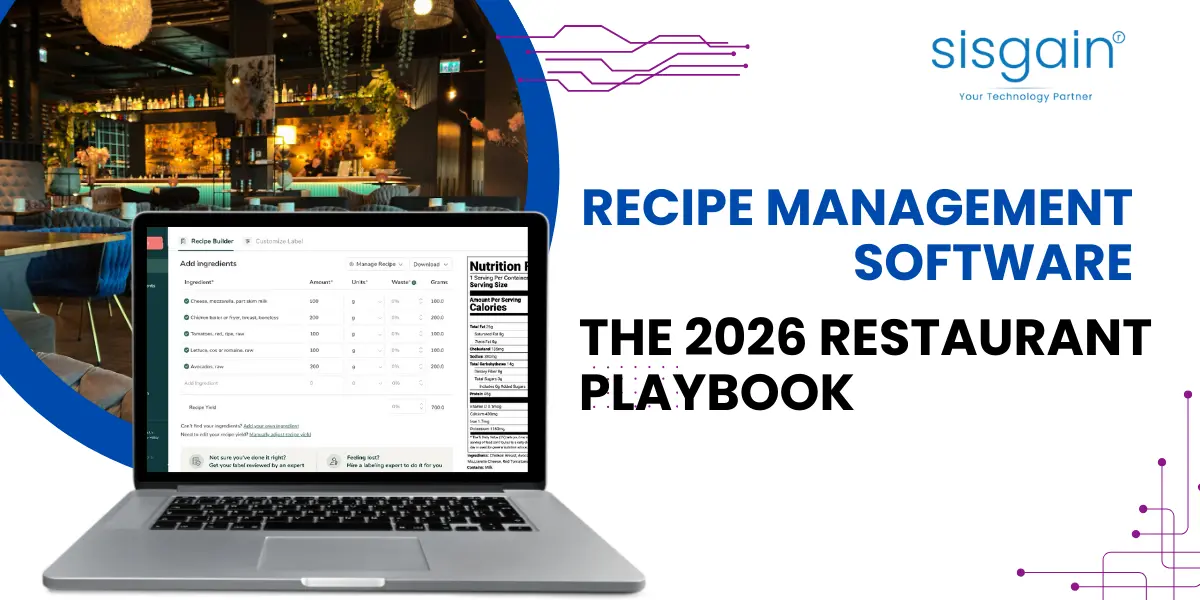




























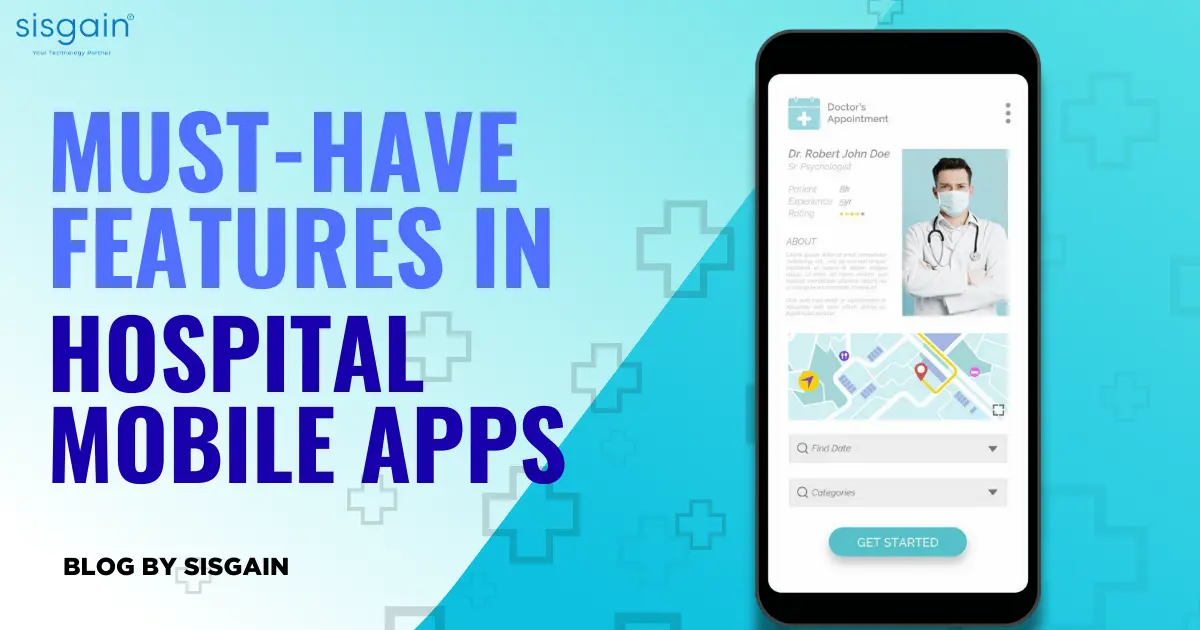


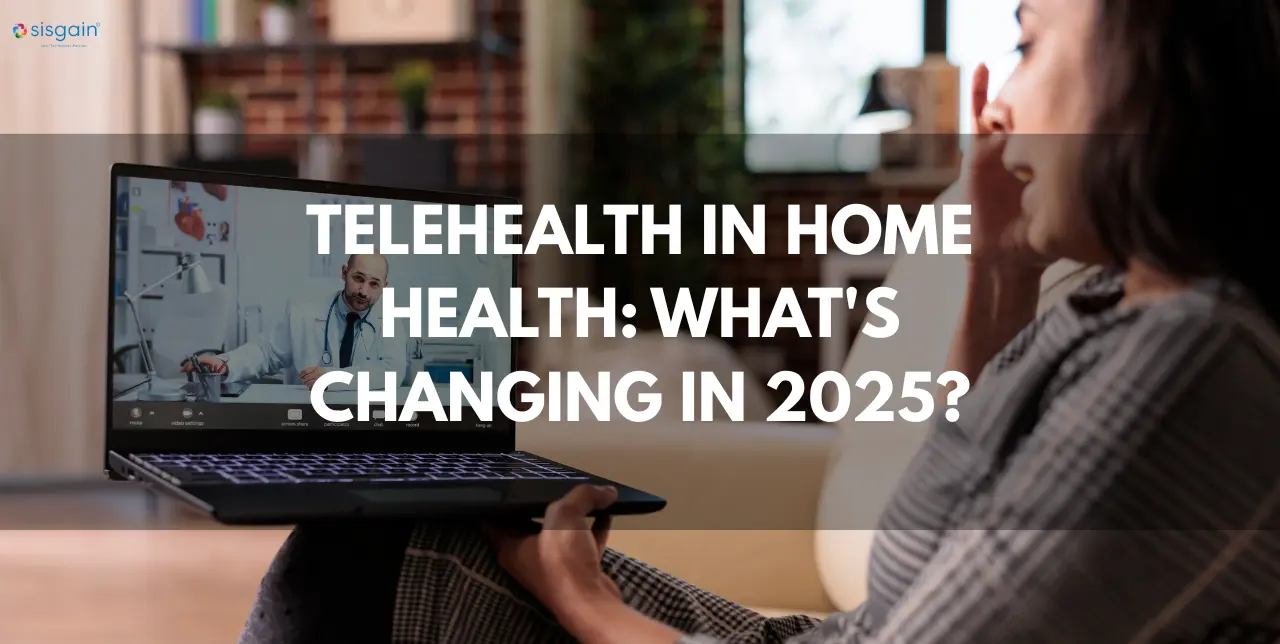
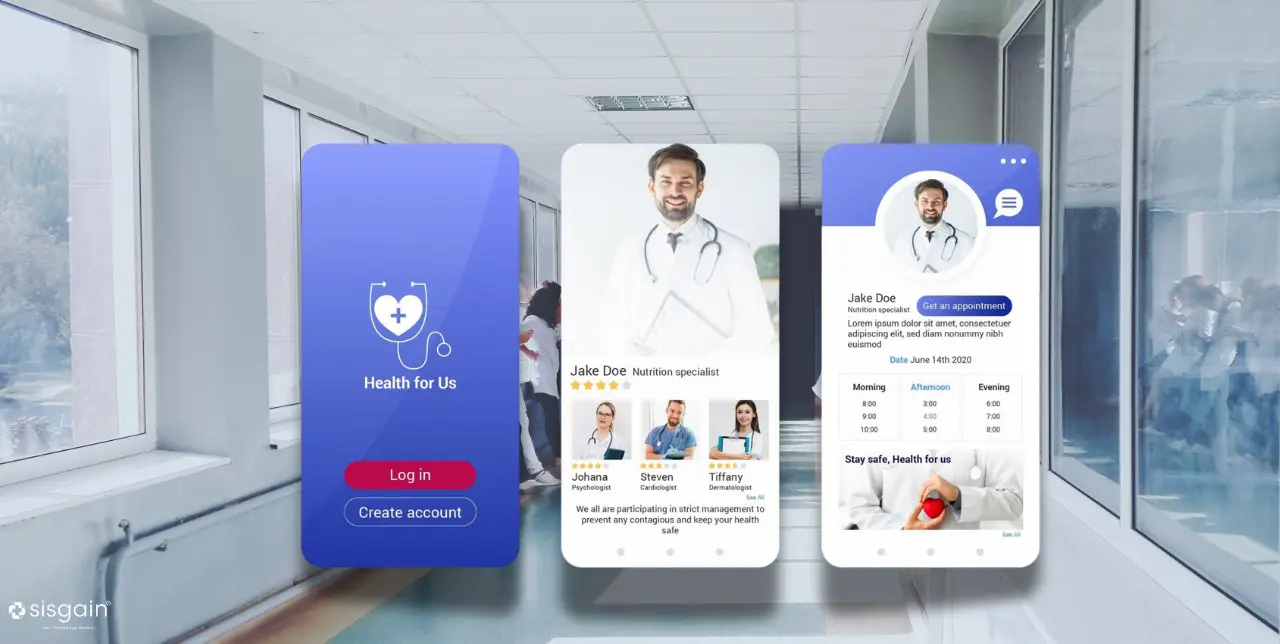





















Smoothly transition your vision into reality by setting clear goals, taking actionable steps, and staying adaptable—turning ideas into tangible outcomes with persistence and a focused approach.


Book a Free Consultation Call with Our Experts Today
Project quotes, partnerships, implementation
Open roles, referrals, campus hiring
