
Custom WMS Development
A purpose-built system covering your inbound, storage, picking, packing and dispatch workflows, with the rules your business actually uses: your slotting logic, your client-specific handling, your carrier mix.
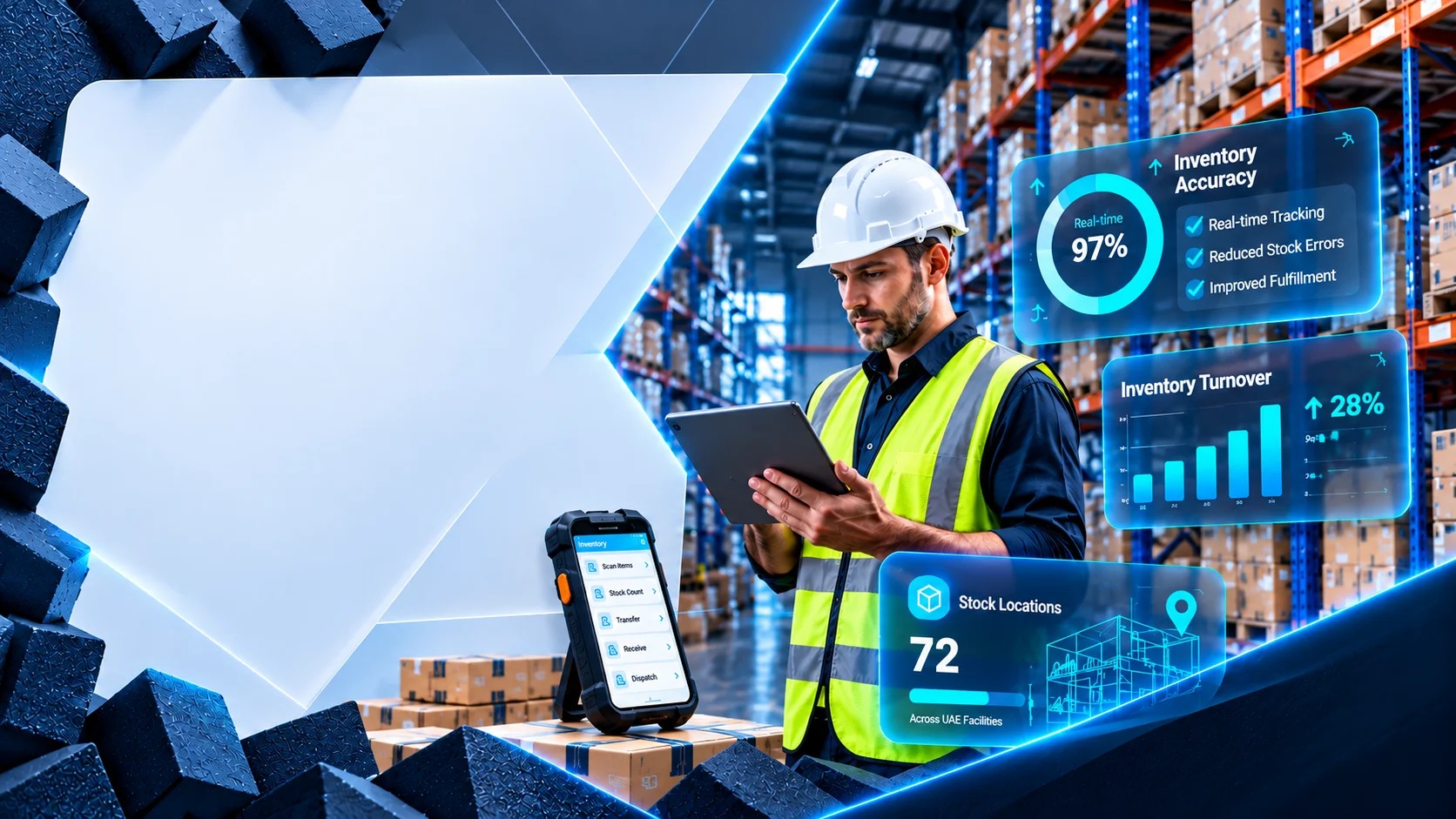
We design, build, integrate and support custom warehouse management systems for 3PLs, distributors, retailers, manufacturers and freight forwarders across Dubai and the wider UAE. As a warehouse management software company in Dubai, we start with your floor, your stock and your systems, not a generic template.














Warehouse management software development is the design, build and rollout of a system that controls inventory, labour and order flow inside a warehouse. It tracks every pallet and carton from receiving to dispatch, directs staff to the next task, and shares live stock data with your ERP and sales channels. We handle the full lifecycle, so you work with one WMS development company in the UAE instead of coordinating several vendors. For a step-by-step overview, read our warehouse management system development guide.
A purpose-built system covering your inbound, storage, picking, packing and dispatch workflows, with the rules your business actually uses: your slotting logic, your client-specific handling, your carrier mix.
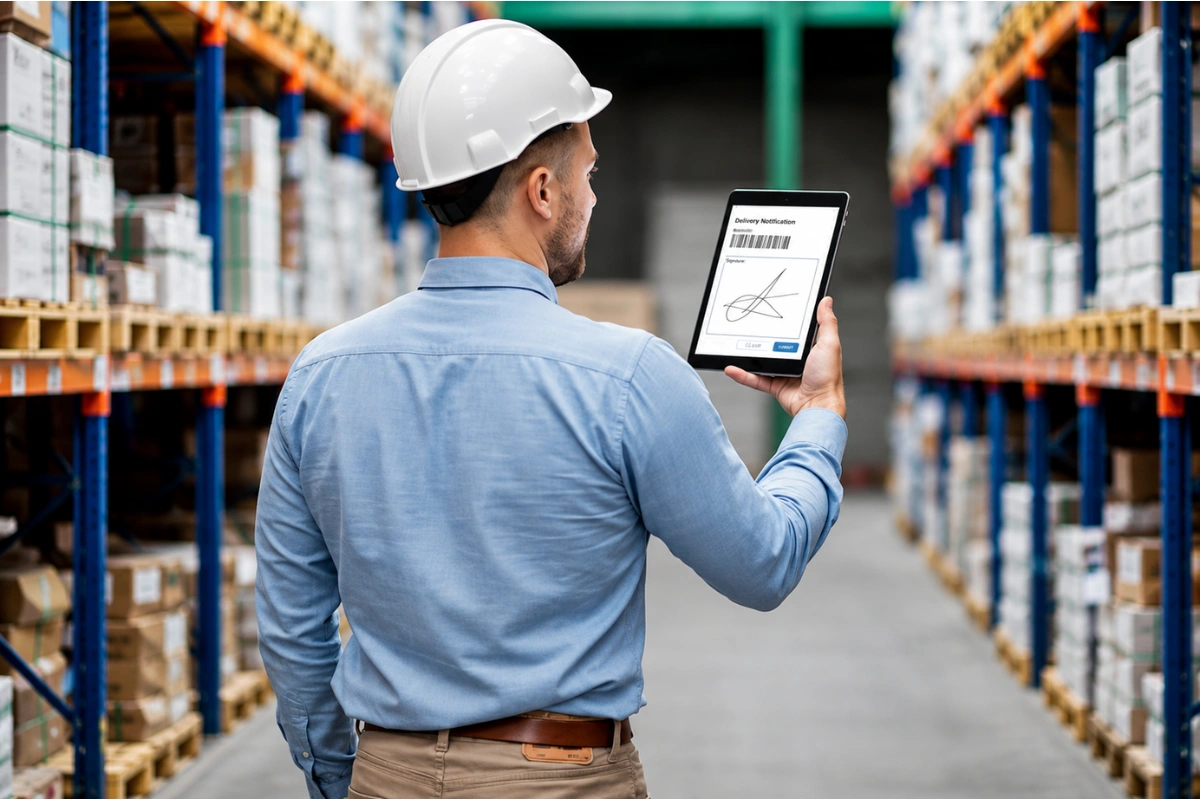
WMS implementation in the UAE succeeds or fails on rollout. We plan data migration, hardware setup, user training and go-live so your operation keeps shipping while the system changes underneath it.

We connect the WMS to your ERP, accounting, eCommerce, transport and courier systems so data moves once and stays accurate everywhere.
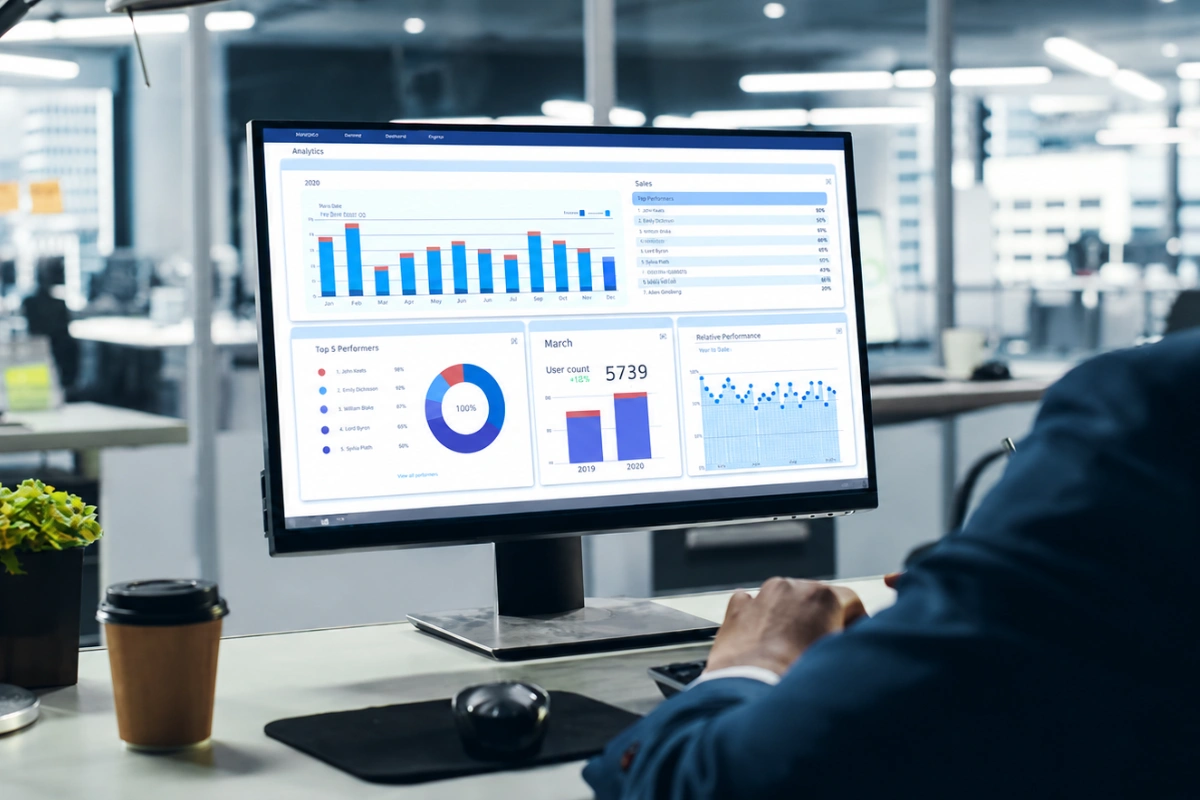
Outgrown your current system? We replace or rebuild it in phases, migrating historical stock and transaction data without a hard stop on operations.

New warehouse, new client, new sales channel. We maintain the system, add modules, and scale it as your volumes grow.
Packaged WMS products work well when your processes match what the product assumes. Many UAE operations don't match, and that's where custom warehouse management software development services pay off.
A packaged WMS may be the better fit when you run a single site with standard flows, need to go live quickly, and have little integration complexity. We'll tell you if that's your situation. It saves both of us time.
| Factor | Custom WMS | Packaged WMS |
|---|---|---|
| Workflow fit | Built to your process | You adapt to the product |
| Integration | Designed around your systems | Limited to available connectors |
| Cost model | Build investment, lower licence dependency | Ongoing per-user or per-site licences |
| Control | Your roadmap, your ownership terms | Vendor roadmap |
| Time to deploy | Longer, phased delivery possible | Typically shorter for standard setups |
Not sure which route fits? A short discovery call is enough to find out.
Every module below can be built, combined or phased in, depending on what your warehouse needs first.
Receiving against ASNs and purchase orders, quality checks, label printing and directed put-away, so stock is stored correctly the first time.
Real-time stock tracking by location, batch, lot, serial number and expiry date. Cycle counting and bin management keep system stock matching shelf stock.
Wave, batch and zone picking, packing verification, carrier label generation and dispatch confirmation. Built for high order volumes and tight cut-off times. If you run your own vehicles, pair it with fleet management software development services in UAE.
Return authorisation, inspection, grading and restock or disposal decisions, so returned goods stop sitting in a corner of the warehouse.
Handheld and tablet apps for scanning, picking and counting, with RFID support where tagging makes commercial sense.
Live inventory visibility across every site. Reports on order cycle time, pick accuracy, stock ageing, labour productivity and client-level activity.
Automation doesn't have to start with robots. For most warehouses it starts with software that removes manual decisions: who picks what, when stock needs replenishing, which exceptions need a supervisor. For repetitive back-office tasks around the warehouse, such as order entry and document handling, robotic process automation can help too.
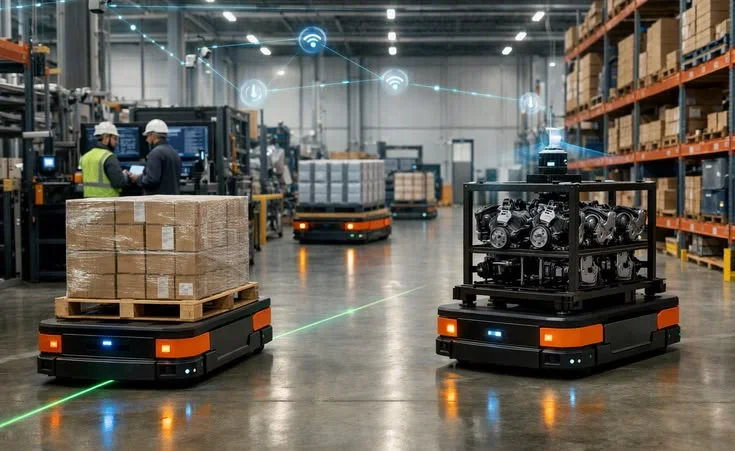
We design the software layer so you aren't locked into one equipment supplier.
A WMS that can't talk to your other systems creates double entry and stock mismatches. Our warehouse management system integration work in the UAE connects:
ERP and accounting: orders, purchase receipts, stock valuation and invoicing data, including systems built through our ERP software development services.
eCommerce platforms and marketplaces: live stock levels out, orders in.
Transport and courier systems: label generation, tracking updates and proof of delivery, including platforms from our transportation software development Dubai services.
BI and reporting tools: warehouse data in the dashboards your management already uses.
EDI, APIs and middleware: for partners and systems with their own formats.
Multi-client inventory, client-specific rules, activity-based billing data and SLA reporting, in one platform.
Consolidation, cross-docking and shipment-linked storage, connected to your forwarding and documentation workflow.
Fast pick-pack-ship cycles, channel-wide stock sync, and returns handling that keeps sellable stock moving.
Large SKU ranges, batch and expiry control, and van or route-based dispatch.
Raw material and finished goods tracking, production line replenishment and traceability by batch.
Expiry-first stock rotation, zone-specific storage rules and sensor data linked to inventory records.
If you operate across Dubai, Abu Dhabi, Sharjah or other emirates, the system gives one live view of stock across every site. For forwarding and cargo workflows, see our freight operations management software UAE.
We walk your floor and map receiving, storage, picking and dispatch as they really happen. You get: a documented current-state workflow.
We agree what's in the first release and what comes later. You get: a prioritised requirements document.
Data model, deployment approach and integration plan. You get: an architecture and integration blueprint.
You see working software every sprint, not a big reveal at the end. You get: demos and feedback loops.
Functional, integration and load testing, then user acceptance with your warehouse team. You get: a signed-off test report.
Master data and opening stock migrated and validated. Phased rollout or parallel run where risk calls for it. You get: a cutover plan and a validated stock baseline.
Role-based training for operators, supervisors and managers. You get: training sessions and quick-reference guides.
Monitoring, fixes and continuous improvement after launch. You get: an agreed support arrangement.
When you shortlist WMS developers in Dubai, the useful questions aren't about slide decks. They're about delivery. As a logistics software development company, we also build the systems that connect to your warehouse.
Transparent scoping. Fixed-scope milestones and written estimates before development starts.

Warehouse systems hold client orders, pricing and inventory data. We build in:
Role-based access control so staff see and do only what their role allows.
Audit trails on stock movements, adjustments and user actions.
Encryption and secure data handling in transit and at rest.
Backups and disaster recovery planning matched to your operational tolerance.
Flexible deployment: cloud, on-premise or hybrid, depending on your IT policy.
Scalability to more warehouses, users, clients and transaction volume.
The system can be designed to support your data protection and regulatory obligations in the UAE. We'll discuss your specific requirements during discovery.
The cost and timeline of a custom WMS depend on scope, integrations and rollout complexity. There's no honest fixed price without understanding your warehouse, which is why we scope first and quote second. For a wider budgeting view, see supply chain software development cost in UAE.
Ways to manage budget and risk: a phased plan that launches the highest-value modules first, so you see value early and expand from there.
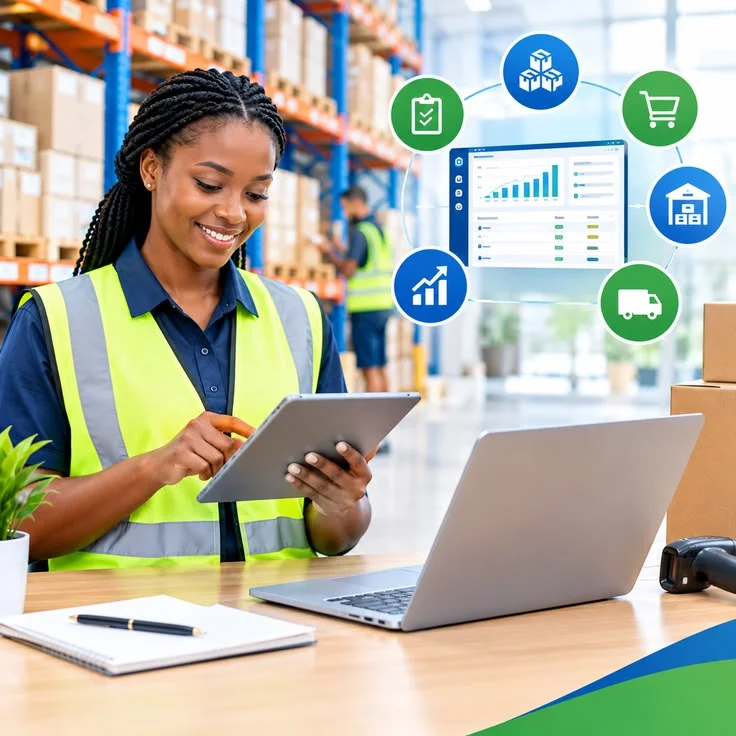
Tell us about your operation and we'll come back with a scoped estimate.
Tell us about your warehouse, your systems and what's not working. We'll set up a requirements call, scope the work, and give you a clear view of approach, phasing and estimated effort.
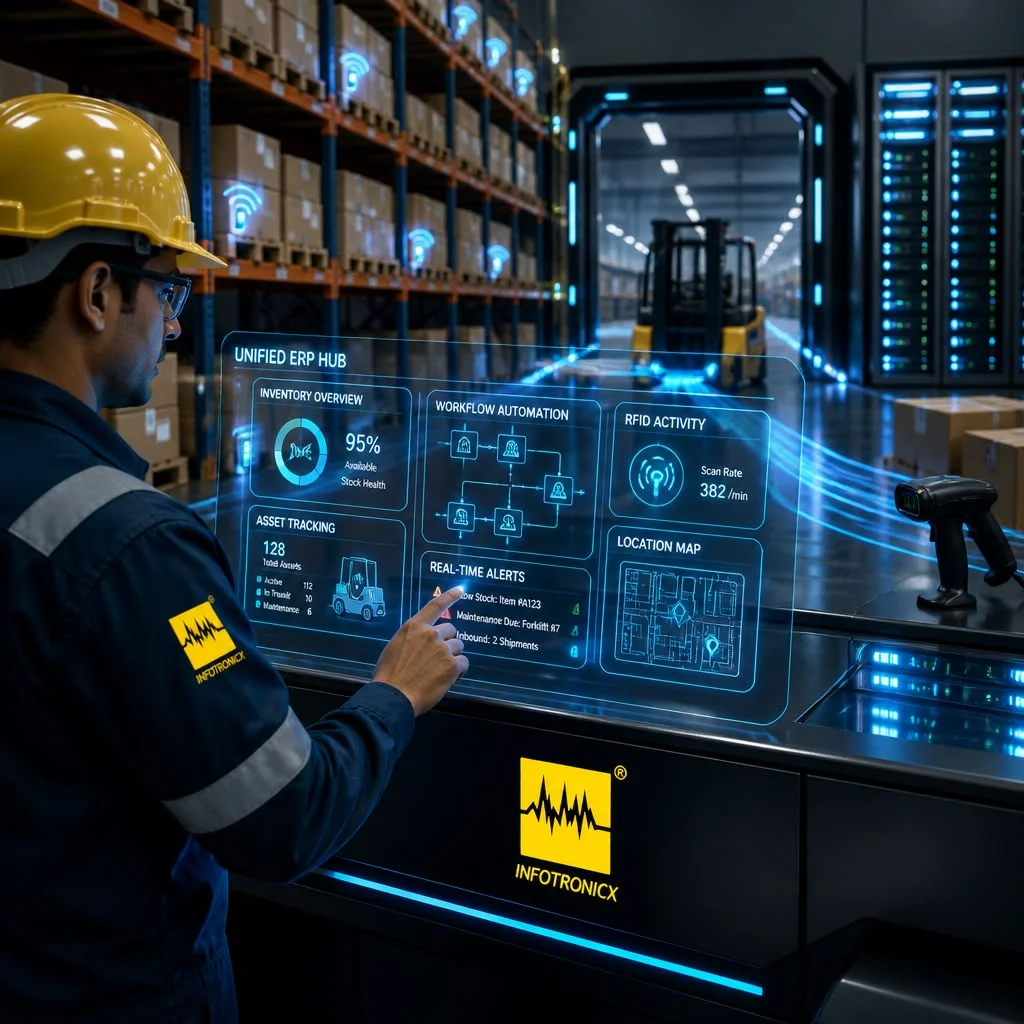
Explore how SISGAIN Technologies helps organizations accelerate digital transformation through AI, custom software, cloud modernization, and enterprise solutions that deliver measurable business outcomes.
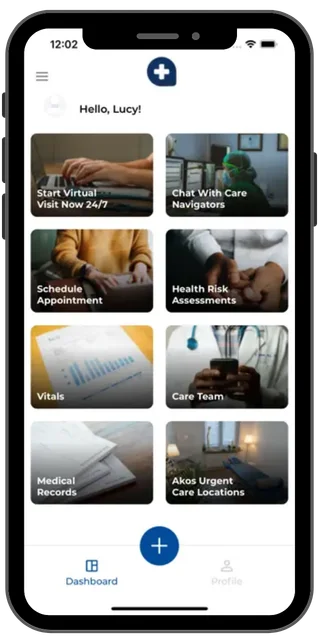
Developed a unified healthcare platform combining EMR, telemedicine, and remote patient monitoring to streamline patient care. Doctors can access real-time medical records, vitals, and treatment history from a centralized database while providing 24/7 telehealth services.
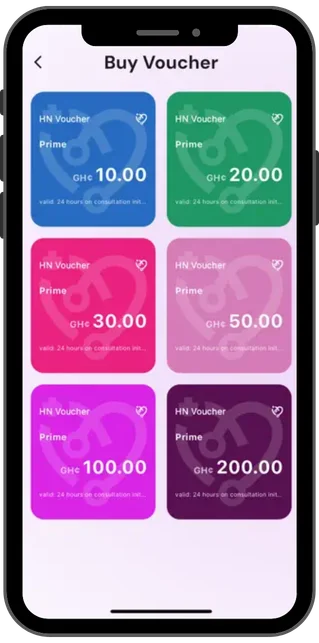
Built a comprehensive digital health platform integrating telemedicine, mobile lab services, and preventive health screening. Patients can consult doctors through video, voice, or chat while also scheduling home lab sample collection.
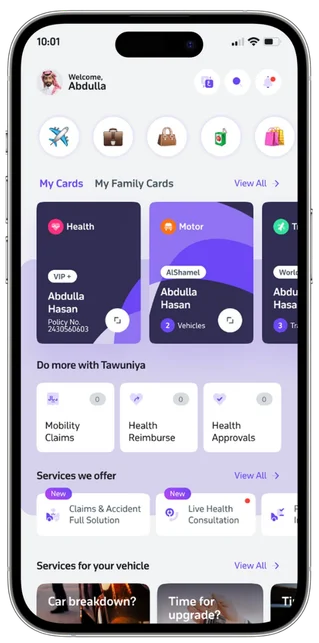
Developed a telemedicine platform integrated with the insurance ecosystem, allowing members to access virtual healthcare directly through their insurance policies while automating claims processing and policy management.
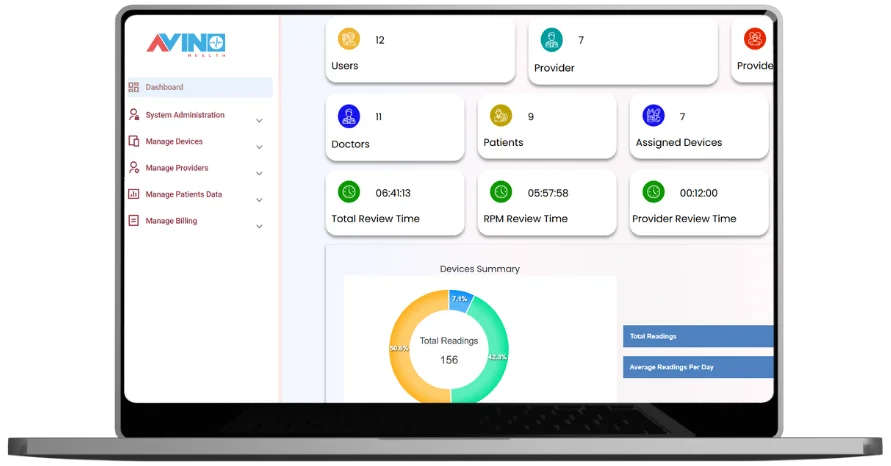
Created a cross-platform Remote Patient Monitoring (RPM) application enabling continuous vitals tracking through cellular-enabled medical devices. Clinicians receive real-time alerts when patient readings cross risk thresholds, enabling faster medical intervention.
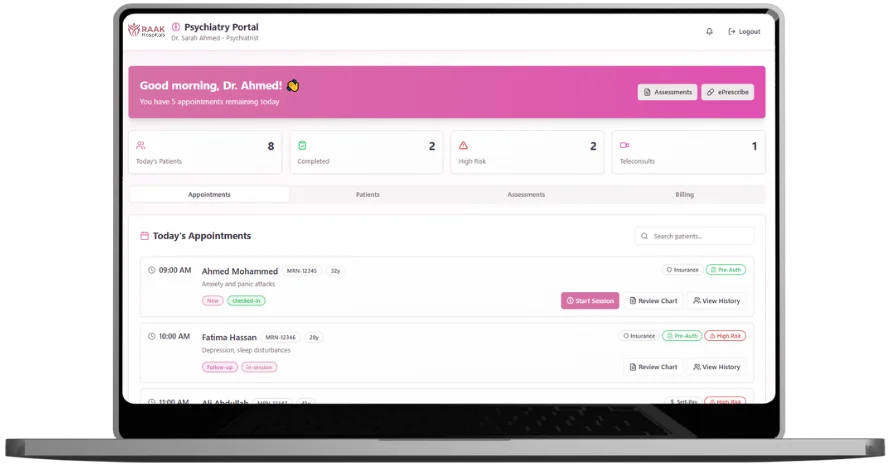
Designed a comprehensive Hospital Information System (HIS) to unify clinical, operational, and administrative workflows across departments. The platform integrates modules for patient records, lab management, pharmacy, billing, scheduling, and inventory.
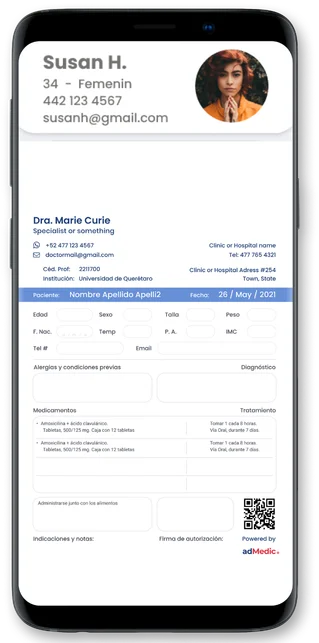
Developed an advanced Remote Patient Monitoring platform integrated with OxiTone devices enabling continuous health tracking with automated alerts for abnormal readings.
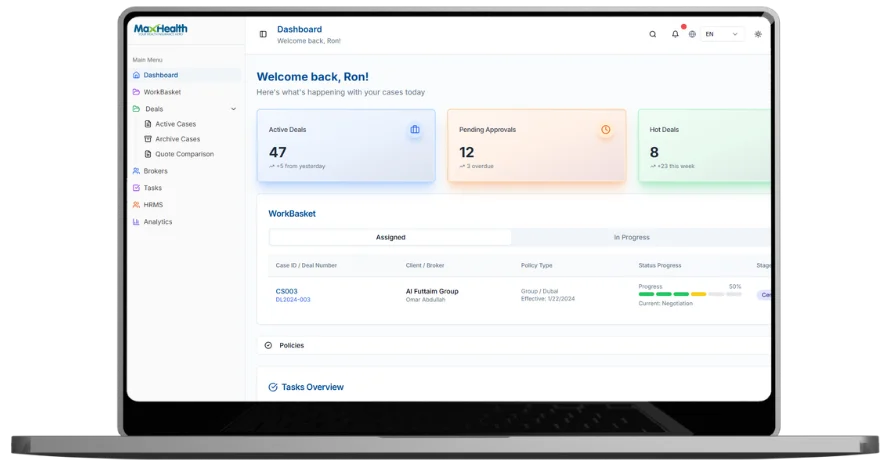
Built a customized CRM platform to manage business projects, sales pipelines, and client relationships in a centralized system. The solution replaced fragmented spreadsheets with real-time dashboards and automated workflows.
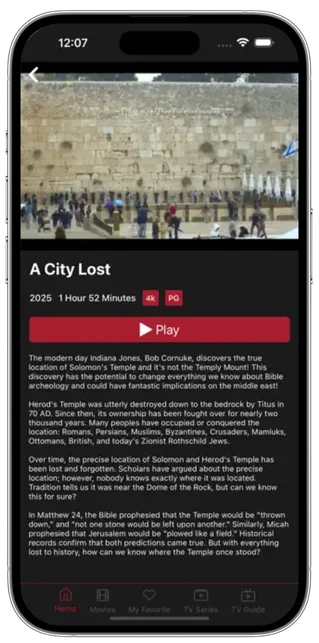
Developed an OTT streaming platform bringing live TV and on-demand content into a single interface supporting Smart TVs, mobile apps, and Android devices.
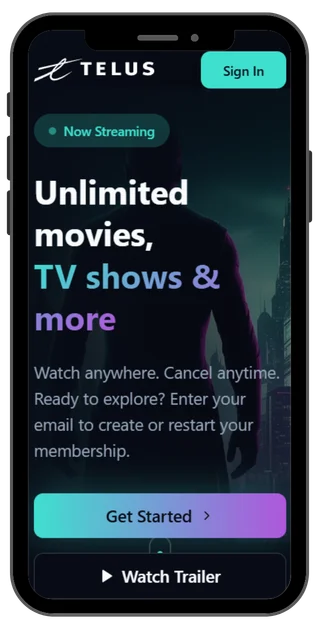
Created a scalable OTT platform delivering live TV, on-demand content, and third-party streaming integrations across multiple devices with cloud-based architecture.
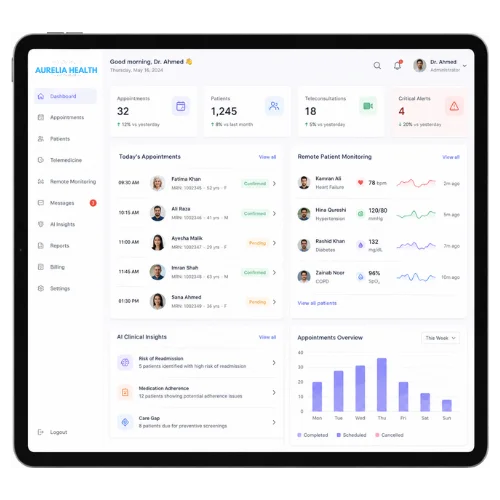
Developed a cloud-native healthcare ecosystem integrating EMR, telemedicine, patient engagement, remote monitoring, and AI-powered clinical insights to improve care coordination and operational efficiency.
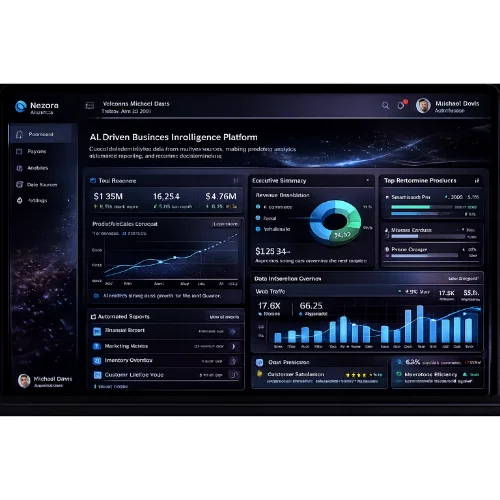
Built an AI-driven business intelligence platform that consolidated enterprise data from multiple sources, enabling predictive analytics, automated reporting, and real-time decision-making across departments.
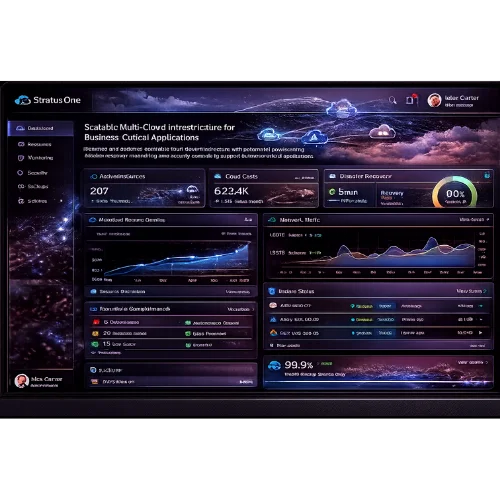
Designed and deployed a scalable multi-cloud infrastructure with automated provisioning, disaster recovery, monitoring, and security controls to support business-critical applications with high availability.
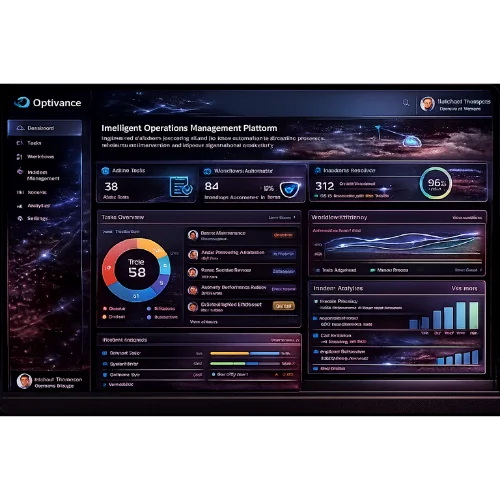
Implemented an intelligent operations management platform leveraging AI and workflow automation to streamline processes, reduce manual intervention, and improve organizational productivity.
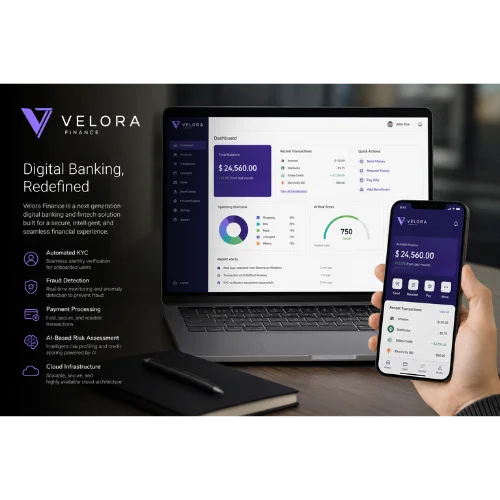
Developed a secure digital banking and fintech solution featuring automated KYC, fraud detection, payment processing, AI-based risk assessment, and cloud-hosted infrastructure for seamless scalability.
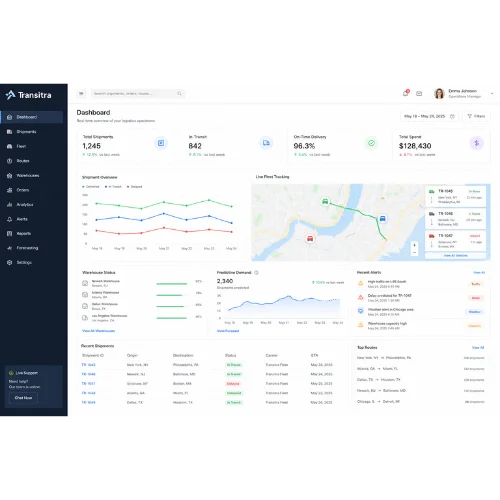
Created an end-to-end logistics and supply chain management platform with route optimization, fleet tracking, warehouse automation, predictive demand forecasting, and real-time operational visibility.
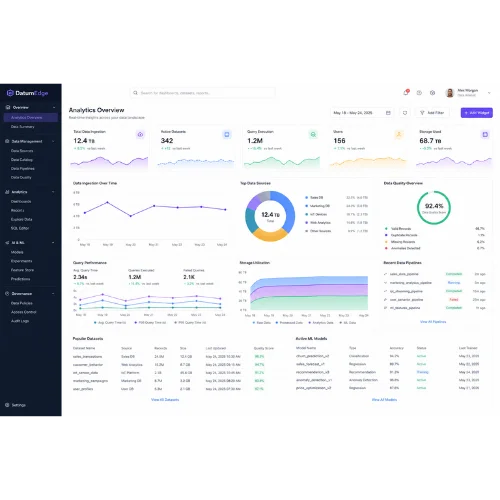
Implemented a centralized data lake and analytics platform enabling organizations to collect, process, and visualize large-scale business data while supporting AI and machine learning initiatives.
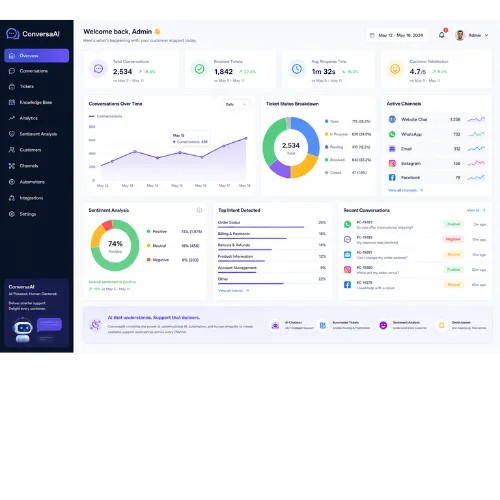
Created an AI-powered customer support ecosystem featuring conversational chatbots, automated ticket management, sentiment analysis, and omnichannel communication to improve service delivery.
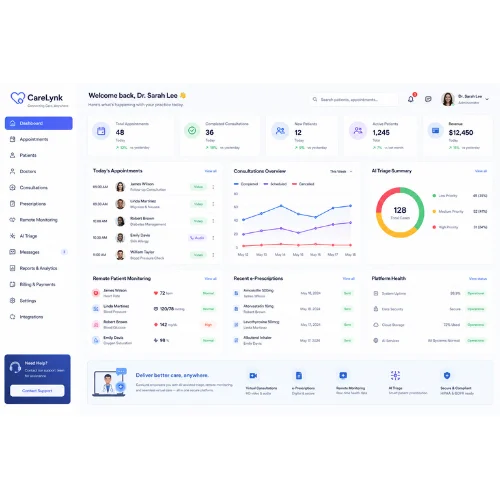
Designed a telehealth platform combining virtual consultations, electronic prescriptions, remote patient monitoring, AI-assisted triage, and secure cloud hosting for healthcare providers.
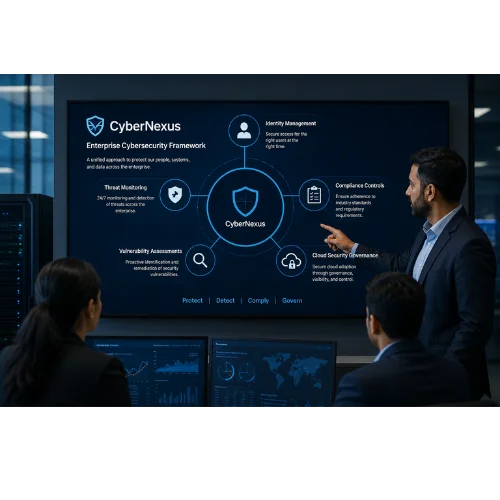
Established an enterprise cybersecurity framework incorporating identity management, threat monitoring, vulnerability assessments, compliance controls, and cloud security governance.
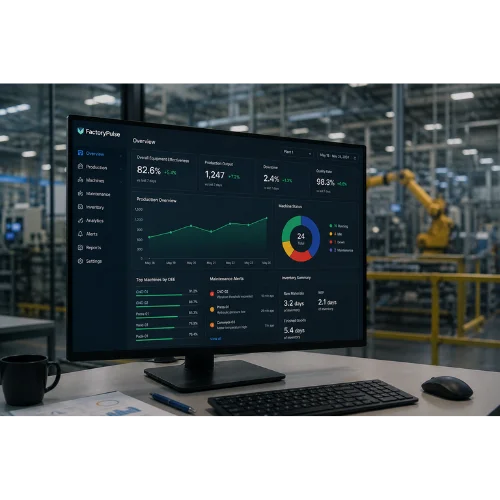
Built a smart manufacturing solution integrating IoT devices, production monitoring, predictive maintenance, inventory optimization, and AI-driven operational analytics.
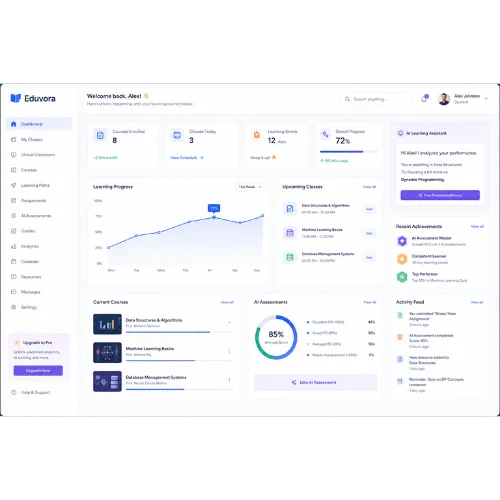
Developed a modern learning platform featuring virtual classrooms, adaptive learning paths, AI-powered assessments, student analytics, and cloud-based content delivery.
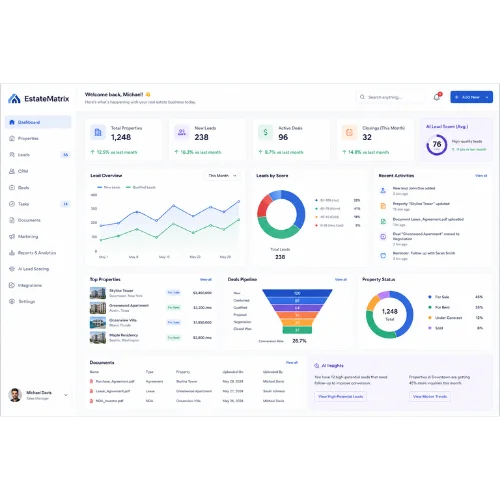
Created a real estate management ecosystem supporting property listings, CRM, document management, AI-powered lead scoring, and analytics for enhanced sales performance.
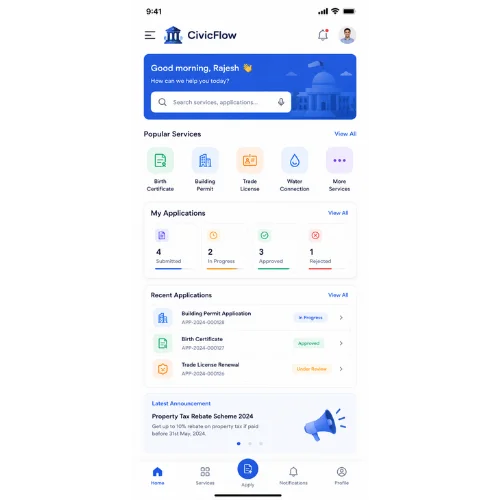
Implemented a digital transformation platform for public sector organizations, streamlining citizen services, workflow automation, document management, and cloud-based governance systems.

Established a CI/CD-driven DevOps framework with automated testing, containerization, Kubernetes orchestration, infrastructure as code, and cloud deployment pipelines for faster software releases.
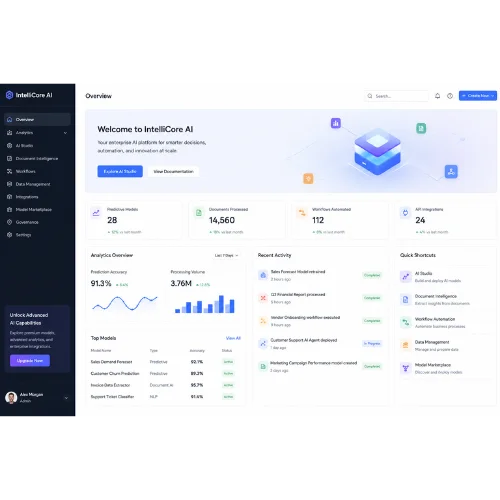
Developed an enterprise AI platform enabling predictive analytics, generative AI integrations, intelligent document processing, and workflow automation across business functions.
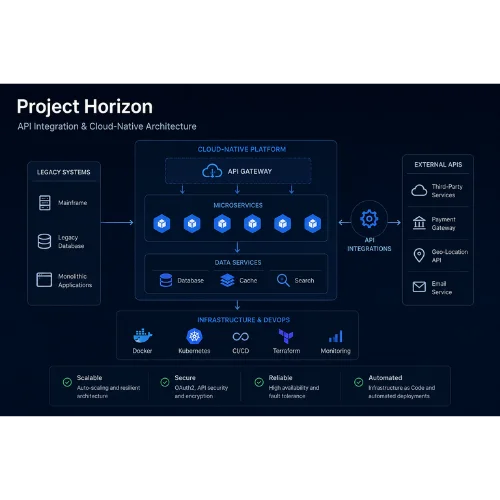
Transformed legacy systems into scalable cloud-native applications using microservices architecture, API integrations, containerized deployments, and automated infrastructure management.
It covers analysing your warehouse processes, designing the system, building it, integrating it with your ERP and equipment, migrating data, training users and supporting the system after launch. The result is software shaped around your operation, not a product you have to work around.
Build when your workflows, client rules or integrations don't fit a packaged product, when you run multiple sites or entities, or when licence costs will grow faster than your business. Buy when you run a single site with standard processes and need to go live quickly.
Yes, in most cases. We connect the WMS to ERP, accounting, eCommerce, courier and transport systems through APIs or middleware. We confirm what's feasible for your specific systems during discovery.
It includes workflow automation (task allocation, replenishment, alerts) and connectivity to equipment such as scanners, RFID readers, conveyors or robotics, where the equipment vendor supports integration. Many clients start with software-led automation and add hardware later.
It depends on scope, number of sites, integrations and data migration. A focused first release takes less time than a full multi-warehouse platform. We give a phased timeline after discovery, not before.
Cost is driven by feature scope, integrations, warehouse and user count, automation hardware, migration effort and support level. We provide a written estimate after a scoping conversation, and we can phase the build to fit your budget.
Yes. A multi-warehouse WMS gives one live view of inventory across every site, with transfers between warehouses, site-level permissions and consolidated reporting.
Check for relevant warehouse experience, proven integration work with your type of ERP, clear scoping and ownership terms, references from similar operations, and a defined support model. Ask to speak with a past client.