


In the rapidly evolving landscape of healthcare, technology has become the cornerstone of modern medical practices. No longer confined to traditional hospitals and physician offices, healthcare is now a dynamic, interconnected ecosystem powered by sophisticated software solutions. These applications are revolutionizing patient care, enhancing operational efficiencies, ensuring regulatory compliance, and enabling scalable growth for healthcare providers worldwide. As we navigate 2026, the integration of advanced technologies like artificial intelligence (AI), cloud computing, and the Internet of Medical Things (IoMT) is accelerating this transformation. From electronic health records (EHRs) that streamline data management to telemedicine platforms facilitating remote consultations, healthcare software is not just an add-on—it's essential for delivering high-quality, accessible care.
The global healthcare software market is projected to grow exponentially, driven by increasing demand for digital solutions amid aging populations, rising chronic diseases, and the need for cost-effective care delivery. In 2026, experts predict that AI-driven tools will dominate, with generative AI playing a pivotal role in drug discovery and personalized medicine. However, developing healthcare software differs significantly from creating standard consumer apps. It demands a profound understanding of medical domains, adherence to stringent regulations, robust security measures, and a focus on patient safety and data privacy. Mistakes here aren't just bugs—they can have life-altering consequences.
This comprehensive guide draws from industry best practices and insights from leading developers to outline how to build a healthcare software app in 2026. Whether you're a startup founder, a healthcare administrator, or a tech enthusiast, this step-by-step process will help you create solutions that are innovative, compliant, and impactful. We'll emphasize creating content-rich, value-driven applications that align with Google's search engine policies, ensuring your blog or project gets indexed effectively by providing in-depth, authoritative information.
What Is a Healthcare Software Application?
At its core, a healthcare software application is a specialized digital tool designed to facilitate various aspects of healthcare delivery, from clinical decision-making to administrative tasks and patient engagement. Unlike generic business software, which might focus on productivity or sales, healthcare apps handle sensitive elements such as patient health data, clinical workflows, interactions with medical professionals, pharmacies, insurance providers, and even government health systems.
These applications leverage data analytics, real-time monitoring, and interoperability standards to improve outcomes. For instance, an EHR system aggregates patient history, lab results, and treatment plans into a single, accessible platform, reducing errors and enabling better-informed decisions. In 2026, with the rise of AI agents in healthcare, these apps are becoming smarter, automating routine tasks like appointment scheduling or preliminary diagnostics to free up human resources for complex care.
The overarching objective is twofold: enhance patient outcomes through timely, personalized interventions and optimize operational workflows to cut costs and boost efficiency. This dual focus ensures that healthcare software not only meets immediate needs but also adapts to future challenges, such as pandemics or regulatory shifts.
Common Types of Healthcare Software Apps
The healthcare software ecosystem is diverse, encompassing various categories tailored to specific needs. Understanding these types is crucial for identifying where your app fits in.
- Hospital Management Systems (HMS): These comprehensive platforms manage everything from patient admissions and bed allocations to inventory tracking and staff scheduling. In 2026, HMS are increasingly incorporating AI for predictive analytics, forecasting patient influxes based on seasonal trends or local health data.
- Electronic Medical Records (EMR/EHR): EMRs focus on clinical data within a single practice, while EHRs enable sharing across providers. With FHIR standards evolving, these systems now support seamless data exchange, crucial for coordinated care.
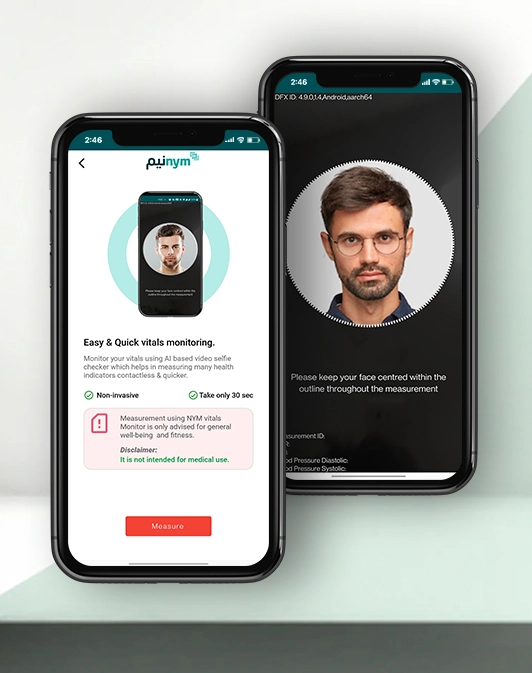
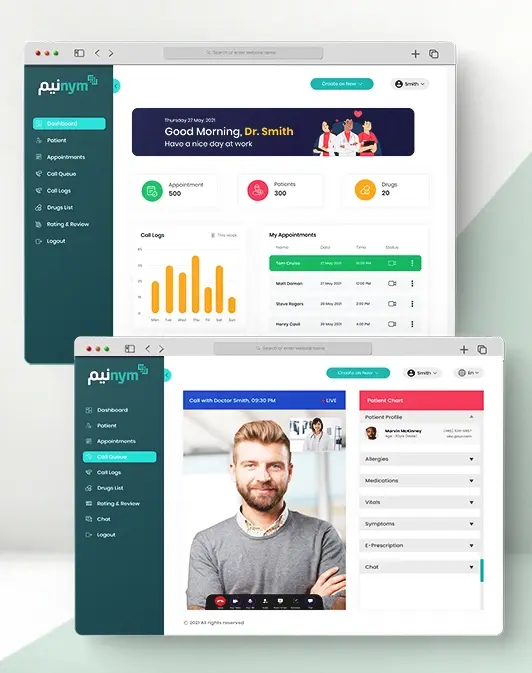
- Telemedicine & Remote Patient Monitoring Apps: These have surged post-pandemic, allowing virtual consultations and continuous monitoring via wearables. By 2026, integration with 5G and IoMT devices will enable real-time vital sign tracking, alerting providers to anomalies instantly.
- E-Prescription & Pharmacy Management Software: Streamlining prescription processes, these apps reduce errors and ensure compliance with controlled substance regulations. Features like automated refills and drug interaction checks are standard.
- Medical Billing & Insurance Verification Systems: Automating claims processing and eligibility checks, these tools minimize denials and accelerate reimbursements, integrating with payers' APIs for efficiency.
- Fitness & Wellness Health Apps: Consumer-facing, these track activity, nutrition, and mental health, often syncing with clinical systems for holistic views.
- Diagnostic & Laboratory Information Systems (LIS): Managing lab workflows, from sample collection to result reporting, with AI enhancing accuracy in image analysis for radiology.
Each type addresses unique pain points, but all share the goal of improving accessibility and outcomes while adhering to data security protocols.
Why Healthcare Software Development Requires a Specialized Approach
Developing healthcare software isn't like building a social media app or e-commerce platform. The stakes are infinitely higher: mishandled data can breach privacy, system downtime might delay critical care, and non-compliance could lead to fines exceeding millions or even legal shutdowns. Patient data's sensitivity—encompassing medical histories, genetic information, and biometrics—demands ironclad protection.
Moreover, integration with legacy systems, such as outdated hospital databases, poses technical hurdles. Scalability is non-negotiable; apps must handle surges in usage, like during health crises, and adapt to emerging technologies like nanomedicine or adaptive care models. In 2026, cross-industry collaborations, such as between tech firms and pharma, are fostering innovative solutions, but they require specialized expertise to navigate.
Failure to adopt a compliance-first mindset often results in project overruns or market rejection. Experienced developers, like those in the UAE's burgeoning health tech scene, prioritize these elements from day one, ensuring long-term viability.
Step-by-Step Process to Build a Healthcare Software App
Building a healthcare app is a methodical journey. Here's an expanded guide with practical insights.
Step 1: Identify the Real Healthcare Problem
Success starts with empathy and research. Dive deep into stakeholder needs: survey patients for pain points like long wait times, consult clinicians on workflow bottlenecks, and analyze hospital data for operational gaps. Tools like user interviews, focus groups, and data analytics reveal issues such as fragmented records leading to misdiagnoses or elderly patients' struggles with in-person visits.
Avoid broad scopes; focus on high-impact problems. For example, an app targeting prescription delays could integrate AI for predictive inventory management in pharmacies.
Step 2: Define the Healthcare App Category & Use Case
Categorize your app early to tailor features. Define primary users—e.g., doctors for an e-prescription tool—and core value, like reducing errors by 30%. Consider user personas: a busy specialist needs quick interfaces, while patients prioritize simplicity.
This step averts pivots; mismatched categories lead to compliance mismatches. In 2026, with operational AI trending, define how your app incorporates data-driven insights for better use cases.
Step 3: Perform Detailed Requirements Analysis
Gather exhaustive requirements: functional (e.g., prescription generation), non-functional (e.g., 99.9% uptime), compliance (HIPAA, FHIR), and integrations (e.g., lab APIs). Use tools like requirement traceability matrices to track them.
For an e-prescription app, specify secure authentication, history tracking, and notifications. Involve domain experts to anticipate edge cases, like handling controlled substances under DEA rules. Thorough analysis prevents scope creep and ensures alignment with 2026 trends like cloud scalability.
Step 4: Ensure Regulatory Compliance & Data Privacy
Compliance is the bedrock. Key standards include HIPAA for U.S. data protection, HL7/FHIR for interoperability, GDPR for EU privacy, and local regs like UAE's health authority guidelines. For controlled substances, DEA compliance mandates electronic prescribing safeguards.
Implement end-to-end encryption, role-based access, audit logs, and anonymization. Conduct risk assessments early. Non-compliance risks fines up to 4% of global revenue under GDPR. In 2026, with AI governance evolving, ensure algorithms are transparent and bias-free.
Step 5: Choose the Right Technology Stack
Select tools for longevity: Frontend like React for responsive UIs, backend with Node.js for real-time features, databases like PostgreSQL for structured health data. Cloud platforms (AWS, Azure) offer HIPAA-compliant hosting.
Prioritize security with OAuth and JWT. For 2026, integrate AI frameworks like TensorFlow for predictive analytics. Wrong choices hinder scalability; e.g., non-cloud stacks struggle with IoMT data volumes.
Step 6: API & SDK Integration
APIs enable connectivity: integrate with pharmacy networks, wearables, or government databases using FHIR standards. This fosters interoperability, easing upgrades.
In 2026, API-driven designs support AI agents for automated workflows. Test integrations rigorously to avoid data silos, enhancing app utility and SEO through technical depth.
Step 7: Design System Architecture & UX
Architecture should be modular, using microservices for flexibility. Ensure high availability with load balancing.
UX design emphasizes intuitiveness: minimal clicks, accessible fonts, and role-based views. Poor design spikes errors—e.g., confusing interfaces delay treatments. Incorporate WCAG standards for inclusivity.
Step 8: Healthcare Software Development Phase
Execute in sprints: backend for logic/security, frontend for interfaces, then integrations. Follow secure coding (e.g., OWASP guidelines) to thwart breaches.
Agile methodologies allow iterative improvements, aligning with 2026's fast-paced trends like 5G-enabled remote monitoring.
Step 9: Quality Assurance & Testing
Multi-layered testing: functional for features, security via penetration tests, performance under load, compliance audits, and UAT with real users.
In healthcare, simulate high-stakes scenarios. Automated tools speed this, but manual reviews catch nuances.
Step 10: Launch MVP (Minimum Viable Product)
Release a core-featured MVP to gather feedback quickly. Ensure full compliance. This approach minimizes risks and allows pivots based on user data.
Step 11: Continuous Improvement & Scaling
Post-launch, monitor metrics, update for regs, and integrate AI enhancements. Scalability involves cloud auto-scaling and regular optimizations.
Challenges in Healthcare Software Development
Common hurdles include data silos, high costs, talent shortages, and cybersecurity threats. Mitigate with partnerships and robust planning. In 2026, addressing AI ethics will be key.
Future Trends in Healthcare Software
Looking ahead, expect AI in drug discovery, personalized medicine via genomics, and blockchain for secure data sharing. Wearables and nanomedicine will integrate deeply, driving proactive care.
Why Choose SISGAIN for Healthcare Software Development?
As a leading healthcare software development company in the UAE, SISGAIN offers HIPAA-compliant apps, custom solutions with scalable architectures and secure integrations. Their expertise ensures end-to-end support, turning ideas into compliant, future-ready apps.
Final Thoughts
Building healthcare software in 2026 is a blend of innovation, compliance, and strategy. By prioritizing planning, security, and scalability, you create solutions that transform care. Partnering with experts like SISGAIN guarantees success in this competitive space, while crafting detailed, user-focused content aids Google indexing for broader reach.
